REVIEW · MEXICO CITY
From CDMX: Trekking to Iztaccihuatl Volcano accompanied by a mountaineer
Book on GetYourGuide →Operated by Trekzy · Bookable on GetYourGuide
Early starts beat sleeping in. This hike to Iztaccíhuatl mixes volcanic scenery with real mountain pacing. You leave Mexico City before sunrise, then spend the day climbing high above the Valley of Mexico.
What I like most is the combo of fresh air + huge views. You also get a historical stop at Paso de Cortés, tied to Hernán Cortés’s 1519 route, before you begin the climb.
One thing to consider: if you want lots of long, detailed explanations the whole time, this trip can feel more hike-and-views than classroom. A couple of hikers noted the guide was quieter and the ride time can feel long.
In This Review
- Key highlights to know before you go
- From 6:20 a.m. to mountain views: the Paso de Cortés opener
- La Joya hike: what climbing toward 4300 meters really means
- Into Iztaccíhuatl–Popocatépetl National Park: the views, the quiet, and the photo stops
- Your mountaineer guide: safety briefings, pacing, and knowing when to ask
- Timing and physical prep: how to make this hike feel manageable
- Price check: is $153 a fair value for an Iztaccíhuatl trek?
- Who should book this trek from CDMX, and who shouldn’t
- Should you book this Iztaccíhuatl trekking day?
- FAQ
- What time and where do I meet the guide?
- How long is the experience?
- Is hiking equipment included?
- Are meals and drinks included?
- What language is the tour guide?
- Do I need a passport?
- Who can’t join?
Key highlights to know before you go
- Paso de Cortés stop: quick viewpoint with major historical context from 1519.
- Start at La Joya: the trail begins with changing terrain and altitude pressure.
- Climb to about 4300 m: it’s a real test of breath and stamina, not a stroll.
- Iztaccíhuatl–Popocatépetl National Park: panoramic looks at volcanoes and nearby villages.
- Mountaineer guide focus: pace and safety depend on the group’s physical level.
- Photography-friendly: multiple scenic pauses plus time for your own shots.
From 6:20 a.m. to mountain views: the Paso de Cortés opener
You meet in Mexico City’s Historic Center at Calle Isabel La Católica 61-A at 6:20 a.m. That early departure matters here. By the time you’re leaving the city, you’re already in “day hike” mode, not “sleep late and then see what happens” mode.
The first stretch is a long van ride (about 105 minutes) out toward the mountains. Then you get a short stop at Paso de Cortés, a historic pass tied to Hernán Cortés’s movement in 1519 on his way to Mexico-Tenochtitlan. You’re not here for a museum. It’s more like: step out, take in the mountain framing, and connect the landscape to the story.
After that, you transfer again (another 30 minutes) toward La Joya, where the hike begins. This structure helps you avoid arriving too late for good light and calmer weather. Morning mountain air usually feels clearer, and the views tend to look more dramatic before clouds roll in.
You can also read our reviews of more hiking tours in Mexico City
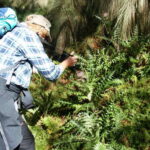
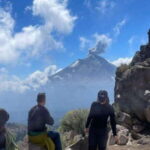
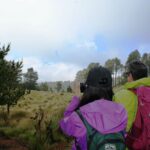
La Joya hike: what climbing toward 4300 meters really means
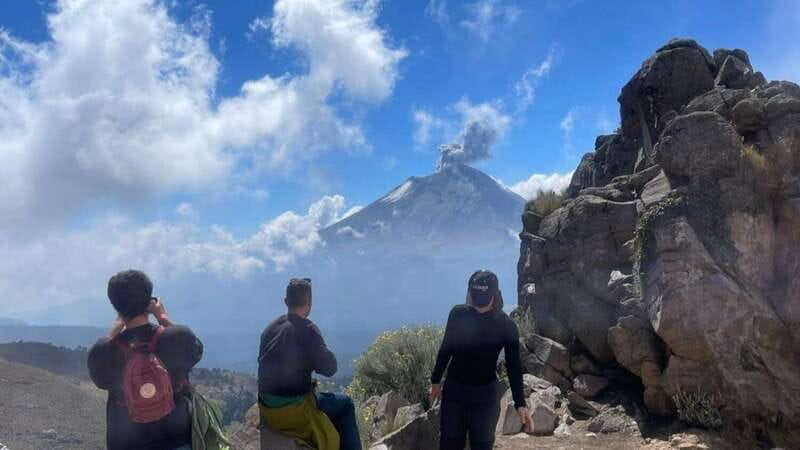
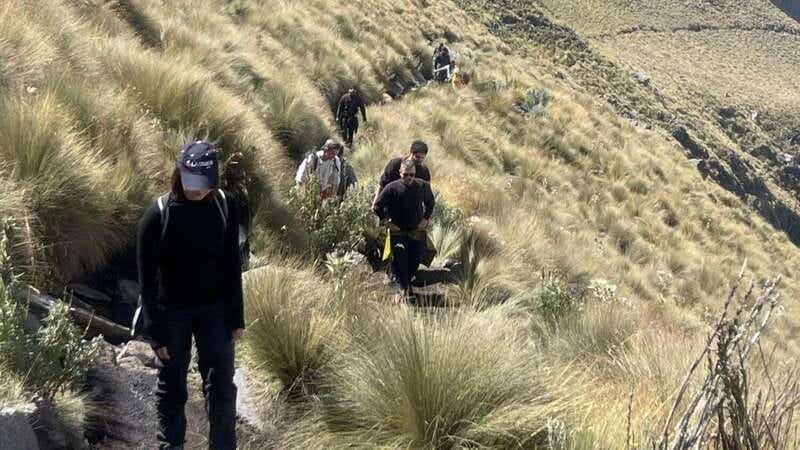
Once you’re at La Joya, the hike starts at high elevation. The walk is long enough that you’ll notice the altitude. The tour description flags an ascent up to around 4300 meters. Even if you’re fairly fit, that number changes the experience. Your breathing slows down. Your legs get heavy. The pace has to become steady, not fast.
This is where I’d be honest with you: your comfort level depends on how you handle effort. The best strategy is not to “win” the hike. It’s to move with control—shorter steps, slower breathing, and constant attention to the guide’s cues. The tour notes that the pace depends on the group’s physical level, so if you’re the stronger hiker, try not to pull ahead too early.
What you see along the trail can shift depending on conditions. Expect a landscape that can include seasonal snowfall and changes in local flora and fauna. You’re also in a quieter zone than the city—so the air feels different, and the views of the Valley of Mexico start to make more sense as you gain height.
And yes, it’s a “walking on uneven terrain” situation. The ground isn’t designed for fashion sneakers and perfect footing. Comfortable, grippy shoes matter more than you think.
Into Iztaccíhuatl–Popocatépetl National Park: the views, the quiet, and the photo stops
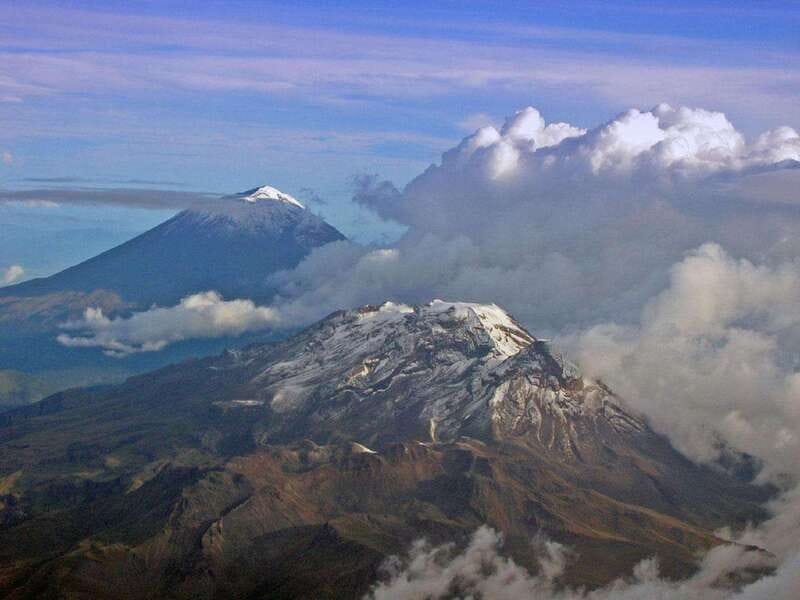
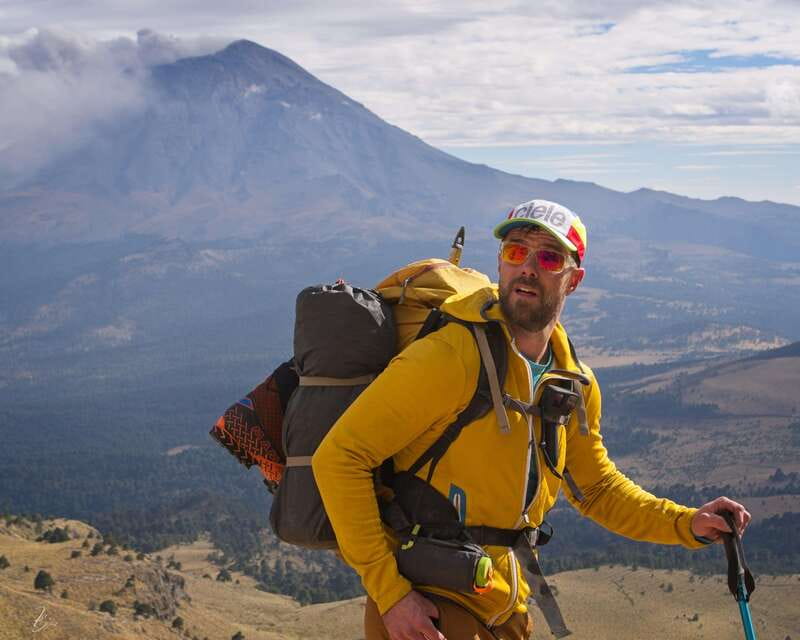
The hike moves through the Iztaccíhuatl–Popocatépetl National Park, with about 3 hours of walking and guiding inside the park zone. This is the heart of the day: more sustained hiking, less bus time, more time with big volcanic scenery.
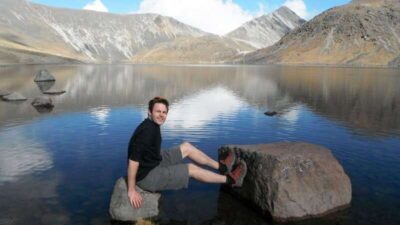
You’ll likely get views that include nearby villages and surrounding volcanoes, and you’ll feel the calm of the area as you rise above the urban haze. One of the best parts here is the way the day turns into a sequence of lookouts: not just one payoff view, but multiple “stop, breathe, look around” moments.
There are also short pauses designed for photos, including a photo stop/free time segment later in the day. These breaks are helpful because they give you a chance to catch your breath and then re-aim your camera. If you’re traveling to photograph volcanoes, you’ll appreciate that the tour doesn’t cram every picture at one single overlook.
One practical note: weather can change plans. The activity may be rescheduled or cancelled due to bad weather. That’s not a detail to ignore in volcano country. If forecasts are ugly, plan for an alternate date and keep your schedule flexible.
Your mountaineer guide: safety briefings, pacing, and knowing when to ask
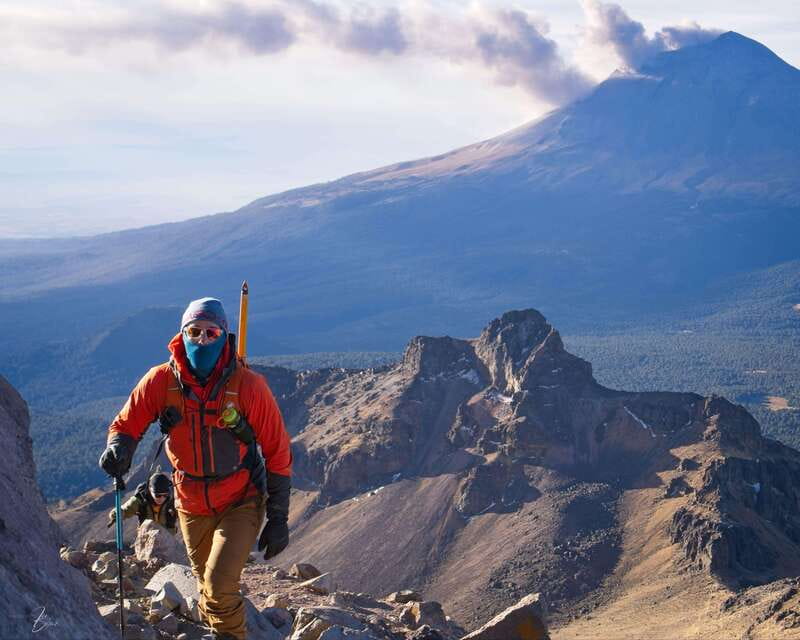
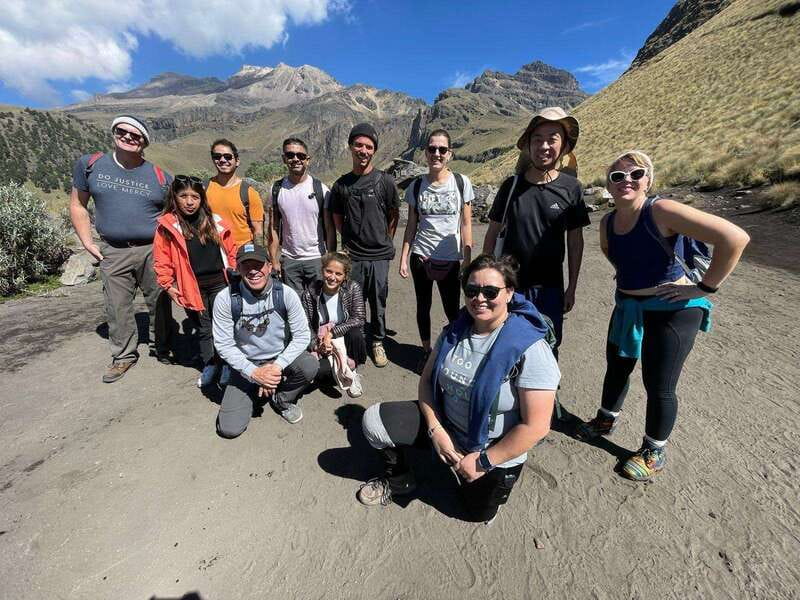
This trip is led by an expert mountaineering tour guide, and you’ll also get a safety briefing early on. For a hike at around 4300 meters, this is not the kind of thing you should treat like optional background info. A good guide helps you stay safe by controlling pace and reminding you how to move on uneven ground.
In the guide experience, the biggest difference seems to be how much talking they do. A hiker described the guide as not speaking much and providing limited explanation during the day. Another hiker praised the guide for taking very good care of everyone during the hike, and another mentioned a leader named Fabricio leading the group through a very nice morning.
So here’s how I’d handle it: if you want more context—about the volcano, the park, or what you’re seeing—ask a question early. If your guide is more quiet, you can still get value by being curious and direct. Think: quick questions like what to watch for on the trail, how the altitude feels for others in your group, or what kind of conditions change the hike most.
The guide also plays a key role in pacing. Since the pace depends on the group’s physical level, you’ll feel either “comfortable progress” or “keep moving” energy depending on who’s in your group.
Timing and physical prep: how to make this hike feel manageable
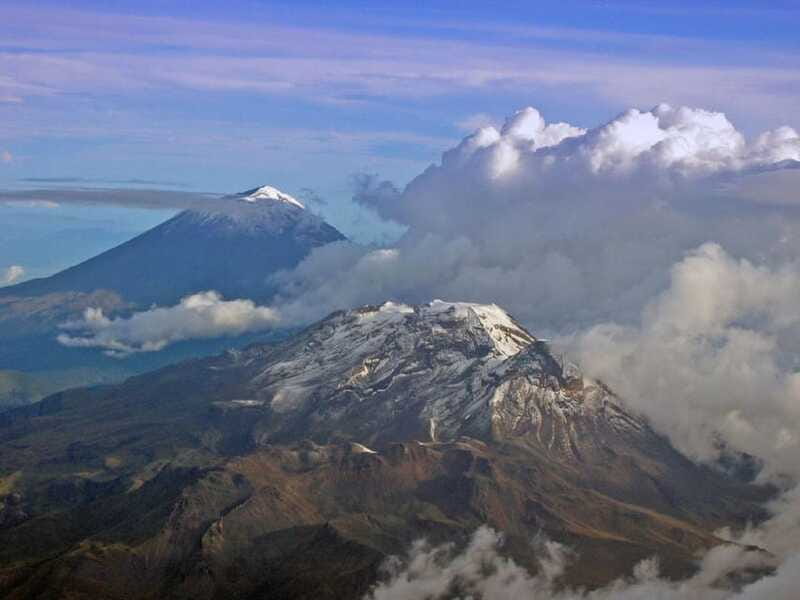
This is an all-day outing: 11 hours total, with significant time on transport. Expect both van time and walking time, with the climb being the main effort. The tour clearly warns that it’s not a pro-level hike in the technical sense, but it is still a physical hike with uneven terrain.
Here’s the best prep checklist I’d use for this specific trip:
- Comfortable shoes with grip for uneven mountain paths
- Comfortable clothes that handle cooler temperatures at altitude
- Passport (a copy is accepted), because of immigration requirements
Also, the tour spells out some “don’ts” that are worth taking seriously in protected natural areas: no smoking, no littering, and no making fire.
Now the fitness and health side. This experience is not suitable for:
- children under 16
- pregnant women
- people with mobility impairments or wheelchair users
- people with heart problems
- people with respiratory issues
If any of these apply, you’re better off choosing a different outing. Even though this is guided, altitude and uneven terrain still create real risk.
And remember: a quiet guide plus a hard climb can create the feeling of “I’m not sure what’s going on.” If you’re the type who likes structure, ask about timing and where the next rest moments happen.


Price check: is $153 a fair value for an Iztaccíhuatl trek?
At $153 per person for an 11-hour day, you’re paying for more than a view. You’re paying for:
- round-trip transportation from the Mexico City meeting point
- a mountaineering guide
- access to the national nature reserve (included)
- time in a protected volcano landscape with guided walking
What you’re not getting is also part of the value equation. The tour does not include meals and beverages, and it also does not include hiking equipment. That means you may spend extra on food (and potentially snacks for the altitude) and you’ll need to show up with your own basic hiking gear.
So the real question for value is: do you want guided safety and reserve access, and are you okay bringing your own comfort items? If yes, the price can make sense. If you’re expecting a more chatty, fully explained experience the whole time, or you want lots of comfort services, then the cost may feel steep—especially if the guide stays quiet and the schedule feels heavy on riding time.
Also consider this: volcano hikes are weather-sensitive. If clouds or conditions force changes, you’ll want flexibility. A flexible traveler gets better value because you’re not locked into a single exact day at all costs.
Who should book this trek from CDMX, and who shouldn’t
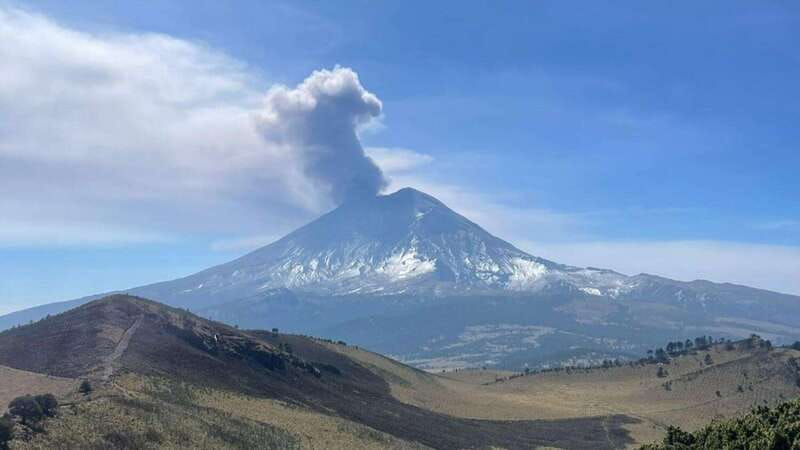
You’ll probably enjoy this tour if you:
- like big outdoor views and can handle a serious altitude day
- don’t mind an early wake-up and a long van ride
- want guided pacing and safety support in a national park setting
- want a mix of history (Paso de Cortés) plus nature
You might want to skip it if you:
- can’t handle stairs or uneven terrain
- need frequent medical support or have respiratory/heart limitations (the tour lists both as unsuitable)
- prefer a short, low-effort outing
- want a lot of detailed narration rather than mostly walking and scenery
If you’re in decent shape and you treat altitude with respect, this tour can feel like a classic Mexico mountain experience: fewer distractions, more sky, and a satisfying climb that pays you back with views.
Should you book this Iztaccíhuatl trekking day?
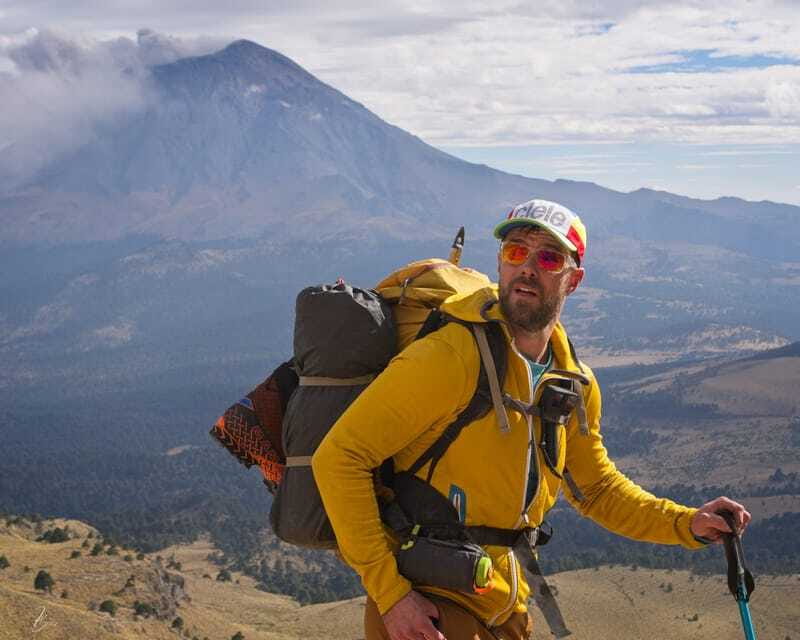
If your top goal is a guided volcano hike with high-elevation payoff, I’d say it’s worth considering—especially if you come prepared with good shoes, plan for no included meals, and expect an early start with plenty of time on the move.
Book it if you’re excited by the idea of climbing toward 4300 meters, exploring parts of the Iztaccíhuatl–Popocatépetl National Park, and getting a mountaineer-led day where safety and pacing matter.
Skip it if you need lots of comfort services, want a more classroom-style explanation, or don’t fit the tour’s physical/health limits. For the right person, this is the kind of outing that turns into a memory: clear air, huge mountain lines, and that moment when the Valley of Mexico looks smaller than it used to.
FAQ
What time and where do I meet the guide?
Meet at Calle Isabel la Católica 61-A in Mexico City’s Historic Center at 6:20 a.m.
How long is the experience?
The total duration is 11 hours.
Is hiking equipment included?
No. Hiking equipment is not included, so you’ll need to bring what you need for an uneven trail.
Are meals and drinks included?
No. Meals and beverages are not included.
What language is the tour guide?
The live tour guide speaks English and Spanish.
Do I need a passport?
Yes. The tour requires a passport, and a digital version, original, or photocopy is accepted.
Who can’t join?
Children under 16 can’t participate. It’s also listed as not suitable for pregnant women, people with mobility impairments or wheelchair users, and people with heart problems or respiratory issues.