REVIEW · MEXICO CITY
Iztaccihuatl Volcano Hike with an Alpinist
Book on Viator →Operated by Amigo Tours · Bookable on Viator
Altitude turns a hike into a lesson. This day trip in Mexico City swaps traffic and noise for Iztaccihuatl and Paso de Cortés views, with an alpinist who keeps the route on track. You start high, you move slowly on purpose, and you get the kind of photo moments that come from actually being on the mountain.
I especially like two things: the trail route through the historic Paso de Cortés area (so you’re not guessing or wandering), and the fact that round-trip transportation plus park entry is built in for a smooth day. One drawback to plan for up front: it’s a long door-to-door day (about 11 hours), and the van time can feel like more than you bargained for compared to the actual hiking.
In This Review
- Key Things to Know Before You Go
- A Long Day Above Mexico City: Timing and Altitude Reality
- The Day’s Flow: Paso de Cortés First, Then the Volcano Park Trail
- Iztaccihuatl and Popocatépetl National Park: What You’ll Do at Altitude
- Paso de Cortés: Where Panoramas Meet the Conquistadors Crossing
- The Alpinist Guide Factor: Safety, Pace, and Real Mountain Thinking
- What to Pack: Boots, Layers, Water, and Snacks
- Transport and Group Size: The Trade-Off for Shared Tours
- Price and Value at $139: What You’re Really Buying
- Who This Volcano Hike Suits (and Who Should Skip It)
- Should You Book This Iztaccihuatl Hike?
- FAQ
- Where is the meeting point and what time does the tour start?
- How high do we hike?
- How long does the hike last?
- Is hotel pickup available?
- What’s included in the price?
- What should I bring since hiking gear isn’t provided?
- Do I need a passport?
- What if the weather is bad?
Key Things to Know Before You Go
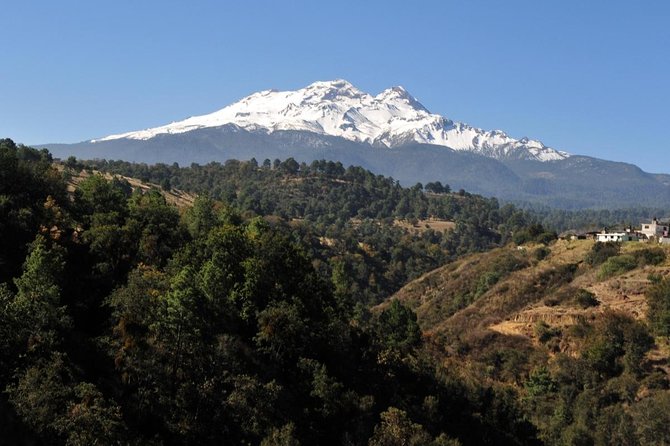
- High-start elevation (about 3,990m) means your lungs will notice fast, even if the trail feels simple on paper
- You’ll reach different heights (around 4,200m or 4,350m) depending on group condition and the day
- Paso de Cortés adds a historic, panoramic stop where you can pause briefly and take in the Valle de México views
- Alpinist guiding is the point: route, safety, and pacing come from mountain experience, not casual sightseeing
- No hiking equipment is included, so your boots and layers aren’t optional
A Long Day Above Mexico City: Timing and Altitude Reality
You start early. Pickup isn’t listed as standard, but the main meeting point is Hostal AmigoIsabel on Isabel La Católica 61-A in Centro Histórico, with a 6:20am start. The full day runs about 11 hours, so treat this like a commitment, not a casual morning walk.
The altitude is the big deal. You begin the hiking portion at roughly 3,990 meters, then depending on how the group is feeling, you’ll hike up toward about 4,200m or 4,350m. Reviews (and common sense at these elevations) point to one truth: the “difficulty” often comes from thin air, not steep technical climbing.
The hiking portion is only part of the day. At the volcano park section, you’re looking at about 4 hours of time tied to that stop, and Paso de Cortés is a shorter 20-minute window. That means you should mentally prepare for sitting, riding, and waiting—especially if the group is slower due to altitude.
You can also read our reviews of more hiking tours in Mexico City
The Day’s Flow: Paso de Cortés First, Then the Volcano Park Trail
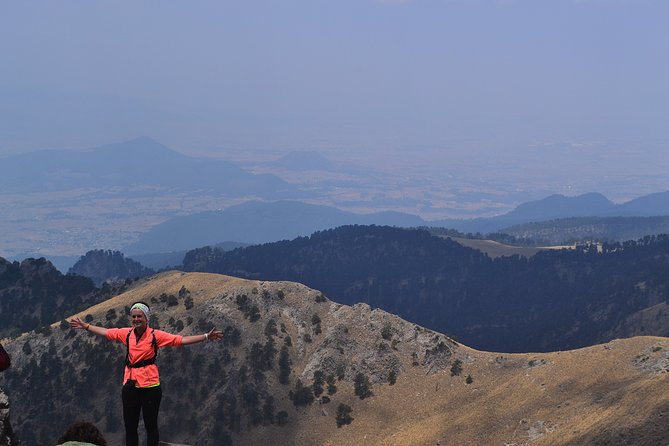
This experience is built around two very different settings, and that’s why it works. You get the historic, story-rich stop at Paso de Cortés, then you shift gears to volcanic terrain where the views are the whole payoff.
Paso de Cortés comes early in the morning. The area is named for the Spanish conquerors—especially Hernán Cortés—who crossed there on their way toward Mexico-Tenochtitlan in 1519. Even if you’re not a history nerd, this stop is valuable because it gives you wide-open sightlines over the Valle de México before you’re tired.
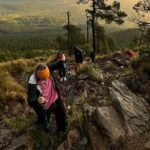
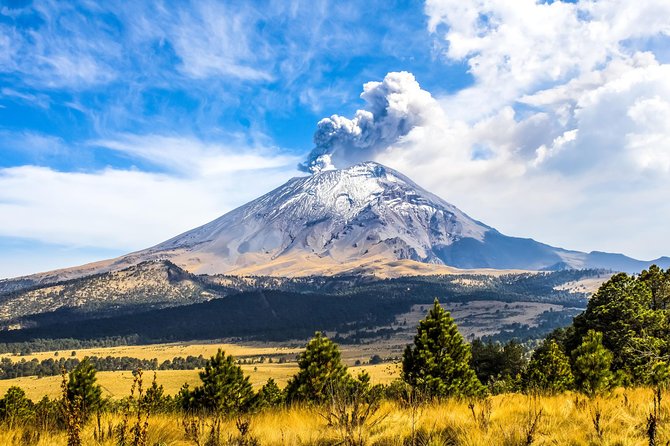
Then comes the main hike in the Iztaccihuatl and Popocatépetl National Park zone. If weather allows, you can catch panoramic views of the volcanoes, including both Iztaccihuatl and Popocatépetl. When visibility is good, it feels like the landscape “clicks” into place—mountains, sky, and distance all line up for photos.
A fair warning: the plan can change if weather turns. The operator notes that the tour may be modified for bad weather, and in extremely bad conditions it can be canceled. That’s not unusual in mountain country, but it’s still something to keep in mind when you’ve packed your schedule tightly.
Iztaccihuatl and Popocatépetl National Park: What You’ll Do at Altitude
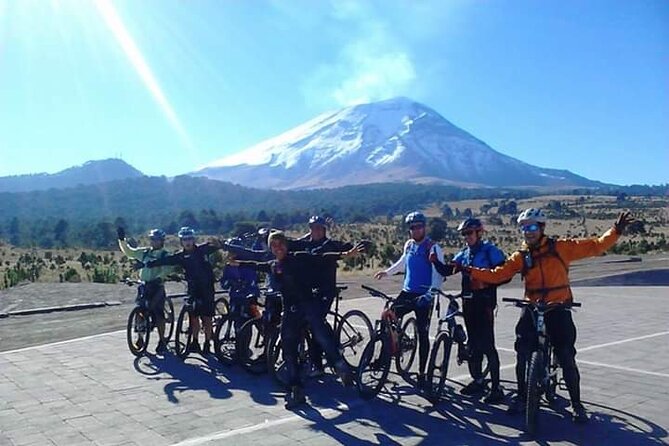
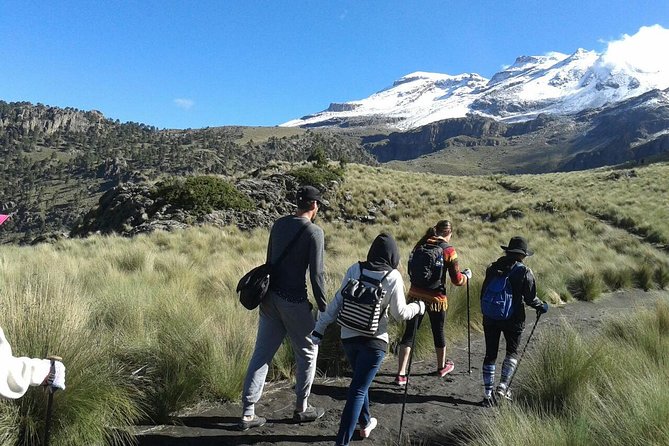
The main hiking stop starts high and stays focused on the mountain. The climb route is designed for groups with moderate physical fitness, but it’s not “easy” in the way you might mean at sea level. At these elevations, even small exertion can feel heavy.
Your guide will adjust how high you go. The description is clear that you might reach 4,200m or 4,350m, based on group physical conditions. That matters because the tour isn’t set up like a hard-core summit push with everyone forcing the same goal at the same pace.
You’ll also get photo chances that are hard to replicate from viewpoints alone. The tour promises astonishing photos of the volcanoes, and that tracks with how these regions work: being on the trail gives you angles you can’t see from a bus window. You may also see signs of seasonal conditions—like snow at times—and the park’s plant and animal life as you move along.
One more practical note: you’ll likely feel pressure on breathing. Some guides and hikers talk about chest tightness and needing a shorter, slower pace to adjust. The tour pacing depends on the group, so it’s smart to be ready to stop, rest, and move at a conservative rhythm.
Paso de Cortés: Where Panoramas Meet the Conquistadors Crossing
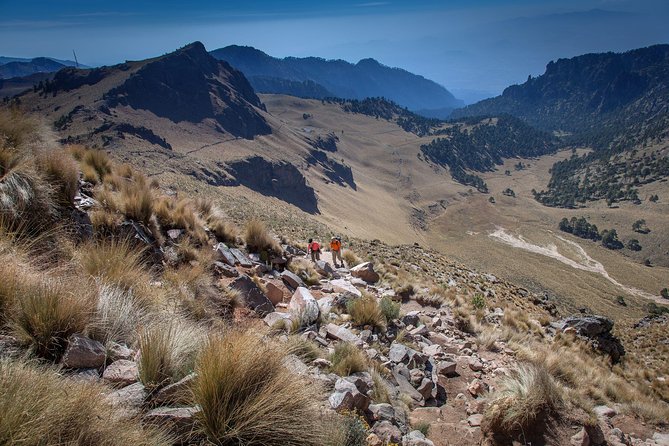
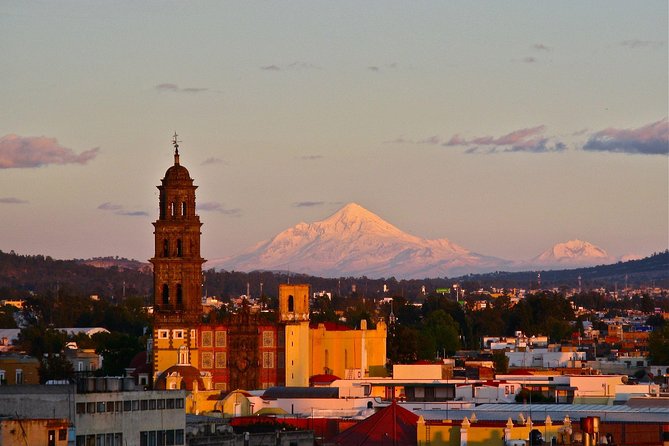
The short stop at Paso de Cortés is one of the best parts for first-time visitors to the region. It’s brief—about 20 minutes—but the payoff is the view. This is where you can look across the Valle de México and connect the volcanoes to the wider world around them.
The name matters because it ties the land to a specific moment in history. Hernán Cortés crossed this area in 1519, on the way to Mexico-Tenochtitlan. You’re not walking a museum corridor here, though. You’re stepping into an open mountain passage where the meaning comes from the ground itself.
If the weather cooperates, you can also see panoramic views of the volcanoes from this general area. That means even if you don’t feel your best on the climb, you still get a “wow” moment built into the schedule.
A drawback to accept: it’s not a long museum-style stop. You’re there to look, breathe, and photograph—not to linger. If you like long breaks and unhurried wandering, you may want to pack your own extra time either before or after the tour.
The Alpinist Guide Factor: Safety, Pace, and Real Mountain Thinking
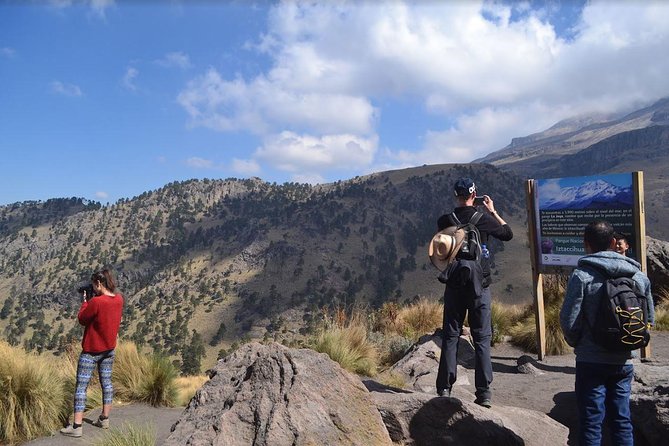
This is guided by an alpinist guide, and that changes the character of the day. An alpinist doesn’t just lead you to a photo point. They manage pace, spacing, and safe movement for people dealing with elevation.
Many guide experiences in the past show a pattern: the best guides kept the group together, slowed down for altitude, and stayed patient. Names that have shown up include Gerson, Fabrizio, Santiago, Leonardo, Rami, and Josué. The common thread is that the guide’s job is to get you back safely while still letting you enjoy the views.
What you should expect from this style of guiding: practical route decisions and a focus on movement and safety. It’s not presented as a chatty, facts-on-facts kind of tour. If you love constant commentary, you might find it quieter than a city walking tour.
Pacing is not one-size-fits-all. Since the hike height can change depending on conditions, the guide’s approach to “how fast” becomes part of the experience. If you’re nervous about altitude, this can actually be reassuring: the goal isn’t just speed, it’s adjustment.


What to Pack: Boots, Layers, Water, and Snacks
Bring proper gear. The tour specifically warns that sandals, sneakers, and shorts aren’t suitable for this hike. The altitude zone can be cold and slippery, and the trail is not the kind of terrain you want to tackle in basic footwear.
You also need layers. December hikers described chilly conditions, and snow can appear depending on season and weather. Even if it’s sunny at the start, mountain temperatures can shift fast.
Water and light snacks are strongly recommended, like chocolates, granola bars, or seeds. This matters because you’re burning more energy than you think at altitude, and your food options aren’t built into the hiking time in a way that guarantees a quick meal when you need it.
One big thing: hiking equipment isn’t included. That means you should not count on the operator providing poles, boots, or similar gear. If you don’t have them, you’ll need to arrange your own before the day.
Also, plan for the ride. Even if seats and support are fine, the road can be bumpy on the way to the start. Having a water bottle and a snack ready for the road is a simple quality-of-life upgrade.
Transport and Group Size: The Trade-Off for Shared Tours
Shared tours keep costs down. This one caps at 15 travelers, which is small enough that you’re usually not stuck in a huge herd. Group discounts are listed too, and the operator also offers group-friendly logistics like mobile tickets.
But you need to accept how shared tours work: you’re on a schedule that must fit the group. That’s why the pace and hike height can shift, and why your time on trail can be shorter if the group needs more altitude adjustment.
Door-to-door time is the main trade-off. You’re looking at roughly 11 hours total, with only a slice—about 4 hours—connected to the main hiking stop. Some travelers have complained about spending more time in the van than expected, so if you hate waiting, consider a private option for more control.
There’s also a reminder baked into the tour details: it’s not a professional tour. That doesn’t mean it’s unsafe; it means the experience expects you to have decent fitness and not rely on high-technical support.
Price and Value at $139: What You’re Really Buying
At $139 per person, you’re paying for a bundle: an alpinist guide, round-trip transport, and entrances to the natural park. Hotel pickup is included only if you select the private option, but the core value is that you don’t have to coordinate transportation and park access by yourself.
Is it worth it? For many people, yes—because altitude hikes are easier when you’re not figuring out logistics at altitude plus exhaustion. A guided route also reduces the “where are we going?” stress that can drain energy you should save for breathing.
Where value gets real is in the guided pacing. If you can handle the altitude and want a structured day without planning headaches, this hits a good price-to-effort balance. If you’re looking for a flexible schedule, lots of long breaks, or heavy “English storytelling,” you might feel underwhelmed.
Also consider weather. Since the tour depends on good conditions, a cancellation or schedule modification can happen. That doesn’t make the price unfair—it just means your planning should stay adaptable.
Who This Volcano Hike Suits (and Who Should Skip It)
This is for hikers who are willing to move at altitude. The tour calls for moderate physical fitness, and it’s not for kids under 16. If you’re new to high elevations, take the warnings seriously: the hike can feel rough even if the trail itself isn’t described as technical climbing.
You’ll probably enjoy it most if you like:
- volcano views that you can only get by going up high
- a guided route so you don’t spend mental energy on navigation
- a shared-group day where the guide manages pacing
You might want to skip or upgrade to a more adjustable private format if you:
- hate long van rides and short hiking time
- need frequent, long food breaks
- have health concerns that make altitude risky
One practical legal detail for non-Mexican visitors: the tour notes that all passengers must present a passport (physical, digital, or photocopied) proving legal stay in Mexico. If you don’t have it ready, you could get stuck at the wrong moment.
Should You Book This Iztaccihuatl Hike?
If you want one day outside Mexico City that feels real—mountain air, volcano viewpoints, and a guided path at elevation—this is a solid pick. The biggest reason to book is the mix of easy logistics (transport + park access) and the alpinist guiding that helps manage altitude pacing.
Book it if you can handle cold and thin air, wear real hiking footwear, and don’t mind that the day is mostly longer than the hiking portion. Pass on it if you’re craving a leisurely stroll, need lots of downtime, or can’t be flexible if weather changes the plan.
If your schedule is tight or your altitude tolerance is uncertain, consider contacting the operator about a private option so you can adjust timing and support to your needs.
FAQ
Where is the meeting point and what time does the tour start?
The meeting point is Hostal AmigoIsabel La Católica 61-A, Centro Histórico de la Cdad. de México, Centro, Cuauhtémoc, 06000 Ciudad de México, CDMX, Mexico. The start time is 6:20am.
How high do we hike?
The hike starts at about 3,990 meters, and depending on group physical conditions you may reach around 4,200 or 4,350 meters.
How long does the hike last?
The volcano park hiking stop is listed as about 4 hours. Paso de Cortés is a shorter stop of about 20 minutes, and the full day is about 11 hours.
Is hotel pickup available?
Hotel pickup is available only if you select the private tour option. For private pickup, you need to provide your hotel name.
What’s included in the price?
The tour includes an alpinist guide, round-trip transport, and entrances to the natural park. Admission tickets for the stops are also included, and hotel pickup is included only for the private option.
What should I bring since hiking gear isn’t provided?
You should bring proper mountain hiking gear, since sandals and regular shorts or sneakers aren’t suitable. Bring water and light snacks for energy, and note that hiking equipment is not included.
Do I need a passport?
Yes. The tour states that all passengers must present a passport (physical, digital, or photocopied) proving legal stay in Mexico, including the page with entry stamp and personal data if needed.
What if the weather is bad?
The tour requires good weather. If it’s canceled due to poor weather, you’ll be offered a different date or a full refund. In extremely bad weather, the activity can be canceled completely.