REVIEW · MEXICO CITY
Mexico City: 10 Wonders of the Historic Center
Book on GetYourGuide →Operated by Walking Tours México Aztlán · Bookable on GetYourGuide
Ten wonders in three hours can work.
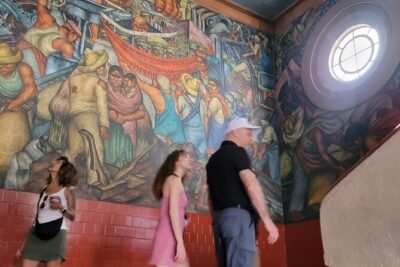
You get a guided loop through Mexico City’s Historic Center, where indigenous and Spanish influences rub shoulders—starting with the big, famous wall art at the Diego Rivera Mural Museum. I also like how the route pivots into Alameda Central, the oldest park in the Americas, so you’re not just hopping between buildings.
I really enjoy the food moments built into the itinerary: traditional bread at Ideal Bakery, plus sweets stops like Dulcería de Celaya. The one real consideration is the walking pace—this is a walking-style tour, so if you need slow breaks, tell your guide at the start and plan comfortable shoes.
In This Review
- Key things you should know before you go
- A 3-hour walking circuit through Mexico City’s Historic Center
- Starting at GZ + P Arquitectos: what the tour logistics feel like
- Diego Rivera Mural Museum + Alameda Central: the best way to open the day
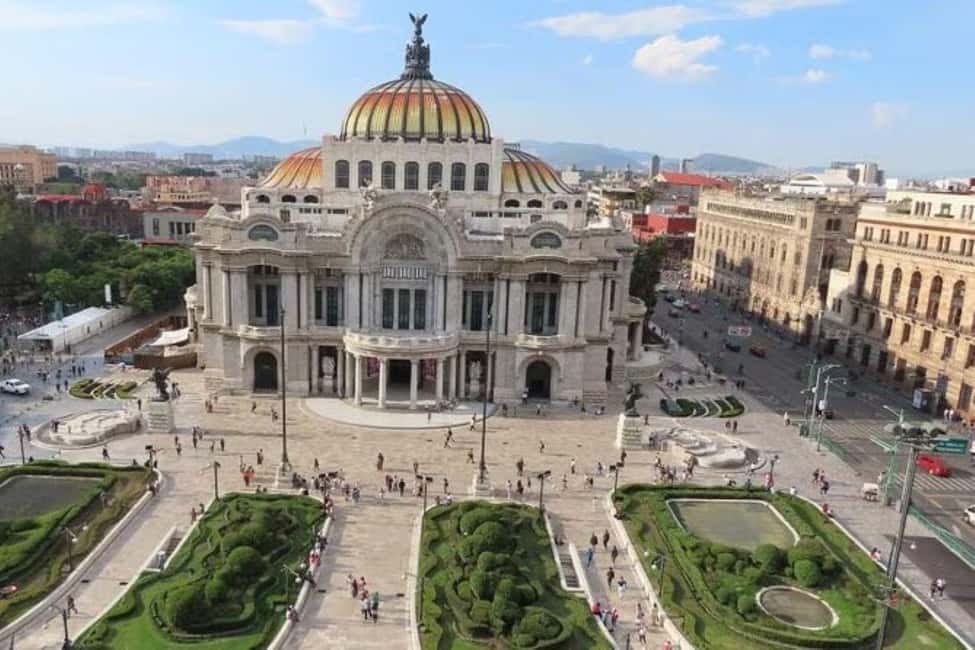
- Palace of Fine Arts, Postal Palace, and House of Tiles: fast stops with real visual payoffs
- Ideal Bakery, Temple of Mexican sweets, and Dulcería de Celaya
- Gran Hotel and the Cathedral zone: where European style meets Mexico’s story
- Templo Mayor ruins: the Aztec layer under your feet
- Price and value: is $78 for three hours worth it?
- About your guide: what to look for and how to ask for what you need
- Who should book this tour (and who should consider alternatives)
- Should you book the Mexico City 10 Wonders Historic Center tour?
- FAQ
- How long is the Mexico City Historic Center tour?
- Where does the tour start?
- How much does the tour cost?
- What’s included in the price?
- Are there food stops during the tour?
- What languages are available for the tour guide?
- Is the tour wheelchair accessible?
- What is the cancellation policy?
Key things you should know before you go
- Rivera mural sets the tone with Dream of a Sunday Afternoon in the Alameda Central as your kickoff
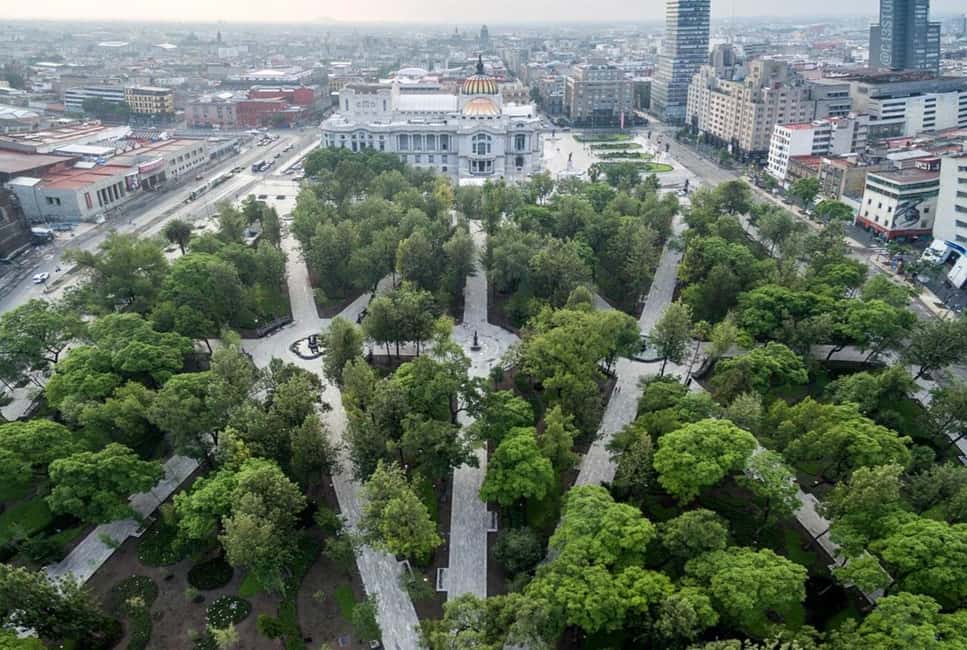
- Alameda Central is the anchor: the oldest park in the Americas, right in the middle of everything
- Quick photo stops, not full museum marathons at places like the Palace of Fine Arts, Palace of Correos, and Casa de los Azulejos
- Food is part of the sightseeing with traditional bread and sweets along the way
- Layered Mexico City in one walk: Metropolitan Cathedral up top, then the Aztec-focused story at Templo Mayor
- Small group size with a maximum of 15 people keeps it easier to follow and ask questions
A 3-hour walking circuit through Mexico City’s Historic Center
This tour is built for people who want a lot of landmarks without losing the thread. In just three hours, you’ll move through a classic Mexico City route that mixes public art, grand architecture, and food stops, then ends at the ruins story at Templo Mayor.
What I like about this format is that it’s not a checklist of random stops. The order helps you feel the timeline: you start with a famous mural tied to a Sunday scene in the Alameda, then you move into parks and palaces, and finally you land at the Cathedral area and Templo Mayor ruins. By the time you’re done, the Historic Center doesn’t feel like a blur of buildings. It feels like a layered place where different eras share the same ground.
The tour price is $78 per person for three hours, including the guide, lunch, and entry tickets. That’s the kind of deal that works best when you actually use all the included pieces—especially the paid entries and the guided narration that helps you connect what you’re seeing.
You can also read our reviews of more city tours in Mexico City
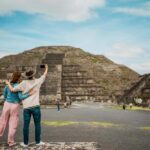


Starting at GZ + P Arquitectos: what the tour logistics feel like
The tour begins at GZ + P Arquitectos. From there, the itinerary is designed around walking between the big sights clustered in the Historic Center. It’s not private-transport service, so you should be comfortable getting yourself to the meeting point and moving on foot.
You’re with a live guide speaking English and Spanish, and the group size is capped at 15 travelers. That small group matters more than you might think. In a dense area like this, fewer people usually means you can keep up with the pace, ask questions, and get reminders about where to go next.
If you’re sensitive to pace, this is the one thing to handle before you start: confirm your needs early. One caution worth listening to is that the walking aspect can feel fast for slower mobility. If you have any issue with standing or walking time, say so at the beginning and ask for a slower rhythm and extra pause moments around the food stops and photo stops.
Also, the good news: the tour information says the experience is wheelchair accessible with wheelchair-accessible surfaces, and it allows service animals. Strollers are also mentioned as accessible. If you rely on mobility equipment, I’d still show up with a plan for how you’ll manage longer gaps between stops, since some stops are short photo visits.
Diego Rivera Mural Museum + Alameda Central: the best way to open the day
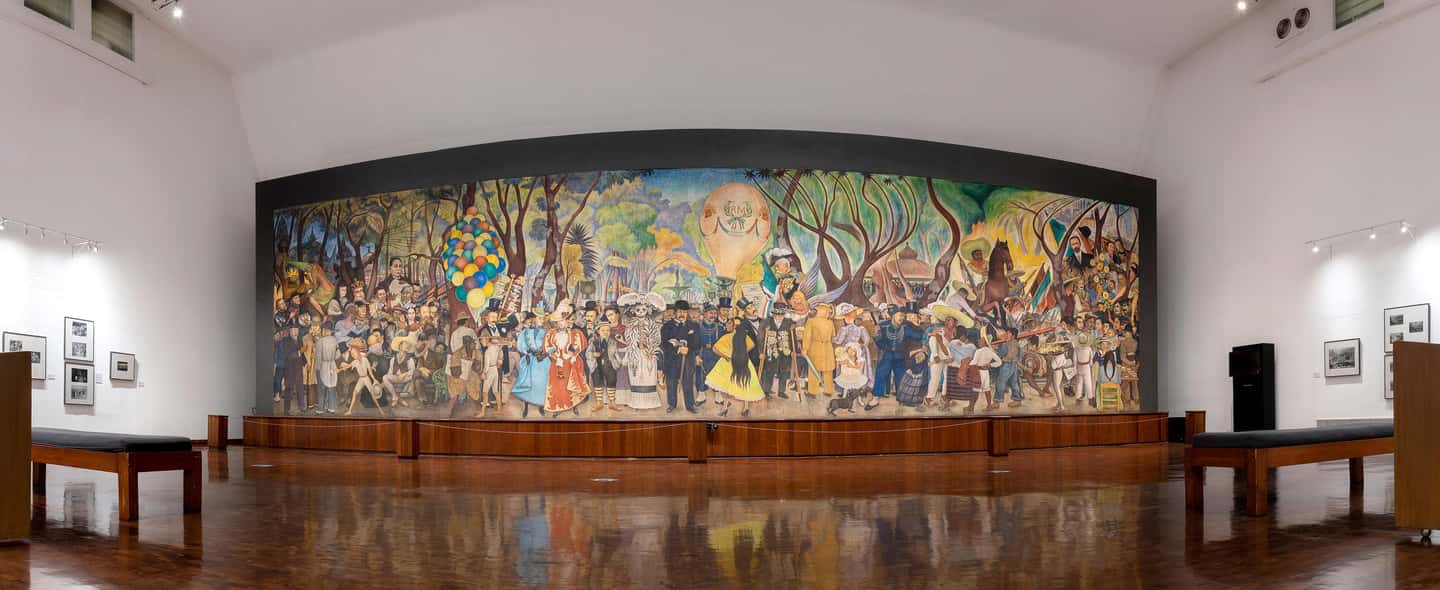
Your first big moment is at the Diego Rivera Mural Museum for about 30 minutes. You’re there specifically to admire Dream of a Sunday Afternoon in the Alameda Central, which is a smart choice for a starting point. The mural title alone ties art to place, so it immediately connects your first stop to the park that follows.
Then you walk to Alameda Central for around 15 minutes. This park is called out as the oldest park in the Americas. Even if you’re not the type to memorize historical superlatives, it helps you understand what you’re looking at: this is not just a decorative green space. It’s a central civic area that has served as a social and public stage for generations.
This pairing—Rivera mural first, then the park—sets you up to notice patterns. After you see how the mural relates to Alameda, the rest of the route feels more intentional. You start paying attention to how Mexico City reuses famous public spaces and keeps layering meaning on top of them.
Palace of Fine Arts, Postal Palace, and House of Tiles: fast stops with real visual payoffs
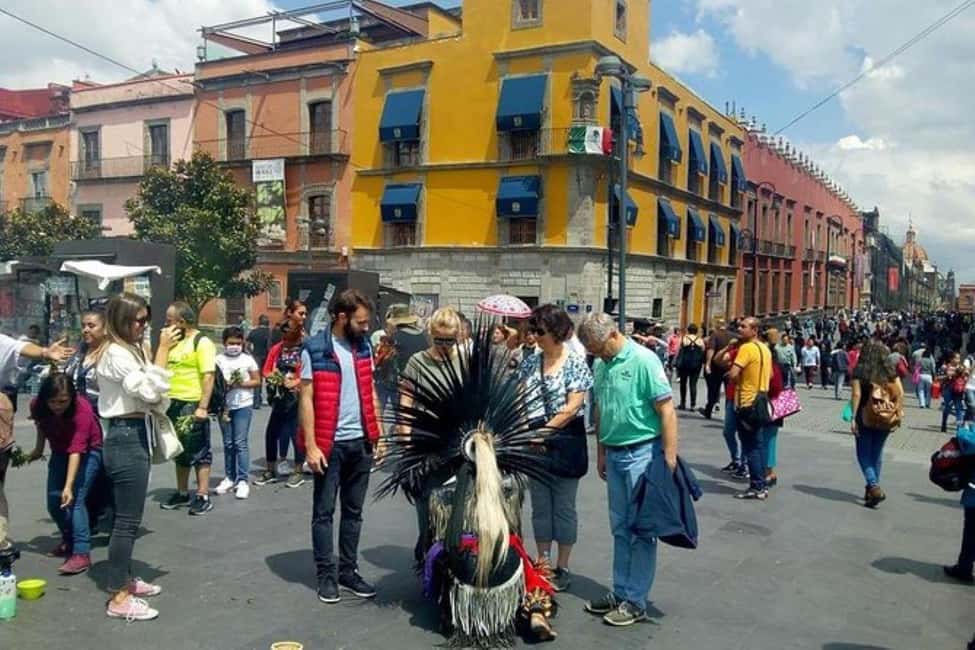
After Alameda, the tour shifts into landmark-photo mode. You’ll have photo stops at three major architecture highlights:
- Palace of Fine Arts (about 15 minutes)
- Palacio de Correos de México / Postal Palace (about 15 minutes)
- Casa de los Azulejos / House of Tiles (about 15 minutes)
These aren’t long stays where you disappear for an hour and come back late to the group. The value here is timing. You get to see exterior and key features at a pace that keeps the tour moving, which matters when everything is tightly packed in the Historic Center.
What you should do at these stops is simple: use the guide’s framing. If your guide points out what to look for—materials, form, how the building signals its era—you’ll get much more from a 10–15 minute visit than you would by just scanning quickly on your own.
One practical drawback: short photo stops can feel rushed if you love slow browsing. If that’s you, plan to arrive with a clear priority list: which facades you want to photograph from which angle. Then you can enjoy the rest of the walk without feeling like you’re missing half the details.
Ideal Bakery, Temple of Mexican sweets, and Dulcería de Celaya
Now for the part most people remember. Between the architecture stops, you get built-in breaks for bread and sweets.
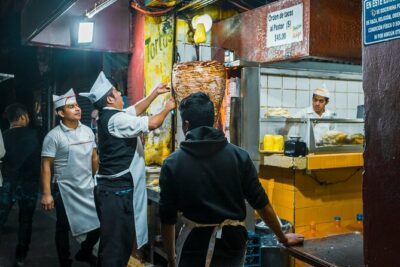
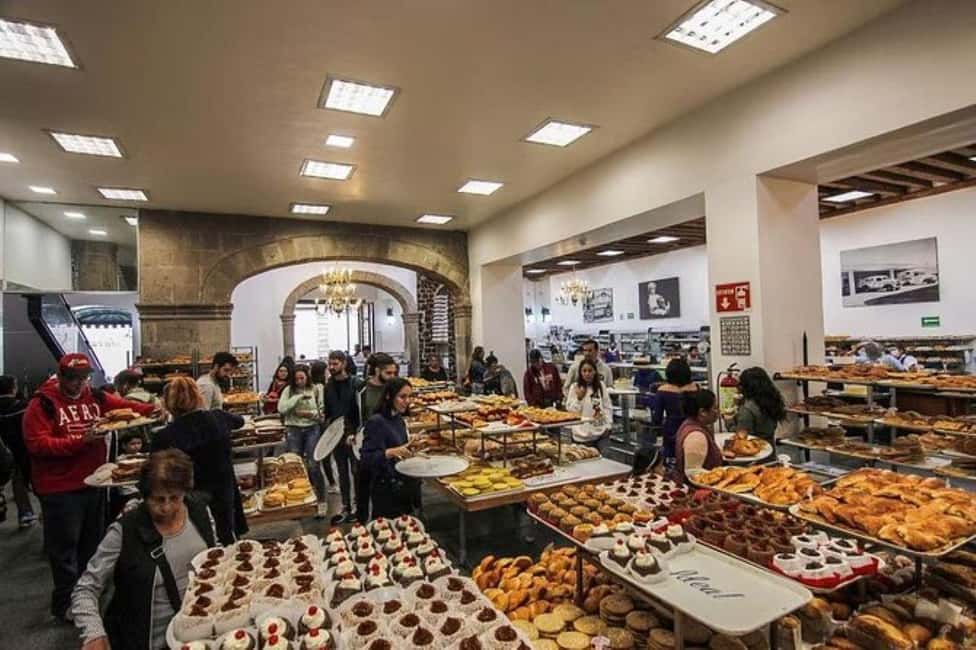
You’ll visit the Ideal Bakery for a tasting of traditional bread. There’s also a stop for Temple of Mexican sweets, followed by Dulcería de Celaya for about 10 minutes. This is where the tour earns its nickname as more than sightseeing. Food turns the Historic Center into something personal and immediate.
Here’s how to get the most from the tastings:
- Keep your appetite ready for quick samples. These stops are short, so you want to enjoy what’s offered rather than waiting for the perfect moment later.
- If you’re sensitive to sugar or want lighter portions, say something to your guide early. The itinerary shows multiple sweets moments, so you can’t assume you’ll be able to skip one without affecting your flow.
If you like the idea of pairing cultural context with what people actually eat, this is one of the best reasons to choose this kind of guided route. It’s also a helpful way to pace yourself during a walking tour: snack stops give you short resets.
You can also read our reviews of more historical tours in Mexico City




Gran Hotel and the Cathedral zone: where European style meets Mexico’s story
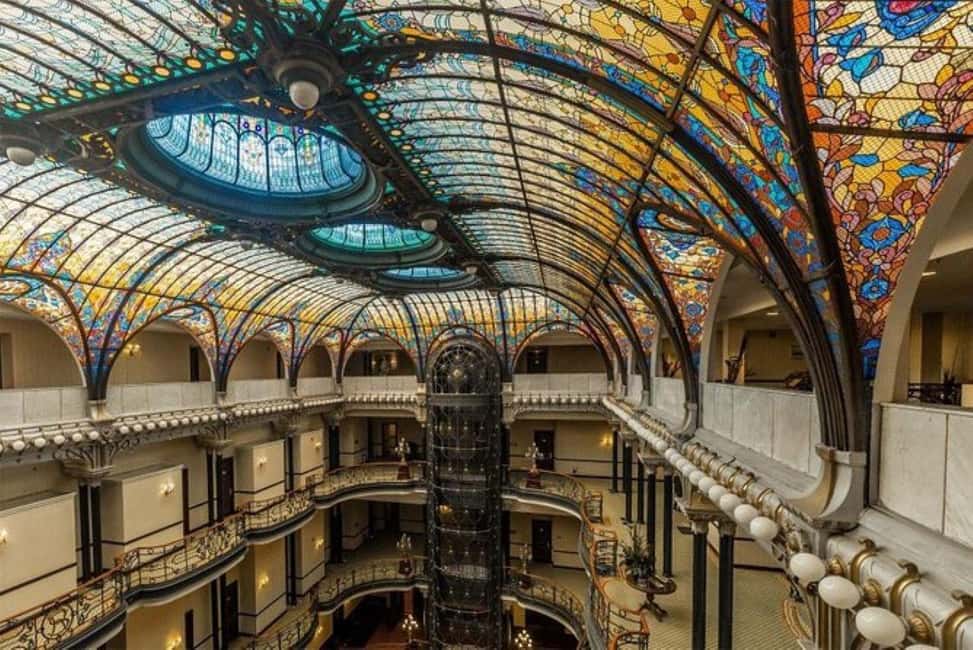
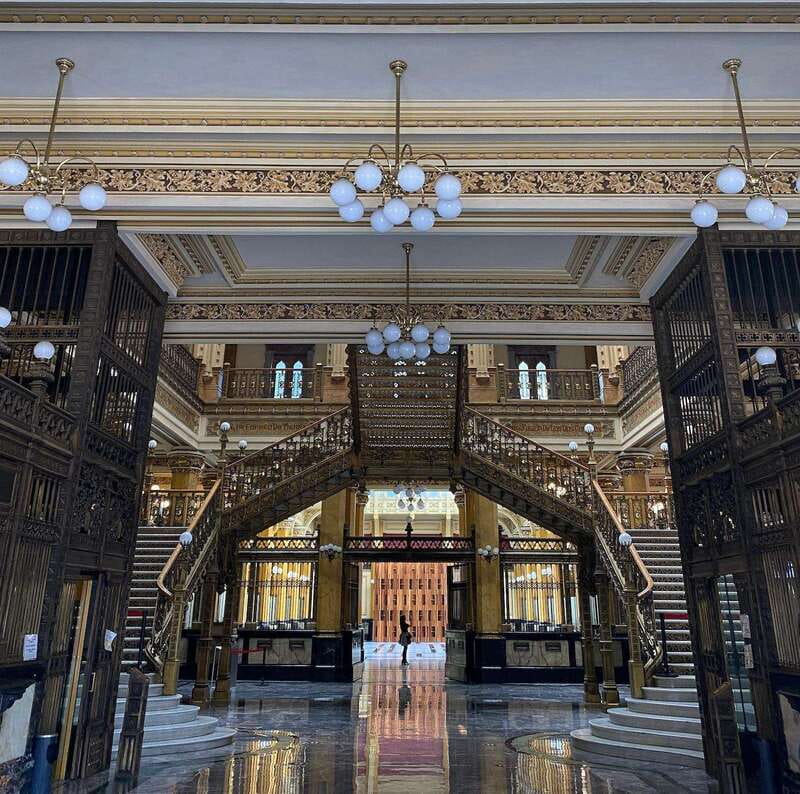
One standout stop is the Gran Hotel of Mexico. You’ll spend a brief time there with its impressive Tiffany stained glass ceiling. It’s a visual moment that feels different from the simpler exterior facades you’ll see elsewhere. If stained glass and light-play are your thing, this is the kind of detail that rewards even a short stop.
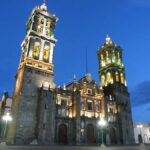
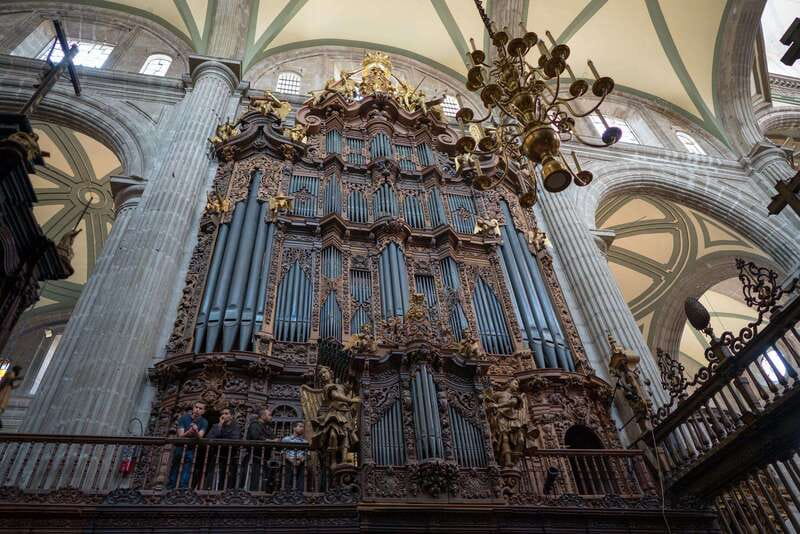
After that, you head to the Metropolitan Cathedral of Mexico City for about 15 minutes. The Cathedral is noted as one of the largest in Latin America, and it’s a key bridge in the tour’s bigger theme: indigenous and Spanish influences in the same geography.
What helps here is the guide’s narration. The tour is explicitly set up to explain the blend of influences, and the Cathedral is one of the clearest places to see that blend in real time. Even if you’re not a church-history specialist, you’ll understand quickly why this site matters to Mexico City’s identity.
If you’re visiting during busy periods, you’ll still be able to get the core experience because your stop length is planned. Just don’t expect a long sit-down moment to absorb every detail. This is a guided route with time management built in.
Templo Mayor ruins: the Aztec layer under your feet
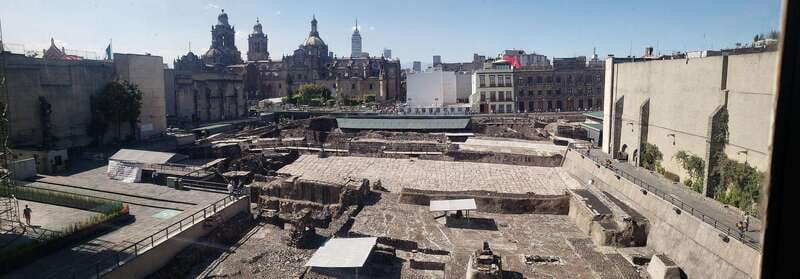
The final major site is Templo Mayor Museum, Mexico City, including a photo stop. This is where the tour turns from grand architecture into the Aztec remains story.
The key point is that the narration connects what you see above ground with what’s beneath it: Aztec remains are described as being under your feet. That’s the tour’s thematic payoff. You’re not leaving with ten random sights; you’re leaving with an explanation of how Mexico City’s layers stack—city life, Spanish-era landmarks, and older sacred ground.
After the ruins moment, you finish with a local restaurant stop for food tasting (about 30 minutes). The tour description mentions traditional Mexican food paired with a panoramic view that’s great for photos. That matters because it gives you a final emotional “wrap.” You sit down, eat, and look back at the center with context instead of just taking pictures as you pass.
Price and value: is $78 for three hours worth it?
Let’s talk money in plain terms.
For $78 per person, you’re getting:
- A live tour guide (English and Spanish)
- Lunch (included)
- Entry tickets and all fees and taxes
- A structured route across multiple major Historic Center landmarks
- Food tastings at multiple points during the walk
If you were doing this on your own, you’d likely pay for entries and then spend extra time figuring out what’s worth your attention. This tour trades that planning time for guided time, with tastings and a meal already built in.
So when does it feel like great value?
- When you want the guided storytelling to connect indigenous and Spanish influences
- When you’re happy with a paced walking route and short stops
- When you’ll actually eat the included tastings and lunch
When could it feel less worth it?
- If you expect a very slow, flexible sightseeing style
- If you’re hoping for lots of long museum time rather than quick, focused highlights
- If mobility is an issue and you need more time than the itinerary allows
About your guide: what to look for and how to ask for what you need
A big difference between a good tour and a great one is how the guide handles timing, pacing, and clarity.
One guide name that stands out in the information you have is Miguel. If you get a guide with that kind of history knowledge and engaging storytelling, the narration can make the Historic Center feel like a connected story instead of disconnected monuments.
To help your experience, do two things:
- Tell your guide at the start what your pace needs are.
- Ask where the next stop is and what the time pressure feels like, especially around the photo moments.
Also, since the tour is English/Spanish, if you prefer one language over the other, confirm at the beginning. Good tours flow better when you’re sure you can follow every part.
Who should book this tour (and who should consider alternatives)
This tour fits you if you want:
- A guided route through Mexico City’s Historic Center in just three hours
- Both landmark architecture and food stops
- A story that explains the blend of indigenous and Spanish influences
- A finish that includes Templo Mayor narration plus traditional Mexican food
You might rethink it if:
- You need a slower, more flexible walking schedule than a planned 3-hour loop
- You’re only interested in one or two sites and want long independent time
- You dislike group pacing, since photo stops and quick visits are part of the design
If you do book and you have mobility constraints, I’d treat this tour like a planning exercise: comfortable shoes, a clear request for pacing, and a willingness to keep moving between stops.
Should you book the Mexico City 10 Wonders Historic Center tour?
I’d book this if you want a concentrated, guided introduction to Mexico City’s center that mixes architecture, Aztec-ground storytelling at Templo Mayor, and real eating moments. At $78 with tickets and lunch included, it’s a strong value if you’ll use the full experience.
Skip or choose carefully if walking pace is your biggest worry. This tour is designed to keep moving, with short photo stops and set time windows. If that works for you, it’s one of the most practical ways to get a meaningful snapshot of the Historic Center without spending the whole day sorting logistics.
FAQ
How long is the Mexico City Historic Center tour?
It runs for 3 hours.
Where does the tour start?
The starting point is GZ + P Arquitectos.
How much does the tour cost?
The price is $78 per person.
What’s included in the price?
The tour includes a live guide, lunch, all fees and taxes, and entry ticket(s).
Are there food stops during the tour?
Yes. You’ll have traditional bread tasting at Ideal Bakery, a sweets stop (including Dulcería de Celaya and Temple of Mexican sweets), and then a local restaurant food tasting to finish.
What languages are available for the tour guide?
The guide speaks English and Spanish.
Is the tour wheelchair accessible?
Yes. The tour is listed as wheelchair accessible, with wheelchair-accessible surfaces and stroller accessibility. Service animals are allowed.
What is the cancellation policy?
You can cancel up to 24 hours in advance for a full refund.