REVIEW · MEXICO CITY
Mexico City: Guided Volcano Trek with Lunch
Book on GetYourGuide →Operated by Travesías México · Bookable on GetYourGuide
Getting out of Mexico City gets serious fast: volcano country. This 9-hour guided hike takes you from the foothills of Paso de Cortés into Iztaccíhuatl–Popocatépetl National Park for big views, native plants and fauna, and a look at Popocatépetl up close. You’ll finish with a traditional market lunch that feels like you traveled, not just commuted.
Two things I really like about this day: you’re in a small group (max 13) with guides who stay attentive, and the route is designed to give you several different “wow” moments, not one long stare at a mountain. The walk to Cerro Altzomoni and down toward Amalacaxco Ravine is where the scenery gets varied.
One thing to consider: at these elevations, the hike can feel tougher than you’d expect, even when the trail isn’t technically hard. If you’re sensitive to altitude or have any mobility or heart concerns, you’ll want to think twice before booking.
In This Review
- Quick Take: what makes this trek worth your time
- Leaving CDMX behind: the ride into Puebla state
- Paso de Cortés: starting in the volcano foothills
- Cerro Altzomoni and Popocatépetl: the stop you’ll remember
- Amalacaxco Ravine: where the walk gets personal
- How long, how hard, and what your body needs at altitude
- Lunch at a traditional market: the meal that makes the day feel complete
- Guides, group size, and the difference between getting through and enjoying it
- Value for $105: what you’re actually paying for
- Weather realities: when you see Popocatépetl clearly, and when you don’t
- Who should book this trek, and who should skip it
- Should you book it? My honest call
- FAQ
- Where do I meet for the tour?
- How long is the guided volcano trek?
- How much does it cost?
- Is this a small group tour?
- What’s included in the price?
- What is not included?
- What languages are the guides?
- What should I bring?
- Who should not book this tour?
- Do I need to pay right away, and can I cancel?
Quick Take: what makes this trek worth your time
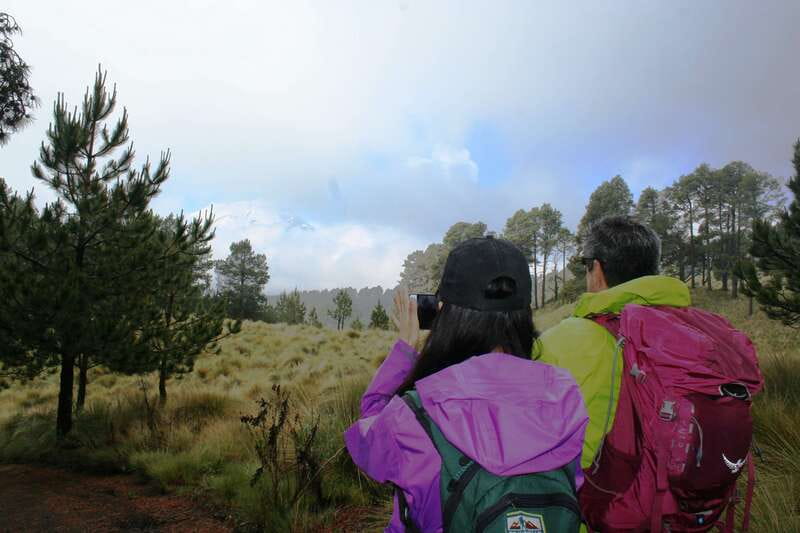
- Cerro Altzomoni views: a standout stop with Popocatépetl in sight and fumarole activity in the mix
- Amalacaxco Ravine ecology: you’re not just walking rock and snowgrass; you’re looking at local plants and wildlife
- Small-group pace: guides often manage different fitness levels and will adjust breaks and pacing
- Traditional market lunch: you end the hike with real local food, not a sad snack-box finish
- Value beyond the hike: transportation, entrance fees, rucksack rental, safety gear, lunch, and accident insurance are included
Leaving CDMX behind: the ride into Puebla state
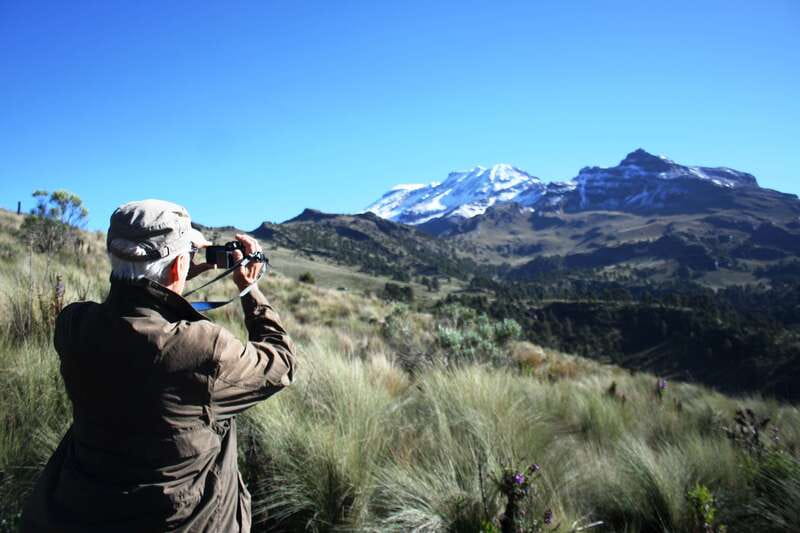
This is one of those Mexico City day trips that actually feels like a reset. You start with a meeting at México Travesías, right in front of the Michoacan Market, then head out toward Puebla state and the Iztaccíhuatl–Popocatépetl National Park area.
In practice, plan for a couple hours of driving each way because you’re changing elevation and getting out into countryside. The day is long enough that you’ll want to treat it like an outing, not a quick errand. Once you’re in the park zone, the air and temperature shift fast, even when the morning starts mild in the city.
A practical note: one review mentioned that a van didn’t have air-conditioning, so dress for comfort rather than counting on climate control. If it’s cool up high (it often is), your jacket matters.
You can also read our reviews of more guided tours in Mexico City
Paso de Cortés: starting in the volcano foothills
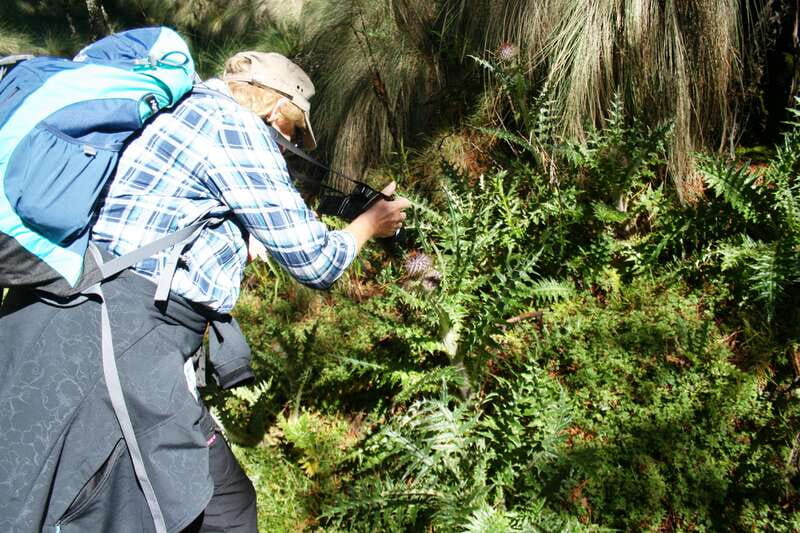
The trek begins at Paso de Cortés, where you explore the lower parts of the volcanoes. This is a smart start because it gets your body moving without throwing you into the hardest altitude right away. You also get early sightlines—enough to build anticipation—while the guide explains what you’re seeing and what to pay attention to as the day climbs.
This first stretch is also where you can learn the “language” of the terrain. You’ll notice how the paths thread through open areas and how the vegetation changes as you gain elevation. Guides tend to point out native flora and details you’d miss on your own, including things like succulents and other plants seen along the way.
Don’t rush this segment. The climb is often the real workout, even when the trail looks manageable on paper. Your goal here is to settle into rhythm: steady steps, short breaks, and breathing that feels controlled.
Cerro Altzomoni and Popocatépetl: the stop you’ll remember
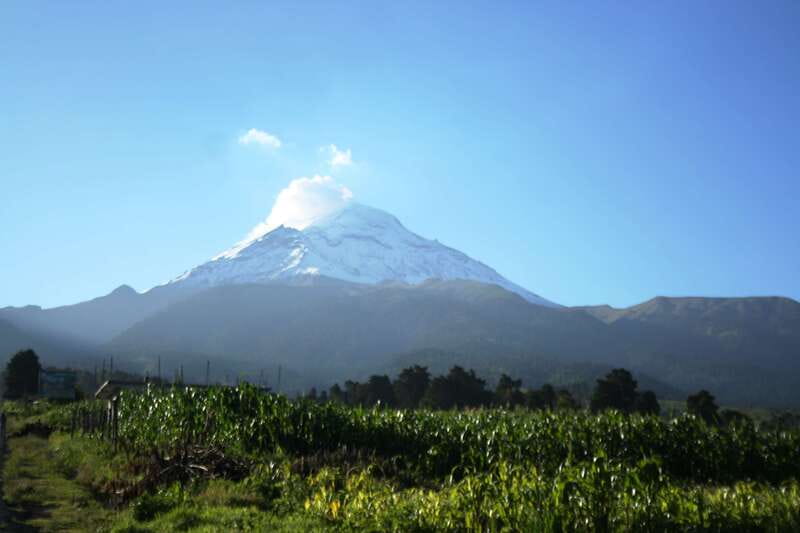
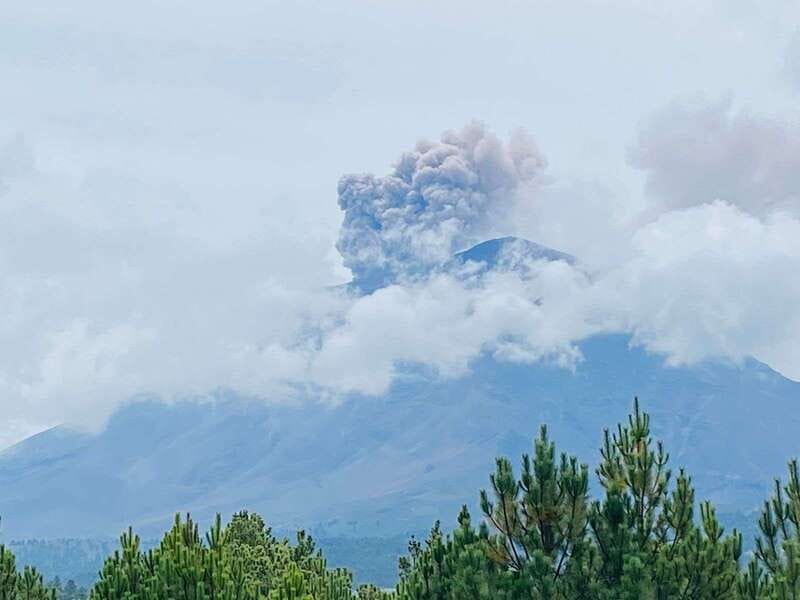
The route then takes you toward Cerro Altzomoni, which is the point where the experience turns from impressive to memorable. You’ll marvel at Popocatépetl and its geothermal activity—often described in terms of fumaroles and smoke. On clear days, you may catch Popocatépetl actively releasing clouds of ash or small bursts, which makes this stop feel alive rather than scenic-only.
What makes this leg special is the combination of effort and payoff. You’re not just standing at a viewpoint; you’re walking to earn it. Reviews repeatedly mention that the views are incredible and that the climb to Altzomoni is where the volcano feels close enough to respect.
Still, clouds happen. One review noted that weather sometimes blocks volcano visibility, turning the day more misty and dramatic than bright and clear. If you end up in clouds, focus on what you can see: the texture of the terrain, the changing light, and how the vegetation shifts as you move.
If you’re the type who wants certainty, you won’t get it with volcano hiking. But if you’re flexible and you like nature in real conditions, that uncertainty is part of the charm.
Amalacaxco Ravine: where the walk gets personal
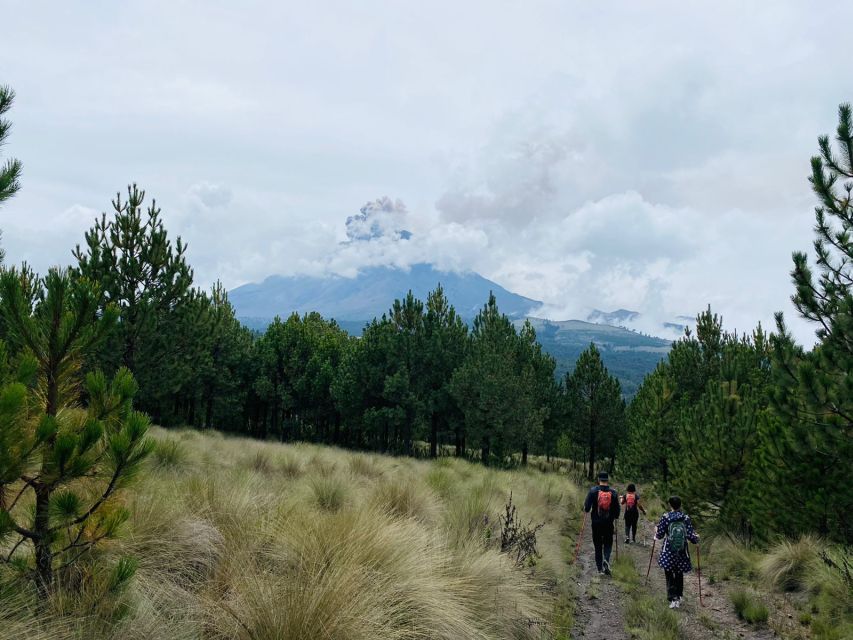
After Altzomoni, you descend toward Amalacaxco Ravine. This is the part of the day I think many people underestimate, because it’s not only about the volcano. You’re in a zone where native flora and fauna show up more clearly, and the trail often feels quieter and more intimate.
From a hiking point of view, descents can be tricky for knees and ankles. Take your time. The guides who run this route well tend to manage pacing so everyone stays safe and comfortable, especially in a small group. Several reviews mention guides checking in frequently, letting people take short breaks, and adjusting how fast the group goes.
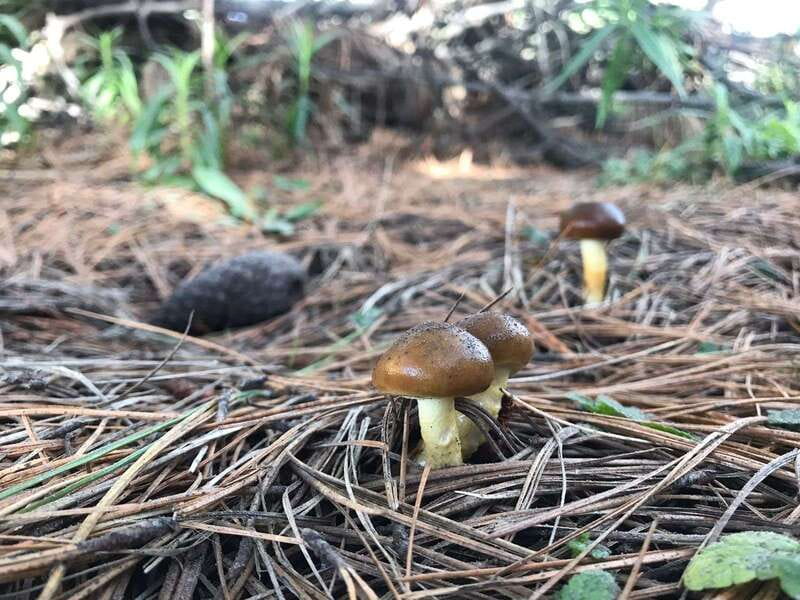
This ravine stretch is also where you can slow down and look. Reviews mention noticing plants, vegetation, and even smaller natural details like mushrooms and other local growth. Bring a bit of patience here; it’s not a stamp-collecting hike. It’s a “look closely” hike.
How long, how hard, and what your body needs at altitude
This tour runs 9 hours total, including transport and stops. Many participants describe the hiking as a workout that’s not technically extreme, but altitude changes the math. One review mentioned about 13 km to 14 km total, with roughly 1,000 ft of climbing, though the exact route can vary depending on conditions and group pace.
The elevation is the real variable. Even if you’re fit on flat ground, you may feel winded higher up. That doesn’t mean it’s impossible. It means you should use the guide’s pace strategy: slower starts, frequent water breaks, and breaks when you need them.
What to bring is not optional at this altitude:
- Hiking shoes with grip (you’ll be on uneven ground)
- Sunscreen, even when it’s cool
- A warm jacket for changing temps
- Comfortable clothes you can layer
- Gloves (many people get surprised by how cold hands can feel)
Also, take the rucksack rental seriously. You’ll likely carry your essentials, and keeping weight organized helps your balance. A few reviews mention guides stepping in to help with extra carry when someone needed it, which is a good sign that they’re paying attention to comfort, not just moving people along.
If you have back problems, heart issues, mobility impairments, haemophilia, or you’re pregnant, this is not listed as suitable. I’d treat that as a hard boundary, not a suggestion.
You can also read our reviews of more city tours in Mexico City


Lunch at a traditional market: the meal that makes the day feel complete
After returning toward Paso de Cortés, you go back toward Mexico City with a stop at a traditional market for lunch. This is a big part of the value: the hike takes time, and you end with food that feels local and earned.
Lunch is included, and multiple reviews call out standout items like tacos, quesadillas, and even a traditional Mexican coffee such as café de olla. One person also mentioned a stop at a local food stall with included tacos and quesadillas on the way back.
The best way to think about this meal: it’s not an afterthought. It’s scheduled so your energy comes back while you’re still in a local setting, not parked at a generic convenience stop.
One caution: a review noted that the restaurant stop wasn’t great on their day. That’s not unusual anywhere, but if you’re picky, keep an open mind and focus on the fact that you’re eating in a market setting rather than a packaged tour-lunch system.
Guides, group size, and the difference between getting through and enjoying it
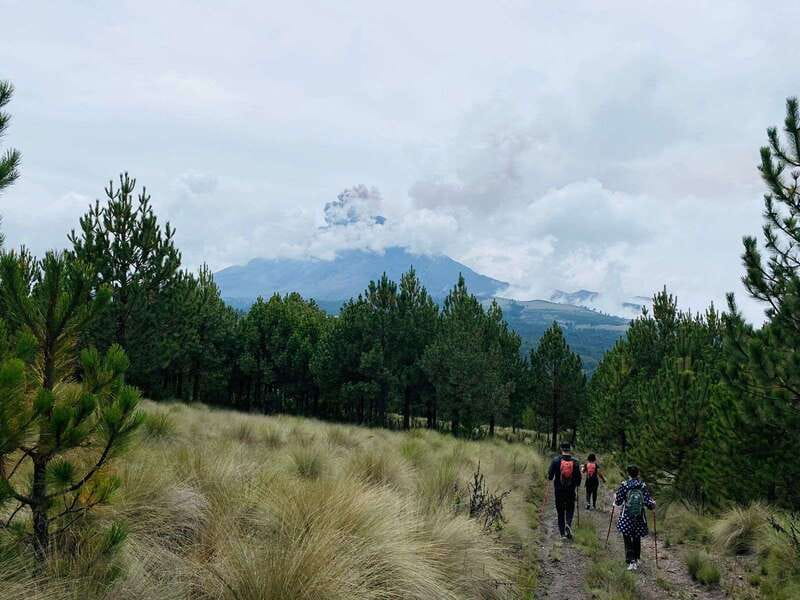
A lot of volcano treks fail on the basics: long waits, rushed pacing, and guides who only watch the clock. This one seems built around the opposite. The group is limited to 13 participants, which gives the guide room to manage pacing and check on individuals.
Reviews repeatedly mention guides being friendly, patient, and helpful. Names that come up include Alan, Juan, Bernardo, Carlos, Cesar, Alberto, Marco, and Michel. You’ll also see small “care details” mentioned, like guiding people at their own pace, offering extra support if someone fell behind, and in at least one case carrying a participant’s rucksack to make the hike manageable.
That matters because altitude and tired legs can turn even a moderate trail into a mental challenge. When a guide genuinely pays attention, the hike becomes about enjoying the views and learning along the way, not just surviving the climb.
If you want a more personal feel, this small-group setup is a plus. If you’re the type who likes structure and clear leadership, the qualified guide format helps too.
Value for $105: what you’re actually paying for
At $105 per person, you’re paying for far more than the hike. The included items are the real story:
- Transportation to and from the park area
- Qualified guides
- Entrance fees
- Rucksack rental
- Safety equipment
- Lunch at a traditional market
- Accident insurance
When you add those up, the price starts to look fair for a full-day outdoor experience out of Mexico City. You’re also not spending time coordinating logistics yourself, which is worth money in its own right when you’re visiting for limited days.
The only listed thing not included is alcoholic drinks, so plan on water and non-alcoholic options being your main beverage focus during the hike and lunch.
Weather realities: when you see Popocatépetl clearly, and when you don’t
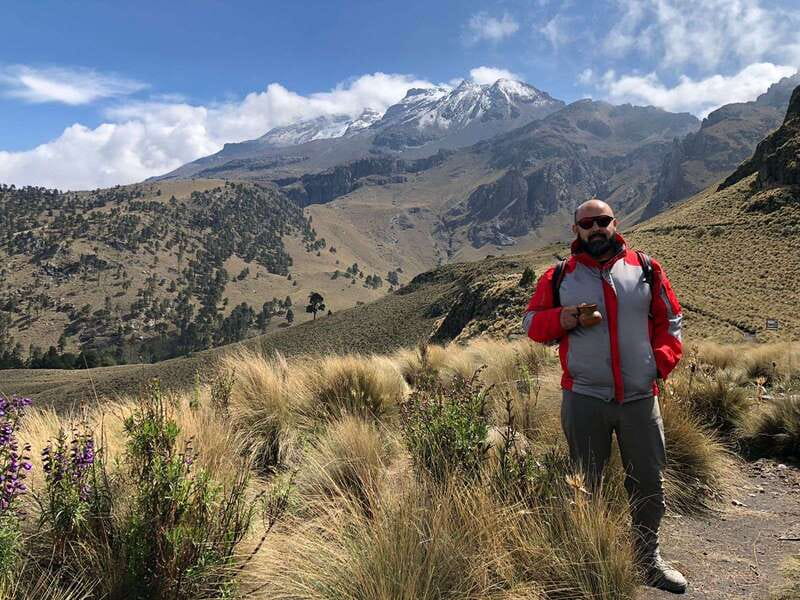
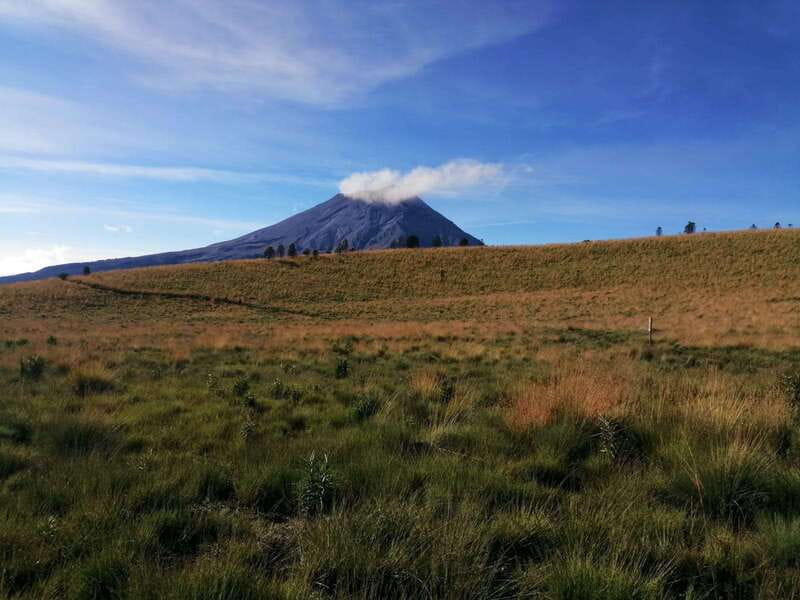
Volcano days are weather days. One review described incredible visibility, including Popocatépetl releasing a cloud of ash. Another described a day where weather prevented seeing the volcanoes, and the experience shifted to a mystic, cloudy atmosphere that was still beautiful.
So what should you do?
- Bring layers so you’re comfortable in sun or shade
- Expect a foggy or cloudy day to still be worth your time
- Focus on the whole route: Altzomoni, the ravine ecology, and the nature elements, not only one summit view
In other words, you’re buying a guided nature experience in a national park area, not guaranteed dramatic volcanic footage.
Who should book this trek, and who should skip it
This tour is a good match if you:
- Want a real nature escape from Mexico City without booking multiple activities
- Like guided walks where someone explains what you’re seeing
- Can handle altitude and a full day outdoors
- Want a manageable challenge with a clear finish in the form of market lunch
Consider skipping if you:
- Are likely to struggle with altitude right now
- Have any of the listed health or mobility limitations
- Want a mostly flat, low-effort outing
Also, if you’re visiting and you’ve just arrived from sea level, you might feel the altitude more. I’d plan this for after you’ve spent a little time adjusting to the city and altitude conditions.
Should you book it? My honest call
I’d book this guided volcano trek if you want a structured day in the Iztaccíhuatl–Popocatépetl region with views that are genuinely earned, a small-group feel, and an included lunch that keeps you fueled. The value is strong because transportation, entrance fees, rucksack rental, safety gear, lunch, and insurance are all part of the package.
I wouldn’t book it if you need a low-altitude, no-surprises hike or if your health makes elevation risky. The day can be demanding simply due to altitude, and the route needs comfortable movement.
If you’re in decent hiking shape and you’re flexible about weather, this is the kind of day trip that gives you a different side of Mexico—mountain air, native plants, and a close look at an active volcano zone.
FAQ
Where do I meet for the tour?
You meet at México Travesías in front of the Michoacan Market.
How long is the guided volcano trek?
The tour lasts 9 hours.
How much does it cost?
It costs $105 per person.
Is this a small group tour?
Yes. It’s limited to a small group of up to 13 participants.
What’s included in the price?
Transportation, qualified guides, entrance fees, rucksack rental, safety equipment, lunch, and accident insurance are included.
What is not included?
Alcoholic drinks are not included.
What languages are the guides?
The live tour guide is available in English and Spanish.
What should I bring?
Bring hiking shoes, sunscreen, a jacket, comfortable clothes, and gloves.
Who should not book this tour?
It’s not suitable for pregnant women, people with back problems, people with mobility impairments, people with heart problems, or people with haemophilia.
Do I need to pay right away, and can I cancel?
You can reserve now and pay later. Cancellation is free up to 24 hours in advance for a full refund.