REVIEW · MEXICO CITY
From Mexico City: Hike Iztaccihuatl Volcano with an Alpinist
Book on GetYourGuide →Operated by Amigo Tours LATAM · Bookable on GetYourGuide
A volcano hike near Mexico City is rare. This one earns its hype with fresh mountain air and alpinist-level guidance, plus big views over the Valley of Mexico and the twin silhouettes of Popocatépetl and Iztaccíhuatl.
What I also like is that the trip sets you up with a proper safety briefing and a pace you can manage, even if altitude is new to you. One heads-up: the climb can feel harder than it sounds, because you’ll be working at very high altitude, and the tour doesn’t include hiking gear or food.
Key highlights at a glance
- Paso de Cortés photo stop at about 3,300 meters to get your bearings early
- High-altitude trek aimed around 4,270 m (and often higher in practice)
- A real alpinist guide who explains the volcano region and adjusts pacing
- Scenic viewpoint breaks that make the drive-and-hike flow feel easier
- Technical terrain at times: loose rock and traction matter
In This Review
- Why This Iztaccíhuatl Trek Feels Like a Real Mountain Day
- From CDMX to Paso de Cortés: The Long, Scenic Lead-In
- La Joya Start and the Real Climb to 4,200–4,500 m
- What the Alpinist Guide Adds (and Why Names Matter)
- Turning Points, Terrain, and Why Gear Changes the Outcome
- Return Ride, Food Stops, and Planning Your Evening Back in Mexico City
- Price and Value: What $168 Really Buys
- What to Bring (So Altitude Doesn’t Pick on You)
- Who Should Book This Hike (and Who Should Skip It)
- Should You Book? My Honest Take
- FAQ
- Where do I meet the guide?
- How long is the tour?
- How far do I hike?
- What’s the highest altitude reached?
- Is hiking equipment included?
- Is food and water included?
- Is pickup available in Santa Fe?
- What if the weather is bad?
Why This Iztaccíhuatl Trek Feels Like a Real Mountain Day
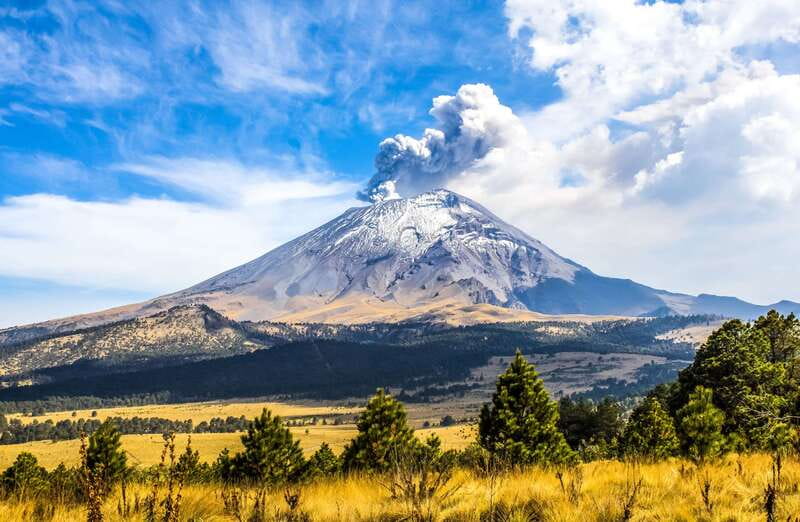
If you’ve only seen volcanoes from a highway or a viewpoint, you’ll feel the difference here. The day blends a long mountain approach with a guided hike through volcanic terrain, where the air gets thinner fast and the views keep widening as you climb. You’re not just taking photos. You’re earning them.
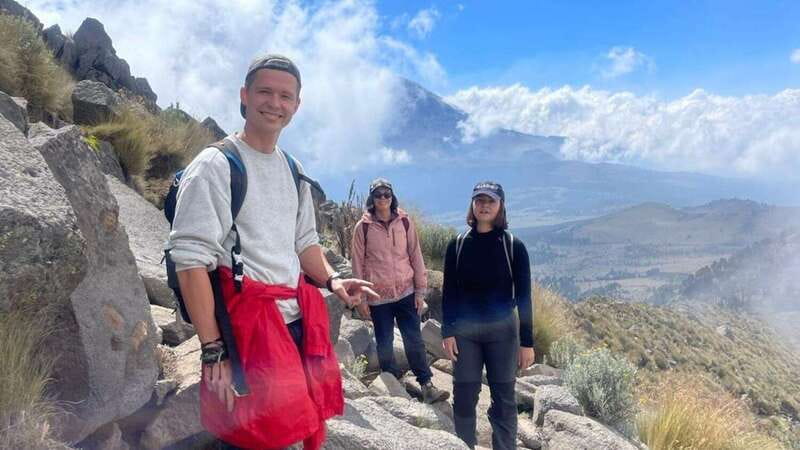
Two things really drive the experience. First, the scenery change is constant: valley views at the start, then steeper angles and more dramatic angles once you’re up in the park area. Second, the alpinist guide tends to make the hike make sense—what you’re looking at, how altitude affects you, and how to move safely on uneven ground. In a bunch of departures, guides like Fabrizio, Gerson, Ivan, Sergio, and Leonardo show up in the feedback for a reason: they’re attentive and focused on helping the group finish well.
The trade-off is that this is a “mountain effort” day. Even when the hiking distance is only about 5–7 km round-trip, the altitude and uneven ground can make it feel like more. If you’re not comfortable hiking on rocky or sloped paths, you’ll want to take the selection criteria seriously.
From CDMX to Paso de Cortés: The Long, Scenic Lead-In
You meet at Amigo Tours Downtown Meeting Point at 06:20 am, then you head out by van. The drive segment to the national park area is long—about 105 minutes—and it’s part of the value: you’re not wasting your time searching for a ride or a place to start. The early departure also helps with weather and light, which matters for volcano views.
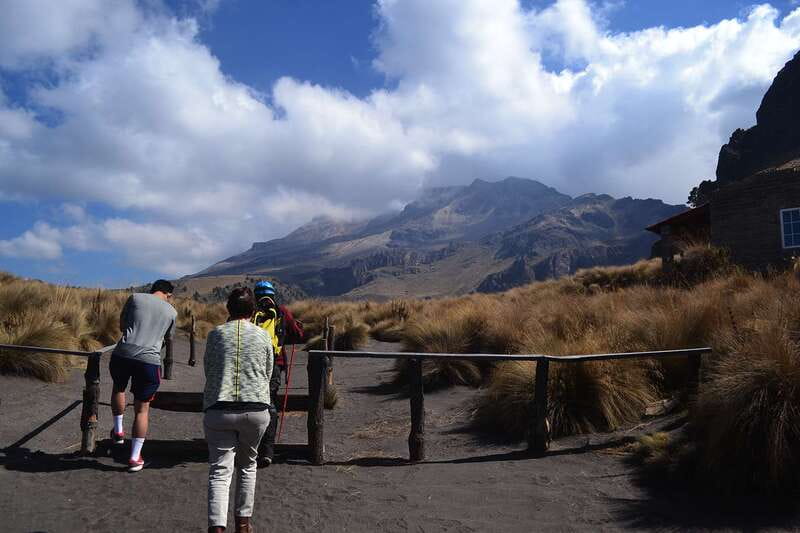
Right away, the day builds anticipation. You stop at Paso de Cortés (around 3,300 m) for a short photo stop and sightseeing, plus a safety briefing and a chance to see Popocatépetl and Iztaccíhuatl in the same frame. Even if you’ve seen them in photos before, this is where the scale hits you. It also gives you a quick reality check on altitude—your breathing may feel different long before you start hiking.
On the way, there are brief “pass by” moments and scenic pull-offs that keep the momentum. Then you roll forward toward La Joya and the trailhead area. Think of this lead-in as your warm-up and orientation: you get the view, get the rules, and then you move into the park.
You can also read our reviews of more city tours in Mexico City

La Joya Start and the Real Climb to 4,200–4,500 m
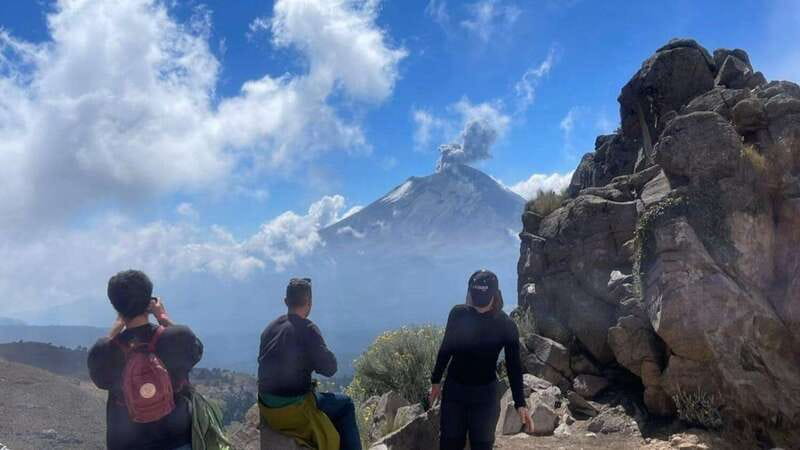
The hike portion begins near La Joya (Iztaccíhuatl) after a short transfer. The walking itself is guided and generally structured for a strong but manageable day. The distance is usually described as about 5–7 kilometers round-trip, and the time on the move is often around 3 hours in the park segment, depending on pace and where the group turns around.
The altitude is the main story. The tour description targets reaching up to about 14,000 feet / 4,270 m, and guide behavior and group pacing can affect how far you go. Several experiences mention climbing into the 4,400–4,500 m range (often referred to as reaching higher checkpoints or gates). Translation for you: expect a thin-air hike that can feel tough even if you’re generally fit.
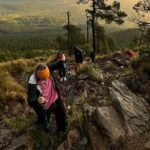
Terrain can also be a factor. Some feedback highlights loose rock and steep sections, where traction and careful foot placement matter. That’s not the time to rely on fashion sneakers. If you’re even slightly unsure, wear shoes with solid grip and take short steps when the ground gets uneven.
A key point: this isn’t a casual stroll. The tour runs on a “you can keep going at your own pace” model, but the group level determines the overall rhythm. Guides tend to help slower hikers, yet if you come in underprepared, you might find yourself challenged much sooner than you expected.
What the Alpinist Guide Adds (and Why Names Matter)
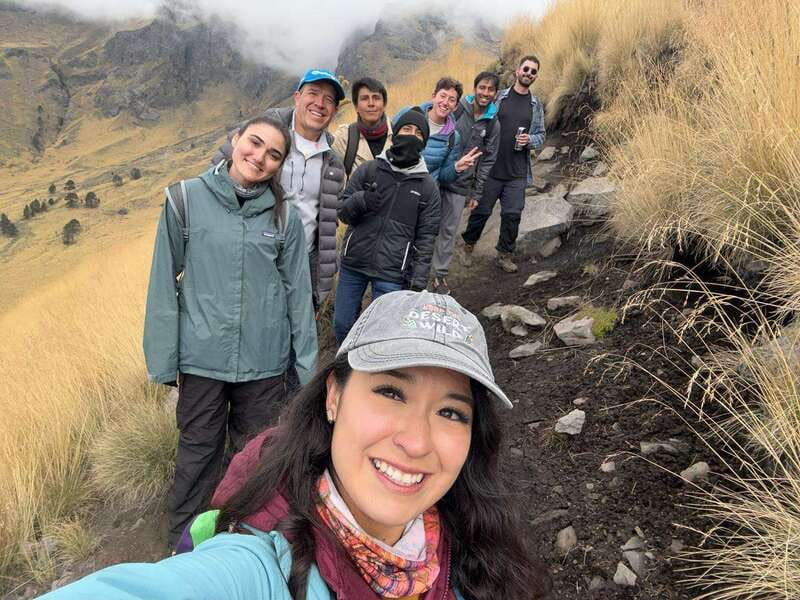
This is the part that makes the tour feel worth paying for. The guide isn’t just there to walk you from point A to B. The better guides actively teach you how to handle the day.
In feedback, Fabrizio is repeatedly praised for being very knowledgeable about the area and clear about hiking in general, which makes the whole thing feel safer and more intentional. Other guides—like Gerson, Ivan, Sergio, and Leonardo—show up for being motivating, organized, and good at managing pace across mixed fitness levels.
What you get from a good alpinist guide on volcano hikes usually falls into three buckets:
- Altitude coaching: how to breathe, how to slow down without stopping, and how to judge effort.
- Terrain advice: where traction matters and how to place your feet on rocky or loose sections.
- Context: what you’re actually looking at—Popocatépetl and Iztaccíhuatl aligned in a way that feels different from roadside viewpoints.
It’s also practical. Guides frequently build in breaks, and the better pacing can be the difference between finishing with confidence or finishing wiped out. Even one experience that describes going a bit higher still emphasizes that breaks and summit pauses helped everyone stay steady.
Turning Points, Terrain, and Why Gear Changes the Outcome
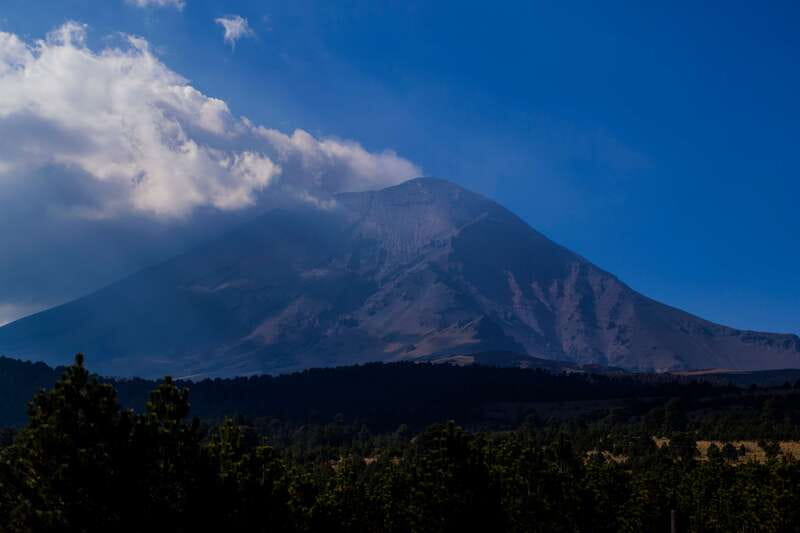
One of the clearest lessons from real experiences: this is a hike, not a full technical summit expedition. The tour doesn’t include hiking equipment, and several accounts explain that going farther can require more specialized gear and experience than this day provides.
So what does that mean for your expectations? You should be ready to reach a high point on the shoulder areas and enjoy the big volcanic views, but you may not go all the way to the very top-level terrain that needs proper gear. It depends on conditions and the route rules that day.
Terrain still demands respect:
- Irregular ground is part of the activity, so balance counts.
- Loose rock/scree-like sections can show up, especially on steep stretches.
- Traction matters enough that one slip or stumble can turn into a bad moment if you’re moving fast.
Also keep in mind that group decisions affect outcomes. Some descriptions note that not every person made it to the highest reachable checkpoint, even when the hike is doable. That’s not a failure. It’s just how altitude and uneven ground sort everyone by pace.
Your best strategy: don’t chase others up. Move consistently, take breaks when offered, and drink water in small amounts instead of saving it all for later.
Return Ride, Food Stops, and Planning Your Evening Back in Mexico City
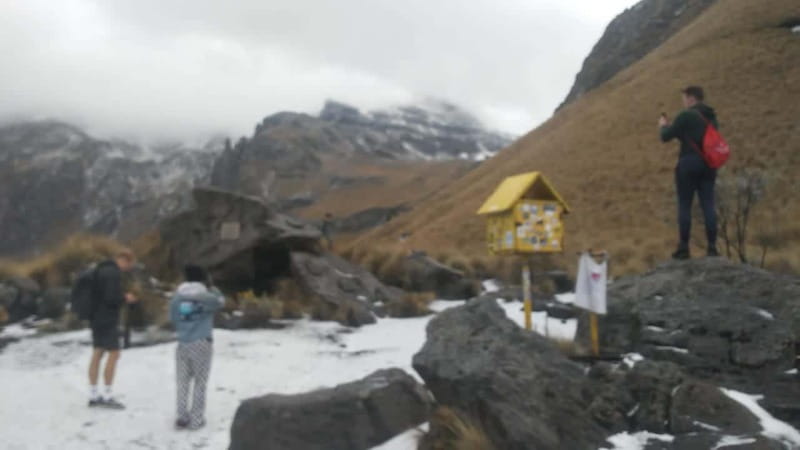
After the park segment, the day continues with a transfer rhythm back toward Mexico City. There are short passes and scenic pauses along the way, including another brief stop for photos and sightseeing near the Paso de Cortés viewpoint area, before you get back on the longer ride segments.
The overall duration is listed as 11 hours, so you’re committing to a full day. Many departures report getting back in the late afternoon, but weather and group pace can shift the schedule.
Food is where you should plan ahead. The tour does not include food or drinks. Yet multiple accounts mention stopping for real meals afterward or during the return—often tacos and even quesadillas at local roadside spots. If you want to eat well without stress, set aside cash and consider carrying a snack on your own for before or during the hike. One experience specifically suggests bringing smaller bills for lunch because roadside payment can be easier that way.
One more practical note from the altitude side: if you feel tired on the way up, it usually gets worse if you skipped water or didn’t eat enough earlier. Bring water, and don’t treat altitude as a surprise.
You can also read our reviews of more hiking tours in Mexico City
Price and Value: What $168 Really Buys
At $168 per person, you’re paying for more than the hike. You’re buying:
- An alpinist guide
- Round-trip transfer
- Entrance to the natural park
- Hotel pickup and drop-off if you choose the private option
What you’re not paying for:
- Hiking equipment
- Food and drinks
That balance is what makes the price feel fair for the right traveler. If you tried to do this independently, you’d still face the hard parts: getting up early, arranging transport into the park area, handling permits/entry logistics, and hiring someone to help you manage altitude and terrain. Paying for guide support is a big chunk of the value.
That said, there are logistics to consider. One experience mentions the vehicle seating felt cramped for the price, so comfort on the road isn’t guaranteed. If you’re sensitive to long rides, pack a small comfort kit: a light layer, something for sun, and water.
What to Bring (So Altitude Doesn’t Pick on You)
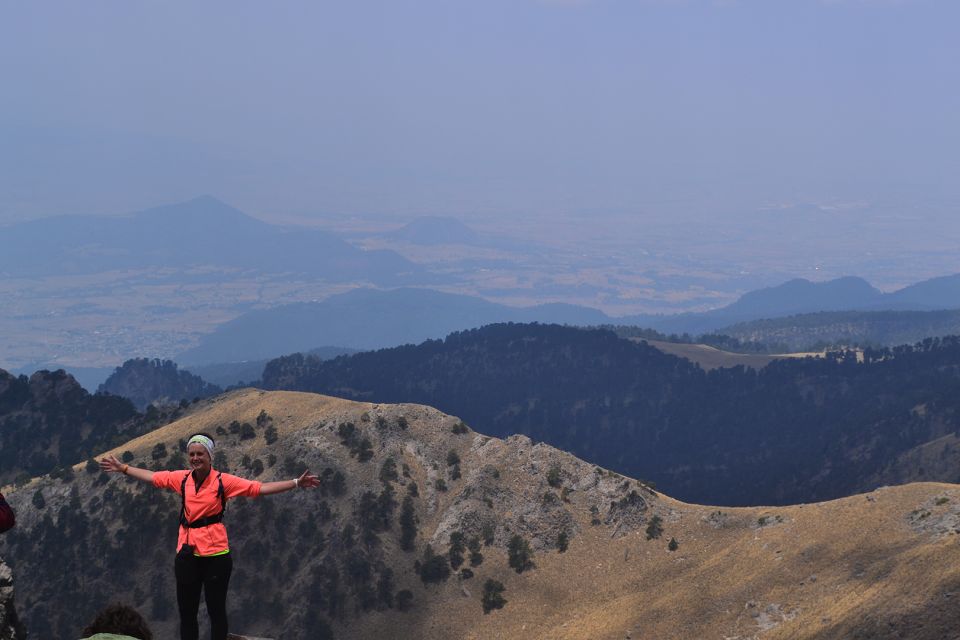
The tour’s own packing list is simple, and it’s worth sticking to:
- Comfortable shoes with good traction
- Water
- Comfortable clothes
- Passport (a digital copy, original, or photocopy accepted)
Given what comes up on the trail, you should also think beyond the basics. Loose rock and uneven ground are real enough in accounts that traction can make a bigger difference than you’d think.
I’d also add a few common-sense items because this is a long day at altitude:
- A layered clothing approach (mountain temps can shift fast)
- A little snack/energy for the hike, since food isn’t included
- Sunscreen, because high elevation sun can catch you even when you don’t feel “hot”
And do not count on being able to borrow equipment. This day expects you to arrive ready.
Who Should Book This Hike (and Who Should Skip It)
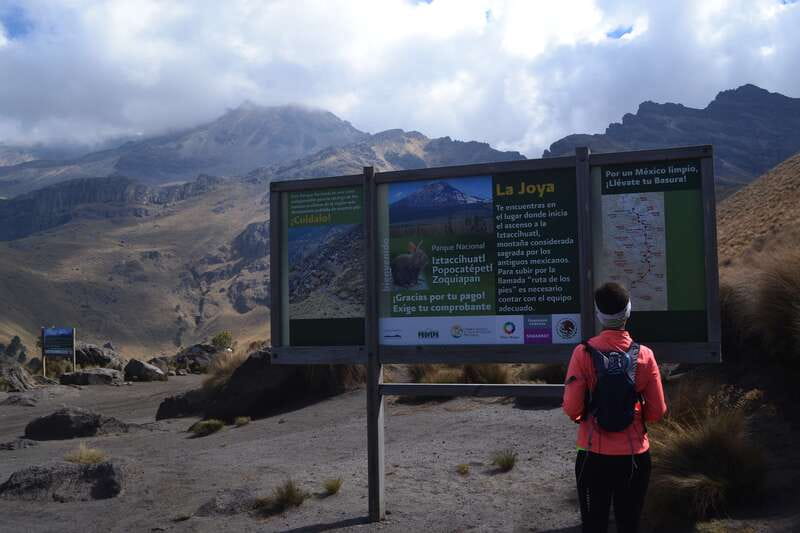
This tour is a great fit if you:
- Are comfortable hiking on uneven ground
- Want expert guidance around altitude
- Can handle a full 11-hour day with an early start
- Want a volcano view day that goes beyond a quick viewpoint stop
It is explicitly not suitable for:
- Children under 16
- Pregnant women
- People with mobility impairments or wheelchair users
- People with heart problems
- People with respiratory issues
If you’re on the edge, altitude is the deciding factor. The hike starts from a high elevation area and keeps climbing. Even people who describe the hike as manageable still emphasize you’ll feel altitude, especially if you’re not used to it.
Also note the pace: it depends on the group’s physical level. You’ll likely be able to go at your own pace with the guide’s help, but the overall day still assumes you can keep moving.
Should You Book? My Honest Take
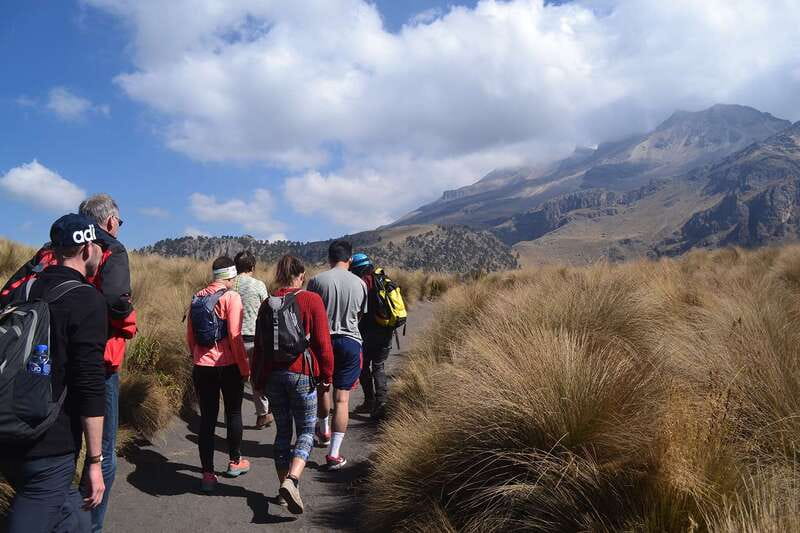
Book it if you want a serious day outside Mexico City that still feels safe and organized, with a guide who can explain the volcanic landscape and help you manage altitude. The combination of serious views, alpinist guidance, and park access is the main reason this is good value.
Skip it (or pick a gentler option) if you hate rocky terrain, you don’t handle altitude well, or you can’t manage a long, early day. This isn’t a “see the volcano from the van” tour. You will work for the views.
If you do book, come prepared: good traction shoes, water, snacks, and a calm pace mindset. That’s how you turn this into a proud finish rather than a struggle.
FAQ
Where do I meet the guide?
Meet at the Amigo Tours Downtown Meeting Point at 06:20 am.
How long is the tour?
The duration is listed as 11 hours.
How far do I hike?
The hike is described as about 5 to 7 kilometers round-trip, with around 3 hours of guided walking in the park area.
What’s the highest altitude reached?
The tour description says up to about 14,000 feet (4,270 m). In practice, some groups report reaching higher points around 4,400–4,500 m depending on pacing and conditions.
Is hiking equipment included?
No. Hiking equipment is not included.
Is food and water included?
Water is not listed as included, and food and drinks are not included. Bring water and plan for food purchases during the day.
Is pickup available in Santa Fe?
Pickup is not available in Santa Fe.
What if the weather is bad?
The activity may be rescheduled or canceled in case of bad weather.