REVIEW · MEXICO CITY
Basilica of Guadalupe. Mexico City. Walking tour
Book on Viator →Operated by Adriana Hdz · Bookable on Viator
A place like Tepeyac doesn’t move fast, it teaches slowly. This walking tour centers on the Basilica of Guadalupe, with time at the New Basilica and a guided walk through the surrounding church complex, including viewpoints from the hill. I like that you get close to the sacred moments (including the mantle display) instead of treating it like a quick photo stop.
You’ll also appreciate how the route layers eras: the Old Basilica and the wider Villa Gustavo A. Madero area help you understand what came before the modern complex. The one drawback is simple: it’s a religious walking route with a hill climb, so wear supportive shoes and plan for stairs and uneven ground.
In This Review
- Key things I’d plan for
- Guadalupe Walk: what you’re really doing in about two hours
- Inside the New Basilica of Guadalupe (1976) and the mantle display
- The Old Basilica: why the older sanctuary site still matters
- Villa Gustavo A. Madero churches, the Ofrenda, and photo-friendly stops
- A baroque chapel, then the hilltop church and panoramic views
- The guide matters: Spanish and English, plus small-group comfort
- Price and value: what $38.90 buys you in practice
- Getting there and what to wear for Tepeyac
- Who this tour fits (and who should reconsider)
- Should you book this Basilica of Guadalupe walking tour?
- FAQ
- Where does the tour start and end?
- How long is the Basilica of Guadalupe walking tour?
- Is the tour in English?
- What’s included in the tour?
- Is there an admission fee?
- What is the cancellation policy?
Key things I’d plan for
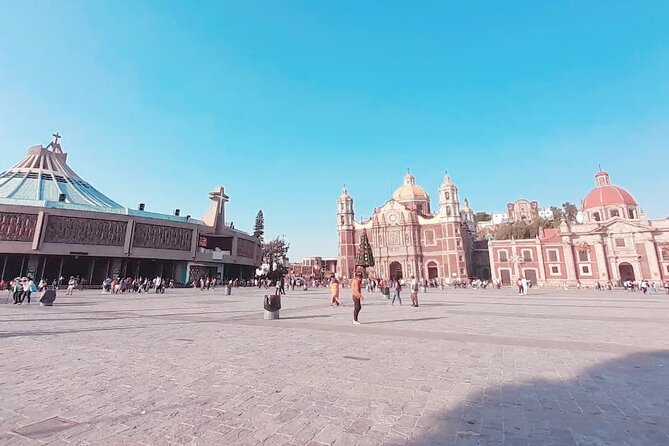
- Close access in the New Basilica: expect a meaningful pause at the altar area connected to the Virgin of Guadalupe.
- Old and new in one flow: you’ll compare the 1976-era church with the older sanctuary site.
- Church interiors along Villa Gustavo A. Madero: you can enter some churches, not just look from outside.
- Baroque chapel stops: you get style and story, not only monuments.
- Hilltop payoff: the climb ends with a church visit and panoramic views.
- Small-group pacing: capped at 20, which helps with questions and photo time.
Guadalupe Walk: what you’re really doing in about two hours
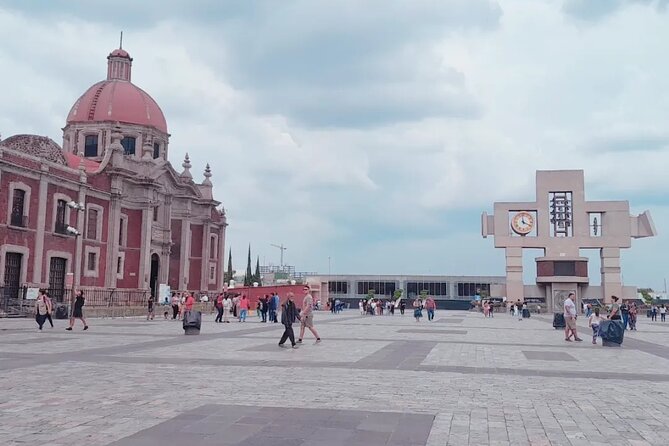
This is a guided walking tour built for seeing Tepeyac in a focused window, roughly 2 hours. You’ll move between the major basilica sites and several related chapels and church spaces, with pauses meant for understanding what you’re looking at.
The pacing matters here. You’re not rushing to tick boxes. Instead, the route is designed around religious meaning and spatial orientation—where the Virgin’s story took shape, where the modern basilica stands, and how the surrounding chapels connect to faith and devotion.
You can also read our reviews of more walking tours in Mexico City


Inside the New Basilica of Guadalupe (1976) and the mantle display
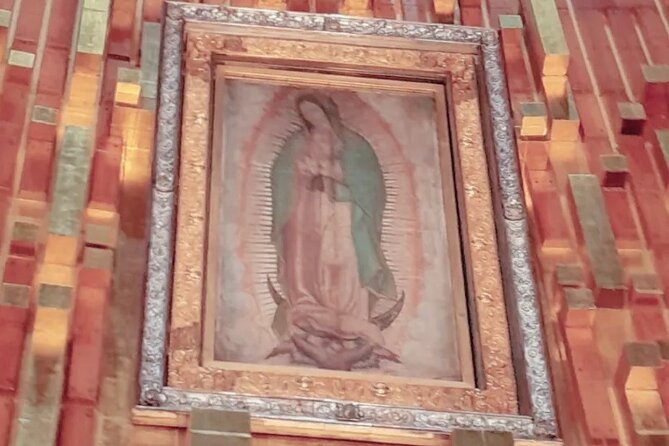
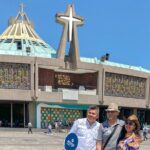
Your first major stop is the New Basilica of Guadalupe, built in 1976. The tour focuses on the symbolic displays of faith, which is the right approach because this church works like a living center of devotion, not just a landmark to scan.
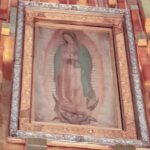
The highlight is the altar area connected to the Virgin of Guadalupe, including the original Mantle of the Virgin. You’ll have the chance to be very close, which changes the feel of the visit. Up close, it becomes less about architecture talk and more about why so many people come here in the first place.
Practical note: the closer you get to devotional areas, the more you’ll notice slower movement and people-focused logistics. That’s normal. Go with a calm mindset, and you’ll get more from the experience than if you’re trying to speed-run it.
The Old Basilica: why the older sanctuary site still matters
From the modern complex, you’ll shift to the Old Basilica, where you’ll learn about its history and how the Virgin of Guadalupe was previously there. Even if you think you already know the story, this stop helps because it frames Tepeyac as a place that evolved over time.
This is where I’d pay attention to what’s being explained. The difference between old and new isn’t just dates on a plaque. It’s about how devotion shaped rebuilding, and how the religious meaning stays anchored even when the physical setting changes.
If you want one simple reason to book: the tour is structured so you don’t just walk past the older site. You’re guided into understanding what you’re looking at—and why you’re seeing it right after the New Basilica.
Villa Gustavo A. Madero churches, the Ofrenda, and photo-friendly stops
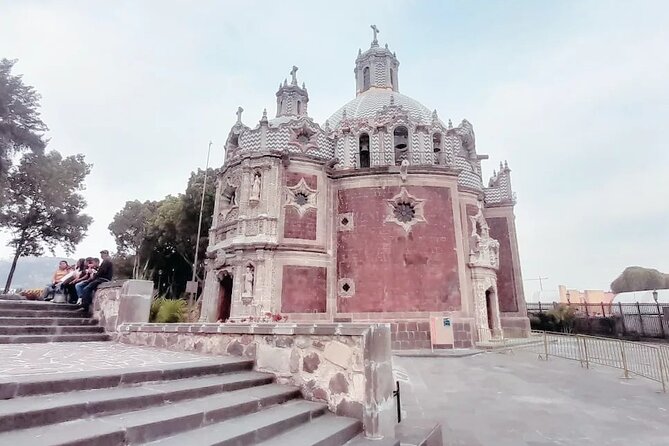
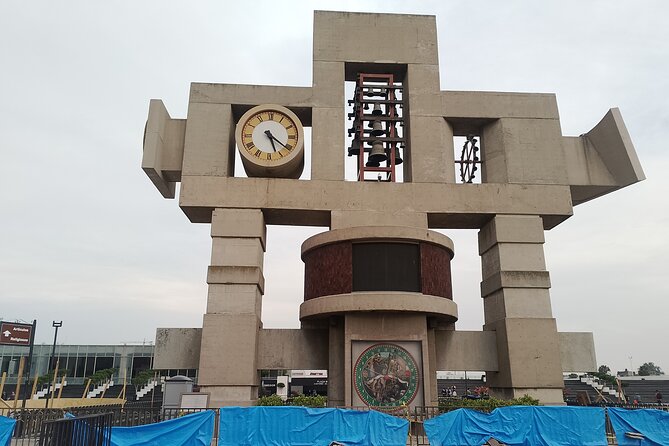
Next comes Villa Gustavo A. Madero, part of the Tepeyac area with its own mix of churches, monuments, and chapel spaces. Here, you’ll learn about the history of different churches, and importantly, you’ll be able to enter some to see the interiors—not only stand outside and look in.
You’ll also see monuments such as the Ofrenda, plus you’ll get photo opportunities at important points throughout the complex. This is one of the best parts for practical travelers: you’ll get guidance on where to pause for photos without turning the whole experience into a line of quick snapshots.
One consideration: interiors can mean shifting light and crowd flow depending on the moment you arrive. I’d keep your camera ready but don’t fight the pace. When you let the guide set the rhythm, you get both good photos and the explanations that make those photos meaningful.
A baroque chapel, then the hilltop church and panoramic views
After the church-complex portion, the route adds a baroque style chapel stop. Baroque in religious settings usually means drama—more ornament, more visual emphasis, and a strong feeling of movement. Even if you don’t go deep into art terms, you’ll feel the style shift as you move through the site.
Then you climb the hill to reach the church with panoramic views. The climb is part of the payoff: Tepeyac isn’t just about what’s indoors. It’s also about being in the setting—looking out from the hill gives you a sense of place that photos alone don’t deliver.
Finally, you’ll visit the chapel on the hill dedicated to San Miguel. This stop adds variety to the route. It also reinforces the broader theme of the area: devotion spreads across chapels and spaces, not just one main basilica.
You can also read our reviews of more city tours in Mexico City



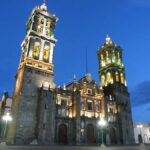
The guide matters: Spanish and English, plus small-group comfort

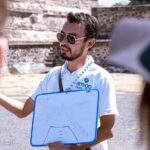
The tour is guided by Adriana Hdz, and language support is listed as Spanish and English. That bilingual setup is a real advantage in Mexico City because you’re not forced into a rigid group translation flow.
The experience also has a maximum group size of 20 travelers. Smaller groups usually mean you get better timing around entrances and explanations, and it’s easier to ask questions without feeling like you’re cutting into someone else’s schedule.
From the way the tour is described, the guide approach is built around letting you take your time at key stops. If you like a human pacing—questions answered, time to re-look, and help with photos—this format fits well.
Price and value: what $38.90 buys you in practice
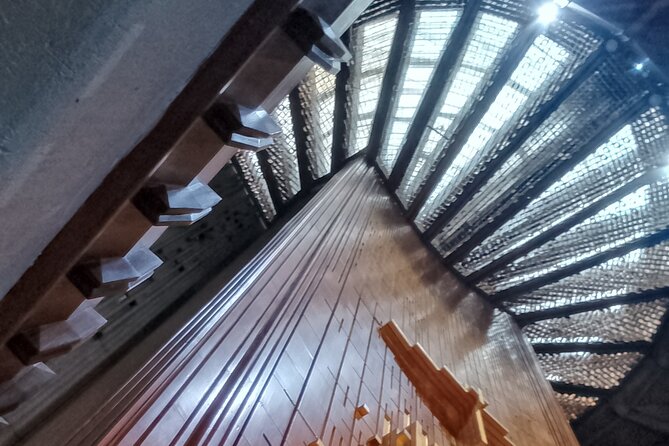
At $38.90 per person for about two hours, you’re paying for guided access and navigation through multiple sacred sites. You’re also buying something less measurable: someone helps you connect what you see to the story behind it, and that makes a short tour feel longer in the best way.
Value depends on your style. If you enjoy religious architecture, symbolism, and guided context, this price is easier to justify. If you only want open access to walk around quietly, you might feel like you could DIY it cheaper. But the tour’s value is the way it sequences the major locations: New Basilica first, then old, then the surrounding church area, then the hilltop.
One useful detail: admission is free at the stop noted for Villa Gustavo A. Madero. That doesn’t mean everything is automatically free everywhere, but it does support the idea that a chunk of your paid experience is really about the guide and the route flow—not just ticket handling.
Getting there and what to wear for Tepeyac
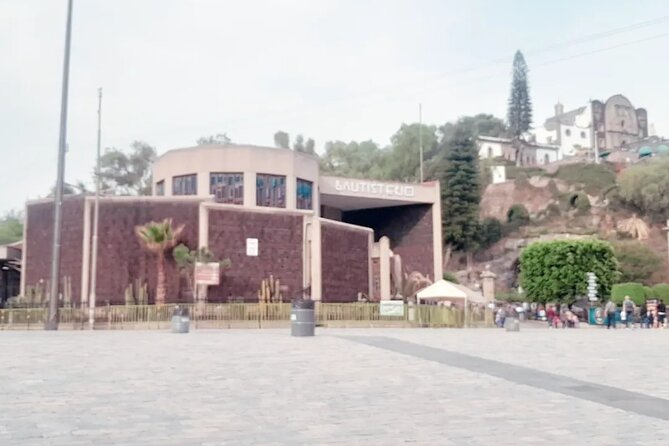
The tour starts at 5 Nte 5, Tepeyac Insurgentes, Gustavo A. Madero, 07020 CDMX and ends at Fray Juan de Zumárraga 2, Villa Gustavo A. Madero, Gustavo A. Madero, 07050 CDMX. That end point being different from the start matters because the route naturally sweeps through the area instead of backtracking.
It’s listed as near public transportation, which is good news if you don’t want to taxi between segments. I’d still give yourself a little buffer time for arriving calmly—religious sites can slow down foot traffic, and you’ll want to start the tour without rushing.
Wear comfortable walking shoes. The itinerary includes a hill climb, plus multiple indoor/outdoor transitions. If your feet run hot or your shoes aren’t supportive, this is the kind of day that becomes uncomfortable fast.
Who this tour fits (and who should reconsider)
This works well for most people because it’s described as suitable for most travelers and includes service animals. The group size cap also helps. If you like guided context, clear stop-by-stop sequencing, and photo-friendly pauses, you’ll likely enjoy the format.
You might reconsider if:
- you have limited mobility or find stairs difficult, since the route includes a hill climb
- you want a totally quiet, self-paced devotional visit without explanations
- you hate any kind of walking between multiple religious stops
That said, the tour doesn’t feel like a marathon. It’s short, and the route is structured around key locations rather than long stretches.
Should you book this Basilica of Guadalupe walking tour?
I’d book it if you want Tepeyac with structure. The New Basilica to Old Basilica sequence gives you the timeline in a way that’s hard to pick up on your own in such a short window. Add the Villa Gustavo A. Madero interior access, then finish with the baroque chapel and hilltop views, and you get variety that stays focused on the Guadalupe theme.
Skip it only if you’d rather do a quiet, independent visit or you know the hill climb won’t work for you. Otherwise, for two hours and a clear guide-led route, this is a solid way to see more than one side of Guadalupe—modern devotion, older sanctuary roots, and the wider chapel setting around the hill.
FAQ
Where does the tour start and end?
The tour starts at 5 Nte 5, Tepeyac Insurgentes, Gustavo A. Madero, 07020 CDMX, Mexico and ends at Fray Juan de Zumárraga 2, Villa Gustavo A. Madero, Gustavo A. Madero, 07050 CDMX, Mexico.
How long is the Basilica of Guadalupe walking tour?
It’s listed as approximately 2 hours.
Is the tour in English?
Yes. The tour is offered in English (and the guide also provides Spanish and English).
What’s included in the tour?
It includes a guided walking tour of Villa de Guadalupe with a guide.
Is there an admission fee?
One stop notes Admission Ticket Free. The tour includes the guided experience, but the only explicitly stated free admission detail is for that stop.
What is the cancellation policy?
You can cancel for a full refund if you cancel up to 24 hours in advance of the experience start time. If you cancel less than 24 hours before, the amount paid is not refunded.