REVIEW · MEXICO CITY
Mexico City: Ticket de entrada Museo Memoria y Tolerancia
Book on GetYourGuide →Operated by Museo Memoria y Tolerancia · Bookable on GetYourGuide
Holocaust memory, taught through art and hard truth. This ticket takes you into the Holocaust and genocide-focused permanent exhibitions, spread across 43 rooms with more than 1,200 objects and documents. I like that it pairs history with thoughtful design and strong photography, so the message lands without feeling like a lecture. I also love the mix of memorial artifacts with contemporary works, like Jan Hendrix installations and the Berlin Wall fragment. The one drawback: this museum is emotionally heavy, and the permanent exhibitions are recommended for kids older than 15.
A day here feels purposeful, not rushed. Your admission includes an audioguide in Spanish and English, plus access to temporary exhibitions. Plan for a steady pace—there’s a lot to read, watch, and reflect on as you move room to room in downtown Mexico City near Plaza Juárez.
In This Review
- Key points at a glance
- Plaza Juárez location and why this ticket is more than entry
- Price and value: what $13 buys you in real museum time
- What you get with your admission: audioguide, permanent rooms, and temporary exhibits
- Your pace plan: how to handle 43 rooms without burning out
- The permanent exhibition: Holocaust memory and a map of intolerance
- The museum artifacts and what they do to your attention
- Installations you’ll remember: Jan Hendrix, metronomes, and interactive peace works
- The Anne Frank connection: why a single exhibit can reshape the whole visit
- Temporary exhibitions: a second layer to keep the message current
- Who should book this ticket (and who should consider it carefully)
- Practical rules that keep your visit smooth: no food and plan your time
- Should you book this Museo Memoria y Tolerancia ticket?
- FAQ
- Where is the Museo Memoria y Tolerancia located?
- How long is the ticket valid for?
- What does the ticket include?
- Is an audioguide included, and what languages are available?
- Are food and drinks allowed inside the museum?
- Is the museum wheelchair accessible?
- Is this museum suitable for children?
- What are some notable installations and exhibits?
- Can I cancel and get a refund?
- Can I pay later?
Key points at a glance
- A full 43-room permanent exhibition with 1,200+ objects, documents, and audiovisual pieces
- Internationally benchmarked memory work, focused on the Holocaust plus other crimes against humanity
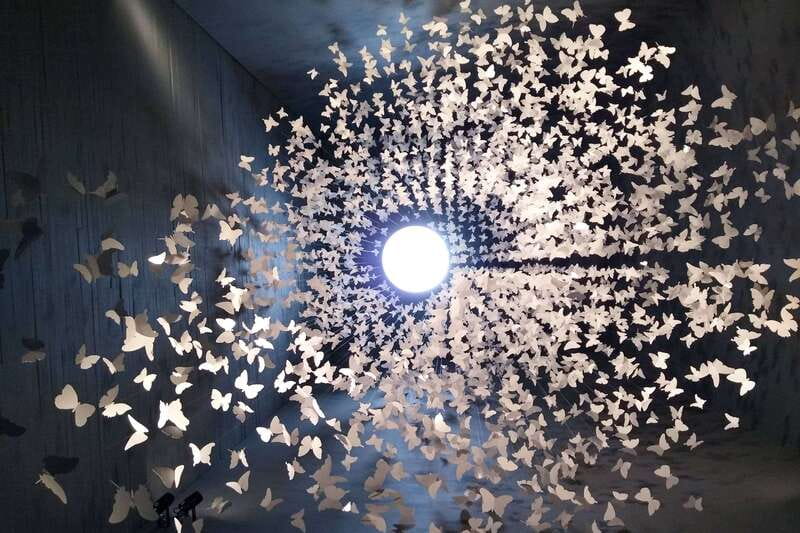
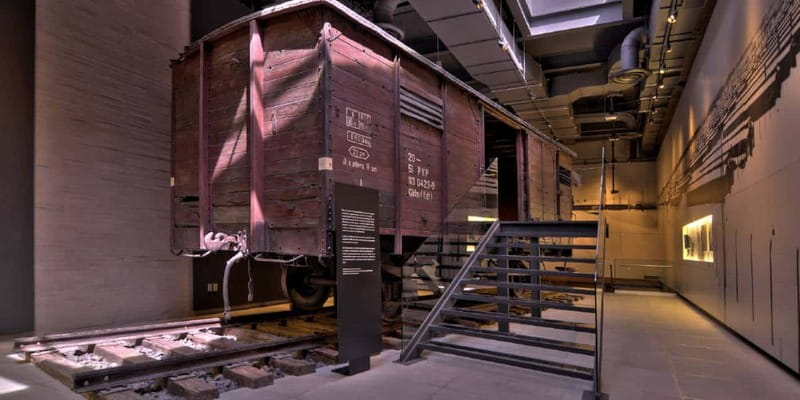
- Major installations and artifacts, from Jan Hendrix to a WWII prison train wagon and a Berlin Wall fragment
- Audioguide in Spanish and English included with your entry
- Temporary exhibitions are included, so you get at least one fresh angle beyond the permanent galleries
Plaza Juárez location and why this ticket is more than entry
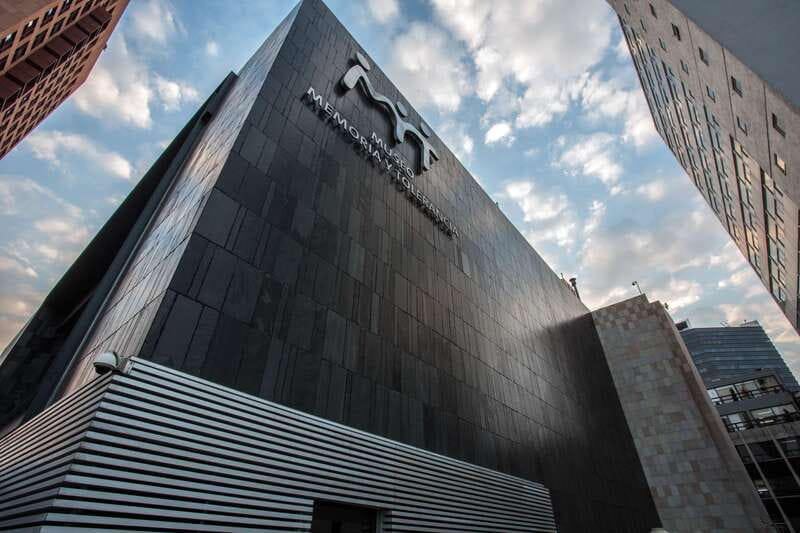
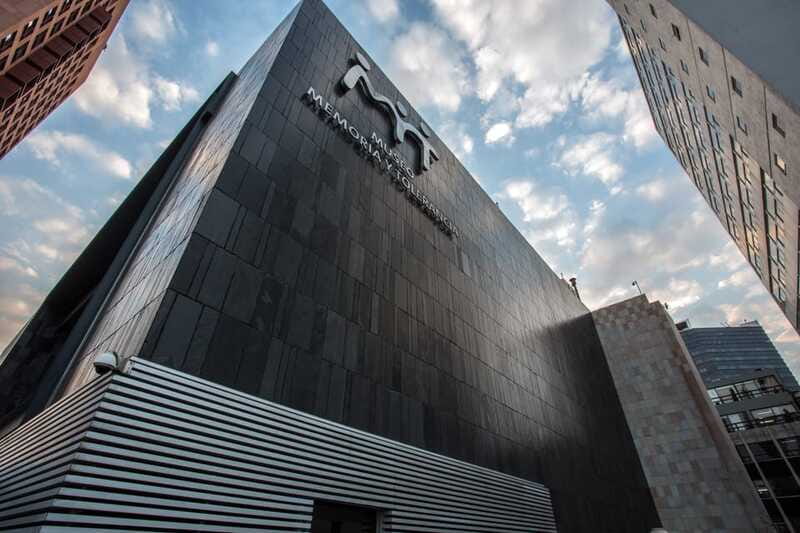
The Museo Memoria y Tolerancia sits in downtown Mexico City, at Plaza Juárez, near the Secretaría de Relaciones Exteriores and in front of the Hemicycle to Juárez. That matters because you can fold the museum into a real sightseeing day, not a special trip that eats half your vacation.
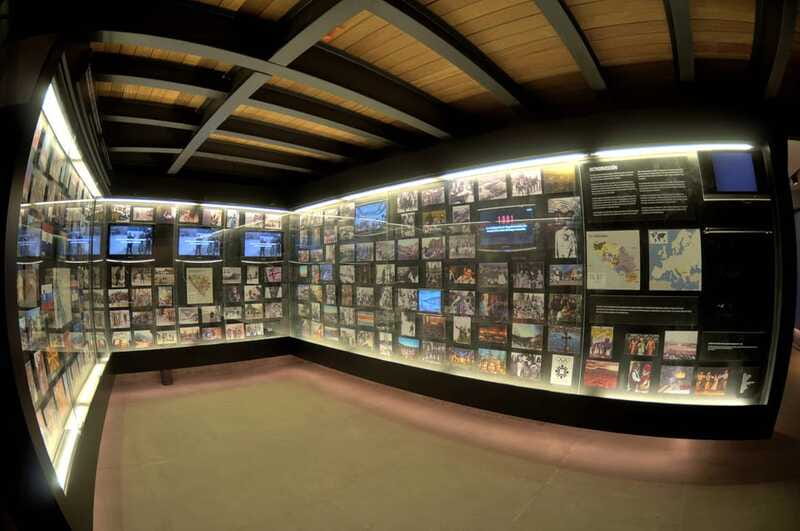
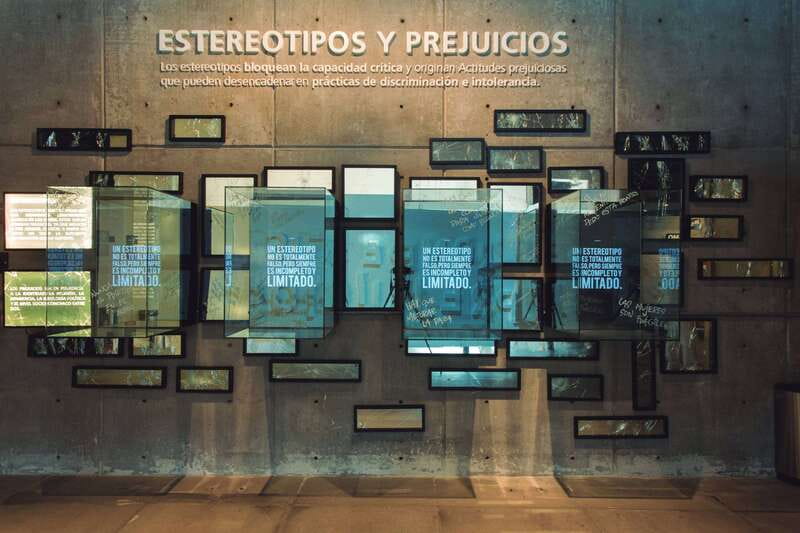
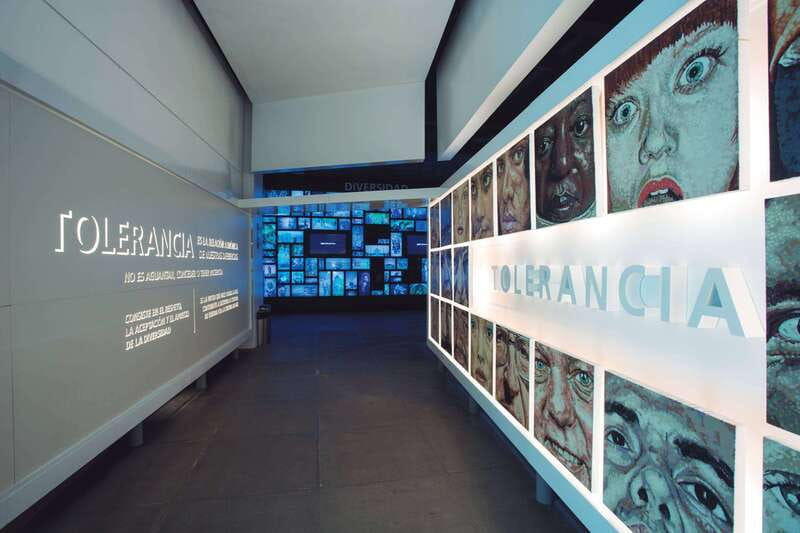
The experience itself is built like a guided moral conversation. You’re not just looking at displays; you’re watching how memory, documentation, and art try to prevent the same machinery of hate from repeating. If you’ve ever felt that some museum topics get flattened into facts-only, this one pushes back by adding installations and interactive works that ask you to react, not just recognize.
You’ll walk through a permanent exhibition designed to create awareness through historical memory, especially around the Holocaust and other genocides and crimes against humanity. The museum’s theme is tolerance and human rights, with a clear warning about how indifference, discrimination, and violence grow when people look away.
You can also read our reviews of more tours and experiences in Mexico City


Price and value: what $13 buys you in real museum time
At about $13 per person, this ticket is strong value for what’s included: full admission to the permanent exhibition, access to temporary exhibitions, and an audioguide in Spanish and English.
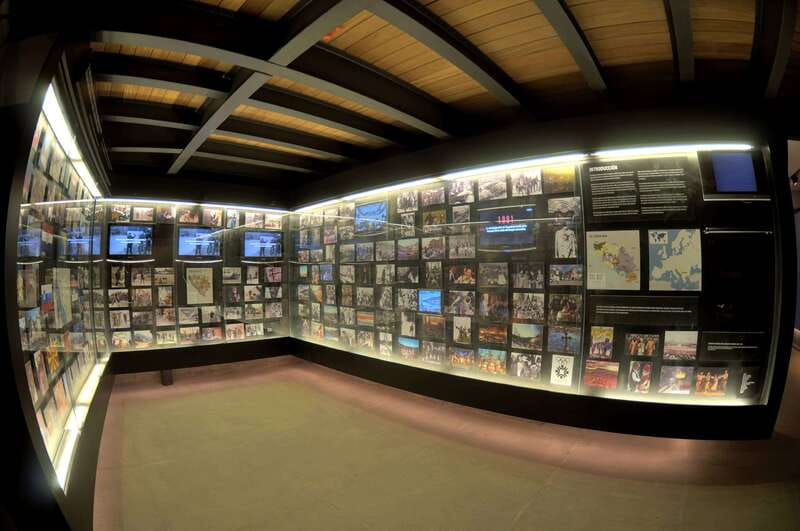
A lot of museums in major cities charge more for far fewer stops. Here, 43 rooms and 1,200+ objects/documents mean you’ll have enough material to slow down and come back to details. The audioguide also saves you from playing guess-the-context in every room. You can choose Spanish or English and let the commentary do the heavy lifting.
If you’re planning only a short museum browse, this might feel like “too much.” But if you want a full day that actually changes how you think, the price-to-scope ratio makes sense.
What you get with your admission: audioguide, permanent rooms, and temporary exhibits
Your ticket includes three big things:
- entry to the museum and its permanent exhibition
- an audioguide available in both Spanish and English
- entry to temporary exhibitions during your visit
That combo is what makes the visit feel complete. The permanent rooms do the core work—history, documentation, and memory in a structured layout. The temporary exhibitions then add something new, so you’re not leaving with only one “mode” of viewing.
And since the audioguide is included, you’re not forced to figure out the story from labels alone. That’s a practical win, especially for a topic where context is everything.
Your pace plan: how to handle 43 rooms without burning out
The museum is recommended for children older than 15, which is a clue that this is not a “let the kids run and you follow behind” type of visit. The content covers crimes against humanity and genocide history. Even if you’re an adult who can handle serious subjects, your brain will still want breaks.
Here’s how I’d pace it so it stays meaningful:
- Start with the sections that feel most relevant to you, but don’t skip the reflective spaces.
- Expect to pause more often than you would in a typical museum, because some rooms include audiovisual pieces that reward attention.
- If you feel emotionally overloaded, use the art installations as a “breathing point.” They’re not lighter content, but they often reset how you process what you’ve just read.
If you go in expecting a quick cultural stop, you may end the day with fatigue instead of understanding. If you go in expecting an honest, structured memory experience, you’ll likely leave steadier and more informed.
The permanent exhibition: Holocaust memory and a map of intolerance
The museum’s mission is awareness through historical memory—especially of the Holocaust and other crimes against humanity, including genocides associated with Armenians, Rwanda, Guatemala, Cambodia, Darfur, and Yugoslavia. The point isn’t just to list tragedies. The museum frames the danger of indifference, discrimination, and violence, and links memory to today’s responsibility.
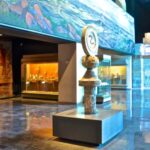
You’ll move through 43 rooms that function like chapters. There are more than 1,200 objects and documents, plus audiovisual pieces. That variety matters because it prevents the experience from becoming one-note. Some rooms lean on historical evidence; others use art and installations to make the human impact harder to ignore.
One thing I really like about this museum’s approach is how it ties tolerance and human rights to social action. It’s not only “remember what happened,” but also “don’t let it happen again.” That makes your visit feel active—like you’re carrying something forward.
You can also read our reviews of more city tours in Mexico City



The museum artifacts and what they do to your attention
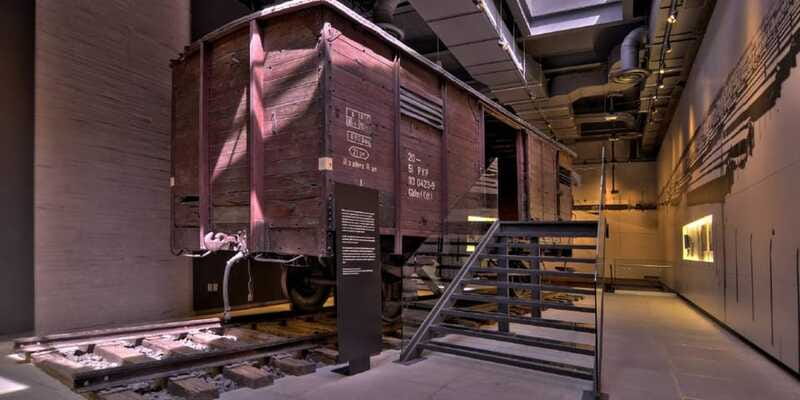
Among the most striking items are artifacts that carry immediate historical weight. A WWII-era train wagon used for the transfer of prisoners is one of the most direct connections you can get between documentation and human experience. Standing near an object like that, you can’t treat the subject as abstract.
You’ll also see a Fragment of the Berlin Wall, which adds another layer—how political systems and ideologies can shape who gets included, excluded, or punished. The wall fragment doesn’t just tell a story of division; it reminds you that policies become physical.
Even when you don’t know every detail ahead of time, these artifacts do something practical: they force your attention into the present. You can’t read your way out of what you’re seeing. Your body understands before your mind finishes the notes.
Installations you’ll remember: Jan Hendrix, metronomes, and interactive peace works
What makes this museum especially compelling is the way it uses contemporary art to talk about catastrophe and responsibility. Several installations show up as major anchors in the permanent exhibition.
Lost Potential by Jan Hendrix is one of the works highlighted in the museum’s installations. It’s designed to make you confront what’s removed from the world when violence wins—lost futures, lost lives, lost chances.
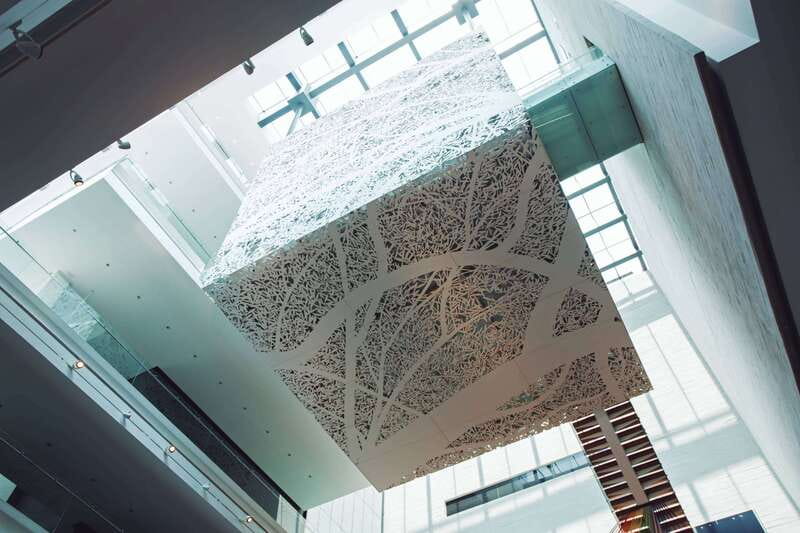
Cube by Jan Hendrix is another installation attributed to him. Seeing multiple works by the same artist here is a strong clue about the museum’s approach: it wants repetition and variation, like history’s recurring patterns.
You’ll also come across metronomes tied to an installation by Lozano-Hemmer. Metronomes are simple objects, but they’re also about time and rhythm. In a museum like this, time becomes a theme: the slow creep of discrimination, the moments when people could have acted, and how quickly indifference turns into permission.
Then there’s The Wings of Peace by Jorge Marin, described as sculptural and interactive. That interaction is key. Instead of being a passive observer, you’re invited to engage with a message about peace in a tangible way.
YOU by Rivelino is another sculptural and interactive work. Titles like this are never random in a museum with this mission. It’s the kind of piece that gently pressures you to ask what your role is—what you do with knowledge.
Finally, the Non-Violence Project sculpture by Carl Fredrik Reuterswärd rounds out the installation list. A work centered on non-violence fits perfectly with the museum’s message: tolerance and human rights aren’t only ideas; they’re decisions people must make.
The Anne Frank connection: why a single exhibit can reshape the whole visit
One of the most emotionally praised parts of the museum is the Anne Frank exhibit. When a museum includes a figure like Anne Frank, it changes the tone of the room-to-room experience. The history stops being only about systems and becomes intensely personal.
That shift is valuable because it prevents “Holocaust learning” from turning into a memory checklist. It makes you feel how one life is connected to broader history—then you notice how the museum uses documentation and art to support that human scale.
If you’re the type who gets overwhelmed, this section may be the one you plan your breaks around. Don’t force it. Let it hit you at a comfortable tempo.
Temporary exhibitions: a second layer to keep the message current
Your ticket includes access to temporary exhibitions. That’s important because it helps the museum stay connected to fresh interpretation, research, or contemporary questions.
Practically, it means your visit isn’t just “walk the permanent path and leave.” You can add a different lens—something that either deepens a theme from the permanent exhibition or shifts the focus to new angles of memory, tolerance, and human rights.
If you’re going with someone who has a different preferred museum style—one of you wants artifacts and history, the other wants art and reflection—temporary exhibits can be a meeting point.
Who should book this ticket (and who should consider it carefully)
This is best for adults and older teens who want serious context around genocide history and intolerance. The museum recommends the permanent exhibitions for children older than 15, and children younger than 15 need to be accompanied by an adult. That’s not about “being dramatic.” It’s about matching the content to developmental readiness.
I’d also point out that this is a museum where you should show up mentally. If you prefer entertainment-first attractions, you might find it too heavy. If you want facts plus human meaning, it’s exactly the right kind of stop.
If you’re traveling with someone who cares about human rights education or social responsibility, this ticket gives you a shared experience with real discussion value afterward.
Practical rules that keep your visit smooth: no food and plan your time
A couple details help avoid friction on arrival. Food and drinks aren’t allowed inside, so don’t plan a snack-heavy museum routine. If you need a break, step out or plan another nearby moment for that—downtown Mexico City gives you options.
Wheelchair accessibility is listed, so the museum is set up for visitors who need that access.
Also, because there are many rooms and a lot of content (43 rooms, 1,200+ objects/documents), you’ll feel the value of comfortable shoes. You don’t need to rush, but you also shouldn’t count on sitting down every few minutes. The museum rewards steady attention.
Should you book this Museo Memoria y Tolerancia ticket?
Yes, if you want a major museum day that connects historical memory to tolerance and human rights—without staying purely in textbook mode. The value is strong for the price: 43 rooms, 1,200+ objects/documents, an included Spanish/English audioguide, and temporary exhibitions.
Book it with the right expectations. This is not a light visit. The Holocaust and genocide themes are serious, and the museum’s own guidance pushes it toward older teens and adults.
Don’t book it if you’re looking for a quick photo-and-go stop or you know you can’t handle emotionally intense topics right now. But if you’re ready to learn, reflect, and leave with a clearer sense of responsibility, this ticket is one of Mexico City’s most meaningful uses of a day.
FAQ
Where is the Museo Memoria y Tolerancia located?
The museum is located at Plaza Juárez in downtown Mexico City, next to the Secretaría de Relaciones Exteriores, and in front of the Hemicycle to Juárez.
How long is the ticket valid for?
The ticket is valid for 1 day. Starting times may vary, so you should check availability for the time you want.
What does the ticket include?
The ticket includes entry to the museum, the permanent exhibition, and the temporary exhibitions.
Is an audioguide included, and what languages are available?
Yes. The audioguide is included and is available in Spanish and English.
Are food and drinks allowed inside the museum?
No. Food and drinks are not allowed.
Is the museum wheelchair accessible?
Yes, wheelchair accessibility is listed.
Is this museum suitable for children?
The permanent exhibitions are recommended for children older than 15. Children younger than 15 need to be accompanied by an adult.
What are some notable installations and exhibits?
Highlights include installations such as Lost Potential by Jan Hendrix, metronomes from the Lozano-Hemmer installation, The Wings of Peace by Jorge Marin, YOU by Rivelino, and Cube by Jan Hendrix, plus artifacts like a WWII prison transfer train wagon and a Fragment of the Berlin Wall.
Can I cancel and get a refund?
Free cancellation is available up to 24 hours in advance for a full refund.
Can I pay later?
Yes. The option to reserve now and pay later is offered.