REVIEW · MEXICO CITY
Private Street Food & Mural Art Tour in Mexico City
Book on Viator →Bookable on Viator
Mexico City has a way of connecting art to everyday life. This private tour strings together Diego Rivera’s mural story and then rewards you with a serious street-food lunch. I especially like the clear route from murals to major historic buildings.
Two things I like a lot: the explanations at each landmark (so you’re not just looking at walls), and the included tasting stops—tacos al pastor, tlacoyos, jugos, and chocolate—so the afternoon stays fun, not just educational. The main drawback to consider is reliability and time pressure: one missed pickup with no communication can wreck a day, so I’d confirm pickup details the day before.
In This Review
- Key highlights to know before you go
- Why this Rivera-and-Street-Food route works in 5–6 hours
- Stop 1: Museo Mural Diego Rivera and the symbolism behind Sueño de una Trade Dominical en la Alameda Central
- Alameda Central: an iconic park and the traditions it reflects
- Palacio de Bellas Artes: Muralismo and why the building matters
- Palacio Postal: colonial-to-modern transitions, and the road toward revolution
- House of Tiles: azulejos, Talavera, and how a palace became a restaurant
- Centro Histórico street-food crawl: tacos al pastor, tlacoyos, jugos, chocolate
- Catedral Metropolitana: the Aztec layers under one of the world’s most dramatic temples
- Zócalo: the story of Tenochtitlan, conquest, and New Spain
- Getting around, timing, and why pickup matters at 11:00 am
- What’s included (and how it changes the value of the day)
- Who this tour suits best
- Should you book this private street-food and mural tour?
- FAQ
- How long is the Private Street Food & Mural Art Tour?
- What stops are included on the route?
- Are admission tickets included?
- What food is included during the street-food part of the tour?
- Does the tour offer pickup and vehicle transportation?
- What happens if the weather is poor?
Key highlights to know before you go
- A Rivera-led storyline across multiple sites, not a random walk
- Included tastings across 4–5 food stops in the Centro Histórico stretch
- Museum ticket support at the mural-heavy locations where admission matters
- Private group pacing with time for stops that feel intentional, not rushed
- Air-conditioned comfort with pickup available and vehicle included
- Good-weather requirement since several key moments happen outdoors
Why this Rivera-and-Street-Food route works in 5–6 hours
This tour has a smart rhythm. You start in the mural world, move into the public spaces Rivera helped shape, then you finish in the Centro Histórico eating your way through Mexican food culture.
The value here is not just that you see famous places. You get short, focused time at each stop, with symbolism and architecture tied back to the broader story of Mexico City. Then the tour pivots hard into food—so you’re learning while you’re also tasting something you can actually carry home with you.
You can also read our reviews of more food & drink experiences in Mexico City



Stop 1: Museo Mural Diego Rivera and the symbolism behind Sueño de una Trade Dominical en la Alameda Central
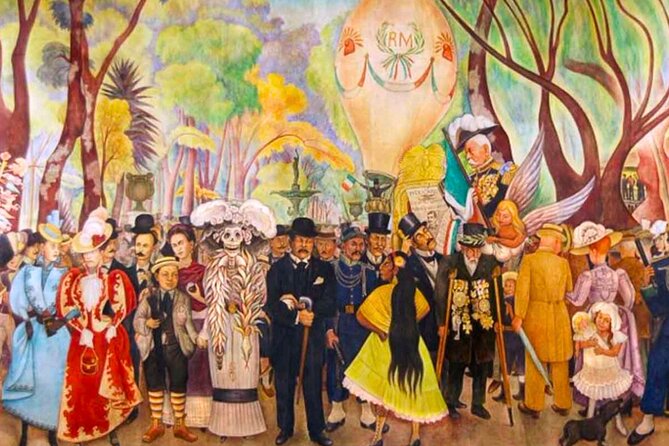
You begin at Museo Mural Diego Rivera, where you’ll talk through one of Diego Rivera’s most important murals and his artistic career. The focus is the symbolism behind Sueño de una Trade Dominical en la Alameda Central, with guidance that helps you read the mural instead of just admiring it.
Time is brief at about 20 minutes, so think of this as orientation plus “what to look for.” If you’re the type who likes learning the meaning of details—faces, elements, cultural references—this first stop sets you up for the rest of the day.
One practical consideration: because the visit is short, you’ll get the core points, not an all-day gallery experience. Go with questions you want answered, and you’ll do fine with the pace.
Alameda Central: an iconic park and the traditions it reflects
Next comes Alameda Central, where you walk through the iconic park painted by Rivera. Even with only about 10 minutes here, you’ll get help connecting the park to different historic periods and traditions—so it feels like a living outdoor museum, not a quick photo stop.
This is one of those locations where timing matters. If you hit it when the park is active, you’ll feel the public energy of the space while your guide helps you link what you’re seeing to what the mural is communicating.
If you’re hoping for a long sit-down break, you probably won’t get it—this stop is designed to feed the next locations rather than linger.
Palacio de Bellas Artes: Muralismo and why the building matters
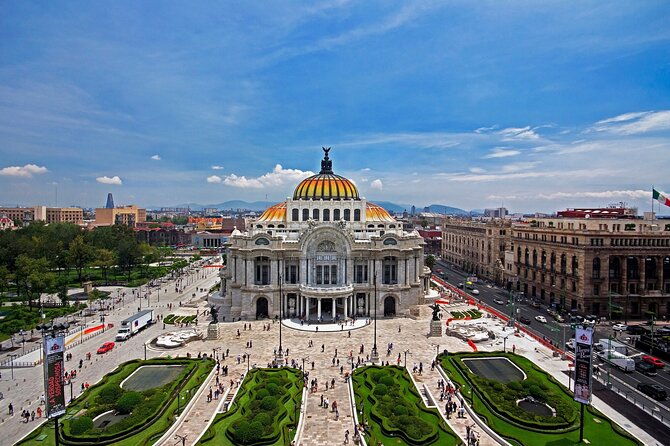
At Palacio de Bellas Artes, the tour shifts from mural symbolism to the big art movement behind it: Muralismo. You’ll also spend time learning about the palace’s construction and its mix of architectural styles, which gives you a stronger sense of why these artists mattered in Mexico.
You’ll get about 40 minutes here, which is the most time you’ll typically spend at a single major indoor site. That longer window helps because murals and architecture both need a little reading time to land.
The main tradeoff is crowds and timing—so if you’re sensitive to noise or compression in busy public interiors, plan to keep your expectations flexible. The guide’s job is to keep you moving while still explaining the points that matter.
Palacio Postal: colonial-to-modern transitions, and the road toward revolution
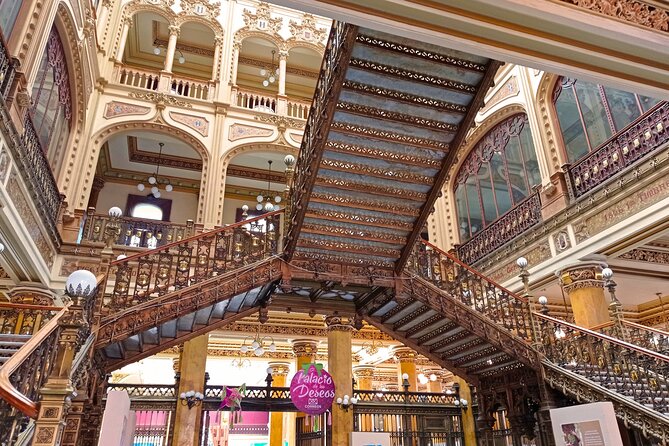
Then you head to Palacio Postal, where you focus on colonial and pre-revolutionary Mexican architecture. Here, the conversation connects the building’s look to bigger historical shifts, including Porfirio Díaz’s role in modernization and what started the Mexican Revolution.
With about 20 minutes, this is again a “key ideas” stop. You’re not doing a full museum deep read. Instead, you’re getting the timeline thread: how power, modernization, and social change show up in architecture and public spaces.
This stop works especially well if you enjoy history that has a visual anchor. You’ll come away with more than names—you’ll know what the guide was pointing at and why it mattered.
You can also read our reviews of more tours and experiences in Mexico City





House of Tiles: azulejos, Talavera, and how a palace became a restaurant
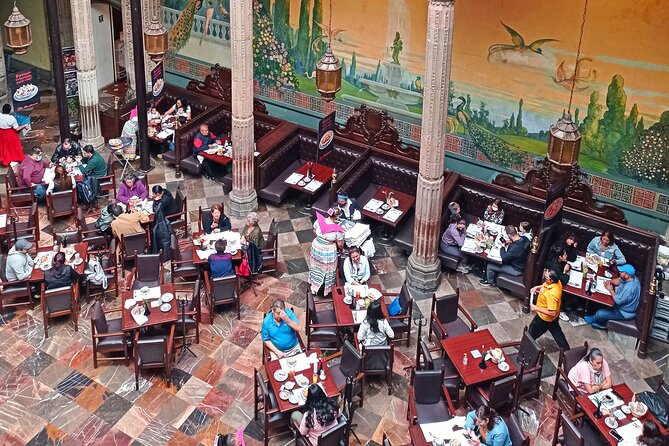
At the House of Tiles, the mood turns a bit more sensory. You’ll hear the whole story of how this colonial palace became a restaurant, and you’ll learn about azulejos and Talavera—the glazed tile traditions that make the place look like a walking jewel box.
You’ll only spend about 20 minutes, but this stop is often memorable because it rewards you visually right away. The focus is on splendor: how the tiles create a surface that feels almost architectural in its own right.
A practical note: since the time is short, I’d keep your camera ready but also keep looking at the details your guide points out. This is the type of place where the meaningful stuff is easy to miss if you only glance.
Centro Histórico street-food crawl: tacos al pastor, tlacoyos, jugos, chocolate
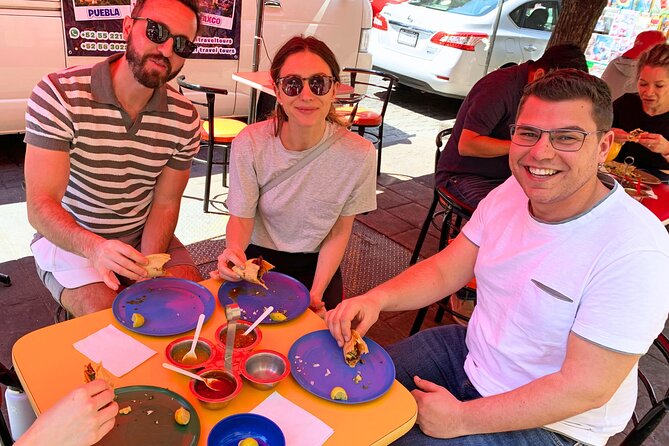
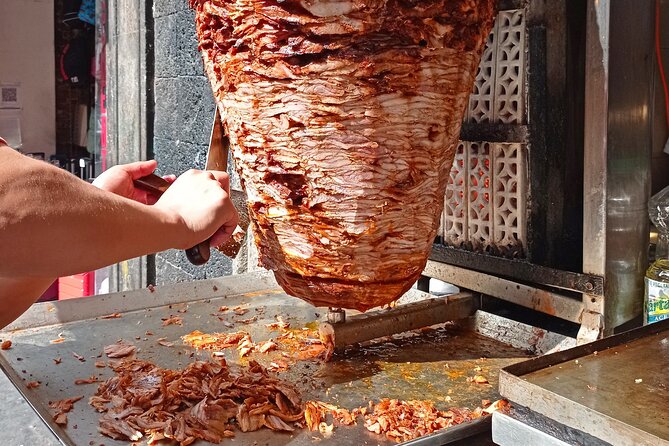
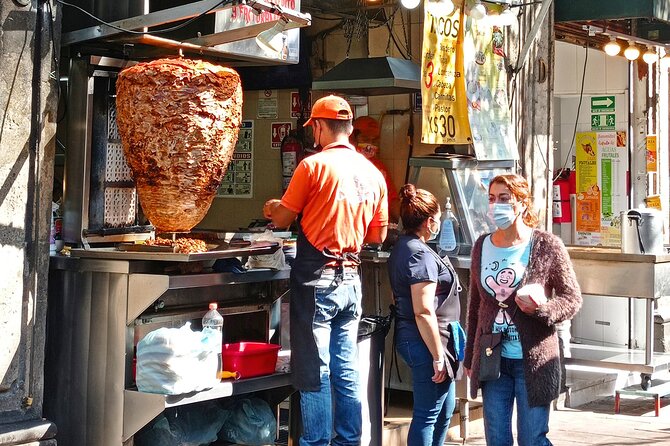
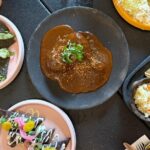
Now comes the heart of the afternoon: Centro Histórico. You’ll stop in 4–5 gastronomical spots to taste street foods such as tacos al pastor, tlacoyos, jugos, and chocolate. The tour also ties what you’re eating back to why Mexican cuisine is considered UNESCO’s Patrimony of Humanity.
This is where the tour earns its keep. Instead of a single lunch meal, you get multiple bites that help you understand variety—different textures, different flavors, different roles for corn, fruit drinks, and chocolate in the food culture.
You’ll have about 3 hours here, which is a good chunk of time for food without turning into chaos. You also get included lunch tacos, tlacoyos, pan dulce, and juices as part of this segment, plus snacks, bottled water, and coffee or tea. That’s a lot of covered needs for the day.
The main consideration is stomach logistics. Street food is delicious, but it’s also a lot of variety in one window. If you’re sensitive to spicy food or prefer bland flavors, I’d tell your guide early so they can guide you toward the right choices at each stop.
Catedral Metropolitana: the Aztec layers under one of the world’s most dramatic temples
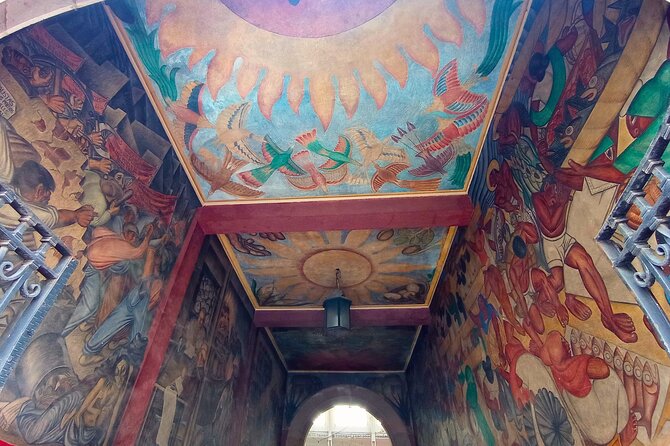
Next up is Catedral Metropolitana de la Ciudad de Mexico, one of the most splendorous temples in the world. What makes it especially interesting is that it’s built on top of the Templo Mayor and the temples of the Aztecs.
You’ll spend about 20 minutes here, so your visit is more about understanding what you’re seeing and the layers of history than about a long religious or architectural deep session. Still, a guided explanation can completely change how you look at a place like this—from a single building to a timeline stacked over time.
If you want photos, aim for moments when your group’s attention is still on the guide. That’s when you’ll get the most context for what you’re capturing.
Zócalo: the story of Tenochtitlan, conquest, and New Spain
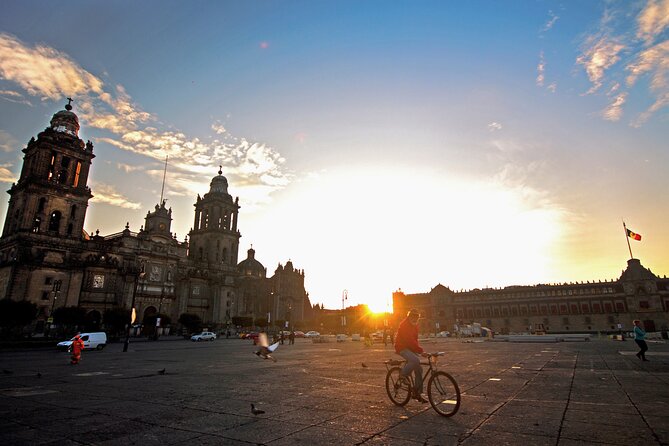
Finally, you arrive at the Zócalo, the heart of CDMX / Mexico City. You’ll use this spot as a big-picture anchor to understand the story of Mexico-Tenochtitlan, the Conquest, and colonization that shaped what became New Spain—and later, Mexico.
The time is about 10 minutes, so treat it like orientation. The guide helps you connect the dots quickly so you can walk away knowing what the city’s most central space represents.
This is a strong ending point because it gives meaning to the earlier stops. You started with murals and symbolism, and you end with the historical reality that those images and buildings grew out of.
Getting around, timing, and why pickup matters at 11:00 am
The tour starts at 11:00 am and runs about 5 to 6 hours. That’s an efficient length for a private, focused day, especially because some of the key sites involve travel between parts of Centro Histórico.
Pickup is offered, and the tour includes an air-conditioned vehicle, bottled water, and snacks. That matters more than it sounds in Mexico City—your comfort affects your ability to enjoy both the indoor stops and the outdoor pieces.
Because this is private, your group is the only group participating. In practice, that usually means less waiting around for other people and more flexibility for your guide to keep moving with context.
One caution from experience: if a pickup fails, it can be hard to recover quickly when your plan is built around set stop times. If you book this, confirm the pickup time and meeting details and keep an eye on messages the day before.
What’s included (and how it changes the value of the day)
Here’s what you get included:
- Lunch tacos and tlacoyos, plus pan dulce and juices
- Bottled water, snacks, and coffee or tea
- Air-conditioned vehicle
- Admission tickets included at the mural museum and Palacio de Bellas Artes
- Mobile ticket
- Offered in English
- Group discounts (for groups)
And what’s not included:
- Tips, beer, or sodas
Even without seeing the price, this package often feels like good value because it bundles three expensive-or-annoying categories: admissions at key sites, real food rather than just snacks, and transport comfort. You’re not left budgeting for every small item while also trying to navigate in the middle of the day.
If you prefer to drink alcohol on tours, that’s on you since beer isn’t included. If you’re budgeting for tips, keep that in mind too.
Who this tour suits best
This is a great match if you:
- Want a guided way to understand Diego Rivera’s mural legacy and Muralismo
- Like your sightseeing paired with actual food experiences
- Prefer a private day where someone ties the stops together into one story
- Enjoy architecture and how buildings connect to political and social change
It may feel less ideal if you’re looking for a slow, museum-heavy day with lots of free time. This itinerary is built to keep you moving, with guided highlights at each place.
Should you book this private street-food and mural tour?
I’d book it if you want a single, well-structured day that blends major Mexico City landmarks with guided context and a real food crawl. The included meals and drinks reduce decision fatigue, and the Rivera-to-historic-sites flow helps you connect art to place.
I’d also be cautious because reliability matters. There’s been at least one serious situation tied to a missing operator and no communication, which can turn a planned day into stress. If you do book, confirm pickup details carefully, stay on top of your mobile ticket and messages, and have a simple backup plan for food timing if anything gets delayed.
FAQ
How long is the Private Street Food & Mural Art Tour?
The tour runs about 5 to 6 hours.
What stops are included on the route?
You’ll visit Museo Mural Diego Rivera, Alameda Central, Palacio de Bellas Artes, Palacio Postal, House of Tiles, Centro Histórico (street-food tastings), Catedral Metropolitana de la Ciudad de Mexico, and the Zócalo.
Are admission tickets included?
Admission tickets are included for Museo Mural Diego Rivera and Palacio de Bellas Artes. Other listed stops have admission ticket free for the tour.
What food is included during the street-food part of the tour?
Lunch includes tacos, tlacoyos, pan dulce, and juices, and you’ll also taste street foods at 4–5 gastronomical spots such as tacos al pastor, tlacoyos, jugos, and chocolate.
Does the tour offer pickup and vehicle transportation?
Yes. Pickup is offered, and there’s an air-conditioned vehicle included.
What happens if the weather is poor?
The experience requires good weather. If it’s canceled due to poor weather, you’ll be offered a different date or a full refund. You can cancel for a full refund up to 24 hours in advance of the start time.