REVIEW · MEXICO CITY
Trekking Through The Volcanoes
Book on Viator →Operated by México Travesías · Bookable on Viator
One morning, you trade traffic for thunder mountains. This is a guided day hike through the Iztaccihuatl–Popocatépetl area, with big views and real volcanic terrain. You’ll walk past forests, glaciated-looking peaks, and even fumaroles, then refuel with lunch in a local market.
What I like most is the small group size (max 13), which makes it easier to move at a comfortable pace at altitude. I also love that you get trekking poles and a backpack set up for you, plus a proper lunch stop that feels like an actual break, not a rushed picnic. Guides like Bernardo, Carlos, Alan, and Sergio show up with strong park talk and steady care for the group.
The main thing to plan for is effort: it’s not a stroll, and the altitude can hit even when the trail looks manageable. If you get car sick on winding roads, or you’re sensitive to dust/ash, bring a plan before you arrive.
In This Review
- Key highlights at a glance
- From Condesa to the National Park: the morning that sets the tone
- Choosing your route: where Paso de Cortés starts doing the heavy lifting
- Cerro Altzomoni: the best views (and the moment you’ll remember)
- Amalacaxco ravine: forests, flora, and the quiet surprise moments
- The day’s pace: what “intermediate” really means at 13,000 feet
- Snacks, water, and lunch at a traditional market (the part that makes it feel complete)
- Guide quality: small groups, real care, and what to watch for
- The dusty reality and the road segments you might not love
- What to pack for a volcano morning out of Mexico City
- Value for money: why $133.34 can make sense here
- Weather and expectations: the day depends on the sky
- Should you book this Iztaccihuatl–Popocatépetl trek?
- FAQ
- Where is the tour meeting point, and what time does it start?
- How long is the trekking experience?
- How many people are in the group?
- Is lunch included, and what does it include?
- Are trekking poles and a backpack provided?
- Do I need to bring my own transport from Mexico City?
- What language is the tour offered in?
- What happens if weather isn’t good?
Key highlights at a glance
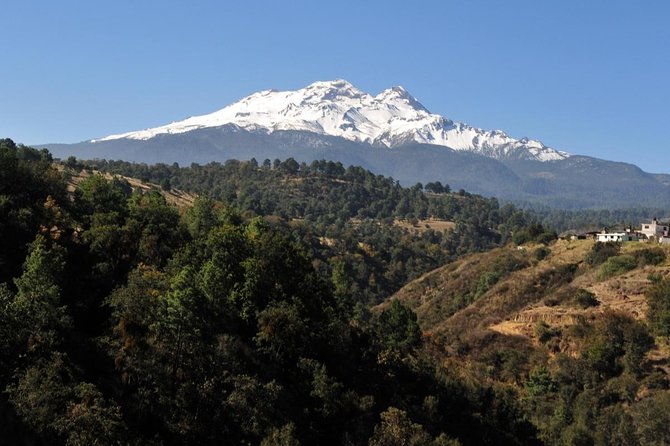
- Paso de Cortés trail start with constant sightlines toward Iztaccihuatl and Popocatépetl
- Cerro Altzomoni viewpoints aimed right at Popocatépetl fumaroles
- Amalacaxco ravine terrain with changing flora and chances to spot wildlife
- Lunch included at a traditional market with tacos and quesadillas on the menu
- Trekking poles + a backpack provided so you hike better and travel lighter
- Active-volcano area means you’re hiking real geological drama, not just scenic hills
From Condesa to the National Park: the morning that sets the tone
The day starts at Av. Vicente Suárez 38 in Condesa, and you’ll meet early at 7:00 am. Expect a van ride out of Mexico City—plan on a drive that feels like it takes time, with winding roads that can bother anyone who gets motion sick.
Once you’re outside the city, the change is immediate. The air feels sharper, the temperature tends to drop early, and you’re already moving toward higher ground before you even start the hike. This is a good tour if you like the payoff of getting out fast, rather than spending half your day stuck in traffic.
The transport is private, and for a volcano trek, that matters. You don’t have to herd with strangers or worry about meeting points scattered across town. Your group stays together from pickup to drop-off.
You can also read our reviews of more hiking tours in Mexico City
Choosing your route: where Paso de Cortés starts doing the heavy lifting
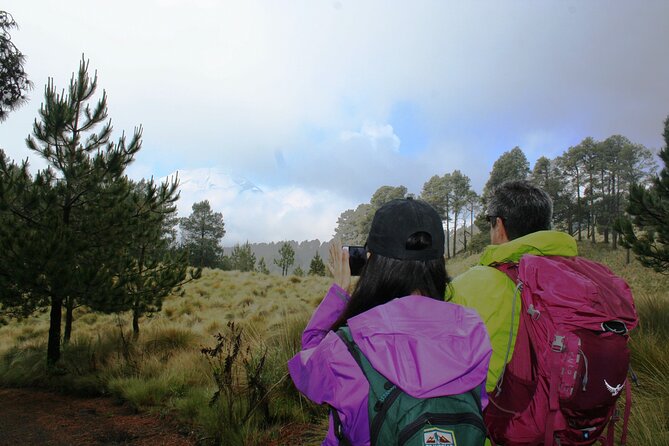
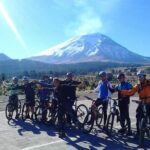
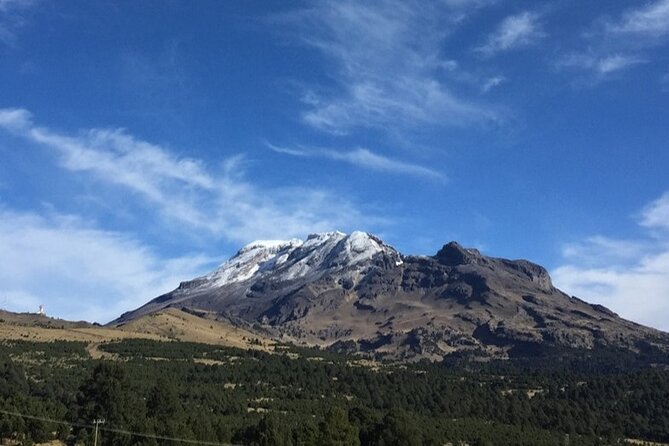
You’ll begin at Paso de Cortés, and right away the terrain starts rewarding you with volcano views. Your route is built to keep Iztaccihuatl in sight for long stretches while Popocatépetl anchors the horizon when conditions are clear.
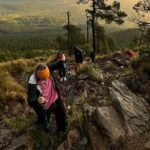
From there, you’ll move through forest and switch between open viewpoints and trail sections that feel more rugged. Some parts are described as dirt and maintained paths, which is great—less guesswork, more hiking. Still, don’t treat it like a flat walking tour. You’ll be working on inclines, and altitude turns every climb into a slightly bigger deal.
One detail that helps you set expectations: the hike length can vary (some days include a shorter loop around 9 km and others go long around 13 km). If you want more time on the trail and more scenery, lean toward the longer option, but only if your fitness matches the altitude.
Cerro Altzomoni: the best views (and the moment you’ll remember)
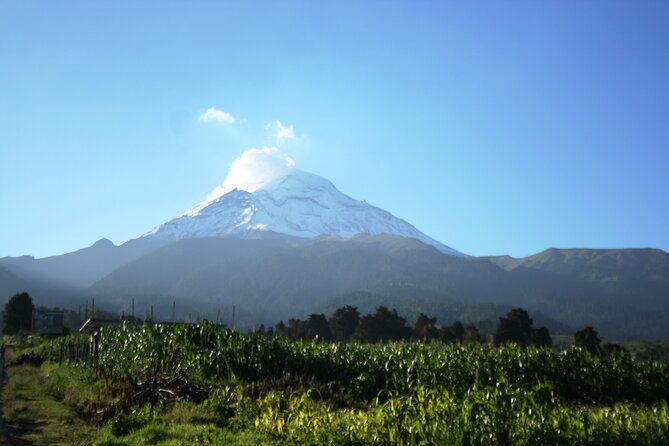
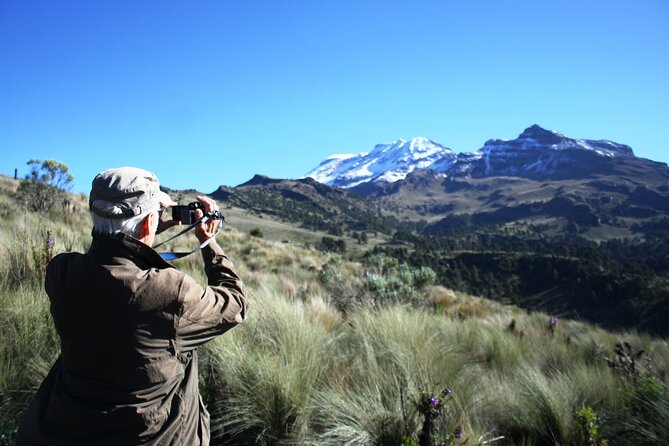
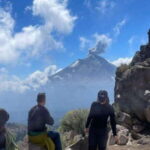
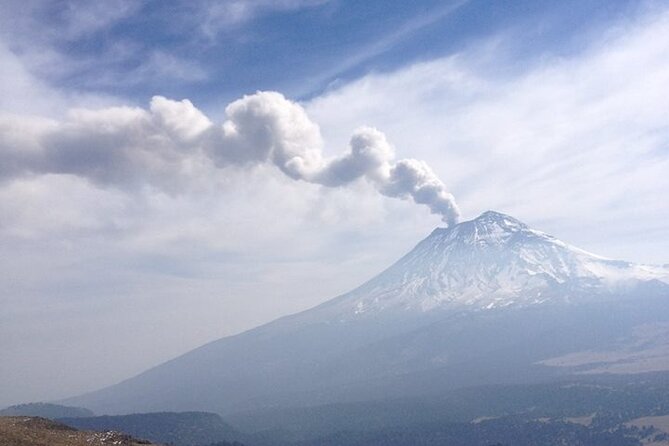
A key stop comes when you head up toward Cerro Altzomoni, where the views open up and Popocatépetl comes into focus. This is where you get the kind of photo angles that don’t happen from inside the city—clean sightlines, scale, and that eerie sense of an active volcano nearby.
The experience here isn’t just about seeing a peak. You’re walking in a volcanic zone, and that includes fumaroles—steam vents and the signs of ongoing activity. Even if you’ve seen volcanoes before, fumaroles feel different because they connect the scenery to something alive and current.
It’s also a natural place to slow down. Guides tend to do a careful job of checking your pace and making sure people can keep breathing through the climb. If you’re prone to getting out of breath, treat Cerro Altzomoni as your main “work moment,” then let the views be your reward.
Amalacaxco ravine: forests, flora, and the quiet surprise moments
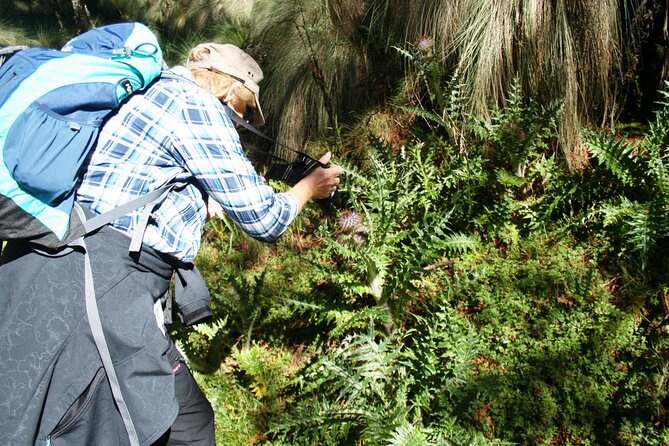
After the viewpoint portion, you’ll descend toward Ravine Amalacaxco. This section is often where the hike stops feeling like just a climb-and-look photo route and starts feeling like an actual trek through changing ground.
This is the area where you might notice more variation in flora, and where some guides point out how the plants survive in high-elevation volcanic conditions. If you love seeing how a place functions, this is where that interest pays off.
Wildlife sightings aren’t guaranteed, but one of the tour’s strengths is that it’s not a sterile path. The ravine area can be scenic and quieter, and you may feel like you’re walking through terrain that still has that off-the-radar feel.
One heads-up from real-world experiences: parts of the route can be dusty, and the ground may look like pale sand. It can be volcanic ash, and it does kick up when you step. If that bothers your breathing, bring something to cover your mouth and use your nose wisely.
The day’s pace: what “intermediate” really means at 13,000 feet
This is an intermediate-to-strenuous day hike depending on which distance you choose and how your body handles altitude. People describe it as not technically hard in terms of climbing skills, but it can be physically demanding because you’re working around high elevation—often cited around 13,000 feet (roughly 4,000 meters).
How hard it feels can vary for two reasons:
- Altitude fatigue: the climb may feel steeper than your legs expect.
- Sun and wind: early mornings can feel cold, then you warm up quickly while still breathing thin air.
A practical strategy: plan layers and pace yourself. One early start means you might start cold (a fleece helps), and by the end you could be warmer even if the air stays brisk.
If you want a simple fitness check, think in terms of whether you can walk uphill for 30–50 meters at a time without sprinting your breath. If you can, you’ll likely be fine with breaks and poles.

Snacks, water, and lunch at a traditional market (the part that makes it feel complete)
This tour doesn’t just toss you onto a trail with a bottle and optimism. You get a backpack with lunch and hydration, plus energy snacks designed for a morning hike.
The included food setup is detailed:
- 1 liter of water
- 600 ml energy drink
- chocolate energy bar
- peanuts
- fruit snack
- plus lunch at a traditional market, including tacos and quesadillas
What’s valuable here isn’t only nutrition—it’s timing. You’ll be fueled at the point when energy drops, rather than crossing your fingers until you see food after the hike. The market stop also adds something cultural and real: you’re eating local food because you’re in a local place, not because the operator ordered catering.
Lunch is often described as genuinely good and local, including roadside taco options on the way back. That’s exactly the kind of meal that helps you feel like the day wasn’t just about views—it was about the whole experience.
Guide quality: small groups, real care, and what to watch for
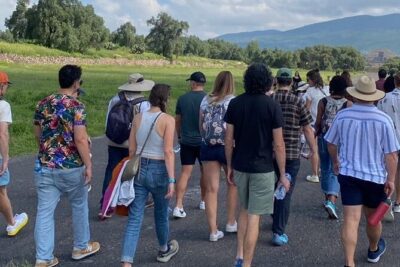
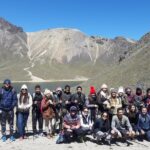
Small groups matter on a hike like this. With a maximum of 13, guides can actually keep track of everyone’s pace, breathing, and footing. Many people highlight guides like Bernardo and Carlos as attentive and proactive—regular check-ins, clear explanations, and support that feels human, not robotic.
You’ll likely get commentary about flora, fauna, and geography, especially during the viewpoints and changing terrain. That’s one of the reasons the trek feels richer than a basic out-and-back hike.
That said, there’s one caution worth stating plainly: on some days, the guide may not talk constantly. You might get a guide who acts more like a steady leader than a storyteller. If you want lots of narration, bring questions and ask directly when you stop.
For safety equipment, the guides carry what’s needed. You’re in an active-volcano region, so having professionals in charge is part of the value here, not a nice bonus.
The dusty reality and the road segments you might not love
This isn’t a perfect-movie trail. A few experiences mention that some of the last portion can be on a road with cars—useful for logistics, less magical for scenery. If you’re the type who wants every step to be scenic, you may feel that last stretch a bit more.
Dust is another real factor. If you hike in dry volcanic terrain, you’ll probably get dirty. If you’re sensitive to ash or dust, bring sunglasses, a hat, and a way to cover your mouth.
And don’t ignore the ride. The drive can be winding and can take about two hours each way. If you’re car sick, consider taking medication ahead of time and keep your seat position in mind.
What to pack for a volcano morning out of Mexico City
Since conditions can swing fast—cold start, warmer end—pack for layers. The best simple kit looks like this:
- Hiking shoes or boots with good traction
- Hat and sunglasses
- Layers (fleece and a warm layer are often useful early)
- Water-proofing is situational, because this trip needs good weather
- A small way to handle dust/ash around your mouth
Trekking poles are provided, but footwear and weather layers still matter. Reviews consistently point out altitude as the big challenge, but the second challenge is footing when trails get slippery or uneven.
If you’re planning on photos, bring a fully charged phone/camera and expect you’ll want to stop often. The views at Cerro Altzomoni and the long sightlines toward Popocatépetl make it hard not to take pictures.
Value for money: why $133.34 can make sense here
At about $133.34 per person, this day trip competes well with other Mexico City nature outings because it bundles the real costs you’d otherwise cover yourself: transport, a guide, provided trekking gear, and actual meals.
Here’s where the value clicks:
- Transportation included (you’re not figuring out a national-park route on your own)
- Gear provided (poles and a backpack mean you travel lighter)
- Lunch included, with both snacks on the trail and a market meal after
- Small group size, which improves the hike experience at altitude
So instead of paying for a basic sightseeing bus ride, you’re paying for a day that includes effort, support, and food in one package. The price feels most fair when you factor in how hard it is to replicate this kind of guided volcano hike on your own without extra planning.
Weather and expectations: the day depends on the sky
This experience relies on good weather. If conditions are poor, you’ll be offered a different date or a refund. That’s smart for safety and also for the views—volcano trekking without visibility can feel flat fast.
On the bright side, many people report clear, stunning weather and strong visibility. And on lucky days, you might even catch dramatic activity on Popocatépetl from a safe distance—some people have reported seeing an eruption.
You should still plan for wind, cool mornings, and changing trail conditions. Bring the layers and a flexible mindset, and you’ll enjoy this more.
Should you book this Iztaccihuatl–Popocatépetl trek?
Book it if you want:
- A guided volcano day trip out of Mexico City with a small group
- Real hike time with changing terrain and serious views from Cerro Altzomoni
- Included food that feels like a local meal, not a token snack
- Trekking poles and a backpack provided, so you don’t haul extra gear
Skip or think twice if:
- You hate dusty terrain or you get car sick easily on winding roads (plan ahead)
- You’re looking for a totally easy stroll with no altitude challenge
- You want constant narration; some guides talk more than others
If you like structured adventure—early start, steady pacing, and payoff views—this is one of the stronger ways to experience the volcano region near Mexico City in a single day.
FAQ
Where is the tour meeting point, and what time does it start?
The meeting point is Av. Vicente Suárez 38, Colonia Condesa, Cuauhtémoc, 06170 Ciudad de México, CDMX. Start time is 7:00 am.
How long is the trekking experience?
It’s listed at about 9 hours, approximate, which typically includes the day’s drive time and time on the trail.
How many people are in the group?
The tour caps the group at a maximum of 13 travelers.
Is lunch included, and what does it include?
Yes. Lunch is included and you’ll also receive snacks and drinks as part of what’s packed into your backpack, plus you’ll eat at a traditional market (tacos and quesadillas are mentioned).
Are trekking poles and a backpack provided?
Yes. Trekking poles and a backpack (with your lunch and items) are provided.
Do I need to bring my own transport from Mexico City?
No. Private transportation is included.
What language is the tour offered in?
The tour is offered in English.
What happens if weather isn’t good?
This experience requires good weather. If it’s canceled due to poor weather, you’ll be offered a different date or a full refund.