REVIEW · MEXICO CITY
COMBO – Guadalupe Shrine & Teotihuacan Pyramids + Taxco (2 days)
Book on Viator →Operated by Mexitours · Bookable on Viator
Two days that stack Mexico’s big stories. This combo ties together Teotihuacan and the Basilica of Guadalupe with Cuernavaca and the Taxco/Puebla stretch, using live historical commentary to make the sites easier to read. I like the comfortable, all-in round-trip transportation, and I like that you’re not wandering alone—admissions are handled for key stops.
One thing to watch: the silver side of the day can involve shop pressure. If you hate sales pitches, go in ready to say no and stick to your budget, because the experience can feel pushy at certain sales moments.
In This Review
- Key highlights worth knowing
- Mexico City to Teotihuacan and Guadalupe: a fast start to the past
- Teotihuacan’s Sun, Moon, and Avenue of the Dead with included entry
- Basilica of Our Lady of Guadalupe: 2 hours of pilgrimage rhythm
- Cuernavaca in the afternoon: Palace of Cortes and oldest cathedral vibes
- Taxco silver and Puebla’s tile-and-cathedral day
- Transport, group size, and timing: how the 2 days really work
- Value check: is $108 worth admissions and guide time?
- Practical tips (especially for shopping pressure and comfort)
- Should you book this Mexico City combo?
- FAQ
- What time does the tour start?
- Where do pickups happen?
- Is admission included?
- How often does this tour run?
- Is the tour offered in English only?
- How big is the group?
- Can I cancel for a full refund?
- Are there any Covid-19 sanitary protocols listed?
Key highlights worth knowing
- Live historical commentary keeps the big sites understandable, not just impressive.
- Round-trip hotel pickup from Zona Rosa, Polanco, Reforma, and Centro reduces hassle.
- Included admissions for Teotihuacan and Guadalupe (and more on Day 2) removes guesswork.
- Teotihuacan’s main layout (Sun and Moon Pyramids, Citadel, Avenue of the Dead) is covered efficiently.
- Shared-group pacing means a set plan, with return times that can flex due to traffic.
- Silver shopping may be sales-heavy, so set expectations ahead of time.
Mexico City to Teotihuacan and Guadalupe: a fast start to the past
This is a classic Mexico City pairing, but with a twist: it takes you beyond the obvious day trips and plants you in places many visitors skip because they sound complicated. The tour is built for travelers who want structure, comfort, and clear storytelling. You start at 9:00 am and you get back to the meeting point at the end, with exact return time dependent on traffic and group size.
The best part of the format is that you get two types of Mexico in the same sweep. Day 1 leans spiritual and ancient. Day 2 shifts into colonial-era landmarks and the silver-and-tiles world. If you’re trying to make limited time count, this combo is the kind of plan that actually helps you see more than one “wow” per day.
Also, it’s a share service with a bilingual guide. That means you may hear English and Spanish depending on the group mix, and the guide switches clearly. One guide name that shows up is Jaime, and the vibe is that he keeps the tone friendly and the story moving.
You can also read our reviews of more tours and experiences in Mexico City


Teotihuacan’s Sun, Moon, and Avenue of the Dead with included entry
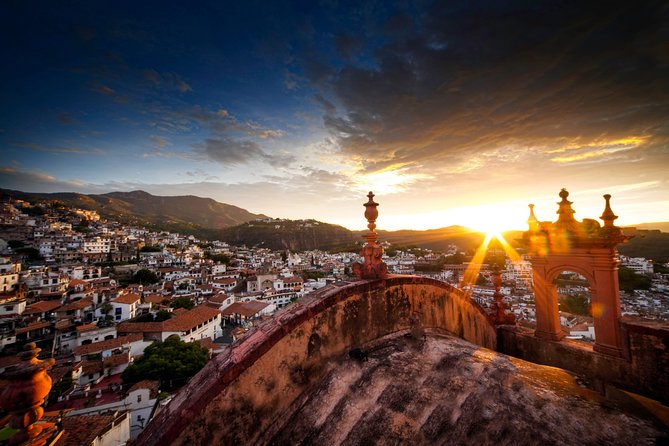
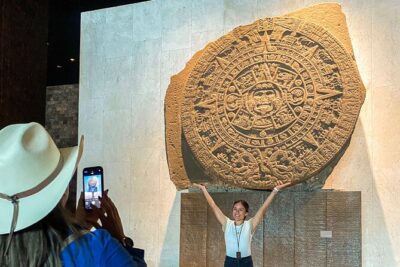
Your first big stop is Teotihuacan, and it’s scheduled to give you a real look rather than a photo-only drive-by. You begin around Mexico City at the Square of the Three Cultures, a place where history feels layered—past and present sit next to each other. Then you head into the archaeological zone.
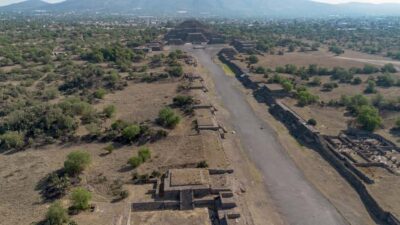
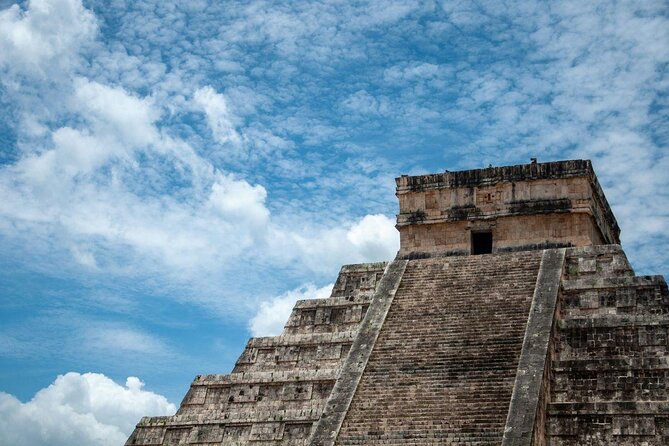
At Teotihuacan, you’re not just seeing a couple pyramids. The tour takes in the Monumental Pyramids of the Sun and the Moon, the Temple of Quetzalpapalotl, the Citadel, and the Avenue of the Dead. Even if you know the basics, having a guide point out what you’re looking at helps your brain connect the shapes to the story.
Here’s why that matters: Teotihuacan can feel overwhelming if you arrive cold. The guide makes it easier to understand the site as a planned layout—processional routes, major centers, and the way the monuments relate to each other. You’ll also stop at an arts & crafts center, which is common on these routes. Treat it as a chance to browse and ask questions, not as mandatory shopping.
Duration is about 5 hours, and admission to the archaeological zone is included. That added inclusion is a real value move here because it removes the “wait, what ticket do I need?” friction that can ruin a day trip.
Practical note: Teotihuacan involves walking and open-air time. If you’re the type who needs frequent breaks, pace yourself early. Start with the major monuments, then slow down once you know your bearings.
Basilica of Our Lady of Guadalupe: 2 hours of pilgrimage rhythm
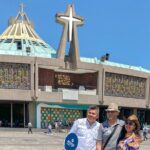
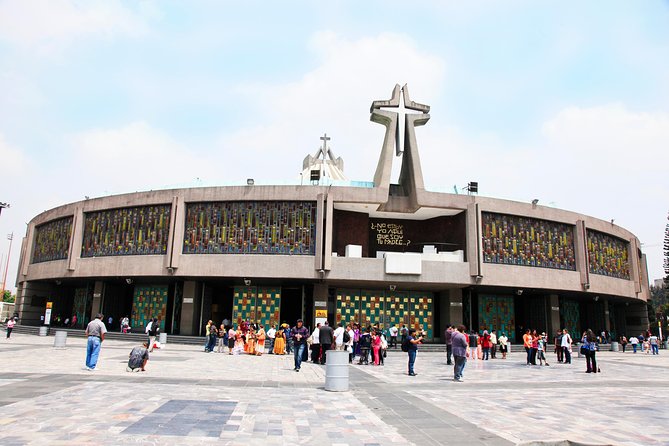
After Teotihuacan, you return to Mexico City for the Basilica of Our Lady of Guadalupe, the Patroness of America. This stop is shorter—about 2 hours—but it’s emotionally intense in a different way than the pyramids.
The Basilica visit is one of those experiences where context really helps. You’re not just touring a church building; you’re stepping into an ongoing tradition with daily visitors, candles, and the kind of atmosphere that makes time feel different. The guide’s commentary helps you understand why this site matters to millions.
Admission is included here too, which again makes the tour feel more “set” and less stressful. In a shared-group format, that’s important—people lose patience when they wait in lines or figure things out on the spot.
If you’re sensitive to crowds or want calm moments, aim to spend your first minutes observing where the movement flows. Then pick a spot and absorb the space before you start taking photos.
Cuernavaca in the afternoon: Palace of Cortes and oldest cathedral vibes
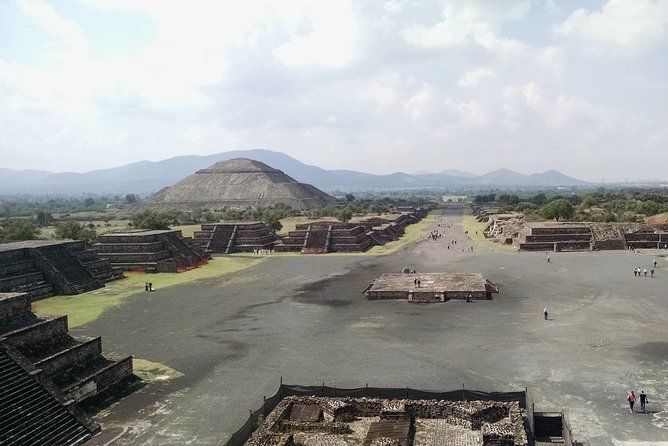
Day 2 starts with Cuernavaca, often described as the city of eternal spring. Whether or not the weather matches the nickname, the vibe is usually more relaxed than Mexico City. You get a panoramic tour in Cuernavaca and visit sites connected to early colonial power.
You’ll see one of the oldest cathedrals in America and the Palace of Cortes, including its mansions and avenues. This is where the tour helps you switch gears. After the ancient structures of Teotihuacan and the spiritual draw of Guadalupe, Cuernavaca brings you into the colonial era—less about ceremonial routes in stone and more about the story of rule, land, and influence.
The stop is about 2 hours, and the included information says admission is free for the cathedral component. Even if the exact phrasing feels unusual, the takeaway is clear: you won’t be scrambling for extra fees to enter the main points in Cuernavaca.
Taxco silver and Puebla’s tile-and-cathedral day
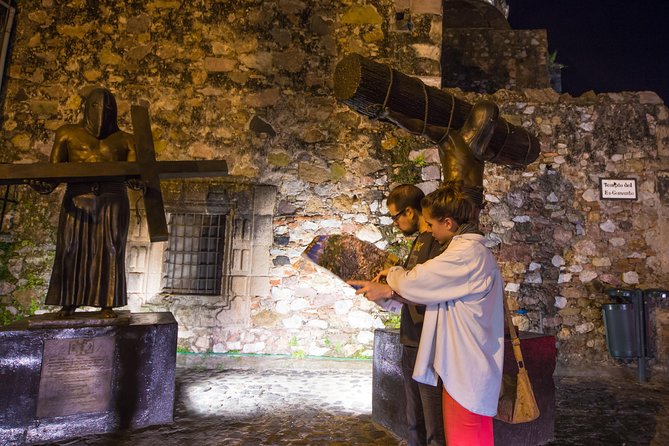
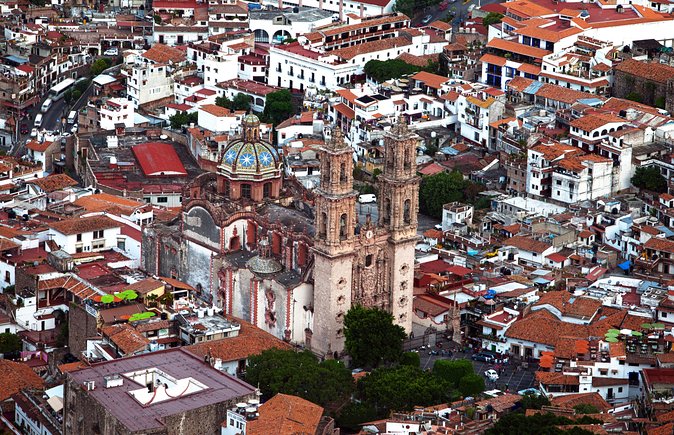
The big Day 2 finale combines Taxco’s silver identity with a long Puebla portion. The name Santa Prisca de Taxco is included, and the tour also heads to Puebla for UNESCO World Heritage highlights.
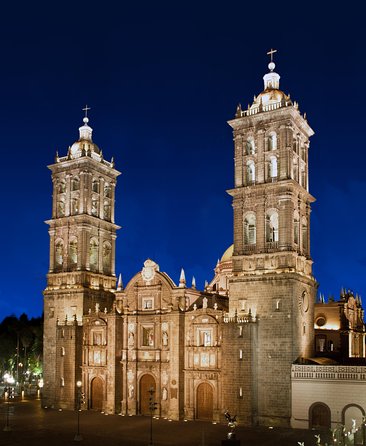
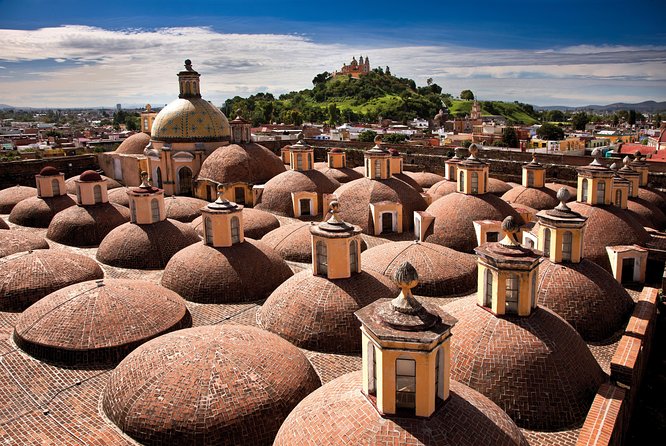
In Puebla, you’re set up for the kind of sights that make photos look good without needing perfect timing: decorated buildings with tiles, the majestic Cathedral in the main square, and the chapel of the Rosary, known for its extraordinary art. The schedule sets aside about 6 hours for this combined stretch, and admission is included for the Puebla-related stops.
Here’s what to expect from the overall flow: this is the longest, most “workday” section. You’ll likely spend significant time on the road between sites, then concentrate sightseeing in blocks. If you love architecture and symbolism, this part is worth leaning into.
Now for the realism: silver day can come with “education” that turns into sales pressure. One guide-style factor that shows up on tours like this is a training presentation around silver mining, followed by a shop experience where you may feel nudged to buy. If you’re trying to shop calmly, set a rule for yourself beforehand:
- decide your budget,
- decide what kind of items you’d consider,
- and be ready to leave if the sales tone gets uncomfortable.
The silver side isn’t inherently bad—you’re learning and seeing craftsmanship—but your comfort level depends on how firm you can be with boundaries.
Also, if your package version includes lunch, the recommended restaurant in Puebla has had mixed outcomes for at least some people. So treat lunch as flexible. If you don’t love the first option offered, ask around for alternatives during any free time rather than forcing it.




Transport, group size, and timing: how the 2 days really work
This tour runs with a maximum of 30 travelers. That’s the right size for a shared experience: big enough to feel like a real tour, small enough that you’re not completely lost in chaos. Still, it’s not private.
You’re picked up from hotels in Zona Rosa, Polanco, Reforma, and Centro. The round-trip transportation is a big part of the value, especially if you don’t want to coordinate multiple taxis or figure out public transit across long distances.
The time you return can vary due to traffic and the number of people. That’s normal in Mexico City area driving. The key advice: don’t book a flight on the same day. Give yourself slack. Even a good tour can’t control road conditions.
As for pacing, this plan is efficient, not slow. You’ll see major highlights, but you won’t linger all day like you could on your own. If you want long museum-style visits at your own rhythm, you may find the schedule tight.
Value check: is $108 worth admissions and guide time?
At $108 per person for roughly 2 days, the main question is what you’re actually getting for that price—and you’re getting a lot of the expensive friction removed.
Here’s the value logic:
- Professional bilingual guide: you’re paying for real interpretation, not just transportation.
- Round-trip transport from central neighborhoods: fewer logistics headaches.
- Admission tickets included for Teotihuacan and Guadalupe, plus included entry for major Day 2 stops.
- Guided stops at multiple sites instead of you assembling them yourself.
If you tried to do this on your own, your costs would quickly stack up: transport, separate tickets, and the time cost of figuring out routes and entry logistics. This tour’s strength is not luxury—it’s efficiency with guardrails.
One extra value point: you’re told the tours operate everyday for the Guadalupe & Teotihuacan portion. That’s helpful if your travel dates are flexible but your time is not. The Cuernavaca & Taxco portion is offered on Wednesday, Friday, and Saturday, so planning around those days matters.
Practical tips (especially for shopping pressure and comfort)
A few smart moves can make or break the experience with tours like this:
1) Decide your shopping stance before you get there.
Silver stops can involve presentations that lead into shopping. If you like browsing, great. If you hate pressure, don’t wait until you’re in the store. Set a limit, and if it feels too intense, step out. You’re allowed to take the cultural parts and pass on purchases.
2) Wear shoes that handle walking and sun.
You’ll do a major open-air archaeological visit, and you’ll likely do more walking than you expect when the group moves between monuments.
3) Plan for “good to see, not enough time to soak.”
This tour hits major sites. That means you’ll see a lot, but you won’t have endless time for lingering. If you want slow travel, pair this with a lighter day later.
4) If lunch is an option in your booking, choose based on your own preferences.
There’s mention of a lunch-included option, and at least one recommended restaurant in Puebla didn’t land well for everyone. If you’re picky about food, you might treat lunch as a decision point rather than an automatic win.
Should you book this Mexico City combo?
Book it if you want structure, included admissions, and a guided narrative that makes Teotihuacan and Guadalupe easier to understand. It’s a strong fit for first-timers who want the “must-see” spiritual and ancient stops plus a Day 2 that goes beyond the usual Mexico City circle.
Skip or reconsider if:
- you dislike sales-heavy shop environments, or
- you hate schedules and want long independent time at each site, or
- you’re traveling on a tight day with a same-day flight.
If you go in with clear expectations—walk-ready shoes, a shopping plan, and patience for shared-group pacing—you’ll get a lot out of two days.
FAQ
What time does the tour start?
The start time is 9:00 am, and the activity ends back at the meeting point.
Where do pickups happen?
Round-trip transportation is included for hotels located in Zona Rosa, Polanco, Reforma, and Centro.
Is admission included?
Yes. Admission is included for the Teotihuacan archaeological zone and the Basilica de Santa Maria de Guadalupe. The Cuernavaca stop lists admission as free for the cathedral component, and the Puebla/Taxco stop includes admission tickets as well.
How often does this tour run?
The Guadalupe Shrine & Teotihuacan Pyramids portion runs every day. The Cuernavaca & Taxco portion runs on Wednesday, Friday, and Saturday.
Is the tour offered in English only?
It’s offered in English, but it’s a share service with a bilingual guide, so the guide may adapt depending on the group’s language mix.
How big is the group?
The tour has a maximum of 30 travelers.
Can I cancel for a full refund?
Yes. You can cancel up to 24 hours in advance for a full refund.
Are there any Covid-19 sanitary protocols listed?
Sanitary protocols are available via the provided link: https://youtu.be/PhV16OsNkOk