REVIEW · MEXICO CITY
Puebla, Cholula & Tonantzintla Plus Taxco, Cuernavaca & Mine, 2 day Combo
Book on Viator →Operated by Amigo Tours · Bookable on Viator
Two days, three cities, and a mine elevator. This Puebla, Cholula & Tonantzintla plus Taxco combo is interesting because you get volcano views on the drive, then end up in two very different kinds of awe: an ornate church where Baroque meets Indigenous design, and a real mine ride in an elevator. I especially liked the stop at Santa María de Tonantzintla for its crazy-fun details, and I really valued the descent into the pre-Hispanic mine and its 150-meter tunnel.
You’ll also spend time in Puebla’s historic center (the Cathedral area and the Zócalo) and shop your way through Taxco, where silver is everywhere and Santa Prisca anchors the town’s postcard views. The tour runs with professional guides, and in past departures I’ve seen strong English support from guides such as Ada, Aja, Francisco, Kevin, and Ernesto.
One possible drawback: expect long hours on the road. Some departures have reported buses without air-conditioning, and the heat can feel intense on the Mexico City–Cholula–Puebla and Mexico City–Taxco legs, so plan with water and patience in mind.
In This Review
- Key highlights worth marking on your map
- Leaving Mexico City at 6:20 am: the road part you should plan for
- Cholula’s volcano drive: where the views start before you even arrive
- Santa María de Tonantzintla: Baroque meets Indigenous design
- Puebla’s Cathedral and Zócalo loop: the classic center made walkable
- Talavera Celia workshop: UNESCO-grade craft you can actually picture
- Museo Casa del Mendrugo stop: where lunch time becomes part of the experience
- Taxco’s cobblestones and squares: why silver town vibes feel real
- Santa Prisca (1758) and Jose de la Borda’s silver tale
- Pre-Hispanic Mine: elevator descent, 150-meter tunnel, and metal sparkle
- Cuernavaca in the combo: possible quick cathedral stop
- Guides make or break it: English support you can look for
- Comfort and safety reality check: long bus hours and heat
- Value for $129: what’s included, what you pay for, and why it can still be worth it
- Should you book this Puebla, Cholula & Tonantzintla plus Taxco combo?
- FAQ
- Where is the meeting point for this tour?
- What time does the tour start?
- Is food or lunch included?
- What does the pre-Hispanic mine visit include?
- Is the tour available in English?
- Do I need a passport for this tour?
Key highlights worth marking on your map
- Santa María de Tonantzintla’s Baroque + Indigenous decoration in one unforgettable church stop
- A 150-meter pre-Hispanic mine tunnel with an elevator descent and demonstrations of older mining work
- Talavera craft time in Puebla at an artisan studio (and yes, this is UNESCO heritage territory)
- Santa Prisca in Taxco (1758), tied to Jose de la Borda’s silver story
- A long but efficient two-day loop through Puebla, Cholula, and Taxco from central Mexico City
Leaving Mexico City at 6:20 am: the road part you should plan for
This is a start-early tour. You meet at Hostal Amigo Isabel La Católica in Mexico City at 6:20 am, and you’re back at the same meeting point at the end. Because the cities you’re visiting are around two hours away (and some legs can stretch longer with pickup and traffic), you should treat the bus time as part of the experience—not a surprise.
Bring what you need to feel human on the road: a refillable water bottle, sun protection, and something for comfort (sweater or light layer can help if the bus is cool in some sections, even if it’s hot outside). If you’re sensitive to heat, pack a small towel. Some departures have reported buses without working A/C, and that matters on days when temperatures climb fast.
Also, this is a moderate physical fitness outing. You’re walking in historic centers and moving between stops, plus you’ll be descending and riding inside the mine attraction area, so comfortable shoes really help.
You can also read our reviews of more tours and experiences in Mexico City

Cholula’s volcano drive: where the views start before you even arrive
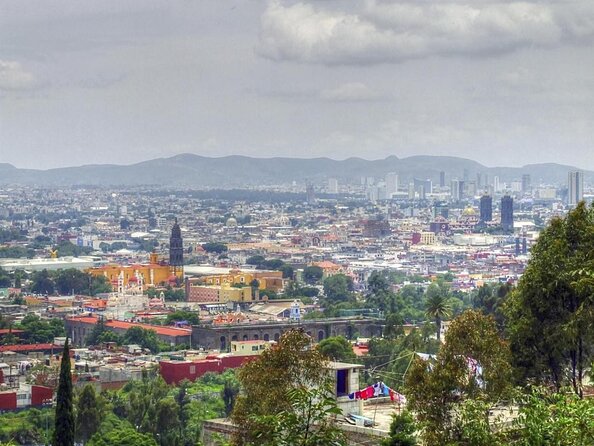
You’ll travel toward Cholula with views tied to Iztaccihuatl and Popocatépetl. The drive runs across mountainous highway scenery, and the first wow moment often hits before you step out—when you’re looking out and realizing you’re visiting places shaped by the same volcanic geography.
For me, this is a smart way to start a two-day trip: it breaks up the “just riding to the next stop” feeling and gives you something to look at while you’re still shaking off morning grogginess. It’s also an easy introduction to why Cholula and Puebla matter historically: mountains aren’t background here; they frame the whole region.
Santa María de Tonantzintla: Baroque meets Indigenous design
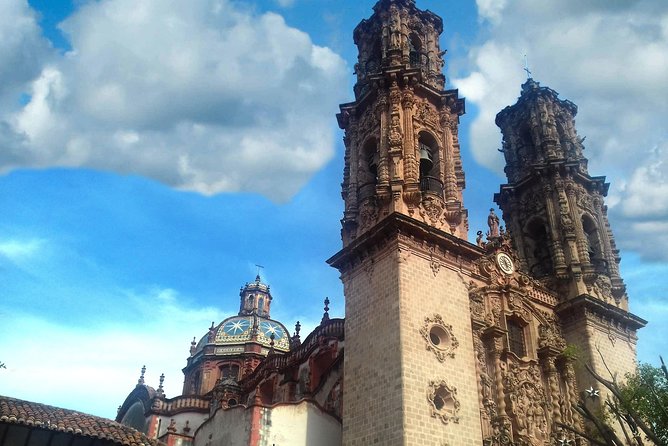
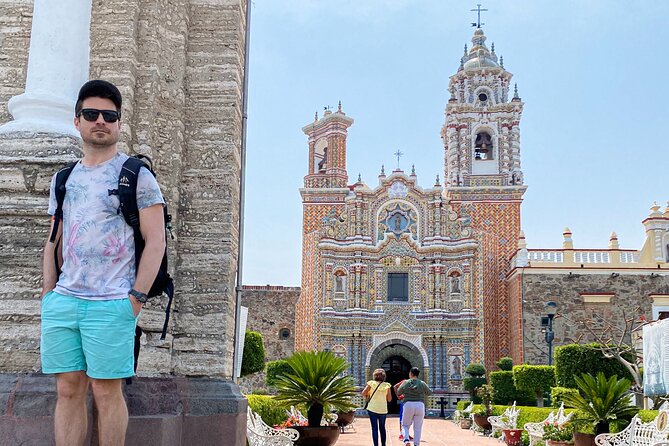
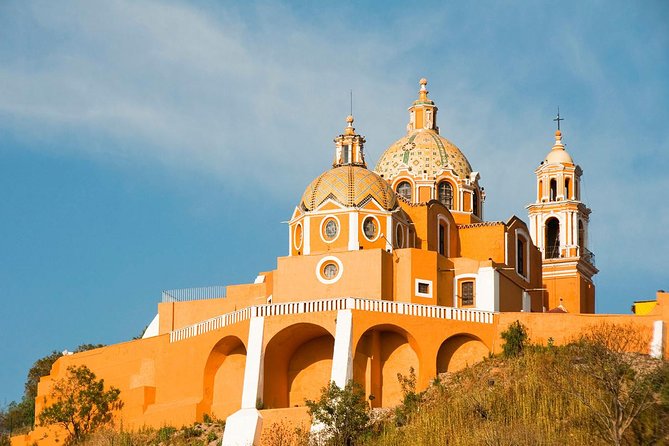
Tonantzintla is the kind of church stop that changes your brain’s idea of decoration. You go to Santa María de Tonantzintla, famous for combining Baroque and Indigenous architecture with lavish, detailed decoration.
What to do while you’re there:
- Take your time scanning the ornamented surfaces instead of rushing to one “hero photo.”
- Look for how the church feels both theatrical (Baroque styling) and local (Indigenous influence).
Why I think this stop is worth your patience: it’s a visual language you won’t get from a standard “pretty church” visit. It’s not just pretty—it’s expressive, and it rewards slow looking.
Puebla’s Cathedral and Zócalo loop: the classic center made walkable
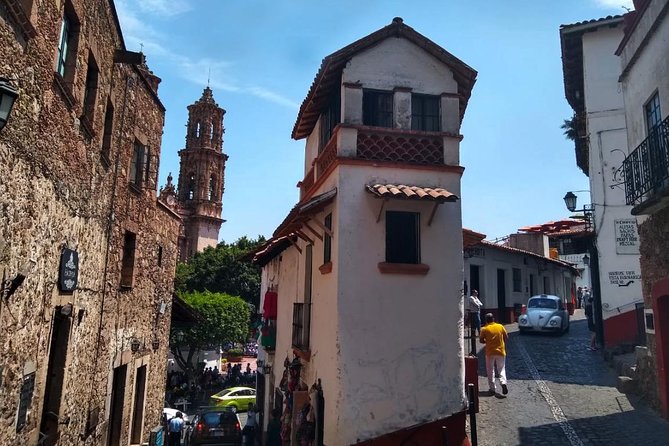
After Cholula, you move into Puebla, often called the City of Angels. Here, the focus shifts to the historic center. You’ll walk with your guide through major landmarks around the Zócalo, including the Cathedral area and the surrounding historic sites. The tour description also points to places like the Rosario church, plus other emblematic stops in the center.
This part works well if you enjoy an organized walk more than a strict museum plan. You get enough time to get your bearings fast, understand the layout, and then you can linger if something catches your eye—especially with Puebla’s old buildings from the 16th through 18th centuries.
A practical note: lunch is not included, so don’t plan your day around a guaranteed sit-down meal. The good news is Puebla is built for eating. If you want to try classic local favorites, you’ll have the chance to choose on your own.
Talavera Celia workshop: UNESCO-grade craft you can actually picture
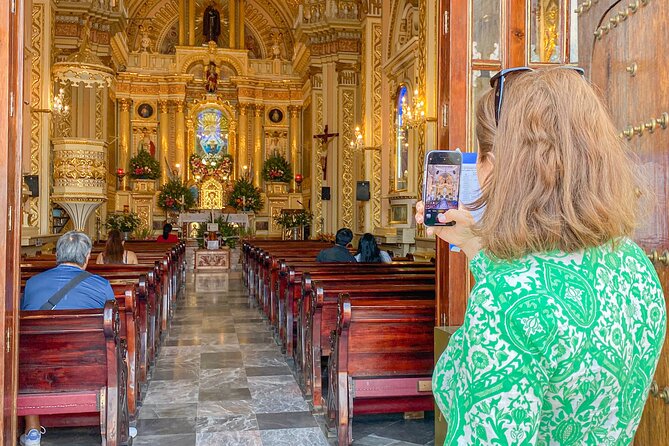
One highlight in Puebla is time at Talavera Celia, where you can see how Talavera is made in artisan production. Talavera from Puebla was declared UNESCO Cultural Heritage in 2019, and visiting a workshop makes that label feel real.
What you’ll gain from this stop:
- A sense of the craft process, not just finished tiles or tableware
- Better context for what you’re buying later in markets and artisan shops
If you’re shopping, this is the ideal moment to pay attention. You’ll often find it easier to tell the difference between mass-produced souvenirs and higher-quality artisan work once you’ve seen the work behind it.




Museo Casa del Mendrugo stop: where lunch time becomes part of the experience
You’ll make a lunch stop associated with Museo Casa del Mendrugo. Lunch itself is described as not included in the general tour notes, but this stop includes a special arrangement for clients and lists admission included for that segment.
Practically, this can be a useful “reset” in the middle of a long day. It gives you a break from walking while keeping the group schedule moving. If you’re the type who gets cranky when you’re hungry, this is a stop to appreciate.
When you’re choosing what to eat, lean toward dishes that Puebla is known for—like mole poblano or semita—because that’s where the day’s flavor theme matches the city theme.
Taxco’s cobblestones and squares: why silver town vibes feel real
On the second day, you’re headed to Taxco de Alarcón, known as one of the oldest mining-city centers in the Americas and famous for silver. The town sits on a hillside with cobblestone streets and cozy squares, so you’ll feel the old-world atmosphere as soon as you start walking.
What you should expect from this portion:
- Short strolls in photogenic streets and plazas
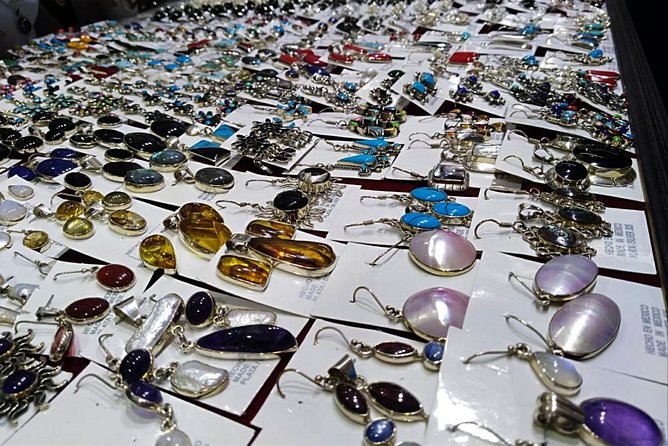
- Time around silver and handicraft shops
- A big church centerpiece at Santa Prisca
Taxco’s strength is that it doesn’t pretend the silver economy is something that happened “back then.” It’s part of daily life—shops, displays, and craftsmanship show up everywhere, so you’re not just observing history. You’re seeing a living industry.
Santa Prisca (1758) and Jose de la Borda’s silver tale
Taxco’s signature church is Santa Prisca, built in 1758 by French immigrant Jose de la Borda—connected to the story that he stumbled upon a major silver source. Even if you don’t care about architectural details, this stop helps you understand why Taxco looks the way it does: money from silver funded the style, and the church is the visual proof.
If you’re short on time, focus on this logic:
- The church is the “why” behind the town’s wealth story.
- The silver shops are the “how” you can see right now.
Pre-Hispanic Mine: elevator descent, 150-meter tunnel, and metal sparkle
The pre-Hispanic mine experience is the part that many people remember most, and for good reason. You descend using an authentic mining elevator, then travel through a 150-meter illuminated tunnel. The walls are described as sparkling because precious metals still appear in the rock.
You also get explanations about how mining worked before the Spanish arrived—tools used, techniques for finding coveted metals, and what daily work looked like for ancient settlers. It’s one of those experiences where the “how did they do it?” question makes the whole thing click.
A smart way to enjoy it:
- Don’t treat it like a quick photo stop. The value is in the guide’s explanation and the tunnel walk.
- If you’re claustrophobic, consider it carefully. It’s described as a tunnel you travel through, so you’ll be indoors and close to rock surfaces for some time.
Cuernavaca in the combo: possible quick cathedral stop
The broader combo framing you booked may include Cuernavaca alongside Taxco and the mine. In some versions of this kind of package, Cuernavaca is handled with a quick visit—often described as a fast stop at the cathedral—rather than a full deep-dive.
So if you’re expecting Cuernavaca to be a full third day, reset that expectation. What you can count on is the Taxco + mine portion, since that’s spelled out clearly.
Guides make or break it: English support you can look for
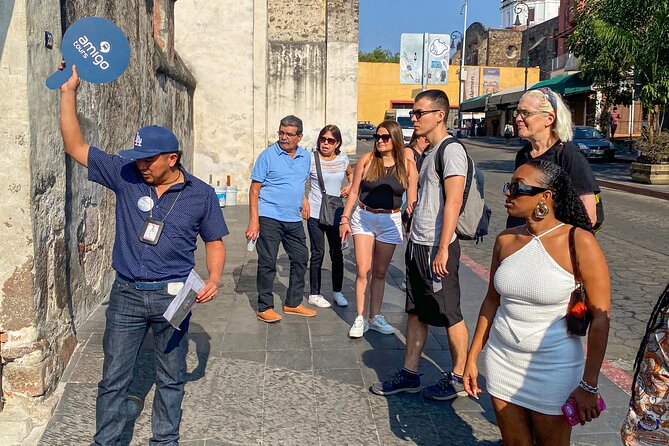
The biggest positive signal from past departures is the guide quality. I’ve seen strong praise for English-speaking guides on both halves of the trip, including Ada (Taxco) and Aja (Cholula/Puebla), plus other guides like Francisco, Kevin, and Ernesto described as attentive and good at keeping the day moving.
What you can do as a practical traveler:
- Ask your guide early what to focus on during walking stops, especially in Puebla’s center and Taxco streets.
- If you’re relying on English, it’s worth confirming at booking that your day will be operated in English (the tour notes say it can run in English and Spanish).
Also, group size is capped at 35. That number is big enough to feel lively, but small enough that your guide can still keep people on track when schedules get tight.
Comfort and safety reality check: long bus hours and heat
This trip is a “lots of ground covered” kind of day. That’s great for saving vacation days, but it means you’ll spend significant time sitting on the bus. Several past experiences flagged comfort issues: buses described as lacking A/C on some departures, with very warm conditions on some routes.
I can’t guarantee every bus will be the same, but you should plan as if heat may be part of your ride. Bring:
- Water
- Sun protection
- Something to keep you comfortable in a warm vehicle
And keep expectations realistic about timing. Even when the plan is solid, traffic can stretch travel time between Mexico City and the surrounding cities, and that can make the day feel long.
Value for $129: what’s included, what you pay for, and why it can still be worth it
At $129 per person for an approximately two-day combo out of Mexico City, the value depends on what you care about most.
Here’s what you’re getting included:
- Round-trip transportation from the meeting point
- A professional guide
- Entrance to the Pre-Hispanic Mine
Other admissions are listed as included for specific stops too, like Talavera Celia, and there are included segments tied to the Puebla-area stops (for example, the Museo Casa del Mendrugo admission entry is shown as included). Lunch and food are not included, which is normal for a combo like this.
Why I still think it can be good value:
- You’re stacking major cultural stops (Puebla/Cholula/Tonantzintla) with a high-effort, high-impact experience (the mine descent).
- The transportation is part of the package, and in this region, that matters. Doing all this solo would mean extra planning, separate tickets, and more stress around timing.
Should you book this Puebla, Cholula & Tonantzintla plus Taxco combo?
If you want a time-efficient two-day plan that mixes distinct architecture, craft culture, and an experience you can’t DIY as easily as a normal museum stop, this is a strong match. You’ll enjoy it most if you like guided walks, don’t mind long bus hours, and want a real taste of how Puebla and Taxco look and feel.
I’d be more cautious if:
- You’re heat-sensitive and rely on air-conditioning for comfort.
- You hate long road time or you’re planning around tight midday energy.
- You expect lunch to be fully handled for you (it isn’t included).
If you decide to go, go prepared: start early, hydrate, wear comfy shoes, and take your time inside Santa María de Tonantzintla and the mine tunnel. Those two stops are the heart of why this combo works.
FAQ
Where is the meeting point for this tour?
You meet at Hostal Amigo Isabel La Católica, located at Isabel La Católica 61-A, Centro Histórico de la Cdad. de México, Centro, Cuauhtémoc, 06000 Ciudad de México, CDMX, Mexico. The tour ends back at the meeting point.
What time does the tour start?
The start time is 6:20 am.
Is food or lunch included?
Food and beverages are not included. Lunch is described as being available at your own expense, though there is a scheduled lunch stop associated with Museo Casa del Mendrugo.
What does the pre-Hispanic mine visit include?
You descend in an authentic mining elevator and travel through a beautifully illuminated 150-meter tunnel. You’ll also be shown how ancient settlers mined for precious metals, including tools and techniques used before the Spaniards.
Is the tour available in English?
Yes. The tour can be operated in English and Spanish, and the listing notes that it’s offered in English.
Do I need a passport for this tour?
Yes. Due to government immigration regulations, you must present your passport (physical, digital, or photocopied). If you don’t have the physical document, you need to show the entry stamp page and the page with your data.