REVIEW · MEXICO CITY
The Best of Santa Maria de la Ribera
Book on Viator →Operated by Eat Mexico Culinary Tours · Bookable on Viator
Forget the tourist line; eat like a neighbor. This tour makes herb-infused Mexican salt feel hands-on, then sends you to a signless pulquería where the vibe is old-school and local. I also like how the guide, Nico Garcia, connects each bite to how Santa María la Ribera works as a community, not just as a backdrop. One thing to consider: you’ll eat a lot and walk a fair bit in one afternoon, so come hungry and wear shoes you trust.
At about 3.5 hours, the price of $122.46 per person can feel high until you look at what you actually get. The food amount is meant to cover what adds up to a big breakfast and lunch, and you finish with included drinks like agua fresca and coffee or tea.
It runs in English with a mobile ticket, and the meeting area is near public transportation. Just note that transport to and from the tour start and end points is not included, and the operator flags good weather as a requirement.
In This Review
- Key Things I’d Plan For
- Santa María la Ribera: Where Real Mexico City Still Shows Up
- Nico Garcia’s Role: Insider Food Tips With Context
- The Route Starts With Herb-Infused Mexican Salt and a Local Garden
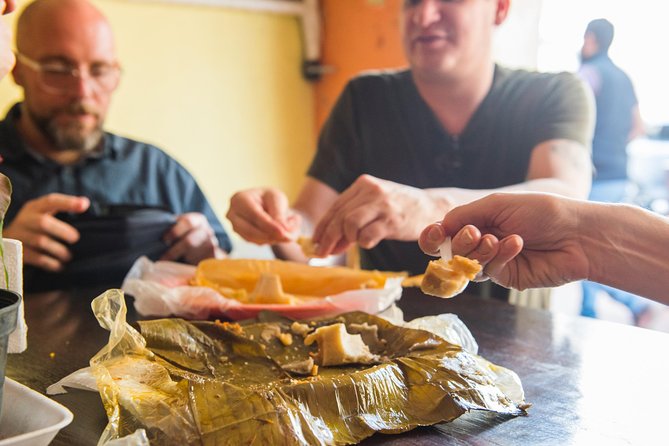
- Tamales at a Working Factory: More Than 20 Varieties Daily
- Market Energy Plus a Cooking School With Real Purpose
- Pulque at a Hidden Pulquería: Swinging Doors, No Sign
- A Century-Old Geology Museum and the Buñuelos Sweet Finish
- Ending at Restaurante El Estanquillo El 32: Mezcal, Beer, and Salsas
- Price and Food Value: Why $122.46 Can Make Sense
- Who Should Book This Santa María la Ribera Food Tour
- Should You Book It?
- FAQ
- How long is the Best of Santa María la Ribera tour?
- What time does the tour start?
- Where does the tour meet and where does it end?
- Is the tour offered in English?
- What’s the group size?
- What’s included in the food and drink?
- Are drinks beyond what’s listed included?
- Is transportation to and from the tour included?
- What happens if the weather is poor?
- Can I get a full refund if I cancel?
Key Things I’d Plan For
- Small-group pacing (max 8 travelers): you’ll move like a team, not a crowd.
- Hands-on herb salt: you make your own infused Mexican salt at a local garden.
- Working tamales factory stop: you’re tasting from a place that turns out more than 20 varieties daily.
- Pulque at a no-sign pulquería: swinging saloon doors, long neighborhood history, and a generous taste.
- Food that supports local business: a cooking school and restaurant helps locals build food careers.
- Sweet finish with buñuelos: crunchy fried dough with sugar syrup.
Santa María la Ribera: Where Real Mexico City Still Shows Up
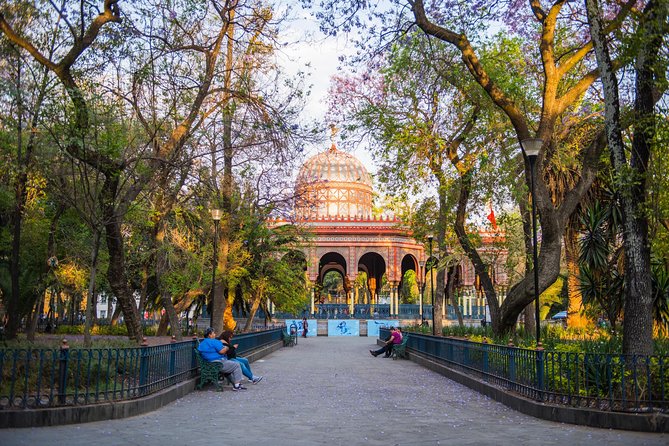
Santa María la Ribera was founded in the 1860s, and it still has that turn-of-the-century feel that’s easy to miss if you stick to the usual circuits. On this tour, you’re not just eating—you’re walking through a neighborhood rhythm that feels lived-in, with landmarks and daily commerce side by side.
This matters because it changes how the food lands. When you understand the area you’re in, tamales don’t feel like a tourist snack; they feel like something made for neighbors, families, and workdays. Same with pulque, which has deep roots that stretch back long before modern Mexico City got its current shape.
The best part is that the tour keeps you out of the “quick photo then leave” mode. You spend time in places that serve people first, and visitors only if they’re lucky.
You can also read our reviews of more tours and experiences in Mexico City.


Nico Garcia’s Role: Insider Food Tips With Context
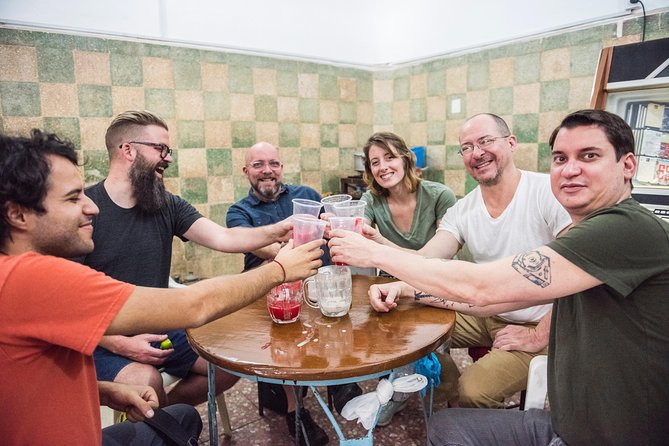
The magic here is the guide. Nico Garcia is an expert culinary guide, and he doesn’t treat food like trivia. He frames what you’re eating through local history, culture, and the neighborhood’s resilience—without turning it into a lecture you’re trying to escape.
In practice, that means you leave with usable mental notes. You don’t just remember what buñuelos tastes like; you learn what kinds of places in Santa María la Ribera do this kind of work well, and why.
Also, the group size is capped at 8 travelers, and in many cases it stays very small. That’s a real advantage for questions, allergies you want to discuss, and just getting your bearings while you’re learning where to eat back home.
The Route Starts With Herb-Infused Mexican Salt and a Local Garden
You kick off in Santa María la Ribera, and the first tasting experience is designed to get you paying attention. At a neat local garden, you’ll make your own herb-infused Mexican salt. It’s simple, but it’s smart: learning a flavor base early helps you understand what you taste later.
Then you shift to the neighborhood market scene with a quick stroll that shows how a traditional city market feels day to day. You’re not wandering aimlessly. You’re watching how ingredients are presented, how vendors operate, and how everyday food culture looks when it’s not being staged.
A small drawback for some people: this is one of the earlier stops where you might be asked to taste and think quickly. If you prefer slow sips and long pauses, take your time during the salt-making and use that as your “warm up” moment.
Tamales at a Working Factory: More Than 20 Varieties Daily
Next comes one of the most impressive parts of the day: a working tamales factory that offers more than 20 varieties daily. This is where the tour earns its reputation for serious eating. You’re not sampling a curated menu that’s been designed for tourists. You’re tasting what a real production place turns out every day.
That’s valuable because tamales are one of those foods where details matter. You’ll start noticing differences—how fillings vary, how textures land, and how seasoning is handled across styles. And since it’s a factory, the experience also shows you the scale behind what might look small and homemade.
The only consideration: when a place is producing lots of varieties daily, the lineup can move fast. Go with the flow, and don’t overthink picking one “best” tamale. Your best strategy is to taste broadly and let your favorites emerge instead of trying to optimize.
Market Energy Plus a Cooking School With Real Purpose
After the market stroll and tamales factory, you’ll visit a neighborhood cooking school and restaurant. This stop isn’t just about taste. It’s tied to helping locals who may want to start their own food businesses.
That adds a layer most food tours skip. It turns the meal into a story about opportunity and skill, not only about flavor. When you see a place dedicated to food training, you start understanding why certain dishes have consistent quality: someone is learning the technique, managing the process, and building community credibility.
If you’re a foodie who cares where your money goes, this part of the tour will land well. If you’re only looking for a fast checklist of foods, it may feel like an extra layer. But even then, it’s one of the most meaningful stops because it gives you context you can’t get just by eating.

Pulque at a Hidden Pulquería: Swinging Doors, No Sign
Then you hit the stop that most people remember: a hidden pulquería with swinging saloon doors and no sign. It’s drawn neighborhood residents for more than 100 years, and that long continuity is exactly why this stop feels authentic.
You’ll get a generous taste of pulque, a fermented Mexican beverage with roots tied to prehispanic times. Pulque is one of those drinks that can be a little confusing if you’ve never had it, but this tour handles it in the easiest way possible: you taste, and you learn how it belongs to Mexican drinking culture rather than treating it like a novelty.
One practical note: pulque has a specific character, and it’s not for everyone. If you know you’re sensitive to fermented flavors, pace yourself. You’re also getting other included drinks later, so you can manage your palate without needing to force it.
A Century-Old Geology Museum and the Buñuelos Sweet Finish
You also see landmarks that shape what Santa María la Ribera is today, including a century-old geology museum. Even if you don’t go deep into geology, the fact that the neighborhood preserves landmarks like this helps explain why the area feels steady and established rather than temporary.
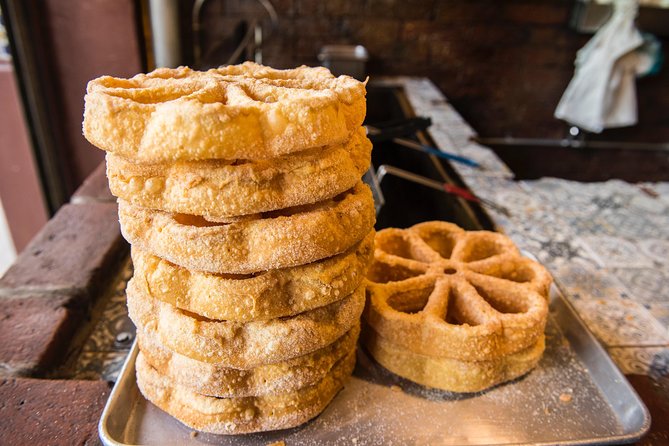
Then you finish with buñuelos: crunchy, fried dough topped with sugar syrup. It’s a classic sweet that works perfectly at the end because it balances the savory tastings earlier. You’ll feel like you’re wrapping the day the way families do—by ending on something warm, crisp, and sweet.
The day is already heavy on food, so don’t panic if you can’t finish every bite. The tour is structured around tasting, not guilt.
Ending at Restaurante El Estanquillo El 32: Mezcal, Beer, and Salsas
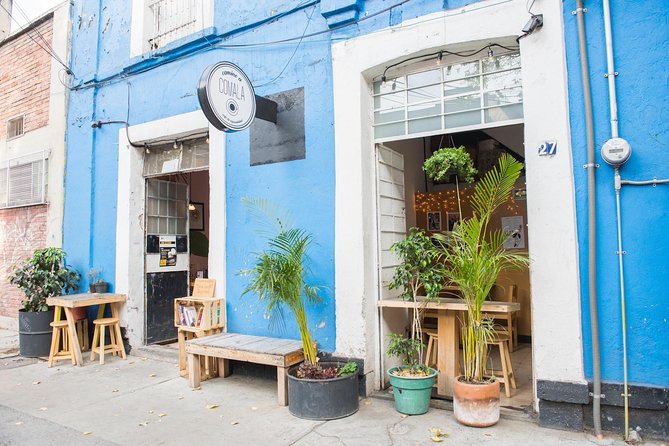
The tour ends at Restaurante El Estanquillo El 32, a family-run restaurant/store right in the neighborhood. The place sells a mix of products like craft beer, artisanal mezcal, coffee, honey, and salsas—so it’s a natural place to keep exploring after your final stop.
You’ll also have one Mexican microbrew or Mezcal included as part of the tour. That’s a nice reward moment because it ties back to the neighborhood drinks you tasted earlier, without needing extra planning.
If you want to bring the day home, this is a good last stop to buy small food items like coffee or honey—though souvenirs are not included on the tour price.
Price and Food Value: Why $122.46 Can Make Sense
Let’s talk money in a straight way. At $122.46 per person, this isn’t a budget snack crawl. But the value comes from three things the tour is upfront about:
First, you get as much food as you can eat, enough to feel like a big breakfast plus lunch. That removes the usual “but I still need to buy my next meal” problem that many food tours create.
Second, you get multiple included drinks: one agua fresca plus one coffee or tea at the end, along with a generous pulque taste and one Mexican microbrew or Mezcal. That’s not just “drinks added for fun.” It’s part of the pacing—savory earlier, drink and dessert later.
Third, the group size stays small. Paying for a small-group guide matters more than it sounds, because you’re getting education and access to working places like the tamales factory and a long-running pulquería.
What’s not included is also clear: transport to/from the meeting and end points, souvenirs, tips for your guide, and extra personal beverages beyond what’s on the tour. If you’re thinking about budgeting, plan for those items separately so you’re not surprised.
Who Should Book This Santa María la Ribera Food Tour
This tour fits best if you like food that comes with context. You enjoy learning why something tastes the way it does, and you want to eat in neighborhoods most visitors skip.
It’s also a good match if you want a small group. With a max of 8 travelers, you get a more personal experience and you’re more likely to ask questions instead of watching from the edge.
You might consider skipping if you:
- hate fermented flavors like pulque
- prefer light tasting rather than “big breakfast plus lunch” portions
- want a tour that’s mostly sightseeing with only a few food stops
The sweet spot is someone who wants a full afternoon food experience in Mexico City that doesn’t feel like it’s chasing the loudest headline spots.
Should You Book It?
If your goal is to eat deeply in Santa María la Ribera—tamales from a working factory, herb salt you make yourself, pulque at a no-sign pulquería, plus buñuelos—you should book this.
I’d book it sooner rather than later if you like small groups. It’s commonly booked about 28 days in advance on average, so you’ll want to lock in your preferred date.
And if the idea of learning from Nico Garcia while walking through a neighborhood with real daily life sounds like your kind of day, this is a strong choice. You’ll leave with fuller taste memories and a clearer sense of where to eat next time you’re in Mexico City.
FAQ
How long is the Best of Santa María la Ribera tour?
It lasts about 3 hours 30 minutes.
What time does the tour start?
The start time is 1:00 pm.
Where does the tour meet and where does it end?
It starts at Alameda de Santa María, Calle Salvador Díaz Mirón, Santa María la Ribera, Cuauhtémoc, CDMX, and ends at Restaurante El Estanquillo El 32, Dr. Enrique González Martínez 32, Santa María la Ribera, Cuauhtémoc, CDMX.
Is the tour offered in English?
Yes, the tour is offered in English.
What’s the group size?
The tour has a maximum of 8 travelers.
What’s included in the food and drink?
You get as much food as you can eat, one agua fresca and one coffee or tea at the end of the tour, a generous taste of Mexican pulque, and one Mexican microbrew or Mezcal.
Are drinks beyond what’s listed included?
No. Additional personal beverages outside what’s included are not included.
Is transportation to and from the tour included?
No. Transport to/from the meeting and end points is not included.
What happens if the weather is poor?
If it’s canceled due to poor weather, you’ll be offered a different date or a full refund.
Can I get a full refund if I cancel?
Yes. You can cancel up to 24 hours in advance for a full refund. If you cancel less than 24 hours before the start time, the amount paid is not refunded.