REVIEW · MEXICO CITY
Colonial Treasures: San Miguel de Allende, Guanajuato, Zacatecas and Guadalajara
Book on Viator →Operated by Mexitours · Bookable on Viator
Four colonial cities, one busy road trip. This tour strings together UNESCO-level sights with guided storytelling, from plazas and cathedrals to museums and church interiors. I like that the planning is tight and low-stress: pick up, tickets, and the long in-between travel handled for you.
Two things I especially like: breakfasts and hotel nights are included for nine nights, and you get a local bilingual guide explaining what you’re looking at. One consideration: the days can feel long and schedule-heavy, so you’ll want to be flexible about drive times and how much free wandering you get.
In This Review
- Key things to know before you go
- Is $1,405 a fair deal for 10 days?
- Mexico City arrival and your first guided landing
- Queretaro and San Miguel de Allende: colonial charm, plus a taste of the good stuff
- Dolores Hidalgo: independence roots, then on to Guanajuato’s underground streets
- Zacatecas at 8,100 feet and the El Eden Mine
- Guadalajara and tequila country: culture, then cowboys and sugar
- The Patzcuaro and Morelia detour: colonial stone, markets, and craft energy
- Mexico City finale: murals, Zócalo, Templo Mayor, and Chapultepec
- Hotels, breakfasts, and what’s actually covered
- The guide factor: English can make the day
- Who this tour fits best (and who should skip it)
- Should you book Colonial Treasures?
- FAQ
- What cities are included on this tour?
- How long is the Colonial Treasures tour?
- What’s included in the price?
- Are hotel standards included, or do I need to upgrade?
- Does the tour pick you up from the airport?
- Is the tour offered in English?
- Are attraction tickets included?
- What is the maximum group size?
Key things to know before you go
- Max 8 travelers: small enough to feel personal, big enough to have group momentum.
- Nine breakfasts included: you start each day fed, so you’re not hunting breakfast while you’re trying to sightsee.
- Admissions are built in for many stops: cathedrals, museums, and key attractions come with tickets on the plan.
- Altitude day in Zacatecas: the city sits at about 8,100 feet, so pace yourself.
- English may vary by guide: the tour is offered in English, but some departures have had English clarity issues—seat choice can matter.
- Food and drinks are not included: bring a plan for lunch/snacks, especially on long drive days.
Is $1,405 a fair deal for 10 days?
At $1,405 per person for about 10 days, the value mostly comes from what’s bundled. You’re paying for nine nights of lodging, shared airport transfers, a local bilingual guide, and nine breakfasts. In the rest of Mexico (outside Mexico City), the hotels are four-star; Mexico City has five-star options. That matters, because hotels and breakfasts add up fast on a road trip like this.
You’re also getting admissions included for many of the “can’t miss” stops—so you’re not constantly deciding whether a museum ticket is worth it after a long drive. And with group discounts plus a mobile ticket, the behind-the-scenes logistics are simplified.
The tradeoff is time. This is not a slow, one-city-at-a-time vacation. It’s a “see a lot, get context, and move on” itinerary. If your dream vacation is long café breaks and unhurried wandering, this may feel like a sprint.
You can also read our reviews of more tours and experiences in Mexico City.
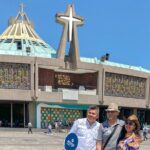


Mexico City arrival and your first guided landing
Day 1 is straightforward: you land at Mexico City’s Benito Juárez International Airport and get taken to your hotel. It’s a shared transfer, and the day is not built for sightseeing. That’s a good thing. Arrival days set the tone, and this one keeps you from feeling immediately scrambled.
Your tour starts at 9:00 am, so it’s worth thinking about how early your flight lands. If your arrival is tight, you may feel rushed before the first full day begins. Once you’re settled, you’ll be in the rhythm of a guided route: guided time at major stops, then enough breathing room for photos and quick breaks.
Queretaro and San Miguel de Allende: colonial charm, plus a taste of the good stuff
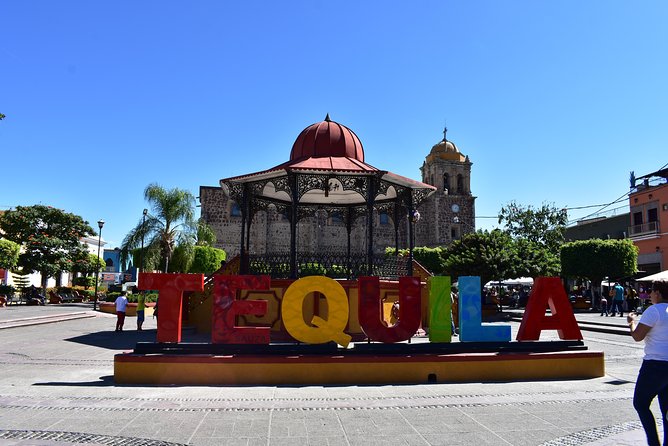
One of the better parts of this itinerary is the sequencing. You start with Queretaro, a clean introduction to colonial Mexico. The Historic Monuments Zone is recognized by UNESCO (since 1996), and it shows in the preserved downtown feel—pedestrian walkways, colonial mansions, and plazas that look like they’ve stayed put for centuries. You also visit the aqueduct and the Convent of the Crosses, which gives you a more complete picture than a single cathedral visit.
Then comes San Miguel de Allende, which is why people come to central Mexico in the first place. You’ll focus on the iconic Parroquia de San Miguel de Archangel (with the Holy House Chapel). This area is often busy, but it’s the kind of busy that’s part of the magic. You also get time in the afternoon for handicrafts, restaurants, and bars—so it’s not only about churches and museums.
What to watch for: this stop combo can be a lot of “guided time” back-to-back. If you’re the type who loves getting lost in side streets, plan to do a bit of that on your own whenever you find a free pocket. Shoe-ready ankles help, because these towns are built for walking.
Dolores Hidalgo: independence roots, then on to Guanajuato’s underground streets
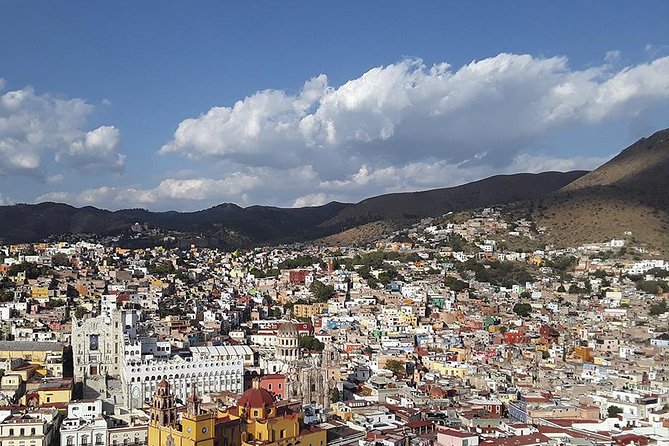
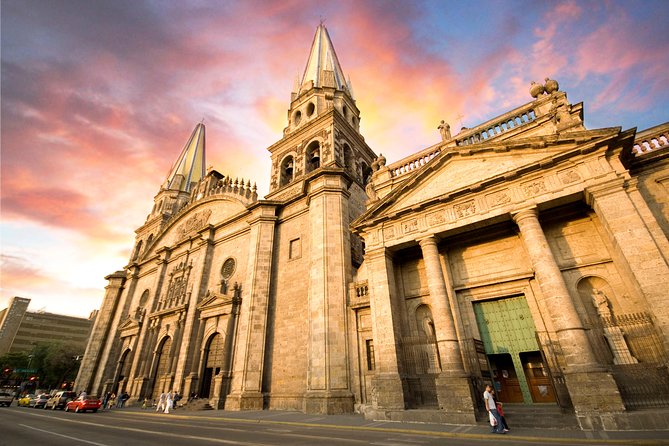
Dolores Hidalgo is the independence origin point. You’ll visit the Parroquia de Nuestra Señora de los Dolores, tied to Don Miguel Hidalgo’s early role in the 1810 independence movement. This is the day’s history anchor—short and meaningful—followed by a big scenery shift.
Then you hit Guanajuato, and that’s where the itinerary really turns into “wow.” You’ll visit major landmarks like the University (time here is sometimes mostly exterior, so don’t assume you’ll be inside every building), the Juárez Theater, and museums that people talk about for years. The Museum of the Mummies tends to be one of those stops: unusual, very Guanajuato, and a reminder that local history can be strange in the best way.
Guanajuato’s signature feature is the way it’s built: streets and even subterranean routes that feel like you’re navigating a city in layers. You’ll also see highlights like the Alhóndiga de Granaditas, the Regional Museum of Guanajuato, the “kissing alley,” and Diego Rivera’s house. Even if you don’t go deep on every single stop, the variety is real—you get theaters, museums, plazas, and that unique street layout.
Potential drawback: the schedule in Guanajuato can be time-tight. You’ll see many highlights, but you might not get hours of wandering in the corners that you find most interesting. If you’re a “pick one neighborhood and savor it” person, this is a day to stay mentally flexible.
Zacatecas at 8,100 feet and the El Eden Mine
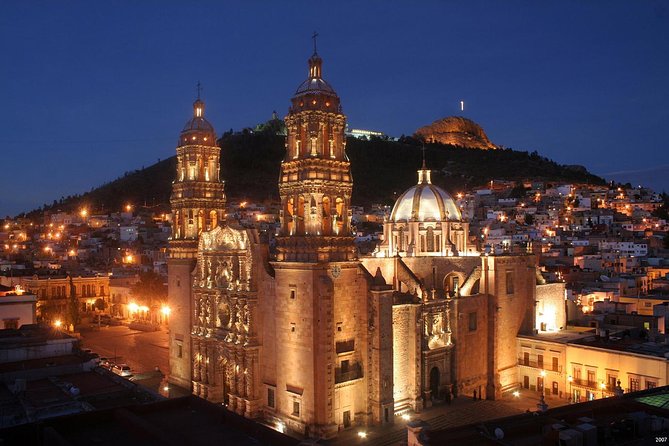
Zacatecas is where the tour delivers classic wow-factor, fast. The city sits at around 8,100 feet, so even stepping out of the van can feel like a small altitude wake-up call. The centerpiece is the cathedral, and the historic district is known for a strong mix of religious and civil colonial architecture. There’s even a prominent Mexican baroque style you’ll notice in the cathedral and nearby monuments.
You also get one of the most memorable optional-style experiences on the route: Mina El Eden. You’ll descend via an aerial cable car to visit the mine. This is the kind of stop that breaks up the “churches and museums” pattern and adds something tangible—metal, depth, and a very different kind of local heritage.
My practical advice: take it slow on the first hour in Zacatecas. Altitude doesn’t mean you’ll have a problem, but it can make you feel winded faster than you expect. If you’re prone to altitude headaches, keep your first plans simple: water, light walking, and steady pacing.

Guadalajara and tequila country: culture, then cowboys and sugar
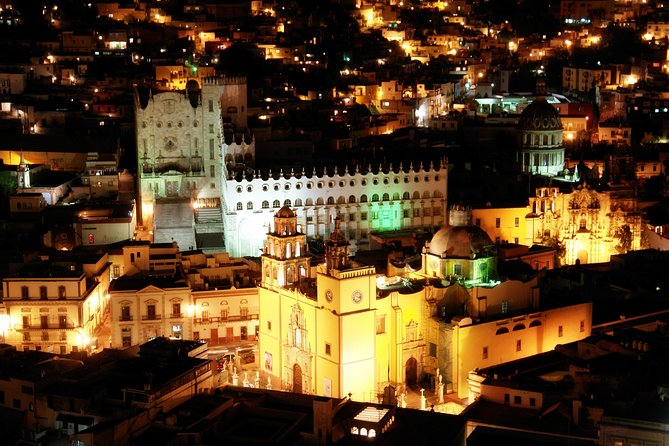
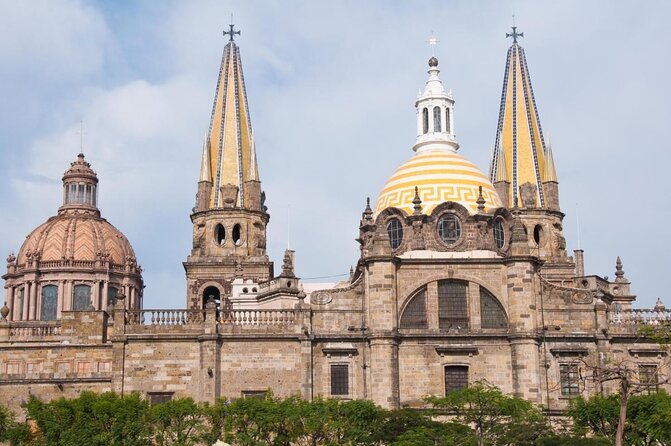
Guadalajara is your next big cultural marker. You’ll tour the historic center with stops including Plaza Tapatía, the Metropolitan Cathedral, the Government Palace, and the Degollado Theater. It’s the city where tequila and mariachi traditions are tied to Mexican identity, and the central sights help you understand why people hold these traditions so close.
Then the tour pivots into tequila territory. You’ll visit Vicente Fernández’s ranch and also stop at Tres Potrillos, described as the largest cowboy store in the world. Access is limited to what guards allow, so treat it as a structured visit rather than a free-for-all. You’ll also have time to get a sense of the ranch atmosphere and pay respects at the tomb, if the route time lines up.
How this lands for different travelers: tequila days can be either fun or exhausting. If you like structured “heritage stops” and don’t need long unscheduled time, you’ll enjoy the flow. If you want quiet, you might find it more active than you expected.
The Patzcuaro and Morelia detour: colonial stone, markets, and craft energy
Even though the tour name spotlights San Miguel, Guanajuato, Zacatecas, and Guadalajara, the route also takes you into Pátzcuaro and Morelia—both are worth the detour.
Pátzcuaro is described as a Magic Town and a craft center with Purepecha artisans. The tour highlights include the Basilica of Our Lady of Health, the House of the Eleven Patios, and the historic colonial district. You’ll also be near Lake Pátzcuaro and hear about Janitzio, including the island connection that makes this region feel so distinctly “water + tradition.” Down in the portals of the downtown square, you’ll find plenty of spots for coffee, drinks, and meals, so you can recharge in a more relaxed way than some of the earlier city days.
Then you continue to Morelia, a standout because of its pink cantera stone architecture. The Morelia Cathedral and key government and palace buildings frame the old-town experience, and you’ll see Plaza de Armas, the Guadalupita Temple at the San Diego Convent with Indian baroque décor, and the Aqueduct. There’s also time at the Mercado de Dulces, the Sweet Market—good for snacks, small gifts, and that sugar-fueled contrast that feels very local.
Potential drawback: this part of the itinerary can blur together if you’re not paying attention to what each town specializes in. Morelia is about architecture and markets. Pátzcuaro is about craft traditions and lake-side atmosphere. If you separate those in your mind, the route feels clearer.
Mexico City finale: murals, Zócalo, Templo Mayor, and Chapultepec
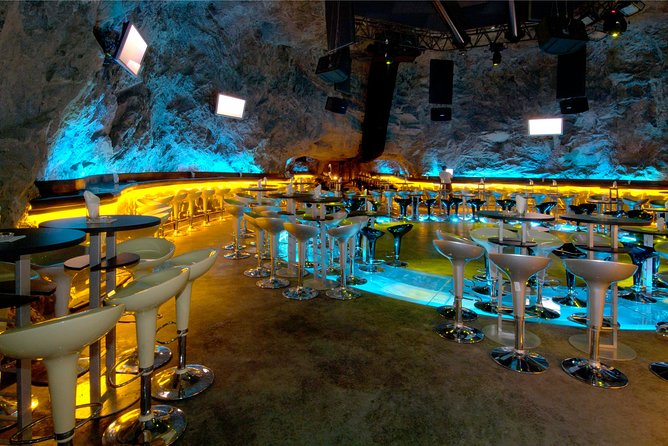
Your last full day is dedicated to Mexico City highlights. You start with the UNESCO Cultural and Historic World Heritage area, including the National Palace and the murals painted by Diego Rivera. Then it’s the Zócalo (Constitution Square) and the Aztec Templo Mayor, plus the Metropolitan Cathedral—three very different time periods in close proximity.
After that, you’ll visit Chapultepec Park and then head to Zona Rosa, known for restaurants and shops. This ending is a nice mix: big iconic sights first, then a more modern, street-level district to decompress before your departure.
My tip: don’t over-plan your last evening. You’ll likely be tired from the total travel rhythm. Use the final night to do one small thing you can control: a simple meal, a calm walk, and packing done early.
Hotels, breakfasts, and what’s actually covered
The tour includes nine nights accommodation and breakfast (9). Outside Mexico City, lodging is four-star; Mexico City has five-star options. That’s a meaningful upgrade compared with many budget-friendly “route tours” where hotels are the weak link.
Admission tickets are included for most listed major stops, and one segment is noted as admission free. What’s not included is food and drinks. That’s not a dealbreaker, but it changes your pacing: you’ll want to budget lunches and snacks, and you’ll benefit from carrying water for longer driving stretches.
One thing to keep in mind: in small-group tours, lodging location can vary. In some situations, not everyone may be placed in the exact same hotel area, which can create a bit of added time when vans are shuttling people. It’s not guaranteed, but it’s something to stay aware of on arrival afternoons.
The guide factor: English can make the day
This tour is offered in English and includes a local bilingual speaking guide. But language clarity is still the swing factor. In past departures, guides named Fabrizio and Umberto were associated with harder-to-follow English, while Roberto received strong praise for being knowledgeable and easy to understand.
If you’re picky about narration language, do two things:
- Choose a seat closer to the front when possible so you can hear instructions well.
- If the van is moving through long stretches, don’t expect every drive to come with constant explanation. Even when guides are trying, time constraints and travel rhythm can thin out commentary.
Also, on long drives, bring your own water and small snacks if you can. Some groups have reported not being offered water during the ride, and you don’t want to feel stuck thirsty when the day is packed.
Who this tour fits best (and who should skip it)
You’ll likely enjoy this tour if:
- You want a structured route with hotels and breakfasts included.
- You care about UNESCO-level sights and want context while you visit.
- You like variety: churches, cathedrals, museums, a mine descent, tequila country, and more.
You might want to choose something else if:
- You prefer one city for several days, instead of many highlight stops.
- You need highly consistent English narration at every moment.
- You get cranky when a day feels like “see, then move,” not “sit, then savor.”
Should you book Colonial Treasures?
I’d book it if your goal is to check off Mexico’s major colonial highlights with guide context and not spend your vacation coordinating tickets, timing, and lodging. It’s best for travelers who like momentum and can handle a packed schedule.
I’d hesitate if you’re the type who gets frustrated by short museum windows and quick transitions, or if you know you rely on narration being easy to follow in English. If that’s you, consider asking the provider a direct question about English-first guidance and how they handle mixed-language groups. Small details like that can turn a good tour into a great one—or a mildly annoying one.
FAQ
What cities are included on this tour?
The route includes San Miguel de Allende, Guanajuato, Zacatecas, and Guadalajara, plus additional stops in Queretaro, Dolores Hidalgo, Pátzcuaro, Morelia, and Mexico City.
How long is the Colonial Treasures tour?
It runs for about 10 days.
What’s included in the price?
The price includes nine nights of accommodation, shared airport-to-hotel-to-airport transfers, a local bilingual speaking guide, and breakfast for nine days.
Are hotel standards included, or do I need to upgrade?
Nine nights are included, with five-star hotel options in Mexico City only and four-star hotels in the other towns.
Does the tour pick you up from the airport?
Yes. Pickup is offered, and departure from the airport to the hotel is included.
Is the tour offered in English?
It’s offered in English, and the guide is listed as bilingual.
Are attraction tickets included?
Admission tickets are included for many of the listed sights and experiences on the program, and one segment is noted as admission free.
What is the maximum group size?
The maximum group size is 8 travelers.