REVIEW · MEXICO CITY
From Mexico City: Puebla, Taxco & Prehispanic Mine in 2 Days
Book on GetYourGuide →Operated by Amigo Tours LATAM · Bookable on GetYourGuide
Two days can feel short. This one turns it into a time machine, hopping between Puebla and Taxco with Cholula’s churches, big viewpoints over the volcanoes, and a pre-Hispanic mine.
What I like most is how the trip mixes architecture with everyday stops: the Baroque church Santa María de Tonantzintla in Cholula and the craft-and-silver hunt in Taxco. You also get a guide-led story that helps you connect what you’re seeing to what came before.
One thing to think about first: this tour includes moderate walking on irregular ground, so plan for cobblestones and steps, not flat museum floors.
In This Review
- Key points before you go
- Puebla, Cholula, and Taxco in 2 days: the big idea
- Day 1: Volcano road, Cholula’s churches, then Puebla’s Zócalo and Talavera
- Cholula first: the church district and Santa María de Tonantzintla
- Continue to Puebla: City of Angels and Plaza de Armas
- Walking Puebla’s historic center: cathedral plus Santo Domingo
- Crafts market time: Talavera figurines and sweet treats
- Day 2: Taxco’s cobblestones, Santa Prisca, silver shopping, and a pre-Hispanic mine
- Taxco center: Church of Santa Prisca and artisan time
- The pre-Hispanic mine: what changed after conquest
- Price and value: what $129 covers (and what you’ll still need to budget)
- Timing, distance, and the walking reality (moderate, but not effortless)
- Who should book this tour
- Should you book this Puebla, Cholula, Taxco, and mine tour?
- FAQ
- How long is the tour?
- What’s included in the price?
- Is food included?
- Do I need a passport?
- What languages are the guides?
- Can I cancel for a full refund?
Key points before you go
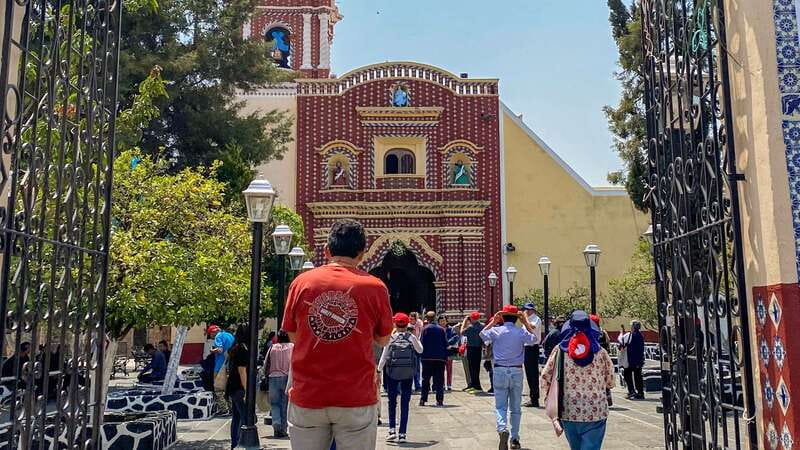
- Santa María de Tonantzintla: indigenous-Baroque interior with a gold-heavy, decorative feel
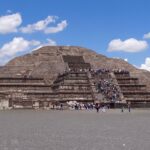
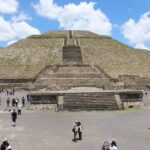
- Cholula’s church-heavy streets and the big “largest pyramid in the world” stop
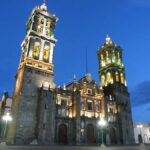
- Puebla’s Plaza de Armas and major landmarks like the cathedral begun in 1575
- Talavera shopping and chocolate-tinged mole poblano (lunch is on your own)
- Taxco’s Church of Santa Prisca plus time for artisan buys and silver items
- Pre-Hispanic mine entrance included, tied to how locals extracted precious materials before the conquest
Puebla, Cholula, and Taxco in 2 days: the big idea
This tour is built for people who want more than one quick taste of central Mexico. Instead of doing just one city, you stack two classic Mexico City day-trip routes into two consecutive days: Day 1 focuses on Puebla and Cholula. Day 2 focuses on Taxco and a pre-Hispanic mine.
The value is in the pacing. You’re not stuck doing long, repetitive stops inside the same kind of place. You move between religious landmarks, market time, and history that’s tied to real places—like the old mining site you actually visit. And because it’s guided, you’re not just looking at photos you’ve seen online. You’re learning what to notice as you walk the streets.
The trip also hits some very “Mexico” contrasts. Puebla gives you the heavy colonial center feel—churches, plazas, and a cathedral project that began in the 1500s. Cholula adds a different mood: hundreds of churches in a place famous for its enormous pyramid (the largest pyramid in the world). Then Taxco brings you to a hill-town vibe with stone streets and the silver-industry culture you can shop for.
If you’re the type who likes to keep your days full but still want a guide to manage the flow, this setup works well. If you prefer slow travel and minimal walking, it may feel like a lot.
You can also read our reviews of more city tours in Mexico City


Day 1: Volcano road, Cholula’s churches, then Puebla’s Zócalo and Talavera
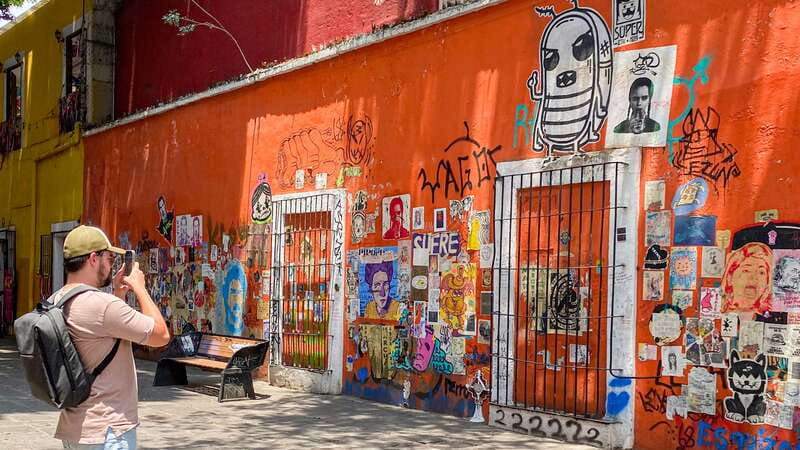
You start with pickup from a centrally located meeting point in Mexico City, then you’ll ride about two hours toward the Puebla-Cholula area. A highlight of that drive is the mountain scenery and the volcano views: Popocatépetl and Iztaccíhuatl are part of the day’s visual payoff. Even if the weather plays games with visibility, the road itself gives you that “you’re leaving the city for the mountains” feeling.
Cholula first: the church district and Santa María de Tonantzintla
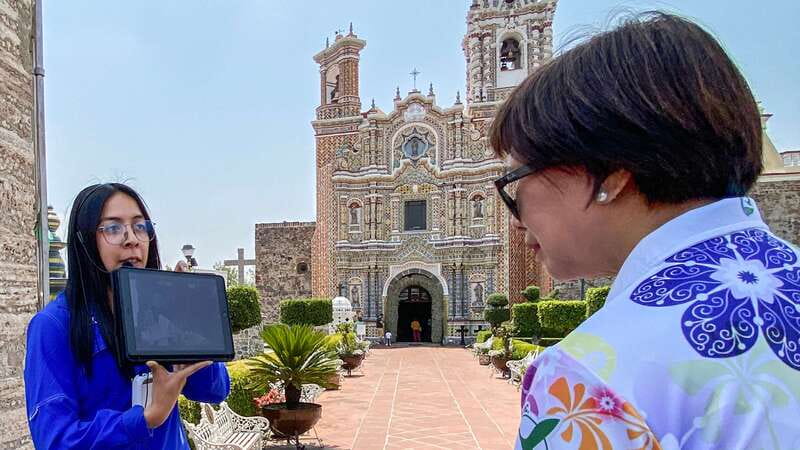
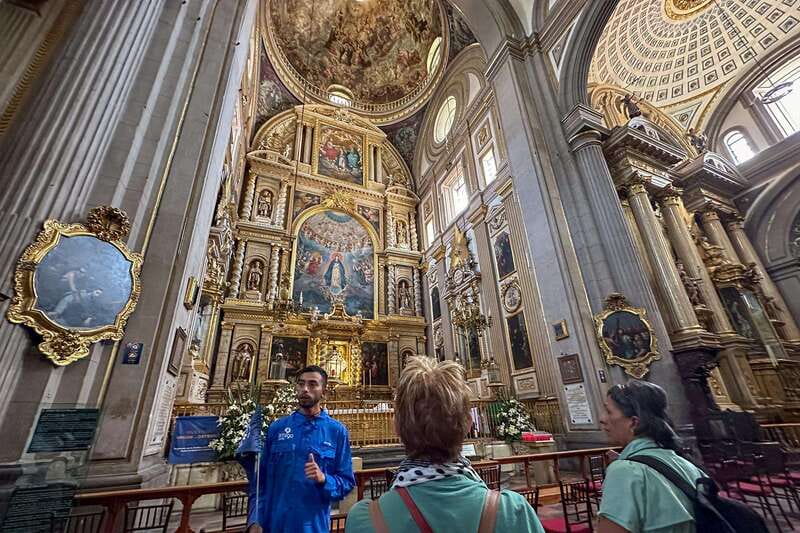
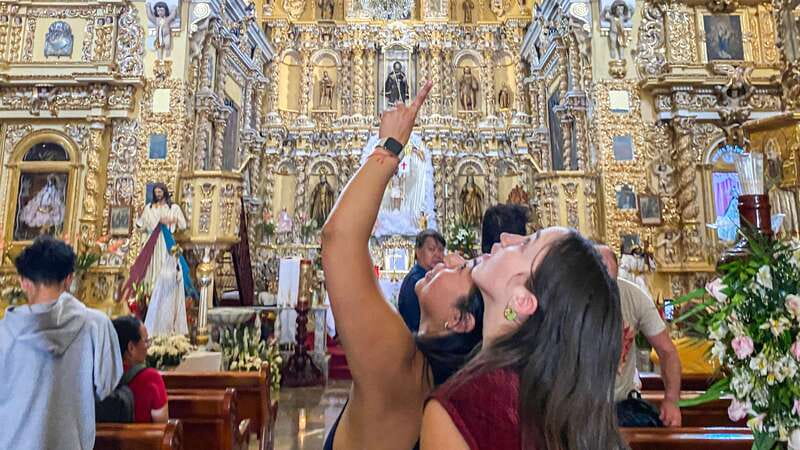
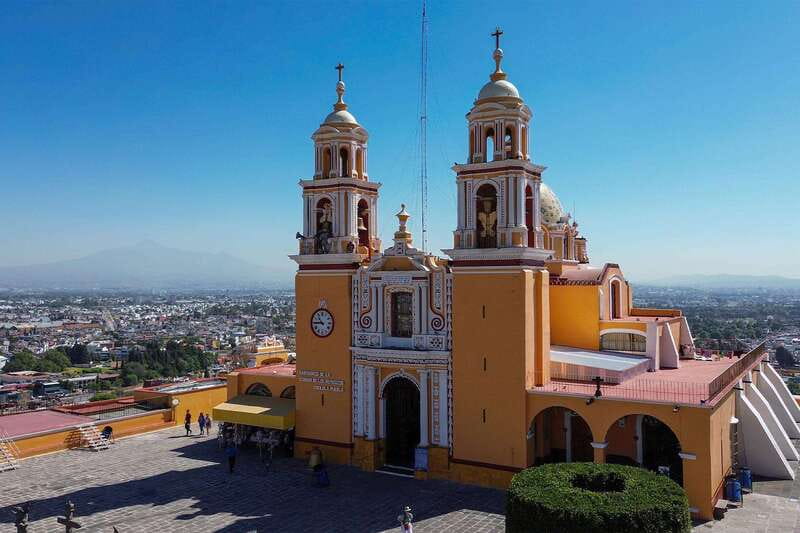
Cholula is famous for its dense concentration of churches, and you’ll see that right away as you arrive. This isn’t just a single stop; it’s the sense of place. The tour includes a visit to Santa María de Tonantzintla, known for its indigenous-Baroque style and its interior filled with decorative elements and gold. It’s the kind of place where your brain has to adjust: the outside is calm, then inside you get a full-on visual explosion.
This is also one of the stops where having a guide matters. The decorative style makes more sense when you understand the mix of influences that shaped the region.
Continue to Puebla: City of Angels and Plaza de Armas
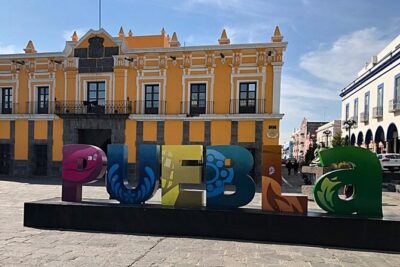
After Cholula, you head to Puebla, which is about 15 minutes away. Puebla earns its nickname, City of Angels, and it shows in the colonial center. You’ll have time for lunch on your own (not included), which is a good chance to try local specialties.
If you want an easy, traditional order, you’ll see simple options like semita—small sweet loaves. The tour also calls out mole poblano, a thick, rich sauce with chocolate-tinged flavors. You don’t have to make a big decision right away, but it helps to know what’s worth asking for when you sit down.
Walking Puebla’s historic center: cathedral plus Santo Domingo
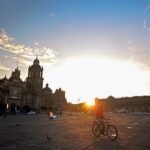
Next comes a guided walking tour through the historical center. You’ll see 16th and 18th-century buildings and spend time around Plaza de Armas, also called the Zócalo. The cathedral there started in 1575 under orders of Philip II of Spain, and the guide-led context helps you connect the date to the scale and style of the place.
You’ll also visit the Church of Santo Domingo, including its pure classic-style portal. It’s the kind of stop that’s easier to appreciate when you’re not rushing. Give yourself a moment to look at the stone details before you move on.
You can also read our reviews of more tours and experiences in Mexico City




Crafts market time: Talavera figurines and sweet treats
One of my favorite parts of Puebla-focused days is when you get shopping that feels tied to place. The tour includes time at a crafts market where you can look for traditional Talavera figurines. This is the moment to slow down—pick a small souvenir, compare colors and patterns, and ask questions.
The day also includes opportunities to sample sweet treats, such as sweet potatoes prepared in different flavors. It’s a simple add-on that turns the walking day into a more “Puebla day,” not just a photo day.
You end back at the original meeting point in Mexico City for drop-off.
Day 2: Taxco’s cobblestones, Santa Prisca, silver shopping, and a pre-Hispanic mine
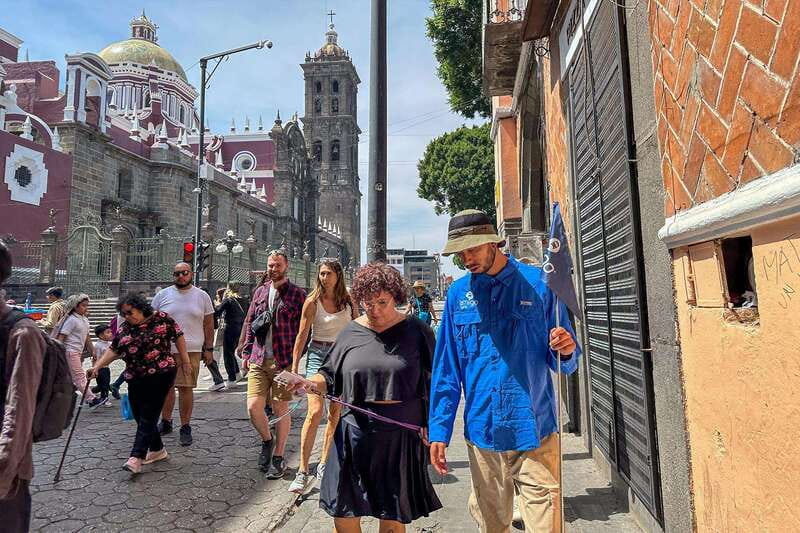
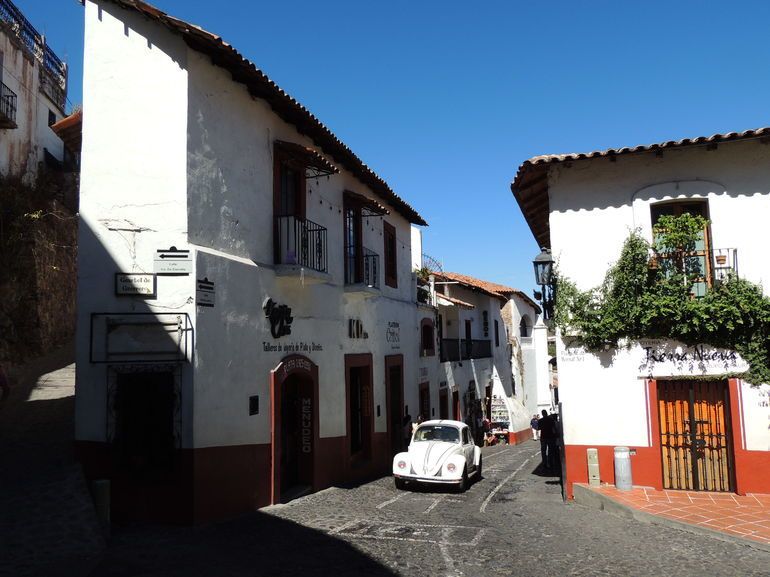
Day 2 keeps the momentum but changes the feel. You head to Taxco, a colonial town with cobblestone streets and cozy squares—exactly the kind of old-world ambiance that makes you want to look up as much as you look ahead. The town’s Church of Santa Prisca is a core stop.
Taxco center: Church of Santa Prisca and artisan time
You’ll walk through Taxco’s historic center, taking in the narrow streets and the way the town’s layout shapes your movement. Santa Prisca is the anchor landmark, and it’s the kind of church stop that gives you a clear “this is why people come to Taxco” moment.
Then comes time for Mexican artisans—your chance to see and buy art pieces. The tour specifically points to crafts and silverware shopping, and Taxco is famous for this for a reason: you can actually connect the local craft tradition to the region’s identity.
This is where I like to set expectations realistically. You shouldn’t expect every shop to be a masterpiece, but you can find items that feel handmade and locally made if you take your time. Ask about what you’re looking at. Look for consistent craftsmanship. And buy something small if you’re not sure what you’ll like long-term.
The pre-Hispanic mine: what changed after conquest
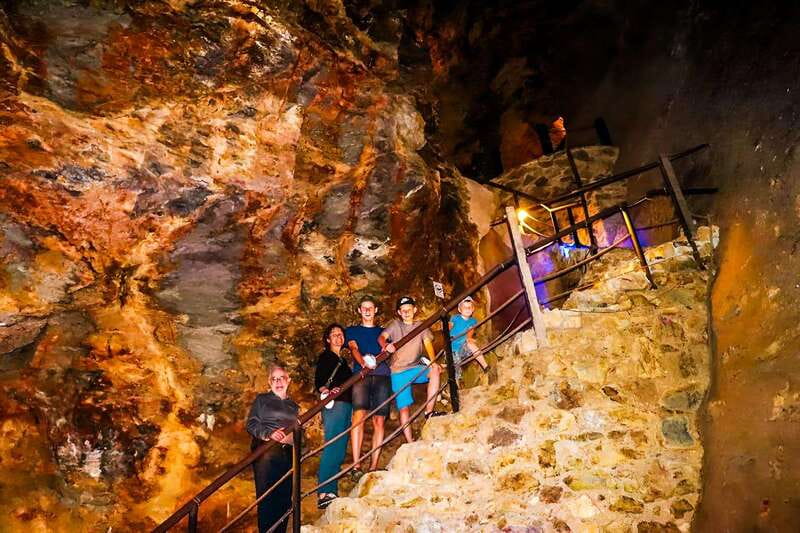
The included highlight on Day 2 is an entrance to a pre-Hispanic mine. You’ll see how ancient residents extracted precious materials before the conquest, which turns the “history” word into something physical.
This visit adds real texture to the story because it connects to something bigger than cathedrals. It’s about the region’s resources and labor, and it shows how value was created long before colonial-era structures rose nearby.
Even with only an entrance included (not a full day inside the mine site), it’s a meaningful stop if you’re curious about the long timeline of Mexico.
At the end of the day, you return by round-trip transportation to Mexico City.
Price and value: what $129 covers (and what you’ll still need to budget)
At $129 per person for a two-day trip, the value is best understood by what’s included. You’re getting:
- Round-trip transportation
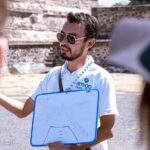
- A guide for both days
- Entrance to the pre-Hispanic mine
- Stops across three major locations, including Puebla’s center and Taxco’s Santa Prisca
What you should plan for outside the price: food and beverages. Lunch on Day 1 is specifically not included, even though the day is built around a Puebla lunch break where you can choose things like semita or mole poblano. So if you usually spend a bit on meals while traveling, add that to your budget so the trip stays comfortable.
You also should account for snacks you might want on walking days. The itinerary includes sweet treats, but that doesn’t mean you’ll be fully fed for the entire day.
In plain terms: this price feels fair if you want a guided, two-day overview with transport and a real included historical entrance. If you prefer to travel entirely on your own between cities and you don’t need a guide, it might be easier to build cheaper day trips. But if you like structure, translation, and context, the guide-led format is where your money goes.
One more note on operator style: the guides are described as helpful and attentive, and one guide named Gabriel has been praised for explaining regional history in a way that made it work even for an English-only guest. That kind of clarity is a big part of why the experience is rated so highly.
Timing, distance, and the walking reality (moderate, but not effortless)
This is not a sit-on-a-coach-and-arrive-at-everything trip. You’ll do walking in Puebla’s historic center and in Taxco’s cobblestone streets. The tour also notes irregular ground and moderate walking.
So here’s how I’d plan:
- Wear shoes you can trust on uneven stone.
- Expect steps and short climbs, especially in Taxco.
- Bring a light layer for morning and evening temperature shifts, since you’re traveling between city and mountains.
Another practical factor is that you’re doing consecutive days. That’s a plus if you like momentum. It’s a downside if you want to rest or add extra sightseeing on top of the planned stops. If you have a tight schedule in Mexico City, this is great. If your body needs a break day, you might feel the cumulative walking.
Who should book this tour
This fits best if you:
- Want a guided way to connect Puebla, Cholula, and Taxco instead of picking only one
- Like church and landmark visits when there’s context (not just quick exterior photos)
- Enjoy market time for crafts—like Talavera figurines—and the idea of shopping for silverware in Taxco
- Want more than colonial architecture by adding the pre-Hispanic mine entrance
- Are comfortable with moderate walking on uneven ground
If you hate walking, or if you prefer very unstructured days, you’ll probably feel boxed in. But if you like a clear plan and don’t mind a full two-day rhythm, this is a strong match.
Should you book this Puebla, Cholula, Taxco, and mine tour?
I’d book it if your ideal Mexico City trip includes guided history, real place-based stops, and craft time, all without having to figure out transportation between multiple towns. The combination makes sense because it creates a logical thread: sacred sites in Cholula and Puebla, then Taxco’s colonial identity and silver culture, then the mine that pushes the story earlier than the conquest.
I’d skip or consider alternatives if you know your feet won’t handle cobblestones and irregular ground. Also, factor in the fact that meals and drinks aren’t included, so you’ll want a small daily food budget.
FAQ
How long is the tour?
It runs for 2 days. It’s usually available in the morning.
What’s included in the price?
The price includes round-trip transportation, a guide, and entrance to the pre-Hispanic mine.
Is food included?
No. Food and beverages are not included, so you’ll need to budget for lunch and snacks.
Do I need a passport?
Yes. You must present a passport (physical, digital, or a photocopy is accepted) due to immigration regulations for all passengers.
What languages are the guides?
The live tour guide offers Spanish and English.
Can I cancel for a full refund?
The tour offers free cancellation up to 24 hours in advance for a full refund.