REVIEW · MEXICO CITY
Anahuacalli Museum Guided Tour
Book on GetYourGuide →Operated by Museos Mexico · Bookable on GetYourGuide
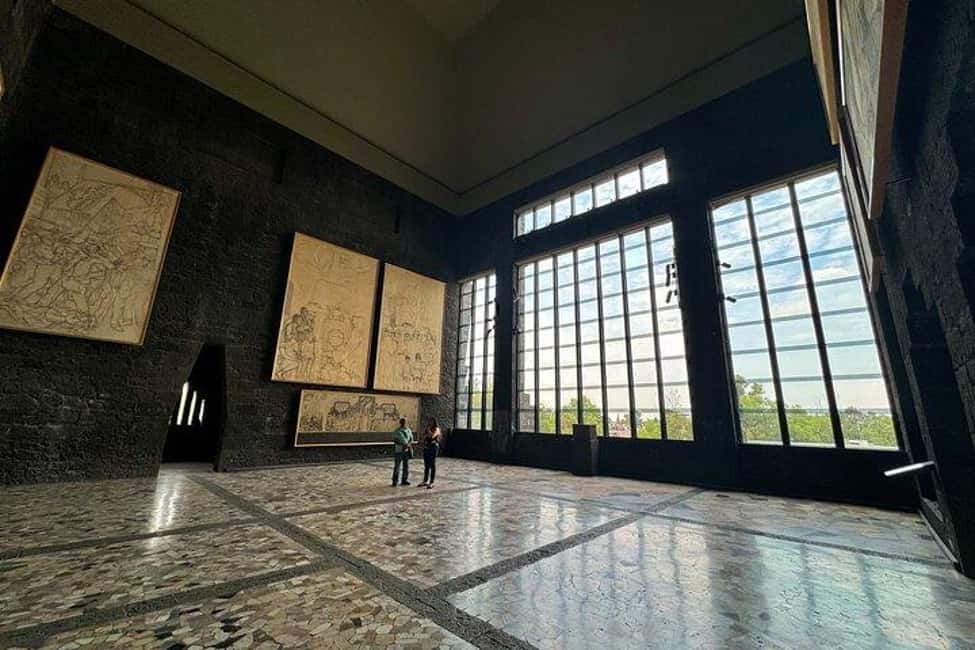
Rivera’s museum feels like a temple. The volcanic-stone building alone is worth your time, because it pulls from ancient Mesoamerican forms in a way that still feels experimental and alive today. You’re not just looking at art under glass. You’re walking through a place designed as a studio, museum, and temple for art all at once.
What I like most is the way the visit pairs pre-Hispanic artifacts with contemporary works in real conversation, not in separate, distant rooms. I also love the guided storytelling—tour leaders like Omar and Jorge know how to connect architectural details and art choices to Mexican history and how it shows up now. One consideration: because the experience is guided and typically runs 2–4 hours, if you want to linger silently and wander at your own pace for long stretches, you may feel slightly guided along.
Key highlights before you go
- Volcanic stone architecture inspired by ancient Mesoamerican structures
- A museum-studio-temple concept that changes how you read the space
- Rivera’s prehispanic artifact collection shown in dialogue with contemporary exhibitions
- A focused guide who connects art, architecture, and history
- The setting in Pedregal makes the building feel anchored to its environment
In This Review
- Anahuacalli’s volcanic-stone architecture: art you can walk around
- Rivera’s pre-Hispanic artifacts, shown with present-day art
- The guided tour experience: Omar’s storytelling and Jorge’s warmth
- How the “studio and temple” concept changes what you notice
- Exploring Pedregal: the setting that makes the museum feel grounded
- What you get in the 2–4 hour visit and what it costs
- Practical tips so the museum clicks fast
- Who this tour suits best
- Should you book the Anahuacalli guided tour?
- FAQ
- How long is the Anahuacalli Museum guided tour?
- What’s the price per person?
- What’s included in the ticket?
- What languages are the tours offered in?
- Do I skip the ticket line?
- Where do we meet for the tour?
- Is transportation included?
- Are food and drinks included?
- Is free cancellation available?
- Is there a reserve and pay later option?
Anahuacalli’s volcanic-stone architecture: art you can walk around
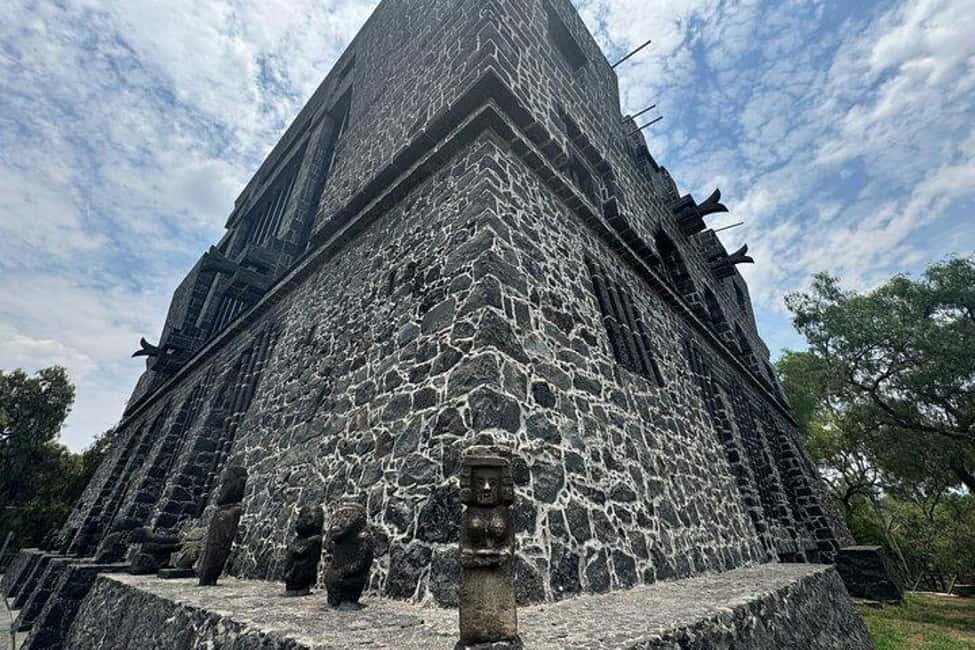
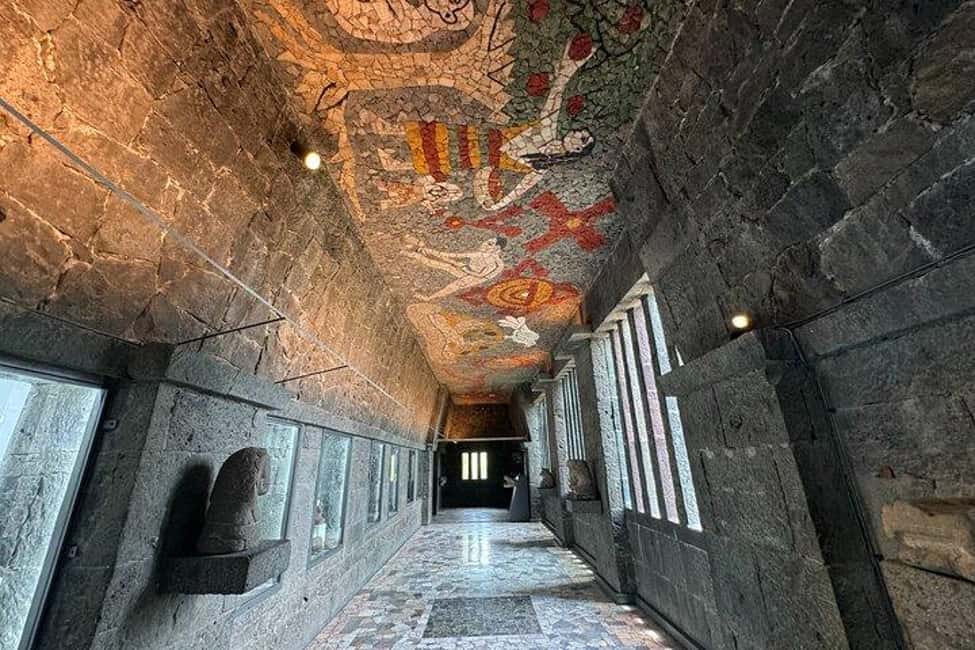
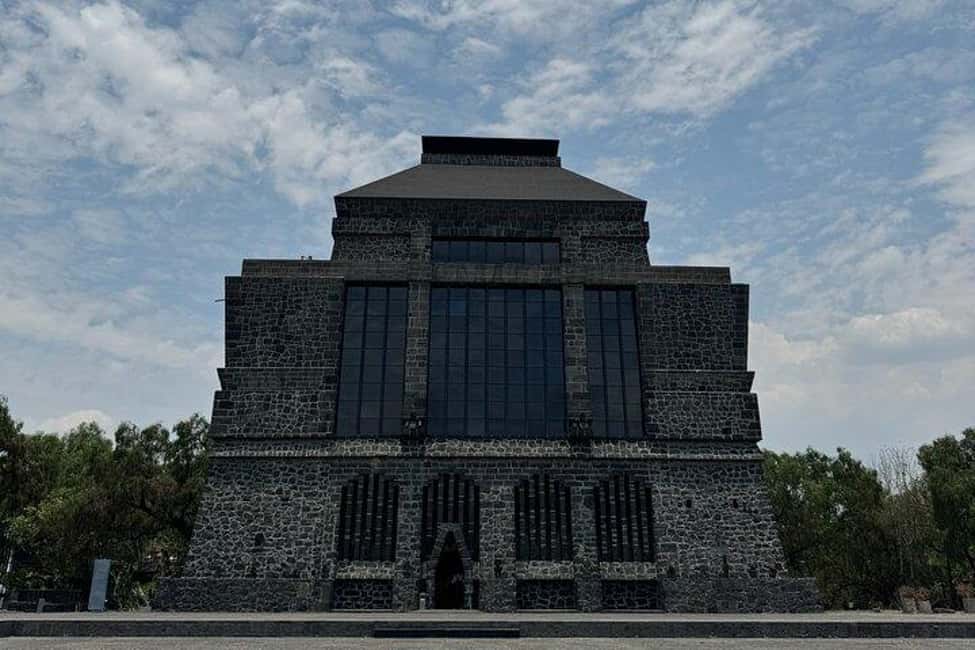
The Anahuacalli Museum is the kind of place where you don’t need to be an art expert to understand the vibe. The building itself is the first “exhibit.” It’s made with volcanic stone, and the forms borrow from ancient Mesoamerican architecture, translated into a modern vision. Even before you get fully into the galleries, you start noticing patterns: blocky shapes, strong geometry, and a feeling of permanence.
This matters because it changes your mindset. Many museums try to disappear. Here, the architecture keeps talking. You’ll see that the museum isn’t just a container for Rivera’s collections. It’s part of the message. The building acts like a filter between past and present, using its own language to frame what you’ll see inside.
And since it’s tied to Pedregal’s natural environment, the setting adds another layer. The place doesn’t feel pasted into the city. It feels grown-in. That gives you a more grounded experience, especially if you’re the type who likes to understand why a site is where it is.
Rivera’s pre-Hispanic artifacts, shown with present-day art
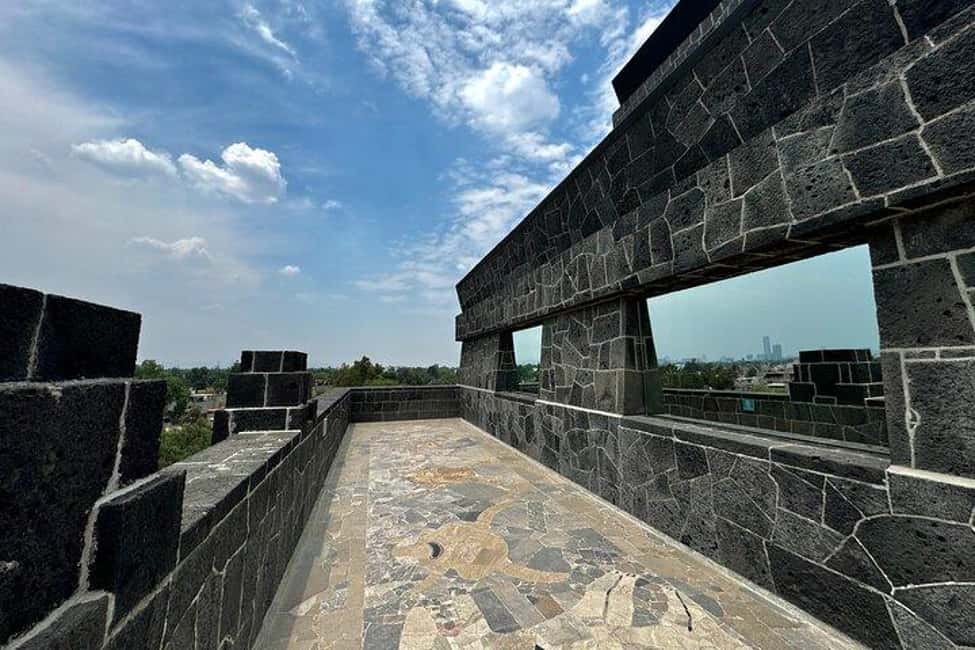
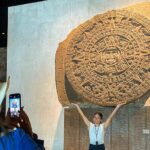
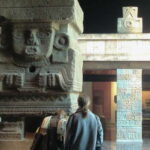
Diego Rivera’s collection sits at the heart of Anahuacalli’s story. During your visit, you’ll get guided access to the museum collection of pre-Hispanic artifacts alongside contemporary art exhibitions. The point is not contrast for the sake of contrast. It’s dialogue—past and present talking to each other in the same building.
What I find valuable here is that the tour approach helps you read the artifacts as more than “old things.” You’ll be guided through broad historical thinking, including the development of Mexican art and culture across periods from pre-Classical through post-Classical. That kind of context helps you notice relationships that you’d otherwise miss when you’re just scanning display labels.
Then the contemporary side of the museum lands differently. Instead of feeling like a separate program, modern works come across as part of the same long conversation about identity, memory, and visual language. This blend works best when you’re open to it—when you’re willing to let one room explain the next instead of treating them as two unrelated trips.
You can also read our reviews of more guided tours in Mexico City
The guided tour experience: Omar’s storytelling and Jorge’s warmth
A guided museum tour is only useful if the guide can turn information into understanding. In this case, the tour leaders seem to do that with confidence and clarity.
Omar, for example, is praised for storytelling that traces Mexican history back to its origins, layer by layer, to show how cultural dynamics shape today. That style is great for Anahuacalli because the building is symbolic and the art choices are intentional. If someone can connect the dots—between architecture inspired by ancient structures, Rivera’s collecting, and how modern Mexican identity has been constructed—you end up with a lot more from your time.
Jorge is also described as exceptional, warm, and engaging, bringing the experience to life with insight and passion. The common theme is not just facts. It’s how those facts get organized for you. You get lots of information, but it’s managed so it doesn’t feel like an exam.
If you’re traveling with limited time, that matters. Two to four hours passes fast. A strong guide helps you make sure the time counts.
How the “studio and temple” concept changes what you notice
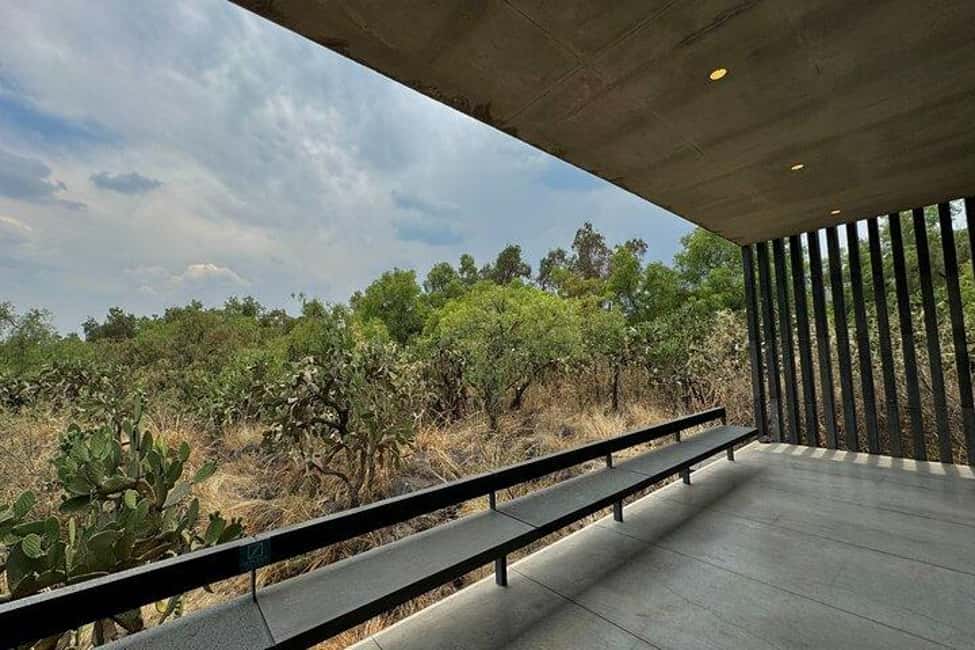
Anahuacalli is often described as a studio, museum, and temple for art, and that’s not marketing fluff. It changes the rhythm of your visit.
You’ll likely feel it in the way the space is organized: the building doesn’t just host collections. It gives the impression of creation continuing. Even when you’re viewing historical artifacts, the museum’s tone suggests that art-making is ongoing—supported by a structure meant for art to live in, not simply be stored.
This also affects how you view Rivera’s project. Seeing it as a temple-like space helps you understand why architecture was such a central decision. The building is not an afterthought. It’s a statement about where art belongs in culture.
And the “living museum” idea fits the visit style. The museum is presented as a place with constant evolution—where pre-Hispanic and contemporary aesthetics keep meeting in the same physical environment.
Exploring Pedregal: the setting that makes the museum feel grounded
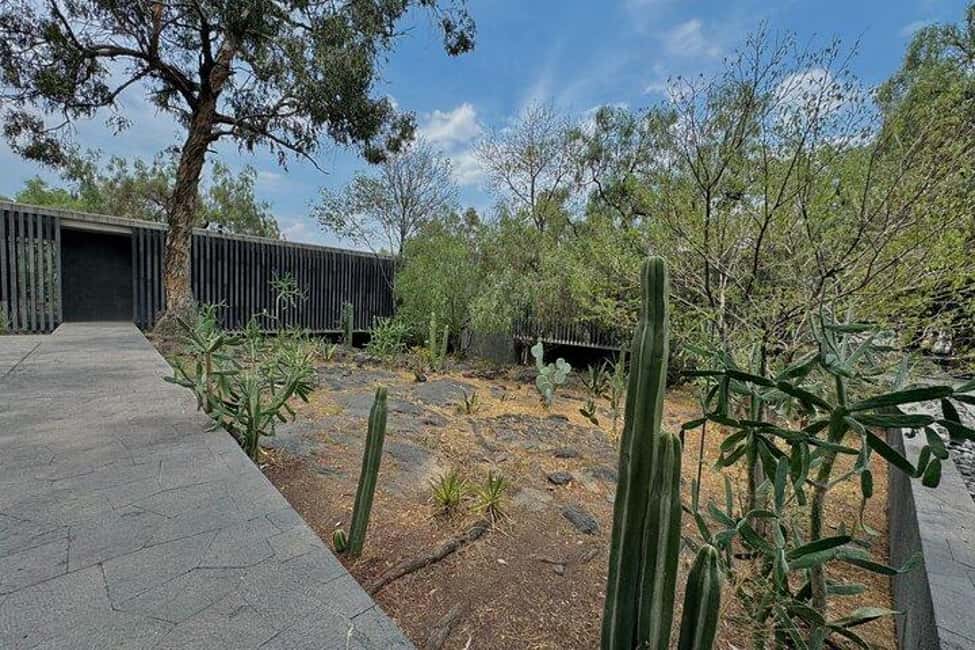
One of the quiet advantages of this museum is where it sits. The Pedregal setting helps give Anahuacalli a distinct atmosphere. The volcanic-stone construction relates visually to the surrounding environment, so you’re not just looking at an art project in isolation.
For you, that can mean a better overall travel memory. It’s not only about what’s inside. It’s the walk up to the museum and the way the building interacts with the grounds. When a place has this kind of site-specific relationship, it’s easier to remember the experience as a whole, not just as a series of rooms.
If you’re the type who likes to connect architecture to place, this will click. If you prefer museums in pure urban settings with lots of surrounding distractions, you might need to adjust expectations. Here, the art and the site are the main event.
What you get in the 2–4 hour visit and what it costs
The tour runs 2 to 4 hours, and the price is $40 per person. For many museums, $40 is reasonable only if it includes entry plus a guide who helps you understand what you’re looking at. Here, you get guided access to the Museo Anahuacalli, viewing Rivera’s pre-Hispanic collection, and the contemporary exhibitions, along with an English or Spanish live guide.
Value-wise, the key is time efficiency. You’re not doing a long self-guided search through a complicated art-and-architecture concept. The guide helps you move with purpose and interpret what matters most. You also skip the ticket line, which saves you time and reduces the “where do we stand now” stress that can eat up a short day.
What’s not included is transportation, plus food and drinks. So plan your day accordingly. If you’re coming from somewhere farther away, factor in transit time so you don’t arrive flustered. Also, if your visit lands near a meal window, eat before or after. This is a tour you’ll likely want to focus on, not one to treat like a casual stroll where you stop for snacks constantly.
You can also read our reviews of more museum experiences in Mexico City




Practical tips so the museum clicks fast
Anahuacalli rewards attention. A few small choices can make your experience smoother:
- Go with curiosity, not just a checklist. Since the museum connects pre-Hispanic artifacts and contemporary art, your best moments may come from noticing links rather than searching for a single “must-see” object.
- Pay attention to the building while you’re inside. The volcanic-stone architecture isn’t only exterior drama. It shapes how spaces feel, so keep looking up and around as you move.
- Ask your guide to connect the dots. If your guide is Omar or Jorge-style, they’ll likely trace history back to origins and then bring it forward to today. Engage with those connections when you can.
- Plan for the guided pace. With the 2–4 hour duration, it’s not built for slow, solo wandering. If you’re the type who likes long breaks in front of one work, consider asking for a quick recommendation on where to spend extra time during the tour, if the schedule allows.
- Bring water. The tour doesn’t include food or drinks, and even if the museum isn’t a full-day trek, you’ll feel better with a bottle on hand.
As for where you meet: your cultural ambassador contacts you before the tour to confirm the meeting point and time. It’s usually at the main entrance, so watch for that message and arrive a bit early.
Who this tour suits best
This guided visit is a strong fit if you like any of the following:
- Architecture that isn’t just background, but part of the story
- Art history you can actually apply while you’re standing in the rooms
- Experiences that connect past and present instead of separating them
- Museums where a guide explains how different parts of the culture talk to each other
It may be less ideal if you’re traveling with very limited time and want a quick in-and-out photo session only. Anahuacalli works best when you let the space do its work.
Also, if you’re an English or Spanish speaker, the live guide support helps a lot. The tour includes English and Spanish, so you’re not stuck guessing your way through key themes.
Should you book the Anahuacalli guided tour?
I’d book it if you want your visit to feel like a meaningful guided experience rather than a confusing stop. For $40, you get museum access, the guided interpretation, and a clear focus on how Rivera’s pre-Hispanic collection meets contemporary art under one roof. And you avoid ticket-line hassle.
I’d think twice only if you prefer unstructured museum time and you don’t want a guide shaping your route and explanations. Otherwise, this is one of those tours where the architecture, the collection, and the guide all reinforce each other. When they line up, the building stops feeling like a quirky curiosity and starts feeling like a real cultural statement.
FAQ
How long is the Anahuacalli Museum guided tour?
The tour lasts 2 to 4 hours, depending on the starting time and availability.
What’s the price per person?
The price is $40 per person.
What’s included in the ticket?
You get access to the Museo Anahuacalli, a guided tour, viewing Diego Rivera’s pre-Hispanic collection, and contemporary art exhibitions.
What languages are the tours offered in?
The live tour guide is available in English and Spanish.
Do I skip the ticket line?
Yes. The tour includes skip-the-ticket-line entry.
Where do we meet for the tour?
Your cultural ambassador contacts you before the tour to confirm the meeting point and time, and it is usually at the main entrance of the museum.
Is transportation included?
No. Transportation is not included.
Are food and drinks included?
No. Food and drinks are not included.
Is free cancellation available?
Yes. You can cancel up to 24 hours in advance for a full refund.
Is there a reserve and pay later option?
Yes. You can reserve your spot and pay nothing today with the reserve and pay later option.