REVIEW · MEXICO CITY
Mexico City Royal Castle & Anthropology Museum
Book on Viator →Operated by Mexikaan Travel · Bookable on Viator
A view from a royal hill is hard to beat. This private half-day combo pairs Chapultepec Castle with the National Museum of Anthropology, plus a walk through Chapultepec Park so you get culture and a little fresh air in one smooth block of time. I love that your guide handles everything for you, including getting you into both sites, which saves stress when Mexico City is busy. I also love how the museum plan is focused: you won’t wander for hours without direction. One drawback to plan for is the hill setting—getting up to the castle means walking on foot, so comfy shoes and a moderate pace really matter.
Why it works so well is simple: you’re stacking two major sights in about 3 to 4 hours. Castillo de Chapultepec gives you the city’s “wow” factor from the top, and then the day shifts from royal rooms to big, world-class archaeology galleries. If you want an efficient hit of Mexico City without losing a whole day to logistics, this is a smart way to do it.
And yes, the nature stretch matters. The downhill walk through the forest breaks up the museum time, so the whole experience feels less like a checklist and more like a story you can follow—especially when your guide points out what to notice as you go.
In This Review
- Key highlights at a glance
- Why this half-day pairing works in Mexico City
- Meeting at Puerta de los Leones: start where the city slows down
- Stop 1: Castillo de Chapultepec’s royal hill museum (and the views)
- North section: belongings of leaders
- South section: Mexican history from the 1500s onward
- The only real “cost”: walking on foot
- Bosque de Chapultepec walk-down: the nature reset between museums
- Museo Nacional de Antropología: the big museum, focused by design
- Teotihuacan: the scale-your-eyes-open hall
- Mexica: power, art, and identity
- Mayan hall: depth you can actually feel in 90 minutes
- The payoff of a guide’s priorities
- Private guide value: what you gain beyond skip-the-line
- Practical tips for a smooth, comfortable half day
- Logistics, timing, and what the schedule means for you
- Who this tour fits best
- Should you book this Mexico City Royal Castle & Anthropology Museum tour?
- FAQ
- What’s the duration of the Mexico City Royal Castle & Anthropology Museum tour?
- Is this tour private?
- Are entry tickets included?
- What are the main stops?
- How long do you spend at each major stop?
- What language is the tour offered in?
- Is lunch included?
- Where does the tour start and end?
- What’s the cancellation window?
Key highlights at a glance
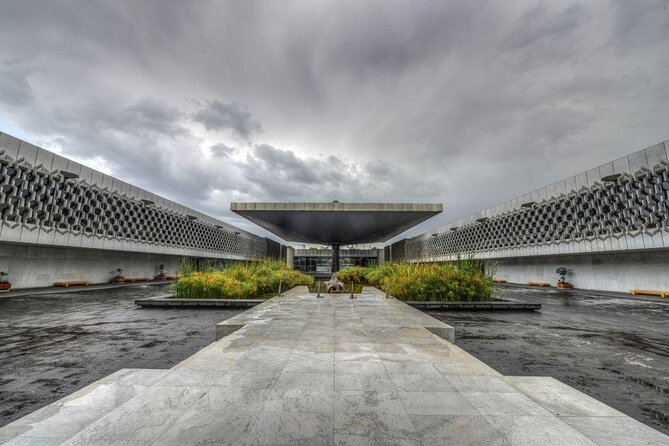
- Royal hill access with real payoff: Castillo de Chapultepec sits on top of Chapultepec Hill, and the walk is part of the experience.
- Tickets handled for you: admission is included and managed by your guide, so you spend time looking, not waiting.
- A curated museum route: the guide emphasizes the Teotihuacan, Mexica, and Mayan halls so you don’t feel lost.
- Chapultepec Park break: you get a nature walk between sites, with a little shade and different plant life.
- Private guide attention: it’s private, so your group sets the pace and your questions stay in the room.
Why this half-day pairing works in Mexico City
Mexico City can feel like it has endless great options, and that’s exactly the problem. When you only have a few hours, you need a plan that earns its place. This tour does that by combining two places that are big, important, and close enough to be practical: Chapultepec Castle and the National Museum of Anthropology.
The castle is your immediate “sense of place” stop. It’s a royal site, and even if you’re not a history buff, the setting matters. Being up on the hill changes how you view the city. You’re not just walking through museum rooms; you’re standing in a spot that was built to be seen from far away.
Then the Anthropology Museum shifts the focus from power and presidents to deep time. This is where the tour earns its educational value. Instead of treating the museum like a warehouse of objects, your guide pulls you toward three signature areas tied to major civilizations: the Teotihuacan hall, the Mexica hall, and the Mayan hall.
And because it’s only 3 to 4 hours, you don’t get that tired, late-afternoon feeling that comes from trying to do too much. You get the highlights, you get context, and you get out while you still feel energized.
You can also read our reviews of more city tours in Mexico City


Meeting at Puerta de los Leones: start where the city slows down
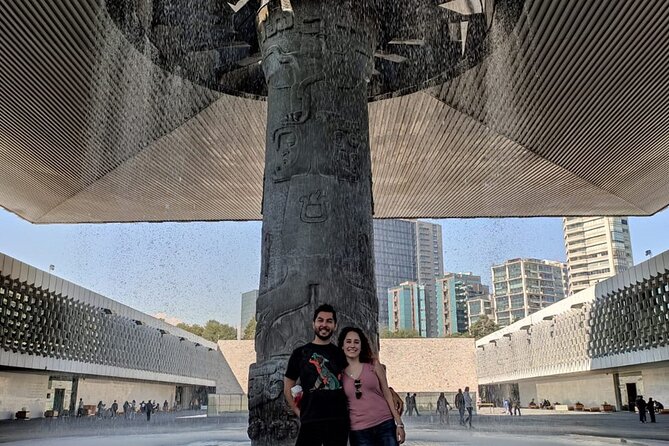
The tour starts at Puerta de los Leones, Bosque de Chapultepec I Secc, in Miguel Hidalgo. That location is convenient because it puts you inside the Chapultepec area right from the beginning. You’re not hustling across town first, which helps when you’re trying to hit two major destinations in one half day.
Your end point is the National Museum of Anthropology area on Av. P.º de la Reforma s/n, in Polanco, within the Bosque de Chapultepec I Secc. One nice practical detail: the museum is connected to Reforma Avenue. That means you can either stay at the museum afterward or leave and connect easily to other parts of the city.
This is offered in English, and you’ll receive confirmation at booking time. The tour uses a mobile ticket, and your guide handles the entry tickets, which is a real value if you want a low-friction day.
Stop 1: Castillo de Chapultepec’s royal hill museum (and the views)
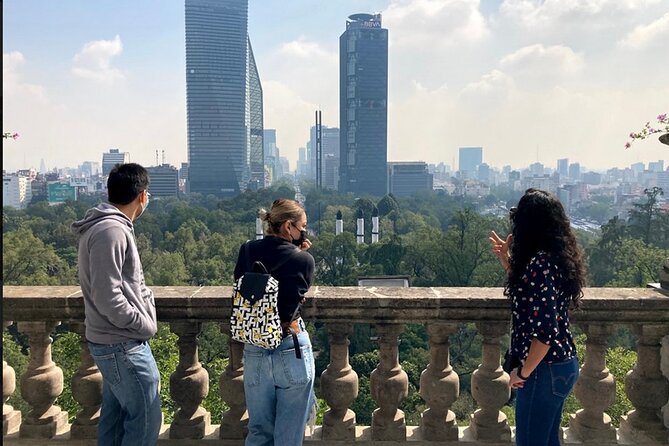
Castillo de Chapultepec is the kind of place where you instantly understand why it became a royal site. It sits on top of Chapultepec hill, and the entrance is only accessible on foot. In other words, you don’t drive up and cut the experience short. You earn it with a walk.
Expect about 1 hour 30 minutes here, with admission included. The museum is organized into two main sections, and your guide’s job is to help you move through those sections with a clear purpose instead of aimless wandering.
North section: belongings of leaders
The north part focuses on belongings connected to emperors and presidents who lived in the castle. If you like “how people actually lived,” this section can feel unusually human for something so grand. You’re not just looking at artifacts; you’re looking at items tied to leadership and daily life behind formal walls.
South section: Mexican history from the 1500s onward
The south part covers artifacts from different eras of Mexican history, beginning in the 16th century and moving into the 20th. That time span is big. Without guidance, it’s easy to lose the thread. With a guide, you can connect what you’re seeing to a bigger timeline, so the rooms feel like chapters instead of separate exhibits.
You can also read our reviews of more museum experiences in Mexico City




The only real “cost”: walking on foot
The main drawback to keep in mind is physical. The castle is reached on foot, and you’ll do a meaningful uphill approach. The good news is that this is exactly where a private guide can help. In one notable guiding experience, Clara was praised for adjusting pace and helping with access when the hill was difficult. You’ll feel more comfortable if your group shares the same needs.
If you go, plan for slow-and-steady. This is not the time to sprint, because the best part is the walk plus the views—especially on a clear day.
Bosque de Chapultepec walk-down: the nature reset between museums

After the castle, you head downhill toward the Anthropology Museum. This section lasts about 20 minutes, and it’s built as a break in the schedule.
On the way, you walk through the Chapultepec forest. This isn’t just filler time. The shift matters: castle rooms tend to pull your attention inward, while the forest pulls you back into the city’s living environment. Even in a short stretch, you can see different trees and plants, which helps your brain reset between major museum content.
Because admission is free for this portion, you’re not paying extra for the break. You’re just getting a breather—and a change of scenery—so the museum visit feels more connected and less rushed.
One practical tip: keep an eye on your footing. The timing is short, but you’ll be transitioning from a hill area to forest paths.
Museo Nacional de Antropología: the big museum, focused by design
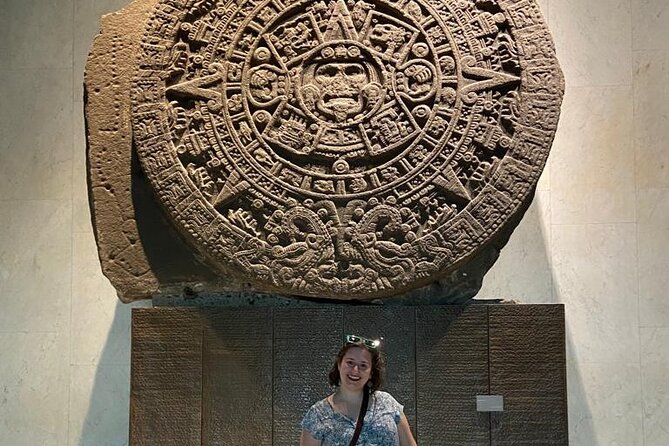
Then you land at the National Museum of Anthropology, and yes, it lives up to its reputation. The museum holds more than 7,000 pieces from ancient cultures of Mexico, stretching across regions such as the Baja California Peninsula and the Yucatan Peninsula. That number alone tells you why a guided focus is so valuable. If you try to do everything on your own, you’ll burn time and still miss the best entry points.
You get about 1 hour 30 minutes here, with admission included. The guide centers the visit on three main halls:
- Teotihuacan hall
- Mexica hall
- Mayan hall
This trio is a smart selection. These areas give you major pillars of Mexico’s pre-Hispanic civilizations. And because your time is limited, you won’t spend your best energy in hall corners that don’t match your interests.
Teotihuacan: the scale-your-eyes-open hall
Teotihuacan is one of those names that tends to show up on posters and in school lessons, but the museum makes the ideas tangible. You’ll be able to see highlights tied to that culture, and your guide will point out what to focus on rather than forcing you to decode everything from scratch.
Mexica: power, art, and identity
The Mexica hall can feel like it’s speaking directly to you—materials, designs, and cultural symbols help explain how identity and power show up in objects. Again, the key is guidance: your guide helps you understand what you’re looking at and why it mattered.
Mayan hall: depth you can actually feel in 90 minutes
The Mayan hall is the one people sometimes expect to be “a lot,” and it is—but you still can leave satisfied if you have the right route. With the hall highlights selected for you, you get key pieces and the main story points without getting overwhelmed.
The payoff of a guide’s priorities
This is where private guide time shines. The museum is huge. Your guide turns that scale into something manageable. Instead of asking you to choose between 30 possible experiences, they choose the three that give you the biggest understanding per minute.
Private guide value: what you gain beyond skip-the-line
A tour like this isn’t just about reaching places faster. It’s about what happens inside the museums while you’re standing in front of the objects.
First, the guide handles the entry tickets for both stops, which keeps the experience calm. Museums often require some waiting and coordination, and that’s exactly the kind of friction that turns a good plan into a stressful afternoon. Here, you’re meant to spend your attention where it belongs: on the exhibits.
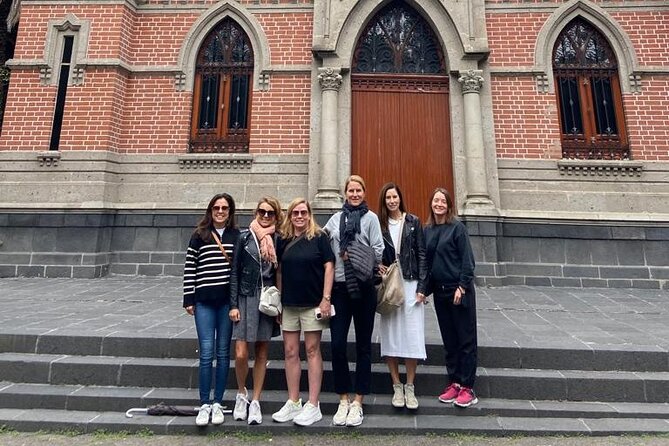
Second, the guide’s job is to set a pace that fits your group. Since the tour is private, only your group participates. That matters because castle hill access can be tricky for some people. In the example mentioned earlier, Clara stood out for walking slowly and taking personal circumstances into consideration while keeping the explanations clear and engaging.
Third, you get the benefit of a human filter. A guide can help you notice details you would otherwise skip, like the way the castle museum is split into leadership-focused rooms versus broader historical eras. That structure makes the visit feel organized, even though it isn’t a tiny museum.
Finally, your tour includes both a historical “top-of-the-hill” experience and a museum “deep focus” experience. That rhythm is hard to replicate on your own unless you’re already planning with precision.
Practical tips for a smooth, comfortable half day
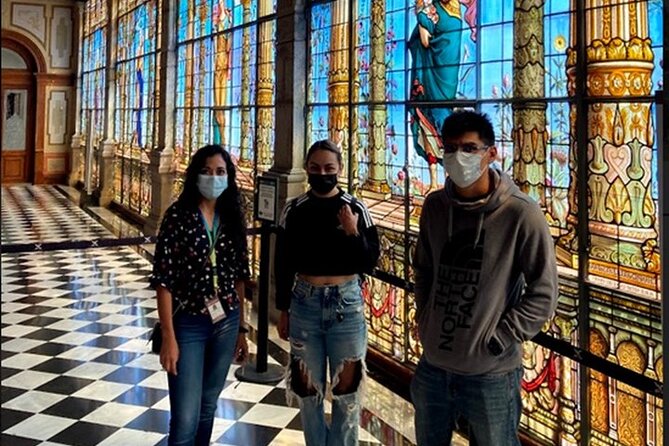
This tour is built for moderate physical fitness. You don’t need to be an athlete, but you should be comfortable walking and climbing on foot—especially the uphill approach to the castle.
Here’s how I’d prep so you enjoy it instead of just enduring it:
- Wear comfortable shoes with traction. The castle approach and the forest walk both benefit from stable footing.
- Keep expectations realistic: you’ll see highlights, not every room. With 1 hour 30 minutes in each major stop, that’s the tradeoff for efficiency.
- Use the park walk as a chance to slow down. It’s short, but it’s timed for a reset between two dense museum environments.
- If you have mobility concerns, tell your guide early. Private guide flexibility is one of the best parts of this format.
Also remember: lunch is not included. If you’re planning food, you’ll want to think about what you’ll do before or after the tour so you’re not hungry during a museum-heavy stretch.
Logistics, timing, and what the schedule means for you
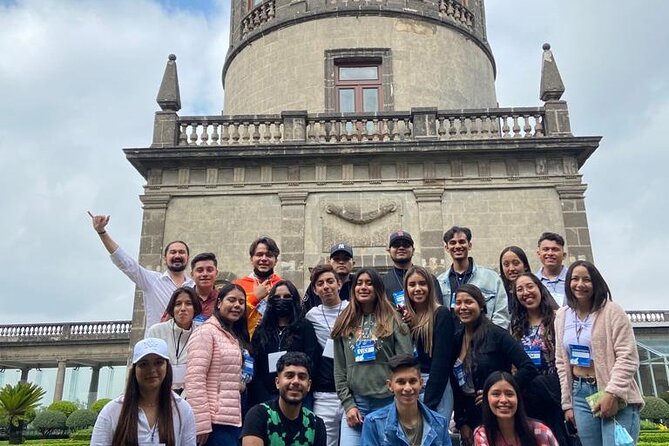
The total duration is about 3 to 4 hours, which is perfect for a half-day slot in Mexico City. It also means you’ll likely finish with enough energy to keep exploring—especially since the tour ends near Reforma Avenue, where you can easily connect to other neighborhoods.
A good way to think about the timing is this:
- Castle first: start with the hill and the views while the morning energy is fresh.
- Nature break: use the short downhill forest walk to reset.
- Museum last: go into the Anthropology Museum when you’re ready to focus deeply for a concentrated 1 hour 30 minutes.
Because this tour uses a mobile ticket and includes admission tickets, you’re not spending time on ticket counters or figuring out entry logistics mid-day. That’s a quality-of-life win.
One more detail: it’s offered in English, so if you’re relying on English-language commentary, this is a straightforward option.
Who this tour fits best
This is a great match if you want:
- A focused introduction to two of Mexico City’s biggest attractions
- A private experience with your guide spending time with you, not hopping between multiple groups
- A museum visit that highlights major civilizations—Teotihuacan, Mexica, and Mayan—without trying to cover the whole museum
It’s also a good fit for people who like structure. If you prefer to know what to see and why it matters, the guide’s route will feel reassuring.
If you’re the type who wants every exhibit and unlimited time, you might find the museum portion too short. But if your goal is a memorable highlight route in a half day, this plan is built for that.
Should you book this Mexico City Royal Castle & Anthropology Museum tour?
I’d book it if you want maximum value from limited time—especially if you like having someone organize your day so you can enjoy the places instead of managing logistics. The combination of castle views, a park walking break, and a guided route through major museum halls is a strong use of a 3 to 4 hour window.
I’d hesitate only if hill walking is a major challenge for you. Since Castillo de Chapultepec is approached on foot, you’ll want to be comfortable with that movement. If you are, the private guide format helps, and guidance like the kind Clara was praised for—adjusting pace and taking access needs into account—can make a real difference.
If your travel style is “show me the best first,” this is one of those rare plans that delivers: fast, focused, and genuinely enjoyable.
FAQ
What’s the duration of the Mexico City Royal Castle & Anthropology Museum tour?
It’s approximately 3 to 4 hours.
Is this tour private?
Yes. It’s a private tour/activity, so only your group participates.
Are entry tickets included?
Yes. Admission tickets are included and handled by your guide for both the castle and the Anthropology Museum.
What are the main stops?
You’ll visit Castillo de Chapultepec, take a short walk through Bosque de Chapultepec, and then go to Museo Nacional de Antropología.
How long do you spend at each major stop?
It’s about 1 hour 30 minutes at the castle and about 1 hour 30 minutes at the Anthropology Museum, plus about 20 minutes for the park walk.
What language is the tour offered in?
It’s offered in English.
Is lunch included?
No. Lunch is not included.
Where does the tour start and end?
It starts at Puerta de los Leones, Bosque de Chapultepec I Secc, Miguel Hidalgo, and ends at the Museo Nacional de Antropología area on Av. P.º de la Reforma in Polanco.
What’s the cancellation window?
Free cancellation is available up to 24 hours in advance for a full refund. If you cancel less than 24 hours before the start time, the amount paid is not refunded.