A night climb makes Iztaccíhuatl feel alive. This private 2-day excursion from Mexico City turns a big mountain into a clear plan: pickup, camping in the national park area, an acclimatization walk, then a long summit push with safety-focused guidance from Black Bear Travel.
I especially liked how the team keeps the experience organized and calm, even when the route gets technical.
You’ll also enjoy the food setup. You stop in Amecameca for typical breakfast, then later you get the traditional-style quesadillas moment after the hardest hours, plus proper meals included. And you’re not stuck wondering how you’ll handle traction—crampons, a harness, and the rest of the technical climbing kit come with the trip.
The main consideration is the effort level. The ascent day runs about 14 hours of hiking time between the rise and the fall, and you should have strong physical fitness. If your body needs an easier introduction to altitude hiking, this might feel like a lot.
In This Review
- Key highlights you’ll care about
- Why this Iztaccíhuatl trip feels like a mountain adventure (not a quick outing)
- Mexico City pickup and the 7:30 am start that keeps the day real
- Amecameca breakfast: a local pause before the climb day
- Inside Iztaccihuatl National Park: camp setup and a smart acclimatization walk
- Learning the technical gear before the big push
- The midnight ascent: what the 14-hour day really means
- Camp rest and traditional quesadillas after the hardest hours
- What’s included (and what you should plan to bring yourself)
- Guides and safety: the calm professionalism you feel during the climb
- Value check: why this feels like more than transport and a summit goal
- Weather reality and timing: plan like the mountain is in charge
- Who should book this private Iztaccíhuatl climb (and who might skip it)
- FAQ
- FAQ
- Where does this Iztaccíhuatl excursion start and end?
- What time do we meet?
- Is the pickup included?
- Is this a private tour?
- What language is the experience offered in?
- How long is the trip?
- What gear and camping items are included?
- What meals are included?
- Is WiFi provided during the experience?
- What happens if weather is poor?
- What is the cancellation refund timeline?
Key highlights you’ll care about
- Private group with your own team, plus an English-speaking setup
- Camping included, with tent house, sleeping bag, and the base layer for sleep
- Technical gear provided: piolet, crampons, trekking poles, and harness
- A real schedule with acclimatization walk, then an overnight summit start
- Meals included, including breakfast stop and traditional quesadillas after resting at camp
Why this Iztaccíhuatl trip feels like a mountain adventure (not a quick outing)
Iztaccíhuatl from Mexico City is one of those climbs that forces you to live by the mountain’s clock. You’re not just hiking in daylight—you’re doing an organized camping experience and then starting the climb at night, when conditions are colder and timing matters.
What I like about this style of tour is that it treats you like a serious participant, not just a passenger. You get guides, technical equipment, hydration, and structure. The result is that you can focus on moving well and staying safe, instead of chasing logistics.
The itinerary is built around pacing: settling in, an acclimatization walk, learning gear use, early sleep, then the big push. That matters because Iztaccíhuatl isn’t a “wander up and see” kind of day. It’s a long, demanding summit hike.
You can also read our reviews of more private tours in Mexico City

Mexico City pickup and the 7:30 am start that keeps the day real
You meet at the departure point at 7:30 am and your trip is designed around getting out quickly. The meeting point in the information is Juárez Intl Airport (Mexico City), and you can choose the location that suits you best for pickup.
Practically, this early start is the difference between “we’ll see what happens” and “we actually make the climb plan.” By the time you’re headed toward the mountains, you’ve already done the hard part: waking up, getting organized, and being on the road before the day gets messy.
Also note that it’s a private tour, so you’re not squeezed into a big bus line full of strangers. Your group timing stays more stable, which helps on trips like this where the whole schedule depends on weather and energy.
Amecameca breakfast: a local pause before the climb day
Around 10:00 am, you stop for breakfast in Amecameca, a village known for typical food from the State of Mexico. Even if you’re thinking only about the summit, this stop is useful. You’re refueling before a day that starts early, involves altitude hiking, and then goes long at night.
I like these earlier local breaks because they’re not “tourist food by default.” They also help you control your mood for later. Eat, breathe, and get your gear sorted before you enter the park area.
One thing to remember: in cold-weather mountains, your appetite can be weird. Breakfast helps you avoid the mistake of arriving at camp under-fueled and then trying to catch up later.
Inside Iztaccihuatl National Park: camp setup and a smart acclimatization walk
You arrive at Iztaccíhuatl National Park around 11:00 am. Then the trip moves into the part that makes a difference on summit day: camp setup and preparation.
After settling in (with help from the guides), you start an acclimatization walk around 2:30 pm. This is your body’s “warm-up” for altitude and effort. Even if you’re fit, the mountain is still the mountain—so this walking time helps you get your rhythm before the technical work later.
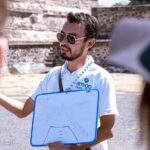
Then, around 4:00 pm, guides demonstrate the technical equipment you’ll have for the ascent. You’ll be shown how to use the gear that’s included—this is where you learn how everything connects: your pacing, your footing, and safe movement. A lot of beginners underestimate how much this matters, because it’s not just about having crampons. It’s about using them without panicking.
Dinner/food comes before an early night. The plan has you sleeping early so you can start your ascent at 12:00 at night (with guidance for what happens right before you go).
Learning the technical gear before the big push
From the included list, you’re getting the core tools for a safer ascent: crampons, a piolet, trekking poles, and a harness. You also get the gear organized in the provided kit (the information lists a case as well), and the guides walk you through use.
This is one of the most praised aspects of the experience, and it makes sense. When you’ve got traction gear, the whole climb changes. You go from “careful foot placement” to “purposeful steps,” but only if you understand what you’re doing.
If you’re brand new, you’ll likely feel better if you ask questions during the demonstration. Ask about stance, step timing, and how you should react if you feel unstable. The calmer you are before the night start, the smoother your climb day tends to feel.

The midnight ascent: what the 14-hour day really means
The schedule sets you up for a late-night moment. Around 11:00 pm, you “raise and snack” for the ascent, and then you start the climb at 12:00 am.
The hiking time is listed as approximately 14 hours between rise and fall. That’s long, and it’s long in a specific way: cold air, fatigue management, and consistent movement for hours. Even strong hikers feel this. So pace is everything.
Expect the climb to be both technical and mental. Your hands and feet work differently with crampons and a piolet than with normal trail shoes. Your guides will help you keep form and stay safe, and the harness setup supports that.
A practical tip: bring something warm enough for your nighttime period. The information says extra clothes/accessories aren’t included, and it’s smart to plan for cold conditions while you wait and climb in the dark.
Camp rest and traditional quesadillas after the hardest hours
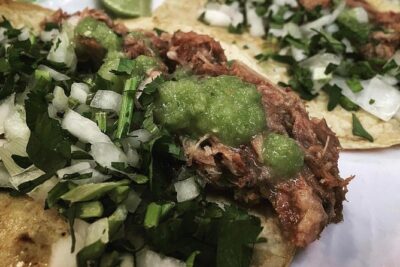
By 3:00 pm, you’re back at the camp to rest a bit and eat. The plan specifically calls out traditional quesadillas of the Iztaccíhuatl. It’s a small detail, but it’s a good one: after hours of effort, you need comfort food that’s satisfying and easy to eat.
Then you head back toward Mexico City. The return schedule is around 5:00 pm, and the full experience ends around 8:00 pm back at the meeting point.
Times can vary due to external factors. The mountain always gets a say, so you should treat the schedule as guidance, not a guarantee. Still, the structure is tight enough that you’ll know what’s expected at each stage.
What’s included (and what you should plan to bring yourself)
Here’s what you can count on being included:
- Lunch and dinner
- Technical ascent equipment: crampons, piolet, trekking poles, harness (plus the included gear organization)
- Camping setup: tent house, sleeping bag, and the under sleeping layer
- Traveler and accident insurance
- Hydration
- Guide
And what’s not included:
- Extra clothes and accessories you need
- WiFi on board
- Airport/departure tax
That “extra clothes and accessories” line is important. Since you start in the night and sleep at camp, you’ll want proper cold-weather layers, plus comfort items that keep you functioning. If you don’t have mountain gloves, a warm hat, or reliable cold gear, you’ll want to sort that before you go.
Also, no onboard WiFi is listed, so download anything you might want offline. On a two-day climb, you won’t feel like living on your phone anyway—but it helps for peace of mind.
Guides and safety: the calm professionalism you feel during the climb
From the experience feedback, the guides are the reason this trip works for beginners. People point directly to professionalism, attention to safety, and a genuinely caring approach—especially when the climb is new or intimidating.
Names you may hear include Joshua, Dalia, and Javier. You can take that as a sign the team isn’t just “show up and hope.” You should expect clear explanations, careful route handling, and guides who actively watch everyone’s pace and safety.
One thing I also like: the tour includes the technical training moment before the night ascent. That’s not an extra—it’s part of what keeps fear from turning into mistakes. When you learn the equipment and the route expectations ahead of time, the climb feels less like guessing.
That said, safety still starts with you. The information asks for strong physical fitness, and you’ll feel that on a 14-hour day. If you’re close to your limit before you even start, tell your guide. Better to calibrate early than push too far.
Value check: why this feels like more than transport and a summit goal
When I look at value, I’m not just counting the hours. I’m looking at what you don’t have to figure out yourself.
This tour covers the big expensive headaches:
- Private transportation
- Guides
- Technical gear (crampons, piolet, harness, trekking poles)
- Camping gear
- Insurance
- Meals
- Park admission ticket
If you tried to DIY this, you’d spend time and money on gear rental, guide coordination, and trip planning—plus you’d carry more risk if something goes wrong. Here, the setup is handled, and you get coached on using the gear before the climb starts.
You also have group discounts listed, and since the tour is private, that can matter if you’re booking with friends or family and want better overall pricing per person.
Weather reality and timing: plan like the mountain is in charge
The experience requires good weather. That means you should be mentally flexible. If weather cancels the trip, you’ll be offered a different date or a full refund.
Also, the itinerary notes that times may vary due to external factors. On mountain trips, this is normal. What you can control is your preparation: get enough rest the night before, pack what you need for cold, and show up ready.
If you’re the kind of traveler who hates uncertainty, this might feel like a test. But if you like real adventure—where the mountain drives decisions—this kind of structure tends to be satisfying.
Who should book this private Iztaccíhuatl climb (and who might skip it)
Book this if:
- You want a guided, safer-feeling introduction to a technical mountain experience
- You’re okay with a long day and want a full two-day plan, including camping
- You like having meals, equipment, and logistics handled so you can focus on hiking
Maybe skip or choose a gentler option if:
- You’re not yet ready for a 14-hour ascent day
- You get stressed by cold, night starts, and long time-on-feet days
- You’re looking for a short, relaxed hike with minimal effort
If your fitness is solid and you’re ready for a serious summit day, this trip fits well. People also highlight how the guides make a novice feel supported without cutting corners.
FAQ
FAQ
Where does this Iztaccíhuatl excursion start and end?
It starts at Juárez Intl Airport in Mexico City, with pickup details tied to the same meeting point. The experience ends back at the same meeting point.
What time do we meet?
The meeting time is listed as 7:30 am.
Is the pickup included?
Yes. Pickup is offered, and you can choose the location that suits you best.
Is this a private tour?
Yes. It’s described as a private tour/activity, and only your group participates.
What language is the experience offered in?
The experience is offered in English.
How long is the trip?
It runs for about 2 days, with the itinerary spread across day 1 and day 2.
What gear and camping items are included?
Technical gear for the ascent is included (case, piolet, crampons, trekking poles, harness). Camping items are also included (tent house, sleeping bag, and under sleeping). Hydration and a guide are included too.
What meals are included?
Lunch and dinner are included, and the schedule includes food on day 1 and a rest-and-eat moment with quesadillas after the ascent on day 2.
Is WiFi provided during the experience?
No. WiFi on board is listed as not included.
What happens if weather is poor?
The experience requires good weather. If it’s canceled due to poor weather, you’ll be offered a different date or a full refund.
What is the cancellation refund timeline?
You can cancel up to 6 days in advance for a full refund. Cancel 2–6 days ahead for a 50% refund, and if you cancel less than 2 days before the experience, the amount paid is not refunded.