REVIEW · MEXICO CITY
Teotihuacan without obligatory stops. No shops or restaurants.
Book on Viator →Operated by Rehi Experiencias · Bookable on Viator
Teotihuacan can feel like a checklist, but this tour keeps it human and focused. You get direct time in the archaeological zone—no stop-and-browse detours, no forced shop breaks—and you’re guided through the key monuments like the Causeway of the Dead and the Temple of Quetzalcoatl. I also like that the tour is built for efficient touring: transport from Mexico City, entrance covered, and a guide who talks in a way that helps the site make sense fast.
Still, you should know one thing up front: the visit is timed, and if your guide’s pacing is heavier at the start, you may feel like there’s less breathing room at the end. Also, there’s a lot of walking, so it pays to show up with water, sun protection, and shoes you can move in.
In This Review
- Key Things I’d Want You to Notice Before You Go
- Teotihuacan Without the Usual Detours
- Getting There From Mexico City: Comfort and Practical Timing
- Causeway of the Dead and the Big Pyramids: Where the Time Goes
- The Temple of Quetzalcoatl: The Part Many People Want More Time For
- Museum Stop Advantage: Learning Without Losing the Day
- Guide Impact: You’ll Notice the Difference in Names Like Laura, Rodolfo, and Fabio
- What to Bring So You Don’t Spend Your Energy on Discomfort
- Food and Drinks: Plan Ahead, Keep It Simple
- Price and Value: What $56 Buys You Here
- Group Size, Staying With the Plan, and Why It Matters
- Potential Snags: When Timing or Closures Change Your Expectations
- Should You Book This Teotihuacan Tour?
- FAQ
- What is included in the tour?
- Is food included?
- How long is the tour?
- Is the tour offered in English?
- Do I need to buy my own ticket?
- Is this a group tour or private?
- How far in advance is it typically booked?
- Will I have to stop at shops or restaurants?
- Is there free cancellation?
- What happens if weather is bad?
Key Things I’d Want You to Notice Before You Go
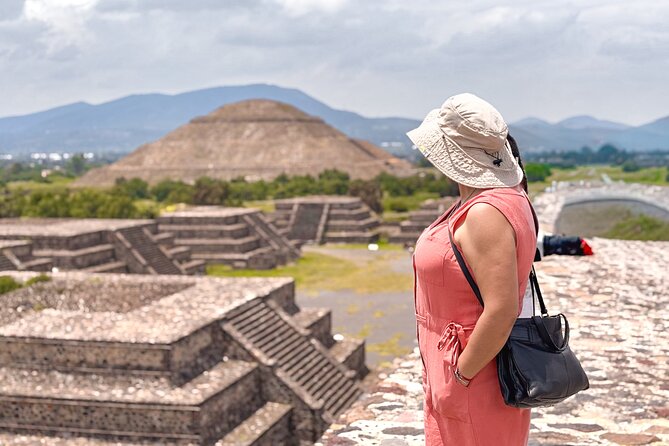
- No obligatory shops or restaurants means your hours are spent where they matter: in Teotihuacan.
- Entry ticket included so you’re not juggling payment lines while you want to get inside.
- English guide + certified guide support the history as you move through the zone.
- Small-group limit (max 50) keeps the tour from feeling like a moving crowd.
- Time on-site is the real product (roughly 2.5–3 hours inside), so the schedule matters.
Teotihuacan Without the Usual Detours
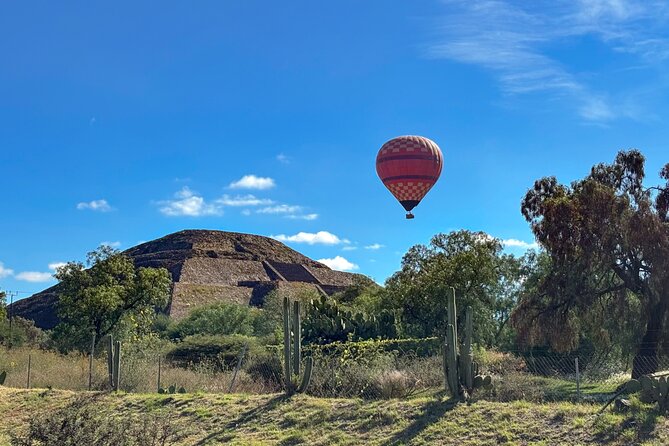
Teotihuacan is one of those places where you either get swept up by the scale, or you miss it because you’re stuck waiting, wandering into souvenir stops, or getting herded on a rigid route with too many interruptions. This tour is designed to avoid that. The promise is simple: you go to the archaeological area and you stay there.
That focus changes the feel of the day. Instead of “tour + shopping,” it becomes “tour + monuments.” You’re not trying to squeeze in the good parts between other obligations. And because the tour is explicitly set up for the archaeological zone, the guide can spend your time pointing out what to look for: how the Causeway of the Dead frames the pyramids, why the Temple of Quetzalcoatl matters, and how the plazas connect the story of Teotihuacan’s main ceremonial spaces.
You can also read our reviews of more shopping tours in Mexico City


Getting There From Mexico City: Comfort and Practical Timing
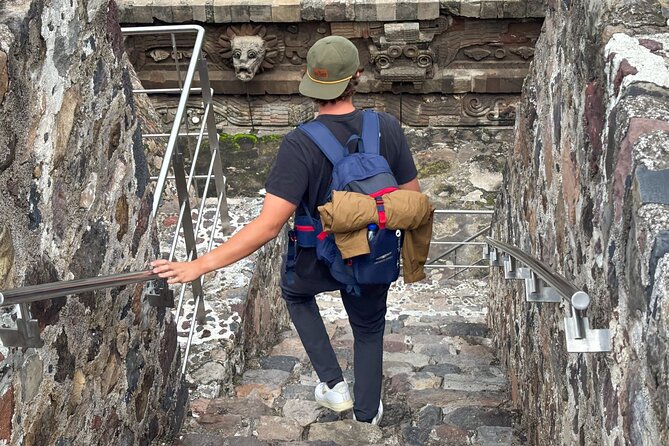
This is a day-trip-style outing from Mexico City with transportation included. The tour runs about 7 hours total (approx.), which covers getting out of the city, arriving early enough to start exploring, and returning.
Comfort matters here because the ride can be the difference between arriving fresh versus arriving tired. Many people highlight smooth logistics and a comfortable vehicle experience. You’ll also get clear instructions before you go—one of the recurring plus points is that the communication is organized, with details sent ahead (WhatsApp is mentioned in multiple experiences). That reduces the stress of finding the right pickup.
Timing is the tricky part. The tour experience is built around a limited window inside the site, so the rhythm of the day is tight. On good days, you’ll arrive with enough time to get bearings before heat and crowds build. On less ideal days—or if your guide uses more time for introductions—you can feel like you’re moving faster than you’d like at the end. If your priority is slow wandering and extra photos at every stop, consider whether you’d be happier with a private guide instead of a group schedule.
Causeway of the Dead and the Big Pyramids: Where the Time Goes
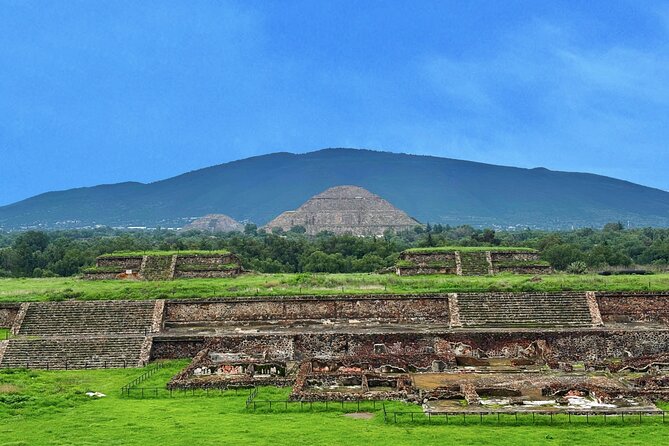
When you arrive, your first major experience is the Causeway of the Dead, one of the signature viewing corridors that makes Teotihuacan instantly legible. Stand there and you get the sense of alignment—how the pyramids relate to each other and how the ceremonial layout pulls your eyes forward.
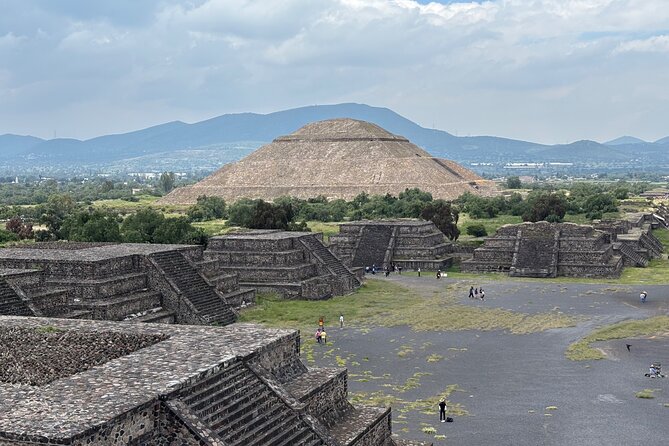
From the causeway, you’ll appreciate the Pyramid of the Sun and the Pyramid of the Moon. This matters because the pyramids are more than photo subjects; they’re the anchor points that help you understand the ceremonial planning of the city. A guide is especially helpful here, because it’s easy to look at massive stone and feel like you’re just seeing shapes. With an expert in front of you, the site becomes readable—why certain structures are where they are, and what the spaces likely meant for people at the time.
You’ll also have time to walk at your own pace within the guided structure—taking pictures, moving between viewpoints, and soaking up the atmosphere. That balance is one of the best parts of a good group tour: you get direction, but you’re not locked into a fast line the whole time.
One practical note: the day involves lots of walking. Plan for steady movement and bring what you need to stay comfortable (more on that below).
The Temple of Quetzalcoatl: The Part Many People Want More Time For
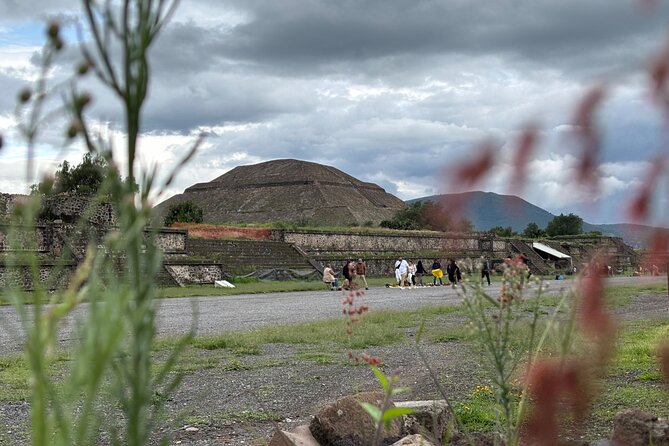
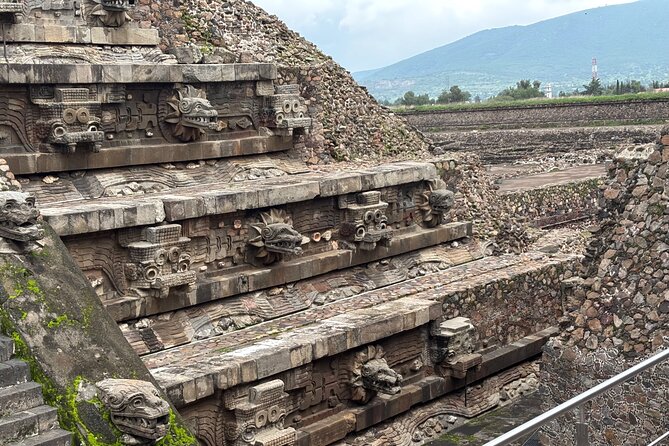
A big part of the pitch here is that you don’t just rush past the famous structures. The tour includes a visit to the Temple of Quetzalcoatl, plus time in the emblematic squares and structures around it.
This is where the tour can either feel satisfying—or feel like it’s too rushed. The Temple of Quetzalcoatl area is one of those zones where people often want to slow down, orient themselves, and notice details. If the earlier part of the tour runs long, the later part can shrink. One common complaint tied to timing is that long introductions can compress the time available for the later stops, and then you miss the chance to linger around the Citadel area and the feathered-serpent temple zone.
Still, when pacing works, this stop is a highlight because it turns Teotihuacan from “those two huge pyramids” into a fuller picture. You start to see the city as a designed space with multiple ceremonial functions, not a single viewpoint loop.
Museum Stop Advantage: Learning Without Losing the Day
One of the nice surprises of a no-shopping, archaeology-only plan is what it makes possible. With a schedule that avoids detours, you can sometimes fit additional learning time—like visiting a museum related to the site—during the same day.
That doesn’t mean you’ll definitely have extra time for every add-on. But the tour structure is the kind that leaves room to do something like that if you’re interested. If your goal is not only to see pyramids but to understand the context, this kind of plan makes a real difference.




Guide Impact: You’ll Notice the Difference in Names Like Laura, Rodolfo, and Fabio
In this kind of tour, the guide is the engine. You can have the right itinerary and still feel underwhelmed if the guide’s explanations don’t match the pace of the day—or if they talk too long before giving you time to explore.
The good news: multiple guides get named positively. People mention Laura for being friendly and making questions easy, and Rodolfo and Josefina for professional, clear communication. There’s also praise for guides like Jorge, David, Fabio, Alma, and Yair. Common threads in these positive experiences include clear explanations tied to what you’re actually seeing, an ability to keep things engaging without turning it into a lecture marathon, and a sense of safety and care in how the group moves.
There’s also one caution from real experience: if the first intro is too long for your style, you might feel rushed later. If you know you’ll get impatient with a slow start, pick a time of day when you’ll still have energy at the end, and go in with flexibility—your goal is the overall experience, not just one perfect moment.
What to Bring So You Don’t Spend Your Energy on Discomfort
This tour is straightforward in theme, but your body will do the work. Expect walking, sun exposure, and a day where you may have limited places to pause for comforts.
Here’s what I’d pack based on the practical tips that come up repeatedly:
- Comfortable closed-toe shoes (you’ll be on uneven ground)
- Sunscreen and a cap or hat
- Water and a few snacks, since food and drinks are not included
- Coins for bathrooms (this is specifically called out)
- A light layer if you’re sensitive to early morning cool weather
Also, if you’re the type who likes coffee stops, note that you may not have a planned one mid-tour. Some people manage to grab a drink at the end of the excursion, but you shouldn’t build your plan around it.
Food and Drinks: Plan Ahead, Keep It Simple
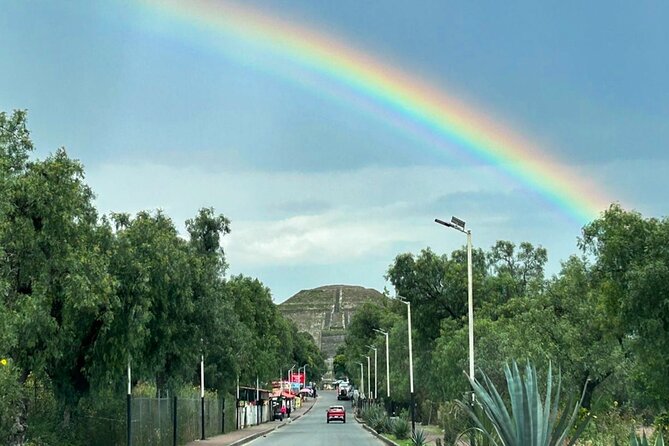
Food and drinks are not included. That’s not a downside by itself—many people prefer the freedom—but it means you need a basic plan.
If you’re going for a full morning or early afternoon rhythm, bring snacks you can eat without fuss. Think small and packable: things you can finish quickly while the group is moving. This is especially helpful because the tour structure is designed to keep you in the archaeological area rather than breaking for restaurant time.
You’ll also be happier if you avoid relying on finding a meal at the last minute. Bring something you know you’ll actually like, and you’ll keep your energy for the long walk.
Price and Value: What $56 Buys You Here
At $56 per person, this tour is priced like a budget-friendly way to do the day right. What makes it feel like real value is not just the low number—it’s what’s bundled.
You’re getting:
- transportation from Mexico City
- a certified tour guide
- admission ticket included (so you’re not paying entry separately)
In other words, you’re paying for a “guided logistics package” that takes care of the parts that usually cost time and hassle. And since the day is designed to avoid shops and restaurants detours, your money is more likely to translate into time in the actual site rather than time spent on extra stops.
The main tradeoff is that it’s still a group schedule, and you’ll likely spend a concentrated amount of time at the highlights rather than treating the visit like an all-day wandering free-for-all. For most people visiting Teotihuacan from Mexico City for the first time, that tradeoff is worth it.
Group Size, Staying With the Plan, and Why It Matters
This is capped at 50 travelers. In practice, you may be in a smaller slice of that group depending on the day, but it’s not a tiny private setup.
That matters for two reasons:
- The timing is coordinated around everyone being together.
- Your experience depends on staying with the group and the guide.
One negative experience highlights a key point: if you separate and wander on your own, you can disrupt the guide’s flow and may miss planned segments. I’d treat this as advice for your own experience: follow the meeting points and re-group instructions, especially during transitions between monuments.
If you want total freedom—like lingering for an hour where your curiosity pulls you—this may feel too structured. If you want a strong overview with a guide and enough flexibility for photos and walking, it’s a good fit.
Potential Snags: When Timing or Closures Change Your Expectations
Even with a good plan, Teotihuacan has realities you can’t fully control: the day’s conditions, crowd levels, and on-site access rules can affect what’s possible.
One real example mentioned that a pyramid climb they expected was closed, which changes how you feel about the final “big moment.” That’s not something a tour operator can always fix. The best you can do is go in knowing that the official access and climb options can vary day to day.
Also, if you arrive expecting a long unhurried experience at each monument, you might feel constrained by the schedule. The safest mindset is: this is a well-timed highlights-focused visit. You’ll still come away with a strong understanding of the main structures and ceremonial spaces, but you should expect the guide to keep things moving.
Should You Book This Teotihuacan Tour?
Book it if you want:
- A direct visit to Teotihuacan focused on the archaeology zone
- Entry included and transportation handled
- A group day with a guide who explains what you’re seeing, with names like Laura, Rodolfo, Josefina, Jorge, Fabio, David, Alma, and Yair showing up in positive experiences
- A reasonable balance of guided time and room for photos and pacing
Consider another option if:
- You’re the type who wants to spend a very long time at just one monument
- You’re extremely sensitive to introductions that run long at the start
- You’re planning around a very specific climb or exact moment and would be disappointed if access rules change that day
If your goal is a smart first visit to Teotihuacan—without the typical shopping drag—this one is built for that.
FAQ
What is included in the tour?
Transportation from Mexico City, transport, a certified tour guide, and the admission ticket are included.
Is food included?
No. Food and drinks are not included.
How long is the tour?
The duration is about 7 hours (approx.), with around 3 hours spent at the archaeological area.
Is the tour offered in English?
Yes, it’s offered in English.
Do I need to buy my own ticket?
No. The admission ticket is included.
Is this a group tour or private?
This is a group tour with a maximum of 50 travelers.
How far in advance is it typically booked?
On average, it’s booked about 12 days in advance.
Will I have to stop at shops or restaurants?
No obligatory stops are part of the experience, and the focus is on the archaeological zone.
Is there free cancellation?
Yes. You can cancel up to 24 hours in advance for a full refund.
What happens if weather is bad?
If it’s canceled due to poor weather, you’ll be offered a different date or a full refund.