REVIEW · MEXICO CITY
Enjoy the Folkloric Ballet at the Palacio de Bellas Artes
Book on GetYourGuide →Operated by Circuitos por Mexico · Bookable on GetYourGuide
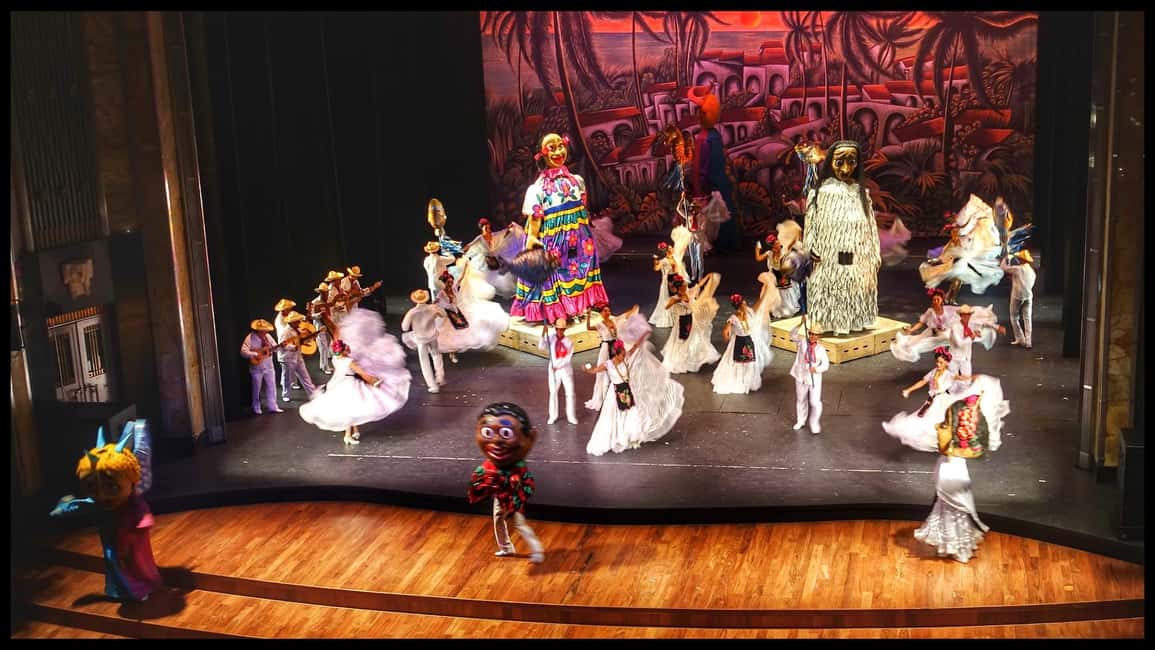
Folklore hits the stage fast. At Palacio de Bellas Artes, Amalia Hernández’s Ballet Folklórico de México turns Mexican tradition into a one-hour show with live music and standout regional dances like Papantla flyers, Jarabe Tapatío, and an Oaxaca feather dance. I especially love the live orchestra and the way the choreography moves through different Mexican regions without feeling like a lecture. The main drawback to factor in is value: at this price, seating can feel tight or not perfectly matched to what you expected, and the show setting has changed for some dates.
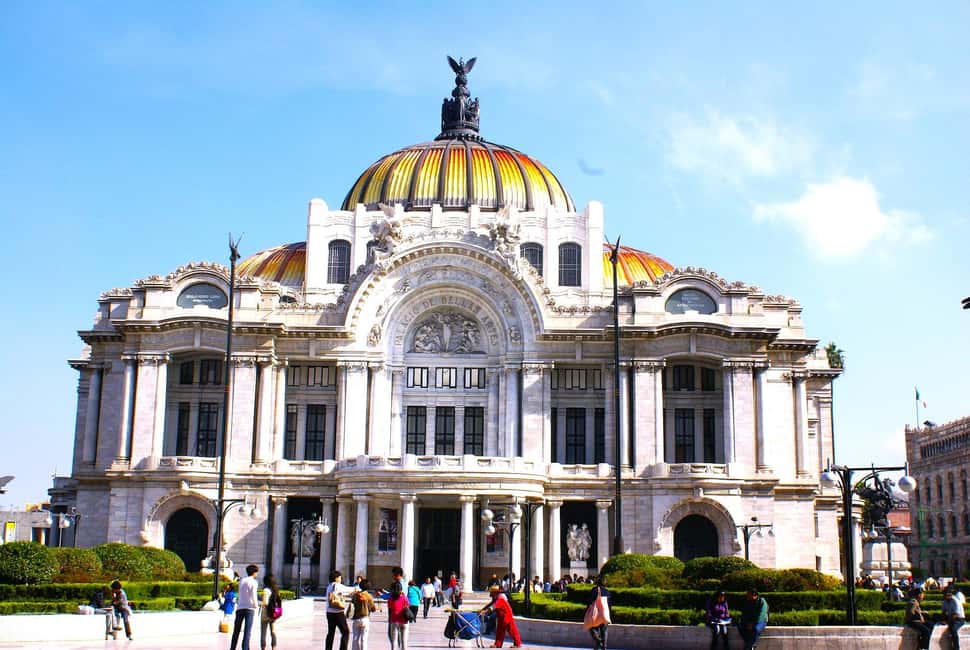
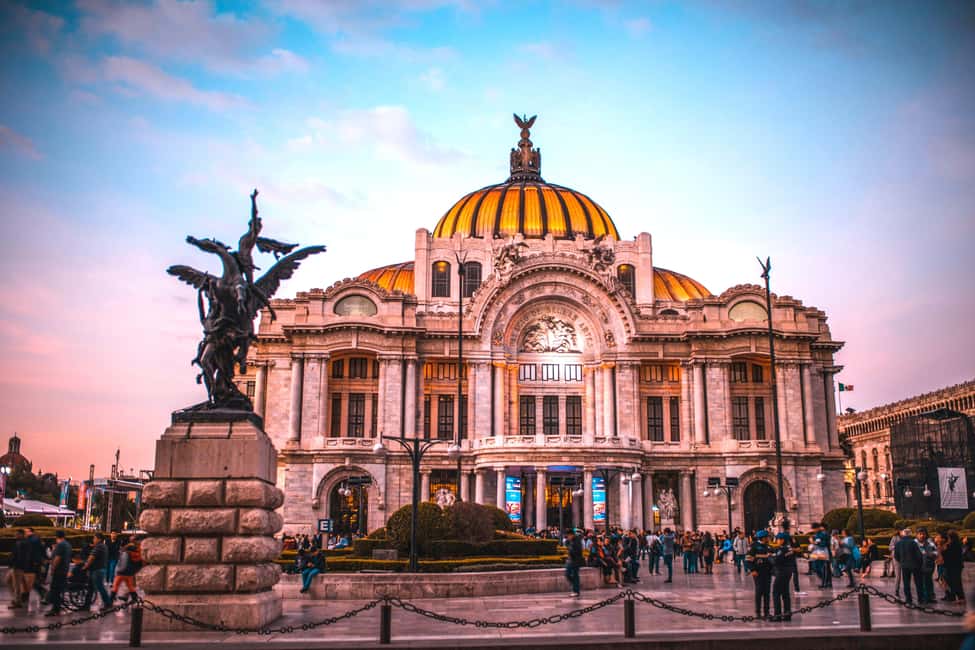
You also get the bonus of watching this performance inside one of Mexico City’s most dramatic art stops, with the palace’s marble dome and murals by Diego Rivera and David Siqueiros hovering over the night. Just plan ahead: arrive early, wear comfortable shoes, and skip flash photos since they’re not allowed during the performance.
In This Review
- Key highlights you’ll actually care about
- A 70-Year Ballet at the Palacio de Bellas Artes
- What’s On Stage: Regional Dances and Mexican Legends
- Live Music and the 100-Dancer Scale
- Timing, Pickup, Seating, and Getting Good Views
- Palacio de Bellas Artes: Why This Setting Changes the Show
- What to Bring and What to Skip
- Price and Value: When $227 Makes Sense
- Who This Fits Best (and Who Might Not Love It)
- Should You Book This Folklórico Ballet?
- FAQ
- How long is the Ballet Folklórico de México performance?
- Where does the show take place?
- Is hotel pickup included?
- What languages are provided by the driver?
- Is flash photography allowed?
- What should I bring to the show?
- Is the experience wheelchair accessible?
Key highlights you’ll actually care about
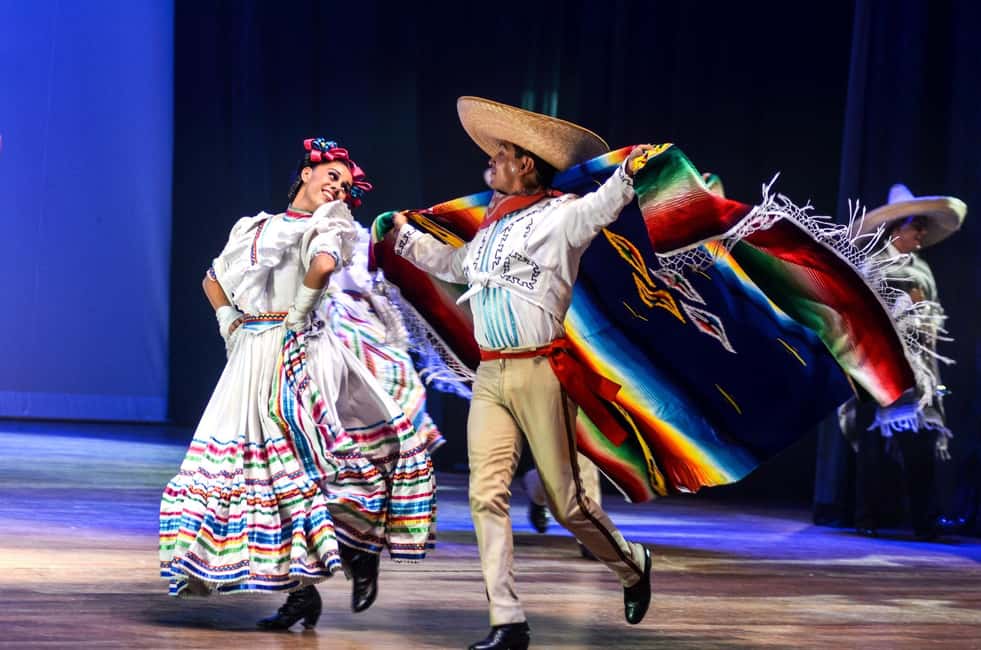
- 70+ years of Amalia Hernández folkloric dance: this is the long-running, classic version of the show.
- Live traditional orchestra with the dancers so the rhythms drive the choreography in real time.
- Regional Mexico on one stage including Papantla, Jalisco, Oaxaca, and more.
- Palacio de Bellas Artes atmosphere with its iconic dome, plus major murals in the building.
- Easy, short outing: about 1 hour, with hotel-area pickup included in select neighborhoods.
A 70-Year Ballet at the Palacio de Bellas Artes
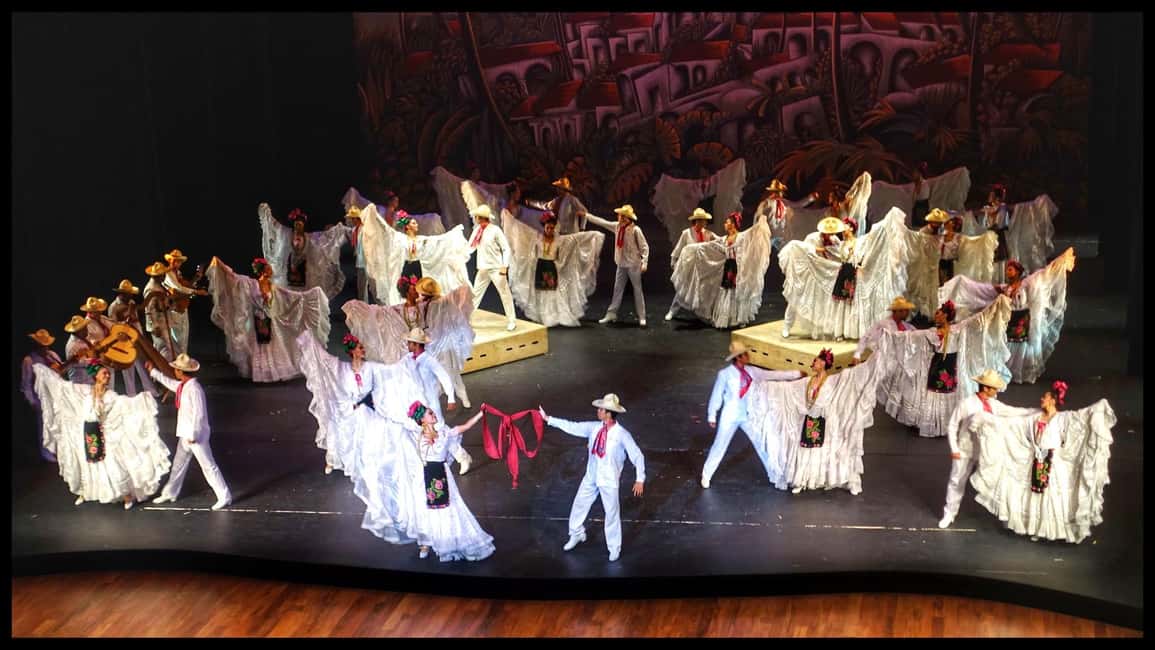
This show is built around one simple idea: Mexican culture told through movement, music, and costume. The Ballet Folklórico de México by Amalia Hernández has been running for more than 70 consecutive years, and it’s staged in Mexico City at the Palacio de Bellas Artes, a UNESCO World Heritage site tied to the city’s arts scene.
I like this format because it’s not asking you to study history for hours. In one hour, you’re seeing pre-Hispanic echoes, indigenous themes, and popular festivities represented through dance stories rather than subtitles or explanations. If you want a concentrated taste of Mexico’s variety—without committing your whole evening—that’s the sweet spot.
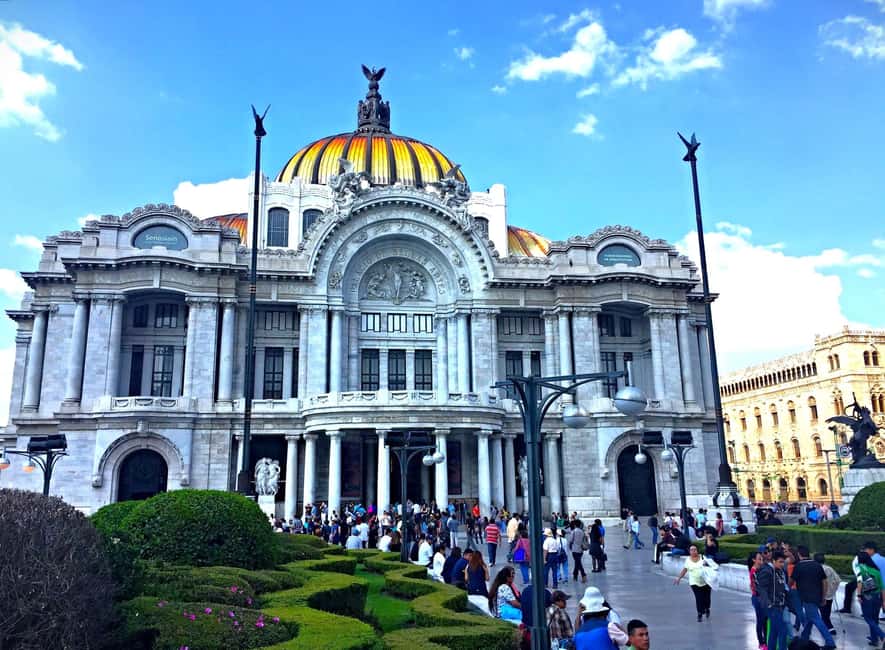
The theater setting also matters. The Palacio de Bellas Artes mixes Art Nouveau and Art Deco design, and the imposing marble dome gives you that “big event” feeling the moment you step inside. And when murals by Diego Rivera and David Siqueiros are part of the backdrop, the performance stops feeling like background entertainment and starts feeling like cultural theater in the real sense.
One practical note: for some dates, the venue can differ from what you expect, so it’s smart to confirm your exact location close to showtime. Some people have reported December–January performances happening at Castillo de Chapultepec instead of the palace—so don’t assume your ticket always means the same room.
You can also read our reviews of more tours and experiences in Mexico City.



What’s On Stage: Regional Dances and Mexican Legends
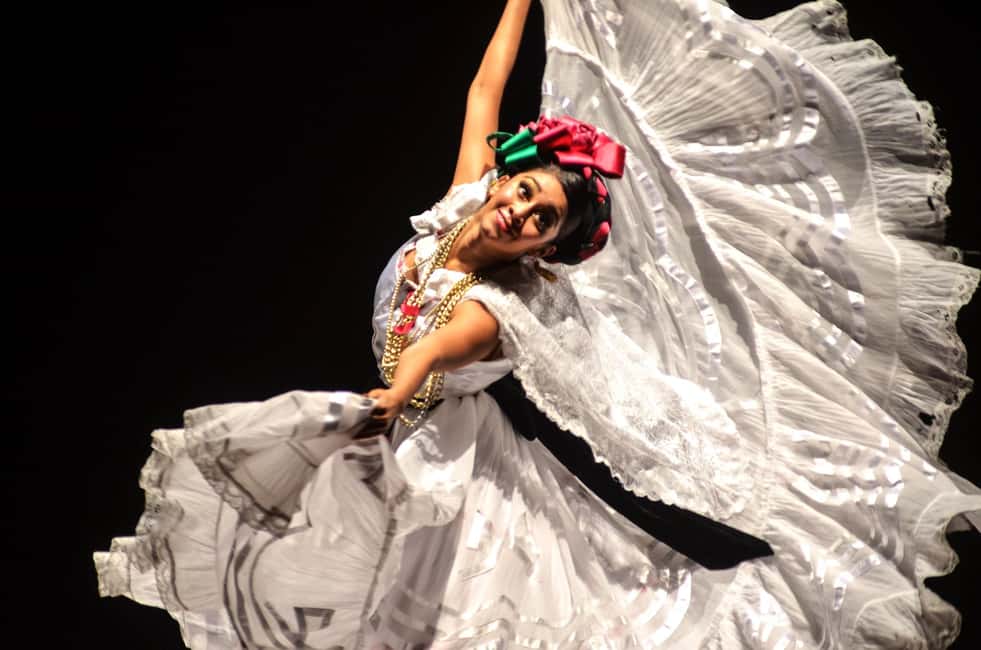
The heart of the Ballet Folklórico de México is variety. You’ll see folkloric dances representing different parts of Mexico, each tied to a specific tradition or story. The show is designed so the costumes and choreography do the “plotting,” whether the theme is linked to indigenous peoples, pre-Hispanic civilizations, popular celebrations, or a region’s signature dance style.
You can expect standout set pieces that many visitors recognize by name. Examples given include the Dance of the Flyers of Papantla, the Jarabe Tapatío from Jalisco, and the Dance of the Feather with origins in Oaxaca. The overall idea is that you’re not just watching styles—you’re watching how different communities express identity through rhythm, steps, and costume details.
What I find useful as a traveler is thinking of the show as a map of regional impressions. Instead of trying to “memorize” dances, you can track what each region’s movement language feels like: where the energy stays tight and percussive, where it opens up into storytelling gestures, and where footwork becomes the main character. After the performance, you’ll likely remember specific dances more than you remember the order they appeared in, and that’s okay—that’s how dance works.
Because the show includes more than 100 dancers on stage, it also avoids the “small group” effect. You’re seeing group patterns, lines, and formations that make the transitions between regions feel dramatic rather than random. For a one-hour show, that scale makes a difference.
Live Music and the 100-Dancer Scale
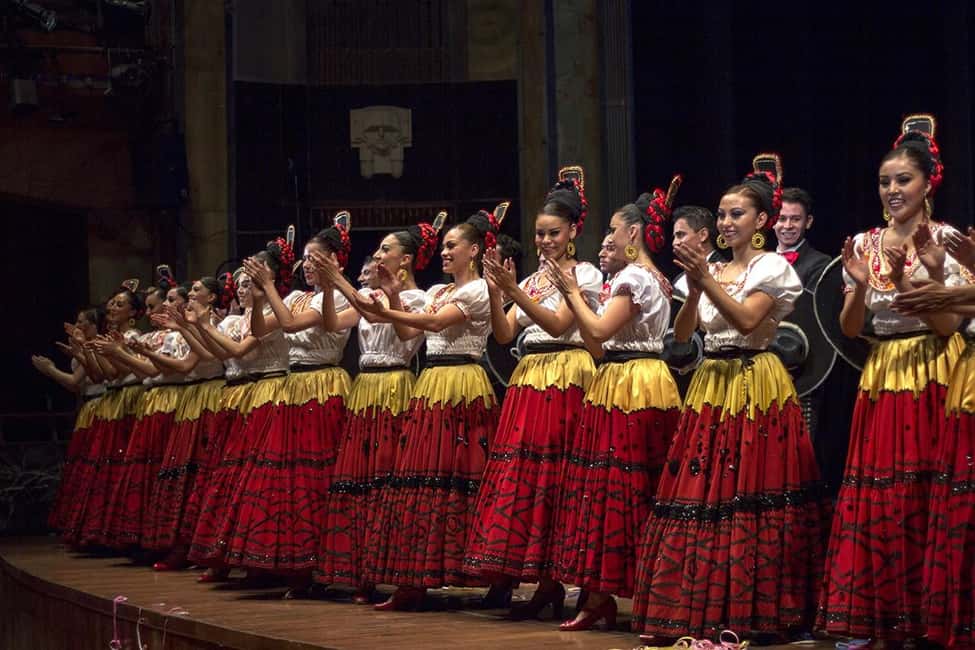
This performance doesn’t rely on prerecorded tracks. The choreography is accompanied by live music performed by a traditional orchestra, and that matters more than you’d think. When the band is playing live, the rhythms can stretch, tighten, and land right with the dancers’ accents—so the whole thing feels timed to the same heartbeat.
I also like that the show has a clear aesthetic direction through Amalia Hernández’s vision. The dances and costumes are arranged to tell stories, not just show off techniques. That means you’ll see costume choices that help communicate themes—especially when dancers transition between regions or move into legend-like sequences.
With more than 100 dancers, the staging can feel like theater spectacle without turning into circus. You get the disciplined look of folk dance traditions, but with enough scale that the stage fills quickly. If you’re coming from other cultural events where you worry the show might feel short on energy, this one is set up to keep momentum through constant movement and new group formations.
There’s another practical benefit: live music and nonstop choreography reduce the chance you’ll get bored in the middle. If you’re the type who worries that a one-hour cultural show might drag, this is the kind of hour that usually doesn’t.
Timing, Pickup, Seating, and Getting Good Views
Plan your arrival like it’s a theater evening, not a casual performance. You should get to the venue at least 30 minutes before the show starts, and the pickup guidance asks you to be ready 15 minutes before pickup time if you’re in the pickup zones (Polanco, Historic Center, Reforma, and Condesa). The driver is listed as Spanish and English.
This is also where you’ll want to manage expectations about seating. The experience description may suggest assigned seating, but some guests have reported first-come seating instead, and that can affect how close you end up. Another person even flagged that the show description didn’t match the tour details and that last-minute changes happened hours before the event.
So here’s my practical advice: arrive early enough that you’re not stuck waiting at the doorway, and don’t bank on a perfect view unless the operator confirms seating right before you go. If the show is important to you, treat your seat like a “best possible” assignment, not a guarantee.
Also pay attention to the rules once you’re inside. Flash photography is not allowed during the performance, and you should be ready to comply without fuss. If you’re bringing a camera, keep it set up for low-light or quick shots before the show begins.
Palacio de Bellas Artes: Why This Setting Changes the Show
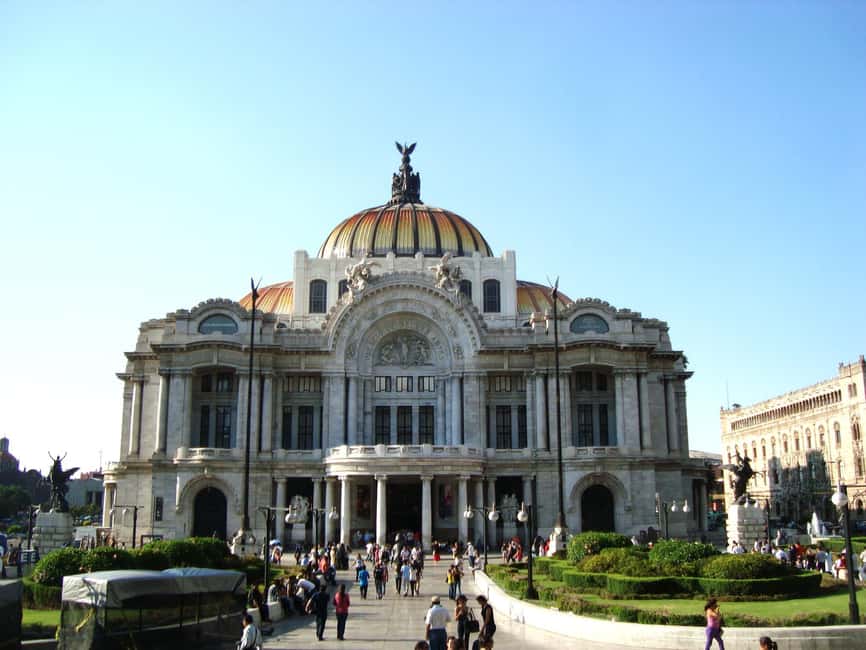
You’re not watching dance in a generic room. You’re watching it in a building that looks like it belongs to Mexico’s cultural imagination. The Palacio de Bellas Artes is known for its marble dome, and its mix of Art Nouveau and Art Deco elements gives the space a dramatic visual rhythm—straight lines and curves, light and shadow, grandeur and detail.
That architecture does something subtle to your experience. When dancers enter and the stage lighting hits those stone forms, the whole night feels like part performance, part cultural landmark visit. It’s one reason the show works well even if you’re not a dance expert. The building helps you “read” the event as major and intentional.
It also helps that major Mexican artists are connected to the space through murals, including works by Diego Rivera and David Siqueiros. You’re sitting in the middle of a cultural statement, and the ballet becomes another layer of storytelling layered on top of the visual art.
And if you’re building a Mexico City itinerary around classic venues, this can serve as a kind of anchor. Instead of adding a show as a filler, you’re pairing it with one of the city’s most recognizable art spaces.


What to Bring and What to Skip
Keep the night easy on yourself. Comfortable shoes are a must because you’ll be standing around before the show. Bring your camera if you want photos, but remember flash is not allowed during the performance.
Bring water too. The description doesn’t list drinks as included, so having water helps you avoid the “late-night scramble” once you’re seated. The show is about one hour, but that doesn’t mean you won’t get warm in a theater crowd.
What to skip is also simple: flash photography is prohibited, and there are rules about not bringing weapons or sharp objects. Fireworks and explosive substances are, of course, not allowed. If you’re traveling with bags, double-check you’re not carrying anything that could slow down entry.
Wheelchair access is listed as not suitable for wheelchair users, so if mobility is a factor, you’ll need to plan a different option.
Price and Value: When $227 Makes Sense
Let’s talk money without hand-waving. The listed price is $227 per person for a one-hour performance, and that price includes more than just entry.
From the provided details, your ticket value includes access to the Palacio de Bellas Artes, live music, and the folkloric dance showcase itself. It also includes transportation from your hotel, but only in specific areas: Polanco, Historic Center, Reforma, and Condesa. A driver (Spanish and English) meets you in the lobby, and you’re guided for pickup timing.
So the $227 is paying for:
- a major performance (more than 100 dancers, live orchestra)
- a top-tier venue experience (Palacio de Bellas Artes)
- convenience (hotel-area pickup)
That said, value is personal. One guest directly called it overpriced and said seats could be better for the cost. Another mentioned that seating expectations didn’t match what they were told, ending up marginal.
Here’s how I’d make the call: if you care most about the spectacle and live music, you’re likely to feel the price makes sense because the show is built for scale. If you’re sensitive to seat quality, you should try to confirm what “best available” really means for your date and how seating works in practice.
Also remember: no meals or drinks are included. That means your total night cost can creep up if you plan to buy food nearby. A water bottle helps you keep spending under control.
Who This Fits Best (and Who Might Not Love It)
This experience is a strong fit if you want a single evening that feels like a real cultural snapshot. You don’t need to understand Spanish or dance terminology to enjoy the choreography because costume changes and regional styles do most of the storytelling for you.
It’s also ideal if you like classic Mexico City art settings. You’re pairing a world-famous cultural building with a long-running show tied to Amalia Hernández’s artistic direction.
Go into it with the right expectations if you:
- want a compact outing around one hour
- value live music and traditional orchestra performance
- prefer pickup convenience instead of figuring out transit late at night
It might be a tougher fit if:
- you’re relying on wheelchair access (not suitable for wheelchair users as stated)
- you’re very picky about seat location and don’t want any uncertainty
- you need guaranteed assigned seating with zero last-minute changes (some past experiences have flagged late venue or seating mismatches)
Should You Book This Folklórico Ballet?
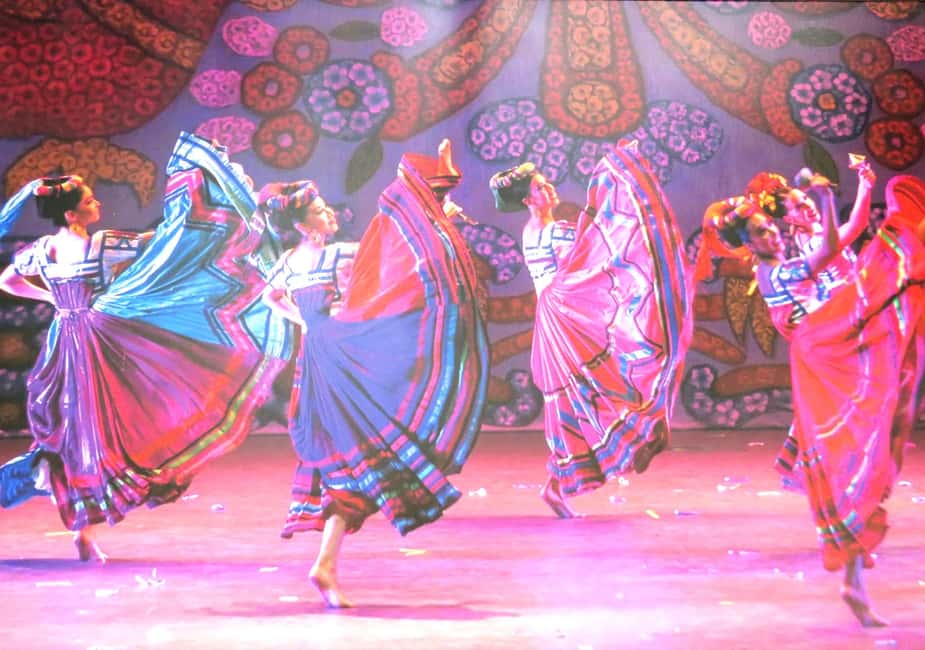
If you want one evening in Mexico City that feels unmistakably Mexican—music, dance, costumes, and legends in one place—I think it’s a solid booking. The main reasons are simple: live traditional music, the scale of 100+ dancers, and the chance to experience the show inside the Palacio de Bellas Artes, with murals by Rivera and Siqueiros in the same world as the performance.
Book it if you’re flexible about your exact seat outcome and you’re willing to arrive early. Before you go, I’d also confirm your pickup details and show location for your date, because venue changes and seating surprises have happened for some people.
Skip (or consider alternatives) if you need wheelchair-friendly access or if the price has to buy you a guaranteed, premium view with no uncertainty.
FAQ
How long is the Ballet Folklórico de México performance?
The duration is listed as 1 hour.
Where does the show take place?
It’s described as being at the Palacio de Bellas Artes in Mexico City. Be aware that for some dates it may be staged at a different venue.
Is hotel pickup included?
Yes, transportation from your hotel is included for pickup areas in Polanco, Historic Center, Reforma, and Condesa.
What languages are provided by the driver?
The driver is listed as Spanish and English.
Is flash photography allowed?
No. Flash photography is not allowed during the performance.
What should I bring to the show?
Comfortable shoes, a camera, and water are recommended.
Is the experience wheelchair accessible?
No. It is listed as not suitable for wheelchair users.