REVIEW · MEXICO CITY
Monarch Butterfly Reserve: Piedra Herrada Magical Valle de Bravo
Book on Viator →Operated by Vibe Adventures · Bookable on Viator
Monarch butterflies turn a road trip into a mission. This day outing pairs a real Monarch Butterfly Sanctuary visit in Sierra Chincua with Valle de Bravo’s waterfall and old-town wandering, timed for November–March migration season. I like that the plan builds in breathing room with guide-led stops and snacks, not just a rush to the next photo.
My favorite part is the front-row feeling you get at Piedra Herrada—when the weather cooperates, you can see monarchs where they overwinter. I also love how the day mixes nature with a town that actually has texture: cobbled streets, markets, and a cultural stop in Valle de Bravo. The main drawback to know up front is the hike at high altitude: reaching the sanctuary typically involves 1–2 hours of uphill walking, and cold or rain can reduce butterfly activity.
In This Review
- Key things to know before you go
- Monarchs at Piedra Herrada: Why this sanctuary visit feels different
- The 7:00 am start from Mexico City (and why it works)
- Sierra Chincua to the sanctuary: the hike reality check
- Stop at Piedra Herrada: what the sanctuary visit actually feels like
- Valle de Bravo transfer: switching gears without losing the day
- Velo de la Novia Waterfall: nature that’s easier on the legs
- Historic Valle de Bravo center: food, squares, and old stone streets
- Guides and drivers: the difference between seeing and understanding
- Price and value: does $195 really cover a whole day?
- Who this trip fits best (and who should skip it)
- Should you book Monarch Butterfly Reserve: Piedra Herrada Magical Valle de Bravo?
- FAQ
- What time does the tour start and where do I meet?
- How long is the trip?
- How much does it cost?
- What season are the monarch butterflies usually available?
- What should I do about weather and butterfly sightings?
- How hard is the hike to the sanctuary?
- Is there any option if I don’t want to hike the whole way?
- What language is the tour offered in?
- What’s included and what’s not?
- Is hotel pickup included?
- Can I cancel for a full refund?
Key things to know before you go
- Season timing is everything: November–March is the monarch season, with the peak often between December and February.
- Weather controls the show: cold or rain can make monarchs less active, so sightings vary daily.
- Altitude is real: you’ll be walking and ascending from about 2,800 to 3,400 meters, with gains that can feel steep.
- You may need a plan for the hike: horses can be hired for the steeper parts, covering about half the journey for an extra cost.
- It’s a long day with long drives: expect roughly 3–3.5 hours each way from Mexico City.
Monarchs at Piedra Herrada: Why this sanctuary visit feels different
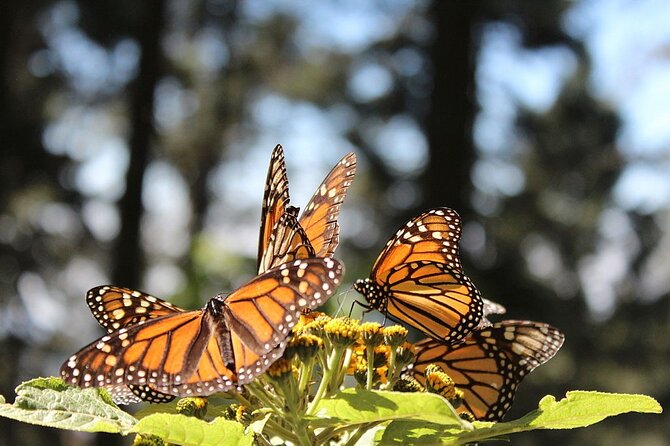
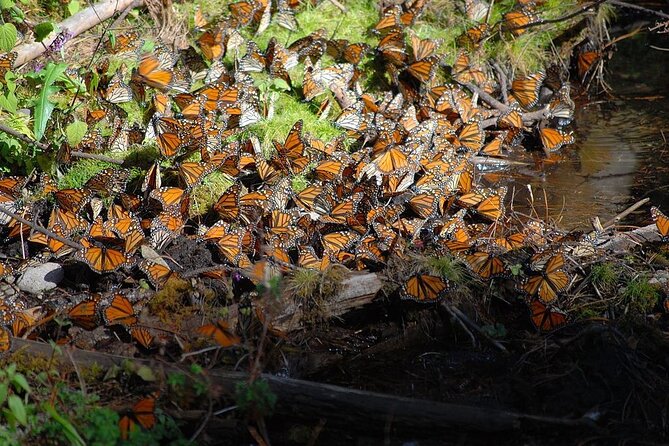
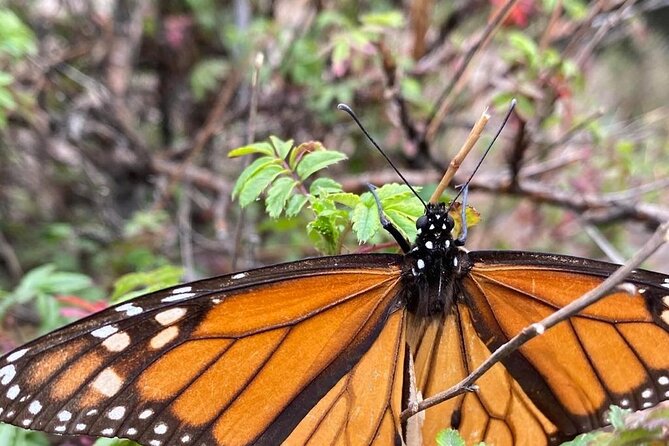
This is not just another “see butterflies” stop. Piedra Herrada is one of the official monarch sanctuaries, which means you’re going to the place set up for viewing the overwintering migration. From November through March, the monarchs cluster and rest in the trees, and your job is to get yourself to the right elevation and stay flexible about what the day gives you.
When the air is cold (as it often is at altitude) monarchs tend to hold their positions in the trees. That can make the experience feel close and steady rather than fleeting. When the day is warmer or unsettled, you may still enjoy the scenery and the sanctuary setting, but you should expect sightings to be less intense.
What I like here is that the visit is guide-led. You’re not wandering in silence, trying to figure out where to stand. A good guide helps you read the sanctuary—why certain areas feel more active, what to watch for in the migration behavior, and how to handle the uphill route without burning out early.
You can also read our reviews of more tours and experiences in Mexico City.
The 7:00 am start from Mexico City (and why it works)
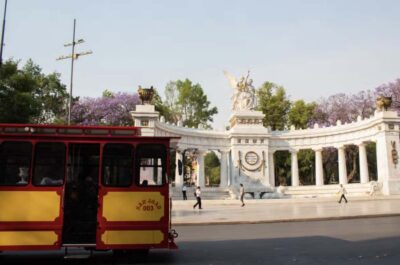
You meet at the Angel of Independence at 7:00 am. Then you’re off toward Sierra Chincua, with drive time around 3–3.5 hours depending on traffic. That early departure matters because you’re competing with daylight, weather, and the way butterfly activity can shift through the morning.
This is also a day where the guide fills time while you ride. You’ll learn about places you pass along the way, so the drive doesn’t feel like dead time. It’s a nice trick when you’re doing a long transfer because it keeps you mentally engaged instead of just counting minutes.
Do expect a stamina rhythm: you’ll be up early, on the road for a while, then hiking uphill at high elevation. If you’re the kind of traveler who needs a long breakfast recovery nap, you’ll want to plan for it—this trip doesn’t really slow down until later in Valle de Bravo.
Sierra Chincua to the sanctuary: the hike reality check
The sanctuary area sits high, and reaching it typically takes 1–2 hours of hiking depending on where the butterflies are that day and how your group moves. The trail ascends from roughly 2,800 to 3,400 meters (about 9,200–11,150 feet). Distances can range from about 1.2 to 3 kilometers, with elevation gains between about 220 and 800 meters.
That’s why the tour asks for moderate physical fitness. It’s not about running up a mountain, but it is about steady uphill walking, often with cold conditions. One of the clearest practical lessons from past experiences: the hike can be steep and sometimes slippery due to mud.
Here’s the helpful part: you’re not stuck deciding on your own mid-hike. There’s an option to hire horses locally for the steeper parts, but they only cover about half of the journey. If you want an option that keeps you closer to the best butterfly viewing time, that can be worth considering—especially if you’re worried about uneven footing.
If you’re going, pack like you’re going to be cold higher up. Even if Mexico City feels mild, the sanctuary approach can change fast. Comfortable shoes with decent grip matter more than you’d think until you’re walking on wet trail.
Stop at Piedra Herrada: what the sanctuary visit actually feels like
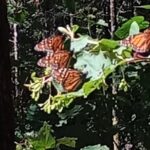
Once you reach Piedra Herrada, the experience becomes all about observation. Monarchs are visible in the trees when conditions align. In cold weather, they can be easier to spot because they tend to stay put, which turns the visit into a kind of slow, steady looking—turning your head up and around and realizing how much is happening in one small area.
The tour includes an entrance and guided visit to the sanctuary. That guided component is what helps most people get more out of the trip. You’ll understand what you’re seeing and how the sanctuary works through the season, not just where to point your camera.
A practical note: sightings are never guaranteed in the way a theme park ride is. The daily number and visibility of monarchs varies with weather. If it’s cloudy or rainy, you may still enjoy the sanctuary and the journey, but your “wow” factor may depend on the day’s conditions.
There’s time for optional lunch (around 45 minutes). Sometimes lunch timing becomes a real stress test on a trip like this—because you’re juggling cold, altitude, and hunger. Having snacks and non-alcoholic drinks included helps smooth out that gap.
Valle de Bravo transfer: switching gears without losing the day
After the sanctuary, you transfer to Valle de Bravo, with the schedule shifting by about an hour (the itinerary notes roughly -1 hour). The drive is long enough that the day can feel like it has two personalities: first, the mountain hike; then, the downshift into a lakeside town vibe.
This part is worth paying attention to because you’ll want energy for the next stops. When you arrive, your body will likely feel the altitude effects and the walking. A guide-led transfer makes it easier to recover—there’s no car rental puzzle, no route hunting, no “why is traffic doing this” stress.
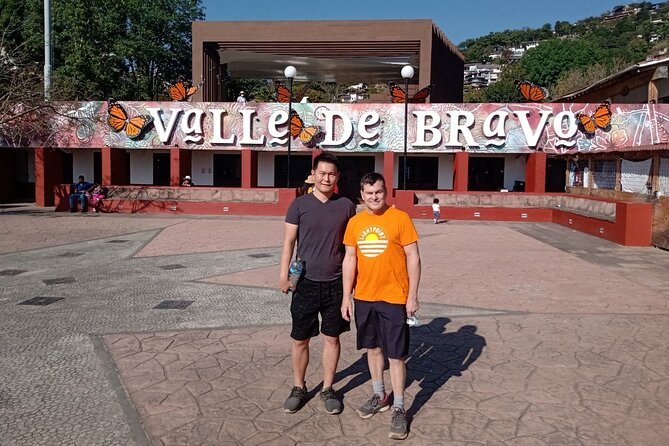
Also, the timing matters. Valle de Bravo is easier to enjoy when you’re not rushing. You’ll get time for a waterfall visit and then an afternoon in the historic center, so you’re not only doing one scenic stop and calling it a day.
Velo de la Novia Waterfall: nature that’s easier on the legs
In Valle de Bravo, you visit the Velo de la Novia Waterfall. The itinerary schedules about 2 hours for this portion, and admission is listed as free for that stop.
This isn’t the same type of exertion as the monarch sanctuary approach. It’s a good contrast: you get scenery and movement, but you’re not dealing with the same steep uphill grind at high altitude. It’s also a great place to reset after the hike because it gives you a different “focus point”—water, views, and the town’s atmosphere rather than trees and elevation.
If your knees feel sore, I’d treat the waterfall time as your chance to move slowly. You’ll still get the best experience from lingering and taking in viewpoints rather than trying to sprint from one photo angle to the next.
Historic Valle de Bravo center: food, squares, and old stone streets
Next comes the old-town wandering. You’ll stroll the historic center and aim for local food, with time set aside to explore Independence Square and the Joaquin Arcadio Pagasa Cultural Center. There’s also mention of artisanal ice cream, which sounds like a small thing until you’re dealing with cold air earlier in the day.
This is the part of the tour that turns it from a nature day into a full travel day. The monarch sanctuary gives you a once-a-year natural spectacle, but Valle de Bravo gives you the daily human side—markets, architecture, and local eating that doesn’t feel staged.
What makes this time valuable is flexibility. Even with a structured schedule, you get enough time to pick a snack or meal and not feel chained to the group pace every minute. You’ll walk cobbled streets, see markets, and get a sense of why Valle de Bravo feels special even when you’re not trying to tick off the highest viewpoint.
Guides and drivers: the difference between seeing and understanding
This tour is built around a multilingual local guide, and the human element shows up in how smoothly the day flows. In past experiences, guides like Andres and Alberto have been highlighted for being friendly, informative, and easy to follow. Others—like Ady, Sal, and Omar (with Alonso mentioned as well)—have also stood out for patience during the hike and for keeping everyone oriented so pickup doesn’t become chaos.
I love this kind of guiding because monarch sanctuaries are the sort of place where it helps to know what you’re looking at. When your guide can explain what’s happening in the migration process and how to move through the sanctuary for the best viewing, the day feels like it has meaning, not just mileage.
Drivers like Gabriel and Guillermo get mentioned as skilled and friendly too, and that matters on a long day. You want a smooth ride, especially when you’ll spend hours in a vehicle and then step out into cold air and uphill trails.
Price and value: does $195 really cover a whole day?
The price is $195 per person for a day that runs about 12 hours 30 minutes. For many one-day Mexico City excursions, the real question is: what’s included versus what you’ll pay anyway.
Here, you’re getting round transportation from Mexico City, a multilingual guide, non-alcoholic drinks and snacks, and entrance plus guided visits for the monarch sanctuary and the waterfall and a cultural stop (listed as Museum of Popular Art in included details). Some stops are marked free for admission, including Valle de Bravo wandering time, which is part of why the cost can make sense.
A simple way to think about value: you’re paying for the transport, the guide’s time, and the hassle reduction. You’d likely spend a chunk of money trying to coordinate rides, figuring out where to go, and managing the timing across altitude changes. When guides keep you on track and explain what matters, you usually come out ahead.
One extra note from the tour’s pricing reality: since it’s sold through an online platform that can take a commission, discounts may be limited. That doesn’t change the value, but it can explain why you don’t see constant price drops.
Who this trip fits best (and who should skip it)
This tour fits best if you:
- want a real monarch overwintering experience during November–March
- don’t mind a long day with early pickup and long drives
- have moderate fitness and are okay with an uphill hike at altitude
- like combining nature with a town visit, not choosing just one
I’d be cautious if you:
- are sensitive to altitude or feel uncomfortable with uphill walking
- expect guaranteed monarch sightings regardless of weather
- want a gentle, low-walking day
For many people, the altitude hurdle is the only real decision point. If that worries you, consider the horse option for the steepest segments. Even then, plan on walking some portion because the horses cover only about half the journey.
Should you book Monarch Butterfly Reserve: Piedra Herrada Magical Valle de Bravo?
Yes—if you go in with the right expectations. This is a high-impact day when conditions are good, especially for first-time visitors who want the monarch migration without stress.
Book it if you’re excited about the sanctuary at Piedra Herrada, you can handle a cold, uphill hike at altitude, and you’re happy to spend a big chunk of the day traveling from Mexico City. It also works well for small groups since it’s set up as a private tour/activity where only your group participates.
Skip or rethink if you’re hoping for a guaranteed butterfly count no matter what the sky does. Weather influences activity, and the hike is part of the deal. If you’ve got the fitness and flexibility, though, this is the kind of day that turns into a real memory—monarchs in the trees, then the easygoing charm of Valle de Bravo to balance it out.
FAQ
What time does the tour start and where do I meet?
You meet at the Angel of Independence on Av. P.º de la Reforma 342 Piso 27, Juárez, Cuauhtémoc, 06600 Ciudad de México, CDMX. The start time is 7:00 am, and the activity ends back at the meeting point.
How long is the trip?
The total duration is about 12 hours 30 minutes.
How much does it cost?
The price is $195.00 per person.
What season are the monarch butterflies usually available?
The monarch sanctuary season runs November to March, peaking December to February.
What should I do about weather and butterfly sightings?
Daily sightings vary with weather. Cold or rain can reduce monarch activity, so the experience depends on what the day brings.
How hard is the hike to the sanctuary?
Reaching the sanctuary typically takes 1 to 2 hours of hiking, with an uphill ascent from about 2,800 to 3,400 meters. Distances can range from about 1.2 to 3 kilometers, with elevation gains between about 220 and 800 meters.
Is there any option if I don’t want to hike the whole way?
You can hire horses locally for the steeper parts, but they only cover about half of the journey. You would pay an additional cost for this.
What language is the tour offered in?
The tour is offered in English.
What’s included and what’s not?
Included are a multilingual local guide, non-alcoholic drinks and snacks, round transportation from Mexico City, entrance and guided visit to the monarch sanctuary and waterfall, and a museum/cultural stop. Not included are personal expenses, travel insurance, and tips.
Is hotel pickup included?
Hotel pickup and drop-off are only included in the private tour option. For the group option, you meet at the designated meeting point.
Can I cancel for a full refund?
Yes. You can cancel up to 24 hours in advance for a full refund. If you cancel less than 24 hours before the start time, the amount you paid is not refunded.