REVIEW · MEXICO CITY
Mexico City: Historic Center Walking Tour with Murals
Book on GetYourGuide →Operated by Walking Tours México Aztlán · Bookable on GetYourGuide
Mexico City’s murals don’t just look good; they explain the country. I love how this tour gives you clear symbolism for what you’re seeing, and I especially like that the guide brings the social and political context behind Mexican muralism to life. One thing to consider: the route can change by day, because the Ministry of Public Education is closed on Tuesdays, so you’ll swap which buildings you enter.
In This Review
- Four mural stops in about three hours
- Key things to know before you go
- Mexico City’s murals feel like a live newspaper
- The 3-hour plan: what you’ll actually cover
- Meet your guide: Balaam and why his explanations work
- Former College of San Ildefonso: where the mural story starts
- Museo de Sitio de la Secretaría de Educación Pública: art as public messaging
- Tuesday warning: the Ministry is closed
- Palace of Fine Arts: when “fine art” meets revolution
- Diego Rivera Mural Museum: the Rivera–Kahlo love story through art
- What’s included vs. what you must plan
- Price and value: you’re paying for meaning, not just access
- Who should book this tour (and who might skip it)
- Tips to make the walk smoother in Mexico City’s center
- Should you book this Mexico City murals walking tour?
- FAQ
- Where does the tour start?
- How long is the tour?
- What are the main mural stops?
- Does the route change depending on the day of the week?
- How many murals will we see?
- What’s included in the price?
- What should I bring?
- Is flash photography allowed?
- What languages is the guide available in?
- Is this tour wheelchair accessible?
Four mural stops in about three hours
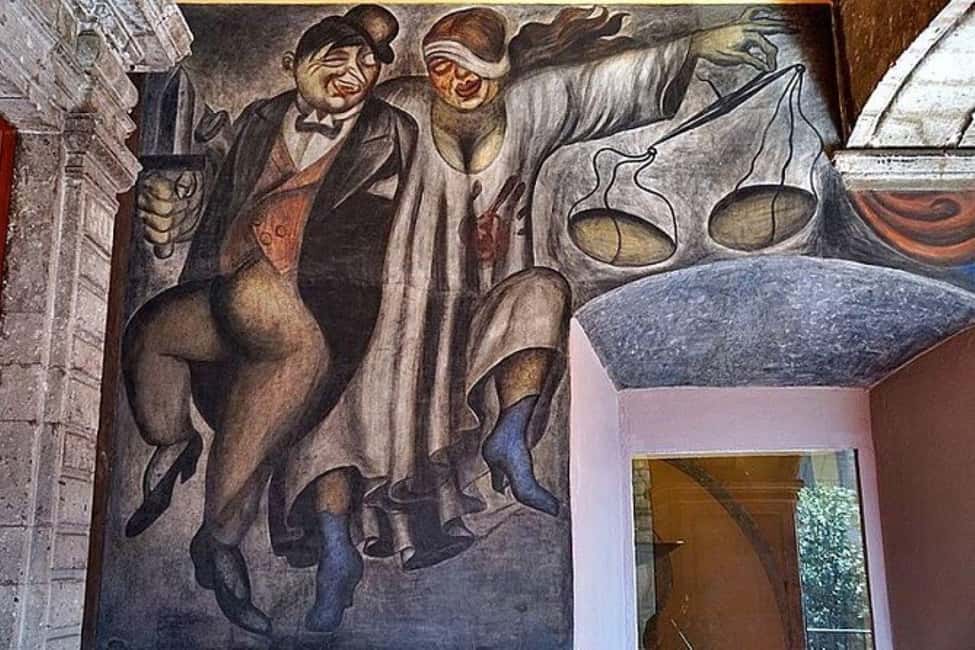
You’ll focus on four standout mural experiences spread across the historic center, with museum entry included. This is a walking tour you’ll feel in your feet, so plan for comfort and pace rather than sprinting to photo spots. If you’re expecting the National Palace, note that this tour centers on the Palace of Fine Arts and the mural sites connected to muralism’s key voices.
Key things to know before you go
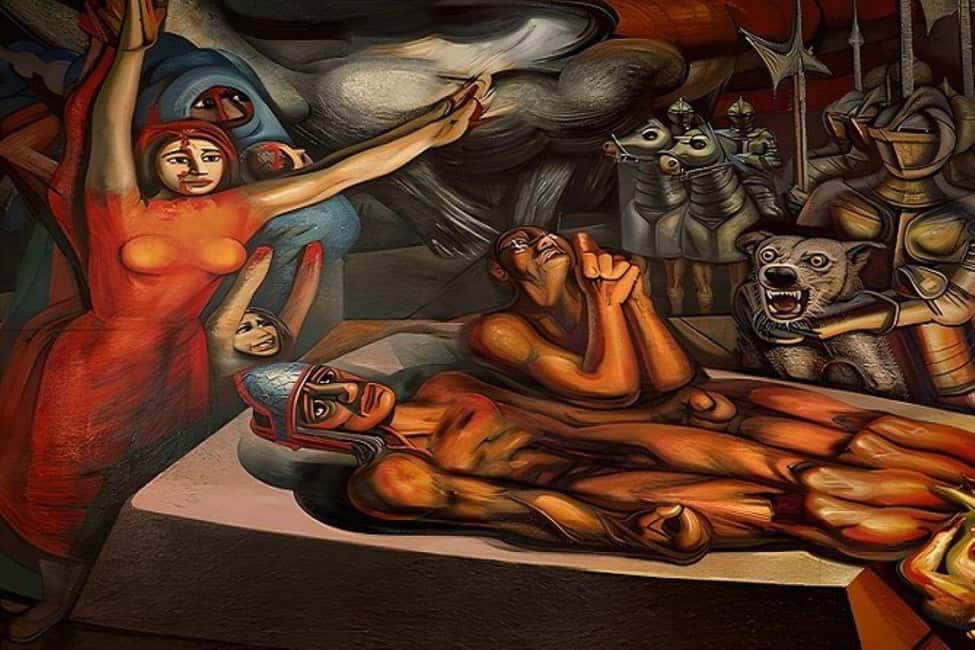
- Small, conversation-friendly pacing: you get time to ask questions and talk through symbolism, not just watch and move on.
- Four major mural moments: the tour is built around seeing standout works at multiple iconic sites.
- Balaam’s art-history approach: the guide is both an historian and an archaeology expert, and he ties details to meaning.
- Rivera and Kahlo, with a story arc: you’ll connect the murals to the love story of Diego Rivera and Frida Kahlo through art.
- Day-of-week building swaps: Tuesdays change the stop order since the Ministry of Public Education is closed.
- No flash photography: bring your camera, but plan your shots without flash.
You can also read our reviews of more walking tours in Mexico City


Mexico City’s murals feel like a live newspaper
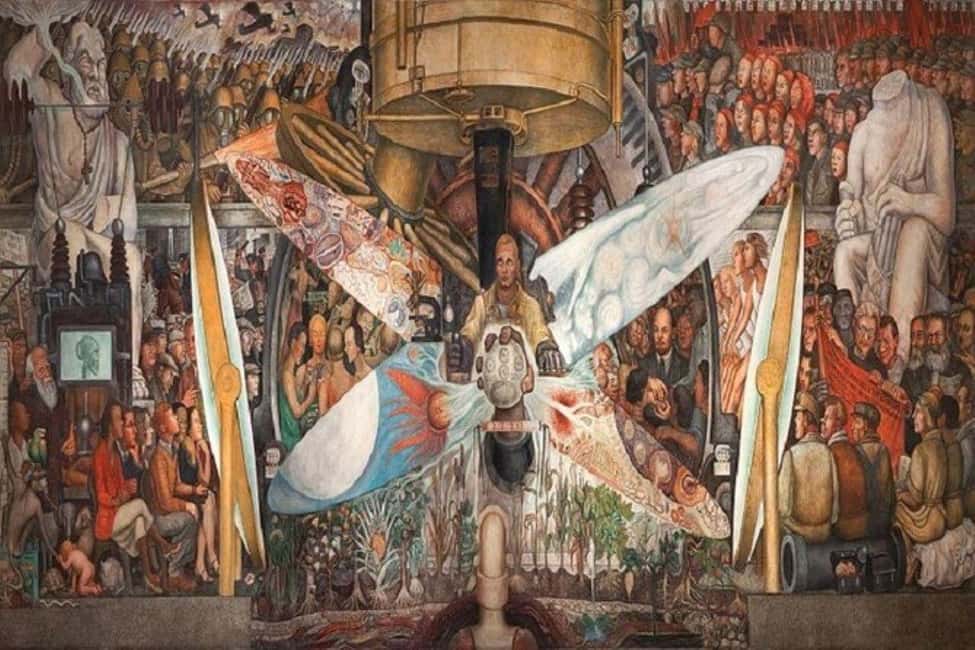
Mexican muralism works because it’s public art. It doesn’t hide in a corner; it speaks from walls where ordinary people can see it every day. On this tour, that power becomes easier to read because you’re not just looking at scenes, you’re learning how artists built messages into composition, characters, and symbols.
What surprised me is how quickly murals start to make sense once you understand the “why.” You see how the artists treated art as history-making, education, and debate all at once. If you’ve ever stood in front of a mural and felt a little lost, this is exactly the kind of guided structure that helps.
The 3-hour plan: what you’ll actually cover
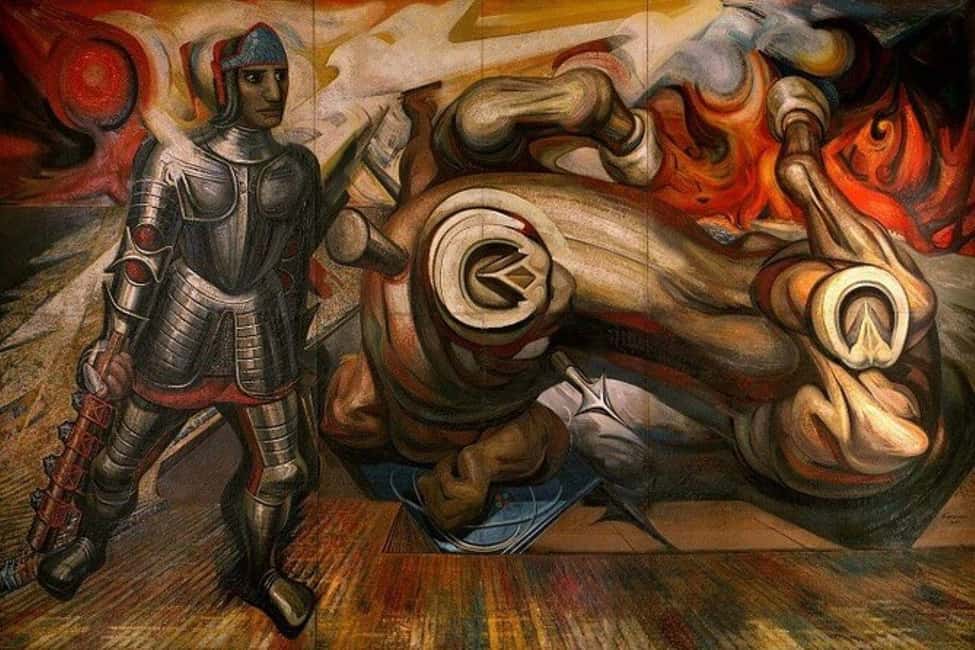
This is a focused walking tour that lasts about 3 hours. You start at the Former College of San Ildefonso, then visit major mural-focused sites with scheduled time at each. The tour includes a live guide in English and Spanish, plus museum entrance tickets.
You’ll walk between stops, so think of this as “art + city center” rather than “museum marathon.” You also aren’t getting transportation included, so you’ll want to arrive at the start point ready to go and plan how you’ll return afterward.
Meet your guide: Balaam and why his explanations work
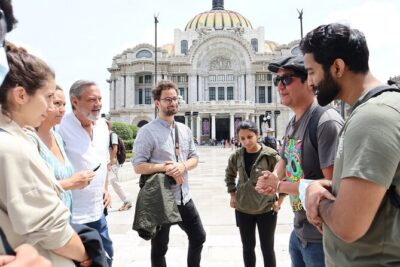
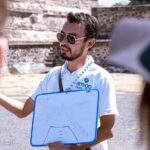
The star of the experience is the guide, Balaam, and that matters more than you might expect. The explanations are structured like lessons you can follow in real time, not lectures you have to survive. People who want to connect technique, symbolism, and politics will appreciate that his background blends art history with archaeology and historical context.
One review detail I’d treat as a real clue: Balaam tailors his explanations so the context stays accessible. That means you’re not stuck with jargon, and you can keep up even if muralism isn’t your usual topic. Also, he’s described as both knowledgeable and fun, with conversation that actually goes somewhere.
And yes, there’s at least one thoughtful food moment: a tamales stop during the tour. It’s not a theme-park snack break; it’s more like a small, human touch that keeps the energy up while you’re walking.
Former College of San Ildefonso: where the mural story starts
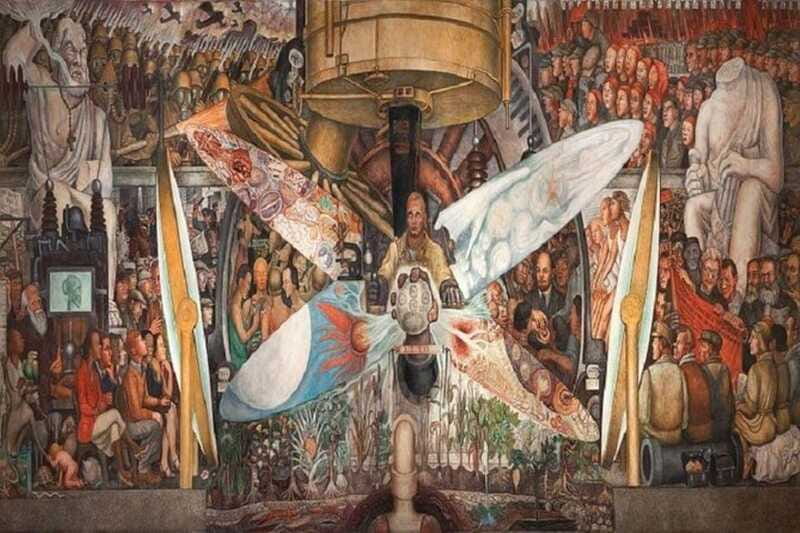
You begin at the Former College of San Ildefonso, one of the most important points in Mexico City for muralism. This start matters because it frames what you’ll see later: murals here aren’t decorations; they’re arguments, memories, and identity statements painted for public space.
From the first stop, you’ll learn how to read murals like visual essays. Your guide helps you connect what’s shown on the wall to the deeper symbolism behind it—how artists built meaning into who’s represented, what’s emphasized, and what gets left out.
A practical note: this is a walking experience in the historic center, so the best “first move” is simply to wear comfortable shoes and keep your camera ready. You’ll want to capture details, but also remember the tour follows the rule of no flash photography.
You can also read our reviews of more city tours in Mexico City



Museo de Sitio de la Secretaría de Educación Pública: art as public messaging
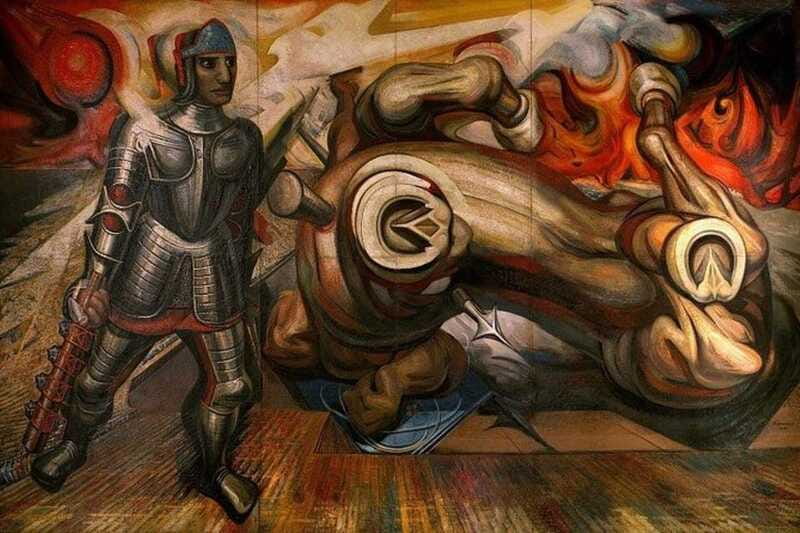
Next is the Museo de Sitio de la Secretaría de Educación Pública, with about 45 minutes on site. This is a strong stop if you care about the link between art and institutions—how murals get tied to public education and national messaging.
What I like about this kind of mural visit is that you can stand in front of the work and feel how it was meant to land. The guide’s job here is to make the symbolism readable, including the social and political context that shaped what ended up on the wall. That’s the difference between seeing a scene and understanding its purpose.
Tuesday warning: the Ministry is closed
There’s one scheduling detail you should take seriously. The Ministry of Public Education is closed on Tuesdays, so on that day the tour enters a different mural building—specifically, the route adjusts and you’ll visit the Diego Rivera mural museum instead. If your dates fall on a Tuesday, don’t worry; the tour is designed to still cover mural priorities, but your building order will change.
Palace of Fine Arts: when “fine art” meets revolution
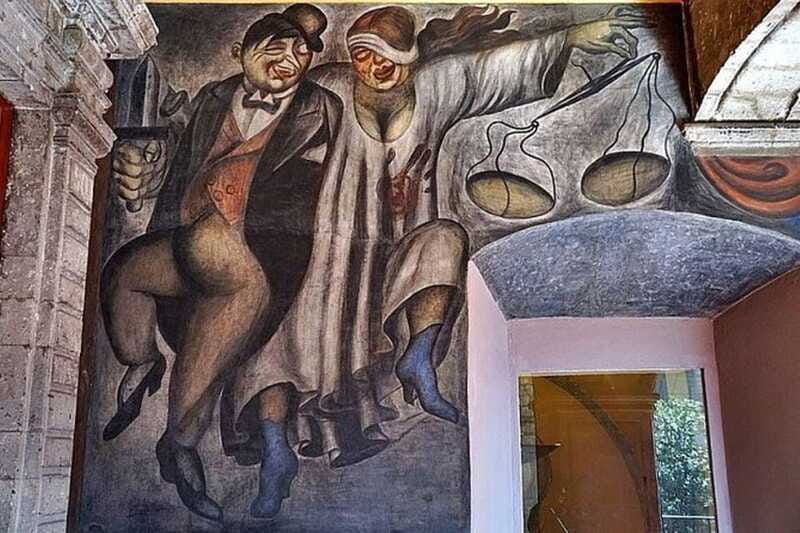
Then you head to the Palacio de Bellas Artes for another 45 minutes. This stop is useful for a different reason than the school-related museum: it puts muralism in conversation with a major “art palace” setting.
The effect can be surprisingly powerful. Seeing mural works in a venue like this helps you understand that Mexican muralism wasn’t only about messaging for the street—it also became part of the broader story of art, culture, and public taste. Your guide focuses on the symbolism and how artists shaped their messages for a wide audience.
Drawback to keep in mind: you’ll likely want time to stop, look again, and shoot photos—but the tour timing is fixed. If you’re the type who needs long pauses, arrive with a camera strategy: take wide shots first, then return for close details once you’ve heard what the guide points out.
Diego Rivera Mural Museum: the Rivera–Kahlo love story through art
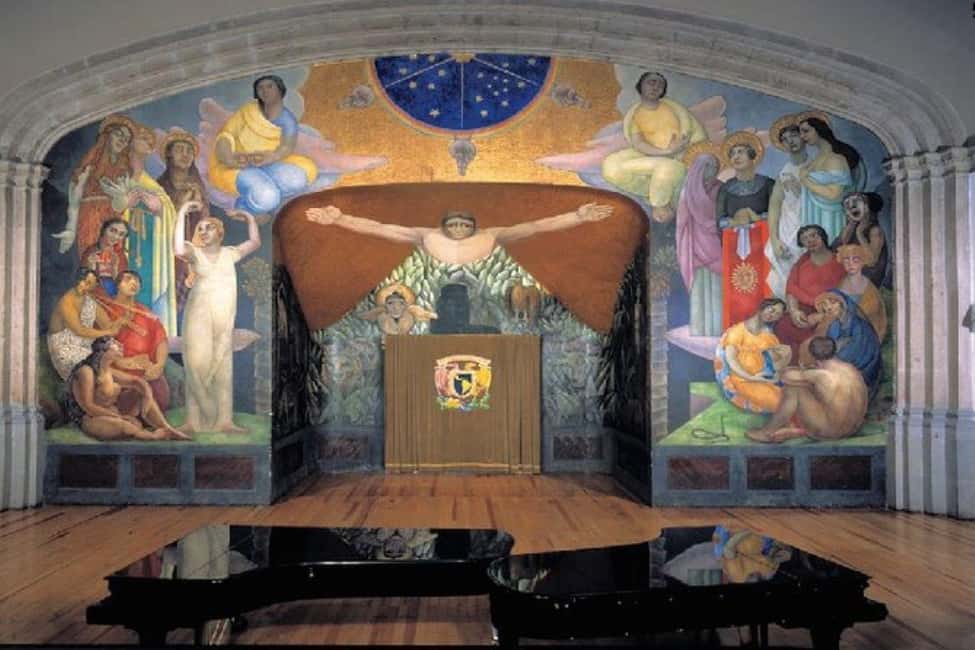
The final mural-heavy highlight is the Diego Rivera Mural Museum, with about 30 minutes. This portion connects the dots between artists’ personal lives and the images they built into public works—especially the love story of Diego Rivera and Frida Kahlo told through art.
This is often the stop people care about most, even if they weren’t sure at the start. When a guide explains why certain motifs show up again and how the work reflects identity and belief, the art stops feeling random. Instead, it becomes a narrative you can follow.
Also, this is the stop that becomes especially relevant when your tour lands on a Tuesday (since the Ministry stop is closed then). In other words: if you’re touring midweek, you might get a slightly different mix, but the Rivera–Kahlo story piece is still part of the core experience.
What’s included vs. what you must plan
This tour includes:
- A guide service in English and Spanish
- Museum entrance tickets for the sites you enter
This tour does not include:
- Transportation
- Gratuity
So you’ll want to handle getting to the starting point on your own, and you’ll want a simple plan for after the walk ends. You’ll also want to bring what’s listed for comfort and practicality: comfortable shoes, water, and a camera.
One more practical rule: no flash photography. That means if you’re used to quick flash shots, switch gears. Use natural light, take your time, and let your eyes adjust. A good guide explanation will also tell you where to look, so you’re not wasting effort photographing the wrong details.
Price and value: you’re paying for meaning, not just access
Even without a stated price in your info here, I can tell you how to judge value. You’re buying three things:
1) paid entry time at the mural sites you’ll enter,
2) a guide who ties symbolism to real context, and
3) the focused timing that keeps you from wandering the historic center without direction.
This is the kind of experience that costs less to enjoy if you already know muralism basics, but it’s still worthwhile if you don’t. The guide’s tailoring and his ability to explain technique and meaning in an accessible way is what converts “I saw murals” into “I understand what I saw.”
Also, the tour is described as private, and the conversation seems to be a real part of it. If you like asking questions—about how symbols work, why certain images show up, or how the artists shaped public culture—you’ll likely feel the value quickly.
Who should book this tour (and who might skip it)
Book this if you:
- want to learn how to read murals rather than just take photos
- care about the cultural and political context behind art
- like a structured walking tour with time at each key site
- want the Rivera–Kahlo thread connected through the artworks
Consider skipping if you:
- need wheelchair-friendly access (this isn’t suitable for wheelchair users)
- hate walking around the historic center for a couple hours
- expect unlimited time at each building for solo wandering
Tips to make the walk smoother in Mexico City’s center
This is a three-hour walking plan, so keep your body in mind. Comfortable shoes are non-negotiable. Bring water since you’ll be out and moving, and plan for a camera rhythm that respects the no-flash rule.
If you want better photos, don’t try to get everything first. Listen to the guide’s symbolism points, then go back and photograph details he highlights. It turns random snapshots into images that actually mean something.
Finally, if you’re the type who gets disappointed when a tour description doesn’t match reality, do a quick mental check: this tour is about mural sites tied to the historic center and the muralist movement. It focuses on the Palace of Fine Arts and mural buildings, not the National Palace.
Should you book this Mexico City murals walking tour?
If you like art that carries a message, I think you’ll enjoy this tour a lot. You’re not just ticking off four mural stops—you’re learning the language murals speak, including the social and political context that shaped what those artists painted.
I’d especially recommend it if your goal is to leave with understanding. With Balaam guiding, the experience is built for people who want meaning, conversation, and symbolism explained clearly, with enough time at each location to actually see what the guide is pointing out.
If you’re visiting on a Tuesday, don’t let the swap scare you. The Ministry closure is built into the plan, and the Rivera mural museum still keeps the tour’s narrative engine running.
FAQ
Where does the tour start?
The tour starts at the Former College of San Ildefonso.
How long is the tour?
The tour lasts about 3 hours.
What are the main mural stops?
You’ll visit mural-related sites including Antiguo Colegio de San Ildefonso, the Secretaría de Educación Pública site, the Palace of Fine Arts, and the Diego Rivera mural museum.
Does the route change depending on the day of the week?
Yes. The tour enters three buildings depending on the day of the week, and the Ministry of Public Education is closed on Tuesdays.
How many murals will we see?
The tour includes visits to four of the most impressive murals in the city.
What’s included in the price?
You get a live guide service and museum entrance tickets.
What should I bring?
Bring comfortable shoes, a camera, and water.
Is flash photography allowed?
No, flash photography is not allowed.
What languages is the guide available in?
The tour guide is available in English and Spanish.
Is this tour wheelchair accessible?
No, it is not suitable for wheelchair users.