REVIEW · MEXICO CITY
Historic center walking tour through time and space
Book on Viator →Bookable on Viator
Time travel, minus the machine. This historic center walking tour stitches together Tenochtitlan’s ruins and Mexico City’s later power centers in just about three hours. If you want a smart route through the Centro Histórico, it’s a great way to get your bearings fast.
What I really like is how the pacing keeps the story moving. You start at the Templo Mayor ruins (14th century) and end at Museo de Arte Popular, with stops that connect the city’s eras through architecture, plazas, and landmark buildings.
One possible drawback: it’s not a slow museum day. Many stops are brief views—mostly exteriors or lobbies—so if you crave deep time inside every building, you’ll want extra solo visits after.
In This Review
- Key highlights
- A tight, smart route through Mexico City’s Centro Histórico
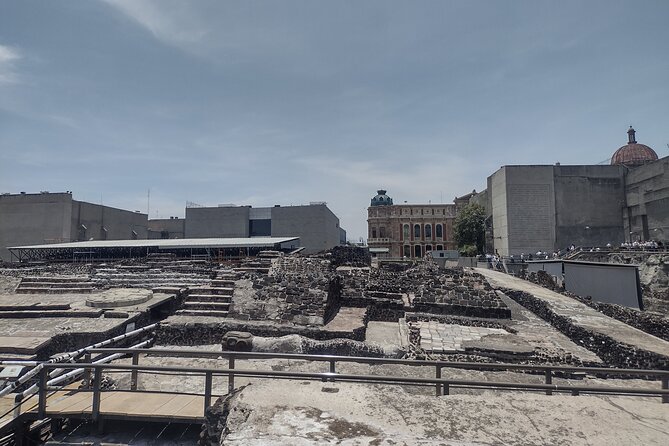
- Templo Mayor and the Tenochtitlan story written in ruins
- Catedral Metropolitana, Zócalo, and San Francisco atrio: power and faith over time
- House of Tiles: Moorish decoration you’ll actually notice
- Museo Nacional de Arte and Palacio de Minería: the city shifts gears
- Palacio Postal and Bellas Artes: postcard-worthy, guided, and efficient
- Alameda Central and Museo de Arte Popular: the walk ends with a cultural soft landing
- Price and value: why $39.45 can work well
- What the guides do that makes the walk feel worth it
- Who should book this walking tour—and who should plan differently
- Should you book it?
- FAQ
- How long is the tour?
- What’s the price, and what’s included?
- Is the tour in English?
- Where does the tour start and end?
- Is it a private tour?
- Are museum entry fees included?
- Can I cancel for a full refund?
Key highlights
- Templo Mayor first: you begin with the bones of Tenochtitlan, then everything else makes more sense.
- Architecture with context: you don’t just see buildings; you hear what changed and why.
- Zócalo orientation: you learn what the city’s central square actually represents.
- House of Tiles detail: Moorish-style decoration is a big photo payoff.
- Palacio Postal to Bellas Artes: big, cinematic stops without long detours.
- Optional art stop at the end: the tour ends at Museo de Arte Popular, so you can continue if you want.
A tight, smart route through Mexico City’s Centro Histórico
This is a private historic center walking tour in English, designed for maximum “I get it now” value in a short window. You’re with only your group, you’ll use a mobile ticket, and the route is built around the places that define Mexico City’s story: Indigenous origins, colonial-era religion and administration, then the 19th/20th-century cultural boom.
The total time is about 3 hours, and the stop lengths are short on purpose—most are around 10–25 minutes. That works well if you’re on a first visit or if your schedule is tight. It also helps you avoid the common problem of wandering the Centro Histórico with no plan, ending up tired and only half-aware of what you’re looking at.
A small practical plus: a soda/pop water bottle is included. It’s not a dealbreaker, but it helps on a city-walk day when you’re moving between landmarks.
You can also read our reviews of more walking tours in Mexico City


Templo Mayor and the Tenochtitlan story written in ruins
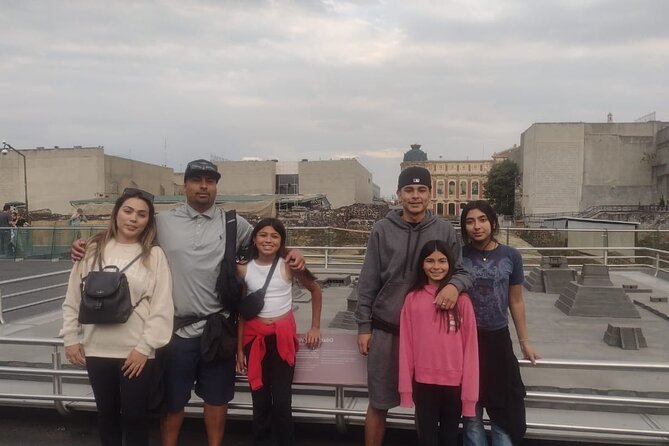
You start at Museo del Templo Mayor at Seminario 8 in the Centro Histórico. The opening stop is the Templo Mayor ruins, with a look that goes back to the 14th century. This is one of the best ways to start any Mexico City itinerary because it anchors the entire walk in the Indigenous city that came before today’s streets.
You’ll spend about 15 minutes here, and the big win is perspective. Even if you only get a quick pass through, the guide framing helps you see later buildings differently—because you understand what the site means and why the Spanish and later governments cared about controlling central space.
Also, the admission element is listed as free for this stop, so you’re not hit with extra costs right at the start. If you’re a first-time visitor, I love that you begin with the “origin” stop rather than saving it for later when you’ve already formed a fuzzy story in your head.
Catedral Metropolitana, Zócalo, and San Francisco atrio: power and faith over time
From the ruins, you move to Catedral Metropolitana de la Ciudad de Mexico. This stop is about 10 minutes, and the emphasis is not just on what the cathedral looks like, but on the damage it has suffered over time. That matters because it turns a pretty façade into a living record of earthquakes, repairs, and changing eras.
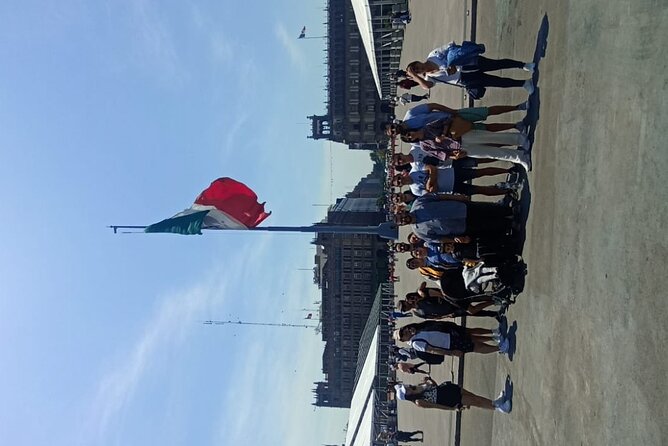
Next up is the Zócalo, the main public square. You’ll have about 5 minutes to appreciate it. That short time can feel quick, but the Zócalo is also a place you can read by standing where the sightlines converge—so even a brief stop is enough to set your mental map for the rest of the day.
Then you head to El Atrio del Templo de San Francisco, described as the first church in Mexico City. Expect about 15 minutes. This is a good moment to notice how religious space shaped street life: the atrium acts like a buffer between chaos and ritual, and it’s one of those spots where the city’s layers feel close together.
If you’re wondering whether these stops are too short: they’re brief, but that’s the design. You’re collecting context, not trying to conquer every interior.
House of Tiles: Moorish decoration you’ll actually notice
About 20 minutes are set aside for the House of Tiles. This is a 16th-century palace known for its Moorish decoration, which is exactly the kind of detail that makes a walking tour worth it.
If you’ve ever seen a photo of glazed tiles and wondered what you’re missing in person, this is where you get the “ah-ha” moment. Even without a long visit, the guide can point you toward the patterns and the reason this look became so famous in Mexico City’s colonial-era architecture.
The drawback? You’re not inside for a long, slow browse. But if you treat this as a “spot the details” stop—photos, eye-level patterns, and a quick understanding of the style—you’ll come away with something more than a snapshot.
Museo Nacional de Arte and Palacio de Minería: the city shifts gears

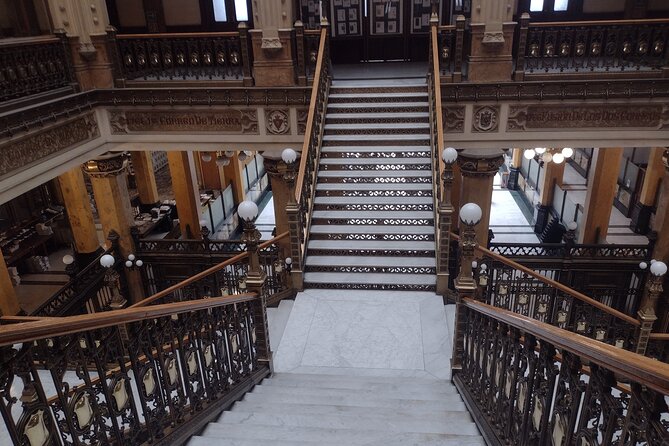
Next is Museo Nacional de Arte, with about 15 minutes. The focus here is the building itself—especially its lobby—and the history of the place. You’re not spending hours in galleries, but you are learning how 20th-century architecture became part of Mexico City’s public identity.
Then you get to Palacio de Minería, with roughly 10 minutes. You’ll see the exterior of the Old Mining Palace and learn its history. That’s a smart choice in a short tour because exteriors are easier to appreciate in motion, and the guide can connect mining wealth to the buildings you see today.
One practical consideration: because these stops are shorter, wear comfortable shoes and keep your phone ready for quick photo angles. Don’t plan on lingering on every column—this is a “move, learn, absorb” itinerary.
You can also read our reviews of more historical tours in Mexico City



Palacio Postal and Bellas Artes: postcard-worthy, guided, and efficient
Two of the most visually rewarding stops come back-to-back.
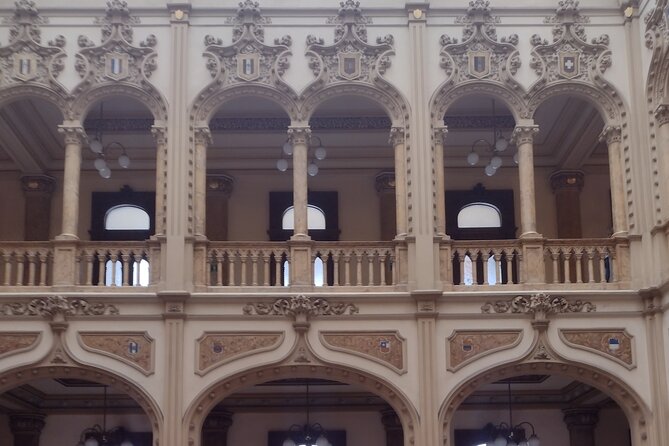
First: Palacio Postal, the Palacio de Correos, labeled as the Fifth House of the Post Office. You’ll have about 15 minutes here, and it’s described as very Instagrammable. Again, you won’t be stuck forever. You’ll get the key sights, learn a bit of the building’s purpose, and then roll on.
Then comes Palacio de Bellas Artes, with about 25 minutes. You’ll see it from the outside and get a look at the lobby, plus history from the guide. This stop is long enough to feel satisfying without turning your afternoon into a museum marathon.
These two buildings also work as a contrast lesson. One is practical communications infrastructure; the other is cultural presentation. Seeing them close together helps you understand Mexico City as a place where public institutions are built to impress—and where art and state power share the same streets.
Alameda Central and Museo de Arte Popular: the walk ends with a cultural soft landing
You’ll finish with Alameda Central, about 15 minutes. It’s described as the largest park in the city center, with history and legends shared during the walk. I like ending with a green space because it resets your brain. After palaces and landmarks, you get a moment to slow down and breathe.
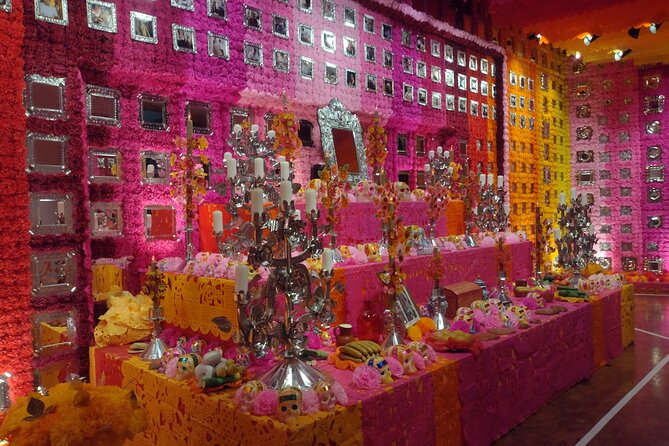
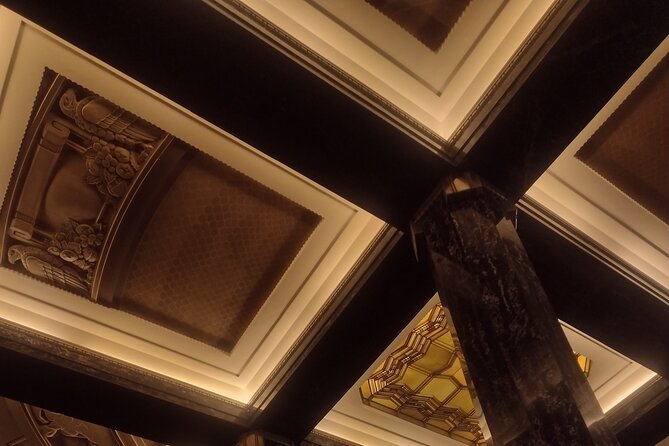
Finally, the tour ends at Museo de Arte Popular. You’ll visit the entrance area (about 15 minutes) to appreciate the art deco architecture and some of the city’s popular art expressions. Admission for the museum itself isn’t included—so if you want to go in deeper, you’ll likely pay separately. The tour ending here is convenient: you can either stop with what you’ve already learned or continue on your own.
If you want a clean itinerary that doesn’t strand you across town, this is a strong finish point. It keeps the story going right as you exit the tour.
Price and value: why $39.45 can work well

At $39.45 per person for about 3 hours, this tour is priced to be accessible while still delivering real structure. You’re paying for two things that add value fast: a guided route and time saved from figuring out the Centro Histórico on your own.
You also get small cost-friendly perks. Admission tickets are listed as free for the stops included, and you receive a soda/pop water bottle. Tips are not included, but that’s normal for walking tours.
The real value is the “connective tissue.” Starting at Templo Mayor and walking through cathedral, plaza, colonial church atrio, palaces, and major cultural buildings is exactly how you start building a coherent mental map of Mexico City. Without guidance, it’s easy to see a cathedral, then a random façade, then a park—and miss how the eras talk to each other.
Also, the booking track record is excellent: the tour shows a 5/5 rating from 12 reviews. The repeated theme is clear: people appreciated the guide’s ability to explain history and architecture, and they felt the pacing delivered a lot in a short walk.
What the guides do that makes the walk feel worth it
Even though the itinerary looks like a list of famous buildings, the quality seems to come from the guidance itself. Names that show up in feedback include Ricardo and Joss. The praise centers on detailed explanations of history and culture, plus an easy, friendly way of sharing it while you walk.
That’s the difference between a generic sightseeing loop and something that helps you understand what you’re seeing. When you’re standing in front of places like the Catedral Metropolitana or Palacio de Bellas Artes, hearing why they were built (and what has happened to them) turns a quick visit into real understanding.
If you like tours where the guide keeps momentum and makes the architecture legible, this fits that style. If you prefer silent wandering, you might find the commentary a bit more active than you want.
Who should book this walking tour—and who should plan differently
This is a great fit if:
- You’re visiting Mexico City for the first time and want Centro Histórico orientation.
- You want a guided route through major landmarks without committing to a full day.
- You like history explained in plain language, while you can still see the buildings directly.
- Your schedule is tight, but you still want a coherent arc from Tenochtitlan to modern cultural Mexico.
You might want a different approach if:
- You want long museum time inside every site. This tour focuses on key views, lobbies, and entrances.
- You hate brief stops and prefer deep, slow pacing throughout.
The good news: the tour ends at Museo de Arte Popular, so if that last stop grabs you, you can extend your day where it matters most to you.
Should you book it?
If you want an efficient Mexico City historic center tour that feels like more than just photos, I’d book it. The structure is strong: Templo Mayor first, then the cathedral-and-plaza core, then iconic palaces and cultural buildings, and finally a graceful landing at Museo de Arte Popular.
The biggest reason to say yes is that the walk is short enough to fit real itineraries, but packed enough that you’ll likely feel like you learned something at almost every step. The included items, English guide, and private group setup make it easy to plan around your day.
If you’re the kind of traveler who enjoys understanding the “why” behind what you see, this one is a solid bet.
FAQ
How long is the tour?
It’s about 3 hours.
What’s the price, and what’s included?
The price is $39.45 per person. A soda/pop water bottle is included. Tips are not included.
Is the tour in English?
Yes, it’s offered in English.
Where does the tour start and end?
It starts at Templo Mayor Museum (Seminario 8, Centro Histórico de la Cdad. de México, Centro, Cuauhtémoc, 06060) and ends at Museo de Arte Popular (Revillagigedo 11, Colonia Centro, Centro, Cuauhtémoc, 06050).
Is it a private tour?
Yes. It’s listed as private, meaning only your group participates.
Are museum entry fees included?
Admission is listed as free for most stops, but Museo de Arte Popular admission is not included. The tour ends at the museum after visiting the entrance area.
Can I cancel for a full refund?
Yes, free cancellation is available. You can cancel up to 24 hours in advance for a full refund. If you cancel less than 24 hours before the start time, you won’t get a refund.