REVIEW · MEXICO CITY
Colonia Roma Musical Walking Tour
Book on Viator →Operated by Gabriel Acevedo Velarde · Bookable on Viator
A neighborhood walk with a musical brain. This Colonia Roma experience ties together music, politics, and architecture across 11 spots that feel refreshingly off the usual tourist path. I especially liked the way the guide connects everyday details to big cultural stories, and I also liked that many stops come with free admission built into the outing. One possible drawback: it is a 2 hours 15 minutes walking tour, and it works best when the weather behaves.
You start in La Romita and finish in Roma Norte, so you get a broad feel for how the area grew and changed. The tour is run by Gabriel Acevedo Velarde, with a small group size (up to 12), which helps you hear the explanations without shouting over the street. If you prefer fully indoor stops, know that a lot of the magic here happens while you’re outside looking at buildings and plazas.
In This Review
- Key things you’ll like about this Colonia Roma Musical Walk
- Price and logistics: what $41.63 buys you in Roma
- La Romita and Colonia Roma’s “non-touristy” storytelling
- Capilla de San Francisco Javier de la Romita: 16th-century roots and the Guadalupe thread
- A museum of modern daily objects and the Lamm-family house idea
- Avenida Álvaro Obregón: corridos and crime press during the Revolution
- Plaza Luis Cabrera and the 1933 architect debate
- Plaza Río de Janeiro: from “residential only” to services for everyone
- La Casa de Las Brujas: eclectic architecture and the neighborhood’s identity shift
- Roma Norte and Tortillería Premier: tortillas, Zapotec history, and a surprising link
- What to expect from the pace and group size
- Who this tour is best for (and who might want another option)
- Should you book the Colonia Roma Musical Walking Tour?
- FAQ
- How long is the Colonia Roma Musical Walking Tour?
- What language is the tour offered in?
- How much does the tour cost?
- Where does the tour start and end?
- Is admission included for the stops?
- How big is the group?
- Do I get a ticket on my phone?
- Is the tour affected by weather?
- What is the cancellation policy?
Key things you’ll like about this Colonia Roma Musical Walk
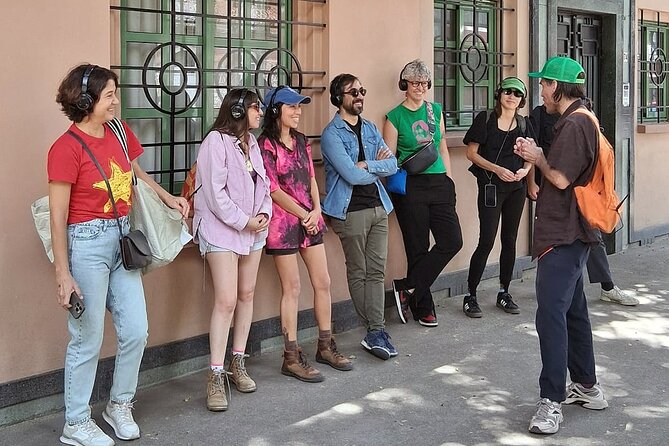
- 11 locations, all in Colonia Roma so you keep one clear theme instead of bouncing around the city
- Free admission tickets at multiple stops, which makes the price feel more fair
- Corridos meet crime press during the Mexican Revolution, tied to Avenida Álvaro Obregón
- Plazas with planning lessons, including a 1933 debate between conservative and modernist architects
- Roma Norte street-level food history, using Tortillería Premier to talk about tortillas and early Zapotec history
- Small group size (max 12), great for questions and closer attention
Price and logistics: what $41.63 buys you in Roma
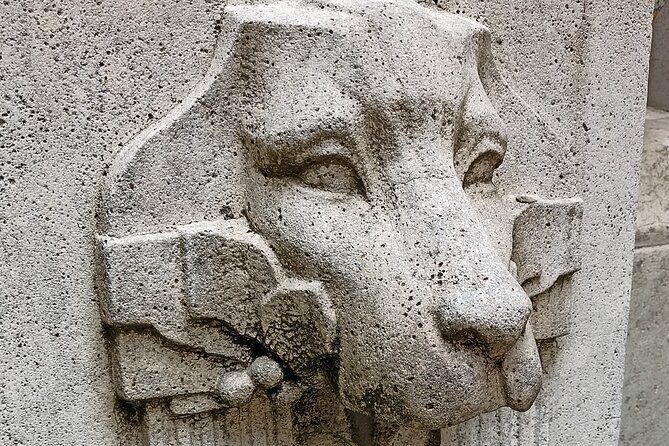
For $41.63 per person, you’re paying for two things: guided context and access. The walk runs about 2 hours 15 minutes and is offered in English, which matters in Mexico City where tours can easily drift into Spanish-only explanations.
Another value point is that several stops list admission ticket free, meaning you’re not just looking at buildings from the sidewalk—you’re getting inside or at least covered for entry at key moments. With a mobile ticket and a small group (12 maximum), you also avoid the chaos of large-meeting-point crowds.
The tour starts at the Capilla de San Francisco Javier de la Romita area, near Pl. Romita 30, La Romita (Centro). It ends at the main Río de Janeiro Plaza at the corner of Calle Durango y Orizaba in Roma Norte. If you like clean edges to your plan, that start-to-finish flow helps you feel where you are on the map.
You can also read our reviews of more walking tours in Mexico City


La Romita and Colonia Roma’s “non-touristy” storytelling
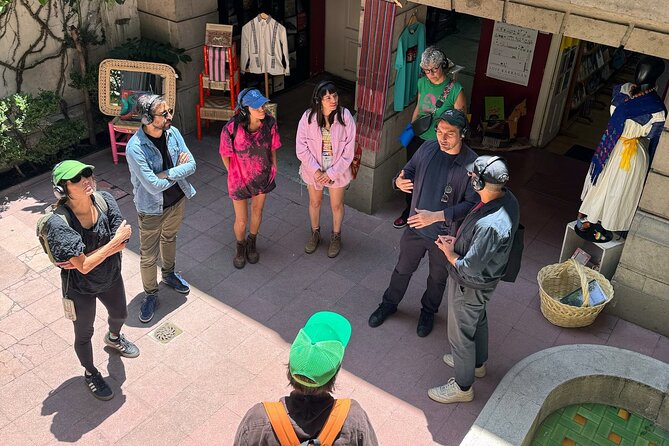
This whole walk stays inside Colonia Roma, and that focus is a big deal. Instead of doing the same picture stops everybody does, you’re sent to places that are quieter and more architectural—good if you like noticing details and understanding why the neighborhood looks the way it does.
You’ll learn Mexican cultural and historical identities through the lens of neighborhood development, using 11 locations as stepping stones. That structure keeps the stories from turning into random trivia. It also makes the walk feel like a guided course, not a casual stroll where the guide has to repeat themselves.
And the style is practical: you’re watching, then listening. You look at the built environment, then you’re told what it meant at the time—housing pressure, changing city needs, and how public life shows up in the streets.
Capilla de San Francisco Javier de la Romita: 16th-century roots and the Guadalupe thread
One of the most memorable opening moments is the Capilla de San Francisco Javier de la Romita, dating to the 16th century. Even if you’ve seen churches around Mexico City, this one comes with extra historical framing: the tiny town around the chapel maintained its identity until the 20th century.
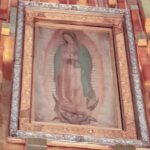
You’ll also connect the chapel to the origin story people associate with the Virgin of Guadalupe. The key here is not just the legend itself, but how religious ideas traveled and settled into local communities—then how those communities fed into what became Colonia Roma.
If you like tours that explain why landmarks matter, this is a solid start. You get a deep time perspective right away, before the walk becomes more about urban planning and everyday life.
A museum of modern daily objects and the Lamm-family house idea
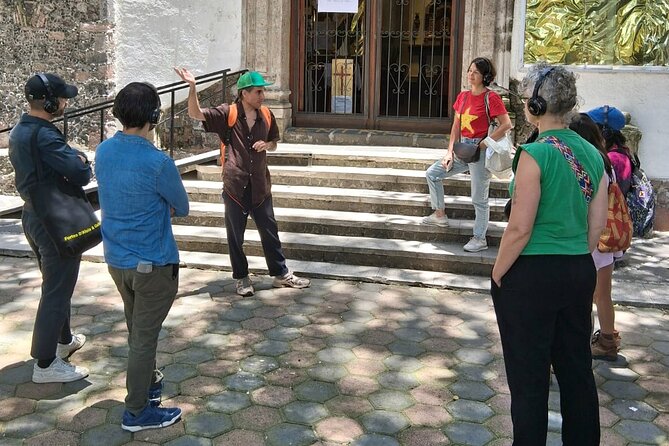
After the chapel, the tour slows down in an interesting way: it shifts from major monuments to the textures of modern life. There’s an amusing museum stop built around everyday objects from Mexican modern times, which is a clever move. It reminds you that history isn’t only big dates and famous names—it’s also what people used, wore, stored, repaired, and lived with.
Then you’ll see a house associated with the Lamm family. The point isn’t that they actually lived there, but how the house reflects a certain confident attitude toward space. That’s especially meaningful in Mexico City, where housing needs have been urgent for a long time.
This section works well if you like “how people lived” history. You start noticing how architecture reflects assumptions about the future—sometimes those assumptions hold, sometimes they run into reality.
Avenida Álvaro Obregón: corridos and crime press during the Revolution
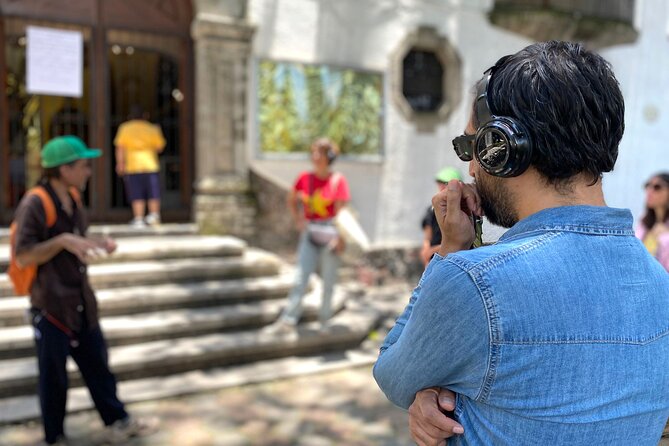
Next comes a street moment on Avenida Álvaro Obregón, one of the neighborhood’s most iconic roads. This stop isn’t only about architecture or the view down the avenue. It’s about a specific link: corridos, the narrative musical genre, and crime press during the Mexican Revolution.
That connection is a great example of what makes this tour different. You’re not just hearing that music matters. You’re learning how songs and journalism can trade stories and shape public emotion—especially when society is tense and news travels fast.
If you’re the type who likes history that explains culture, this is your payoff stop. You’ll walk away thinking about corridos as more than entertainment—also as reporting, commentary, and identity.


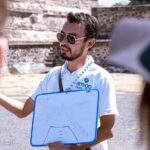

Plaza Luis Cabrera and the 1933 architect debate
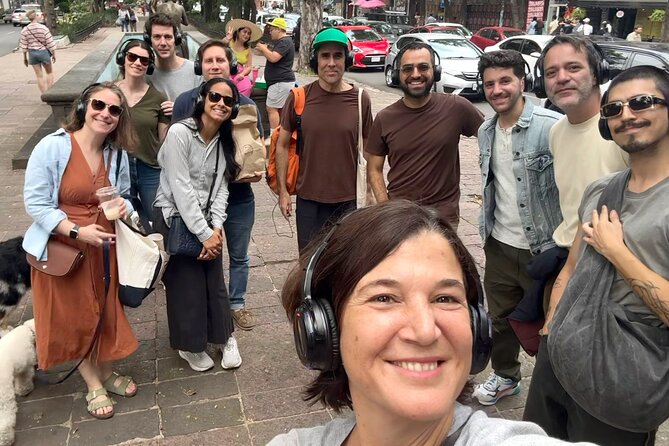
At Plaza Luis Cabrera, you shift to planning and political taste. The tour highlights a 1933 debate between conservative and modernist architects, and then connects it to housing pressure. That matters because it shows you how design debates weren’t just aesthetic arguments. They were also hopes about how people should live.
You’ll hear how those architectural visions relate to aspirational, transcendental wishes while the city faced real, growing needs. That contrast—dreams on paper versus demand on the ground—lands well in a place like Roma, where the neighborhood story is partly about ambition and partly about adjustment.
This is a good stop to slow your pace and look around rather than just passing through. Plazas often feel like empty space until someone explains what they were trying to solve.
Plaza Río de Janeiro: from “residential only” to services for everyone
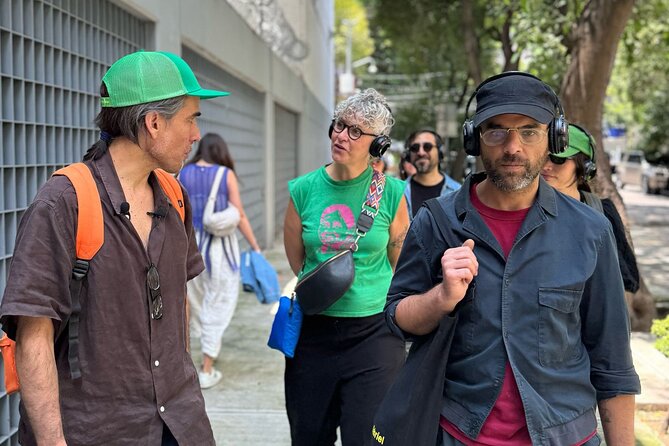
The tour’s explanation of Plaza Río de Janeiro hits a practical theme: Colonia Roma was conceived as exclusively residential. But planners and owners quickly realized that arrangement didn’t make sense.
So the plaza reflects a shift toward a more autonomous neighborhood that could handle basics on its own—services rather than pure dormitory living. This is where you start understanding the neighborhood like a system, not a postcard.
If you’ve ever visited districts that only work because people drive elsewhere for daily needs, this stop gives you a human reason why cities change. It’s not failure. It’s adaptation.
La Casa de Las Brujas: eclectic architecture and the neighborhood’s identity shift
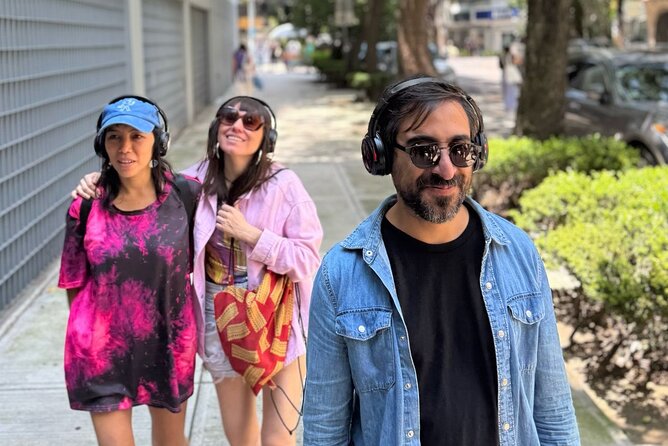
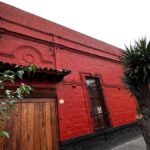
Another high-interest moment is La Casa de Las Brujas. Originally built to be a hotel, it later became an apartments building—an evolution that tracks the neighborhood’s identity shift from exclusively residential to a place that serves the rest of the city.
The focus here is on eclectic architecture and changing ideas about what a building should be. You’ll get why the place feels memorable even before you wrap your head around the social shift behind it.
This stop is also a reminder that neighborhoods are always under construction, even when nothing looks like it’s happening. A building can be a timeline, if you know what to look for.
Roma Norte and Tortillería Premier: tortillas, Zapotec history, and a surprising link
The last stretch brings you into Roma Norte, and it’s smart that the tour ends with food history at Tortillería Premier. You stop there to talk about the invention of tortillas, which sounds simple until the tour puts it into a much older political and cultural frame.
Here’s the standout connection: the original creation of tortillas is linked to the first Zapotec state, reportedly five centuries BC. That link is exactly the kind of “seemingly unrelated things connected” storytelling that makes the tour feel like more than just a set of stops.
By the time you’re done, you’re thinking differently about something you likely consider everyday and ordinary. That’s a real gift on a walking tour—leaving with fresh eyes rather than just new photos.
What to expect from the pace and group size
This is an outdoor-heavy, explanation-led walk. It takes about 2 hours 15 minutes, and most of the stops are short—think 5 to 10 minutes where you look, listen, and move on. That pacing keeps energy up, but it does mean you’re not lingering forever at one place.
The group cap of 12 travelers helps a lot. Smaller groups usually mean you’re not hearing the guide from across the street, and you can ask questions if something clicks and you want details.
Because the tour requires good weather, plan for a backup mindset if skies look iffy. If it gets canceled, you’ll be offered a different date or a full refund, so you’re not stuck.
Who this tour is best for (and who might want another option)
You’ll love this if you like history that connects to culture—music, daily life, architecture, and planning debates. It’s also a strong choice if you enjoy neighborhood walks where the guide points out why places exist, not only what they look like.
This is also ideal if you prefer off-the-beaten-path spots inside a famous city neighborhood. The walk stays put in Colonia Roma, and several venues are designed to feel less touristy but still interesting.
You might consider something else if you dislike walking in general or need lots of long indoor time. The tour is structured around outdoor viewing of plazas and streets, plus short stops. It’s not a slow, café-heavy itinerary.
Should you book the Colonia Roma Musical Walking Tour?
Yes, if you want a guided walk that teaches you how a neighborhood becomes itself. This tour has a clear point of view: history isn’t only dates—it’s in music like corridos, in the planning arguments around housing, and in the everyday objects and food traditions that keep people grounded.
Also, the value feels solid. A guided 2h15 experience in a small group, in English, with multiple free admission stops, makes the price easier to justify than many “just outside” tours.
If your dream Mexico City day is mostly museums and long indoor pacing, then you might pass. But if you want to walk Colonia Roma with someone like Gabriel Acevedo Velarde making smart connections, this is the kind of tour you’ll remember after you’ve left the neighborhood.
FAQ
How long is the Colonia Roma Musical Walking Tour?
It runs about 2 hours 15 minutes.
What language is the tour offered in?
The tour is offered in English.
How much does the tour cost?
It costs $41.63 per person.
Where does the tour start and end?
It starts at Pl. Romita 30, La Romita, Centro, Cuauhtémoc, 06700 Ciudad de México, and ends at Río de Janeiro Plaza at the corner of Calle Durango y Orizaba in Roma Nte., Cuauhtémoc.
Is admission included for the stops?
Admission tickets are listed as free for multiple stops on the tour.
How big is the group?
The tour has a maximum of 12 travelers.
Do I get a ticket on my phone?
Yes, it includes a mobile ticket.
Is the tour affected by weather?
Yes. It requires good weather. If canceled due to poor weather, you’ll be offered a different date or a full refund.
What is the cancellation policy?
Cancellation is free, and you can cancel up to 24 hours in advance for a full refund. If you cancel less than 24 hours before the start time, the amount paid is not refunded.