REVIEW · MEXICO CITY
National Museum of Anthropology: a journey into Mexico’s past – English lang.
Book on GetYourGuide →Operated by Hector Balderas Iglesias · Bookable on GetYourGuide
Symbols here have rules, not decorations. This 3-hour walk through the National Museum of Anthropology turns ancient images into real-world clues about how indigenous cultures thought, traded, and explained the universe. You’ll leave with a new way to look at animals, glyphs, and even gender roles in Mesoamerica.
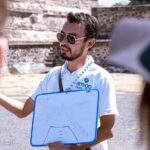
I especially love how the tour frames interpretation up front, so the museum stops feel connected instead of like random rooms. And I like the way Hector Balderas Iglesias teaches it like a hands-on class—he’ll point, ask questions, and use an iPad with extra reconstructions to help you see what you’re missing.
One consideration: the tour is heavy on cosmology and symbolism, and you’ll stand and listen for long stretches, so it’s not a great fit for kids or teens under 16.
In This Review
- Key highlights that make this tour worth your time
- A museum that can feel overwhelming, unless you have a guide
- Where the tour starts in Bosque de Chapultepec
- Mural of Duality: the shortcut to understanding Mesoamerican worldview
- The umbrella: power and symbolism in a single object lesson
- Teotihuacan room: seeing a city’s ideas, not just its objects
- Mexica (Aztec) room: glyphs, rulers, and how meaning traveled
- Pakal the Great replica: why rulers look the way they do
- What the 3-hour format actually gets you
- Language, pace, and the kind of audience it matches
- Museum rules you should follow before you go
- Should you book this tour?
- FAQ
- How long is the National Museum of Anthropology tour?
- What’s included in the $75 price?
- Where do we meet?
- Is the tour offered in English?
- Is it wheelchair accessible?
- Is it okay to bring a camera or selfie stick?
Key highlights that make this tour worth your time
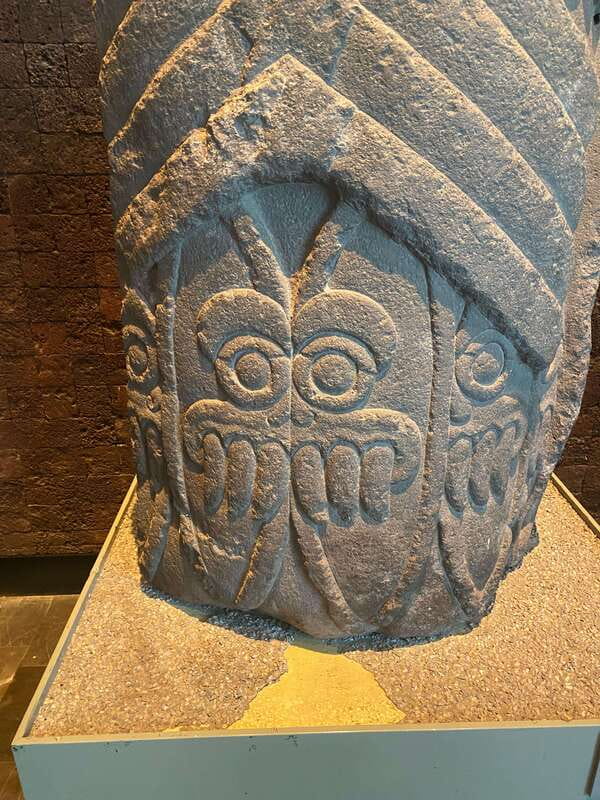
- Duality explained in plain language, with the Mural of Duality as your anchor
- Animal-and-power symbolism, including how motifs show up in art, vessels, and stone engravings
- A guided path through Teotihuacan and Mexica/Aztec rooms, so you don’t get lost in a huge museum
- Pakal the Great’s tomb replica, used to connect iconography with rulership and meaning
- Hector’s interactive teaching style, including iPad visuals and quick decoding prompts
- Skip-the-line museum entry, which matters when you’re visiting one of Mexico City’s biggest museums
A museum that can feel overwhelming, unless you have a guide
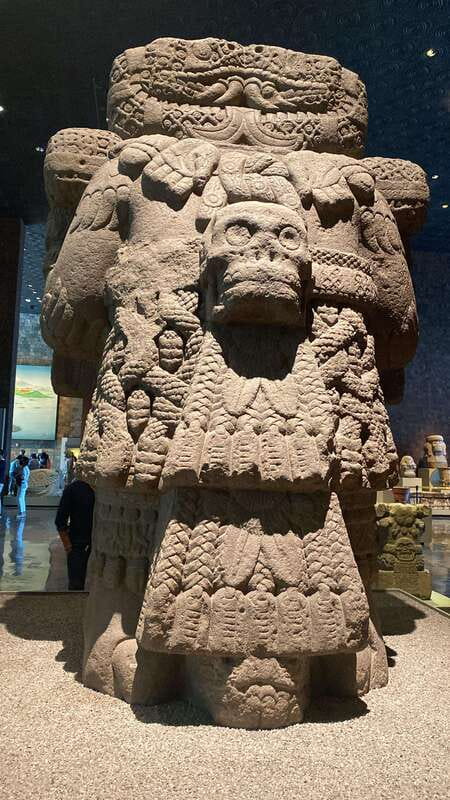
The National Museum of Anthropology is big. Like, “you’ll miss half the building” big. On your own, it’s easy to wander from room to room and still feel like you’re only skimming. What this tour does is give you a framework first, so the artifacts stop being just impressive objects and start acting like a readable language.
I like that the focus isn’t on memorizing dates. It’s on worldview: how ancient people organized meaning through symbolism, cosmology, and social structure. That matters because the museum’s best rooms are visual—and without context, you can easily miss what the images are trying to communicate.
And because the tour is in English and built around guided stops, you’re not stuck trying to translate complicated explanations while you’re also walking. Your time stays purposeful.
You can also read our reviews of more museum experiences in Mexico City


Where the tour starts in Bosque de Chapultepec
You’ll meet near the Mexican flag at the entrance of the museum. From there, you’re set up to get your bearings fast and go straight into the museum’s major highlights without wasting your energy on ticket-line friction.
This is also a good note for your planning: the museum sits in Bosque de Chapultepec, and the area is a destination by itself. That means mornings and early afternoons can be easiest for starting fresh—especially if you’re wearing comfortable shoes and want to actually enjoy the museum walk rather than just survive it.
Practical tip: plan to arrive a bit early so you can settle in before the guided portion begins. A 3-hour tour moves quickly once you’re inside.
Mural of Duality: the shortcut to understanding Mesoamerican worldview
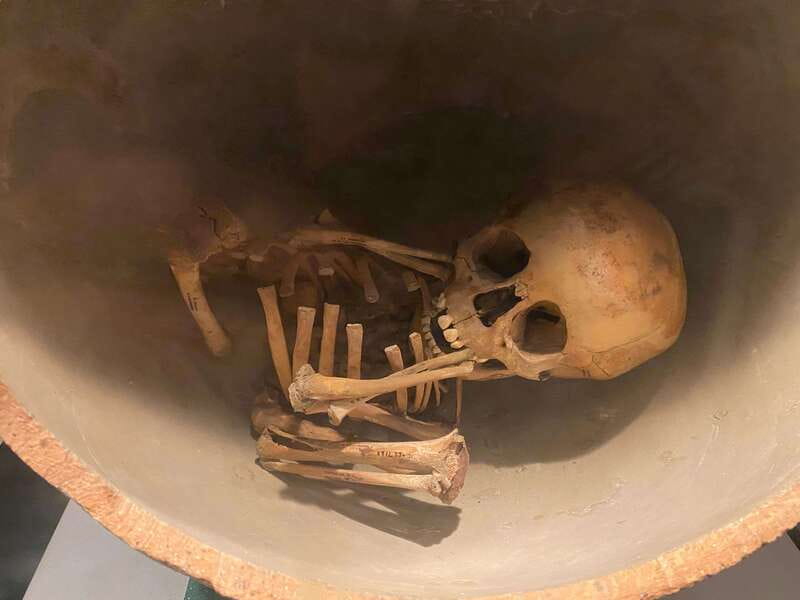
The tour’s first big stop is the Mural of Duality—and it’s not just a cool mural. It’s a lesson in how ancient thinkers structured meaning through paired forces. Instead of treating symbols as decoration, you learn to read them as a system.
This is where the tour’s central theme clicks: you’re not only looking at art. You’re looking at answers to real questions ancient people asked—about how the world works, how opposites relate, and why balance is part of the cosmos. The duality concept also helps explain why so many artifacts use recurring patterns and matching roles.
You’ll also start connecting this worldview to what you see later in rooms dedicated to major cultural centers. Once you have this mental map, Teotihuacan and the Mexica/Aztec galleries make more sense.
Why I think this stop is so strong: it changes your viewing habits. After it, you’ll notice “relationships” in objects—how images pair up, mirror each other, or point to complementary powers.
The umbrella: power and symbolism in a single object lesson
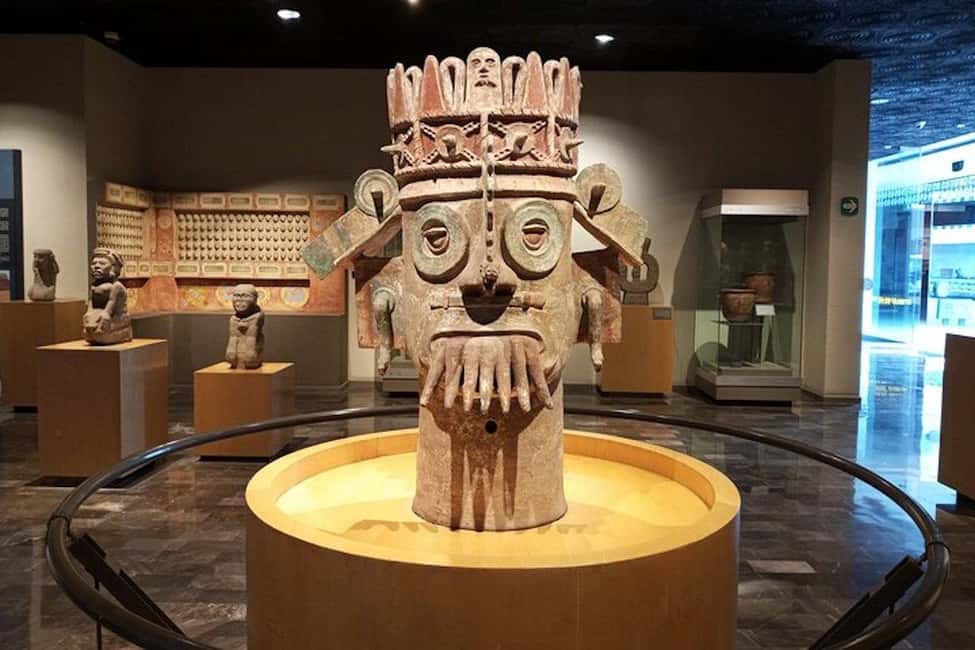
Next comes the umbrella, which sounds simple until you realize how often Mesoamerican visual culture uses everyday forms—or ceremonial forms—to communicate rank and cosmology. This stop is about using iconography correctly.
You’ll learn how symbolism works beyond animals and human figures. Motifs can signal authority, gendered roles, spiritual forces, and connections between the visible and invisible world.
There’s also a key highlight of the tour: the importance of femininity in Mesoamerica. That theme fits naturally in a worldview-based explanation, because gender isn’t presented here as a modern category. Instead, it’s explained as part of how balance and creative power show up in symbolism.
If you’ve ever wondered why certain designs keep appearing across vessels, pictograms, or stone engravings, this is where the tour starts answering that. You’ll leave with a clearer sense of why symbols appear in clusters rather than randomly.
Teotihuacan room: seeing a city’s ideas, not just its objects
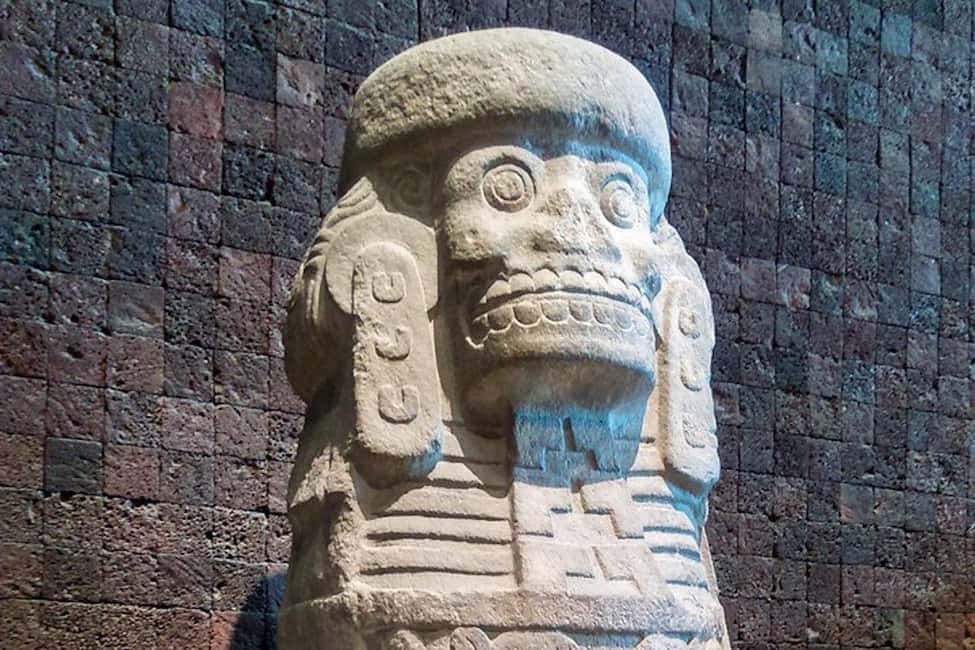
Then you move into the Teotihuacan Room, where the goal is to connect objects to cultural logic. Teotihuacan isn’t just a place-name in this tour—it becomes a way to understand architecture, systems of measurement, and social organization through what’s represented.
What’s valuable here is the method. You’re not just being told what’s important. You’re learning how to interpret what’s important. That means you’ll be able to look at similar motifs in other parts of the museum later—even if your guided time ends.
This is also a good room for “aha” moments if you’re the type who tends to blank out with museum information. The tour’s style leans toward meaning: why symbols are there, why certain imagery matters, and how it fits within a broader worldview.



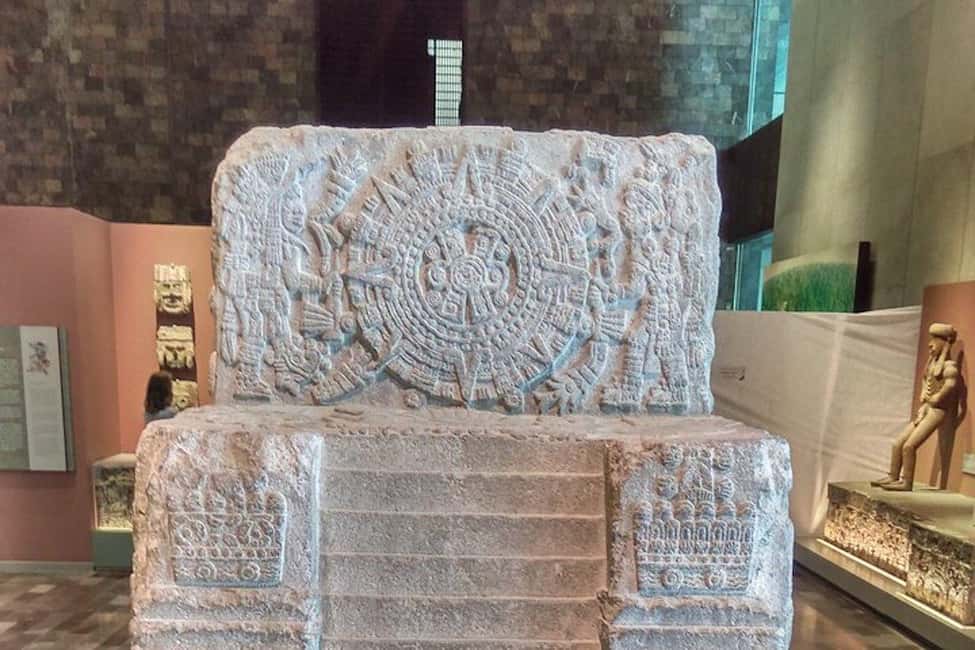
Mexica (Aztec) room: glyphs, rulers, and how meaning traveled
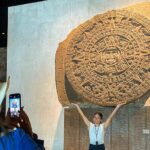
After Teotihuacan, the tour moves into the Mexica (Aztec) Room. This is where interpretation starts to feel even more personal, because you begin connecting symbolic choices to power and identity.
The tour approach helps you decode what you see rather than treating it as a list of names. Hector’s teaching style includes questions that help you interpret glyph-like elements and the logic behind recurring visual patterns.
One detail I really appreciate from the guide’s approach: he uses extra visuals on an iPad to provide background and reconstructions. That matters in big museums where labels can be short and objects can be hard to “place” visually. When you can see how something might have looked or how it connects to other imagery, the museum becomes less of a test and more of a story you can follow.
This section also helps if you’re planning to see other historic sites in Mexico City. A stronger symbolic foundation makes later visits feel sharper and less confusing.
Pakal the Great replica: why rulers look the way they do
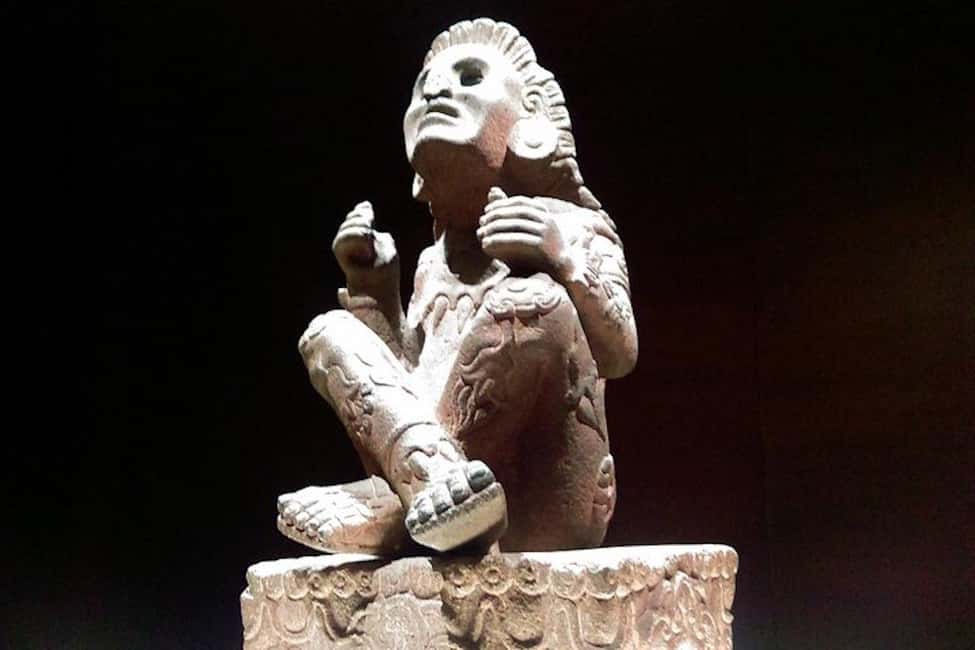
No quick museum sweep feels complete without a conversation about rulership and symbolism. That’s why the tour includes a replica of the tomb of Pakal the Great.
Even though it’s a replica, the point is clear: it gives you a structured moment to connect imagery with authority and cosmic meaning. In many ancient cultures, rulers weren’t just political leaders. They were also symbolic links between humans and the larger universe.
This stop ties back to the tour’s earlier worldview lessons. If you understood duality and symbolism in the first half, Pakal’s imagery becomes easier to interpret in a meaningful way. You’re not just admiring craftsmanship—you’re reading how power is expressed.
What the 3-hour format actually gets you
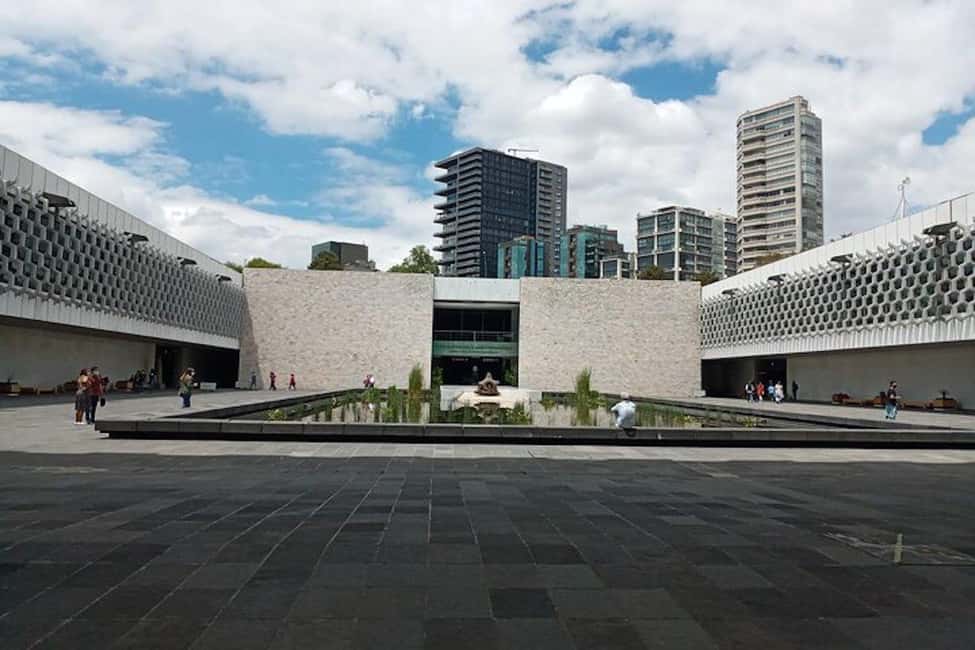
A 3-hour guided tour sounds short—until you’re inside the museum. Here’s how the time works in a way you’ll feel in your feet and your brain:
- You get a guided route through the most important rooms for symbolic worldview learning.
- You spend time where interpretation matters most, instead of trying to speed through everything.
- You get free time after the tour starts so you can continue exploring with a stronger framework.
The tour also includes your museum admission ticket to the permanent exhibitions, so you’re paying for guided interpretation plus entry, not just a walkthrough.
Now, about the price: $75 per person for a 3-hour private group with skip-the-ticket-line entry is not a bargain. But it can be excellent value if you care about meaning. The museum is huge, and without context you may spend hours and still feel confused. This tour sells clarity: you pay to save time, reduce guesswork, and learn how to read what you’re seeing.
If you’re on a tight schedule in Mexico City, guided time is also time you don’t waste.
Language, pace, and the kind of audience it matches
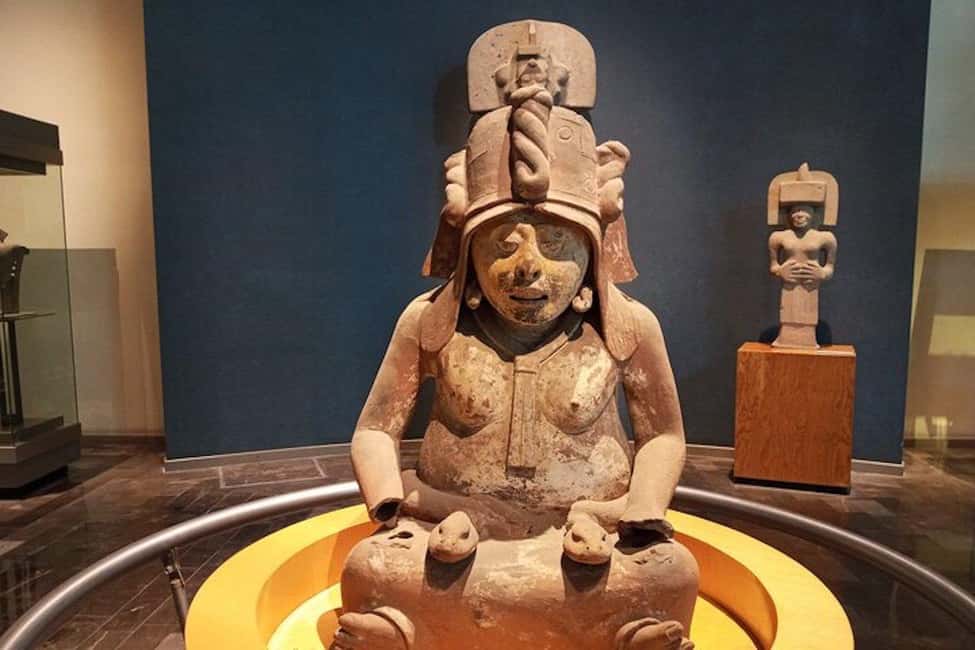
The tour is English-language and explicitly not built for young kids. It’s described as not suitable for children under 16 because the explanations involve cosmology and symbolism that are part lecture, part worldview training.
Also keep in mind the pacing: it’s done on foot, and it involves standing for long periods. So if you know you struggle with museum legs, bring patience—and wear supportive shoes.
The format is private group, which I like because it often makes questions easier and keeps explanations aligned to your pace. Hector’s style is interactive: he’ll ask questions and use visual aids to support understanding. You’re not just listening; you’re practicing looking.
One more useful detail: some content is shown in its original language. That can be totally fine, but it’s good to know so you’re not surprised if you see labels or terms that aren’t fully translated.
Museum rules you should follow before you go
This is a museum tour, so follow the on-site restrictions to avoid awkward interruptions. You can’t bring pets, and you can’t smoke. Food and drinks aren’t allowed during the tour, and there are strict limitations on what you carry—no large bags, luggage, or backpacks.
For photo habits: flash photography isn’t allowed, and selfie sticks and professional cameras aren’t allowed either. Plan to travel light with a camera-free mindset if that kind of rulebook is stressful for you.
And yes: touching exhibits is prohibited, so keep hands to yourself.
Should you book this tour?
Book it if you want to see the museum as meaning, not just monuments. This tour is best for adults (and older teens) who enjoy symbolic interpretation and want a framework for understanding indigenous worldviews. The combination of a guided route through major rooms plus interactive teaching with iPad visuals makes the museum feel understandable instead of intimidating.
Skip it if you want a quick overview with minimal theory. If cosmology and symbolism feel like homework to you, you’ll likely find this approach too cerebral. And if long standing time is a dealbreaker, be ready to take breaks during your free time rather than treating those 3 hours like a casual stroll.
Bottom line: for $75, you’re paying for clarity. If you’ll actually use that clarity to navigate the museum on your own afterward, it’s a strong value.
FAQ
How long is the National Museum of Anthropology tour?
The guided tour lasts 3 hours, with guided time in the museum plus a portion of free time.
What’s included in the $75 price?
The price includes a guided walking tour at the National Museum of Anthropology, admission ticket to the museum and its permanent exhibitions, and explanations in key areas like the Mural of Duality, the umbrella, the Teotihuacan Room, the Mexica (Aztec) Room, and a replica of Pakal the Great’s tomb.
Where do we meet?
The meeting point is near the Mexican flag at the entrance of the museum.
Is the tour offered in English?
Yes, the live tour guide provides the tour in English. Some content may be shown in its original language.
Is it wheelchair accessible?
Yes, the tour is wheelchair accessible.
Is it okay to bring a camera or selfie stick?
Selfie sticks and professional cameras are not allowed. Flash photography is also not allowed.