REVIEW · MEXICO CITY
Mexico City: Guided walking tour through the most historic parts of the city.
Book on GetYourGuide →Operated by KactusMX · Bookable on GetYourGuide
History walks fast in Mexico City. In just three hours, you move through the Zócalo and the Templo Mayor area while your guide stitches together Aztec, colonial, and Republic-era Mexico into one easy story. I love how the tour turns big monuments into human stories, and I also love the practical street-level guidance, especially around where and how locals eat and move through the city.
You also get an unusually personal feel for a group walk, thanks to guides who keep the energy up and answer questions in a way that makes history feel usable. If you end up with a guide like Oscar, Laura, Luis, or Gabriela, you’ll likely notice the same pattern: clear explanations, lots of context, and good recommendations for what to do next in the Centro Histórico.
One watch-out: this is still a walking tour, and it runs in all weather. If you hate long stretches in sun or rain, plan for it by bringing the right clothing and comfortable shoes, and note that it isn’t suitable for wheelchair users or people over 95.
In This Review
- Key highlights worth your time
- Getting Oriented at the Catedral Metropolitana and Mexico City’s Main Square
- Cathedral Time: What You Learn by Going Inside
- Templo Mayor Museum: The Aztec Layer Under the Colonial City
- Three Eras of Mexico City History, Told as One Story
- Plaza De Santo Domingo and Plaza Manuel Tolsá: Architecture with a Lesson
- Palacio de Correos, Casa de los Azulejos, and Fine Arts Photo Stops
- Palacio de Correos de México
- Casa de los Azulejos
- Ending at Palacio de Bellas Artes
- Local daily life: food tips, transit habits, and street smarts
- What $30 gets you: value, inclusions, and the real costs
- Timing, weather, and how to prepare so it stays enjoyable
- Who should book this Centro Histórico walk
- Should you book this Mexico City guided walking tour?
- FAQ
- Where is the meeting point?
- How long is the tour?
- How much does it cost?
- What languages are available?
- What are the main sights you’ll see?
- Are entrance fees included?
- Is food included?
- Does the tour run in bad weather?
- What should I bring?
- Is the tour suitable for wheelchair users or older adults?
Key highlights worth your time
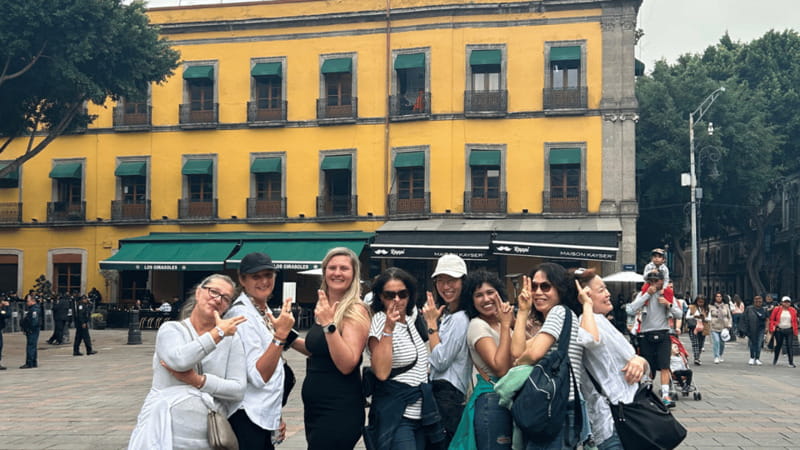
- Zócalo to Bellas Artes flow: You see the Centro core and end in front of Mexico City’s most famous arts landmark.
- Three eras, in order: Pre-Hispanic Mexico, the Viceroyalty, and the Republic are explained as connected chapters.
- Inside stops, not just photos: You go into major buildings, including the cathedral.
- Photo-friendly architecture breaks: Places like Palacio de Correos and Casa de los Azulejos give you great visuals.
- Food and daily-life tips: You learn how locals spot good street food and navigate the city’s public transport.
- Guides who tell stories well: From Oscar to Laura to Thomas, the tour is known for energetic, question-friendly guiding.
Getting Oriented at the Catedral Metropolitana and Mexico City’s Main Square
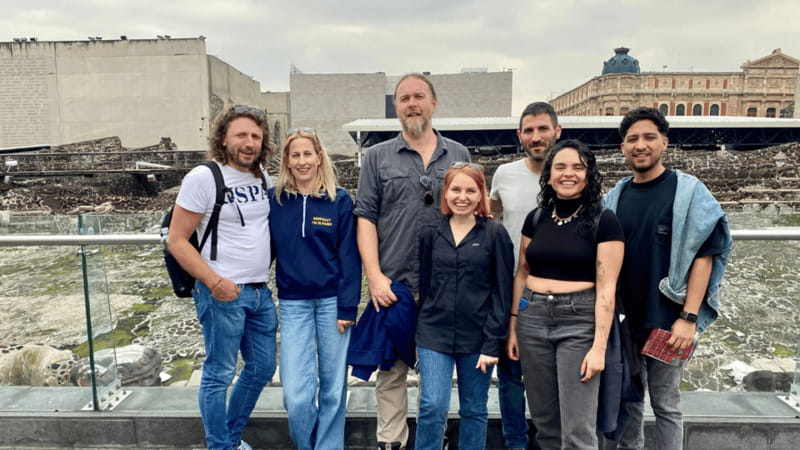
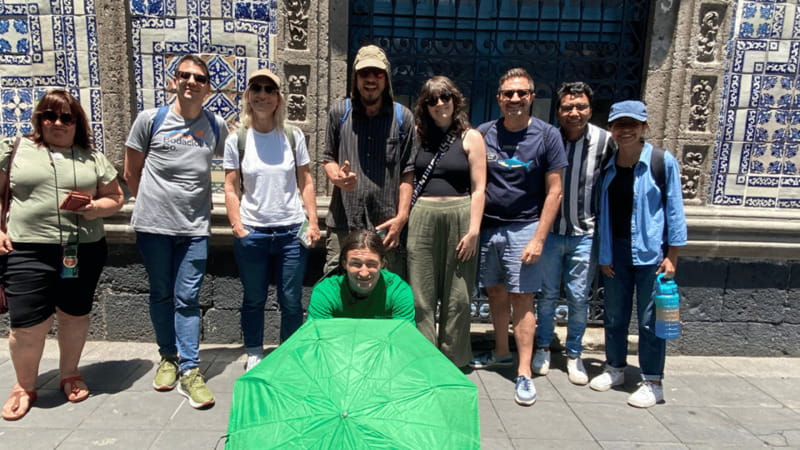
Most Mexico City tours start with a landmark. This one starts with the landmark that helps you understand everything else. You meet at the main entrance of the Catedral Metropolitana de la Ciudad de México, facing the main square. You’ll know your guide by the green uniform and a green umbrella on the sidewalk.
The first part at the Zócalo works like a map you can feel. Your guide sets the stage for how Mexico City grew on layers of earlier power, from the Aztec capital area into colonial rule and then into the modern Republic. It’s a quick start, but it matters, because the rest of the walk becomes easier once you know what you’re looking at.
In this square, you also learn to read symbolism. The cathedral isn’t only a pretty facade. It’s part of the story of transformation, and your guide points out what changed and what stayed.
You can also read our reviews of more walking tours in Mexico City


Cathedral Time: What You Learn by Going Inside
From the Zócalo, you head into the Metropolitan Cathedral. This is where the tour does something valuable beyond simple sight-seeing: it slows down just enough for you to understand the architecture instead of just photographing it.
You’ll spend about 20 minutes inside. That’s enough time to take in major features without feeling trapped in a long lecture. Your guide uses the cathedral as a shortcut to the bigger question: how did a new religious and political order land in a place shaped by older empires?
Practical note: expect time in crowds around the cathedral zone. Comfortable shoes are not optional here. If you plan to keep your camera out, also plan to wipe fingerprints off it later, because central Mexico City is busy.
Templo Mayor Museum: The Aztec Layer Under the Colonial City
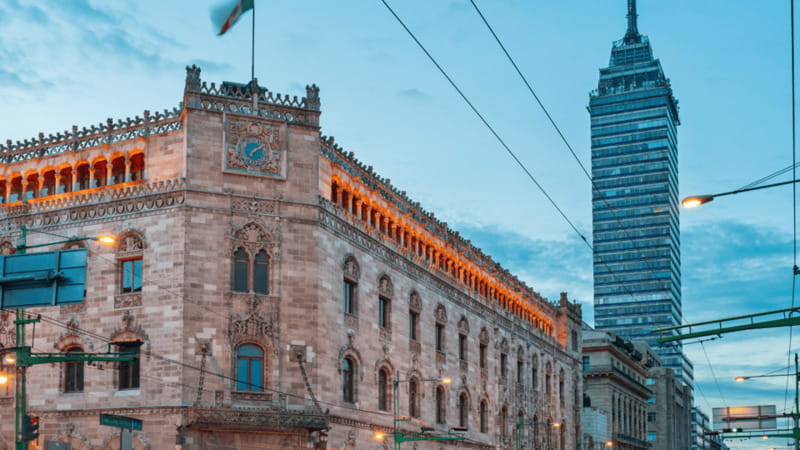
A few steps outside, the story shifts in a way that makes the Centro Histórico feel real. You’ll focus on the Templo Mayor Museum area and the significance of the ancient Aztec capital. The big idea is simple: Mexico City did not replace everything. It built over it, with new designs and new rulers, while older sacred spaces left traces.
At Templo Mayor, you get around 30 minutes with guided time. This is one of the stops that turns the tour from “nice buildings” into “understanding.” You’ll connect the ruins and museum context to the earlier beginning of Mexico-Tenochtitlan, and then to how the country evolved from Aztec dominance into modern Mexico City.
Even if you only know a few names, your guide brings the past to life with references like Moctezuma and Hernán Cortés, plus other figures you’ll hear again in later parts of the walk. The effect is that history stops being a list and starts being a chain of cause and consequence.
Three Eras of Mexico City History, Told as One Story
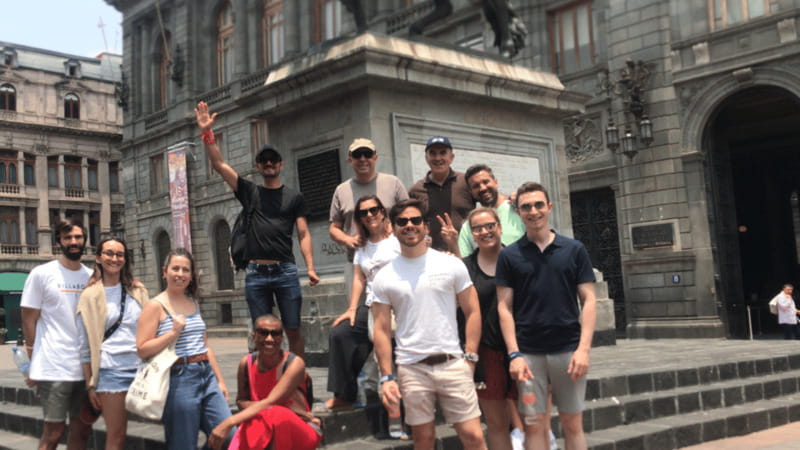
One reason this tour is popular is the structure: it walks you through three main periods instead of scattering facts. Your guide frames the walk around:
- Pre-Hispanic Mexico, rooted in the Aztec capital
- The Viceroyalty, tied to the colonial era and church power
- The Republic, where Mexico’s national identity took new shape
You’ll hear stories and context tied to key figures such as Hernán Cortés, Diego Rivera, Pancho Villa, Zapata, Porfirio Díaz, and Moctezuma. There’s also attention to women who shaped Mexican culture and public life, not just the men who dominate most textbook summaries.
What I like about this approach is that it gives you a mental timeline while you walk. When you’re staring at colonial-era architecture, you’re not left guessing what changed from the previous era. When the guide mentions Republic-era artists, you can connect the dots to why certain buildings, styles, and public ideas feel the way they do today.
Plaza De Santo Domingo and Plaza Manuel Tolsá: Architecture with a Lesson
Two exterior stops give your eyes a break and your brain a new reference point. At Plaza de Santo Domingo, you learn about the influence of the Dominican order and how religious communities shaped the Centro. It’s a photo stop with context, so you’re not just snapping away.
Next comes Plaza Manuel Tolsá. Your guide points out 19th-century architecture and the monumental equestrian statue of Carlos IV. This is where your guide’s storytelling style really helps: the statue stops being a random object and becomes a piece in a larger argument about power, public space, and who got honored.
These plazas also make a practical difference. You’ll have short breaks that keep the walk comfortable. Just don’t turn your whole day into a sit-down marathon. This tour works because you keep moving.
You can also read our reviews of more guided tours in Mexico City



Palacio de Correos, Casa de los Azulejos, and Fine Arts Photo Stops
After the plazas, the tour leans into visuals. You’ll make photo stops and get short guided context at places that are instantly recognizable in photos but more interesting in person.
Palacio de Correos de México
You’ll pause at Palacio de Correos de México for both photo time and free time to look around. Your guide’s explanation helps you see what you’re looking at instead of just admiring it. Take advantage of the free time for quick questions or to reposition for better photos.
Casa de los Azulejos
Then it’s on to Casa de los Azulejos, another classic Centro landmark where the tilework does most of the talking. Your guide helps you understand the setting, and you’ll have another short visit and photo moment. This one is great if you like architectural details you can zoom in on later.
Ending at Palacio de Bellas Artes
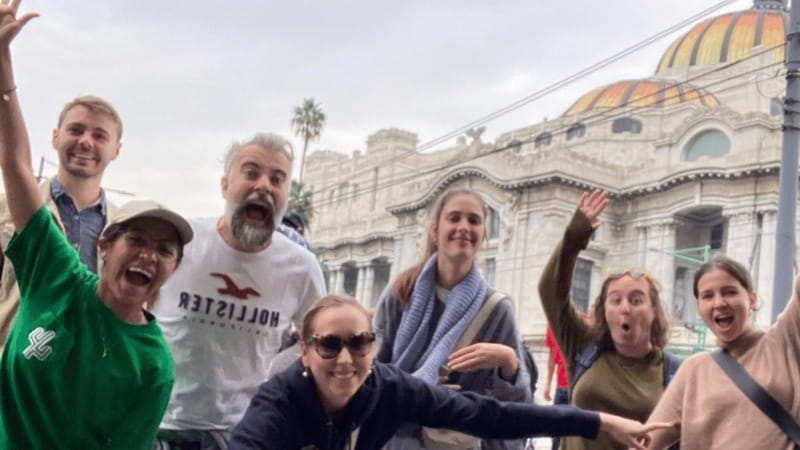
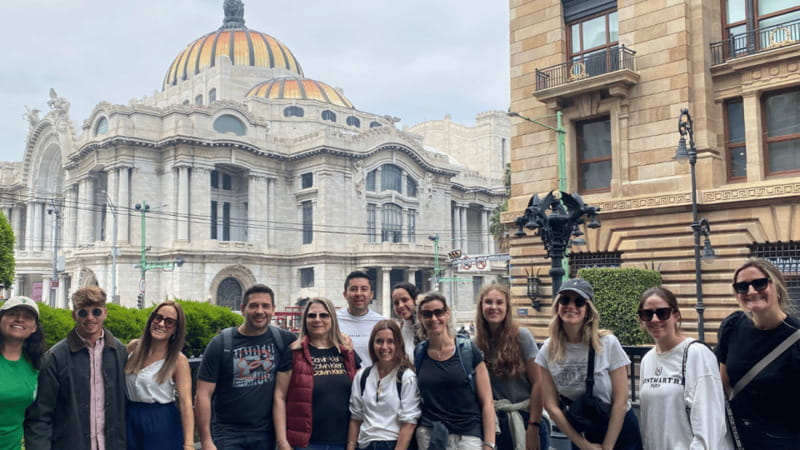
The walk ends at Palacio de Bellas Artes. This finale works because the arts building feels like a natural ending point for a tour about national identity. You start with the religious and political heart of the city and you finish with the cultural one.
Local daily life: food tips, transit habits, and street smarts
Here’s the part I think most first-timers appreciate: the tour doesn’t only teach history. It also teaches how to function in Mexico City.
You’ll get practical advice about everyday life, including how to get around using public transportation, plus why streets in the area tend to look so clean. Your guide also covers what distinguishes locals when deciding where to eat, and you’ll get recommendations for tacos and where to find good bites.
There’s one important limit: food is not included in the price. If you want to snack during the walk, you’ll pay separately. That said, the street-food guidance is still useful, because it helps you avoid the tourist traps that look tempting but aren’t worth the wait.
Also, if you’re traveling with kids, the tour explicitly recommends bringing items to keep them comfortable, like water or snacks and small toys needed for the group’s enjoyment. If you want the whole walk to stay calm, this is one of those tiny preparations that makes a big difference.
What $30 gets you: value, inclusions, and the real costs
At $30 per person for about three hours, this is strong value for a guided walk covering multiple major historic anchors. You’re paying for a local guide, didactic material, and a structured route that helps you learn faster than wandering on your own.
Included:
- Walking tour through the center
- Local tour guide
- Didactic material
Not included:
- Transportation to and from the meeting point
- Entrance fees
- Food and beverages
So the real “budget reality” is entrances plus whatever you choose to eat. If you’re the type who likes museums and will pay for entry anyway, this tour still makes sense because you’ll arrive with a story in your head, not just a ticket in your hand. If you’re trying to keep costs super tight, plan to treat the guided stops as orientation and decide on paid entries only when you feel the need.
And one more thing: the tour can help you spend time better. You walk with direction, not aimless wandering. That’s part of the value.
Timing, weather, and how to prepare so it stays enjoyable
The tour takes about 3 hours and runs regardless of weather conditions. That means you need to show up ready. Sun in Mexico City is no joke, and rain can turn cobblestones into a skating rink.
Bring:
- Comfortable shoes
- Sunglasses, hat, and sunscreen
- Weather-appropriate clothing
- Cash
A small but important tip: give yourself at least one hour for transportation to the meeting point. Central Mexico City travel can be unpredictable in the way only big cities can be.
If you rely on your phone for navigation, also plan for communication. Leave a cell phone with a reachable number and preferably WhatsApp contact so you can get in touch quickly if anything changes.
Who should book this Centro Histórico walk
This works best for:
- First-time visitors who want a structured introduction
- People who enjoy history told through real places and public space
- Travelers who like asking questions and getting straight answers
- Anyone who wants photo stops plus practical local guidance
It’s not suitable for:
- Wheelchair users
- People over 95
If you’re visiting with children, it’s not described as disallowed, but you’ll want to come prepared with water, snacks, and small items to help them stay happy during the walk.
If you’re traveling with limited mobility, you should think carefully. This is a walking-focused experience and the central area can include uneven surfaces.
Should you book this Mexico City guided walking tour?
Yes, if you want a guided way to connect Aztec origins, colonial transformation, and Republic-era identity while also learning how to handle daily life in the Centro.
Skip it only if walking in changing weather is a dealbreaker for you, or if you need an accessible route for mobility needs. Otherwise, for $30, you’re buying structure, context, and a local guide who can turn landmarks into stories you’ll remember when you’re off the tour and trying to plan your next stop.
If you can, go in with one mindset: ask questions. The best moments of this tour tend to be the ones where your guide turns your curiosities into a mini lesson on the spot.
FAQ
Where is the meeting point?
Meet at the main entrance of the Catedral Metropolitana de la Ciudad de México, facing the main square. Outside on the sidewalk, look for a tour guide wearing a green uniform with a green umbrella.
How long is the tour?
The walking tour lasts about 3 hours.
How much does it cost?
The price is $30 per person.
What languages are available?
The tour is offered in English and Spanish.
What are the main sights you’ll see?
You’ll cover the Zócalo area, visit inside the Metropolitan Cathedral, see the Templo Mayor Museum area, and pass major Centro landmarks like Plaza de Santo Domingo, Palacio de Correos, Casa de los Azulejos, and the Palacio de Bellas Artes (where the tour ends).
Are entrance fees included?
No. Entrance fees are not included in the tour price.
Is food included?
No. Food and beverages are not included. If you want to eat during the walk, you’ll pay separately.
Does the tour run in bad weather?
Yes. The tour takes place regardless of weather conditions.
What should I bring?
Bring comfortable shoes, sunglasses, a hat, sunscreen, cash, and clothing appropriate for the weather. If you’re bringing children, bring what they’ll need for the whole group, like toys and water or snacks.
Is the tour suitable for wheelchair users or older adults?
No. It is not suitable for wheelchair users, and it is not suitable for people over 95.