REVIEW · MEXICO CITY
Private Contrasts of Mexico City Neighborhoods Tour
Book on Viator →Operated by Amigo Tours · Bookable on Viator
Cable car views plus neighborhood contrasts—fast and fun. This private 3-hour tour strings together Centro Histórico, an Cablebús ride, and several very different districts in one smooth loop, with roundtrip hotel transfer included.
I like the hotel pickup part because it removes the fuss of getting to the right places on your own. I also like that you get about 40 minutes in the Cablebús car, long enough to actually look out and understand what you’re seeing from above. The one downside to plan around is time: it’s efficient, so you won’t have hours to linger at any single neighborhood.
In This Review
- Key things to notice before you go
- A private contrasts route built for first-time orientation
- Price and logistics: what you’re really paying for
- Getting moving at 10:00 with hotel pickup (and a Santa Fe catch)
- Centro Histórico: imperial buildings and museum streets
- The Cablebús ride: your best aerial window over the city
- Avenida’s big landmarks: Independence and Torre Reforma
- Las Lomas: luxury and the feel of upper-class residential life
- Chapultepec Park: Mexico City’s lung with fountains, lakes, and archaeology
- Financial and economic district: offices, universities, and international hotels
- A Spanish-conquered settlement and its carnival costumes
- Ending back in the historic center with a guided walk
- What the Cablebús and guided context add to your Mexico City trip
- Who should book this tour
- Should you book Private Contrasts of Mexico City Neighborhoods Tour?
- FAQ
- What time does the tour start?
- How long is the Private Contrasts of Mexico City Neighborhoods Tour?
- Is hotel pickup included?
- Is pickup available from Santa Fe?
- Is the Cablebús cable car ride included?
- Is food or drinks included?
- Is the tour offered in English?
- Is this tour private?
- Is there free cancellation?
Key things to notice before you go
- Cablebús as the main event: a real, iconic cable car perspective over Mexico City’s neighborhoods
- Private tour, just your group: less waiting, more questions answered on the fly
- Centro Histórico orientation: imperial buildings and museum streets with context
- Chapultepec time in the spotlight: fountains, lakes, sports spaces, and archaeological remains
- Drive-by contrasts that make sense: Lomas to the financial district to Reforma landmarks in one route
A private contrasts route built for first-time orientation
If Mexico City feels huge (because it is), this kind of private tour helps you get your bearings fast. You’re not just seeing famous dots on a map—you’re moving through neighborhoods that are socially and visually different, then tying those differences to what you’re seeing on the ground and from the air.
The overall structure is practical: you start with the city’s historical core, get a major view from the Cablebús, then shift through broad corridors and districts that show how the city changes block by block. It’s a great format if you like learning, but you also want the payoff to be visible—long views, landmark spotting, and that immediate sense of contrast.
You can also read our reviews of more city tours in Mexico City


Price and logistics: what you’re really paying for
At $176 per person for a 3-hour private experience, the value is in three things that are hard to replicate cheaply on your own: roundtrip hotel transfer, a professional guided tour, and the included Cablebús ride.
This isn’t a museum-heavy day or a full-day tour. You’re paying for a compact route where a guide explains the why behind what you notice. That’s especially worth it if you don’t have a lot of time and you want the city to make sense without spending your morning figuring out transport.
One practical note: the route is timed. There are multiple stops, but it’s still a short window. If your ideal Mexico City day means slow wandering with deep museum time, you may want to pair this with other activities afterward.
Getting moving at 10:00 with hotel pickup (and a Santa Fe catch)
The tour starts at 10:00 am. Pickup is included from many hotels, but pickup is not available at Santa Fe. If you’re staying near Santa Fe and this matters to you, you’ll need to plan an alternate meetup point (the tour data specifically flags Santa Fe as a no-pickup area).
Because you’re leaving from your hotel and returning there, you can keep your morning simple: water, sun protection, and shoes you can handle for some walking at the end in Centro. Also, since food isn’t included, it helps to eat before you go or plan to grab something right after.
Centro Histórico: imperial buildings and museum streets
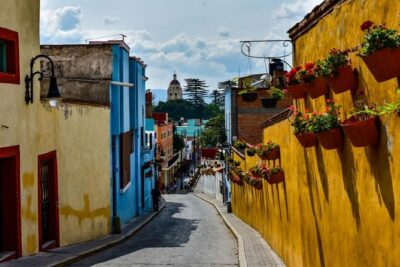
Centro Histórico is where Mexico City flexes its long timeline. You’ll get to know the area where you can spot imperial-era building styles and a dense concentration of museums. The value here isn’t just seeing big architecture—it’s having a guide help you connect the buildings and institutions to why the area matters.
Expect this stop to set the tone for the rest of your day. It’s the historical baseline before you move into modern infrastructure, finance districts, and wealthy residential zones. If you like places that feel layered—where old and powerful still shape the street scene—this is a strong opener.
A small consideration: Centro is a high-traffic area. Even with a guide, it’s not a silent, slow stroll. You’re there to orient, not to do an all-day museum sprint.
The Cablebús ride: your best aerial window over the city
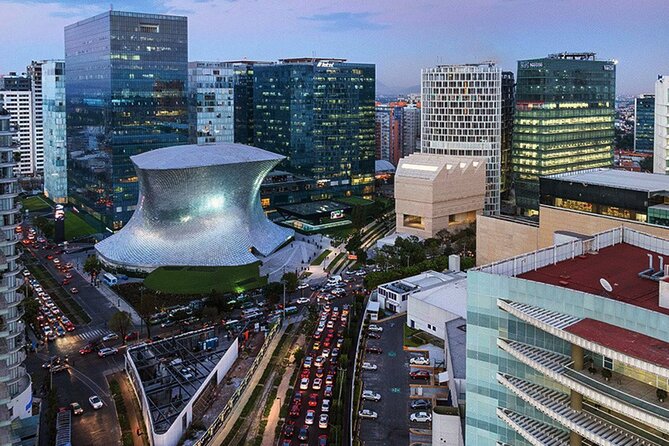
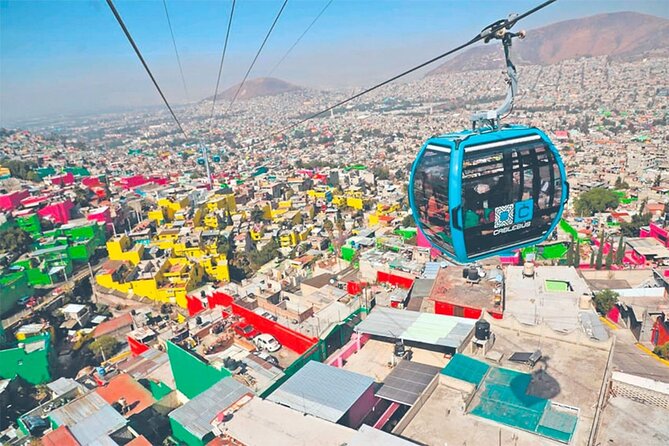
The Cablebús is the headline for a reason. It’s an iconic system and a very different way to understand Mexico City’s neighborhoods—one where you’re literally looking down at how communities stack and spread across hillsides and streets.
You’ll ride in the cable car, and it’s timed to feel like more than a quick photo stop. A review noted around 40 minutes on the tram, which is a sweet spot: long enough to watch houses slide by below you, notice changing terrain, and get a sense of how steep slopes and streets shape daily life.
From the cable car, you also get that atmospheric payoff: colorful houses, a changing panorama, and views that can include the volcano slopes depending on conditions and timing. This is one of those moments where photos are fun, but your real win is learning what the geography looks like when you’re above it.
You can also read our reviews of more private tours in Mexico City





Avenida’s big landmarks: Independence and Torre Reforma
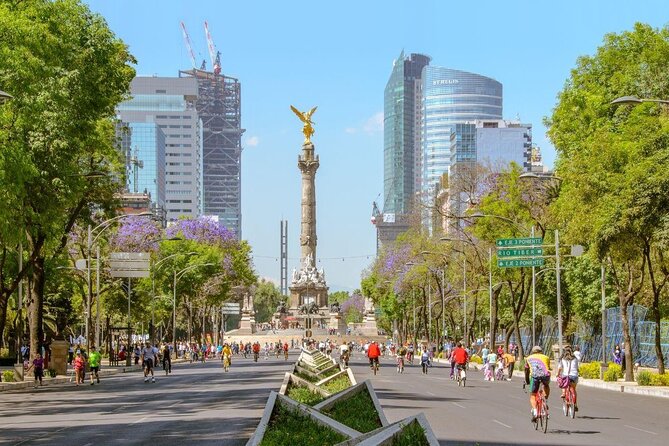
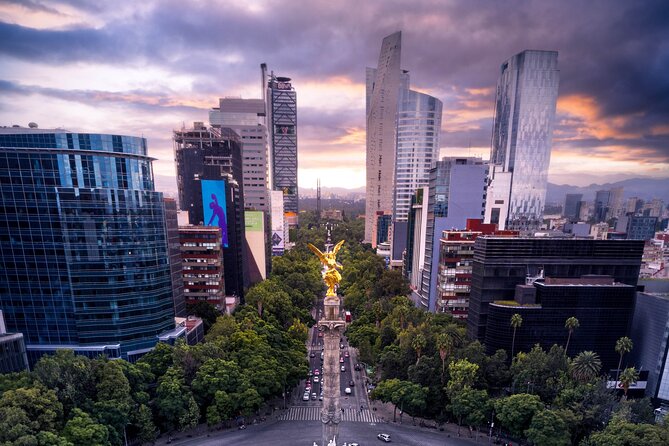
After the Cablebús, you’ll be on the move through one of Mexico City’s most important avenues. This is where the city’s identity shows up in scale—wide roads, major civic landmarks, and the sense of how public space gets used during events.
You’ll pass key landmarks such as:
- the Monument to Independence
- Torre Reforma
This drive-by segment is useful because it bridges what you learned in Centro with what you’re about to see next. You get a feeling for the city’s modern rhythm—convenient, high-visibility, and tied to major events that can include concerts and public activity.
If you’re prone to motion sickness, take your usual precautions. You’re in a car during road travel, and then you’re up high during the cable car ride—two different sensations in a short span.
Las Lomas: luxury and the feel of upper-class residential life
Las Lomas is a sharp contrast stop. Instead of museum streets or panoramic views, you’re seeing a more upscale urban lifestyle. This area tends to communicate wealth through spacing, landscaping cues, and how the streets and buildings feel when you’re passing through.
What makes this stop valuable in a guided contrasts tour is the comparison. You’ll have already seen the historic center and the Cablebús view, so when you reach Las Lomas you’re able to connect those visual cues to the city’s social geography.
This won’t feel like a museum district. It’s more about observing atmosphere and planning your mental map: where the city’s different worlds sit relative to each other.
Chapultepec Park: Mexico City’s lung with fountains, lakes, and archaeology
Chapultepec Park is one of the biggest urban parks in the Americas, and it earns that reputation through variety. On this tour, you’ll ride through the area with a guide pointing out what makes it special: fountains, lakes, sports spaces, and archaeological remains.
Think of it as a city break inside the city. Even if you only get a limited amount of time, the park gives you a pause from buildings and roadways. It also helps you understand how Mexico City balances dense urban life with major green space.
A practical consideration: it’s still an urban park, so wear footwear you can walk in comfortably if you get out for parts of the route. Also, bring sun protection. When you’re in parks and open areas, that shade is not guaranteed.
Financial and economic district: offices, universities, and international hotels
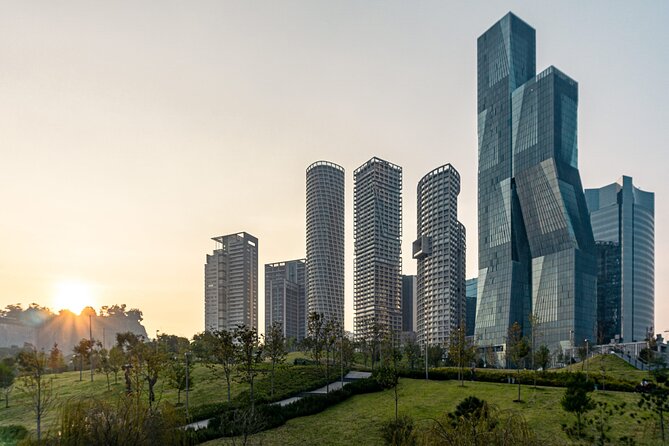
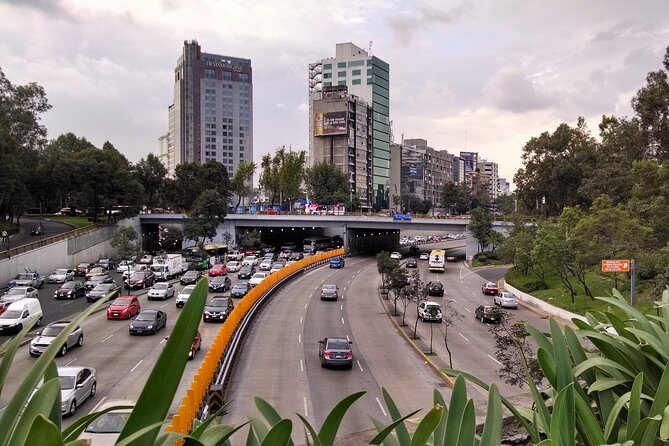
Next comes the financial and economic district. This is where Mexico City shifts into a vertical, institutional feel—huge buildings full of offices, plus universities, international hotels, and residential houses mixed into the overall landscape.
What I like about this stop is that it rounds out the story. You’ve already seen history, residential luxury, and big park space. Now you see the city’s economic engine and the institutions that support it.
You’re not doing a deep architectural tour here. It’s a guided passage—enough to recognize the district’s character and understand how modern Mexico City operates alongside its older core.
A Spanish-conquered settlement and its carnival costumes
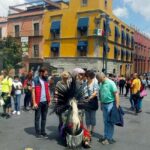
One of the more culturally specific parts of the day is a visit to a historical settlement that was later conquered by the Spanish, followed by attention to its carnival traditions. The highlight here is the colorful costume culture: Chichinas and flashy masks known as Chinas Poblanas.
Even if you don’t catch a carnival moment in person, learning what these costumes mean and why they matter adds a layer that you won’t get from purely architectural stops. It’s a reminder that neighborhood identity isn’t just buildings—it’s also ceremony, dress, and local tradition.
Because the tour is time-limited, this segment is best viewed as a guided cultural highlight. If you’re deeply into festivals and performance, you may want to pair this day with additional time in the specific area where the carnival tradition is most active.
Ending back in the historic center with a guided walk
You finish in the historical center, where you’ll have the chance to walk around its streets. This is a smart closing move. After the big view and the drive-through contrasts, you come back to street level—where you can take in details like building facades and the feel of the neighborhood.
This final walk is useful for consolidating what you learned. You’re already oriented from earlier stops, so you can look at Centro with more meaning, not just more buildings.
If you love street photography, this is usually where you can slow down a bit. Keep your pace comfortable; the day is designed to be efficient, not exhausting.
What the Cablebús and guided context add to your Mexico City trip
A quick list of what this tour does especially well:
1) It gives you both ground and air perspective. The Cablebús is one of the few ways to see the city’s shape clearly in a short time.
2) It turns passing sights into understanding. A guide helps you connect Centro, major avenues, and districts so you’re not just collecting photos.
3) Private pacing means fewer dead moments. With only your group, you usually spend less time waiting around.
4) The route highlights contrasts with a purpose. Instead of random stops, you move through historical core, parks, financial corridors, and residential luxury.
Who should book this tour
I think this tour is ideal if:
- you’re visiting Mexico City for the first time or returning and want a fast orientation day
- you enjoy guides who explain what you’re seeing, not just where to stand for pictures
- you want a private format with hotel pickup so your day doesn’t depend on transit planning
- you want one standout experience that’s very visual, the Cablebús ride
You might want a different style of tour if:
- you want deep time in museums or long neighborhood exploration without car or tram segments
- you prefer food-focused plans (since food and drinks aren’t included)
Should you book Private Contrasts of Mexico City Neighborhoods Tour?
If you want a 3-hour day that makes Mexico City feel understandable, I’d say yes. The mix of Centro Histórico, the Cablebús ride, and landmark drives like Independence and Torre Reforma gives you a lot of sensory information fast. Add hotel pickup and a professional guide, and it becomes a low-stress way to see how the city changes from one world to another.
Book it sooner rather than later if you can: the tour is typically reserved about a month in advance. And if you do book, do yourself a favor—start the day hydrated, dress for sun, and plan a meal for after the tour since food and drinks are not included.
FAQ
What time does the tour start?
The tour starts at 10:00 am.
How long is the Private Contrasts of Mexico City Neighborhoods Tour?
It’s about 3 hours.
Is hotel pickup included?
Yes, hotel pickup is included.
Is pickup available from Santa Fe?
No, pickup is not available at Santa Fe.
Is the Cablebús cable car ride included?
Yes, the Cablebús ride is included.
Is food or drinks included?
No. Food and drinks are not included.
Is the tour offered in English?
Yes, the tour is offered in English.
Is this tour private?
Yes. It’s a private tour/activity, and only your group participates.
Is there free cancellation?
Yes, free cancellation is available up to 24 hours in advance for a full refund.