REVIEW · MEXICO CITY
Walking Tour in Historic Center CDMX
Book on Viator →Operated by Educando con Cultura · Bookable on Viator
This walk stitches centuries into one morning. You’ll cover major landmarks in Mexico City’s historic center with a certified guide, plus museum entry where it matters, all in about 2.5 to 3+ hours. Small group size (up to 25) and English explanations keep the pace lively without turning it into a stampede.
I especially like how the route starts with Diego Rivera’s mural context and then moves forward through the city’s changing ideas, power, and culture. You’ll also get a big “how did we get here?” through-line, ending with Aztec Tenochtitlan explained with models at the Templo Mayor.
One thing to plan around: this is a fast overview tour, not a series of long, quiet museum sittings. Each stop is timed, so if you want deep study of one building (or one mural), you’ll likely want extra time after the tour.
In This Review
- Key highlights you’ll feel on this walk
- The “big ideas” route: what this tour does in 3 hours
- Diego Rivera Mural Museum: starting with censorship and ideology
- Alameda Central: the city’s public pause button
- Palacio de Bellas Artes: light, shadow, and city identity
- Palacio Postal and modern Mexico: Porfirio Díaz’s makeover
- Palacio de Minería and Museo Nacional de Arte: power in silver and craft in stone
- Teatro de la Ciudad: the stage story, then the harsher contrast across the street
- Centro Cultural España en México and Templo Mayor: going underground into the Aztec layers
- Price and logistics: why $83.64 can work well (or not)
- The guide makes the difference: names you might hear and what they do
- How to plan your day: small moves that prevent big annoyance
- Watch-outs: expectations and booking issues
- Should you book this Historic Center walking tour?
- FAQ
- How long is the Walking Tour in Historic Center CDMX?
- What’s the meeting point and where does the tour end?
- Is the tour offered in English?
- What’s included in the price?
- Are food and drinks included?
- Is there a group size limit?
- Can I cancel for a full refund?
Key highlights you’ll feel on this walk
- Diego Rivera Mural Museum as your launch point, including why a specific religious phrase was censored
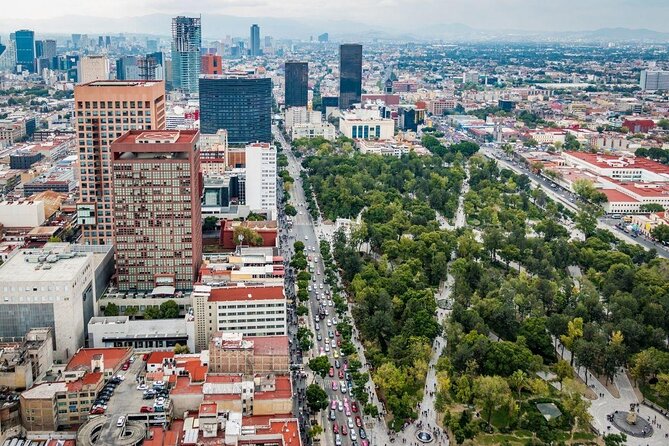
- Alameda Central, described as the first public park in America, with classic sculptures to study
- Palacio de Bellas Artes, one of Mexico City’s most emblematic sights, framed as a story of the city’s shifts
- Porfirio Díaz-era architecture at Palacio Postal, built as part of modernization and beautification
- Esperanza Iris at Teatro de la Ciudad, plus the darker contrast of the 18th-century asylum across the street
- Templo Mayor with models, focused on how the Aztecs built Tenochtitlan and how conquest unfolded
The “big ideas” route: what this tour does in 3 hours
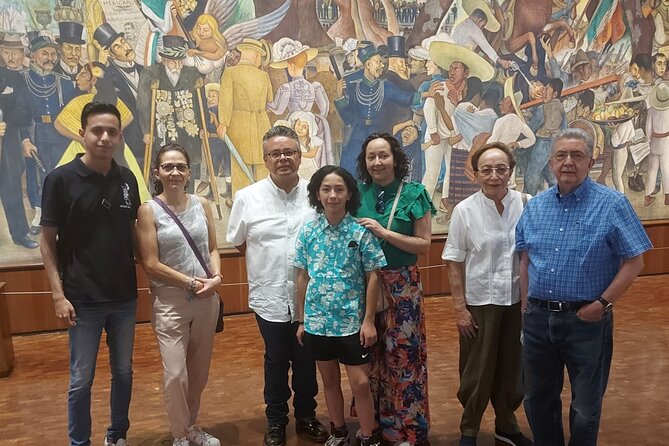
This tour is built like a guided timeline you can walk. Instead of hopping randomly between famous places, the sequence is designed to help you understand how Mexico City layered colonial life, modernization, art movements, and Aztec foundations on top of each other.
You’re looking at roughly 2 hours 30 minutes to 3 hours 10 minutes, and you’ll visit nine stops. Some include admission tickets; a few are free stops where you still get explanation and context. With a max group size of 25, the guide can keep things moving and answer questions—especially helpful if you like asking why something matters, not just what something is.
The pace is the main “trade.” You’ll see a lot, but you won’t linger long inside each site. Think of it as the best way to get your bearings fast and decide what deserves a longer return visit.
You can also read our reviews of more walking tours in Mexico City


Diego Rivera Mural Museum: starting with censorship and ideology
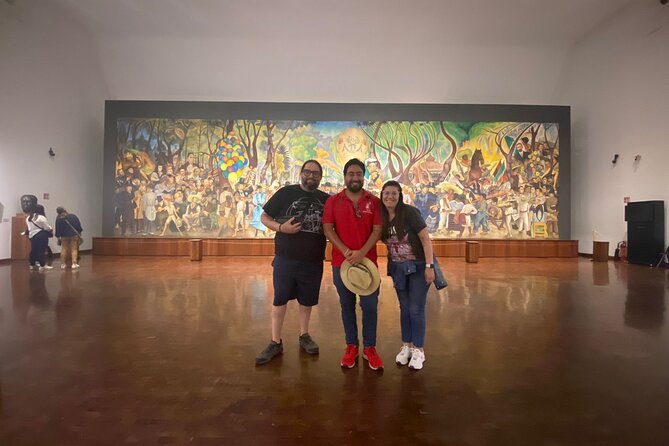
The tour opens at the Museo Mural Diego Rivera, where you spend about 25 minutes with admission included. This isn’t just a mural stop for photos. The guide uses the artwork to set the stage for Mexico’s long argument about identity—political, cultural, and ideological change over roughly four centuries.
A memorable detail here is the reference to religion: the mural was censored because Diego Rivera puts the phrase God does not exist. That single line becomes a doorway into wider themes—who gets to define truth, how art can threaten authority, and why public messages can become political flashpoints.
What you’ll like: even if you’re not a museum superfan, the explanations make the mural feel like a living document. It gives you language for what you’ll encounter later around the city—power, control, and cultural change written into stone, paint, and streets.
What to consider: the museum time is still limited, so you’ll get key characters and big ideas more than you’ll get a slow, study-level read of every section.
Alameda Central: the city’s public pause button
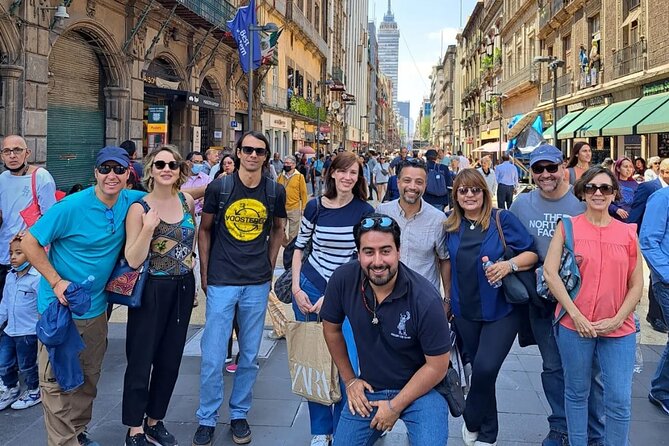
From the mural museum, you move to Alameda Central, where you’ll have about 10 minutes. This is one of those stops that works surprisingly well on a timed tour: it’s a short walk from the intense museum context into a public, outdoor space.
Alameda Central is framed as the first public park in America, and the guide points out classical sculptures and how city dwellers relate to this kind of shared space. That matters, because in Mexico City, public plazas and promenades aren’t decoration—they’re where people actually live their daily routines.
Practical take: use the time here to reset. Stand a few moments, look around, and let the city noise filter in. Then you’ll be ready for the architectural drama ahead.
Palacio de Bellas Artes: light, shadow, and city identity
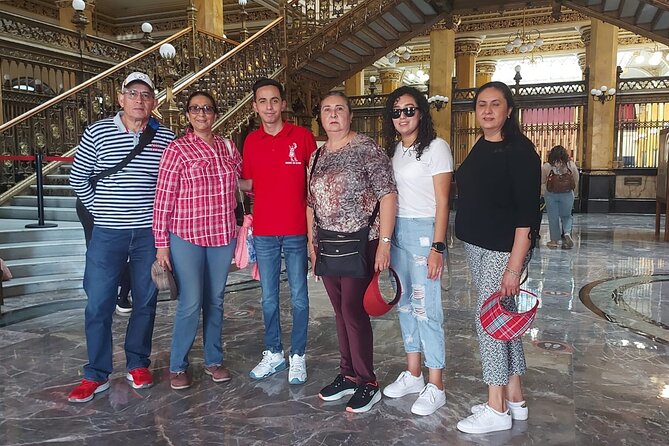
Next comes the big one: Palacio de Bellas Artes, with about 20 minutes on the clock and admission included. This is the kind of building you already recognize from pictures, but the tour’s angle makes it more than a postcard stop.
You’ll get the palace’s history explained in detail, plus how it changed Mexico City’s landscape and daily life. The tour description leans into contrasts—light places and dark ones—so the building doesn’t feel like just a beautiful shell. It becomes part of how the city organizes meaning.
If you want a quick win in understanding Mexico City, this stop is a strong candidate because the guide ties the architecture back to the city’s evolving story rather than treating it as a standalone landmark.
Timing tip: Bellas Artes can draw crowds. If your schedule allows, try to start earlier in the day when the streets feel less crowded and your group moves more freely.
Palacio Postal and modern Mexico: Porfirio Díaz’s makeover
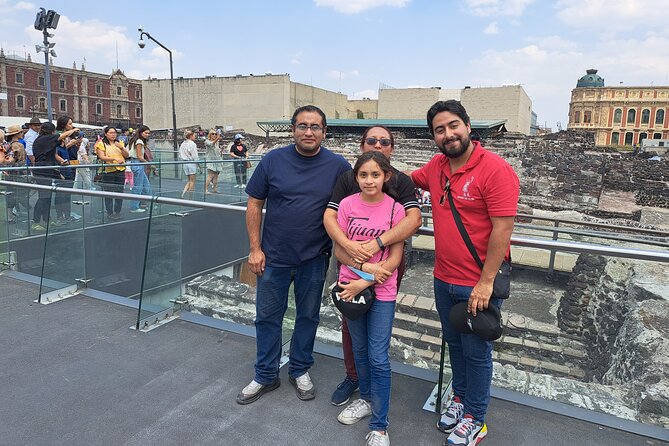
After Bellas Artes, you’ll head to Palacio Postal, about 15 minutes, with admission included. This building links architecture to politics in a very direct way.
Palacio Postal is part of Porfirio Díaz’s project to beautify and modernize Mexico City. That’s a big clue for how to interpret what you see: it’s not just ornate stonework. It’s the physical expression of a regime wanting to modernize public life, project prestige, and reshape the city’s image.
On a walking tour like this, that’s gold. It gives you an easy framework: when you see a major building, ask what kind of message it was built to send.
You can also read our reviews of more historical tours in Mexico City



Palacio de Minería and Museo Nacional de Arte: power in silver and craft in stone
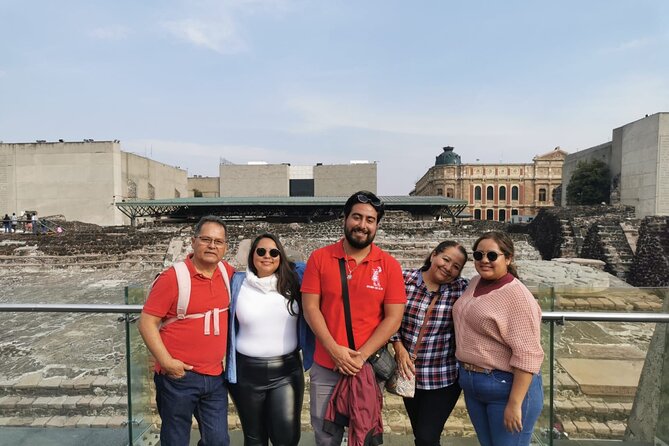
You’ll then visit Palacio de Minería for about 10 minutes with admission included. The tour frames Mexico’s global role through silver exports, noting that Mexico continues to be the #1 country in silver exports. Even if you’re not following commodity history, the point is clear: wealth, trade, and national identity show up in what gets built.
Next is the Museo Nacional de Arte, also about 10 minutes with admission included. Here the guide highlights a sculpture made with one hand, and they focus on architecture details. It’s a nice counterbalance to the political themes—artistry and craftsmanship, not just institutions and power.
If you like “how it’s made” questions: this is one of the stops where your curiosity can actually be rewarded, because the focus includes material choices and design details rather than only the big-name pieces.
Teatro de la Ciudad: the stage story, then the harsher contrast across the street
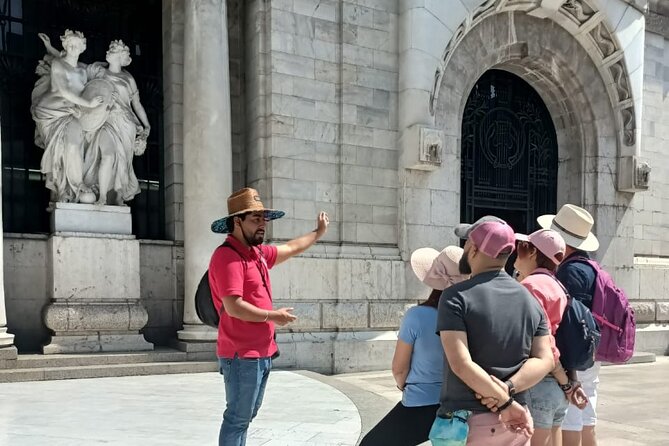
The tour continues to Teatro de la Ciudad, about 15 minutes. Admission here is free as a stop, and the guide gives you history of theater in Mexico plus the tragic story of Esperanza Iris.
Then comes the darker contrast: opposite the theater, you’ll see the former 18th-century asylum for insane women. The way the tour pairs these two locations is intentional. Theater is framed as culture and performance; the asylum is framed as how society treated people it labeled as unwell or inconvenient.
It’s one of the stops that feels emotionally heavier, but also more memorable, because it turns “a building” into “a story about people.”
Consideration: if you’re sensitive to heavy topics, go into this stop with that awareness. It doesn’t derail the tour, but it changes the mood.
Centro Cultural España en México and Templo Mayor: going underground into the Aztec layers
One of the most compelling sections of the route is the shift from above-ground city life into Aztec ruins and memory.
At Centro Cultural España en México, you’ll spend about 20 minutes as a free stop. The tour takes you down to see the ruins of what was a school for the sons of Aztec nobles. That phrasing matters: education, hierarchy, and power were built into how the society structured its future leaders.
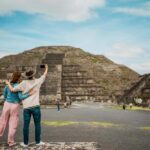
Then the tour ends at Museo del Templo Mayor for about 25 minutes (also free as described), where the guide uses models to explain how the Aztecs built Tenochtitlan and how their worldview connected to major events—along with how the conquest was achieved.
This is the moment where everything else starts making more sense. After you’ve seen Rivera’s ideological framing and the later centuries of modernization and institutions, the Templo Mayor stop reminds you that Mexico City didn’t begin as a blank slate. It grew from layered foundations, with Aztec planning and symbolism still shaping the story.
Good to know: the tour’s ending is explained from the outside and through the models, so you’ll get interpretation more than you’ll get “time to wander and read every label.”
Price and logistics: why $83.64 can work well (or not)
At $83.64 per person, this tour can be good value if your main goal is context and efficiency. Here’s why: many stops include admission tickets, and the route hits several iconic sites in one guide-led sweep.
You’re paying for:
- a certified guide who ties stops together into one story
- museum admissions at multiple stops (not just one)
- a timed plan that saves you from figuring out what to see first
- an English-language walkthrough suitable for most visitors
What you’re not getting is unlimited time at any one place. That’s the main “value trade.” If your ideal museum experience is long and quiet, you may feel rushed. But if you want a smart orientation so you can decide where to spend your free time afterward, this price is easier to justify.
Also, tips are not included. You’ll want to bring cash or a plan for tipping if you feel the guide earned it—this matters because guide quality is a major part of why people rate this tour highly.
The guide makes the difference: names you might hear and what they do
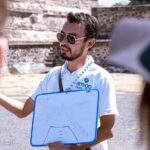
Even with a set route, guides can shape your experience. Several guides were praised for being personable, managing time well, and keeping English easy to follow.
You might meet:
- Delta, described as personable, managing time effectively, and keeping the tour moving through all planned places
- Diego, praised for being easy to understand and for going above and beyond with adaptability, including accommodating a small group of Americans in their 60s and 70s
- Jorge, praised for being very knowledgeable and handling questions well
- Jaime, praised for being knowledgeable and kind, and for accommodating preferences
Across these comments, one consistent idea shows up: the tour delivers a lot, but it’s still an overview. Guides who handle timing well are the ones that help you feel like you didn’t just “pass through buildings.”
How to plan your day: small moves that prevent big annoyance
A walking tour in the Centro Histórico is a great idea, as long as you treat it like the city’s marathon, not a leisurely stroll.
A few practical moves:
- Wear comfortable shoes. You’ll be on your feet through multiple stops.
- If you have lunch plans, keep them flexible. The tour lasts about 2.5 to 3+ hours, and you’ll want a buffer afterward.
- Bring water or a light snack idea, since lunch food and drink are not included.
- Book earlier in the day if you can, to reduce crowd friction. The route benefits from less congestion.
If you’re traveling with older family members or anyone who needs a slower pace, ask the guide about how they can adjust the timing. This kind of flexibility showed up in past experiences.
Watch-outs: expectations and booking issues
Set your expectations clearly: this is not a deep study tour. You’ll see many places, and you’ll get the main threads, but you won’t get long, detailed time inside every stop.
Also, a small number of reports mention booking problems and scams tied to third-party handling. I can’t verify details from here, but I do recommend a boring-but-smart approach: confirm the experience provider, keep your confirmation details, and make sure the start point is correct before you leave.
If something feels off, address it early rather than waiting until it becomes a bigger hassle.
Should you book this Historic Center walking tour?
I’d book this tour if:
- you want a fast, guided orientation to Mexico City’s historic core
- you like architectural landmarks but also want the human and political context behind them
- you prefer an English explanation that connects stops into one story
- you want admissions included at multiple sites, not a tour that only points from the sidewalk
I wouldn’t rush to book if:
- you want long time inside museums and galleries
- you’re planning a Mexico City trip where you already know exactly which one site you want to study for hours
- tight scheduling means a walking pace could stress you out
If you’re aiming to understand the city instead of just collecting views, this route is a strong choice. It gives you a clean thread from Diego Rivera’s ideological starting point to the Aztec city model at Templo Mayor—and then leaves you with smart options for what to return to next.
FAQ
How long is the Walking Tour in Historic Center CDMX?
It runs about 2 hours 30 minutes to 3 hours 10 minutes.
What’s the meeting point and where does the tour end?
You start at Diego Rivera Mural Museum, Calle Colón Balderas s/n, Colonia Centro, Centro, Cuauhtémoc, 06040 Ciudad de México, CDMX, Mexico. The tour ends at Templo Mayor Museum, Seminario 8, Centro Histórico de la Cdad. de México, Centro, Cuauhtémoc, 06060 Ciudad de México, CDMX, Mexico.
Is the tour offered in English?
Yes. The tour is offered in English.
What’s included in the price?
A certified guide and admission tickets for several stops are included. Mobile tickets are used.
Are food and drinks included?
No. Lunch, food, and drink are not included.
Is there a group size limit?
Yes, the tour has a maximum of 25 travelers.
Can I cancel for a full refund?
Yes. You can cancel up to 24 hours in advance for a full refund. If you cancel less than 24 hours before the start time, the amount paid is not refunded.