REVIEW · MEXICO CITY
Mexico City: Diego Rivera’s Murals Guided Walking Tour
Book on GetYourGuide →Operated by Pies descalzos · Bookable on GetYourGuide
Walls in Mexico City can talk, and this tour listens. You’ll walk between key mural sites and get the story behind what you’re seeing, from the Mexican Revolution’s impact to why Rivera and other artists turned public spaces into lessons. I love how the guide connects each scene to real history, and I love that you’re not just looking—you’re learning how to read murals. One thing to consider: it’s a walking tour with set visit times, so wear comfortable shoes and pace yourself.
What surprised me most was how much clearer Mexico felt after you’ve watched an explanation build from panel to panel. With guides like Jorge, David, Francisco, and Laila, the emphasis stays on meaning—what the images are saying, who they were made for, and what the politics of the era demanded. Still, schedules can shift a bit: sites may be closed or access can change, and the route can vary depending on conditions.
The payoff is a new way to move through Mexico City. You’ll come away seeing the murals not as decorations, but as political art meant to educate and pressure society to pay attention. If you’re the type who wants to understand the big themes behind the scenes, this is a strong use of a half day.
In This Review
- Key points I’d plan around
- Why Diego Rivera murals change how you see Mexico City
- Starting at Museo Vivo del Muralismo: the tone for the whole walk
- Secretaría de Educación Pública (Edificio Anexo): where the history gets heavy
- Palace of Fine Arts: when mural storytelling meets grand public culture
- Diego Rivera Mural Museum: close-up context, not just famous walls
- The real value of this tour’s $78 price
- Guides make or break a mural tour (and this one has strong ones)
- Who should book this tour, and who might want to skip it
- Practical tips for a smooth 3.5 hours
- Should you book the Diego Rivera murals walking tour?
- FAQ
- How long is the tour?
- Where does the tour start and end?
- What is included in the price?
- What should I bring?
- Is this tour accessible?
- How many languages are the guides available in?
- What’s the cancellation policy?
Key points I’d plan around
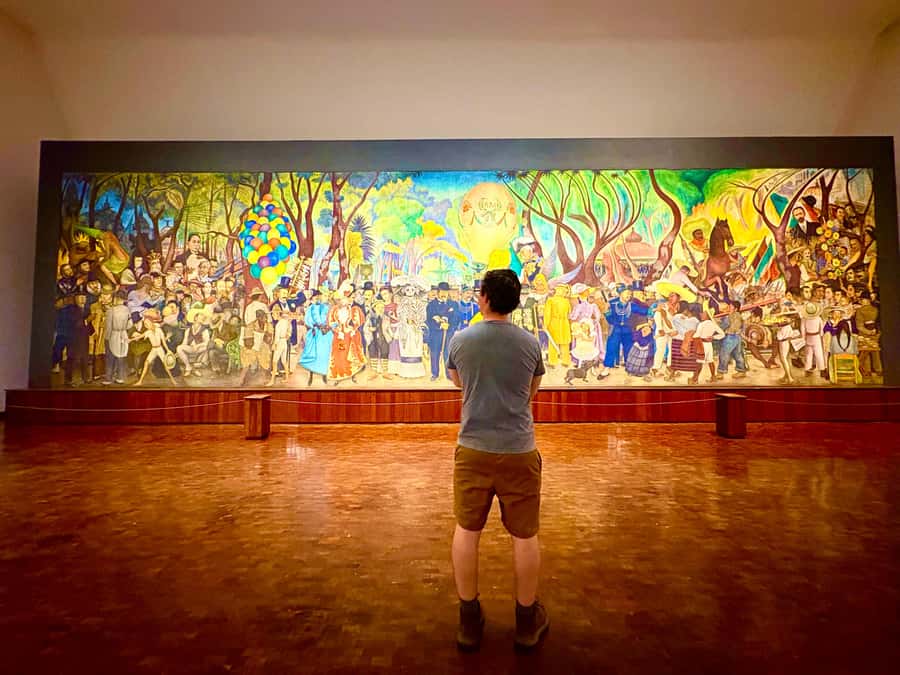
- Small set of high-impact stops in just 3.5 hours, with museum entry included
- Guide-led mural reading, so you learn what to notice beyond faces and symbols
- Revolution-era context that explains why these walls matter
- Real-time route flexibility when a building is closed or access is restricted
- Great guide experiences reported with names like Jorge, David, Francisco, and Laila
Why Diego Rivera murals change how you see Mexico City
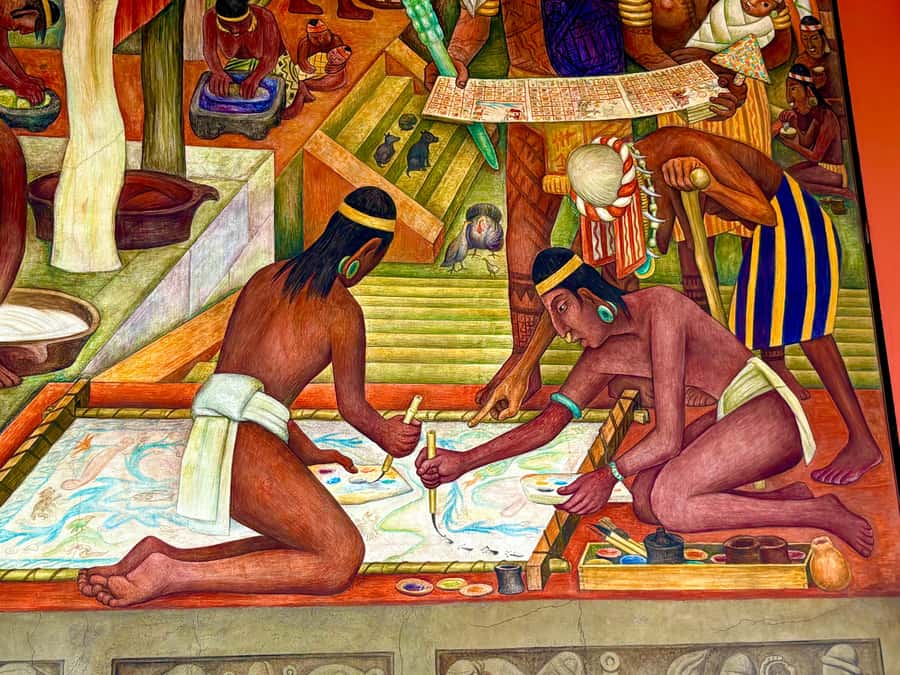
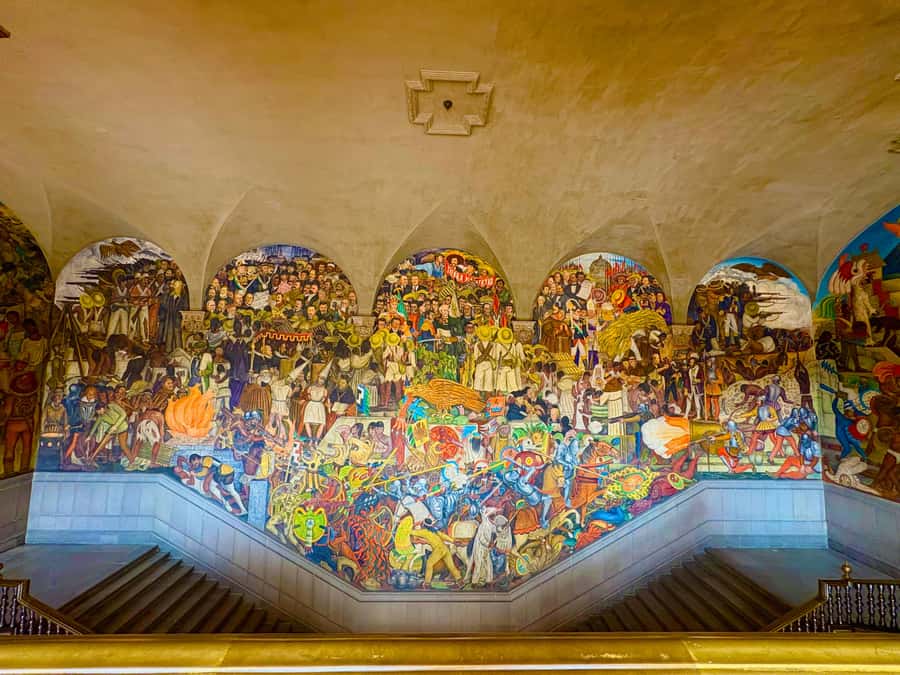
This tour works because it treats murals like public communication, not quiet artwork behind glass. After the Mexican Revolution, art moved outward. Rivera and his peers used giant walls to tell a national story—who mattered, what was broken, what needed reform, and how ordinary people fit into the picture.
That matters to you because Mexico City is full of visual noise. Streets, architecture, posters, and signage all compete. A guided route like this gives you a framework. Once you understand the message style—historical figures, labor, ideology, and symbolism—the city starts to feel more legible. You begin to spot themes instead of just noticing color and scale.
Also, the tone is practical. You’re not getting a lecture that floats above the scenes. You’re moving from place to place and getting explanations that directly match what’s in front of you. That’s the difference between seeing murals and really understanding them.
You can also read our reviews of more walking tours in Mexico City


Starting at Museo Vivo del Muralismo: the tone for the whole walk
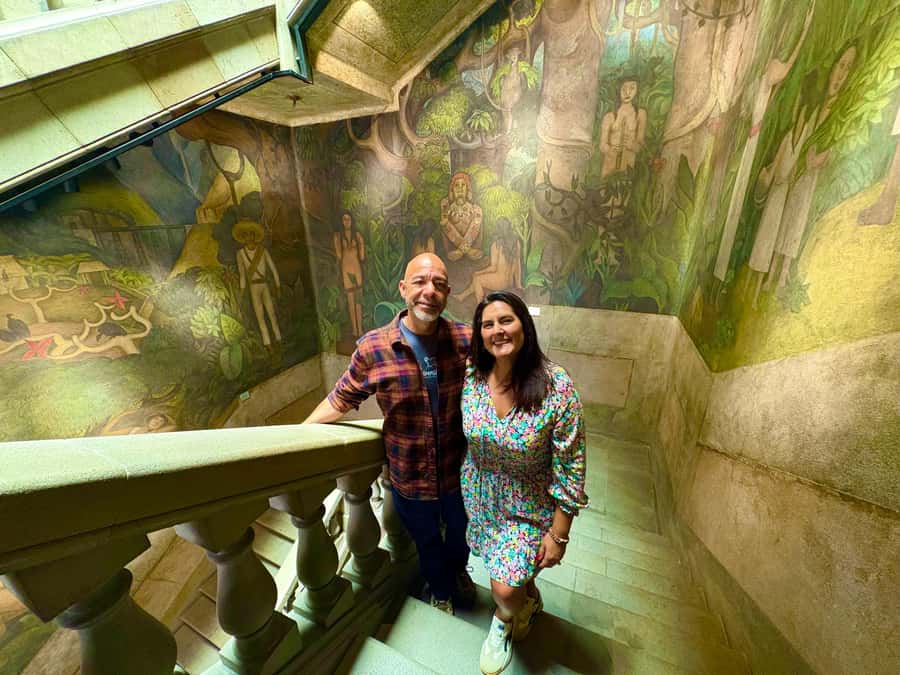
You begin and end at Museo Vivo del Muralismo, which sets expectations fast. This is where you get oriented, and it helps that the tour starts with mural culture rather than jumping straight into one famous building. The meeting point is easy to identify, and because it’s also where you return, the day feels controlled even though you’re on foot.
I like that the tour doesn’t waste time. You’re not spending the first hour hunting for the right street view or trying to guess which wall is the one that matters. Your guide is already building the narrative you’ll follow through the rest of the route.
Because it’s a walking tour, your main job here is simple: comfortable shoes. The whole experience is designed around moving between sites with tight visit windows, so the better your feet feel, the more attention you can give your eyes.
Secretaría de Educación Pública (Edificio Anexo): where the history gets heavy
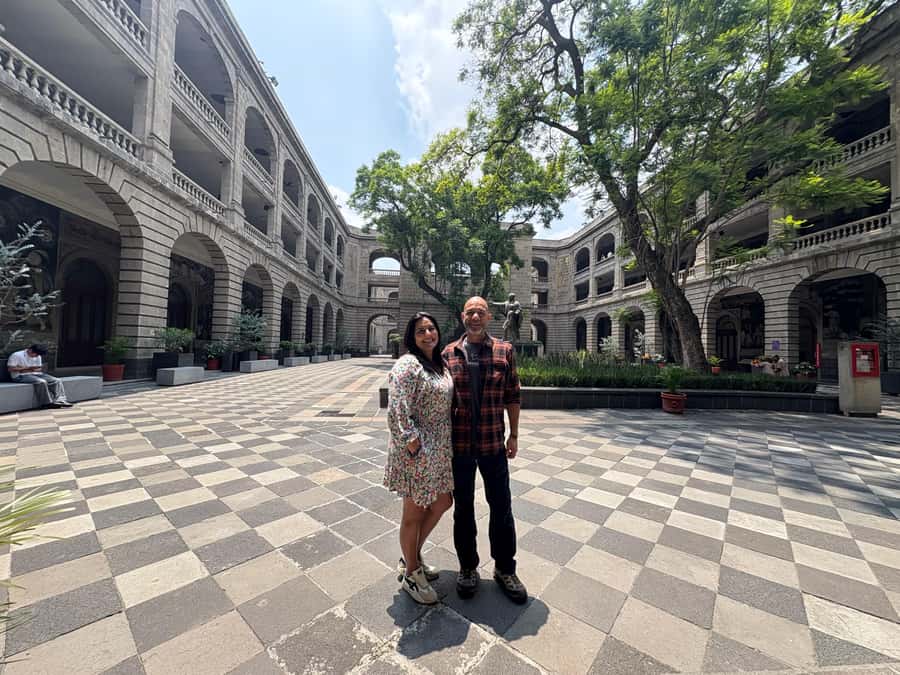
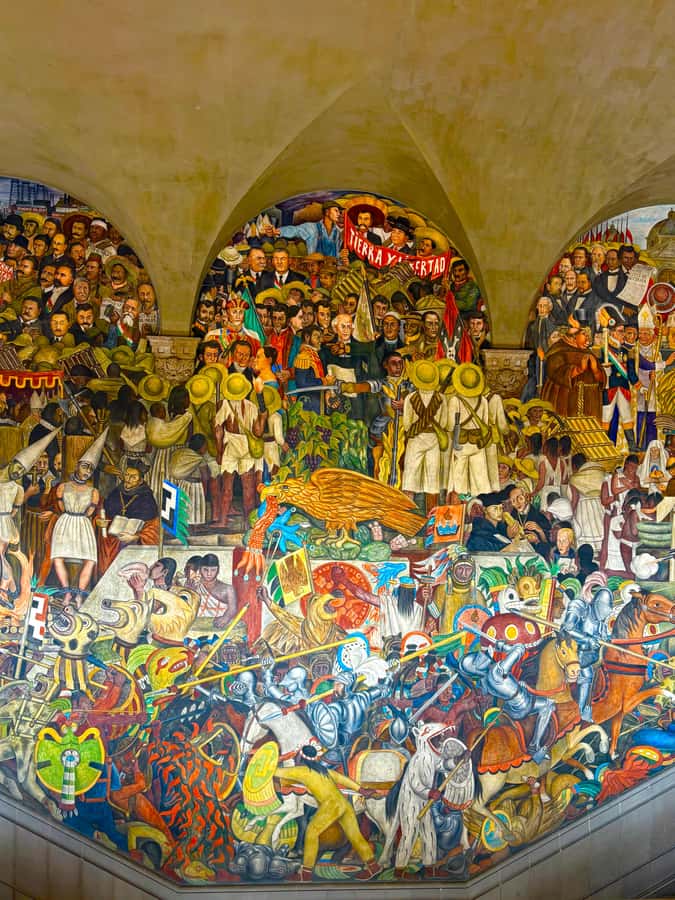
The longest stop is Secretaría de Educación Pública (Edificio Anexo) at about 1.5 hours. This is one of the places where the Revolution’s impact on art and culture really lands. Expect walls that feel like arguments. Rivera-style mural work (and the broader movement around it) was meant to teach people about society and power, not just impress them.
This is where a great guide earns their fee. You’ll want someone who can translate what you’re seeing into a story you can remember. In the strongest tours reported, guides like Jorge and David explain not only what’s painted, but why it was made—how the politics of the day shaped the imagery, and how that imagery was designed to reach the public.
What to look for: don’t just scan for famous names. Focus on how figures are arranged, what work and everyday life appear, and how the artwork connects education, citizenship, and national identity. The point isn’t to be an art critic. The point is to learn the mural language.
Possible drawback: this is a longer segment, so if you tire easily or hate museums, you’ll want to manage your pace. Take small pauses if you need them, because you’ll get more from staying engaged than from rushing.
Palace of Fine Arts: when mural storytelling meets grand public culture
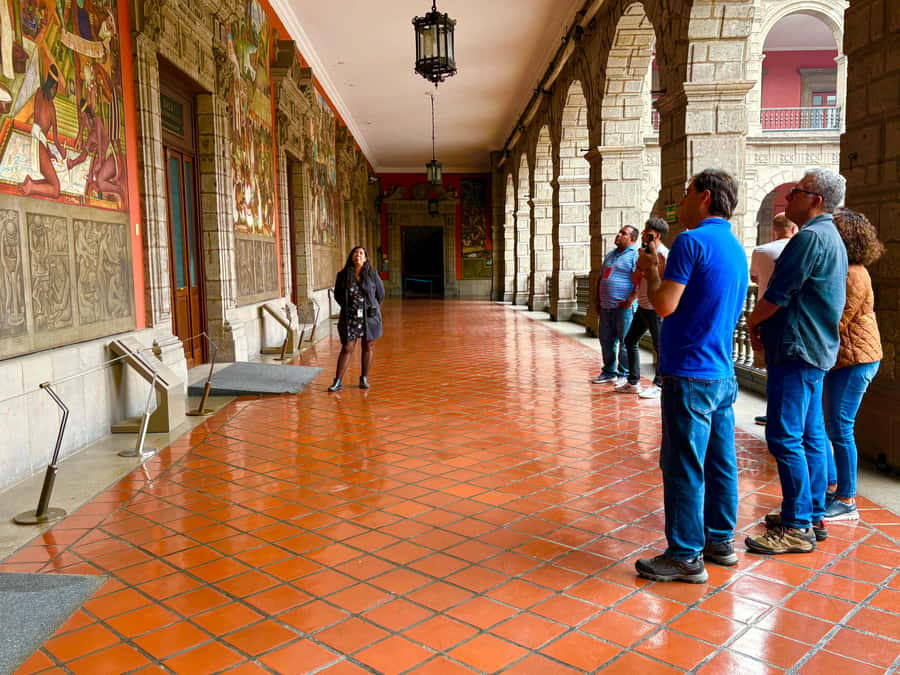
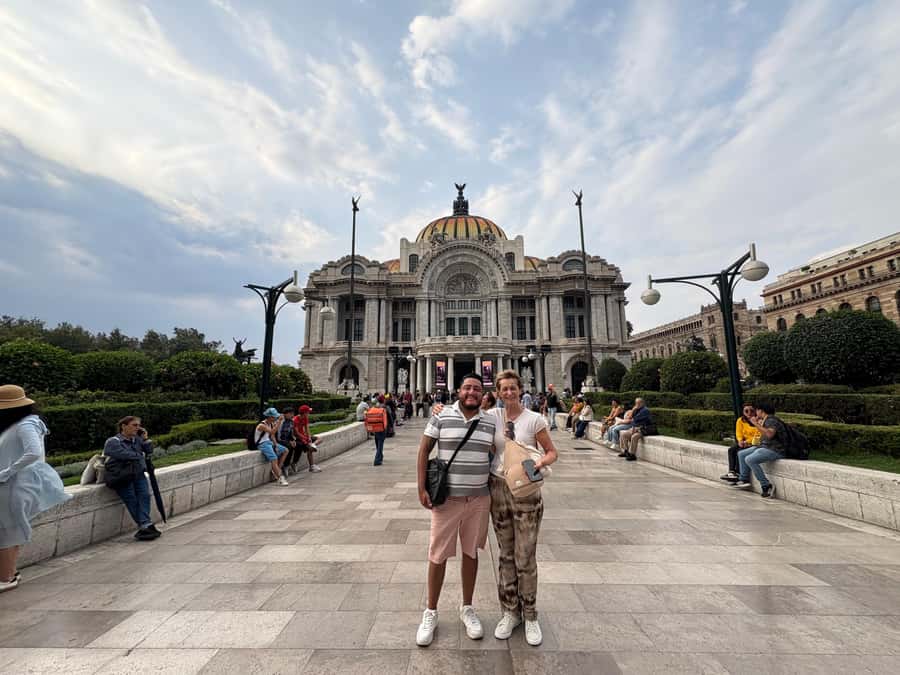
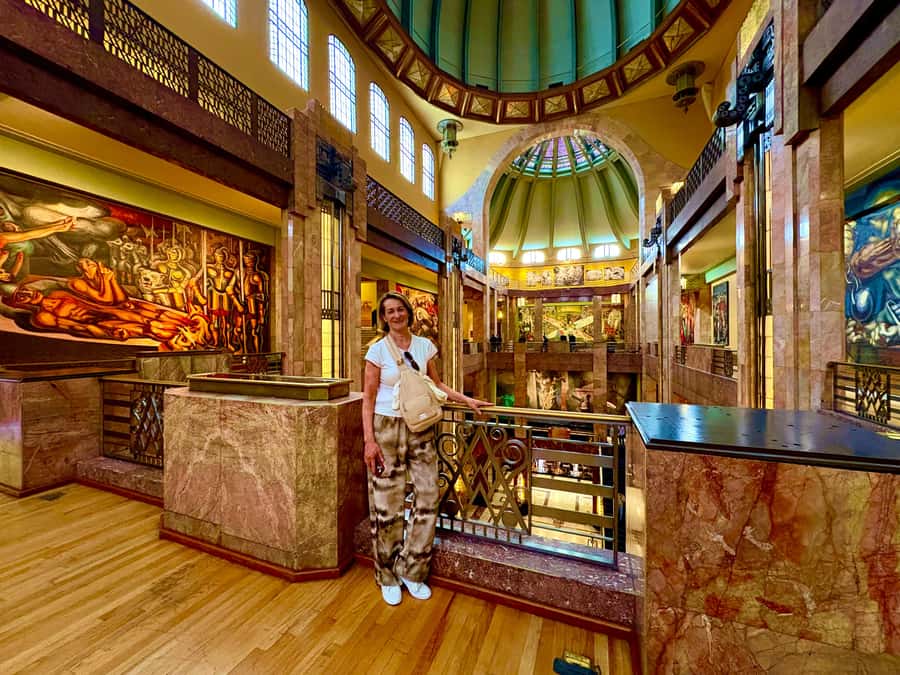
Next you head to Palace of Fine Arts for about 40 minutes. This stop works because it places mural ideas inside a bigger cultural setting. Rivera’s mural movement was tied to social change, while a landmark like this signals official public culture and formal art spaces. Seeing them close together helps you understand the tension and overlap between everyday political messaging and elite artistic venues.
In tours like this, the guide’s job is to keep the story from feeling like two unrelated attractions. You want the explanation to connect. Why does the mural impulse show up here? How does public art become part of the city’s identity? What does it mean when massive ideas become permanent?
Practical note: 40 minutes sounds short because it is. Use that time like a sprint with purpose. If there’s one scene that grabs you, stay there and ask questions about it. Most of the value comes from the guide tailoring what to notice, instead of trying to absorb everything.
Diego Rivera Mural Museum: close-up context, not just famous walls
You then visit the Diego Rivera Mural Museum for about 25 minutes. This is the “put it together” moment—an opportunity to see Rivera’s work more coherently after you’ve been reading the broader mural language during earlier stops.
Why this works for you: it reinforces patterns. You’ll often start to notice shifts in style, themes, and how Rivera’s world-view comes through in visual choices. Some of the best experiences reported also included extra discussion that broadened beyond Rivera alone, helping you place the movement in a wider mural conversation.
What to expect from the guide: clear, organized explanations. In the strongest tours, guides like Francisco and Laila were praised for making murals feel alive, with the kind of storytelling that turns symbolism into something you can actually interpret.
Possible drawback: 25 minutes is tight. If you’re the type who wants to stand and stare for a long time, you’ll need to choose one or two walls or sections to focus on. Let the guide point you toward what’s most important rather than trying to do everything.
You can also read our reviews of more guided tours in Mexico City



The real value of this tour’s $78 price
At $78 per person for a 3.5-hour experience, the value comes from three things: a live guide, structured museum time, and ticket entrance to all museums included.
The math is straightforward. You’re paying less for the guide service than you might think, because the itinerary includes multiple museum stops with entry fees already folded in. And because the route is guided, you gain time savings. Without a guide, you’d likely spend more time figuring out what you’re looking at and less time understanding why it matters.
The tradeoff is that transportation and meals are not included, so budget for getting yourself to and from the meeting point and for a snack if you need one. This isn’t a “we’ll handle everything” tour. It’s a guided cultural afternoon that expects you to arrive ready.
Also remember the tour is subject to availability on the scheduled day and time, and visits can change without notice due to circumstances beyond control. That’s not uncommon in real-world city touring, but it’s worth keeping in mind when you’re planning tight schedules.
Guides make or break a mural tour (and this one has strong ones)
One of the clearest patterns in the experience is guide quality. Across highly rated outings, you’ll hear the same themes: the guides are enthusiastic, they answer questions, and they explain murals in a way that gives you a framework you can keep using after the tour.
Names that stood out in the best experiences include Jorge, David, Francisco, and Laila. People especially praised guides for caring that you understand the story behind the murals—not just the facts, but the passion and politics that drove the artists. There was also praise for flexibility, like adjusting the route when a site was closed and encouraging follow-up access when security protocols blocked a planned viewing.
This is where you should think like a smart traveler: choose your questions in advance. If you care about the Mexican Revolution, ask how the artwork changed after it. If you care about Diego Rivera’s evolution, ask how the murals connect to his development and themes over time. You’ll get more out of your 3.5 hours when you know what you want to learn.
Who should book this tour, and who might want to skip it
This is a great match if you:
- want to understand Mexican history through art, not just see it
- like guided learning that points your eyes at the right details
- enjoy city walking and short museum stops
- plan to spend more time in Mexico City afterward and want a framework to use on your own
You might rethink booking if you:
- hate walking and don’t like fixed timing
- prefer free-form museum wandering without structured explanations
- need lots of quiet time to absorb art slowly
Practical tips for a smooth 3.5 hours
- Wear comfortable shoes. The format depends on walking and standing.
- Bring a passport or ID card since it’s required.
- Bring a question or two about the Mexican Revolution’s impact on art. The tour’s focus is built for that kind of curiosity.
- Expect site access rules can affect what you can see on the day. If something changes, a good guide will adapt so you still get the point of the route.
If you’re traveling with kids or anyone who moves slower, having an attentive guide matters even more. The best tours reported included patience and accommodations, so the tone of the day tends to feel human, not rushed.
Should you book the Diego Rivera murals walking tour?
If you want to understand Mexico City through one of its most important visual languages, I’d book this. The price makes sense because you’re paying for guided interpretation plus museum entry, and the time window is designed to hit multiple mural-rich stops without turning it into an all-day slog.
I’d especially recommend it if you’re a first-timer in Mexico City or if you want a fast way to get a handle on the Mexican Revolution’s cultural impact. The guide-driven approach is the main reason this tour gets strong results: you leave with a way to look at murals that doesn’t fade when you walk out the door.
If your schedule is tight, pick a slot earlier in the day so you’re less likely to feel rushed by closing times. And if you’re flexible, you’ll probably enjoy the day even more, because good guides tend to make route changes feel like part of the story, not a problem.
FAQ
How long is the tour?
The tour lasts 3.5 hours.
Where does the tour start and end?
It starts and ends at Museo Vivo del Muralismo.
What is included in the price?
The tour includes a guided tour, cultural immersion, and ticket entrance to all museums on the route.
What should I bring?
Bring a passport or ID card.
Is this tour accessible?
Yes, it’s wheelchair accessible.
How many languages are the guides available in?
The live tour guide is available in Spanish, English, French, and German.
What’s the cancellation policy?
You get free cancellation up to 24 hours in advance for a full refund.