REVIEW · MEXICO CITY
Tour Museum of Anthropology a trip to the past-Small groups
Book on Viator →Operated by Educando con Cultura · Bookable on Viator
This museum needs a guide to click. In just 3 hours, you get VIP access timing plus expert storytelling that makes Mexico’s ancient world feel logical, not random. The biggest win for me is how the guide links standout objects like the Sun Stone and the Pakal Sarcophagus into a clear timeline. One watch-out: it’s a “highlights” tour, and the museum is huge—so you won’t see everything in one visit.
If you’re trying to wrap your head around pre-Hispanic cultures fast, this is one of the cleanest ways to do it. You meet at the Museo Nacional de Antropología in Polanco/Chapultepec, the tour runs about 3 hours, and your admission ticket is included. The group stays small (up to 15), which means more questions and a tour that actually moves.
You’ll also be happy if you don’t read Spanish fluently. Many plaques are Spanish-first, and the guide helps you interpret what you’re seeing so you can enjoy the art, symbols, and archaeological context without feeling lost. If you do want to wander at your own pace for hours, plan extra time before or after your tour.
In This Review
- Key points before you go
- Why the National Museum of Anthropology feels different with a guide
- VIP access: how it changes your experience inside Chapultepec
- Stop 1 at the museum: what you’ll focus on (and why)
- Turning Spanish-first plaques into understanding
- The pacing: 3 hours for “highlights,” not the whole museum
- Who this small-group tour is best for
- Price and value: does $98.57 make sense?
- Practical logistics: meeting point, tickets, and getting there
- The guide matters: Jorge and Delta as real examples
- Should you book this Museum of Anthropology tour?
- FAQ
- How much does the tour cost?
- How long is the experience?
- Is admission included?
- Where do we meet?
- What group size should I expect?
- What is the cancellation policy?
Key points before you go
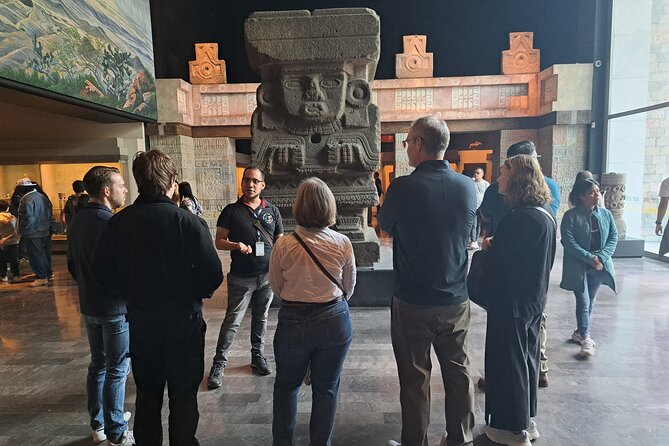
- Small group size (max 15): You’re not lost in a crowd; you get attention.
- VIP timing: The goal is to reduce lines and crowd pressure while you explore.
- Expert guides like Jorge and Delta: Storytelling that ties artifacts to people and time.
- Symbol-first approach: You’ll learn what to look for, then see it pay off again by the end.
- Interactive museum extras: Multimedia resources and restoration context make the archaeology feel real.
- English tour, but Spanish signage exists: A guide is what turns labels into understanding.
Why the National Museum of Anthropology feels different with a guide
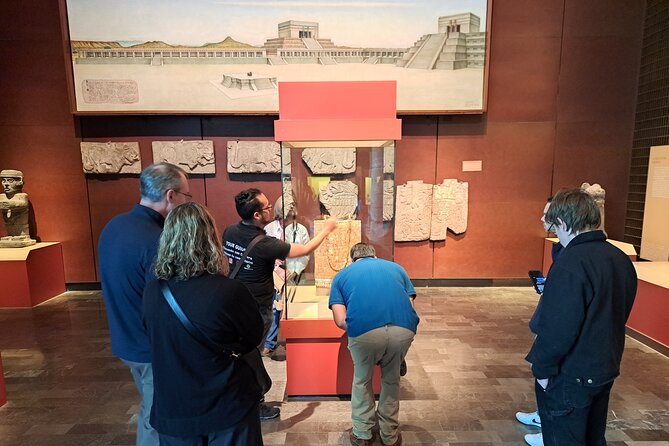
The National Museum of Anthropology is big enough to swallow a plan. Even if you like museums, the scale can turn your visit into a blur of rooms and dates. A guided tour helps you organize your eyes: you’re given a path, a framework, and the meaning behind key works.
I like that the tour doesn’t just point at objects. Guides such as Jorge and Delta use the artifacts to build a story—how different regions, cultures, and time periods connect. Instead of you guessing why the Sun Stone matters, you get the symbolism explained in a way that sticks.
Here’s the practical benefit for you: you’ll walk away with a mental map. You won’t just remember what you saw; you’ll understand what it represents and why archaeologists care about it. That’s especially important here because the museum’s core content isn’t designed for English-only readers.
You can also read our reviews of more museum experiences in Mexico City



VIP access: how it changes your experience inside Chapultepec
This tour is designed around VIP access and special timing. Translation: you’re meant to spend less time waiting and more time looking. That matters at this museum because the most frustrating part of large attractions isn’t the walking—it’s the stop-start rhythm created by lines and crowd density.
The guides also use your group’s small size to keep momentum. In a place like this, that’s the difference between seeing highlights and actually absorbing them. You’ll still do a lot of walking, but the experience stays structured enough that you’re not constantly checking where to go next.
One more real-world thing: the museum closes at 5, and with a 3-hour tour you can still miss parts if you don’t plan your remaining time. If you’re the type who wants to read every plaque in full, you’ll need extra hours beyond the tour.
Stop 1 at the museum: what you’ll focus on (and why)
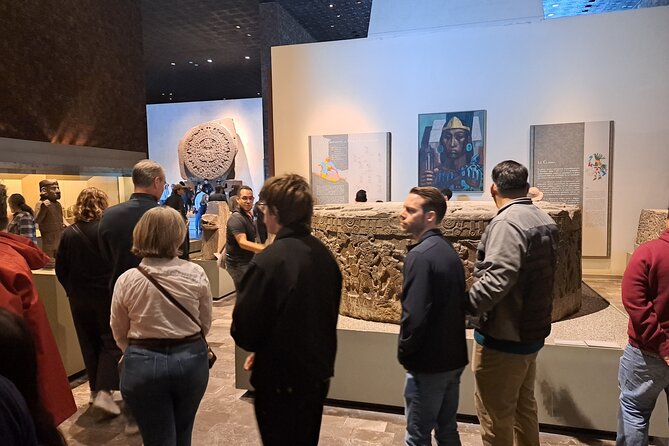
Your entire tour centers on the Museo Nacional de Antropología, so the “itinerary” is really the route through the galleries. The guides tend to work from a bigger idea down to specific artifacts, which is what makes the time feel efficient.
You can expect to spend time with major icons such as:
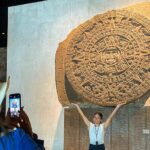
- the Sun Stone, explained not as a random carved disk but as a statement full of meaning
- the Pakal Sarcophagus, used as a bridge into how archaeologists interpret leadership, burial practices, and art
But the point isn’t only to see famous pieces. The tour also includes interactive experiences, including multimedia resources and context about restoration work. That gives you a sense of what’s involved in bringing ancient objects to public view—how something gets studied, preserved, and presented.
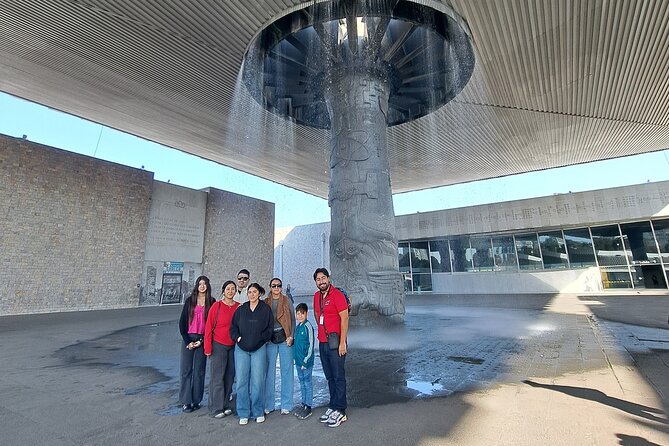
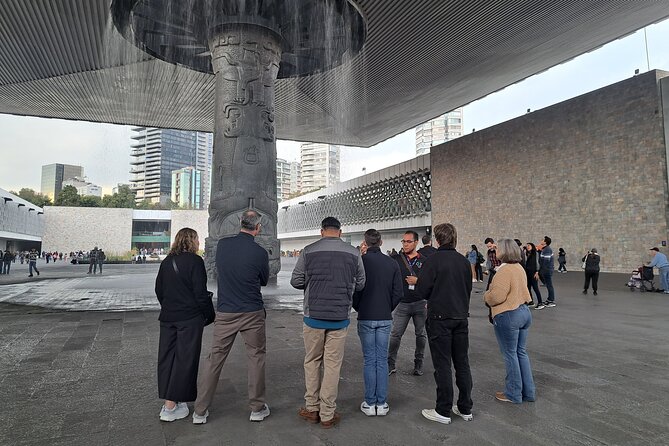
A detail I found especially helpful from the tour style: many guides use a “start big, then return big” method. One guide strategy described is starting at a major pillar area, asking you to identify what you see, then returning at the end so everything clicks. That’s a smart way to teach symbols, because you experience the symbols twice—first as shapes, then as meaning.
Turning Spanish-first plaques into understanding
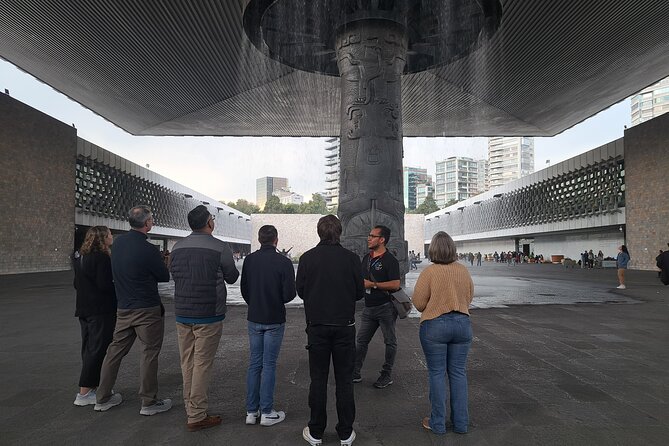
Even though the tour is offered in English, you should expect plenty of labels in Spanish. One of the most common reasons this tour gets strong marks is simple: without a guide, a lot of the museum’s information won’t land.
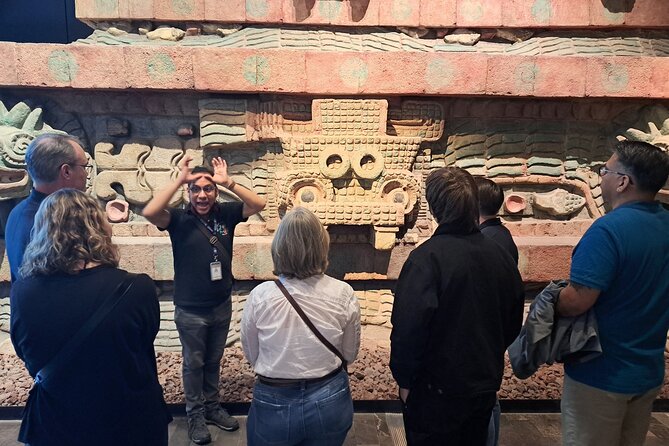
The good news is that guides handle this gap really well. They don’t rely on you reading every plaque. Instead, they tell you what matters, what to notice, and how to connect objects across rooms. Jorge and Delta both came up repeatedly for this ability—making the material feel clear, not textbook-only.
This also helps if you’re curious about myths vs. evidence. Some tours can accidentally turn history into legends. Here, the guide approach emphasizes what can be supported through archaeology and interpretation, and what remains a question. That makes the stories more interesting because they’re grounded in how we actually know.
Practical tip: if you can read some Spanish, great. If you can’t, don’t worry. Bring your attention to the guide. The tour is built for exactly this situation.
The pacing: 3 hours for “highlights,” not the whole museum
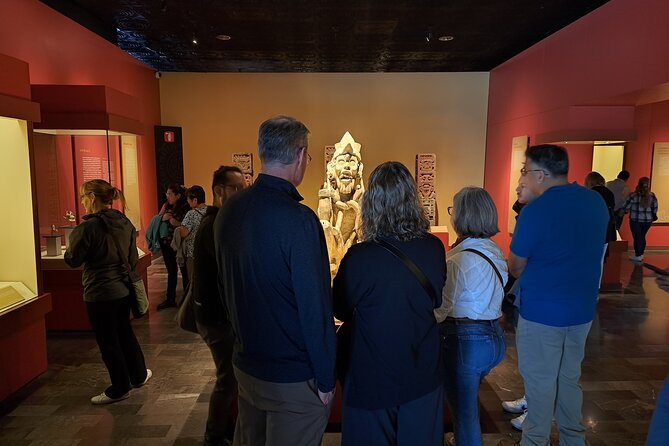
Three hours is both the best and toughest part of this tour. It’s long enough to build understanding, and short enough to stay focused. But it also means you’ll see a small slice of what’s inside.
In fact, the museum is so large that even a strong guided route won’t cover most collections in a single session. Plan to use the tour as your foundation, then decide whether you want to explore more afterward on your own.
You’ll likely feel the pacing works in “chunks.” A review-style detail that stands out is that some tours include a break in between. That’s a smart move in a museum this size: it prevents your attention from dropping during the hardest parts of the story.
So, what should you do with your expectations?
- If you want an overview and a framework, you’ll feel satisfied.
- If you want a slow, full reading visit across every gallery, you’ll still enjoy the tour but should schedule extra museum time.




Who this small-group tour is best for
This is a strong fit if you:
- want an organized introduction to Mexico’s pre-Hispanic cultures
- don’t want to wrestle with a huge museum map alone
- value stories that connect artifacts to people, time, and meaning
- appreciate interactive moments and restoration context, not just display cases
It’s also great for couples, solo travelers, and families with teens—because the guides keep you active with questions and clear explanations. One of the nicest things about small group tours is the feedback loop: the guide can adjust to what you’re noticing, not just deliver a script.
If you’re an advanced museum person who’s already studied Mesoamerican chronology, you might still find value in the symbol explanations and the guided route. But if you’re looking for a deep, room-by-room encyclopedia experience, you may want a longer plan than 3 hours.
Price and value: does $98.57 make sense?
At $98.57 per person for about 3 hours, the value comes from what’s included and what you avoid.
You get:
- admission ticket included
- a guide
- small group size (max 15)
- English interpretation of the museum’s meaning-focused story
- VIP timing intended to reduce lines and crowd stress
If you were to visit alone, you’d still pay admission, but you’d lose the main advantage: interpretation. In this museum, interpretation is the difference between seeing objects and understanding them. When plaques are Spanish-first and the museum is overwhelming in scale, a guided route can save you hours of wandering without context.
So I’d frame it like this: you’re paying to compress years of archaeology into a track you can follow in one afternoon. For most first-time visitors, that’s a smart use of time in Mexico City.
Practical logistics: meeting point, tickets, and getting there
You meet at Museo Nacional de Antropología, Av. Paseo de la Reforma s/n, Polanco, Bosque de Chapultepec I Secc, Miguel Hidalgo, 11560 Ciudad de México. The tour ends back at the meeting point.
A mobile ticket is part of the setup, and the tour is near public transportation. Service animals are allowed, and most travelers can participate.
What to bring is simple:
- comfortable shoes (you’ll walk)
- a water plan for Mexico City weather
- your curiosity, because the guide will ask you to look closely, not just watch
If you want the smoothest experience, arrive with enough time to find your group and settle in before the tour starts. This is one of those tours where being present early helps the pacing stay smooth.
The guide matters: Jorge and Delta as real examples
One reason this tour stands out in practice is consistency in guiding style. You’ll see names like Jorge and Delta linked with the same core strengths: storytelling that connects artifacts in a timeline, interactive questioning, and clear explanations of symbols.
What’s useful for you is that their styles are not just “lecture mode.” They encourage you to notice details, and they help you understand why those details mattered to the people who created the objects. Some guides also bring in social commentary, including discussion about the museum building itself and design controversy—so it’s not only ancient history.
That blend can make the visit feel less like a checklist and more like a guided conversation with the past.
Should you book this Museum of Anthropology tour?
If you’re short on time in Mexico City—or you want your museum visit to make sense—book this. The tour is built for understanding, not just entry. The small group size, English format, and interpretation-focused guidance address the two biggest problems visitors face here: the museum’s size and the Spanish-first signage.
Skip it only if your plan is purely about wandering and reading everything slowly. For that style of trip, you’ll still want to visit the museum, but you may prefer self-guided time or a longer specialist format than a 3-hour highlights route.
In short: if you want Mexico City’s most famous anthropology museum to feel like a coherent story, this is a strong bet.
FAQ
How much does the tour cost?
The tour costs $98.57 per person.
How long is the experience?
It lasts about 3 hours.
Is admission included?
Yes. Admission ticket and the guide are included.
Where do we meet?
The meeting point is Museo Nacional de Antropología, Av. Paseo de la Reforma s/n, Polanco, Bosque de Chapultepec I Secc, Miguel Hidalgo, 11560 Ciudad de México, CDMX, Mexico.
What group size should I expect?
The tour has a maximum of 15 travelers.
What is the cancellation policy?
You can cancel for free up to 24 hours in advance for a full refund. If you cancel less than 24 hours before the start time, the amount paid is not refunded.