REVIEW · MEXICO CITY
Mexico City: Authentic Mexican Cooking Class & Market Tour
Book on GetYourGuide →Operated by Aura Cocina Mexicana · Bookable on GetYourGuide
Cooking with markets is the best shortcut to Mexico City.
I like the small group setup and the hands-on market tour at Mercado de Medellín in Roma Norte. One heads-up: the experience includes tastings of ingredients like nuts and insects, so if you have allergies (or are unsure), plan accordingly.
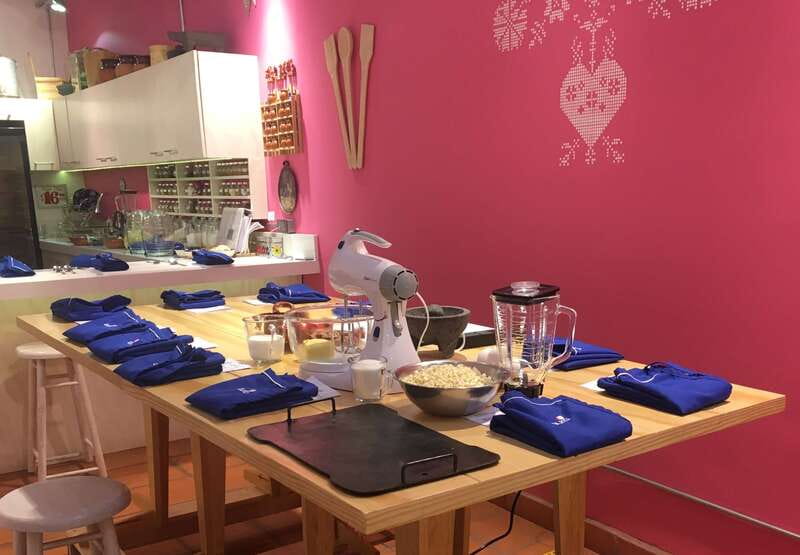
You start in a stylish, contemporary cooking studio in Roma Norte with a welcome drink, then you walk to the market and come back to cook a full 4-course meal. The format is simple: shop, taste, cook, and eat—plus you’ll sip Mexican craft beer, mezcal, and wine during the meal.
In This Review
- Key Things That Make This Cooking Class Special
- Market Smells, Studio Comfort: How the 4.5 Hours Flows
- Roma Norte Studio Start: Agua Fresca, Coffee, and a Real Welcome
- Mercado de Medellín Walk: Corn, Chili, Chocolate, and Yes, Bugs
- Tortillería Stop: Native Corn and the Nixtamalization Moment
- Chili Variety Tasting: Heat Levels You Can Name
- Oaxaca Chocolate and Raw Cacao Taste
- Exotic Bug Tasting (If You Want It)
- Seasonal Fruit and Ice Cream
- Hands-On Cooking Course 1: Antojitos, Sopes, and Two Salsas
- Hands-On Cooking Course 2: Mextlapiques and a Fresh Hierbabuena Sauce
- Hands-On Cooking Course 3: White Mole from Light Ingredients to Celebration Flavor
- Hands-On Cooking Course 4: Pastel de Elote and Water-Based Chocolate
- Drinks and Pairings: Beer, Mezcal, and Valle de Parras Wine
- Why $204 Feels Fair for What You Get
- Who This Is Best For (and Who Should Skip It)
- Before You Go: What to Wear and How to Find the Studio
- Should You Book This Mexican Cooking Class and Market Tour?
Key Things That Make This Cooking Class Special
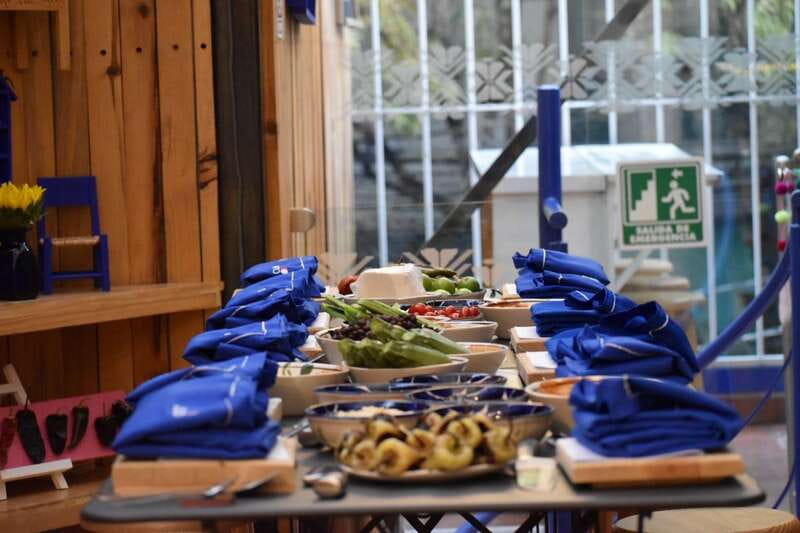
- Mercado de Medellín in Roma Norte: a real market stop, not just a quick photo break
- Nixtamalization at a tortillería: you see how native corn becomes masa for tortillas
- Regional flavors in one menu: salsas, mextlapiques, white mole, and pastel de elote
- Tastings along the way: cacao from Oaxaca, seasonal fruit, ice cream, and even insect samples
- Alcohol pairings included: beer, mezcal, and Valle de Parras wine with your courses
- Guides with real personality: some sessions are led by Mariana, Pamela (Pame), Lorena, or Chef Kristel
Market Smells, Studio Comfort: How the 4.5 Hours Flows
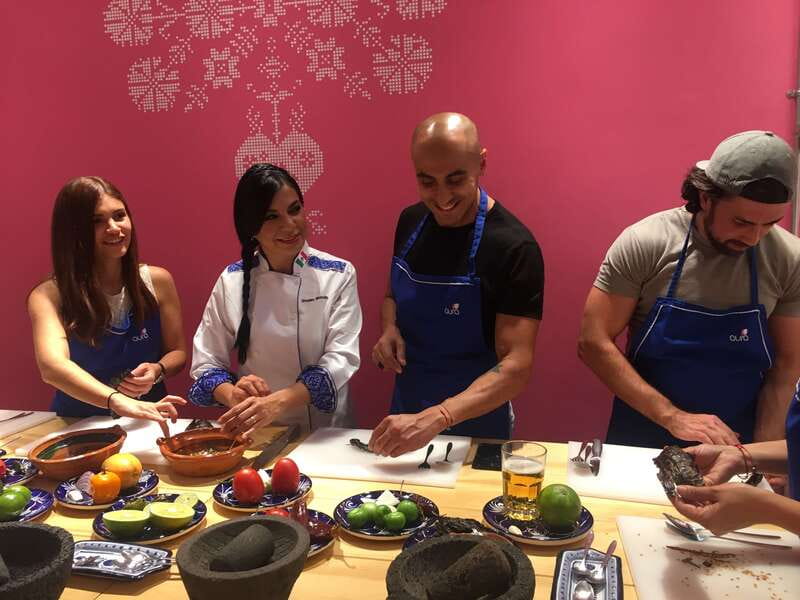
This is built like a good day in Mexico City: you get the street-level ingredient hunt first, then you get to cook with what you just learned about. The whole experience runs about 4.5 hours, and the pace stays friendly—busy enough to feel like you made progress, slow enough to actually enjoy the food.
Because the group is capped at 7 people, you’re not stuck watching while someone else does all the work. If you like learning by doing (and not just eating), this format fits.
The tour also avoids a common problem: trying to cram market shopping and cooking into a long day with lots of transfers. Here, your time stays concentrated in Roma Norte and the nearby Mercado de Medellín.
You can also read our reviews of more city tours in Mexico City



Roma Norte Studio Start: Agua Fresca, Coffee, and a Real Welcome
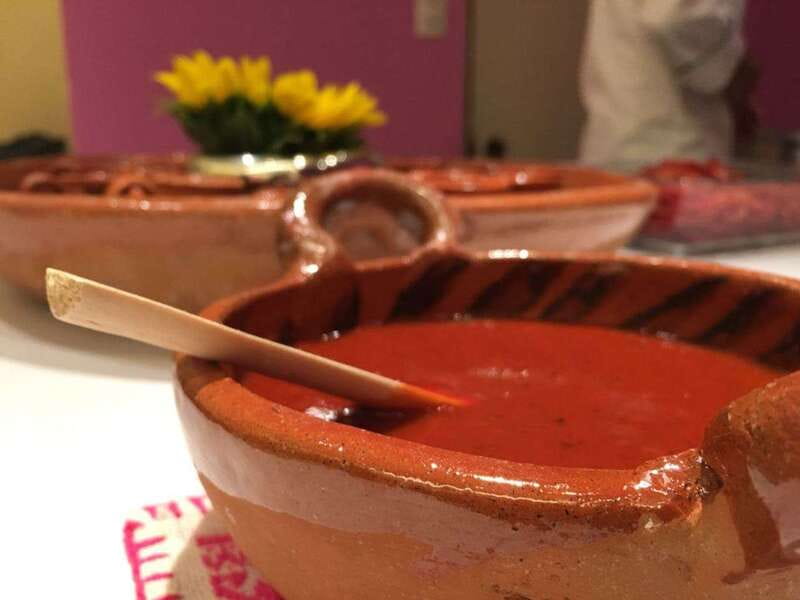
You meet at Medellín 191a in Roma Norte (Cuauhtémoc), in a modern cooking studio environment. Street numbers on Medellín aren’t sequential, but the meeting point is between Chiapas and Tapachula streets, which makes it easier to spot.
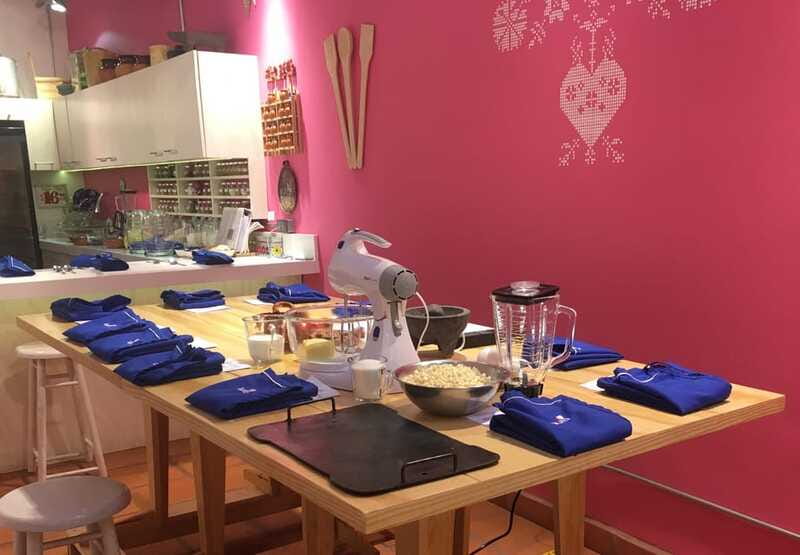
Once you arrive, you’ll get an apron and a welcome drink to settle in. Expect agua fresca, plus coffee made from selected Mexican beans or a special infusion option. It’s a smart start because it puts you in “taste mode” right away.
Before you head out, your chef guide sets the stage with context about Mexican cuisine—how it’s shaped by ingredients, techniques, and regional habits. Even if you’re not a kitchen person, you’ll feel oriented fast.
The instruction language is English or Spanish, and the team is set up for small-group teaching. You’ll also get printed recipes, which is a big deal if you want to repeat the dishes later instead of relying on memory.
Mercado de Medellín Walk: Corn, Chili, Chocolate, and Yes, Bugs
The market tour is where the day becomes more than a cooking demo. Mercado de Medellín is a major market in Roma Norte, and you’ll learn how it’s organized while walking through key halls and seeing the variety in front of you.
As you move, you’ll hit tasting stops that match what you’ll cook later. That connection is one reason this feels practical: you’re tasting ingredients in context, not learning them in theory.
Tortillería Stop: Native Corn and the Nixtamalization Moment
One stop centers on a tortillería using native corn. You’ll see the nixtamalization process, which is how corn is treated to make it suitable for masa and better-tasting tortillas. It’s hands-on learning without needing lab equipment—just a clear explanation and a chance to connect the science to the food.
You’ll taste quesadillas made with those tortillas. This is usually the moment where you understand why Mexican corn tastes different when it’s handled the traditional way.
Chili Variety Tasting: Heat Levels You Can Name
Next comes chili education in a form you can use later: you learn about different chili varieties and taste. Even if you don’t consider yourself a “spice person,” this helps you build a personal map of flavor.
Instead of generic heat, you start learning what flavors ride along with the spice level. That matters when you make salsas in the studio.
You can also read our reviews of more shopping tours in Mexico City


Oaxaca Chocolate and Raw Cacao Taste
Then you’ll taste 100% raw cacao and sample artisanal chocolate from Oaxaca. This isn’t just sweetness training; it helps you understand cacao as an ingredient that can be bitter, earthy, and aromatic.
When you later make water-based chocolate pairing with pastel de elote, you’ll recognize what you’re working with.
Exotic Bug Tasting (If You Want It)
You may taste insects like crickets, chicatana flying ant, and chinicuil worm. You can decide your comfort level on the spot, but the point is bigger than a shock-factor snack.
This is about showing how Mexican markets treat proteins and regional food traditions as normal, not strange.
Seasonal Fruit and Ice Cream
To keep things balanced, you’ll also try seasonal native fruits such as mamey, chicozapote, and tuna. And you’ll finish this stretch with hand-made ice cream, which gives you a palate reset before the cooking starts.
Hands-On Cooking Course 1: Antojitos, Sopes, and Two Salsas
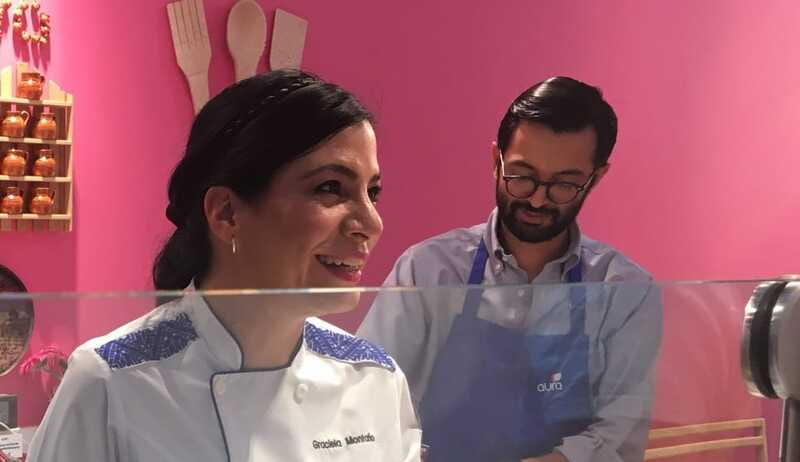
Back at the studio, the cooking class is structured as a 4-course meal that you actually help make. Course one is all about antojitos mexicanos, with a focus on sauces and street-style flavor.
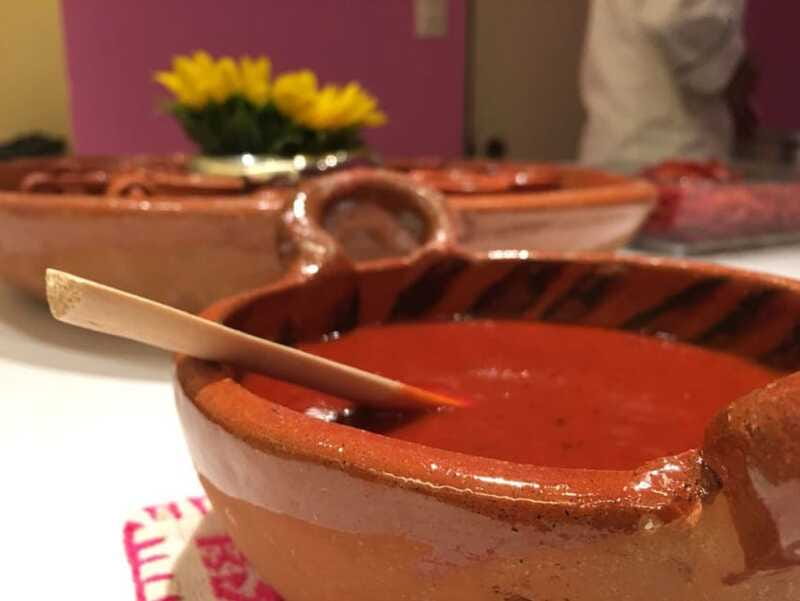
You’ll learn how to prepare antojitos with Mexican salsas, and you’ll also make sopes. The sopes get paired with two specific salsa styles: red molcajete sauce and green sauce.
This part is great if you want confidence. You’ll go from tasting salsa flavors at the market to building them yourself—so you can explain what you’re doing and why it works.
Small-group energy helps here. When someone needs a hand, the chef guide can step in without making the whole class slow down.
Hands-On Cooking Course 2: Mextlapiques and a Fresh Hierbabuena Sauce
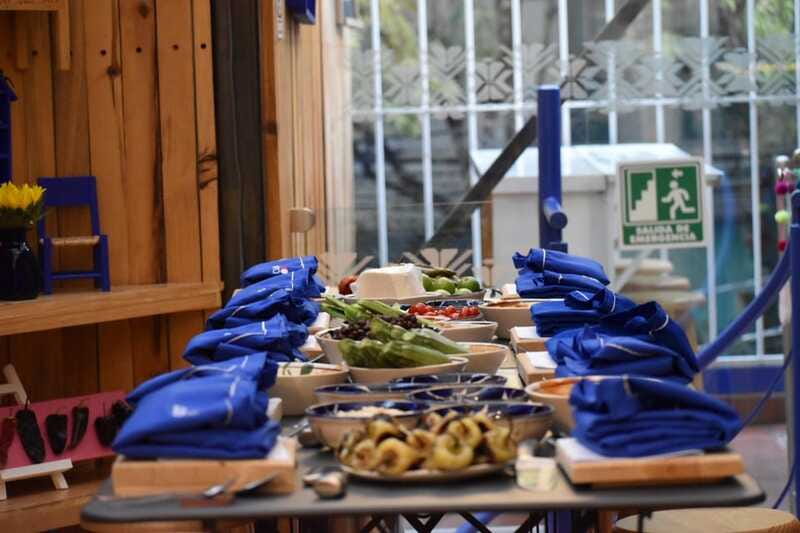
Course two is mextlapiques, with a prehispanic origin. The idea is unique: they’re described as a tamal type made without masa, which helps you understand how Mexican cooking isn’t locked into one “standard” method.
For the version you’ll make, it’s vegetable-only, and it’s covered with hierbabuena sauce. That herb note matters because it brings brightness to a dish that could otherwise feel heavy.
If you’ve never made anything tamal-adjacent, this course gives you a new baseline. You learn technique and flavor-building, not just how to follow steps.
Some guides really emphasize letting you try and adjust. That’s where the small group size pays off again.
Hands-On Cooking Course 3: White Mole from Light Ingredients to Celebration Flavor
Course three is white mole, a traditional dish of Mexico’s central region. It’s typically eaten at celebrations, and in this class you’ll learn what makes white mole different from darker versions.
You’ll make it using lighter ingredients, including white pine nuts, almonds, peanuts, blonde raisins, and chile guero. It’s served with chicken pieces, mushrooms, or panela cheese depending on the dish version you’re preparing.
A quick practical note: since peanuts are part of the ingredient list, this is exactly why the experience isn’t suitable for people with nut allergies. If you’re sensitive, take that seriously—don’t assume you can swap ingredients on the fly.
If you do have a safe dietary situation, this course is usually a highlight because white mole tastes layered without being overly smoky or dark. You’ll learn how the flavors come together and how to balance them.
Hands-On Cooking Course 4: Pastel de Elote and Water-Based Chocolate
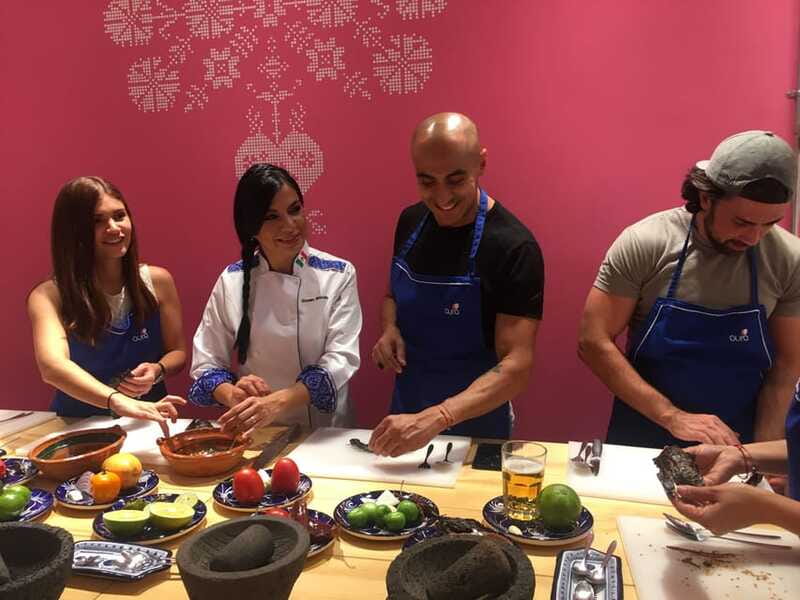
The final course is pastel de elote, described as cornbread paired with water-based chocolate. This is one of those Mexican dessert concepts that feels straightforward after the first bite, but it carries real craft.
You’re working with sweet corn flavor and a chocolate pairing that’s not just melted candy. The cacao you tasted earlier at the market becomes a useful reference point here.
This is also the point where the meal starts feeling complete. You’ve moved from savory sauces and herbs to celebration-style mole and then into dessert that’s still clearly tied to corn and cacao roots.
Drinks and Pairings: Beer, Mezcal, and Valle de Parras Wine
The meal doesn’t treat drinks as an afterthought. You’ll enjoy the prepared dishes with pairings that can include Mexican craft beer, mezcal from Oaxaca, and premium white or red wine from Valle de Parras.
That mix makes sense because the menu spans bold chili-salsa flavors, nut-forward mole, and corn-and-cacao dessert. Alcohol pairings included also push value up, since it’s normally the part people end up paying extra for on their own.
Also, practical note: alcohol is included, but it’s still a cooking class. Keep it moderate so you can focus on the steps you’re learning.
Why $204 Feels Fair for What You Get
At $204 per person for about 4.5 hours, you’re paying for more than a meal. You’re paying for a chef guide, the market tour, all the ingredients, and a full 4-course lunch with drinks.
Here’s the value logic I like: you’re not just eating Mexican food—you’re learning how it’s built. Market tastings help you identify flavors, the studio instruction teaches technique, and printed recipes help you repeat the results.
The small group limit matters too. With up to 7 people, you’ll get real participation instead of being stuck on the sidelines. Some people love this most because they end up cooking multiple components, not just one dish.
One more detail that makes the experience feel worth it: the teaching team often shows up with strong personalities. Based on recent classes, the chefs guiding these sessions have included Mariana, Pamela (Pame), Lorena, and Chef Kristel, with assistants supporting the group. That human energy tends to make the learning stick.
Who This Is Best For (and Who Should Skip It)
This experience is a good fit if you want hands-on cooking plus market education in one compact half-day. It’s especially suited to food lovers who like learning technique and regional ingredients, not just collecting photos.
It’s also ideal for couples or small groups traveling together. The format encourages conversation and shared work, and you’ll likely end up chatting with your fellow cooks as you assemble courses.
But there are clear limits. It’s not suitable for children under 12, for people with nut allergies, and for people with mobility impairments. Also, since insects are part of the tasting list, be sure you’re comfortable with that possibility before booking.
If you’re nervous about trying everything, you can still enjoy the lesson. Just remember: the market is presented as normal Mexican food culture, not a staged performance.
Before You Go: What to Wear and How to Find the Studio
Wear comfortable shoes. Even though you’re walking only within the area, markets involve uneven surfaces and lots of stops.
You’ll get an apron, but you might still want to wear sleeves you don’t mind getting a little kitchen-scented. Cooking can get hands-on fast, especially when you’re learning salsa and mole processes.
For the meeting point, aim for Medellín 191a, Roma Norte, between Chiapas and Tapachula streets. Medellín street numbers aren’t sequential, so using those cross-streets as your anchor will save time.
Should You Book This Mexican Cooking Class and Market Tour?
I think you should book this if you want a real taste of Mexico City beyond restaurants: market education, ingredient tastings, and a structured 4-course cooking class in a small studio. The value is strongest for people who plan to cook again later, because you’ll leave with printed recipes and a clear understanding of how the dishes fit together.
I’d skip it if you have nut allergies or if you’re not comfortable with the idea of tasting insects. And if your priority is purely sightseeing, you might find the cooking portion more hands-on than you expected.
If your goal is simple—learn, cook, and eat well—this is one of the more satisfying ways to spend a half-day in Mexico City.