REVIEW · MEXICO CITY
LGBTIQ+ History of Mexico private tour
Book on Viator →Operated by Frida Tours · Bookable on Viator
Mexico City can turn a corner and teach you something. This private, English-language tour maps LGBTIQ+ history across iconic landmarks, from the Zócalo’s pre-Hispanic ideas to later Pride organizing at Marrakech Salón. I love that the story is tied to real public spaces (not just a slideshow), and I also like that many stops have free admission so your money goes to the guide instead of ticket fees. One thing to consider: it’s a lot of walking and standing, and some topics can feel heavy.
You’ll get a tight 3 to 4 hour route with a guide who sets the context fast—cosmogony, gender rules, punishment under colonial rule, and the way identities show up in art and nightlife. I also like that you’re not stuck alone: it’s a true private group, so you can ask questions and go at a pace that works for you. A possible drawback is that the most direct experience depends on good weather, since the tour requires it.
In the same spirit, I’ve seen how guides like Cami from Frida Tours lean into warmth and care, with thoughtful pacing and even extra neighborhood driving when it helps you connect the dots. If you want a tour that mixes serious history with human moments—snacks, bottled water, and a pulque tasting—you’re in the right place.
In This Review
- Key highlights you’ll feel right away
- A private LGBTIQ+ story you can walk, from the Zócalo onward
- Where the timeline starts: the Zócalo and pre-Hispanic ideas of sexuality
- Coyolxauhqui: hearing how native cultures discussed sexuality
- Catedral Metropolitana: colonial power, punishment, and who got named
- Avenida Francisco I. Madero: trans heroes, intersexuality, and the Baile de los 41
- La Opera and the Revolution: identity during upheaval
- Centro Histórico: open homosexuality, art, queer icons, and cruising origins
- Alameda Central: queer icons, myths, and truths
- Marrakech Salón: Pride protests and human-rights fighters
- Price and what you really get for $93.84
- Food, pulque, and the human side of the route
- Logistics that matter: pickup, walking, and group feel
- Who should book this private LGBTIQ+ history tour
- Quick advice to get the most out of it
- Should you book the LGBTIQ+ History of Mexico private tour?
Key highlights you’ll feel right away
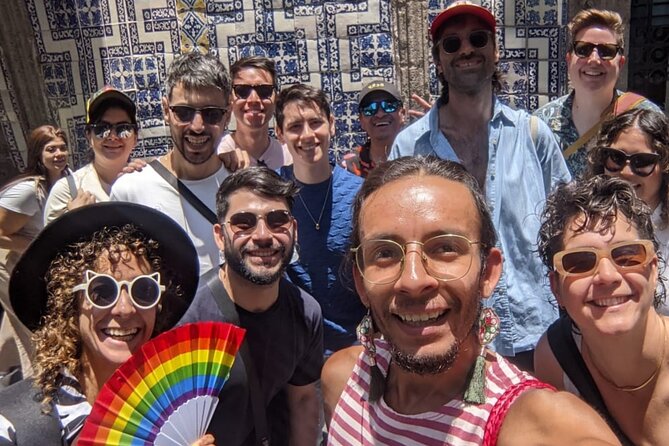
- A stop-by-stop LGBTQ+ timeline in Mexico City’s landmarks you can point to on a map.
- Free-entry emphasis, with only a couple places requiring you to budget for admission.
- Talking history in context, including ideas about sexuality in pre-Hispanic cultures and how colonial systems treated difference.
- A hands-on taste stop, with pulque tasting (or another beverage) and snacks.
- Private by design, so the guide can answer questions for your group without rushing.
A private LGBTIQ+ story you can walk, from the Zócalo onward
This is the kind of Mexico City tour that makes you look up—then look again. Instead of treating LGBTQ+ history as a separate theme, the guide threads it through the city’s most recognizable places: the Zócalo, major avenues, historic church walls, and the areas that shaped queer social life.
You’re booking a private format, so you and your group aren’t sharing your questions with strangers. The tour is offered in English, which matters here because the content is interpretive—gender, sexuality, and historical interpretation need clear language.
Timing is built for a focused window: plan on about 3 to 4 hours with stops that run roughly 20 to 40 minutes each. Between sitting for brief introductions and standing to view landmarks, you’ll want comfortable shoes. This isn’t a “sit at a museum café” kind of outing.
You can also read our reviews of more private tours in Mexico City



Where the timeline starts: the Zócalo and pre-Hispanic ideas of sexuality
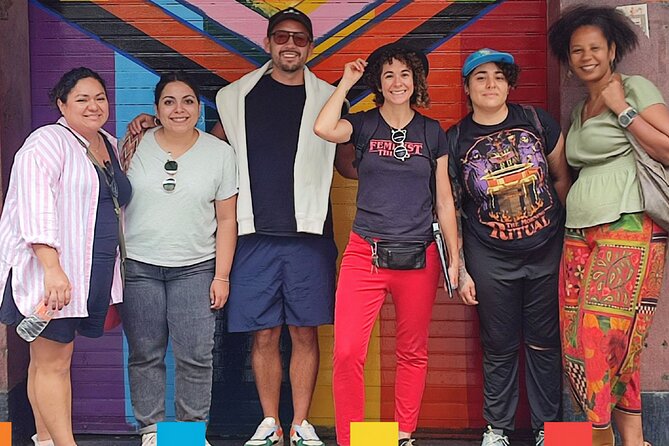
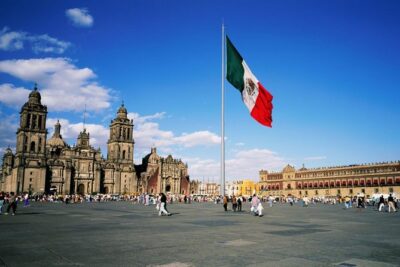
You begin at the Zócalo area, with a short, guided setup on pre-Hispanic cultures such as the Aztecs, Mayas, Toltecs, and Totonacas. The key theme is cosmogony—how people understood the universe—and how those beliefs shaped ideas about sexuality and gender.
What I like about starting here is the framing. The Zócalo isn’t only Mexico City’s postcard plaza; it’s a stage where older worldviews and later rule layers overlap. By beginning with indigenous concepts, you avoid the common trap of thinking LGBTQ+ history only starts with the modern era.
Practical note: the stop is brief (about 20 minutes). It’s enough time to get the big ideas, but not enough time to do deep reading on your own afterward. If you’re the type who wants to keep going, bring your curiosity and be ready to ask questions.
Coyolxauhqui: hearing how native cultures discussed sexuality
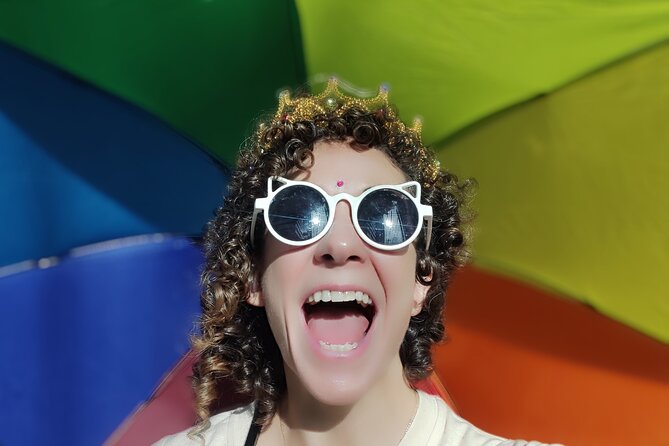
Next is Coyolxauhqui, another stop that’s designed to keep the story grounded in indigenous perspectives. The guide explains how native cultures viewed homosexual practices, sexuality, and gender identity.
This matters because it shifts the conversation away from shame-based assumptions and toward how societies understood roles and relationships. Even if you don’t agree with every interpretation a guide offers, the value is in learning how people in different eras talked about identity.
This is also a quick stop (around 20 minutes). If you’re hoping for a slow, museum-style pace, you might feel that the route moves quickly—but that’s part of what makes it doable in a half-day.
Catedral Metropolitana: colonial power, punishment, and who got named
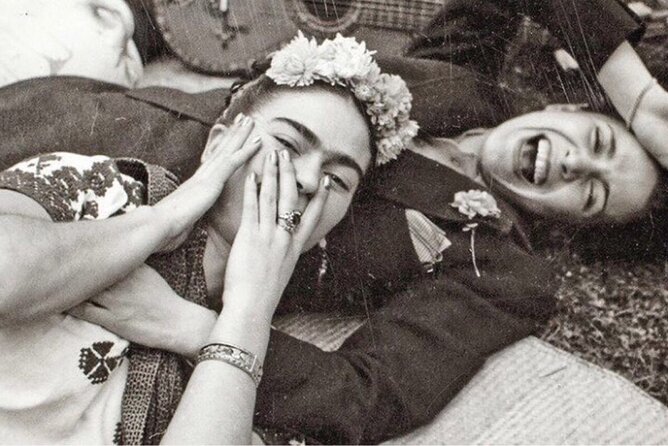
Then you move to the Catedral Metropolitana de la Ciudad de Mexico, where the guide tackles colonial treatment of diversity. Expect discussion about how sodomy was punished and which characters became important in that historical period.
This is one of the heavier parts of the tour. The benefit is that you’re not hearing abstract lectures—you’re standing in the middle of the city’s colonial-era center. It’s easier to understand how institutions could enforce rules when the setting is right there in front of you.
The stop again is about 20 minutes. If you’re sensitive to moral-legal history, consider asking the guide where they’re going emotionally with the material. A good private tour means you can steer the pacing a bit.
Avenida Francisco I. Madero: trans heroes, intersexuality, and the Baile de los 41
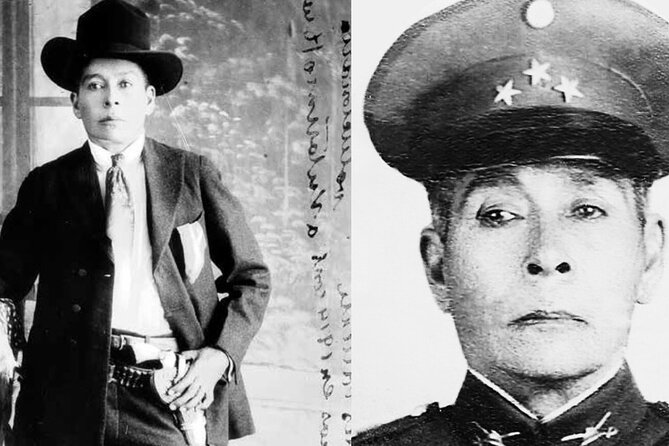
At Avenida Francisco I. Madero, the tour shifts toward early independent Mexico and public stories. You’ll hear about transgender heroes, intersexuality, Mexican dandies, and homosocial relationships. The guide also addresses what really happened in the Baile de los 41.
This is a stop that often sticks with people because it mixes history with cultural myth. The guide doesn’t just repeat the famous headline; it tries to explain what’s plausible, what the story is really pointing at, and why it became such a powerful reference point.
Timing is longer here—about 40 minutes—which helps. The subject needs a bit more breathing room so you can connect the dots from previous eras to what changes (and what doesn’t) under new national identities.
You can also read our reviews of more historical tours in Mexico City




La Opera and the Revolution: identity during upheaval
You’ll then head to La Opera, where the focus becomes diversity during the Mexican Revolution. A highlight of this stop is a claim the guide makes about Emiliano Zapata being the first transgender person officially recognized.
Important note: the tour frames this as part of its historical narrative, so listen for how the guide supports that interpretation. If you’re a research-minded traveler, you’ll likely enjoy hearing what sources and reasoning the guide uses.
This stop is about 20 minutes, and the admission there is included. That’s a nice practical perk because it avoids last-minute ticket chasing while you’re already walking.
Centro Histórico: open homosexuality, art, queer icons, and cruising origins
Back in the historic core—Centro Histórico—the guide brings the story into modern Mexico and the visual world. Here, you’ll hear about early open homosexuals in Mexican history, their artworks, connections to international queer icons, and the start of cruising.
This is one of the tour’s most important “why this matters” moments. History doesn’t live only in laws and churches. It shows up in art, reputations, private spaces, and social routes. Cruising, in this framing, isn’t treated as gossip; it’s presented as a way people found community under pressure.
You’ll spend about 30 minutes here. The stop is free (admission free per the tour plan), which means you’re paying for context and conversation more than for formal access.
Alameda Central: queer icons, myths, and truths
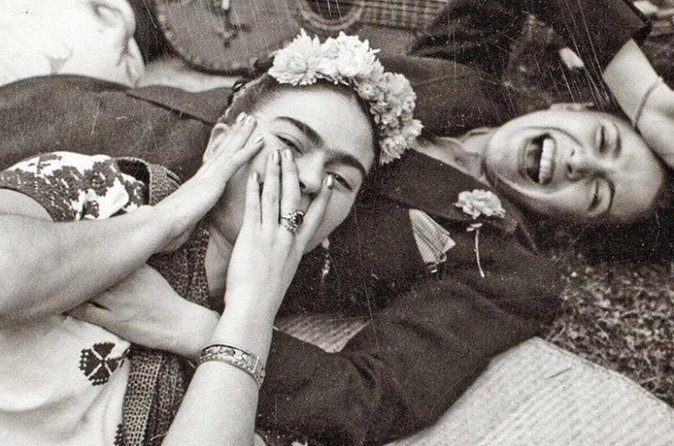
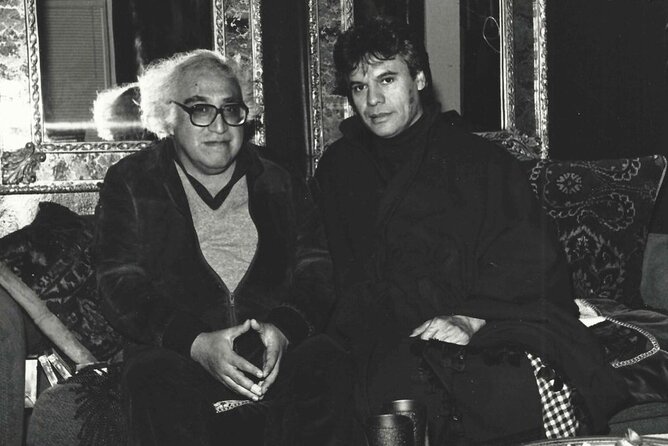
Next up is Alameda Central, a stop built for recognition. The guide explains the most famous queer icons of the country, plus the myths and truths around them—expect names like Frida Kahlo, Chavela Vargas, and Juan Gabriel.
This is your chance to see how pop culture meets identity history in Mexico City. The tour doesn’t treat myth as pointless; it treats it as a clue to what society wanted to believe, fear, or normalize.
You’ll spend about 40 minutes at Alameda Central, and admission here is not included. That’s worth planning for. It’s not the end of the world if you budget a little extra, but it’s one more line in your day.
Marrakech Salón: Pride protests and human-rights fighters
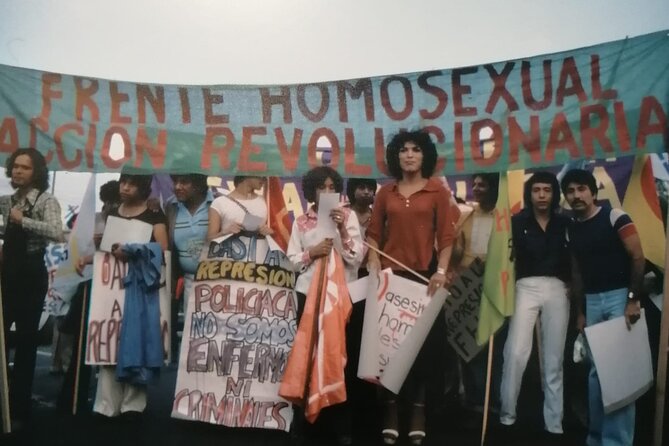
You wrap at Marrakech Salón, with discussion about the country’s first Pride protests and the main human-rights fighters in the LGBTIQ+ community. The stop is about 20 minutes, but it’s intentionally positioned as a closing: you end with action, not only remembrance.
This last stop is where the tour feels most present-day. It reminds you that LGBTIQ+ history isn’t sealed in archives. It continues in organizing, community memory, and public courage.
Price and what you really get for $93.84
At $93.84 per person for roughly 3 to 4 hours, the value comes from a few practical things.
First, it’s private. You’re paying for time with a guide who can explain and answer questions in English, rather than reading a signboard with other people’s noise around you. Second, many stops have free admission, which keeps the overall cost from ballooning with tickets. Third, you get food and drink support: snacks, bottled water, and a pulque tasting (or another beverage) plus a queer souvenir.
Also, the booking pace is strong—on average, it’s booked about 92 days in advance. That’s usually a sign you’re not just paying for a topic; you’re paying for a route and an approach people want.
If you’re comparing this against museums-only tours, this one wins when you care about context. You’ll see how ideas move through spaces: public squares, avenues, churches, performance-related sites, and modern social areas.
Food, pulque, and the human side of the route
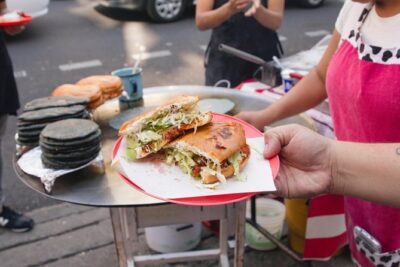
You’ll have snacks and bottled water, so you’re less likely to run on empty between stops. The tour also includes alcoholic beverages via a pulque tasting or another beverage.
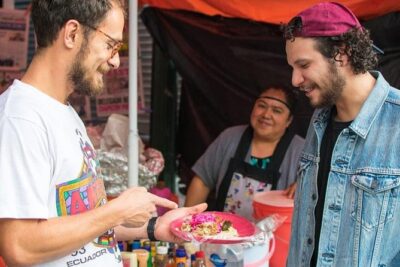
One of the nicest details is that after the tour officially ends at Marrakech Salón, you can head to a nearby restaurant for a pulque—optional, offered if you want to keep the experience going. This is the kind of soft landing that helps you transition from learning mode into normal vacation mode.
In at least some cases, guides like Cami from Frida Tours add real-food moments too. For example, one account highlights tacos al pastor as part of the experience, tied into the guide’s attention and extra effort with pacing and added neighborhood driving. If your idea of a perfect history tour includes food as a cultural bridge, you’ll probably feel at home here.
Logistics that matter: pickup, walking, and group feel
Depending on the option you choose, you’ll either meet at a Historic Center location or get pickup from your accommodation (private transportation option with transport). The meeting point listed is Museo Archivo de la Fotografía, República de Guatemala 34, in the Centro Histórico area.
The tour ends at Marrakech Salón, República de Cuba 18. The next-day confirmation text is part of the system: the day prior, the guide texts the lead traveler to confirm pickup/meetup timing and the number of travelers.
The tour also says it’s near public transportation and that service animals are allowed. “Most travelers can participate,” but the tour does note considerable walking and standing, so treat that as the main physical requirement.
If your group includes anyone who tires quickly, ask the guide how they can adjust pace on the spot. Because it’s private, the flexibility is usually higher than with group bus tours.
Who should book this private LGBTIQ+ history tour
This is a great fit if you want:
- A timeline approach that links identity history to places you can see and photograph.
- A guided explanation of themes like colonial punishment, independence-era stories, and how queer social life developed over time.
- A tour that includes practical support—snacks, water, and pulque—so you can focus on learning instead of logistics.
It’s less ideal if you prefer a low-walking schedule or if you want only light, feel-good stories. The content includes difficult topics, because the history includes difficult systems.
Quick advice to get the most out of it
Bring comfortable shoes and plan to stand for stretches. If you want to remember names and dates, take brief notes—this route moves through themes quickly.
When the guide covers myths alongside facts (like the Baile de los 41), don’t worry about having a ready opinion. The value is in understanding why stories get told the way they do, and how identity and power show up through rumors, records, and public scenes.
And if you’re food-motivated, ask the guide how they handle snacks and local bites during the route. The tour includes snacks, but a skilled guide can still help you make the most of the neighborhood.
Should you book the LGBTIQ+ History of Mexico private tour?
I’d book it if you want a private, English-language walking tour that treats LGBTQ+ history as part of Mexico City’s real geography—from ancient cultural ideas at the Zócalo to Pride-era organizing at Marrakech Salón. The price makes sense because you’re getting a guide-led route with many free-admission stops, plus real supports like snacks, water, and pulque tasting.
Skip it—or at least reconsider—if walking and standing for several hours will be a problem, or if you’re looking for a strictly “celebration only” experience. This is learning with context, and that means some chapters are tough.
If you’re the kind of person who likes your history anchored to the streets you’re standing on, this tour is a strong choice.