
REVIEW · MEXICO CITY
Mexico City Street Food: A Beginner’s Guide
Book on Viator →Operated by Eat Mexico Culinary Tours · Bookable on Viator
Street food in Mexico City can feel overwhelming. This 3-hour walking tour gives you a clear path through Cuauhtémoc, where hungry office workers keep the outdoor stands moving and the city’s food culture is on full display. You’ll spend the morning (or early afternoon) eating your way through classic dishes, then cap it with a stop at a chocolate shop in Juárez.
What I like most is how the tour builds confidence fast: your guide handles the ordering, so you’re not stuck guessing what’s popular or how spicy things get. I also love that you get as much food as you can eat plus a freshly squeezed juice and Mexican candy—so it feels less like a “sample tour” and more like a real meal plan.
One thing to consider: this can feel expensive, especially once you factor in a tip for your guide (not included) and the fact that transport to and from the start and end points isn’t covered. If you’re very budget-focused, do the math before you commit.
In This Review
- Key highlights you should know
- Cuauhtémoc makes a smart first stop
- From Reforma to Juárez: your walking route in plain terms
- The biggest value: your guide orders so you can focus
- What you’ll actually eat: a beginner-friendly sampler of Mexico City classics
- Cemitas: Puebla roots in Mexico City format
- Squash-flower burritos: a taste of seasonal ingredients
- Carnitas: pork that’s tender, then brightened with lime
- Tlacoyos: oval masa with toppings that make sense
- The extra bites that keep the tour from feeling repetitive
- Salsas, candy, and the chocolate finish in Juárez
- Pacing: why it can feel rushed (and how to handle it)
- Price and logistics: is $110.28 worth it?
- Who this is best for (and who might skip it)
- Should you book this Mexico City street-food tour?
- FAQ
- How long is the Mexico City Street Food: A Beginner’s Guide tour?
- Where does the tour start and end?
- How much does it cost?
- What’s included in the price?
- What’s not included?
- Is the tour offered in English?
- How many people are in a group?
Key highlights you should know
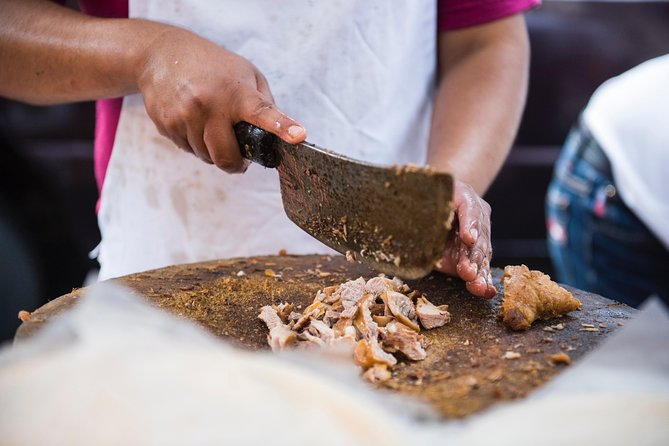
- Cuauhtémoc street-food focus: you’ll eat in a neighborhood packed with outdoor vendors and office-worker crowds
- Guide ordering does the heavy lifting: no language guesswork, no decision fatigue
- Big food payoff: “as much as you can eat” with a juice and candy built into the tour
- Beginner-friendly, but not boring: you’ll see more than just tacos
- Finale at a chocolate shop: the tour ends with something sweet and grown-up
Cuauhtémoc makes a smart first stop
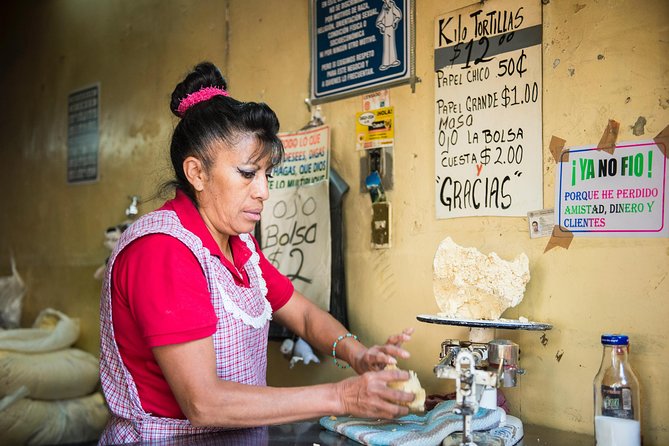
Cuauhtémoc is a practical choice for a beginner street-food outing. It’s not just “where there are stands”—it’s where tons of people go every day, which means food is moving fast, fresh is prioritized, and vendors stay sharp. The area also has a mix of everyday local energy and international visitors from nearby embassies, so your guide can translate the food without making it feel staged or touristy.
This tour also works because it’s built around how you learn. You’re not studying a menu in advance for every bite. Instead, you’re following a route, meeting vendors, and learning what makes each dish worth your time—especially the ones that don’t have an obvious English translation.
And yes, the “walk and eat” format matters here. You get to compare flavors while you’re still hungry enough to care, and you’re not stuck eating one heavy dish for hours. That’s the difference between a fun street-food crawl and an endurance test.
You can also read our reviews of more food & drink experiences in Mexico City



From Reforma to Juárez: your walking route in plain terms
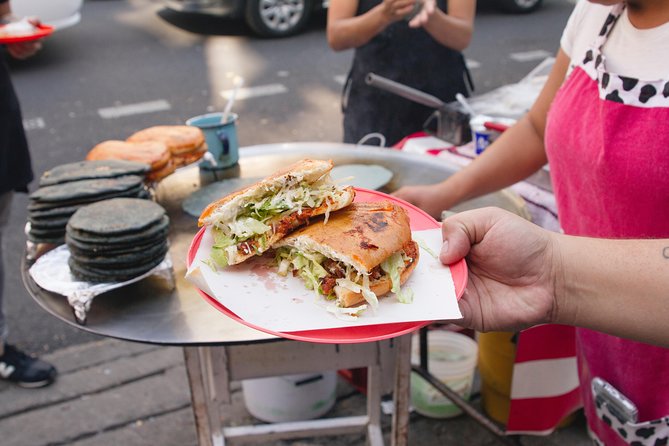
Your tour starts at Av. P.º de la Reforma 341 in Cuauhtémoc and ends at Chocolatería La Rifa, C. Dinamarca 47 in Juárez. That start-and-finish setup is useful if you want to do this early in your trip and then keep exploring the city afterward—especially because the end point drops you right near a chocolate shop, which is a low-stress place to regroup.
The tour is about 3 hours, and it’s small by design: a maximum of 8 travelers. That size is big enough for a lively group, but small enough that the guide can keep the ordering moving. Still, walking tours can move quickly. If you’re the type who wants long sit-down pauses between stops, you might find you’re eating on a schedule.
Public transportation is nearby, so you can plan your own arrival and departure without building a private plan around taxis.
The biggest value: your guide orders so you can focus
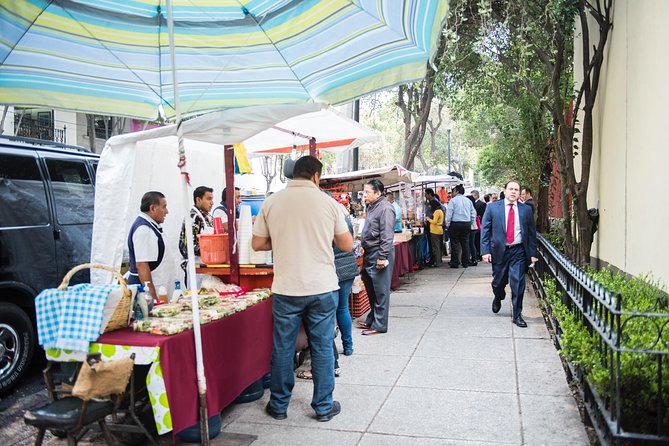
If you’re new to Mexico City street food, the biggest hurdle isn’t the food—it’s the decisions. What should you try? How do you say what you want? Will it be too spicy? Will it be served hot or cold? Will you understand what you’re eating?
This is where the guide-led ordering is a real win. You’re guided through what’s available at each stop and how to handle the menu. That matters even if you have some Spanish, because street food isn’t always written like a restaurant menu. It’s chalkboards, verbal suggestions, and whatever’s coming off the grill right now.
Another quiet benefit: you’ll meet vendors and hear their stories. When you understand the “why” behind the dish—corn preparation, specific ingredients, and local tastes—you start to recognize patterns across the city instead of treating every bite as a random roll of the dice.
Guides I’ve seen named in this experience include Clara, Fernando, Nico, Tonalli, Adrian, Ariane, Toti, and Yim. The common thread across those guides is style: friendly, approachable, and tuned to pacing so you don’t leave stuffed too early—or starving by the end.
What you’ll actually eat: a beginner-friendly sampler of Mexico City classics
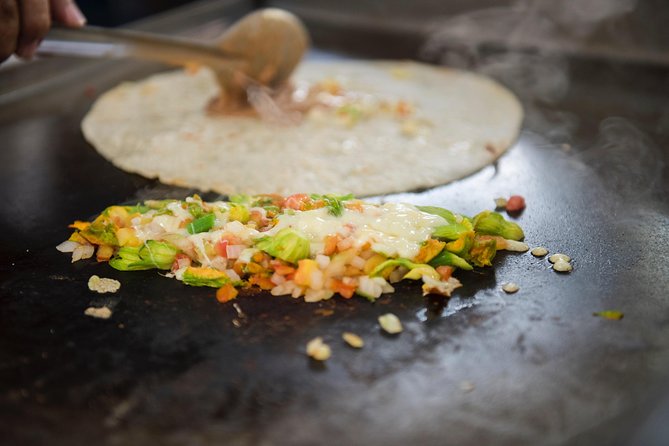
This tour isn’t built around a single “signature taco.” It’s a sequence of dishes that teach you how Mexico City street food works: corn-based items, grilled meats, fresh toppings, and salsas that range from friendly to intense.
Here’s the core lineup you should expect, plus what it teaches you.
Cemitas: Puebla roots in Mexico City format
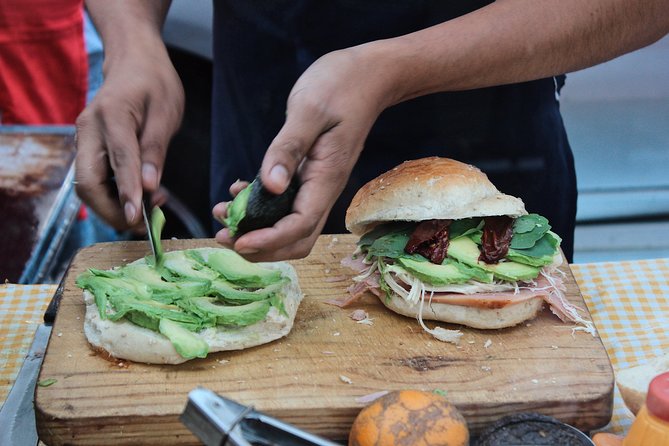
A cemita is a stuffed sandwich native to Puebla, and it’s an excellent starter because it’s structured: you can see the components—stringy quesillo cheese, avocado slices, and the bread-and-filling rhythm. It’s also a good introduction to Mexican sandwiches beyond the “hot dog logic” your brain might bring.
Look for it as a comfort-food entry point. It’s filling, but not chaotic. If you’re worried about trying street food for the first time, this kind of dish makes the leap easier.
You can also read our reviews of more tours and experiences in Mexico City




Squash-flower burritos: a taste of seasonal ingredients
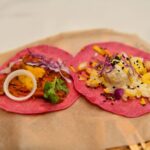
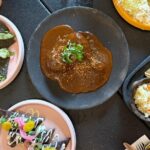
A squash-flower burrito tends to feel special because it’s about texture and subtle flavor rather than pure heat. You’ll likely be eating a burrito filled with squash flowers, beans, melted cheese, and a salsa choice.
This is where your guide helps you pick a salsa level that won’t wreck your appetite for everything else. It also helps you learn that Mexican food isn’t just “spicy.” It’s also fragrant, delicate, and ingredient-driven.
Carnitas: pork that’s tender, then brightened with lime
Carnitas show up as tender pork cooked in lard, finished with lime and a green salsa that’s been described as some of the hottest green salsa people have tried on this kind of tour. The lime matters. It cuts the richness and makes the pork taste lighter, almost “awake,” even when it’s clearly indulgent.
If you’re a pork fan, this stop tends to land well. If you’re not, it’s still a valuable lesson in how street food balances fat with acid.
Tlacoyos: oval masa with toppings that make sense
Tlacoyos are hand-shaped oval patties made from nixtamalized corn dough (masa), topped with cactus, cheese, and salsa. They’re a great beginner dish because you’re learning masa-based cooking without needing to order like a local.
The cactus topping adds a distinct element, and the mix of cheese and salsa teaches you how street vendors build flavor layers. If you love trying multiple textures—soft masa plus toppings—tlacoyos are a strong choice.
The extra bites that keep the tour from feeling repetitive
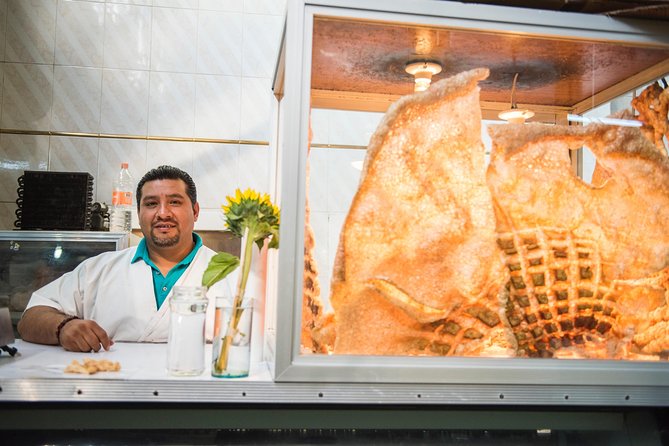
Even though those dishes are highlighted, you may also see a wider mix typical of this style of tour. Some people mention starting with chicharrón and tortillas, then moving into things like tacos, tamales, pambazos, quesadilla with potatoes, bombazas, and jugo (juice). There’s also mention of fermented chocolate as part of the sweet finale.
That variety is part of the value. You’re not just eating more—you’re getting a better map of what street food looks like across the city.
Salsas, candy, and the chocolate finish in Juárez
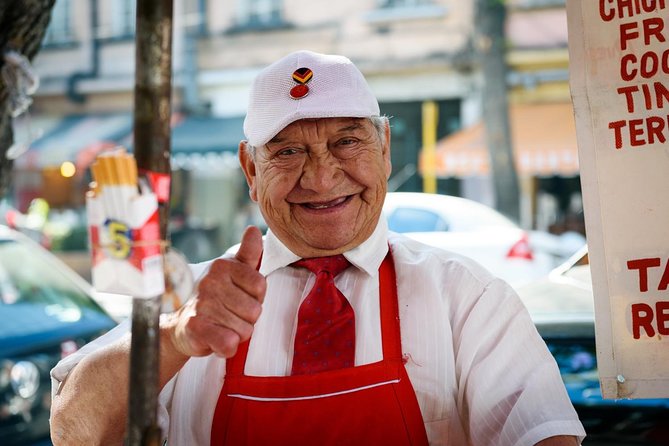
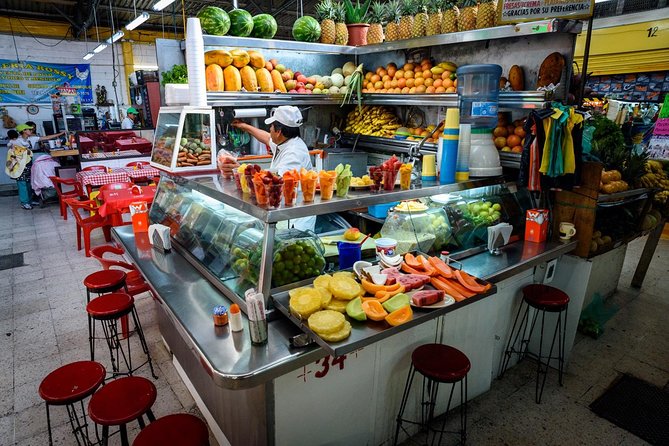
The tour includes a freshly squeezed juice and traditional Mexican candy, which is a small detail that adds up. Street food can be salty and heavy, so the juice helps reset your palate before the next stop. Candy also gives you a quick sweetness hit that keeps your energy stable when you’re eating multiple savory items in a row.
Then you finish at Chocolatería La Rifa in Juárez. The final stop is described as more than a gimmick. People mention an artisan cold chocolate drink—especially welcome on a hot day—and desserts like chocolate mousse. There’s also mention of fermented chocolate, which is a reminder that Mexico’s chocolate culture includes more than just sugar.
This ending matters because it gives you closure. After walking, eating, and learning for a few hours, the chocolate stop is your calm landing. It’s also a good moment to ask follow-up questions while you’re not rushing to your next bite.
Pacing: why it can feel rushed (and how to handle it)
The pacing can be a make-or-break detail. Some people have said the tour felt rushed, and that impression lines up with the format: multiple stops, guide ordering, lots of food, and a tight 3-hour window.
Here’s how you can handle that on your side:
- Come hungry, but don’t try to stretch your appetite too aggressively. If you arrive starving, you might feel stuffed faster and end up racing the last bites.
- Ask your guide about spice levels early. Green salsa and other spicy options are part of the experience, but you can still steer your choices.
- Go in ready to walk. This is not a museum pace. It’s street pace.
Also remember this: “as much food as you can eat” doesn’t mean you should max every item. The guide can help you decide how much to take so you enjoy the variety instead of bouncing through it.
Price and logistics: is $110.28 worth it?
Let’s talk value, not just cost. $110.28 per person for about 3 hours isn’t cheap, but this tour does include a meaningful amount: enough food for a large breakfast and lunch combined, plus juice, Mexican candy, and generous tips for street vendors. That’s not a minor add-on; vendor tipping is part of why guides can bring you to the better spots instead of the ones that are only open for tourists.
The two things that can make people feel sticker shock are:
1) Transport isn’t included to and from the meeting and end points. You’ll pay your own way there and back, unless you already plan to be nearby.
2) A tip for your guide isn’t included. In Mexico, tipping culture is real, and some people feel the total spend climbs quickly when the ticket price is already high.
So is it worth it? For you, it probably comes down to what you’re trying to solve:
- If you want a beginner-friendly way to learn what to order and you’d rather pay for guidance than gamble with street menus, the price can make sense.
- If you’re a super-budget traveler and you’d rather eat off your own research, this may feel steep compared to DIY street-food exploring.
One more practical note: some people felt the flavors were only average and not as standout as they expected. Taste varies by vendor and by what you choose, so don’t assume every bite will hit like your favorite meal. The upside is that you’re eating enough variety to find what you love.
Who this is best for (and who might skip it)
This tour is best if you:
- Are new to Mexico City street food and want structure
- Like learning from the guide—how dishes are made, why vendors sell them, and how to order confidently
- Want a small group setup (maximum 8 travelers) so it stays friendly and not chaotic
- Prefer eating with as much as you can guidance rather than calculating portions alone
It may not be the best fit if you:
- Want slow, sit-down pacing between stops
- Are extremely sensitive to price, especially once you budget for guide tipping
- Have very strict food preferences (the tour can accommodate some needs, but specifics aren’t listed here—so it’s smart to message ahead if you have limits)
On the plus side, it’s offered in English, and service animals are allowed. Mobile ticketing is used, and you’ll get confirmation at booking time.
Should you book this Mexico City street-food tour?
If you’re visiting Mexico City and want a fast start—get your bearings fast—this is a smart option. The real value is the guide-led ordering, the vendor stories, and the fact that you won’t leave hungry. It’s also a nice way to learn how corn-based dishes like tlacoyos and masa items connect across neighborhoods.
But I wouldn’t ignore the money angle. If $110.28 plus a guide tip and your own transport costs feel uncomfortable, you might prefer a DIY plan. Also keep your expectations realistic: street food is good, but not every plate will be a personal favorite.
My practical take: book it if you want a beginner-friendly route with enough food to do it justice. Skip it if you’d rather DIY on a strict budget or you hate tours that keep moving.
FAQ
How long is the Mexico City Street Food: A Beginner’s Guide tour?
It runs for about 3 hours.
Where does the tour start and end?
It starts at Av. P.º de la Reforma 341, Cuauhtémoc, and ends at Chocolatería La Rifa on C. Dinamarca 47, Cuauhtémoc (in Juárez).
How much does it cost?
The price is $110.28 per person.
What’s included in the price?
You’ll get as much food as you can eat, one freshly squeezed juice, traditional Mexican candy, and generous tips for street vendors.
What’s not included?
Transport to and from the meeting and end points isn’t included, and tip for your guide is not included. Additional personal beverages outside the included juice are also not included.
Is the tour offered in English?
Yes, it’s offered in English.
How many people are in a group?
The tour has a maximum of 8 travelers.