REVIEW · MEXICO CITY
Unlock Teotihuacan Pyramids: Private Tour & Delicious Local Lunch
Book on Viator →Operated by Intrepid Urban Adventures - Latin America · Bookable on Viator
Pyramids hit different with a good guide. This private day trip from Mexico City pairs Teotihuacán’s UNESCO ruins with real-world context, so you’re not just taking photos—you’re understanding why the Aztecs tied this place to gods. I also like that it’s a small group setup (max 12), with an English-speaking guide who keeps the day moving and makes the archaeology make sense.
The big win for most people is the last third of the day: lunch with a local family and a look at everyday life outside Mexico City, including the role cactus plays in culture and food. The only real catch is physical: you’ll cover about 6 km of walking and there’s steep, sun-baked terrain, so bring the right shoes and expect it to feel like a hike.
In This Review
- Key moments that make this tour worth your time
- Teotihuacán in one long day: what the schedule feels like
- Casa de los Azulejos meet-up: starting where people actually go
- Riding public buses with your guide (fare included): the real Mexico City part
- The on-site museum setup: why it makes the ruins easier to read
- Calzada de los Muertos: the walk that connects the whole story
- Moon Pyramid and Sun Pyramid: what to aim for, and what to expect
- Quetzalcoatl Pyramid viewpoints: wind, height, and timing
- San Juan Teotihuacán town stops: cactus culture, crafts, and everyday life
- Lunch at a local family home: why this is the heart of the day
- Food, shopping, and sales pressure: where to stay sharp
- Your guide matters: what strong leadership looks like here
- Price and value: is $220 reasonable for this mix?
- Who should book this Teotihuacán private tour
- Final call: should you book?
- FAQ
- FAQ
- How long is the tour and what time does it start?
- Where do we meet and where does the tour end?
- Is this tour private, or is it shared with other people?
- How much walking is involved, and is pyramid climbing allowed?
- Is the lunch vegetarian or can you handle dietary needs?
- What’s included in the price?
- What’s the minimum age for the tour?
- Can I cancel and get a full refund?
Key moments that make this tour worth your time
- Public transport included, so you get the Mexico City rhythm instead of a sealed-off tourist van day
- On-site museum context with reconstructions of local houses and artifacts you’ll see later in the zone
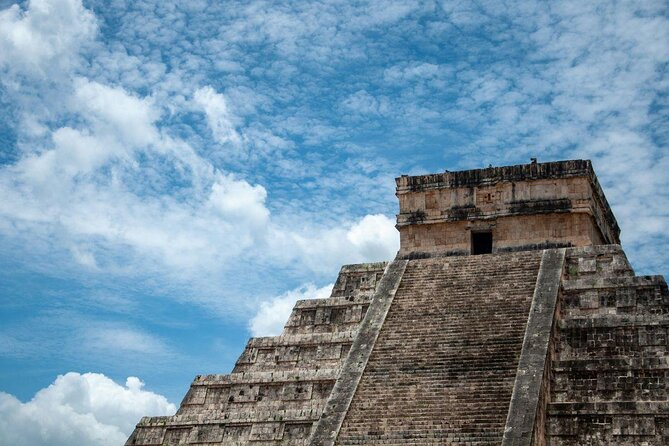
- Sun and Moon Pyramid time, plus a guided walk along the Calzada de los Muertos
- Quetzalcoatl Pyramid viewpoint, for big panorama moments when the light is right
- San Juan Teotihuacán town stops, including family-run businesses and local treats like cactus candy
- Home-cooked lunch with a local family, where the day shifts from ruins to real life
Teotihuacán in one long day: what the schedule feels like
This is an 8-hour-style outing, starting at 8:30am and designed to leave Mexico City and return the same day. You’ll meet at Casa de los Azulejos (House of Tiles) in the Centro Histórico area, then finish back in the historic core near Palacio de Bellas Artes.
The pacing is practical. You’ll spend most of the day outside walking, with a museum/ruins block in the morning and town + lunch in the afternoon. The operator also flags moderate fitness for the walk (about 6 km) and notes that conditions can be strenuous if you’re not used to hills and heat.
You can also read our reviews of more private tours in Mexico City



Casa de los Azulejos meet-up: starting where people actually go
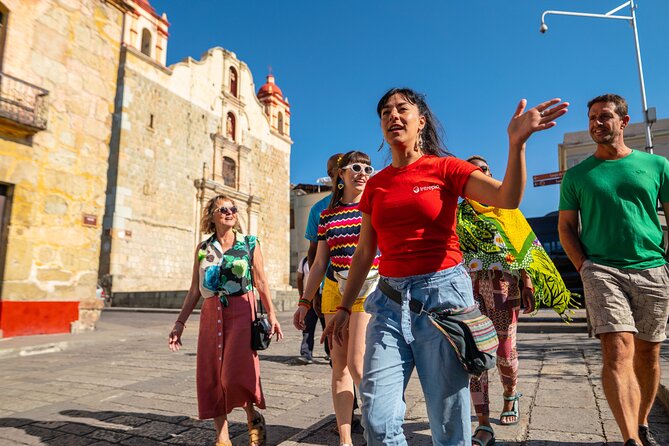
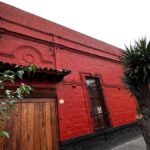
Casa de los Azulejos is an easy landmark to find, which matters when you’re starting a day trip early. The meeting point is in the Centro area (near public transport), so you can typically get there without drama.
I like meet-ups like this because they keep you anchored. You’re not hunting for a random pickup spot on a side street far from transit. From here, the plan is to head out to the Teotihuacán area by a mix of bus connections.
Riding public buses with your guide (fare included): the real Mexico City part
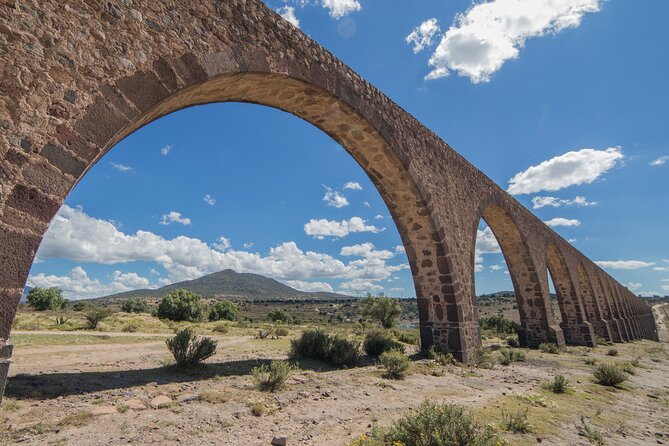
One of the best parts of this tour is that it doesn’t pretend you’re above the city. Your guide takes you onto public transportation with fare included, and that changes the whole vibe.
You’ll typically do a chunk of transit right away: a short bus hop to the north area, then about 90 minutes out toward the Teotihuacán region. On a structured tour, it can be easy to forget that Mexico City is a real commuter hub. This method keeps the day grounded—crowds, local cadence, and the sense that you’re leaving the city the same way many people do.
Practical tip: bring a little cash for small purchases at stops (souvenirs, snacks, crafts). Even if drinks aren’t included, you’ll likely want options.
The on-site museum setup: why it makes the ruins easier to read
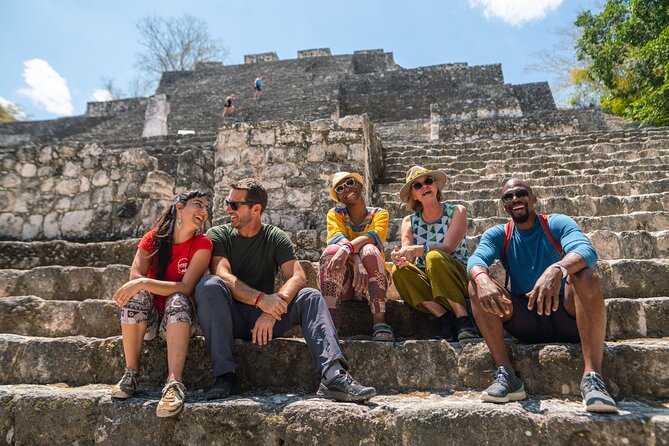
Before you wander among the pyramids, you start at the Teotihuacán area’s on-site museum. This is where your guide points out things like reconstructions of local houses and relics tied to what’s found in the archaeological zone.
That matters more than it sounds. Without a guide’s framing, Teotihuacán can feel like “big rocks and stairs.” With the museum context, the site starts to click: you get a sense of where people lived, what objects meant, and how the ancient city functioned. You’re also better prepared for what you’ll see along the walk afterward.
Calzada de los Muertos: the walk that connects the whole story
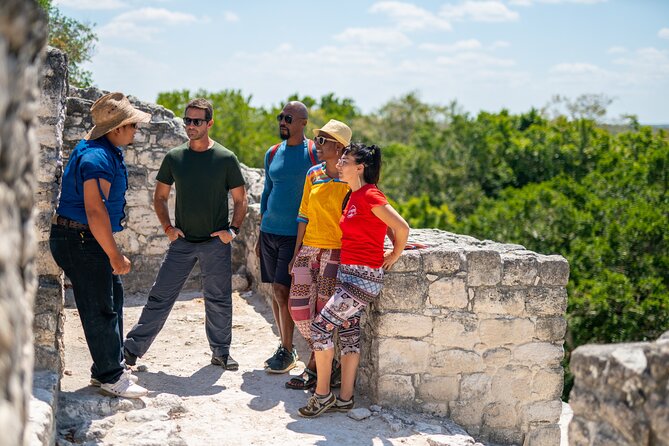
Once you enter the ancient city area, you follow the main spine: Calzada de los Muertos (Pass of the Dead). This is the stretch that turns the visit into more than a quick pyramid stop.
Expect a guided walking format that builds in layers. Your guide connects architectural features to why the Aztecs later talked about Teotihuacán as a kind of mythic place. You’ll also spend enough time moving through the space to feel its scale without rushing.
If you’re the type who hates being stuck behind slow walkers, you should still be fine. This tour is set up for small-group flow, and your guide keeps you oriented so you’re not drifting.
You can also read our reviews of more tours and experiences in Mexico City


Moon Pyramid and Sun Pyramid: what to aim for, and what to expect
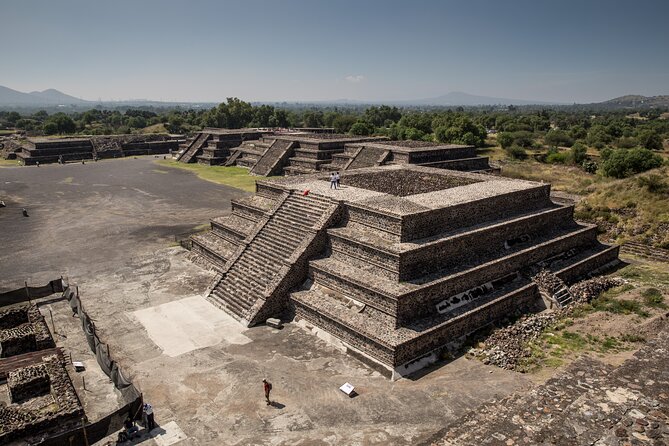
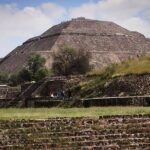
Teotihuacán’s two stars are the Pyramid of the Moon and the Pyramid of the Sun.
You start with the Moon Pyramid, where the guide explains history and architecture and talks about why the site carried meaning long after the original builders. Then you move toward the Sun Pyramid, the area’s tallest, rising to about 206 feet (63 meters). Along the way, the guide’s commentary helps you understand what you’re seeing instead of just checking boxes.
One important note: the tour info says it’s not allowed to climb the pyramids. So even though you’ll be near the steps and lookout areas, plan your expectations around exploring from designated viewpoints rather than a free climb.
Also, be ready for the crowding and vendor scene that comes with famous ruins. You’ll see people selling things like water and souvenirs close to the site paths. None of it should stop the experience, but it does add “noise” to the edges of your photos.
Quetzalcoatl Pyramid viewpoints: wind, height, and timing
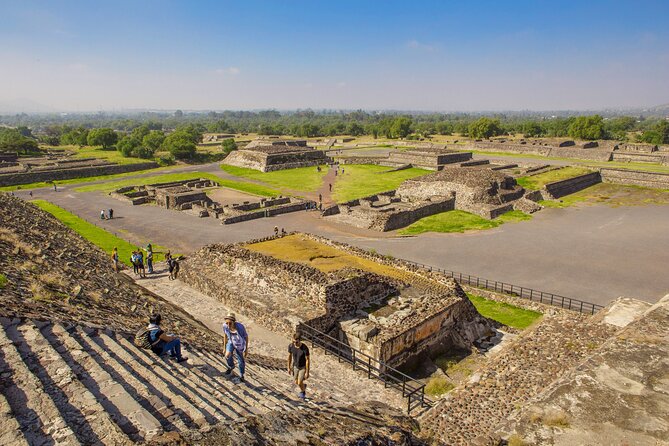
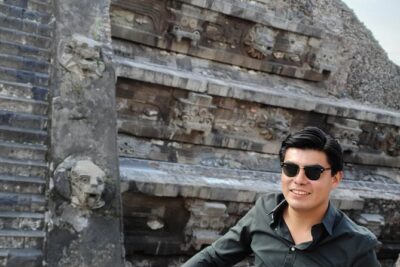
Near the top end of your sightseeing, you’ll get time at the Quetzalcoatl Pyramid area for panoramic views. This is where the geometry of the site really shows—long lines, wide sight angles, and that sense that Teotihuacán was planned, not random.
This part can be windy and exposed. Wear layers you can adjust, and bring something to cover your head if you’re heat-sensitive. Even in cooler months, you’ll feel the sun once you’re up and walking between open spaces.
If you get tired, it’s still worth pushing through this segment. The views are the kind that make the earlier museum and explanation feel earned.
San Juan Teotihuacán town stops: cactus culture, crafts, and everyday life
After the main ruins time, you shift gears to the modern countryside around San Juan Teotihuacán. Here you’re not just staring at stone. You’re looking at rural routine, meeting points that are more human-scale, and seeing how the region connects old symbols to daily life.
You’ll make two stops to family-run businesses and spend some time strolling in the town area. A big theme is cactus: it’s presented as an important cultural and historical symbol, and you’ll also learn that cactus shows up in Mexican cuisine.
You might also encounter local products and treats, including cactus candy. It’s a small detail, but it’s exactly the kind of “oh, that’s how it connects” moment that makes the day feel personal instead of generic.
Lunch at a local family home: why this is the heart of the day
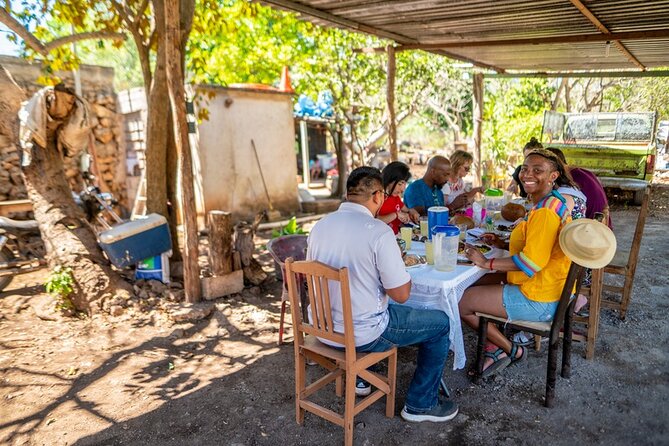
The lunch is the part that tends to land the hardest. You’ll eat a home-cooked meal with a local family, and the experience is built around conversation and everyday life, not just food.
This is where the tour stops being only archaeology and becomes cultural exchange. You’ll sit down with people in a home setting and learn what daily Mexico looks like outside Mexico City’s big tourist center. Based on what’s included, you should expect Mexican flavors and staples, and your guide may help connect food choices to the region’s traditions.
Vegetarian, vegan, or gluten-free options are available, but you have to let the operator know in advance. If you have dietary needs, don’t wait until you arrive—message it when you book.
One practical note: drinks and additional food aren’t included, so if you want beverages beyond what’s served with lunch, you may pay out of pocket.
Food, shopping, and sales pressure: where to stay sharp
Most of the tour is about learning and meeting people. Still, you’ll be in settings where local artisans and producers sell products. That can be a normal part of the economy.
What you want to do is go in with your eyes open. If you’re not planning to buy, you’ll still enjoy the craft demonstrations and tastings, but keep your wallet in check. One criticism that comes up in similar day trips is that some stops can feel like sponsored sales pitches. So treat it like browsing, not a must-buy situation.
A smart strategy: buy only if something truly interests you (cactus-related sweets, small crafts, obsidian items). If the presentation moves fast, it’s easier to say no and enjoy the experience without pressure.
Your guide matters: what strong leadership looks like here
The tour’s success heavily depends on your guide’s tone and how well they connect history to what you’re standing in front of.
In prior experiences shared with this operator, guides such as Roy, Rodrigo, Cesar, Nathan, and Leon have been highlighted for being friendly, engaging, and effective with English. The best ones do two things at once: they explain the ruins with clarity and also help the day feel smooth—where you are, what’s next, and how to pace yourself so nobody gets lost or exhausted.
Private does not mean chaotic. It means you get more attention. Even within a max-12 group, good guide leadership keeps the day from turning into a scramble.
Price and value: is $220 reasonable for this mix?
At $220 per person for about 8 hours, this isn’t a cheap “bus and tickets” day. The value comes from the combination:
- Private tour style with English guide for a max-12 group feel
- Public transport included (fare included), which can be hard to replicate confidently alone
- Museum + ruins guidance, which turns Teotihuacán into an understandable story rather than a site you merely walk through
- Lunch with a local family, which is usually where a lot of the tour cost gets justified
- Cultural stops in San Juan Teotihuacán with family-run businesses and local treats
If you were to do Teotihuacán on your own, you might save money but you’d still face the hardest part: navigating the day and getting meaningful context while handling transit. This tour bundles that work into one price—so you can focus on the sights and the food.
Who should book this Teotihuacán private tour
Book this if you:
- Want Teotihuacán with context, not just a photo run
- Like the idea of riding local buses so the day feels more authentic
- Enjoy home-style cultural meals and conversation, especially outside Mexico City
- Can handle about 6 km of walking and steep paths
- Need an English-speaking guide for interpretation
- Are traveling with dietary restrictions and have time to request vegetarian/vegan/gluten-free options
Skip it (or consider a lighter alternative) if:
- You hate long walking days in sun and wind
- You strongly want a fully flexible, self-guided schedule
- You’re hoping for lots of climbing time on the pyramids, since the tour notes that climbing isn’t allowed
Final call: should you book?
If your ideal day trip is part history, part real-life Mexico, and a genuinely local lunch, I’d book this. The strongest reason is the balance: ruins with explanation up front, then a town and home meal that makes the region feel lived-in rather than staged.
Just plan for the physical demands, and go into the town stops with a calm, browse-first mindset. You’ll get a better day out of it.
FAQ
FAQ
How long is the tour and what time does it start?
The tour runs for about 8 hours and starts at 8:30am.
Where do we meet and where does the tour end?
You meet at Casa de los Azulejos (House of Tiles) in Mexico City’s Centro Histórico. The tour ends near Palacio de Bellas Artes, also in the Centro Histórico area.
Is this tour private, or is it shared with other people?
It’s a private tour experience, but there is still a small maximum group size (up to 12 travelers). You’ll have a guide and a small group format.
How much walking is involved, and is pyramid climbing allowed?
The tour covers about 6 km of walking and may be strenuous for people not used to walking, with moderate physical fitness recommended. The tour notes that it is not allowed to climb the pyramids.
Is the lunch vegetarian or can you handle dietary needs?
Vegetarian, vegan, and gluten-free options are available, but you need to let the operator know in advance about dietary requirements.
What’s included in the price?
Included items are public transportation during the day (fare included), the English-speaking guide, visits to the Teotihuacán pyramids and area stops, and lunch at a local family’s home. Drinks and extra food are not included.
What’s the minimum age for the tour?
The minimum age is 6 years.
Can I cancel and get a full refund?
Yes. You can cancel up to 24 hours in advance for a full refund. If you cancel less than 24 hours before the start time, the payment isn’t refunded.