REVIEW · MEXICO CITY
Xochimilco: amanecer en kayak Ciudad de México
Book on GetYourGuide →Operated by Visitenochtitlan · Bookable on GetYourGuide
Dawn water in Xochimilco feels like time travel. I love how this kayak tour shows Mexico City’s canals and chinampas up close, with a guide who explains what made the region work and why it matters. I also really like that you get to meet the axolotl story in person, not just as a photo on your phone, with Alan and his team keeping things calm, practical, and funny.
One thing to know: it is a physical activity. Even with instructions and a life jacket, you’ll be paddling for stretches, and the pace isn’t a casual float. If you have health limits like high blood pressure or heart problems, this is not the right plan.
In This Review
- Key things to know before you go
- Amanecer in Xochimilco: why this tour feels different
- Meeting at the soccer club: first 10 minutes set the tone
- Gear and safety briefing: what you get and what you should bring
- The canals at dawn: your first strokes and changing light
- Chinampas and the story of how Mexico City began
- Meeting the axolotl at the ajolotario: science you can actually see
- Where the tour time goes: balancing paddling and land stops
- The guide experience: Alan and the small-group comfort
- Paddling effort: who this suits best (and who should think twice)
- Price and value: does $55 make sense for 3 hours?
- What to do with your expectations before booking
- Should you book the Xochimilco amanecer kayak?
- FAQ
- How long is the Xochimilco amanecer kayak tour?
- Where does the tour start?
- What equipment is included?
- Is entrance to the ajolotario included?
- How many people are in the group?
- What languages are the guides?
- What should I bring?
- What is not allowed during the activity?
- Is it okay for beginners?
- Who should not book this tour?
Key things to know before you go
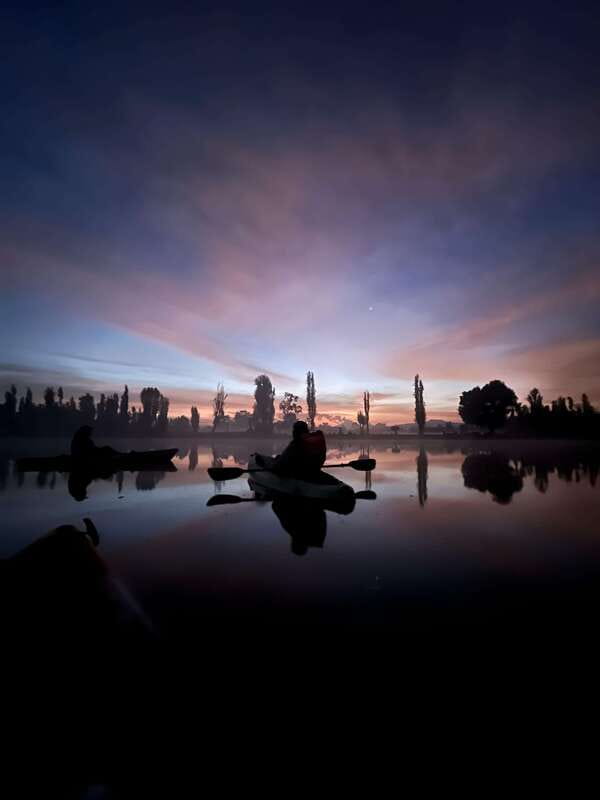
- Sunrise-focused timing so the canals feel quiet and magical, not crowded.
- Small group (up to 10), which makes it easier to get coaching if it’s your first time kayaking.
- Ajolotario entrance included so the axolotl part is real and hands-on.
- Safety gear and guidance included: kayak, paddle, life jacket, plus technique tips.
- Alan’s local storytelling blends local legends with practical science about the axolotl and the water-world around CDMX.
- Bring biodegradable toiletries and repellent because the tour is designed for the sensitive canal environment.
Amanecer in Xochimilco: why this tour feels different
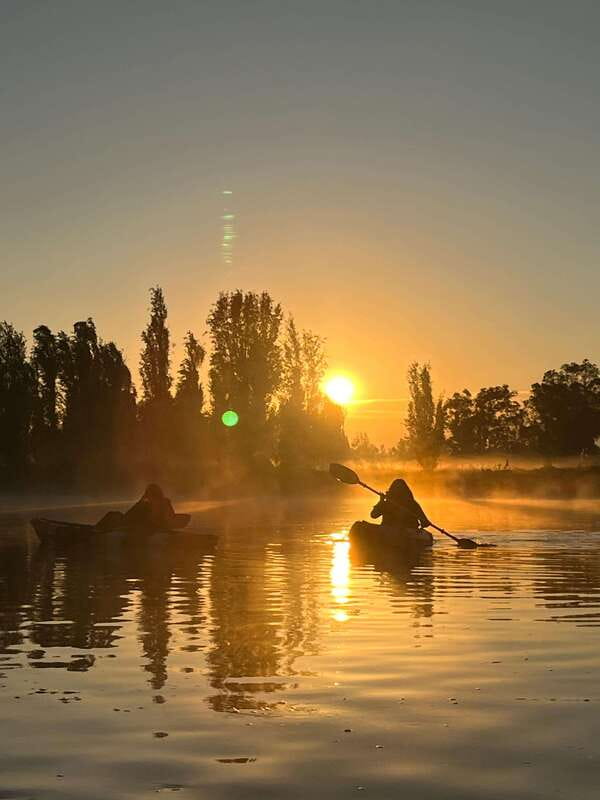
Xochimilco is famous for boats, but this tour flips the script. Instead of watching, you’re moving through the canal system yourself—slow enough to notice birds and water texture, fast enough to feel like you earned the view. Amanecer is a big part of why it works. Early light softens the whole scene, and the air tends to be less harsh than midday.
The other reason I’d pick this over a standard canal cruise is the axolotl connection. You’re not just hearing that CDMX has an endemic animal. You’re also visiting the ajolotario, where the axolotl story becomes something you can see and understand in context—especially the theme of regenerative power that keeps coming up in both science and local fascination.
The trade-off is that you need to show up ready to work a bit. Kayaking is not hard like a gym workout, but it does take steady effort for beginners and experts alike. You’ll also want to follow rules closely—no alcohol, no intoxication, and no littering—because this is a water environment with real safety and conservation concerns.
You can also read our reviews of more tours and experiences in Mexico City
Meeting at the soccer club: first 10 minutes set the tone
You meet at Liga de Veteranos de Futbol Xochimilco AC, a private club with soccer fields. It sounds unromantic, but that’s the point: you’re not starting from a hotel lobby. You’re starting from the real neighborhood rhythm, then heading to the water with the group.
When you arrive, expect a quick setup and an easy handoff into the kayak process. The guides provide equipment and explain what’s happening next, and reviews commonly mention how Alan helps first-timers get their bearings fast. That matters because the moment you touch a kayak, your brain wants certainty: Where do I sit? How do I hold the paddle? What if I feel off-balance?
If you’re traveling with someone older or brand-new to paddling, this is often a relief. The structure is clear, the pace is manageable, and the instruction feels more like coaching than lecturing.
Gear and safety briefing: what you get and what you should bring
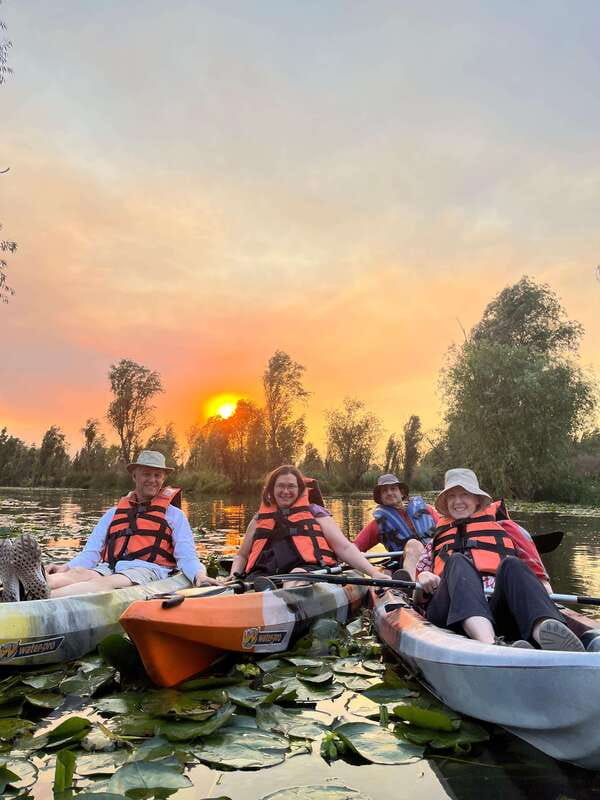
Included gear covers the basics: life jacket, paddle, and the kayak itself. You’ll also get instructions and technique tips for staying safe on the canals. Don’t gloss over this part. The first minutes teach you how to paddle without fighting the water.
What you should bring is just as important, especially for comfort and for the canal environment:
- Biodegradable sunscreen
- Clothes that can get dirty
- Biodegradable insect repellent
You’re on the water early and outside for the morning window, so think practical. Wear clothes you don’t mind getting damp or dusty. If you forget repellent, you’ll feel it later more than you think.
The canals at dawn: your first strokes and changing light
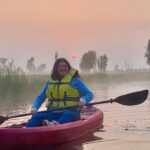
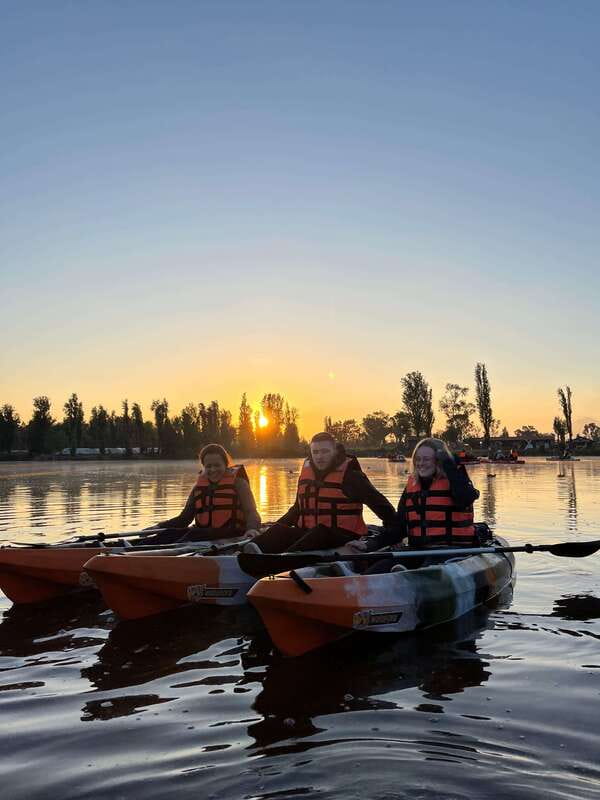
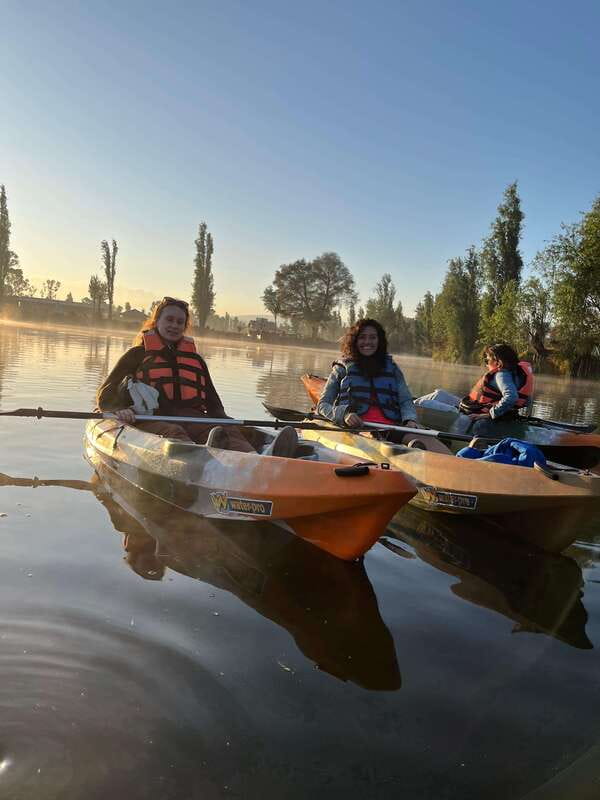
Once you’re on the water, the tour shifts from briefing mode into the real point: paddling Xochimilco’s canal system. The early portion is designed for sunrise atmosphere, so you start with that feeling of calm and low noise. Then you spend time moving through the waterways as light changes and visibility improves.
What I like about this pacing is that you’re not thrown into a long scramble right away. You get an opening moment, then a stretch of real exploration. That rhythm helps you relax into the kayak and start noticing details: gentle turns around canal edges, the rhythm of paddle strokes, and how the water reflects early sky colors.
If you’re aiming for photos, this is the time. Clear mornings make everything look sharper, and the canal reflections can turn ordinary bends into something cinematic—without you having to search for a viewpoint.
Chinampas and the story of how Mexico City began
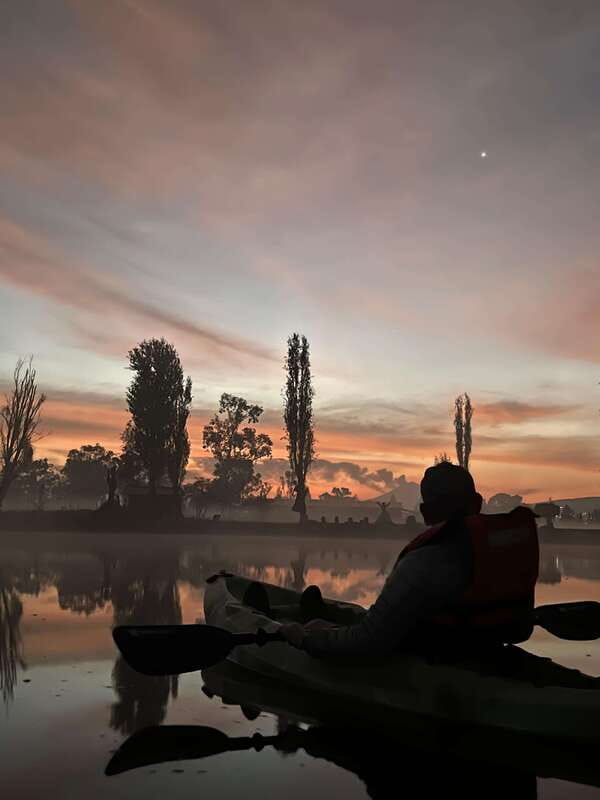
Here’s where the guide talk becomes useful, not just entertaining. On this tour, you learn about the foundations of Mexico City and how the city began through a water-based system—canals and chinampas (floating islands). The idea isn’t abstract. It’s practical: how communities adapted to water, food systems, and daily life around the lakes and waterways.
You also get legends and local explanation mixed with grounded detail. The guide connects what you’re seeing on the water to why the region developed the way it did. That’s what makes the canals feel more than scenery. You start to understand the logic behind the geography.
This is also where Alan’s style shows up in a way you’ll appreciate. Multiple bookings highlight that he blends history, science, and humor, and he doesn’t talk like he’s reciting a script. He explains like someone who lives there and wants you to leave with more than a memory.



Meeting the axolotl at the ajolotario: science you can actually see
The axolotl part is the reason a lot of people book, and for good reason. The tour includes entrance to the ajolotario, so you don’t just hear about the animal—you see it where it’s displayed.
You’ll learn what makes the axolotl special as an endemic amphibian of CDMX and why regenerative power is part of its story. Even if you’re not into biology, the explanation is presented in a way that clicks because it connects name, habitat, and significance.
The tour also pairs the axolotl visit with what you saw outside in the canals. That contrast helps. You begin outdoors in the water-world, then you step into the dedicated setting where conservation and animal care are part of the experience.
One practical note: the tour isn’t suitable for people with animal allergies. If that’s you, don’t gamble. This is explicitly listed as a mismatch.
Where the tour time goes: balancing paddling and land stops
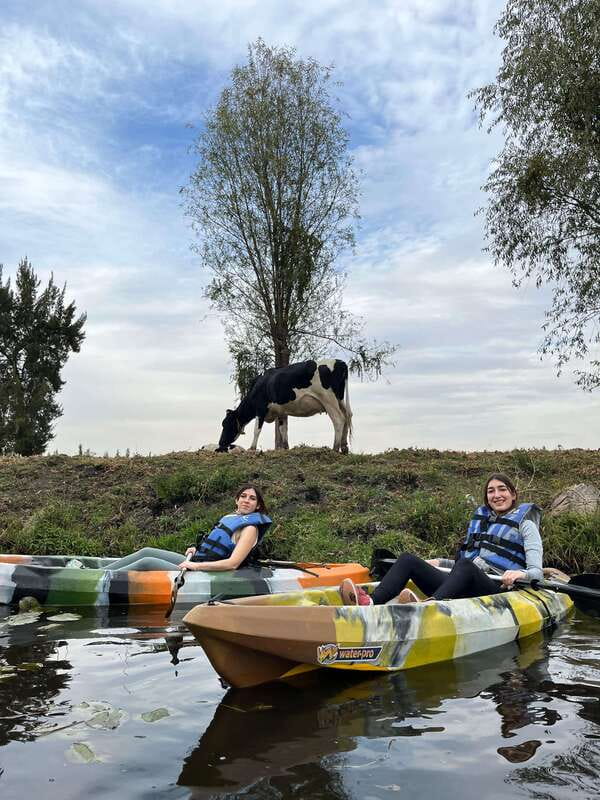
This experience runs about 3 hours, which is a good length for a first-time kayak morning. You’re not out there all day, and you get enough time to feel like you did something substantial without turning it into a marathon.
The mix is something like:
- time to get set up and safety brief
- a sunrise-focused stretch on the canals
- additional kayaking as you explore
- a land visit plus a guided walk-through type moment
- then you return to the starting point
That structure matters because it prevents the most common problem with canal activities: being stuck doing only one thing. With this tour, paddling is the center, but learning and brief visiting keep it from becoming repetitive.
There’s also a big comfort factor. Since the group stays small, guides can adjust pace and help if someone needs a second to re-adjust technique. Reviews also mention the guides helping with first-time nervousness, which is exactly what you want at the start.
The guide experience: Alan and the small-group comfort

A standout across the feedback is Alan. People repeatedly describe him as kind, local, and very practical with directions. They also mention his humor and his ability to explain both history and the science behind what you’re seeing without making it feel heavy.
Small-group size (limited to 10 participants) is not a luxury detail. It affects your actual experience. It means:
- more personal attention
- more chance to get help if your strokes feel off
- less waiting around on busy canal moments
Another nice detail from the same theme: guides take photos and videos for your group. If you don’t want to spend the entire morning fighting with your camera while your kayak does its own wobble, that’s a real benefit.
Paddling effort: who this suits best (and who should think twice)
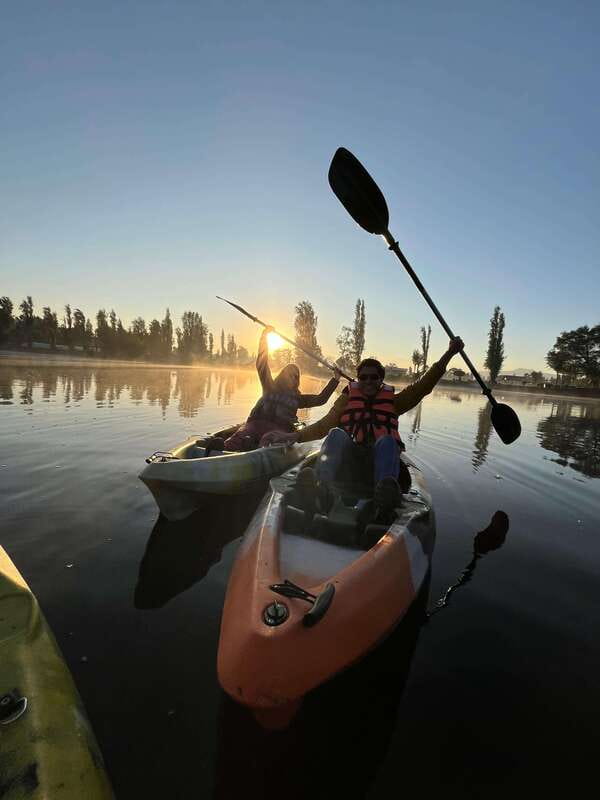
This is designed for beginners and experts, but it requires a lot of energy. That means you should be ready for steady exertion, not just a calm sit-and-watch activity.
Also, it’s not suitable if you have:
- heart problems
- high blood pressure
- altitude sickness
- animal allergies
- a weight over 243 lbs (110 kg)
If you’re in any of those categories, I’d skip it. A “short” tour can still be too intense when you’re paddling and keeping balance, especially early when you might be chilly or sleepy.
If you don’t have those constraints, you’ll likely enjoy this most if you:
- want a quieter, less staged side of Mexico City
- like learning while moving
- enjoy nature and animals, especially local wildlife stories
- want a morning activity that isn’t just another museum line
Price and value: does $55 make sense for 3 hours?
At $55 per person for about 3 hours, the value comes from what’s included and what you get access to. You’re paying for:
- kayak and paddle equipment
- a life jacket
- a safety briefing and on-water instruction
- entrance to the ajolotario
For many tours around Mexico City, equipment rental and attraction entry can quickly add up separately. Here, they’re bundled, which makes the price feel more fair, especially for a small group.
Also, your guide time isn’t rushed. You’re in the water and you’re learning, not just driving past things. If you care about a mix of active experience plus animal/region context, it’s a solid deal.
The only added cost that’s typical is tipping. If you appreciate good instruction and photos, set aside a little extra.
What to do with your expectations before booking
Think of this as an active sunrise canal experience, not a lazy boat ride. You’ll need to:
- follow safety directions
- dress for outdoor early-morning conditions
- keep it clean and rules-respecting (no littering, no alcohol)
- manage your stamina
You’ll also want to check the weather before booking. Light and comfort change fast on the canals. If rain or wind is heavy, the vibe changes, and early mornings can feel colder until you get moving.
One more detail: if you need a double kayak, you should contact the operator to request it. Don’t assume it’s automatic.
Should you book the Xochimilco amanecer kayak?
Yes, if you want a morning in Xochimilco that combines real paddling with meaningful learning. I’d book this if you like early starts, you enjoy quiet natural settings, and you want the axolotl connection handled with an actual visit to the ajolotario—not just a story.
Skip it if you’re dealing with the health restrictions listed or if you’re expecting a fully effortless activity. If you’re unsure about your stamina, be honest with yourself. The guides can help you paddle better, but they can’t make the water energy disappear.
If your travel goal is a practical, small-group experience with sunrise atmosphere and a strong animal-and-canal connection, this is a high-odds choice.
FAQ
How long is the Xochimilco amanecer kayak tour?
It lasts about 3 hours.
Where does the tour start?
The meeting point is Liga de Veteranos de Futbol Xochimilco AC.
What equipment is included?
You get a kayak, paddle, and a life jacket.
Is entrance to the ajolotario included?
Yes. Entrance to the ajolotario is included.
How many people are in the group?
The group is small, limited to 10 participants.
What languages are the guides?
The live tour guide offers English and Spanish.
What should I bring?
Bring biodegradable sunscreen, clothes that can get dirty, and biodegradable insect repellent.
What is not allowed during the activity?
Intoxication, alcohol and drugs, littering, baby carriages, fireworks, and alcoholic drinks in the vehicle are not allowed.
Is it okay for beginners?
The activity is described as suitable for beginners and experts, but it requires a lot of energy and you’ll get safety instructions and technique guidance.
Who should not book this tour?
It is not suitable for people with heart problems, animal allergies, altitude sickness, high blood pressure, or those over 243 lbs (110 kg).