REVIEW · MEXICO CITY
Puebla, Cholula & Tonantzintla Day Trip with Optional Lunch
Book on Viator →Operated by Amigo Tours · Bookable on Viator
Churches with attitude make the day fly. This full-day tour is a clean way to hit Cholula and Puebla with a guide handling the logistics, plus time to wander and take photos without stress.
I especially like the way the day balances big “wow” architecture with walking tours in Puebla’s historic center, including the Cathedral area and the Rosario church. I also love how Tonantzintla’s Santa María de Tonantzintla offers a very specific artistic story—indigenous and Christian traditions mixed in one unforgettable church. The main consideration is simple: it’s a long day with a moderate amount of walking on irregular ground, including stairs and hills.
In This Review
- Key Things to Know Before You Go
- Why This Cholula–Puebla Combo Works So Well
- Getting There: Meeting Point, Pickup, and the Real Pace
- Stop 1: Cholula’s Churches and the Best Photo Views
- Stop 2: Santa María Tonantzintla and Indigenous-Baroque Craft
- Stop 3: Puebla’s Zócalo, Cathedral Area, and the Rosario Church
- Stop 4: Mercado el Parian for Talavera and Souvenirs
- Lunch Option: Choose Smartly (and Don’t Assume It’s Great)
- Guides Matter: When the Commentary Turns the Day into Meaning
- What You’ll Walk Through (So You Can Plan Footwear and Energy)
- Price and Value: Is $49 a Fair Deal?
- Who This Day Trip Is Best For (and Who Might Be Happier Elsewhere)
- Should You Book It?
- FAQ
- FAQ
- How long is the Puebla, Cholula & Tonantzintla day trip?
- What does the tour price include?
- Is lunch included?
- Where do I meet the group?
- Is hotel pickup available?
- How much walking is involved?
- Do I need to bring a passport?
Key Things to Know Before You Go
- Easy round-trip transport from Mexico City keeps the day moving even if you hate logistics.
- Tonantzintla’s indigenous baroque style is the tour’s most unique stop and the most “this place is different” moment.
- Puebla’s historic core walk gives you a real feel for the Zócalo and major 16th–18th century buildings.
- El Parian market time is built in for Talavera crafts and small souvenirs (not a full shopping spree).
- Lunch is optional and comes down to preference; it’s the one part you should choose thoughtfully.
- Group size is capped at 30, which usually helps you stay together and on schedule.
Why This Cholula–Puebla Combo Works So Well
If you’ve only got one day outside Mexico City, this itinerary is a smart use of time. You get two different textures of central Mexico: Cholula’s church-studded hill town feel, then Puebla’s more formal historic-center layout and cathedral presence.
It also makes a difference that most major entrances are included—Santa María de Tonantzintla is covered, and the stops are structured so you’re not constantly checking tickets or hunting for the right entrance. You can focus on seeing and learning instead of chasing logistics all day.
You can also read our reviews of more tours and experiences in Mexico City

Getting There: Meeting Point, Pickup, and the Real Pace
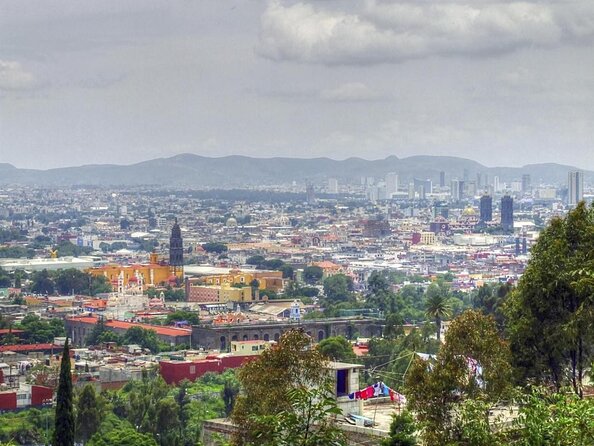
The day starts at the Hostel AmigoIsabel La Católica at 61-A in Centro Histórico (that’s the Centro area of Cuauhtémoc). If you pick the private option, hotel pickup is available; for the group tour, you’ll meet at the designated spot.
It’s a group day, with a maximum of 30 people, and you’ll be traveling by coach/charter bus. That means the ride is usually comfortable, but don’t assume it’s a long road trip with constant bathroom access—some buses are set up with limited emergency-only use. Pack accordingly: drink water early, and use restrooms when you can.
Timing matters. Even with a set schedule, Mexico City traffic can stretch the early departure, so it’s worth arriving a little early to the meeting point and staying flexible. Think of this as a day designed around smooth connections between stops, not a slow scenic wander day.
Stop 1: Cholula’s Churches and the Best Photo Views
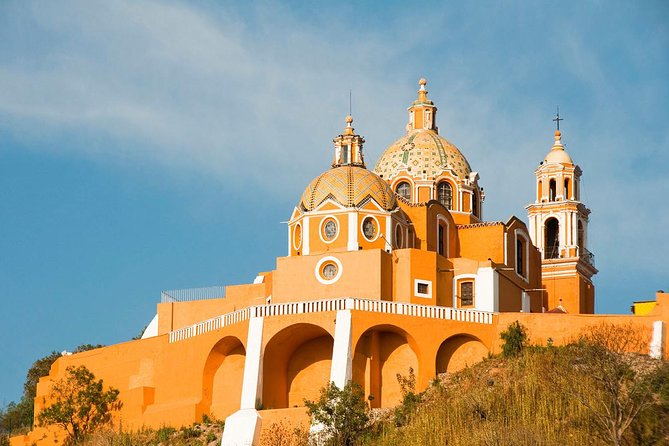
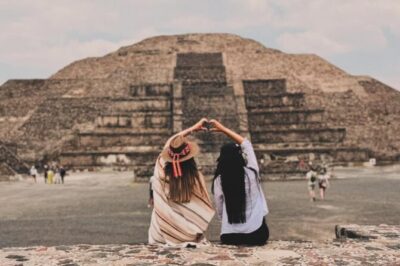
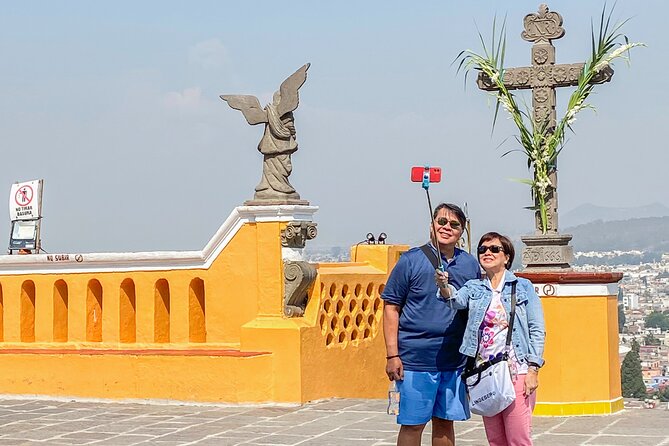
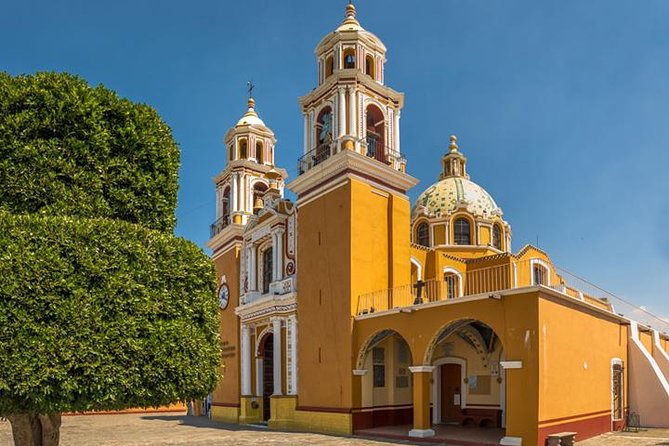
Cholula is where you start feeling why this region keeps earning return visits. You’ll have about 1 hour 30 minutes in town, with guided context and time to take photos.
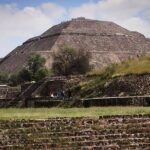
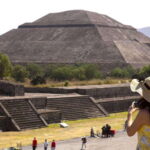
What you’ll actually see is a church-heavy town layout—there are hundreds of churches here—and you’ll get a sense of how the town’s religious buildings and history blend into everyday streets. A big draw is the pyramid site: the scale is hard to fully appreciate from photos, and being there in person makes it feel bigger and stranger (in a good way).
Practical note: this isn’t flat. Cobblestones, uneven ground, and steps can be part of the climb in the pyramid/church area, so wear shoes that you can walk in for hours. If you’re traveling with kids or anyone who’s slower on stairs, this is the stop where you’ll want to keep a steady pace with the group.
Stop 2: Santa María Tonantzintla and Indigenous-Baroque Craft
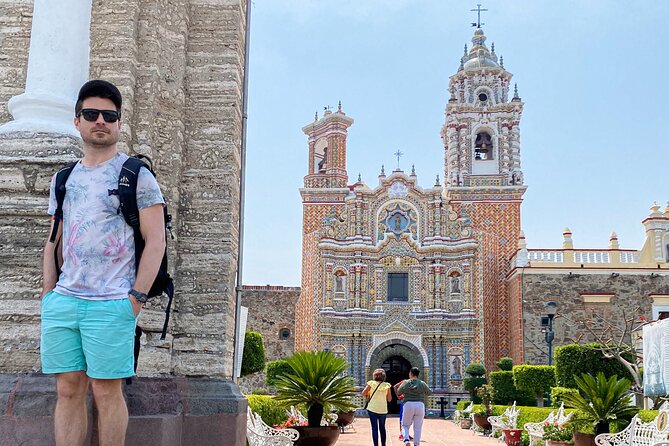
This is the stop that tends to stick in people’s memories. Santa María de Tonantzintla is about 40 minutes, and the church is famous for combining two religious interpretations living side by side: indigenous and Christian traditions.
The timing is short, but that’s part of the charm. You won’t feel like you’re rushing past it, and you also won’t get tired and start glossing over details. The included entrance makes it easier too—you don’t lose time at ticket lines or figure out the right entry process.
Here’s what to look for: think of the church as a visual conversation between worlds. The style is often described as indigenous baroque, and that means decorative energy, symbolism, and a look that feels very different from more standardized church interiors. Also, it was declared a historic monument in 1933, so you’re stepping into a protected piece of heritage, not a random stop along the road.
If you’re even mildly interested in art history, this is the moment to slow down and really look. The day has plenty of scenery, but Tonantzintla is the one place where the design itself is the story.
Stop 3: Puebla’s Zócalo, Cathedral Area, and the Rosario Church
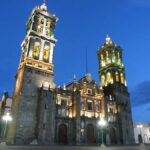
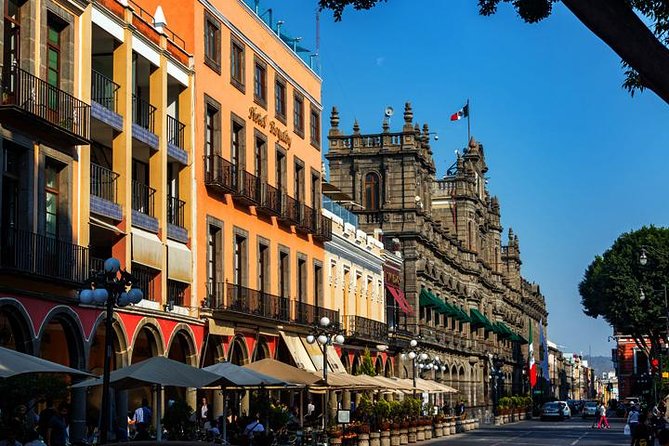
Puebla’s historic center is where the tour shifts into a classic “walk the heart of the city” format. You get about 1 hour for a guided walking tour, and the highlights include the Zócalo, the Cathedral area, and the Rosario church (inside the Templo de Santo Domingo).
The Cathedral is a big deal here. People often say it’s the best cathedral they’ve seen in the Americas and even compare it with major European cathedrals. I can’t promise your opinion will match that exact ranking, but I can say this: you’ll understand why people rave after you see the scale and the craftsmanship in person.
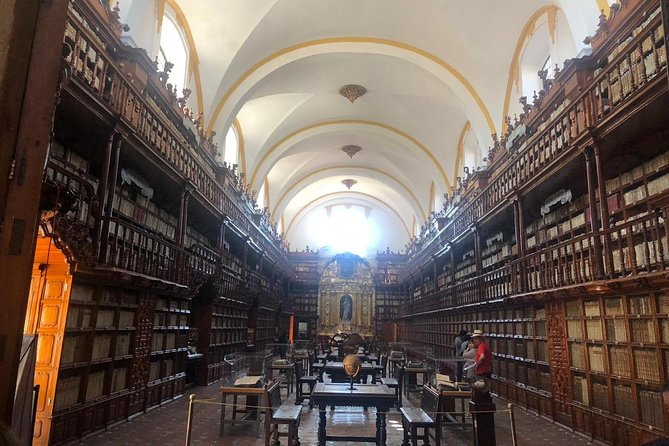
The Rosario church is another standout. It’s one of those places where the interior looks like it was designed to stop you mid-sentence. If you want a quick strategy: use your guided time to learn what you’re looking at, then use any extra moments you have to focus on one section and soak it in.
A realistic note: Puebla walking can still include uneven sidewalks and lots of stopping and starting as you move between emblematic sites. If your feet get sore easily, pacing yourself matters. It’s manageable for most people with moderate fitness, but it’s not a sit-back-and-watch day.
You can also read our reviews of more tours and experiences in Mexico City


Stop 4: Mercado el Parian for Talavera and Souvenirs
After the walking tour, you get about 30 minutes at Mercado el Parian. This is the built-in window for souvenirs, Talavera crafts, and small gifts.
This is not a long market hang. It’s more like a targeted shopping stop, which helps if you want the Talavera look but don’t want to spend half a day negotiating prices. Go in with a purpose: pick what you came for (coasters, small ceramics, decorative items), confirm you can carry it comfortably, and don’t wait until the last five minutes.
Also, if you’re picky about authenticity or quality, do a quick compare between stalls. Talavera can vary, and you’ll see differences fast once you start paying attention.
Lunch Option: Choose Smartly (and Don’t Assume It’s Great)
Lunch is included only if you select the lunch option. It’s described as lunch at a local restaurant, and drinks are not included. Tips are also not included, and that’s normal for group tours—but it becomes extra relevant if the restaurant experience isn’t smooth.
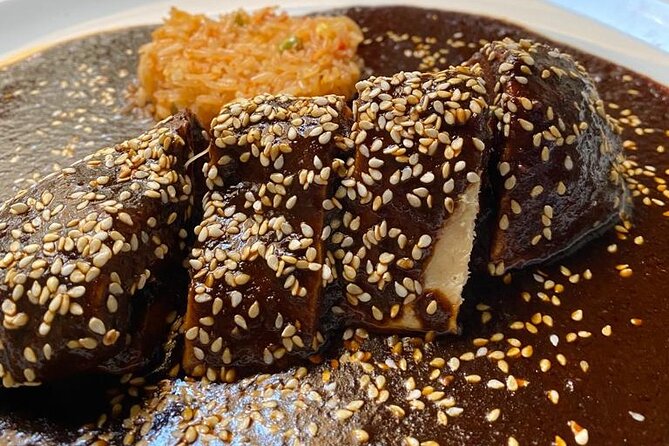
In practice, the lunch can be the weak link. Some people report the restaurant food wasn’t their best meal in Mexico, and a few say the ordering process didn’t work as smoothly as expected. Others were happy with classic Puebla favorites like chiles en nogada and pollo en mole poblano—so it’s not universally bad.
My practical advice: if lunch is a priority for you, treat the pre-arranged lunch as a convenience, not a guarantee. If you’re picky, consider skipping the lunch option and eating where you want in Puebla during your free moments. At minimum, bring a small snack so you’re not stuck waiting if lunch runs late.
Guides Matter: When the Commentary Turns the Day into Meaning
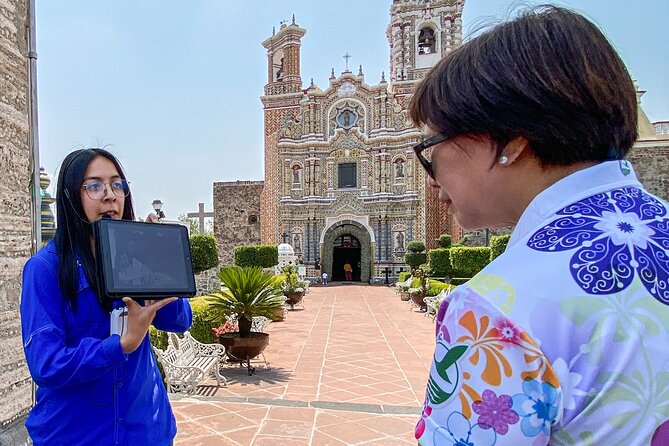
This is a guided experience, and in this kind of church-and-city itinerary, the guide can make a huge difference. Across the day, strong bilingual commentary tends to bring out layers you’d miss if you were just looking at buildings.
Names that showed up positively include Alvaro, Omar, Rodrigo, Aran/Arantxa, Antonio, and Alex, with people praising their organization, enthusiasm, and the way they explain the sites beyond basic facts. That matters because Cholula, Tonantzintla, and Puebla’s churches aren’t just pretty structures—they each carry cultural and historical context.
If your guide spends time helping you connect the dots, the day feels less like stop-and-photo and more like a real story. You’ll also move more smoothly because the guide can guide the timing, group control, and transitions.
What You’ll Walk Through (So You Can Plan Footwear and Energy)
This tour involves a moderate amount of walking and some irregular ground. Cobblestones, stairs, and uphill sections can show up—especially near the pyramid/church area in Cholula.
Here’s what to do before the morning:
- Wear comfy shoes you can walk on cobbles.
- Bring a small water bottle and any light snack you can manage.
- If you’re sensitive to stairs, go slow on the first big climbs so you don’t start the Puebla walk wiped out.
The day is long—about 11 hours on average—so even if you’re fine with walking, you’ll likely feel the fatigue by the end. The good news is the schedule is built around set stops, not endless wandering.
Price and Value: Is $49 a Fair Deal?
At $49 per person, this is priced like a value-focused day trip rather than a premium private tour. For that money, you’re getting round-trip transportation from Mexico City, a professional certified guide, entrance to Santa María de Tonantzintla, and walking tours timed across Cholula and Puebla.
The “value equation” here is mostly time and logistics. Puebla and Cholula are doable on your own, but doing it right usually means coordinating transport, figuring out entrances, and dealing with day-of navigation. This tour packages those decisions for you and keeps the day moving.
Your biggest cost outside the listing is food. Since drinks aren’t included and lunch is optional, you control that part of the value. If you’re the type who loves planning meals and hates being herded, you may get better value by skipping the included lunch and building your own Puebla food plan.
Who This Day Trip Is Best For (and Who Might Be Happier Elsewhere)
This tour fits best if you want:
- Major church and historic-center sights in one day
- A guide to explain what you’re seeing
- Easy transport without juggling taxis or buses all day
- A moderate level walking plan (not a sofa tour)
It’s also a good family option if everyone can handle stairs. Some groups described the day as engaging even for teenagers, partly because the stops are visually dramatic and the guide keeps things organized.
I’d be more cautious if you:
- Want a heavy mix beyond churches and cathedrals
- Have limited tolerance for stairs and uneven ground
- Expect lunch to be consistently excellent at the arranged restaurant
Should You Book It?
I think this is a strong book if your priority is seeing Cholula and Puebla with guided context and minimal logistics stress. Tonantzintla is the key “worth the trip” moment, Puebla’s Cathedral area is the key “wow” moment, and Cholula sets the stage with its church-town feel and pyramid setting.
But you’ll enjoy it most if you go prepared. Bring comfortable shoes, expect a long day, and treat lunch as optional rather than essential. If you do those two things, you’ll likely come away with a day that feels full, not rushed—and with photos that actually match what you’ll remember.
FAQ
FAQ
How long is the Puebla, Cholula & Tonantzintla day trip?
It runs about 11 hours on average.
What does the tour price include?
Round-trip transport, a professional certified guide, Santa María de Tonantzintla church entrance, and lunch only if you select the lunch option.
Is lunch included?
Lunch is included only if you choose the optional lunch. Drinks are not included, and tips aren’t included.
Where do I meet the group?
You start at Hostel AmigoIsabel La Católica, 61-A, Centro Histórico de la Cdad. de México, Centro, Cuauhtémoc, 06000 Ciudad de México.
Is hotel pickup available?
Hotel pickup is available only if you select the private tour. For the group tour, you meet at the designated start point.
How much walking is involved?
The tour includes a moderate amount of walking and some walking on irregular ground, so comfy shoes are strongly recommended.
Do I need to bring a passport?
Yes. Due to immigration regulations, you must present a passport showing proof of legal stay in Mexico, either a physical copy, digital copy, or photocopy, including the entry stamp page and the data page if needed.