REVIEW · MEXICO CITY
One day tour from Mexico City to Firefly Sanctuary
Book on GetYourGuide →Operated by Nantli Living · Bookable on GetYourGuide
A night full of tiny lights starts with planning. This one-day Mexico City to Firefly Sanctuary tour pairs a guided Huamantla, Tlaxcala town experience with pulque tastings and a long, guided firefly viewing. I especially like that you get both culture and nature in one organized day, and the staff support is highlighted by past guests including translator help from Alonso. One thing to watch: it’s a long 18-hour day, and the rules around light (no flashes, no light devices) mean you’ll need to pack smart.
If you want a low-stress way to reach the sanctuary from CDMX, this itinerary is designed for you. You’ll sit back in a van/bus most of the day, then follow a timed flow that doesn’t leave you guessing what comes next. The potential drawback isn’t the tour itself; it’s that the sanctuary rules are strict, so if you hate following directions, this outing may feel more like homework than magic.
In This Review
- Key things I’d circle on your map
- Price and Logistics: what you’re really paying for at $93
- Starting from CDMX: the meeting point and the first time hurdle
- Huamantla in daylight: breakfast and a guided walk with context
- The road to the sanctuary: why the timing feels strict
- Sanctuary food tasting: part pre-game, part culture
- The firefly viewing: the rules are the whole point
- What to pack: turning the rules into a smooth, comfortable night
- Staff and group vibe: where this tour scores points
- Who this tour is for (and who should skip it)
- Is it worth $93? A value check for your schedule
- Should you book this tour?
- FAQ
- How long is the Mexico City to Firefly Sanctuary one-day tour?
- Where do I meet for the tour in Mexico City?
- What’s included in the price?
- Are meals included?
- Can I bring food or drinks into the Firefly Sanctuary?
- Is there an English-speaking guide?
- What should I wear and bring for the firefly sighting?
- Is insect repellent allowed?
Key things I’d circle on your map
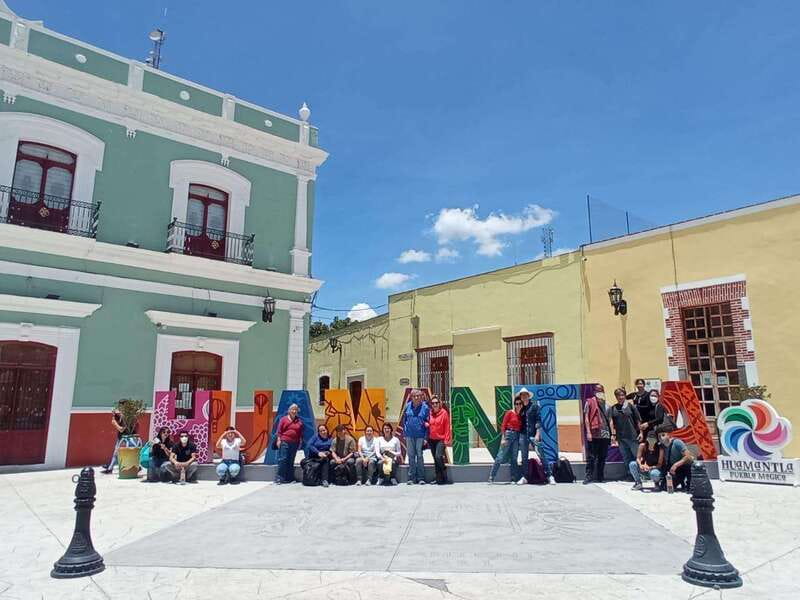
- Exclusive Huamantla city tour in the magical-town setting of Tlaxcala
- Natural and flavored pulque tastings (a real taste of the region, not just a photo stop)
- Food tasting at the sanctuary area before the night viewing
- Firefly viewing with tight light rules so the lights stay visible and protected
- A full-day schedule (~18 hours) that prioritizes getting you to the lights on time
- Staff translation support noted by an English-speaking guest, including help from Alonso
Price and Logistics: what you’re really paying for at $93
At $93 per person, you’re paying for more than just a ticket to see fireflies. This cost bundles round-trip transportation from Mexico City, sanctuary entry, a guided city tour in Huamantla, plus pulque tastings and a food tasting at the sanctuary. That combination matters because getting to rural Tlaxcala and then timing the night experience can be the hard part of independent travel.
Meals are not included (food/drinks are excluded), but the tour does include tastings. So think of it like: you’ll likely eat some things as part of the tastings and breakfast time, but you should still budget for additional meals on your own if you’re hungry in the afternoon or want extras.
Also note the pace: the day is long. You’re leaving Mexico City, touring during the day, then staying focused through the evening viewing. If you’re sensitive to fatigue or you just want a quick couple hours, this isn’t that kind of tour.
You can also read our reviews of more city tours in Mexico City


Starting from CDMX: the meeting point and the first time hurdle
The meeting point is Ezequiel Montes 100, and it’s described as about one block away from the Monumento a la Revolucion. That’s a helpful anchor because it keeps you from wandering around the city trying to match a random address with a map pin.
Past guests praised the staff’s attentiveness, with one mention of Alonso going out of his way to help with translation and making sure people were taken care of. That’s the good news.
The caution is simple: be on time. One guest described arriving early and waiting while the company phone wasn’t answered. I can’t generalize that to every day, but it does point to a practical travel lesson: show up closer to the stated time and avoid counting on instant phone pickup if you’re early or stuck in traffic. Bring a charged smartphone and be ready to follow the group.
Huamantla in daylight: breakfast and a guided walk with context
Your day builds in Huamantla, Tlaxcala, after about two hours of van travel from Mexico City. Breakfast is scheduled for about 1.5 hours. This timing is smart because it gives you fuel before a guided tour and before the long road stretch toward the sanctuary.
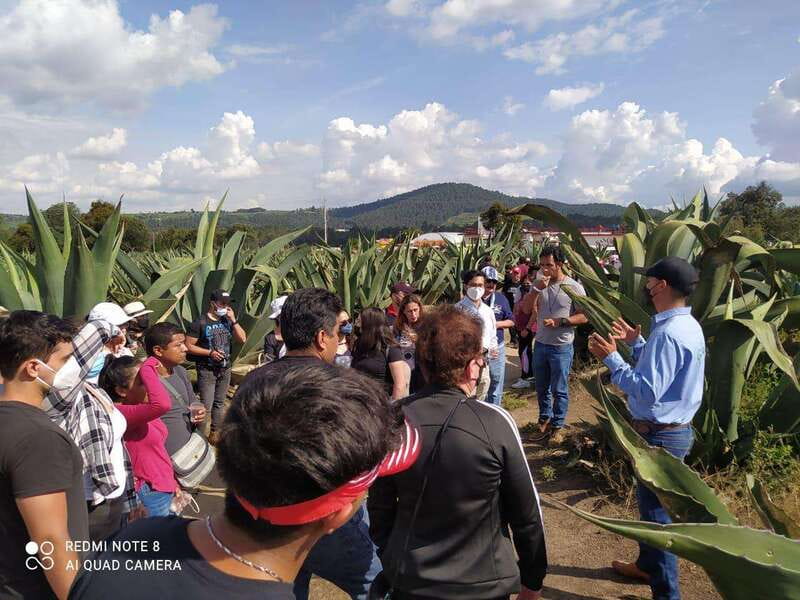
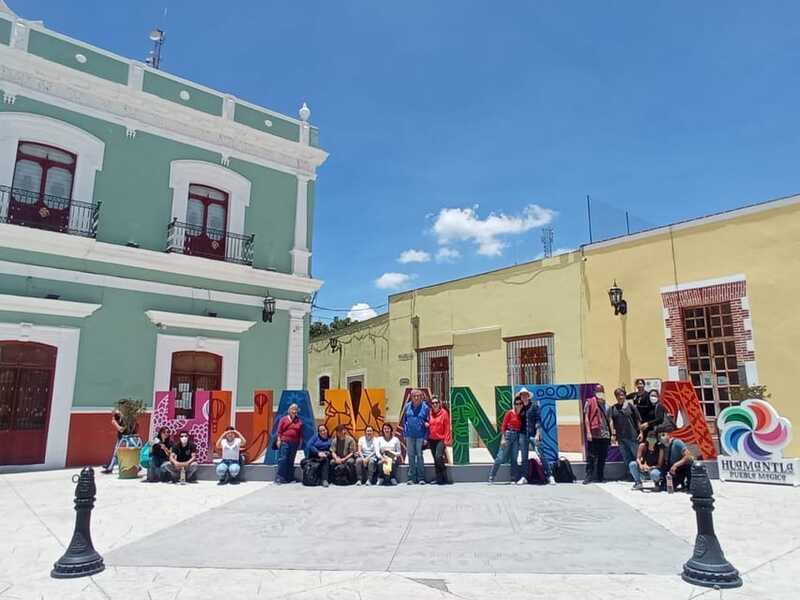
Then comes the guided tour in Huamantla (about 2.5 hours). Huamantla is known as a magical town, but the practical value here is that you’re not just roaming—you’re learning with a guide (in English or Spanish, depending on the group). When people get to places like this on their own, they often wander past the meaningful details. A guided walk helps you notice what to look for later when you’re back at the street level, not in a history book.
After that, there’s a break of about 1 hour. This is important because it’s your decompression window. Use it for water, a bathroom stop, or just stepping away before the second transfer.
A small consideration: your breakfast and break are built around group timing, so if you’re the type who wants to linger in cafés or shop slowly, you may feel a little rushed. That’s the tradeoff for getting to the sanctuary and back the same day.
The road to the sanctuary: why the timing feels strict
After Huamantla, you get about 1.5 hours by van toward the Firefly Sanctuary. This is one of those moments where a group tour has an advantage. Even if you’re a confident driver, getting the timing right for a night wildlife sighting can be tough.
On this kind of outing, timing isn’t just for schedule comfort. It’s what lets the lights show up at the right intensity. That’s also why the sanctuary experience has strict rules about light and devices—more on that below.
If you tend to get motion-sick, this is the point where you’ll want to be comfortable before the final portion of the day. Bring what you need (and if you’re sensitive, consider travel meds in advance—this is common sense, not tour magic).
Sanctuary food tasting: part pre-game, part culture
At the sanctuary area, the itinerary includes food tasting for about 2 hours. This isn’t just a random snack. It’s your introduction to the local vibe before the main show starts.
One practical rule: you can’t enter the Firefly Sanctuary with food or drinks. So you’ll want to enjoy tastings at the allowed areas, then pack your mindset for the viewing portion, where you’ll be asked to avoid anything that might disturb the fireflies or ruin visibility for everyone else.
If you’re used to sightseeing at night with flexible stops, this tour feels more structured. That structure is actually a benefit here. You spend less time second-guessing, and more time focusing on the experience that matters: seeing thousands of lights.
You can also read our reviews of more tours and experiences in Mexico City

The firefly viewing: the rules are the whole point
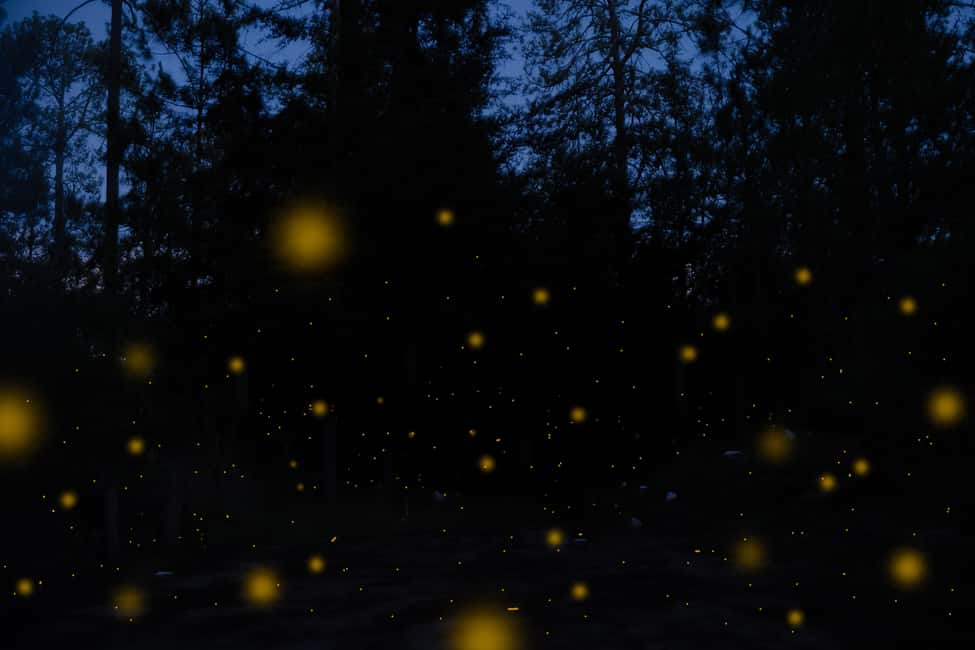
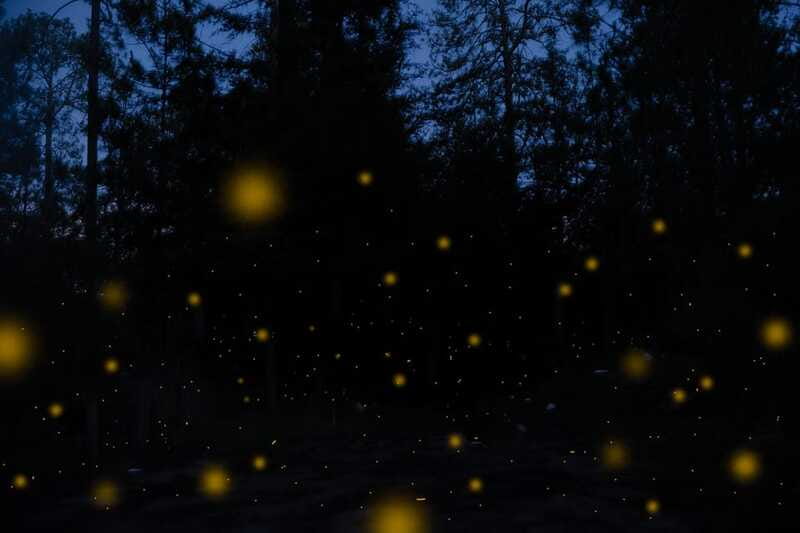
The guided portion at the sanctuary runs about 3 hours, and this is the heart of the tour. Seeing fireflies isn’t just about being present—it’s about being present correctly.
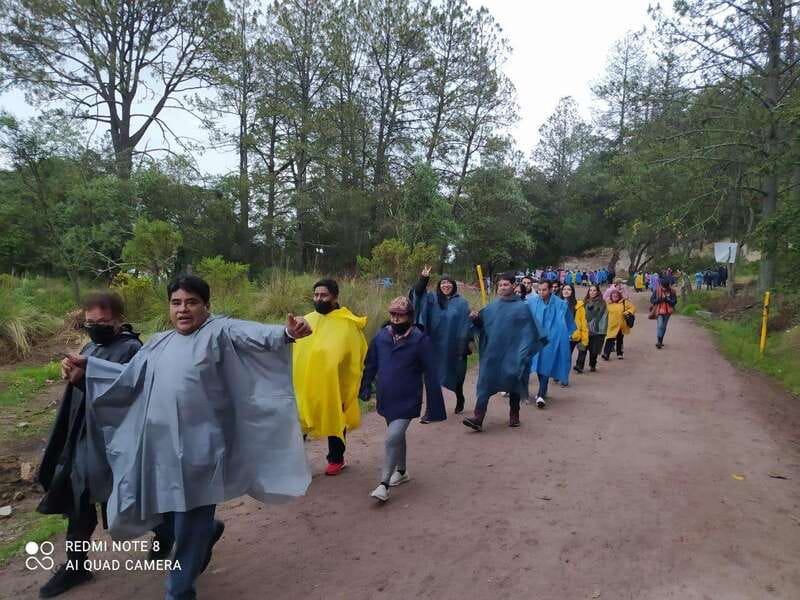
The tour has clear restrictions, and they’re not there to be annoying. They protect the fireflies and protect your own chance of seeing the lights clearly:
- No flash photography and no flash-type devices
- No flashlight use during the sighting
- No phones with flash, and no camera flash
- No devices that emit light, music, or noise
- Wear dark clothing without reflective or fluorescent colors
- Avoid bright colors and LED shoes
- Umbrellas or parasols aren’t allowed; bring a plastic raincoat instead
- No insect repellent (the tour notes this is to preserve the fireflies)
You’ll also want an extra pair of shoes reserved for the sanctuary area. This is specifically recommended, and it’s a smart travel habit anyway. You’re walking on outdoor ground at night, and having dedicated footwear saves you from tracking dirt back into your usual shoes.
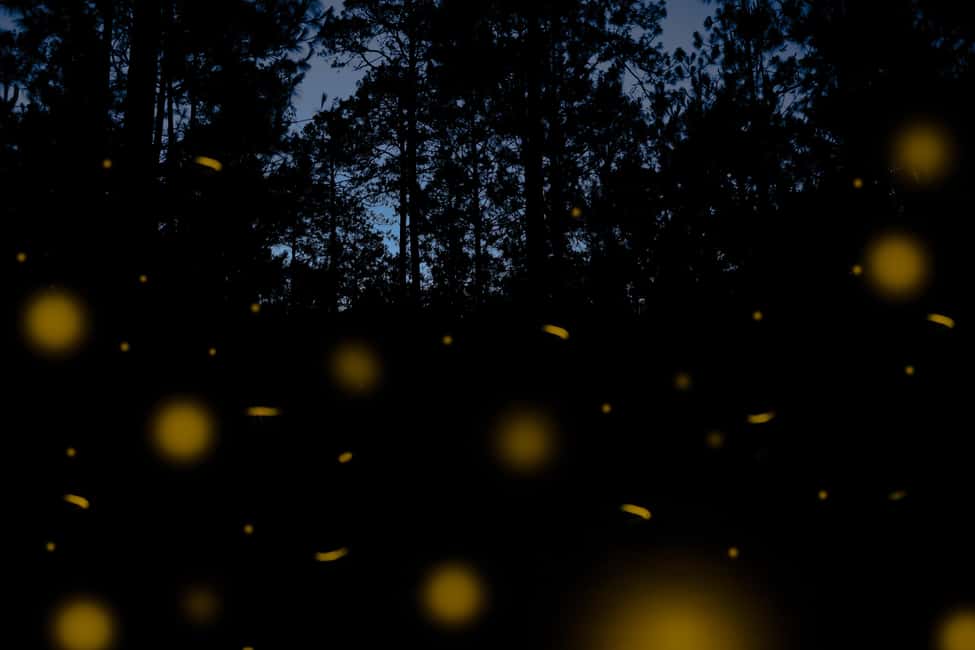
Here’s the one thing I’d call out for your expectations: the experience may feel quiet and “controlled” compared to typical tours. That’s intentional. When everyone follows the light rules, the fireflies show up as a full, moving field of light rather than a dim, spotty scene.
What to pack: turning the rules into a smooth, comfortable night
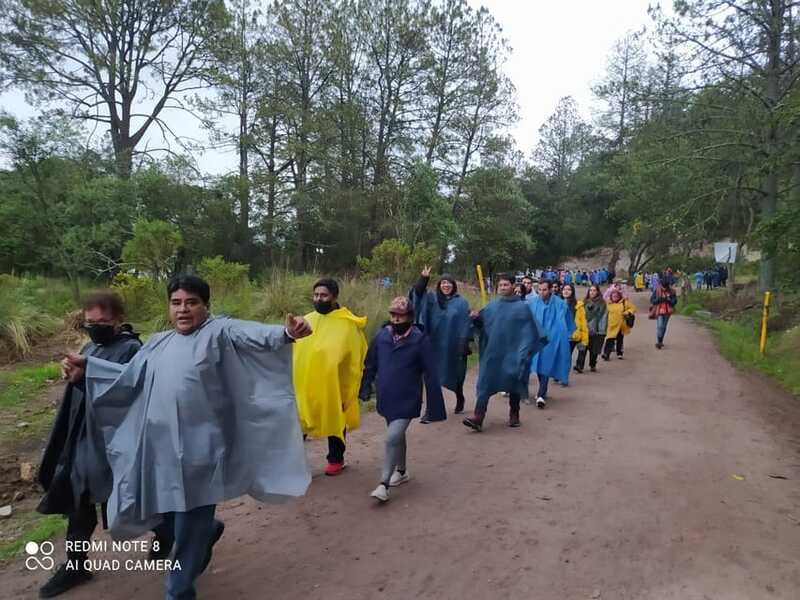
This tour gives you a solid packing list. The best part is that it’s geared toward real problems: cold evenings, rain, and the need to reduce light.
Bring:
- Comfortable shoes and closed-toe shoes
- Long pants, socks, and layers (a jacket)
- Change of clothes, plus an extra change in case it rains
- Sunscreen (yes, even for a night tour—daytime sun in Tlaxcala can surprise you)
- Charged smartphone (useful for day logistics, but don’t rely on it for night viewing)
- Power bank
- Plastic raincoat (umbrellas aren’t allowed)
- Waterproof bag/shoes if the weather looks messy
- Cash (cash is specifically listed as something to bring)
- Clothes that can get dirty and outdoor clothing
Avoid:
- High-heeled shoes
- Open-toed shoes
- Oversize luggage
- Pets (assistance dogs are allowed)
- Flashlight, flash photography, and any device that emits light, music, or noise
- Alcohol and drugs, and also avoid alcoholic drinks in the vehicle
One small practical tip: pack your sanctuary-night items where you can reach them quickly. Once you’re in the viewing flow, you don’t want to be digging for the right shirt or hunting for the correct shoes under time pressure.
Staff and group vibe: where this tour scores points
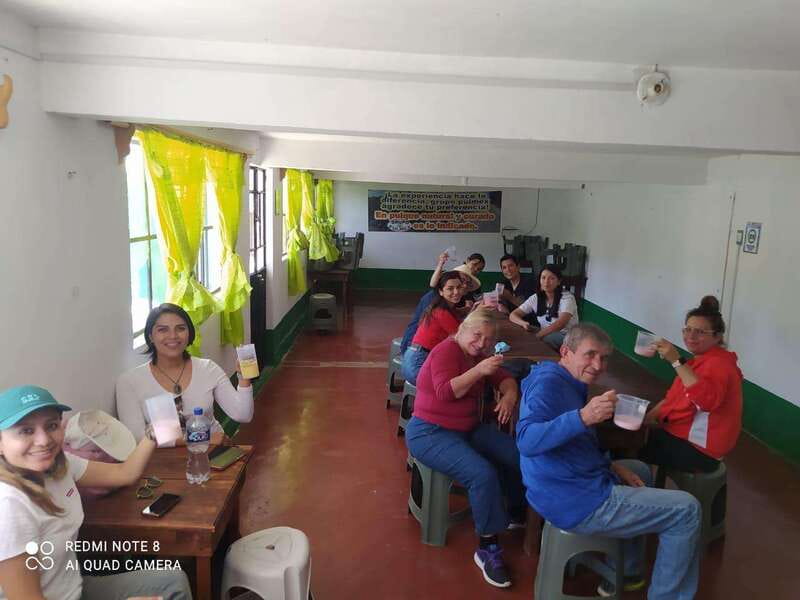
The included group monitor is part of what makes the day work smoothly. In this kind of tour, the staff aren’t just there for show. They’re managing timing, movement, and the rules that keep the firefly viewing fair for everyone.
That’s also where the best review detail lands: a guest specifically mentioned Alonso helping with translation and taking care of visitors. If you don’t speak fluent Spanish, that kind of on-the-ground support can make a big difference, especially in a place where the rules and safety details matter.
At the same time, one negative note about calling and waiting before departure is a reminder: communication can fail sometimes. Your job is to arrive on time and follow the meeting instructions. The tour can be great, and your preparation still matters.
Who this tour is for (and who should skip it)
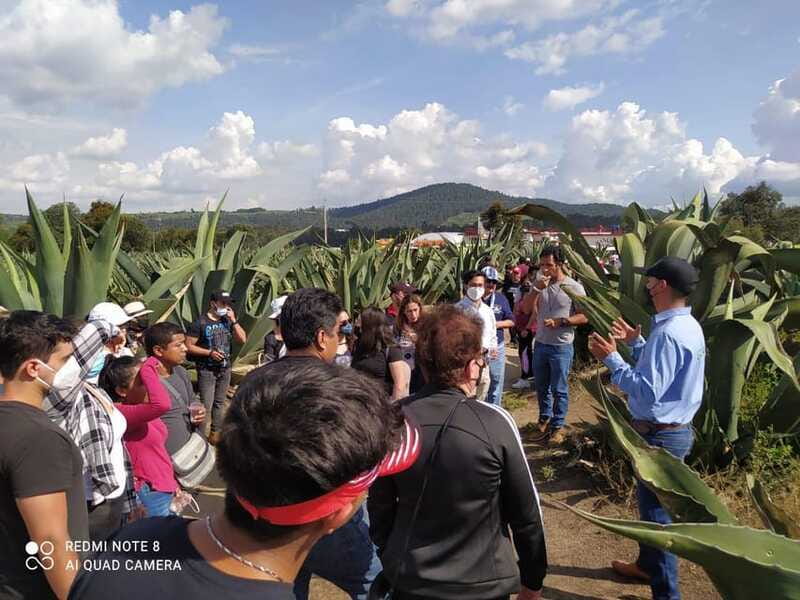
This outing is a good match if you want:
- A day trip from Mexico City that includes both Huamantla and the Firefly Sanctuary
- A structured plan with transportation, entry, and guides handled for you
- The chance to taste pulque—natural and flavored—without needing to figure out where to go
- A night viewing experience where the operator clearly cares about protecting the sighting
It may not fit you if:
- You don’t like strict light/noise rules
- You want lots of free time for wandering and shopping
- You’re prone to altitude sickness or feel unwell at higher elevations (altitude sickness is listed as not suitable)
Also, the tour is not suitable for children under 2 and there are notes that include babies under 1, plus limits like people over 95.
Is it worth $93? A value check for your schedule
Here’s how I’d judge value for this price:
Value is strong if you count transportation, sanctuary entry, guided tours, and tastings as things you’d otherwise pay for separately or struggle to arrange. The total package is built for convenience—especially for visitors who don’t want to drive, manage permits/timing, or coordinate a late-night wildlife visit.
Value is weaker if you already have a car, you’re comfortable planning the sanctuary independently, and you’re not interested in Huamantla or pulque tastings. In that case, the tour’s main selling point—smooth logistics—matters less.
A simple reality check: with a full-day schedule, you’re paying not only for the activities, but for the operator’s ability to keep the chain moving from CDMX to Huamantla to the sanctuary and back.
Should you book this tour?
Book it if you want a guided, structured one-day version of the Firefly Sanctuary experience, with pulque tastings and a daytime Huamantla walk handled for you. The rules around light and devices are strict, but that’s exactly what makes the viewing work—and that strictness is part of the value.
Think twice if you’re someone who hates long travel days, really needs frequent breaks on your own terms, or you’re not comfortable following the night-sighting restrictions (dark clothing, no flash, no light-emitting devices).
If you do book, go in prepared: arrive on time at Ezequiel Montes 100 near Monumento a la Revolucion, pack the extra shoes and plastic raincoat, and treat the sanctuary like a shared darkroom moment—quiet, dark, and distraction-free. That mindset is how you get the best chance at that thousand-lights feeling.
FAQ
How long is the Mexico City to Firefly Sanctuary one-day tour?
The total duration is listed as 18 hours, from departure in Mexico City until you return.
Where do I meet for the tour in Mexico City?
You meet at Ezequiel Montes 100, which is described as one block away from Monumento a la Revolucion.
What’s included in the price?
The tour includes transportation (van/bus CDMX to Huamantla to the Firefly Sanctuary and back), entry to the Firefly Sanctuary, a city tour in Huamantla, pulque tastings (natural and flavored), and a group monitor.
Are meals included?
Food/drinks are not included. The schedule includes breakfast time and food tasting, and meals options may be available upon request, but you should plan on additional meals outside what’s listed.
Can I bring food or drinks into the Firefly Sanctuary?
No. You cannot enter the Firefly Sanctuary with food or drinks.
Is there an English-speaking guide?
Yes. The tour guide is listed as available in Spanish and English.
What should I wear and bring for the firefly sighting?
Bring comfortable shoes, long pants, a jacket, and dark clothing without reflective or fluorescent colors. You’re also recommended to bring an extra pair of shoes to use exclusively at the sanctuary, plus a plastic raincoat (umbrellas aren’t allowed).
Is insect repellent allowed?
No. The tour states that mosquito repellents are not allowed in order to preserve the fireflies.