REVIEW · MEXICO CITY
Mexico City: National Art Museum Guided Tour
Book on GetYourGuide →Operated by José Vicente Figueroa- GM International Travel · Bookable on GetYourGuide
Mexican art hits harder when someone walks you through it. This 2-hour guided visit at the National Art Museum (MUNAL) connects the big names and the big shifts in Mexican art, without turning the museum into a homework assignment. I especially like the focus on major muralists and the way the guide ties styles to what was happening in Mexico.
You’ll also get real attention on the museum’s permanent exhibitions, including Mexican landscape painting, plus sculpture and decorative works like San Carlos School examples and French frescoes. One possible drawback: you still need to buy the museum entrance ticket (not included), and with only 2 hours, it’s best if you’re okay with a curated highlight route rather than slow, room-by-room wandering.
In This Review
- Key highlights at a glance
- Entering MUNAL the right way: meet-up, timing, and a small group rhythm
- Rivera, Orozco, Siqueiros, and muralism: how the guide connects style to meaning
- The permanent Mexican landscape painting exhibit: seeing place as an idea
- San Carlos School sculpture and French frescoes: the contrast that makes the timeline real
- Novohispanic art and the 20th century: traveling through eras without losing the plot
- What you’re really paying for: $52 value, ticket cost, and languages
- Museum-building impact and guide style: what to expect from the experience flow
- Who should book this MUNAL tour, and who might prefer something else
- Should you book the National Art Museum guided tour?
- FAQ
- Where is the meeting point for the tour?
- How long is the guided tour?
- What languages are available for the guide?
- Is the museum entrance ticket included in the price?
- What is the group size?
- What is included in the tour price?
- Can I cancel and get a refund?
Key highlights at a glance

- Meet the guide at MUNAL’s main gate (they’ll be holding a Mexican flag), then head straight into the collections.
- Muralism focus on Rivera, Orozco, and Siqueiros, with context for why their art looks the way it does.
- Permanent exhibition time devoted to Mexican landscape painting and how artists used place and weather for ideas.
- Sculpture + European influence via San Carlos School pieces and French fresco examples.
- A timeline in one place, covering Novohispanic art through 20th-century forms.
Entering MUNAL the right way: meet-up, timing, and a small group rhythm
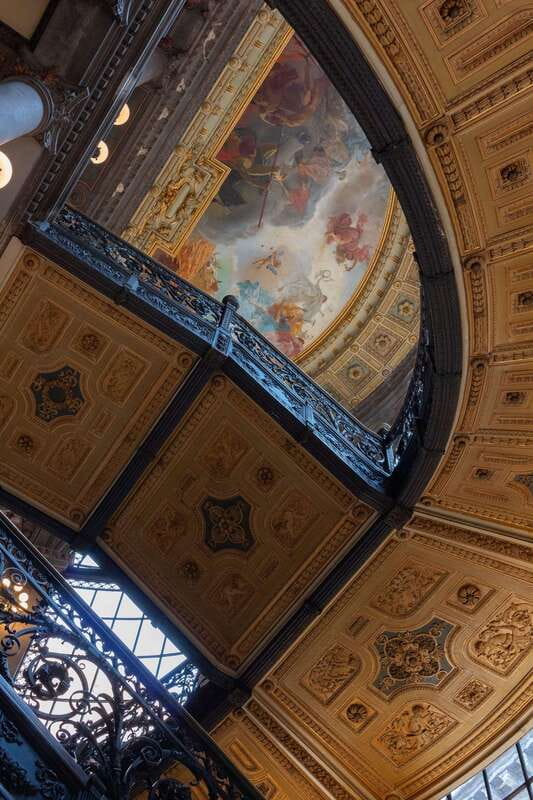
The tour starts at the National Art Museum (MUNAL), at the main gate. Your guide will be easy to spot because they’ll be holding a Mexican flag. That sounds small, but it matters in Mexico City, where getting turned around can waste a chunk of your short museum time.
This is a small-group tour limited to 10 participants, which changes the whole feel. You’re not stuck watching from the back while a guide talks into the ceiling. The format works well for asking questions, comparing artists, and getting explanations at the pace you can actually follow.
The tour runs 2 hours. That’s long enough to see several major parts of the museum’s story, but short enough that you’ll likely leave wanting to return on your own. If you like museums at a measured pace, you’ll enjoy having this as a first pass, then using the rest of your visit to slow down where something clicks.
Practical tip: wear comfortable shoes and give yourself a little buffer time before you meet. The tour includes only the guide, not admission, so you’ll want to plan for the ticket cost in advance so the start stays smooth.
You can also read our reviews of more guided tours in Mexico City
Rivera, Orozco, Siqueiros, and muralism: how the guide connects style to meaning
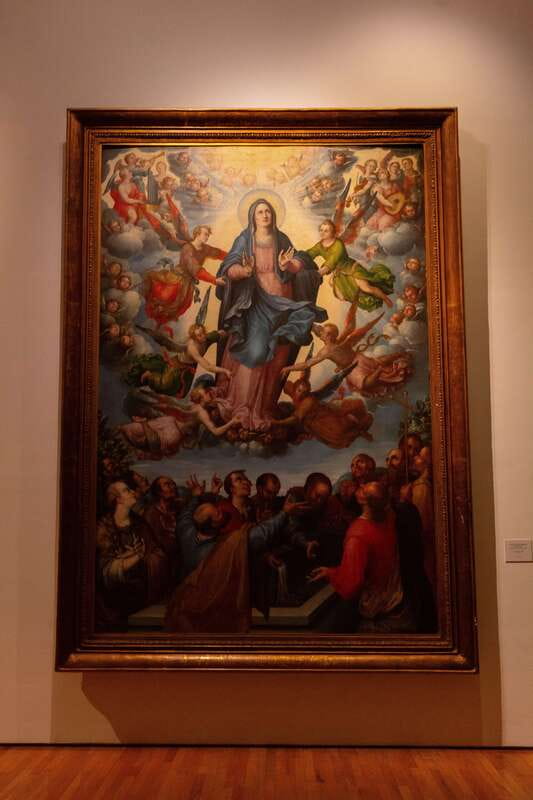
One of the biggest reasons to do this guided visit is that muralism can look intimidating if you don’t know what you’re looking for. Here, the guide helps you see the through-line: how major muralists shaped public art, and how their approaches connect to Mexico’s cultural and political shifts.
You’ll encounter work by Rivera, Orozco, and Siqueiros, plus other major figures that widen the story beyond just one movement. The goal isn’t to memorize names. It’s to notice patterns: how composition guides your eye, how figures and symbols carry messages, and how painters used scale and bold storytelling for impact.
This is also where a strong guide makes a noticeable difference. The guides named in the tour’s coverage (including people like José and Jesús) are described as interactive and animated. That matters because muralism rewards back-and-forth attention. If you ask a question about a technique or a theme, the tour is set up to answer you in plain language, not art-brochure language.
What I like about this approach is that it treats muralism as more than famous murals. You get the sense of why these artists painted the way they did, and how their work relates to other Mexican artists you’ll see in the museum.
The permanent Mexican landscape painting exhibit: seeing place as an idea
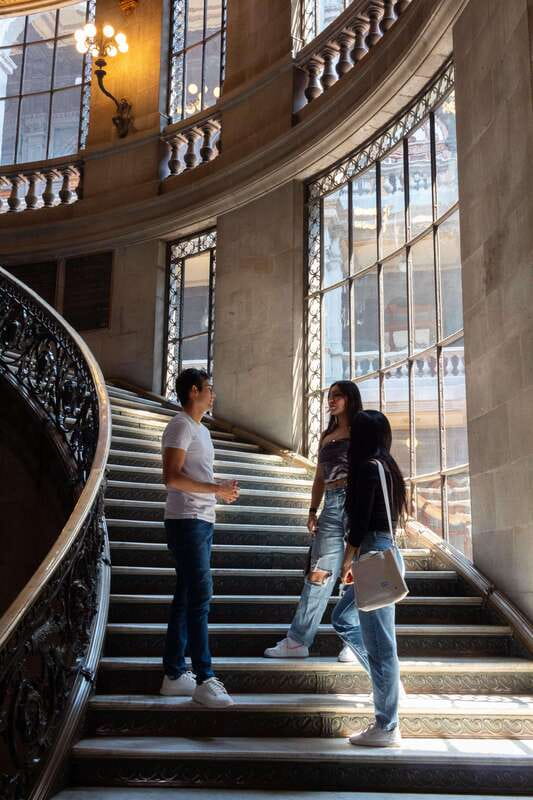
The museum’s permanent presentation includes Mexican landscape painting, and that section is not just about scenery. The way landscapes are painted often reflects mood, symbolism, and the artist’s relationship to region and identity. With a guide, you’re more likely to notice those layers instead of focusing only on the view.
Expect the tour to frame landscape painting as part of a bigger artistic conversation. The guide points out how artists build space and atmosphere and how those choices can signal something beyond the literal outdoors. Even if you normally skip landscape works in museums, this portion can help you read them faster.
This section also pairs well with what comes earlier and later on the tour. By the time you reach landscape painting, muralism context makes the art feel connected rather than separate. And once you continue forward, you’ll see how the museum’s timeline keeps changing what art is used for and who it’s meant to speak to.
If you like museums where you can leave with a few new “rules of thumb” for how to look, this landscape stop gives you exactly that. You start paying attention to technique and intent, not just subject matter.
San Carlos School sculpture and French frescoes: the contrast that makes the timeline real
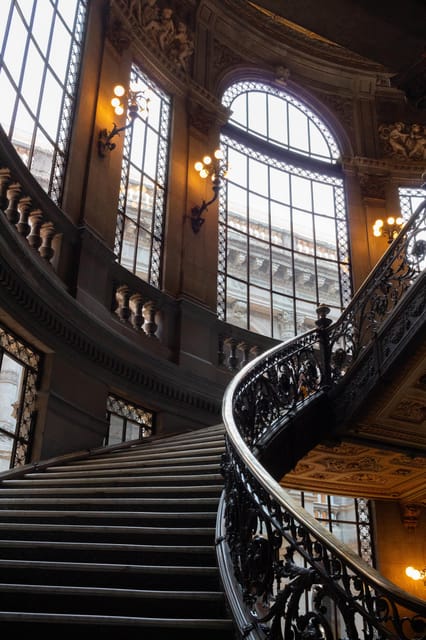
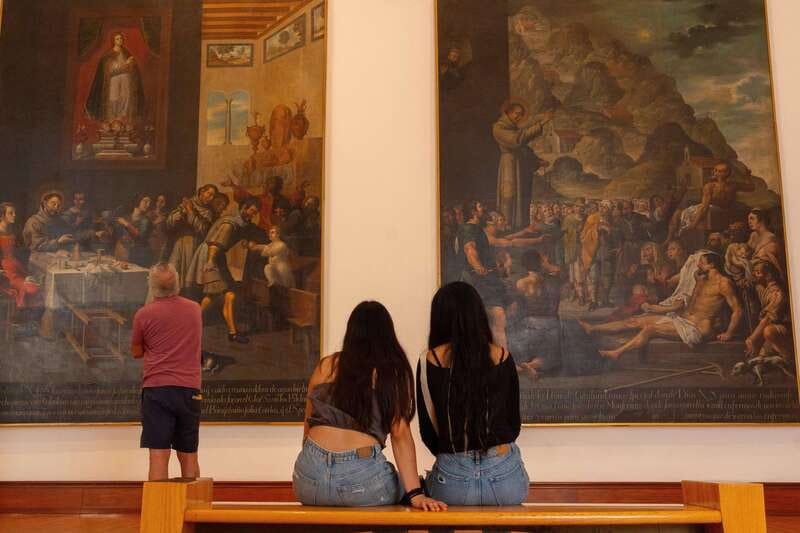
Not every museum trip gives you enough context for the European influence in Mexican collections, but this one does. You’ll see sculpture connected to the San Carlos School and examples of French frescoes, and the guide uses those pieces to explain how artistic training and decorative styles traveled and transformed.
This is one of the most valuable parts of the tour because it prevents a common mistake: thinking Mexican art history is a straight line from one local movement to the next. Instead, the museum’s mix lets you compare approaches. San Carlos School references help you understand the role of formal art education. French fresco examples help you see how techniques and decorative traditions shaped what artists experimented with in Mexico.
The payoff for you is clearer thinking. When you later look at Mexican art from different periods, you’ll have a better sense of what’s indigenous, what’s adapted, and what’s part of broader artistic networks.
Also, these stops give your eyes a break. After mural-heavy moments, sculpture and frescoes add texture and variety. It’s easier to keep focus when the guide rotates you between different art forms.
Novohispanic art and the 20th century: traveling through eras without losing the plot
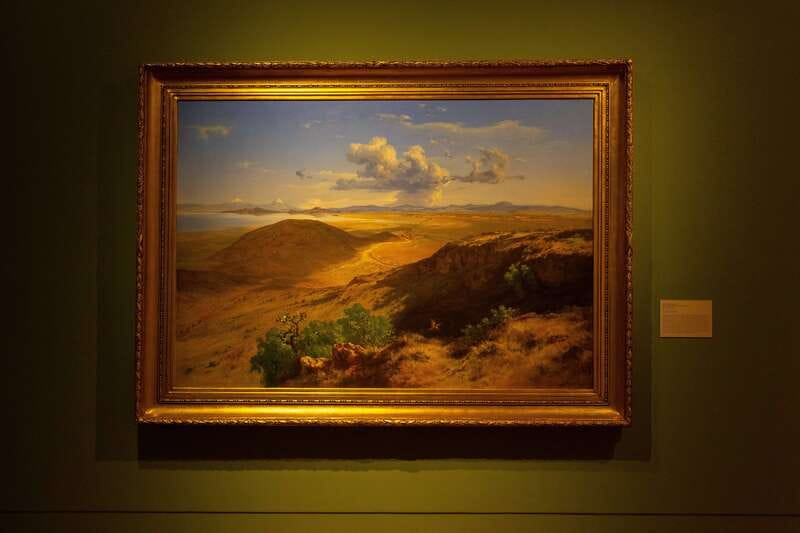
The tour is built around the idea of walking through time in one museum visit. You’ll move from Novohispanic art into later forms, including the museum’s focus on “new forms of the 20th century.” It’s a lot to fit into 2 hours, so the guide’s job is to keep the story coherent.
You can expect mentions of French furniture and fresco elements as part of this broader sweep, which helps you understand the museum as a layered space rather than a set of unrelated rooms. The guide’s explanations typically connect period to style: what themes appear, how artists change subject matter, and what techniques shift when art’s purpose evolves.
Names you may hear during the walk include artists such as Marta Izquierdo, Anguiano, Velasco, and Dr. Atl, along with other muralists and painters featured in the collection. Even if you only catch a few, the tour’s structure helps you place each artist in a larger arc. That’s what makes the experience feel like a timeline instead of a checklist.
One practical way to get more out of this section: when the guide compares two artists or two periods, don’t just listen to the facts. Ask yourself what changes in the work over time. Are the figures more stylized? Is the color more restrained? Is the subject matter less tied to public storytelling and more personal or experimental? The guide’s commentary gives you hooks for those observations.
This is also where the tour’s small-group size becomes useful. With fewer people, it’s easier for the guide to respond to questions and slow down if something is confusing. That’s how the tour helps you avoid that post-museum feeling of staring at walls and forgetting everything five minutes later.
You can also read our reviews of more city tours in Mexico City




What you’re really paying for: $52 value, ticket cost, and languages
The tour costs $52 per person for a 2-hour guided experience with a bilingual guide. Entrance is not included, so you’ll need to plan for the museum ticket cost: 90 MXN / 6 USD.
Is $52 worth it? In my view, it is if you want interpretation and structure more than just silent viewing. Museums like MUNAL can feel overwhelming because you’re surrounded by important art across many periods. Paying for a guide is basically buying time and clarity. With a short window, you’re paying to see more meaning per minute.
The group limit of 10 participants also supports the value. It’s not a crowd-control tour. You’re more likely to get direct responses, and the guide can adjust to what people are actually interested in.
Another value point: the tour offers live guiding in English, Spanish, Portuguese, German, and Italian. That means you’re less likely to lose details due to language mismatch, and you can stick with your strongest language even if your Spanish or Portuguese is still a work in progress.
If you’re the type who usually enjoys museums but dislikes figuring out context alone, this is a strong use of a couple of hours in Mexico City.
Museum-building impact and guide style: what to expect from the experience flow
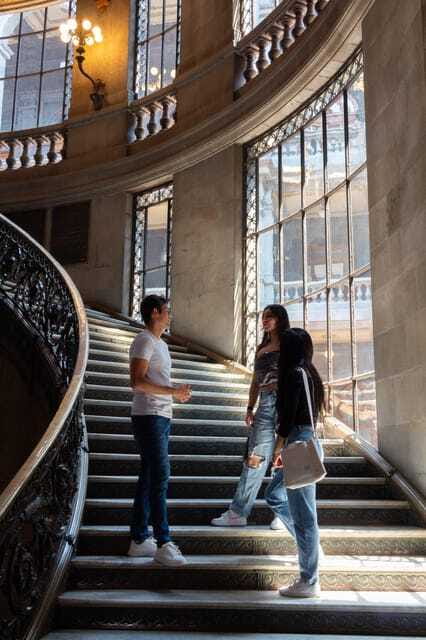
MUNAL isn’t only about the art inside; the setting itself makes an impression. The tour’s guide-led rhythm helps you use that impact instead of letting it distract you.
From the guide descriptions associated with this tour, you can expect an energetic personality and a focus on explanation. Some guides (for example, the names José and Jesús come up in the tour’s coverage) are described as enthusiastic and engaging. That can be a real plus if you like museums that feel alive, not quiet and stiff.
There is one consideration to keep in mind: the guide experience can be expressive. In a couple of cases, people noted that the guide took photos of the group more than once and captured paintings as if it was their first time through. If you’re sensitive to being photo-included or you prefer a low-profile guide, just be prepared for a more showy style.
Practical compromise: if you’re camera-shy, it helps to make your preference clear at the start. A small-group tour tends to allow that kind of quick adjustment.
Who should book this MUNAL tour, and who might prefer something else
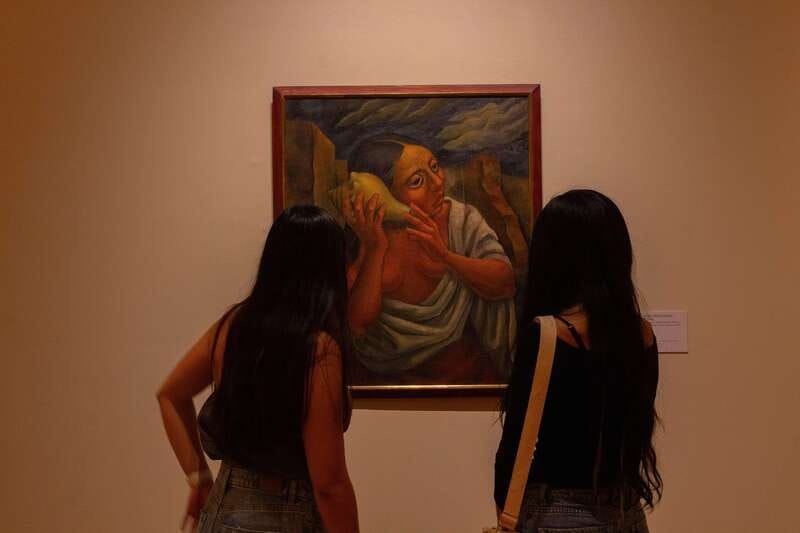
This tour is a good fit if you want:
- A guided introduction to Mexican art history in one museum visit
- Specific coverage of muralists like Rivera, Orozco, and Siqueiros
- A structured walk that includes landscape painting, sculpture, and French influence
- A guide-led pace that helps you understand periods, not just see rooms
You might skip this format if you prefer:
- Total freedom to wander without discussion
- A long, slow museum day where you spend equal time in every room
- A tour where the guide barely speaks and you mostly observe
In other words, think of this as a smart first layer. If you already love Mexican art and know exactly what you want to study, you may want to spend your time reading labels and zooming in on your favorite corners. But if you want the museum to start talking back to you, a guide is the best shortcut.
Should you book the National Art Museum guided tour?
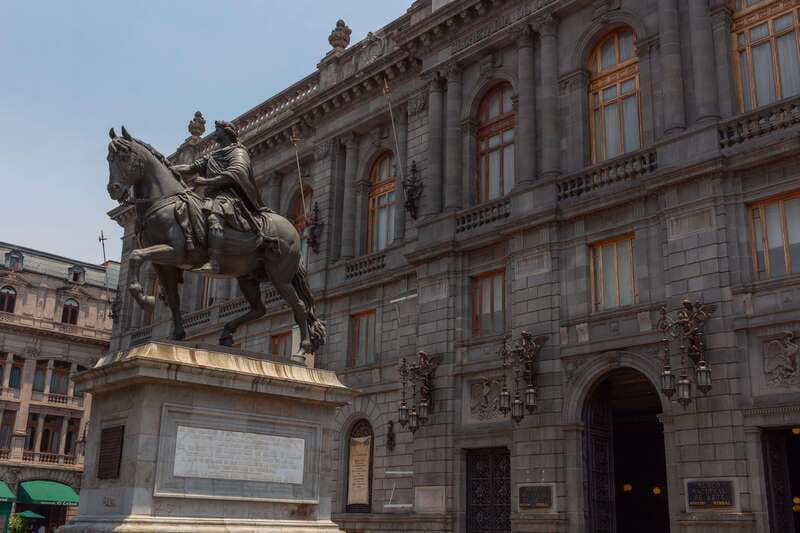
I’d book it if you’re short on time and want the story of Mexican art organized for you. The mix of muralists, Mexican landscape painting, San Carlos School sculpture, French fresco examples, and a time-spanning arc from Novohispanic art to 20th-century forms gives you a lot of payoff in only 2 hours.
Go for it if you like a guide who answers questions and helps you connect technique to meaning. Pass if you need total independence or if expressive guide behavior would annoy you.
If you’re trying to choose one museum activity that makes Mexico City feel like more than just streets and viewpoints, this MUNAL guided tour is a solid pick.
FAQ
Where is the meeting point for the tour?
You meet at the main gate of the National Art Museum (MUNAL), and the guide will be holding a Mexican flag.
How long is the guided tour?
The tour lasts 2 hours.
What languages are available for the guide?
The tour is offered with live guidance in English, Spanish, Portuguese, German, and Italian.
Is the museum entrance ticket included in the price?
No. The entrance ticket is not included and costs 90 MXN (about 6 USD).
What is the group size?
The group is small, limited to 10 participants.
What is included in the tour price?
The tour includes a bilingual guide.
Can I cancel and get a refund?
Yes. You can cancel up to 24 hours in advance for a full refund.