REVIEW · MEXICO CITY
7 Day-Monarch Butterfly Ecofriendly Tour in Mexico
Book on Viator →Operated by EcoColors Mexico · Bookable on Viator
Monarch butterflies have a way of making the ordinary feel small. This 7-day small-group tour pairs Mexico City culture with real Monarch migration viewing in Valle de Bravo, two different sanctuaries, and a free day to enjoy the lake town vibe. You’ll also get built-in time to rest, snack, and pace yourself between the mountain days.
What I like most is how much is handled for you: six nights of lodging, breakfast most mornings, hotel pickup and drop-off, and entrance fees included. Second love: you’re not stuck with just one viewing spot. You’ll see Monarchs at both Piedra Herrada and Capulin, and you get to experience them in different mountain environments instead of a one-size-fits-all look.
One consideration: this is not a gentle stroll. The sanctuaries involve mountain riding and hiking, and the horse days can be physically demanding. If you have breathing or mobility limits, plan for slower stops and choose this only if moderate fitness sounds realistic for you.
In This Review
- Key things that make this tour work
- Monarch viewing in Valle de Bravo: why this itinerary hits
- Mexico City to Valle de Bravo: the setting change you’ll feel
- The Anthropology Museum stop in Mexico City (Aztec Sun Stone included)
- Piedra Herrada Sanctuary: horses, mountains, and a wilder feel
- Capulin Sanctuary and Los Tres Gobernadores: the best kind of location change
- The free day in Valle de Bravo: use it, don’t waste it
- Back to Mexico City: Catedral time plus breathing room
- Hotels, guides, and the small-group vibe (max 10)
- Value and price: is $2,695 fair for what you get?
- Who should book this Monarch butterfly tour (and who should skip it)
- Practical tips so your day goes smoother
- Should you book this Monarch butterfly tour?
- FAQ
- How many days is the Monarch butterfly tour?
- Where does the tour start and end?
- Is hotel pickup and drop-off included?
- What is the group size?
- Is the tour offered in English?
- What does the price include?
- Are entrance fees included?
- What meals are included?
- Is there a fitness requirement?
- Is the tour refundable if I cancel?
- What if the tour is canceled because the minimum number of travelers isn’t met?
Key things that make this tour work

- Two sanctuary experiences at Piedra Herrada and Capulin, each with its own setting
- Horse rides into the mountains so you can spend more time where the butterflies are
- All entrance fees included, so your day-to-day budgeting stays simpler
- Small group size (max 10), which makes photo stops and questions easier
- Mexico City built in: the Anthropology Museum and the Metropolitana Cathedral
- A real free day in Valle de Bravo where you can choose lake activities on your own
Monarch viewing in Valle de Bravo: why this itinerary hits
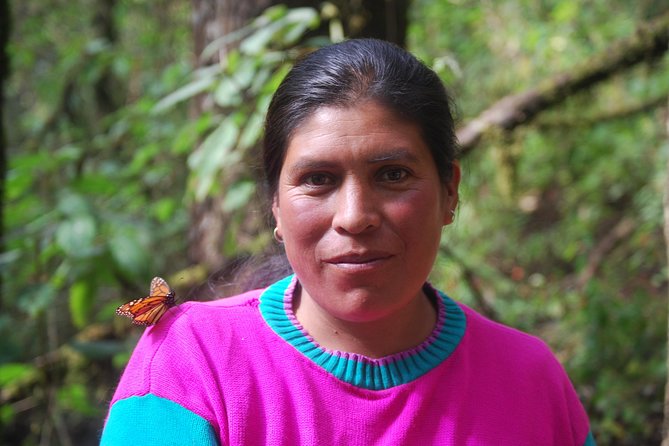
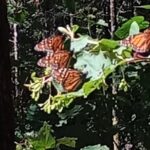
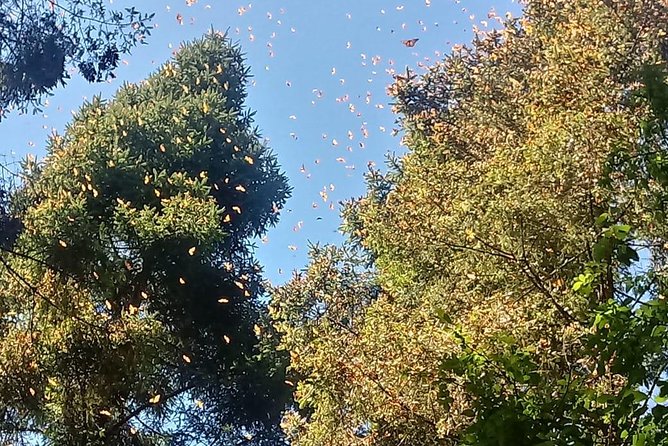
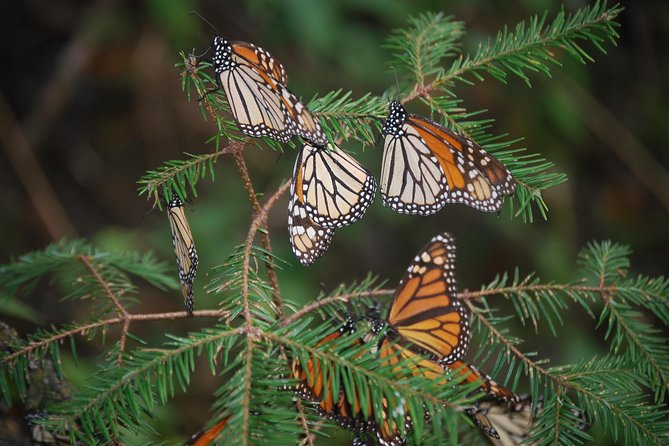
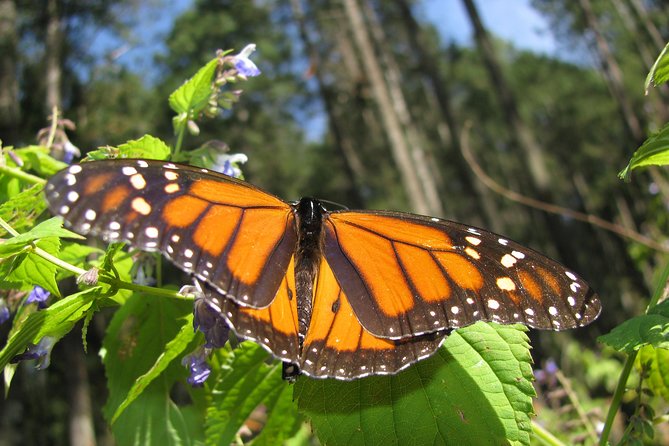
Monarch butterflies are famous, but books don’t show the full effect. What you’re really after here is the moment when you’re standing close enough to register that this is a living migration, not a picture. The tour targets that feeling by putting you at two sanctuaries in the Valle de Bravo region rather than treating the butterflies like a quick roadside stop.
I also like the way the pacing is organized. You don’t just fly in and rush out. You start in Mexico City, then shift down to Valle de Bravo for multiple days. That matters because you need time for the mountain logistics and the best light conditions. One participant even described timing their viewing to catch the cloud cover breaking so the butterflies were visible. In other words, the schedule leaves room for the day to cooperate.
Finally, the tour treats “eco” as more than a marketing label. One sanctuary option is described as wilder and more remote, which usually means fewer distractions and more nature time.
You can also read our reviews of more tours and experiences in Mexico City
Mexico City to Valle de Bravo: the setting change you’ll feel
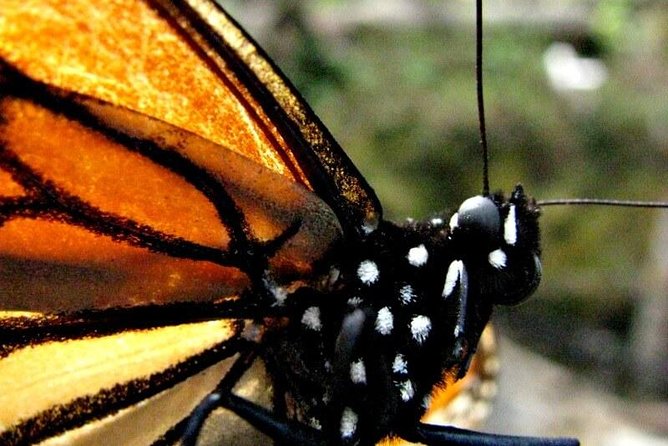
Day 1 is your Mexico City arrival day. You land at Benito Juárez International Airport, meet your professional naturalist guide, and transfer to your hotel for a briefing. This is where you get the practical run-down and the safety basics, plus a bit of Monarch context so the rest of the trip makes sense.
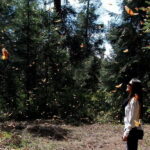
Day 2 is the turning point. After a Mexico City museum morning, you head to Valle de Bravo and check into Mesón de las Leyendas. This town sits in a mountainous area and is known for its hotels, restaurants, equestrian culture, and its manmade lake. You’ll feel that shift immediately: less big-city motion, more mountain air and lake views.
That travel rhythm is a real value. You’re not spending the butterflies days trapped in traffic from one end of the region to the other.
The Anthropology Museum stop in Mexico City (Aztec Sun Stone included)
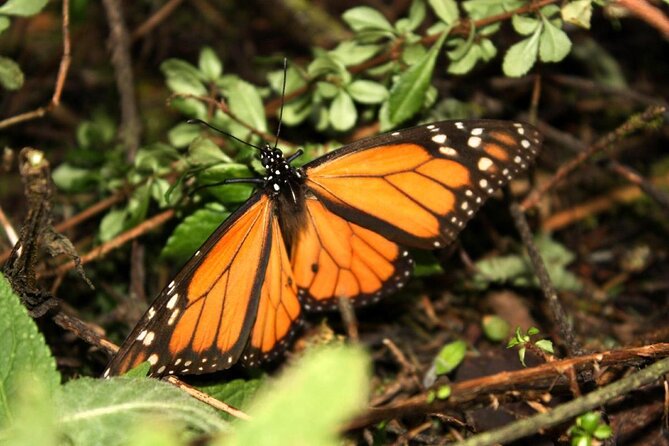
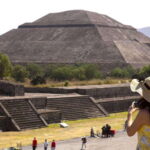
On day two, the Museo Nacional de Antropología is the anchor. It’s one of the world’s standout archaeology museums and runs across 23 exhibition halls, so you get scale right away. The highlight for most people is the Aztec Sun Stone, also called a cosmological calendar.
Why this stop matters for a Monarch tour: it gives you a quick layer of context for Mexico that goes beyond butterflies. You’re not just sightseeing one topic; you’re getting a taste of why so many Mexican traditions tie nature, seasons, and movement to bigger meaning.
Time-wise, this day is long. The museum plus the transfer to Valle de Bravo takes roughly 12 hours. If you’re sensitive to long days, plan a slower breakfast, hydrate, and be ready for a full stretch without a lot of breaks.
Piedra Herrada Sanctuary: horses, mountains, and a wilder feel
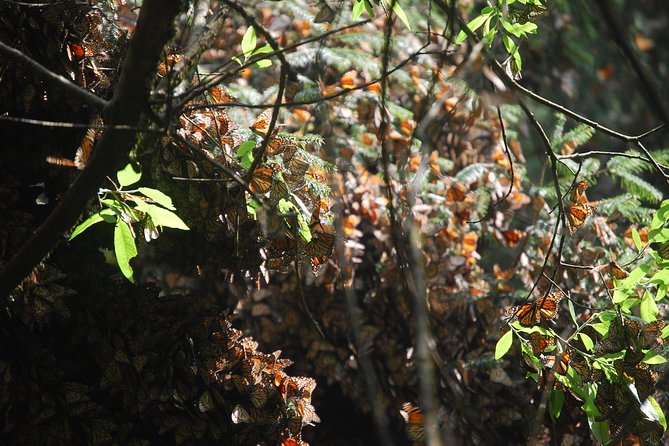
Piedra Herrada is the first butterfly sanctuary stop. It’s described as a newer watching spot, and the setting is often more remote than the other sanctuary option. That matters for your experience because it usually means fewer interruptions and more “stay with it” time.
Here’s the core experience: you ride horses for much of the way up to where the Monarchs are. That does two things for you. One, it saves energy so you can actually enjoy the viewing once you arrive. Two, it gives you a different travel feel than hiking the whole time, and it’s part of what makes the day memorable.
The tour also uses this time for a full-day block (about 12 hours). That’s helpful because viewing can depend on conditions. One guide-led group described waiting for cloud cover to dissipate so sunlight returned. Your schedule here is built for that kind of flexibility.
Physical note: even with horses, this is still mountain terrain. Wear something you can move in, and expect that you’ll be upright, climbing, and adjusting frequently throughout the day.
Capulin Sanctuary and Los Tres Gobernadores: the best kind of location change
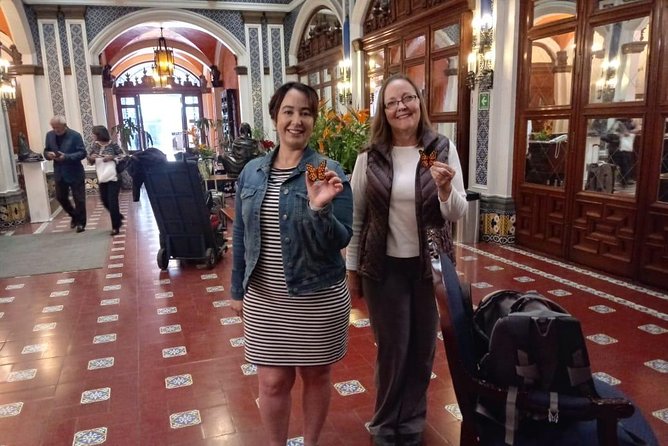
The next sanctuary day shifts you to the Capulin Volcano National Monument area and Capulin Sanctuary. This is where you can watch Monarchs in the Los Tres Gobernadores region, described as the largest and most beautiful prairie of the Monarch butterfly zone.
A unique detail here is the mention of a “transition of the vegetation” caused by your access position and the colonies’ hibernation locations. Translation: you may get a stronger sense of how the landscape changes and how the butterflies are tied to that specific geography.
Compared with Piedra Herrada, this day is often the tougher one. One participant described the climbing as more aggressive, with steeper ups and downs, and saddle comfort becoming an issue. If horses are new for you—or if you already know you get uncomfortable on saddles—consider bringing padding or wearing appropriate clothing (within what the tour allows).
If you’re choosing how to mentally prepare, go in expecting the day to be active. The payoff is that you’re likely to see huge concentrations again, in a different mountain environment.
The free day in Valle de Bravo: use it, don’t waste it
Day five is a true break from structured butterfly time. You’ll have a free day in Valle de Bravo, centered around La Pila Seca. The town is built around its lake, and the water is calm enough for sports like sailing, water-skiing, or kayaking.
This is where I’d encourage you to make choices based on your energy level. If you spent two straight days moving up mountains, keep the lake day simple and plan a low-stress activity. If you still have gas in your tank, kayaking or sailing can be a great contrast: butterflies on one side of your brain, lake time on the other.
There’s also a practical angle. One full butterfly day is never guaranteed to feel “easy,” and the free day gives you control when your body asks for it. Just know that this free day is not designed as a bonus sanctuary day; it’s your time to explore the town and lake activities.
Back to Mexico City: Catedral time plus breathing room
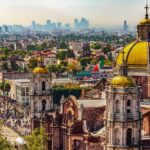
On day six, you return to Mexico City and check into the Catedral hotel. The morning is slower so you can reset. Later, you’ll visit the Catedral Metropolitana de la Ciudad de México.
For many people, this is a satisfying wrap-up: after mountains and horses, you get back to architecture and city energy. The cathedral stop also helps the trip feel less like a single-topic march and more like a well-rounded Mexico sampler.
Logistically, day six is still about 12 hours, so you won’t escape travel time. But it’s a change from the hardest part of the tour, so it often feels easier psychologically.
Hotels, guides, and the small-group vibe (max 10)
This tour keeps your group small, capped at 10 travelers. That tends to make wildlife days smoother because you can hear instructions, ask questions, and get photo help without feeling like you’re in a giant line.
Guide quality matters a lot on a trip like this. In the past, guides including Clemente and Naara have been singled out for being helpful and easy to follow. There are also mentions of drivers like Rennan, Claudio, and Alberto doing careful work on the roads.
One practical note from real experiences: Mexico City hotel stays can vary in feel. Some rooms may feel more dated, even if they’re clean. Breakfast quality also tends to be a strong point. In Valle de Bravo, the hotel setting is often described as charming and picturesque, but you should be ready to go out to eat if the hotel dining plan is disrupted by local events.
Transportation comfort can be a factor too. One participant flagged that bus seats were tight and not adjustable, which can be rough for taller legs. If you’re tall or carry a bad back on long rides, it’s worth preparing for that.
Value and price: is $2,695 fair for what you get?
At $2,695 per person, the price is not low. But look at what’s included: 6 nights of accommodation, breakfast (6), a professional guide, air-conditioned vehicle, hotel pickup and drop-off, and entrance fees. On top of that, you get two separate sanctuaries with horseback access into the mountains.
So you’re paying for more than a couple tickets and a guide. You’re paying for multi-day logistics: moving you between Mexico City and Valle de Bravo, staffing the viewing days, and taking care of the “hard parts” so you can focus on the butterflies and not planning.
Another value detail: the total price includes a single supplement, which can make this tour feel more reasonable if you’re traveling solo. In many trips, solo travelers get hit with an extra fee. Here, you don’t.
What’s not included is the rest of your meals, plus alcoholic drinks. That’s common, but it does mean you’ll want a simple food plan. Decide ahead of time whether you’ll mostly eat breakfast and then hunt lunch/dinner near wherever you’re staying.
Who should book this Monarch butterfly tour (and who should skip it)
This tour is a strong fit if you:
- Want Monarch viewing that’s built around real locations, not just a single look
- Like structured days but still want a free day to breathe in Valle de Bravo
- Are comfortable with moderate physical effort, including mountain riding and walking
It may be a poor fit if you:
- Have limited mobility or breathing issues and aren’t comfortable taking breaks during hikes and horseback movement
- Need long-distance vehicle comfort to be excellent (some seats aren’t ideal for tall people)
- Want every day to include another butterfly sanctuary stop (the schedule gives you one free day)
Season matters too. One participant specifically called out February as a wonderful time for seeing Monarchs, which suggests conditions can be favorable around winter migration periods. If you’re flexible, you’ll probably have better viewing in peak seasonal windows.
Practical tips so your day goes smoother
A few things I’d treat as non-negotiables for a horse-and-mountain wildlife trip:
- Expect active days. Plan rest the night before each sanctuary day.
- If you’re worried about saddle comfort, plan ahead. One participant found the second day saddle experience harder and less comfortable than expected.
- Bring patience for weather. Viewing can improve when clouds lift, and the schedule is set up to allow that kind of timing.
- Keep your expectations grounded: some days are long, even when you’re not moving constantly.
And one more small strategy: if you want the best photos, use stops to get into position fast when the guide signals it. With Monarch viewing, light and stillness matter.
Should you book this Monarch butterfly tour?
I’d book it if your main goal is seeing Monarchs in person at two different sanctuaries, with your hotels and entrance fees handled and a small group keeping things calm. The combination of Piedra Herrada and Capulin gives you a more complete feel for the migration than a single location.
I’d think twice if you’re looking for easy sightseeing. Horses and mountain terrain mean you need to be ready physically, and vehicle seating comfort can be a constraint on long drives.
If you can handle moderate effort and you want a guided, value-packed trip that mixes Mexico City culture with real butterfly habitat, this is a very solid choice.
FAQ
How many days is the Monarch butterfly tour?
The tour is 7 days, with 6 nights of accommodation included.
Where does the tour start and end?
It starts in Mexico City and finishes in Mexico City, with transfers included for the airport.
Is hotel pickup and drop-off included?
Yes. The tour includes free hotel pickup and drop-off.
What is the group size?
The maximum group size is 10 travelers.
Is the tour offered in English?
Yes, the tour is offered in English.
What does the price include?
The price includes professional guidance, air-conditioned transportation, 6 nights of accommodation, breakfast (6), hotel pickup and drop-off, and entrance fees.
Are entrance fees included?
Yes. Entrance fees are included in the tour.
What meals are included?
Breakfast is included for 6 days. Other meals and drinks are not included unless specified.
Is there a fitness requirement?
Yes. Travelers should have a moderate physical fitness level.
Is the tour refundable if I cancel?
No. The experience is non-refundable and cannot be changed for any reason.
What if the tour is canceled because the minimum number of travelers isn’t met?
If it’s canceled due to not meeting the minimum, you’ll be offered a different date/experience or a full refund.