REVIEW · MEXICO CITY
Mexico City: Bazaar Saturday, Convent of Carmen & San Angel
Book on GetYourGuide →Operated by MEXITOURS · Bookable on GetYourGuide
San Angel has a way of slowing you down. This 6-hour small-group tour strings together San Angel, the Museum of El Carmen, and the famous Bazaar Sabado, so you get colonial streets, serious religious art, and real shopping in one tight day. I especially love the Museum of El Carmen for its combination of monastic-school history and the display of religious artworks, and I love Bazaar Sabado for how practical it is for finding handmade pieces you can actually carry home. The only drawback to consider is timing: the bazaar stop is built into a schedule, so you’ll want to move fast if you want more than a quick look.
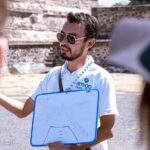
A big plus is the guide setup. With a max of 10 people and a bilingual professional guide, I like that the group stays small enough for questions and a sensible pace, and guides like Humberto can keep both the history and the shopping portion moving without feeling rushed. One thing to keep in mind: it’s a share service, so the language mix may depend on how the group is filled that day.
In This Review
- Quick Hits
- San Angel First: mansions, legends, and an easy start
- Museum of El Carmen: monastic school, religious art, and mummified reminders
- Bazaar Sabado: craft shopping that starts strong (and needs a plan)
- Chimalistac After Lunch: stone bridges and small chapels
- How the 6 hours actually feel: pacing, value, and why the stops fit
- Who should book this San Angel–Bazaar–Chimalistac day?
- Should you book this tour?
- FAQ
- How long is the tour?
- What does the tour include?
- Is admission to the Museum of El Carmen included?
- What size is the group?
- What language will the guide use?
- Are food and drinks included?
- How does pickup work?
- What is the cancellation policy?
Quick Hits
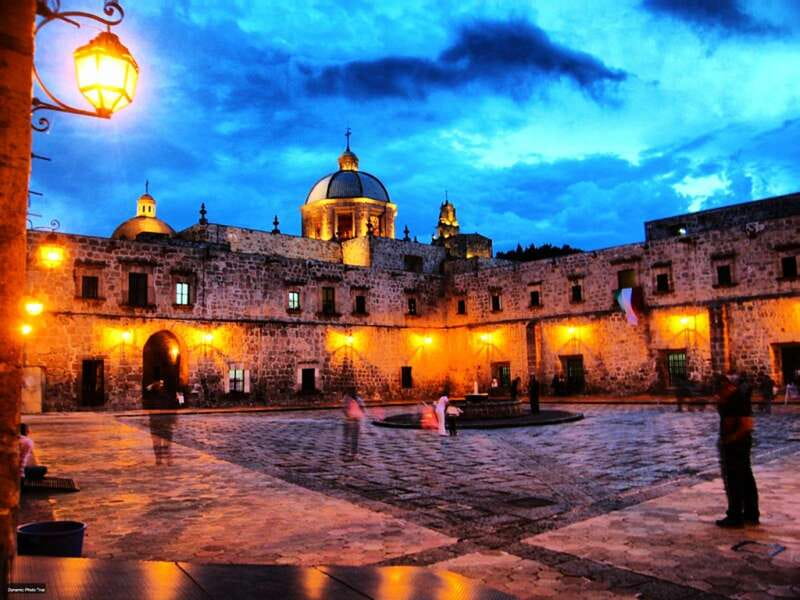
- Museum of El Carmen with monastic roots dating from 1613–1628 by the Discalced Carmelites
- More than 80 religious art pieces preserved in a living historical setting
- Bazaar Sabado since 1960 with craft-first shopping across many materials
- Chimalistac’s colonial air plus stone bridges and small historic chapels
- Small group size (up to 10) helps you keep up and ask questions
San Angel First: mansions, legends, and an easy start
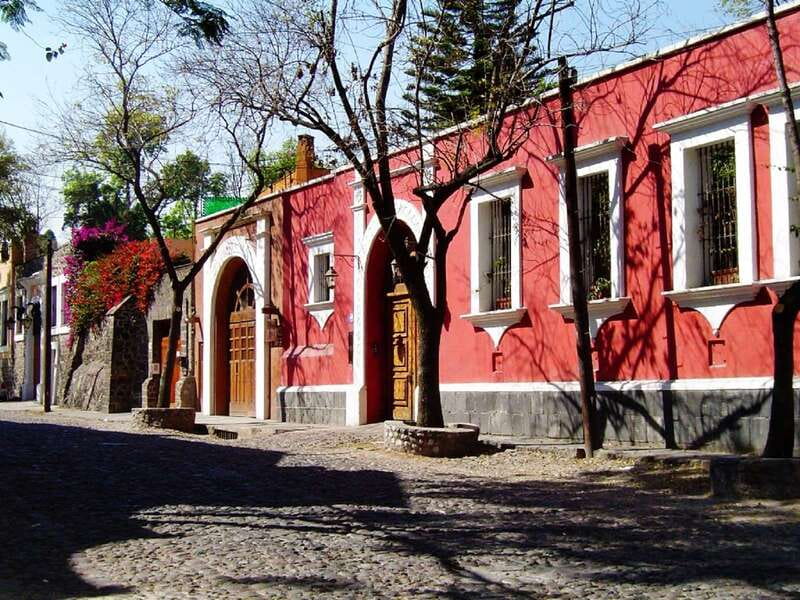
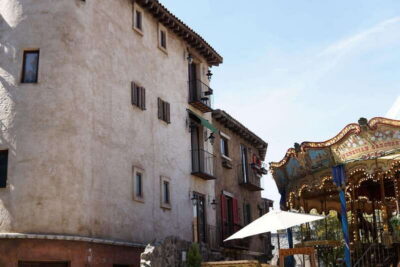
You start in south Mexico City, in the zone people often describe as romantic and story-heavy. San Angel is known for old mansions and neighborhood tales, and the vibe is perfect for the beginning of this tour: you get that slower, more local feel before you step into museums and shopping.
What I like about starting here is that you’re not “touring” from the first minute. You’re getting your bearings in a neighborhood that feels different from the busier core, and you’re also building context for what you’ll see next. The whole day is designed so the religious art setting at the Museum of El Carmen doesn’t feel random; it feels like a logical continuation.
Drawback? If you’re expecting a long, uninterrupted walk, San Angel works more like an introduction than a deep, self-guided roaming session. The day has multiple stops, so you’ll be on the move.
You can also read our reviews of more city tours in Mexico City


Museum of El Carmen: monastic school, religious art, and mummified reminders
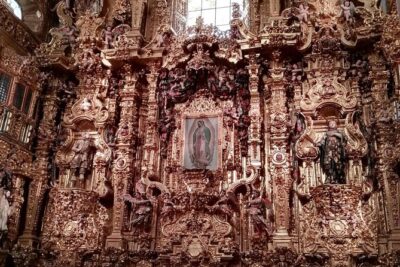
Next comes one of the most distinctive stops on this route: the Museum of El Carmen. This place began as a monastic school built between 1613 and 1628 by the Discalced Carmelites, and today it functions as a historical museum that preserves more than 80 religious art pieces.
I love how the museum doesn’t treat “religious art” as an abstract category. The setting makes it feel earned—like the buildings themselves were made to teach, to preserve, and to pass time along. When a museum is anchored to a specific order and period, you get better meaning from what you’re looking at.
Then there’s the element that most people notice right away: the museum includes areas near 12 mummified corpses. It can feel intense, so go in with the right mindset. If you’re sensitive to that sort of display, prepare yourself before you arrive; the tour won’t skip past it just because it’s a shock.
The garden is another standout. This space once served as an orchard for the friars, and you’ll get a sense of how the property worked as more than a chapel-and-canvas life. It’s also a good mental break between heavier viewing rooms, especially if you’re taking photos or just trying to absorb everything without rushing.
Practical tip: wear shoes you can stand in. This is one of those museum stops where your time will be less about sitting and more about slow, attentive looking.
Bazaar Sabado: craft shopping that starts strong (and needs a plan)
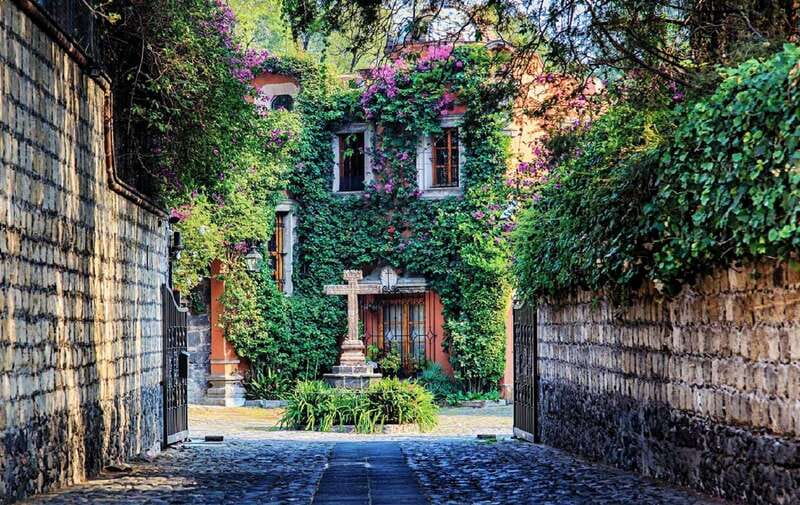
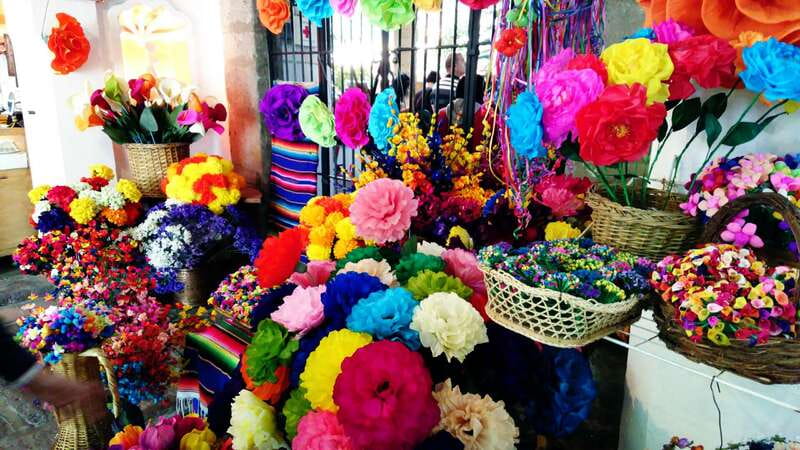
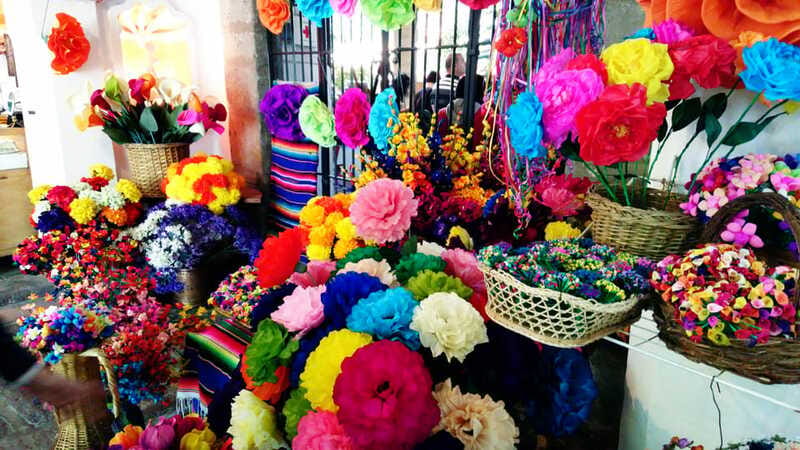
Bazaar Sabado is where this tour turns into “bring stuff home” mode. It’s one of the most visited and colorful markets in Mexico City, and it opened its doors in 1960. That matters: it’s not a one-season pop-up. The market has decades of craft tradition behind it.
What makes it worth your attention is the range. You’ll see handicrafts and fine craftsmanship made with silver, iron, ceramics, wood, textiles, glass, tinplate, jute, and even paints. In practical terms, that means you’re not limited to one style or one price lane—you can browse broadly, compare materials, and find something that fits your budget and your packing reality.
I especially appreciate that Bazaar Sabado is craft-first. You’re not just looking at souvenirs that could be anywhere. The materials listed are the kind of details that tell you this is a serious marketplace for making and finishing, not just reselling.
Here’s the only “go” advice that’s truly important: plan to arrive at Bazaar Sabado ready to shop, not ready to snack and chat. In the feedback I’ve seen from this exact day, one clear suggestion was to get to Bazaar Sabado sooner so you gain more shopping time. If you drift at the start, you’ll feel it later.
What to watch for:
- If you want a specific item (a small silver piece, textile work, a ceramic set), start checking early rather than waiting until the end.
- Keep your bargaining and questions friendly and clear. Craft sellers tend to respond best when you show you’re paying attention to materials.
Chimalistac After Lunch: stone bridges and small chapels
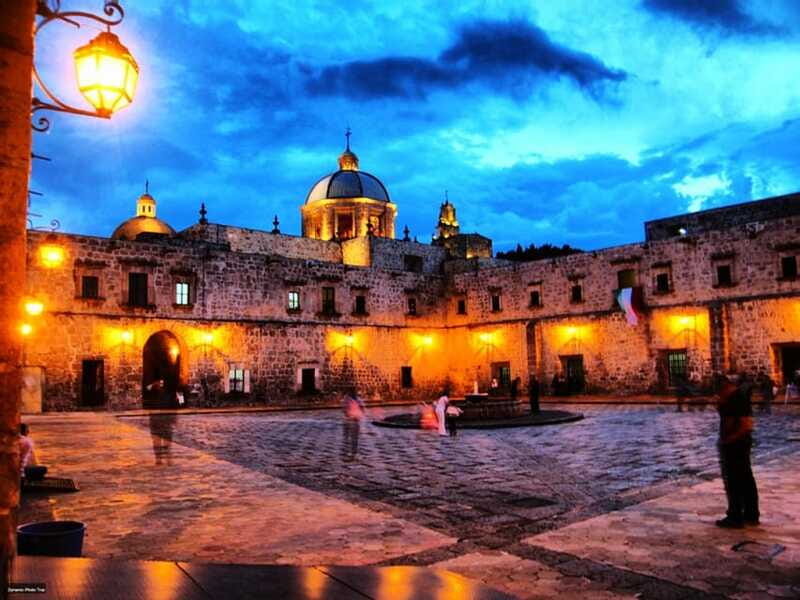
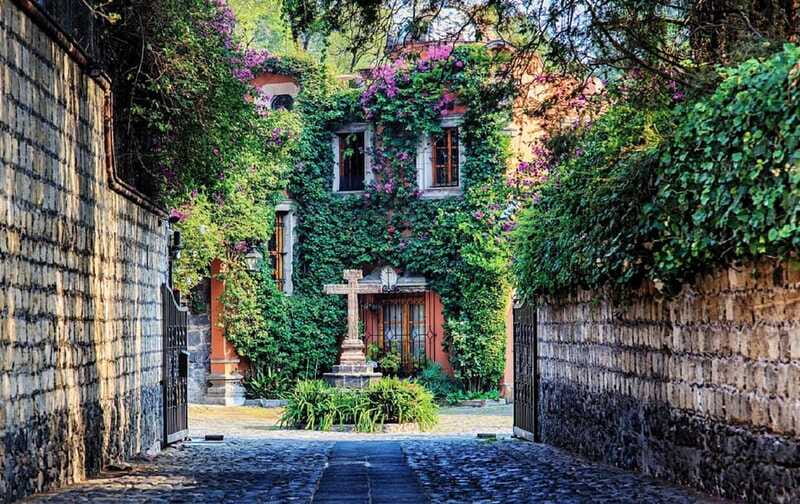
After the museum and market portions, you finish with a different kind of atmosphere in Chimalistac. This neighborhood’s name traces back to a pre-Hispanic population called Temalistac, meaning where the stone is sacrificed. That’s a good clue to look for: stone details.
Chimalistac is described as an old and wealthy neighborhood with stone bridges and small historic chapels that carry a strong colonial air. That’s a nice tonal shift after Bazaar Sabado. Shopping can be sensory overload. This part gives you visual calm—more architecture, less noise, and more “slow down and look.”
The tour tone changes here on purpose. You’re ending the day in a place that rewards walking at a steady pace instead of rushing between stalls. If you’ve been taking photos, this is a solid time to use them as reference points for your memory later.
Potential drawback: because the day ends after Chimalistac, you won’t have infinite time to explore beyond what the route covers. If you love colonial chapels and bridges, you may wish the stop ran a bit longer. Still, you’ll leave with clear images of what makes the neighborhood feel historic.
How the 6 hours actually feel: pacing, value, and why the stops fit
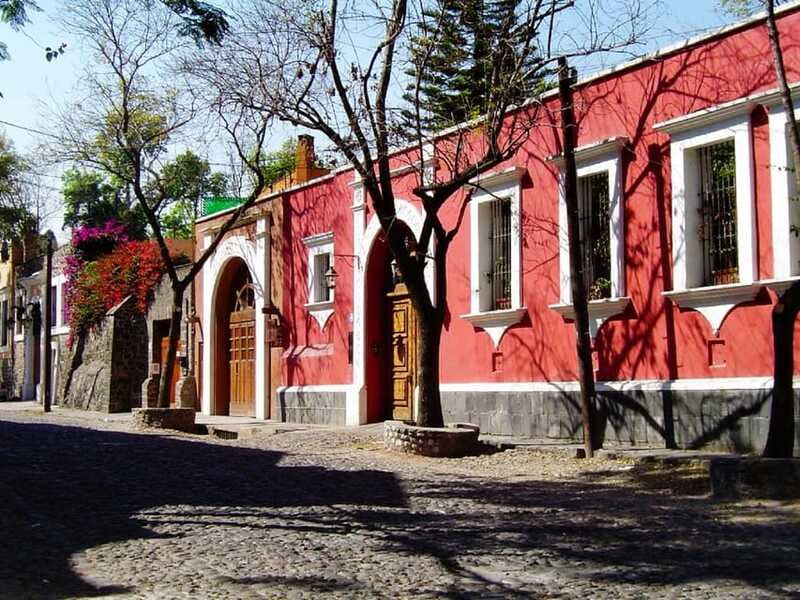
At 6 hours total, this tour is built for people who want variety without losing an entire day. You’ll have van time between locations (about 20 minutes), so you’re not trapped in transit for long stretches. The pacing is basically: neighborhood atmosphere first, museum depth second, market shopping third, neighborhood architecture last.
Is 6 hours “enough”? For most people, yes—especially with a small group. You get the big-ticket experiences: San Angel’s mood, the Museum of El Carmen’s religious art and monastic context, Bazaar Sabado’s craft shopping, and Chimalistac’s colonial details. The reviews tied to this tour also point to how well the timing works, including one comment that the amount of time felt right for seeing everything.
Now the value question: $90 per person. For Mexico City, that’s not a bargain price. But it’s not just “a van and a driver,” either. You get included admission to the Museum of El Carmen and a professional bilingual guide (English and Spanish) as part of the tour. On top of that, the small-group size (limited to 10) keeps the experience more personal than a big bus day.
Food and drinks are not included, so you should treat this like a culture-plus-shopping day, not a full meal package. If you skip food entirely, you’ll feel it by the bazaar stop. If you plan a quick snack or drink outside the tour flow, you’ll enjoy the browsing more and make better choices with your money.
Language note that affects your experience: it’s a share service, so it’s not guaranteed to be exclusively English or Spanish. The guide will be bilingual, but how the group is split may shape what you hear most clearly.
You can also read our reviews of more shopping tours in Mexico City




Who should book this San Angel–Bazaar–Chimalistac day?
This is a great fit if you:
- Want a balanced day: neighborhood walking, a focused museum, and real shopping.
- Like guided context, especially for places with a built-in story like the Discalced Carmelites and the Museum of El Carmen.
- Prefer small groups (up to 10) over crowds and mass pacing.
- Are comfortable with a museum stop that includes mummified corpses nearby.
You might rethink the tour if you:
- Want a long, unstructured day with no schedule pressure. Bazaar Sabado shopping is generous, but it’s still timed.
- Are easily uncomfortable with intense museum displays.
It’s also well-suited for travelers who enjoy practical souvenirs: you’ll have access to crafts across multiple materials, so you can choose items that match what you actually like (textiles, ceramics, wood, metalwork, and more).
Should you book this tour?

If you’re trying to make your Mexico City time count, I’d say book it—especially if you want one day that covers San Angel, the Museum of El Carmen, Bazaar Sabado, and Chimalistac without you stitching it all together yourself. The included museum admission and small-group bilingual guidance do real work, and the mix of “history + art + shopping” is exactly the kind of combination that feels efficient and satisfying.
Just go in with two mindsets: be ready to shop with a plan at Bazaar Sabado, and be prepared for the museum’s intense elements. If you do those two things, this is the kind of day that leaves you with both memories and purchases that feel like they belong to Mexico City.
FAQ
How long is the tour?
The tour lasts 6 hours.
What does the tour include?
You visit San Angel, the Museum of El Carmen, Bazaar Sabado for shopping, and Chimalistac.
Is admission to the Museum of El Carmen included?
Yes. Admission to the Museum of El Carmen is included.
What size is the group?
This is a small group limited to 10 participants.
What language will the guide use?
The guide is bilingual (English and Spanish). Because it’s a share service, the language focus can depend on how many participants each language has.
Are food and drinks included?
No. Food and drinks are not included.
How does pickup work?
Pickup is included, but you need to confirm pickup details with the local partner. The tour has multiple pickup locations such as Av. de la República 154, Calle Amberes 78, InterContinental Presidente Mexico City, and Zócalo Central Hotel.
What is the cancellation policy?
You can cancel up to 24 hours in advance for a full refund.