REVIEW · MEXICO CITY
Bean to Beverage: Roast and grind cacao into chocolate
Book on GetYourGuide →Operated by Martaja - Market tours & cooking classes in Mexico City · Bookable on GetYourGuide
Cacao becomes personal in this 3-hour workshop. At Jim’s home in Condesa, you go from bean to cup, roasting and grinding cacao on a metate like Mayans and Aztecs. Along the way, you learn why this prized ingredient mattered in pre-Hispanic life, then you put that knowledge to work in your own mugs.
I love the hands-on rhythm of roasting and grinding, because it makes the chocolate taste different fast, not just at the end. I also like the creative part: you build a set of hot chocolates from scratch and can customize them with Mesoamerican ingredients such as chile, achiote, and avocado leaf.
One thing to plan around: the building has no elevator, so wheelchair access may be limited, even though people have enjoyed the class before. Also note there are two cats in the home, even though the cooking area is kept separate and allergy pills are available.
In This Review
- Key highlights you’ll feel in the cup
- Why cacao still matters in Mexico’s chocolate culture
- Meet Jim at a Condesa home and get your metate time
- Roasting and grinding cacao: the work that changes flavor
- From the Mayans to your mug: building six hot chocolates
- Ancient ingredients you can actually taste (chile, achiote, avocado leaf)
- The tasting table, dessert, and what you’ll remember later
- Price, group size, and who this fits best
- Should you book Bean to Beverage in Mexico City?
- FAQ
- How long is the Bean to Beverage hot chocolate workshop?
- What does the price include?
- Where does the class take place?
- Do I get to make more than one hot chocolate?
- What languages will the instructor speak?
- Is the class private or in a group?
- What dietary questions should I expect after booking?
- Is this class accessible for wheelchair users?
- Are there pets in the home?
- Is there free cancellation?
Key highlights you’ll feel in the cup
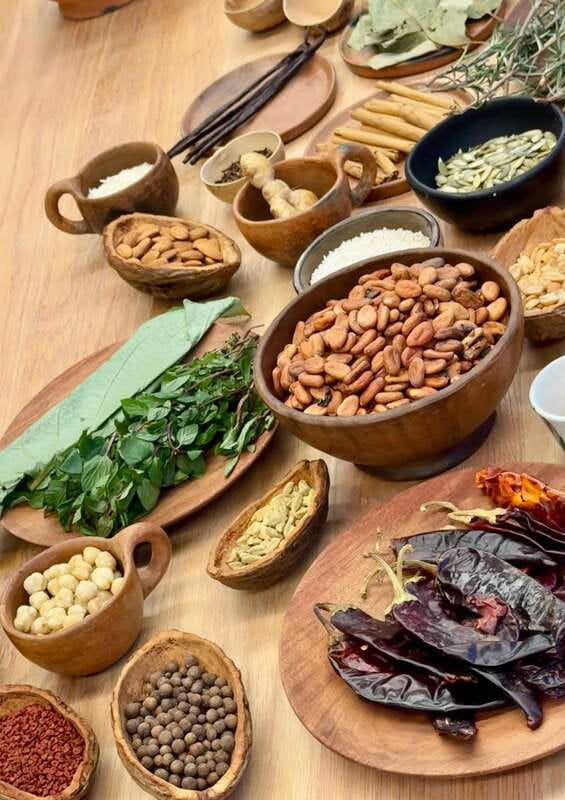
- Metate grinding: the classic stone method for cocoa, not a shortcut
- Roast-first flavor: you control the start of the chocolate process
- Six drinks included: you leave with a mini tasting flight you made yourself
- Ancient ingredient mashups: chile, achiote, avocado leaf, and more
- Jim’s storytelling: history connects directly to how you blend and brew
Why cacao still matters in Mexico’s chocolate culture
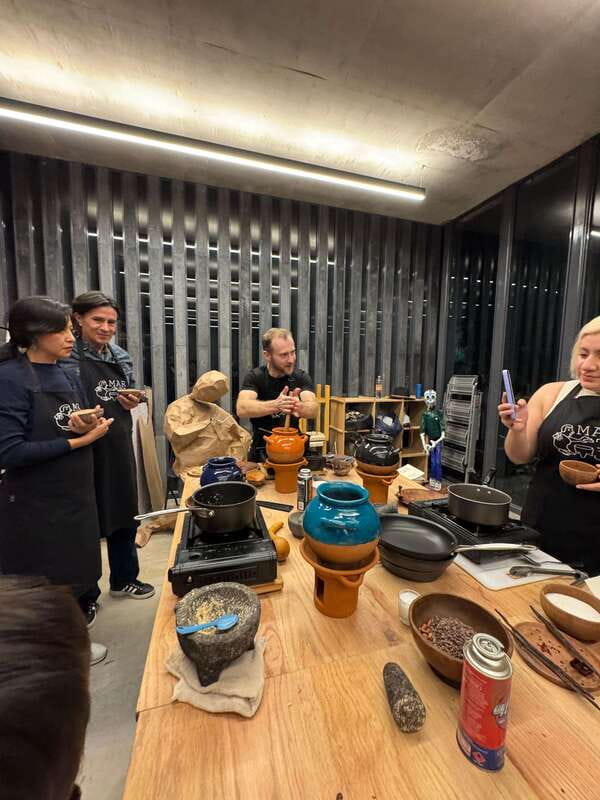
Chocolate here is not treated like a trendy drink. You learn it as food with a job, a symbol, and a history that long predates modern candy bars. That matters because it changes how you approach the workshop. You are not just following steps to get sweetness. You’re learning how flavor was shaped by roasting, grinding, and spices that make sense in a Mesoamerican kitchen.
This class also gives you a rare angle: it links the Mayan and Aztec relationship with cacao to the way you build a beverage today. When you’re crushing cacao on stone and smelling it turn nutty and chocolatey, the story stops being abstract. It becomes something you can taste.
You can also read our reviews of more tours and experiences in Mexico City
Meet Jim at a Condesa home and get your metate time
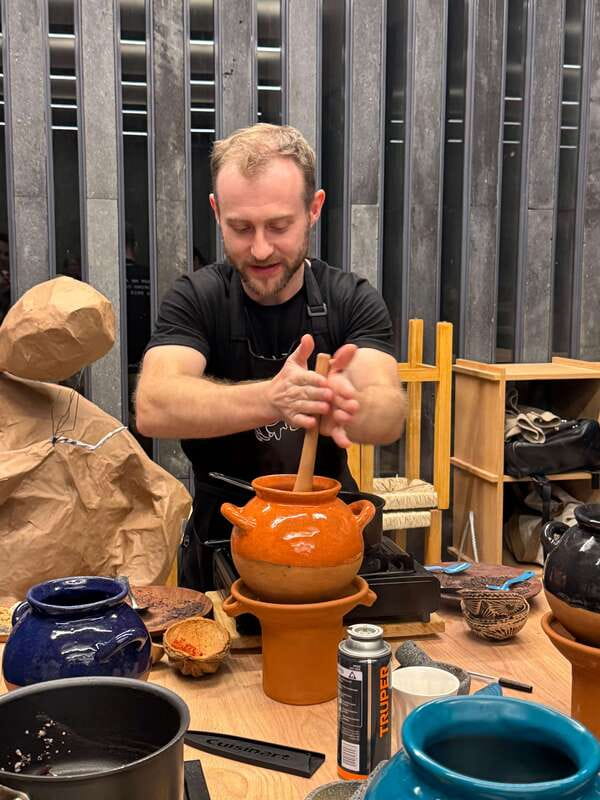
You’ll start at a beautiful home in Condesa, in the State of Mexico area (Mexico City region). The setting feels relaxed and human, which is good news if you’re tired of touristy classes that feel scripted. You’ll work with Jim as your guide, and you’ll also have an assistant around during the practical part.
One practical detail: the class is designed for private or small groups. That usually means you get more time at the metate and more back-and-forth while you’re mixing ingredients. It also tends to help families and kids, because the pace is easier to follow when you’re not lost in a crowd.
Before the food work starts, you get context. Expect a clear walk through the fascinating history of cacao as the Mayan world’s most prized foodstuff, plus how the Aztecs used it. Then you move into aprons and actual grinding. That turn from story to hands-on is one of the best parts of the experience.
Roasting and grinding cacao: the work that changes flavor
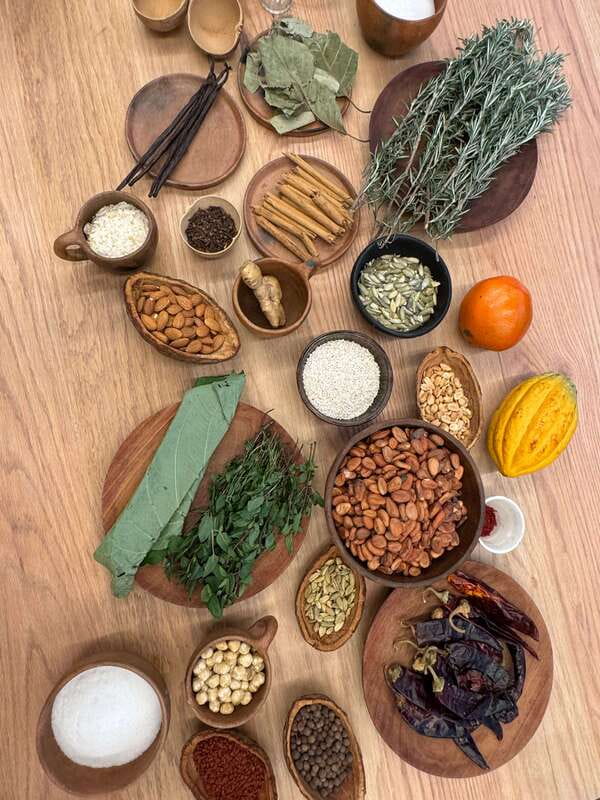
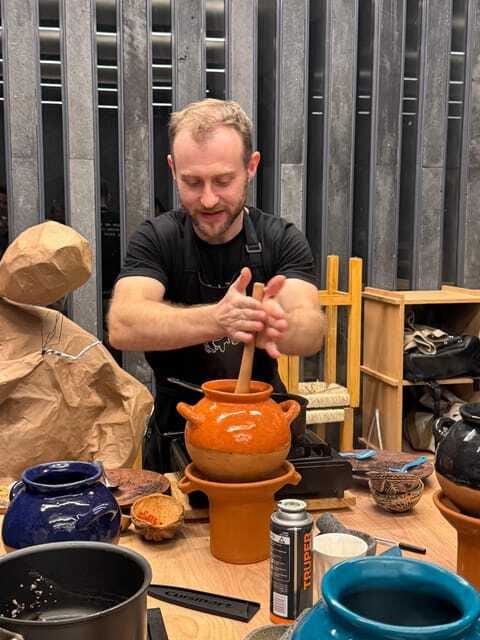
This is where the class earns its name. You don’t begin with pre-ground chocolate. You start with cacao beans, roast them, and then grind them on a metate, the classic stone tool used in traditional preparation.
Why that’s worth your money and time: roasting and grinding are not just “steps.” They are flavor control. Whole beans roast differently than chocolate powder. Grinding texture changes how the cacao mixes, how it releases aroma, and how the final drink feels in your cup. If you’ve only had hot chocolate from a mix, you’ll notice the difference right away.
Also, don’t underestimate the physical rhythm. Grinding takes a bit of effort and attention. You’ll feel it in your shoulders, then you’ll taste the payoff. It’s the sort of activity that makes the final drink feel earned, not purchased.
Jim’s role matters here too. You’re not left to figure it out alone. You learn what you’re aiming for while the cacao transforms, so you understand why the process works, not just that it works.
From the Mayans to your mug: building six hot chocolates
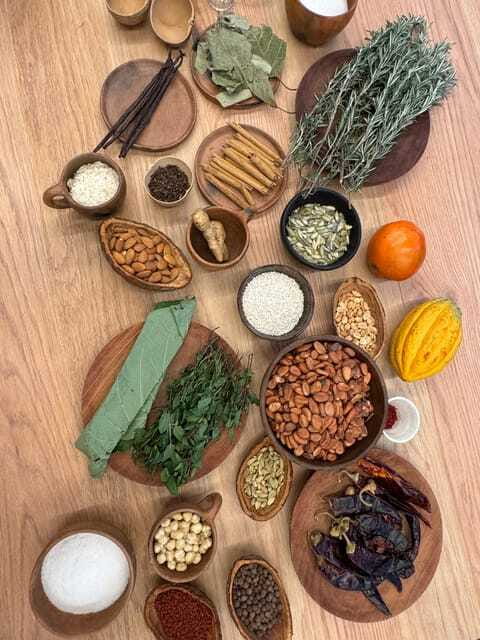
After the cacao is ready, the workshop shifts from technique to creativity. You’ll make hot chocolate drinks from scratch, and the class includes ingredients for six different hot chocolate drinks. That’s a smart setup because it turns one lesson into a tasting experience.
The structure usually looks like this: you prepare your base chocolate, then you enrich it with different ancient-style ingredients. Each combination gives you a slightly different profile, so you can compare what each addition does. This is especially helpful if you’re the type who wants to understand flavor, not just drink it.
And Jim actively encourages you to think like the older kitchens you’re studying. The idea isn’t to copy a museum recipe exactly. It’s to combine cacao with seasonings and flavorings that were part of Mesoamerican food culture.
You’ll also sit down to enjoy what you made at a table set with artisanal serveware, which makes the tasting feel like a real meal moment instead of a quick sample. A dessert is included to round things out.
Ancient ingredients you can actually taste (chile, achiote, avocado leaf)
The best part of this workshop for many people is how specific the ingredient choices are. The class isn’t just generic “spices.” You’ll experiment with Mesoamerican ingredients such as chile, achiote, and avocado leaf, plus other ingredients in the same spirit.
Here’s what those additions tend to do in a hot chocolate context:
- Chile brings warmth and a gentle heat. The goal isn’t to make it spicy like soup. It’s to add depth and a slow burn that plays nicely with cacao’s bitterness.
- Achiote adds color and a slightly earthy, savory character. It can make the drink feel more layered and less one-note.
- Avocado leaf contributes a fragrant, herbal note that turns chocolate from purely sweet to more aromatic and “food-like.”
Because you’re making multiple drinks, you can taste each flavor function. You learn that chocolate can be a vehicle for other flavors, not just sugar and cocoa.
I also like that the workshop connects these ingredient choices to the flavors available to traditional Mayan and Aztec cultures. That keeps the mixing grounded. It’s not random experimentation for the sake of novelty.




The tasting table, dessert, and what you’ll remember later
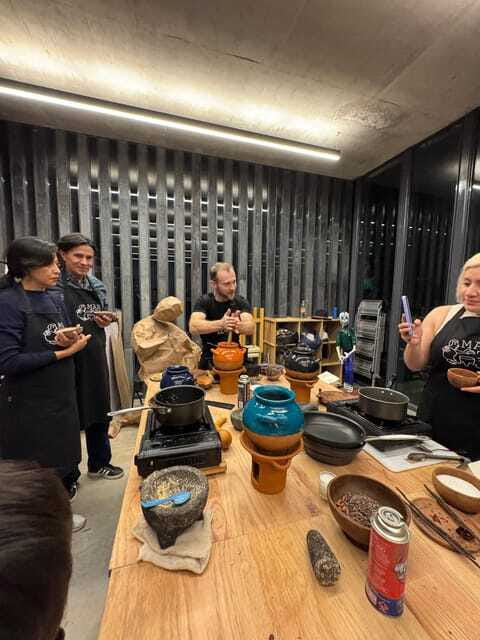
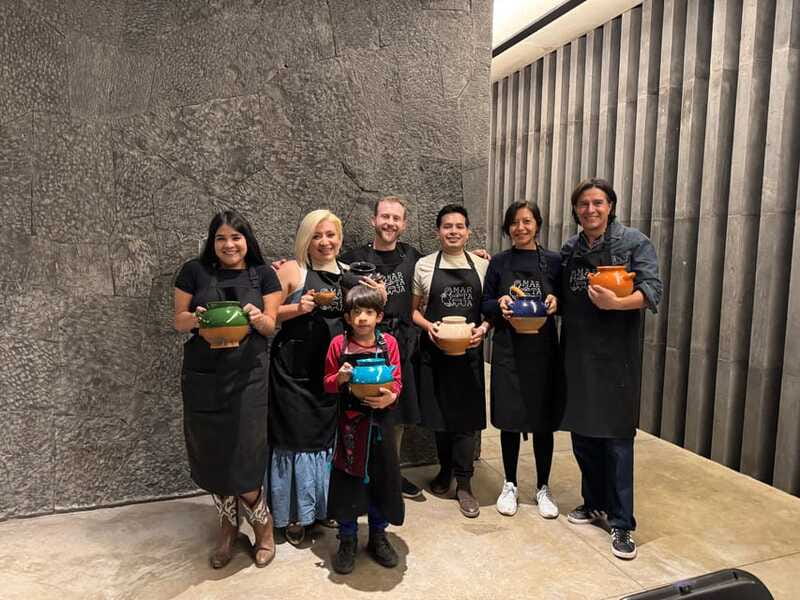
You finish by enjoying your creations together. The class provides artisanal serveware, so your hot chocolate doesn’t arrive in a disposable cup. The setup makes it feel like you’re being served something intentional, not like you’re cleaning up as soon as the fun ends.
The dessert included is a nice touch because it helps balance the cacao-heavy tasting. Hot chocolate, especially when enriched with spices, can be intense. A sweet finish gives you something to compare against and makes the whole experience feel complete.
What I think you’ll remember most isn’t just the taste. It’s the sensory chain: the smell during roasting, the texture changes while grinding, then the way the ingredients reshape the flavor in the cup. Once you’ve experienced cacao as a process, it’s easier to spot when commercial hot chocolate is just sweetened cocoa mix.
And if you like travel details beyond the kitchen, Jim often brings recommendations and friendly context for the rest of your Mexico City stay, which can be useful if you want local food choices rather than guesswork.
Price, group size, and who this fits best
The price is $115 per person for 3 hours. That’s not a casual coffee-class price, so you want to know what you’re really buying.
You’re paying for three things that matter:
- Hands-on instruction through the full process: roast, grind, brew, then taste variations
- Enough materials to make six different drinks rather than one
- A guided cultural framework so the class feels purposeful, not just culinary labor
For families, this can be a win. The workshop has a relaxed, homey feel, and it’s paced in a way that works well even with kids who might usually bounce off an adult-only food class. It’s also a good option for teenagers and adults who like both history and food with a hands-on component.
For solo travelers, it’s also smart because small group or private formats usually keep you involved rather than watching from the sidelines.
Who should consider alternatives: if you need fully step-free access due to mobility limits, plan carefully. The building has no elevator. If that’s a dealbreaker, ask before booking.
Should you book Bean to Beverage in Mexico City?
If you enjoy food you can touch, smell, and shape, I think you’ll love this. The metate grinding and roast-to-cup workflow make the experience feel real. You also get to drink your work through six different hot chocolates, so it’s not just one finished mug.
Book it if:
- You want chocolate that feels culturally grounded, not just flavored
- You like learning through doing, especially with a clear guide like Jim
- You’re traveling as a family or in a small group and want a calm setting
Skip it or check carefully if:
- You rely on an elevator or need step-free access, since the building has no elevator
- You have cat allergies, because there are two cats in the home (even though allergy pills are available and the cooking area is kept out of reach)
If that all sounds manageable, this is the kind of workshop that changes how you taste chocolate long after you leave the table.
FAQ
How long is the Bean to Beverage hot chocolate workshop?
It lasts 3 hours.
What does the price include?
All ingredients needed to prepare six different hot chocolate drinks, plus a dessert to accompany your beverage.
Where does the class take place?
The class is at a home in Condesa. The specific meeting point may vary depending on the option booked.
Do I get to make more than one hot chocolate?
Yes. The class includes ingredients for six different hot chocolate drinks.
What languages will the instructor speak?
The instructor teaches in English and Spanish.
Is the class private or in a group?
Private or small groups are available.
What dietary questions should I expect after booking?
You should watch your email inbox after booking, because the team will ask about dietary requirements. Many can be accommodated, but strict Kosher is not possible.
Is this class accessible for wheelchair users?
Wheelchair users have enjoyed the class before, but the building has no elevator.
Are there pets in the home?
There are two cats in the house.
Is there free cancellation?
Yes. You can cancel up to 24 hours in advance for a full refund.