REVIEW · MEXICO CITY
Day of the Dead Tour in San Andres Míxquic From Mexico City
Book on GetYourGuide →Operated by Vibe Adventures · Bookable on GetYourGuide
Candles in a real cemetery beat the city crowds. This Day of the Dead tour sends you early into San Andrés Mixquic, with earlier access that helps you see the celebration before the late-day pileups, plus real context for the altars you’re looking at.
I love the small-group feel (max 15), which makes it easier to move respectfully through the town and cemetery. I also like that the guide teaches the altar language—skulls, marigolds, candles, and photos—so your photos and memories mean more than cute decorations. And yes, the included snacks matter on a long day: pan de muerto and atole.
A possible drawback: the depth of the storytelling can vary by guide, and a few people reported the vehicle ride wasn’t great. Also, meals aren’t included beyond the included treats, so you may need to budget for food during downtime.
In This Review
- Key highlights you’ll actually feel
- Why San Andrés Mixquic feels different on Día de Muertos
- Getting out of CDMX: the early start and the ride reality
- Mixquic streets and the pre-Hispanic roots of the Day of the Dead
- The ofrenda lesson: skulls, marigolds, candles, and photos
- Cemetery time: when families clean graves and light candles
- The included treats: pan de muerto and atole
- Guides and groups: what small-group really changes
- Price and value: is $94 worth your day?
- What to bring (so the day stays pleasant)
- The alumbrada note: plan around November 2nd if you can
- Should you book this tour in Mixquic?
- FAQ
- How long is the Day of the Dead tour in San Andrés Mixquic?
- Where do I meet the guide?
- Is pickup available from my hotel or another location?
- How big is the group?
- What’s included in the price?
- Are meals included?
- What languages are the guides?
- What should I bring?
- Is there anything I can’t bring?
- When does the special Alumbrada with thousands of candles happen?
- What date is the cemetery open during the celebration?
Key highlights you’ll actually feel
- An earlier start from Mexico City to beat traffic and see Mixquic before the heaviest crowd energy.
- San Andrés Mixquic (Tláhuac area roots), an important village known for its Day of the Dead traditions.
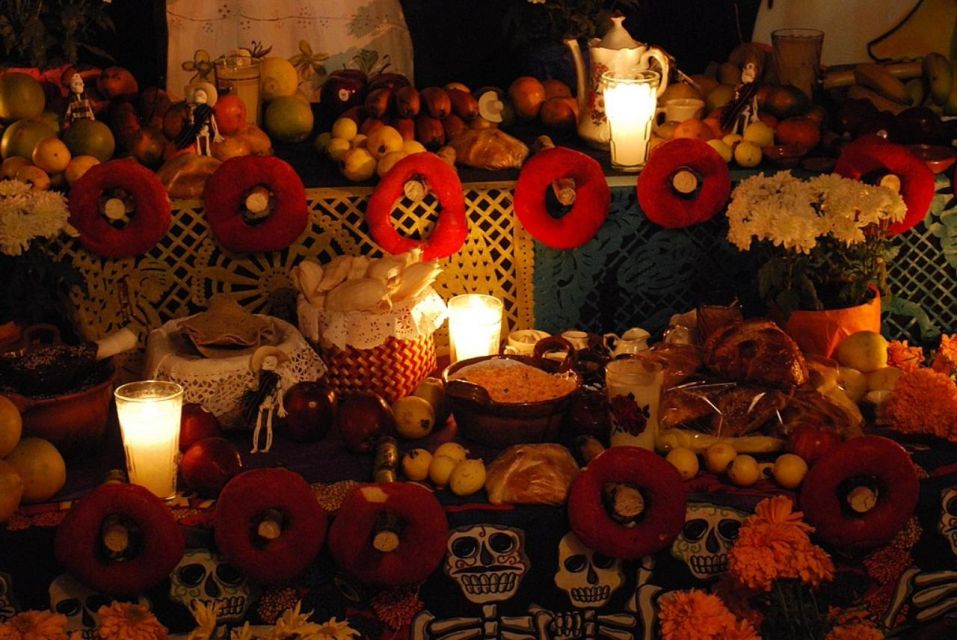
- Ofrenda symbolism explained: how skull imagery, marigolds, candles, and photos work together.
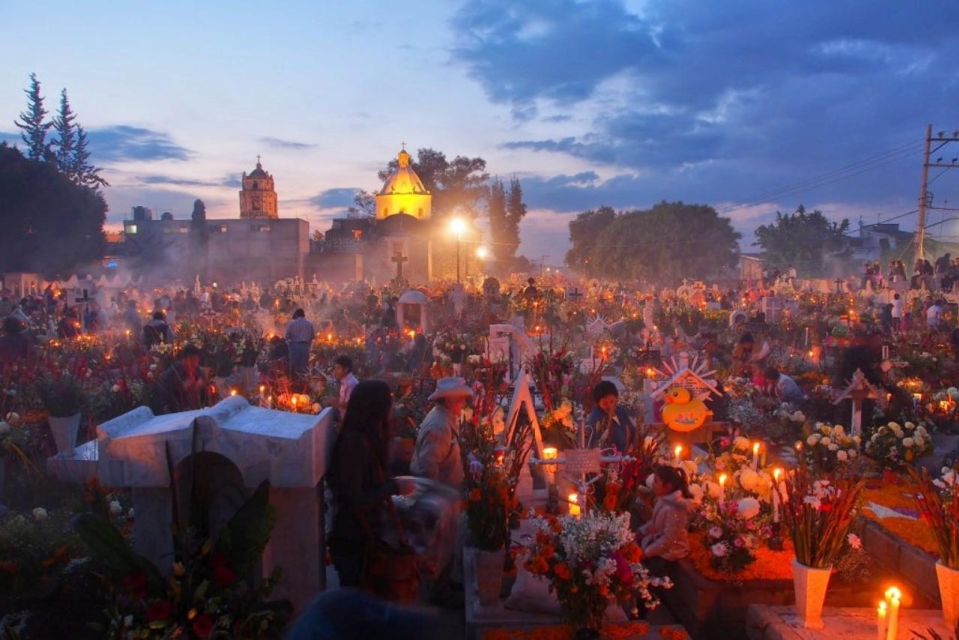
- Cemetery time with families cleaning graves, decorating, lighting candles, and remembering.
- Included pan de muerto and atole, helpful since meals aren’t part of the package.
Why San Andrés Mixquic feels different on Día de Muertos
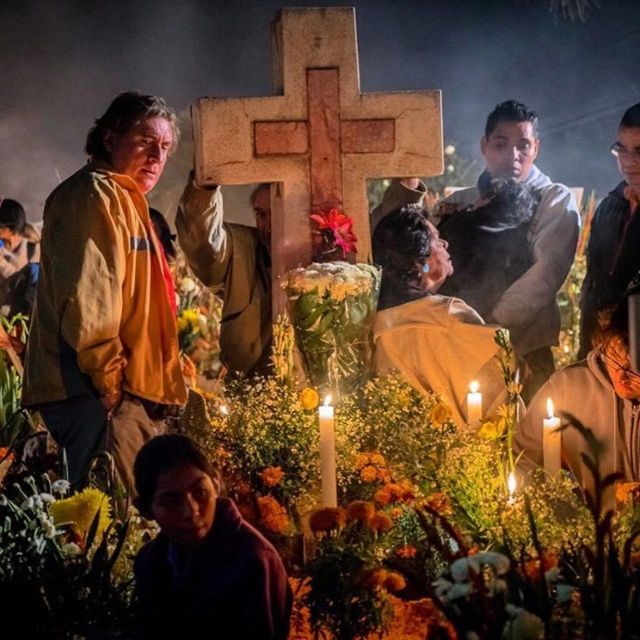
Mixquic doesn’t feel like a staged “show.” You’re in a working neighborhood where Day of the Dead traditions show up in how families prepare graves, set up altars, and spend time with their dead. That’s the main difference you’re buying here: you’re not just looking at decorations—you’re watching the ritual logic behind them.
The early timing is also a big deal. When you arrive before the biggest rush, you’ll get more space to look closely at the ofrendas and more quiet to listen to your guide without competing noise. It’s a small upgrade that changes the whole tone of the day.
You can also read our reviews of more city tours in Mexico City


Getting out of CDMX: the early start and the ride reality
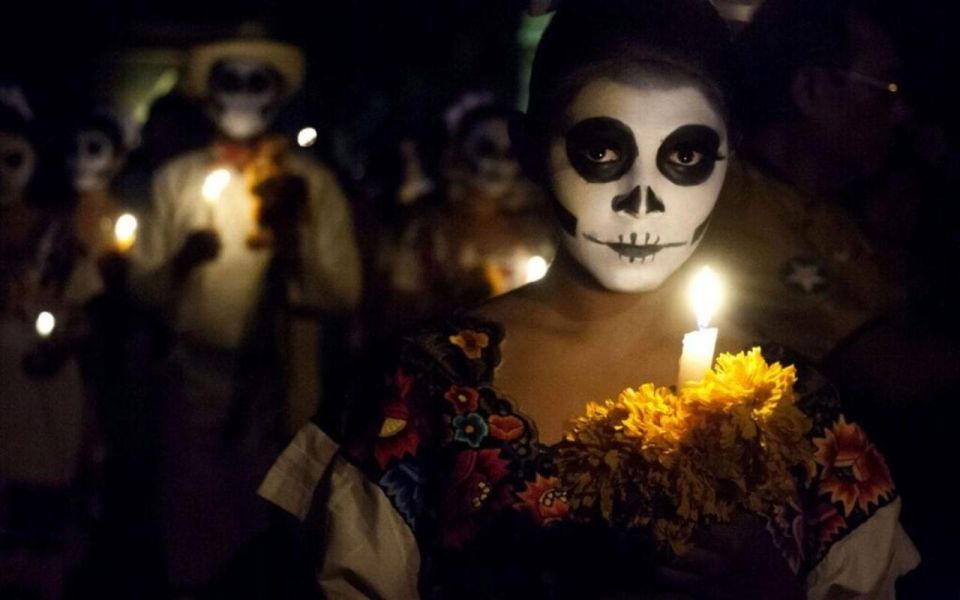
This is a 9-hour day that starts in Mexico City and runs through the Mixquic experience and then back again. The plan is built around getting you to the town before traffic and crowds build, which matters because CDMX traffic can turn “morning plans” into “rolling delays.”
Transportation is in a private vehicle, and that sounds comfortable on paper. Still, comfort seems to depend on the specific vehicle and driver, since not everyone rated it the same way. If you’re picky about ride comfort, it’s smart to treat the transport as a means to an end, not part of the destination.
One practical detail: you meet your guide outside the Lunario del Auditorio Nacional. If you’re choosing pickup, you’ll want your hotel address ready and you’ll want your phone number working on tour day—your guide may need to contact you. If they can’t reach you, the tour is counted as a no-show, so double-check the international dialing prefix and make sure your phone is charged.
Mixquic streets and the pre-Hispanic roots of the Day of the Dead
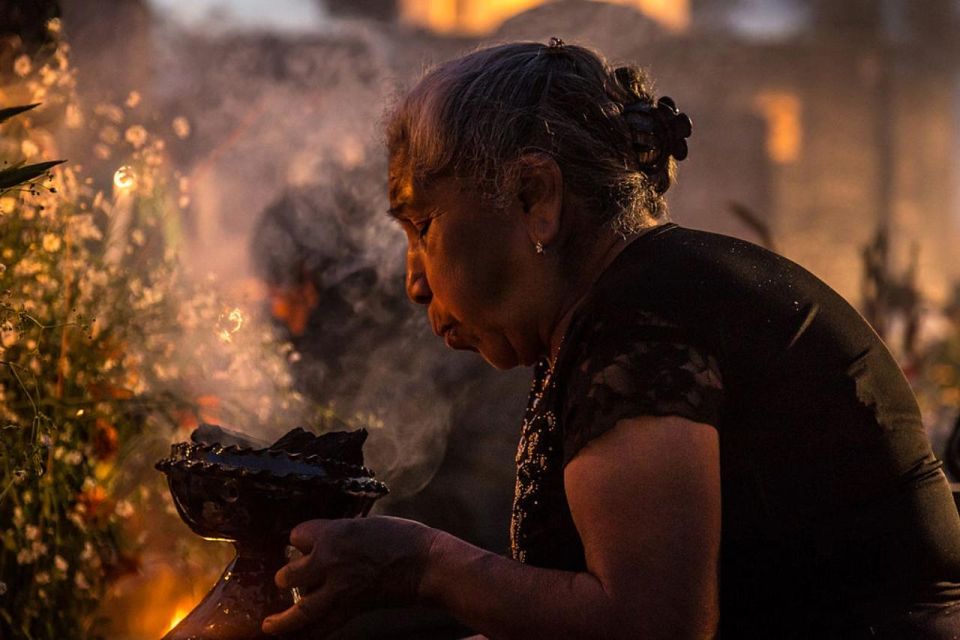
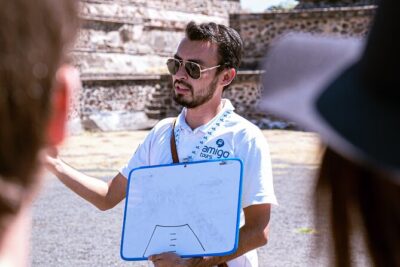
Once you arrive, you’ll spend about 4.5 hours exploring with a local guide. This isn’t just a “walk around and take pictures” slot. The goal is to help you understand why San Andrés Mixquic is considered one of the classic places to experience Día de Muertos in Mexico.
A good part of the value is the framing your guide provides. You’ll learn about connections to pre-Hispanic roots and how those older ideas connect to the altar tradition people practice today. That cultural bridge matters, because without it you can easily miss what the decorations are saying.
You’ll also have time to look around the town itself, including decorated streets and the atmosphere that builds as families prepare for remembrance. Going early helps here too: you’ll likely spend less of that 4.5-hour window fighting crowds for side streets and vantage points.
The ofrenda lesson: skulls, marigolds, candles, and photos
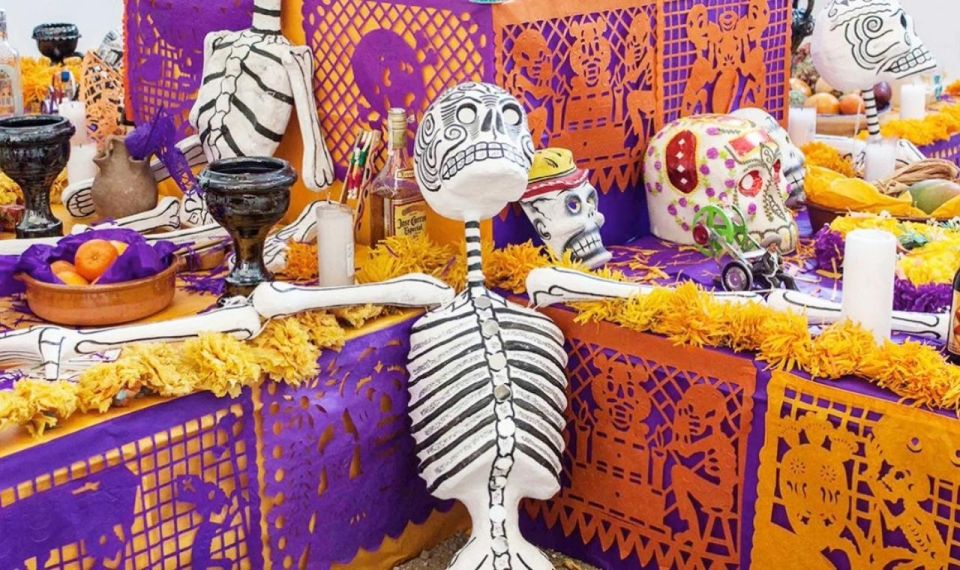
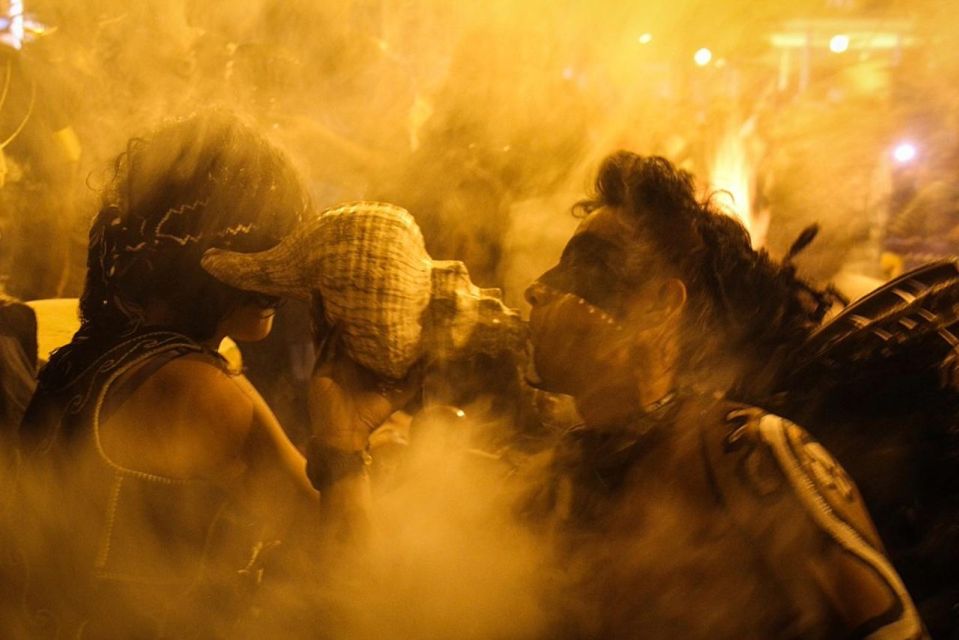
This is the part I think you’ll remember. The tour includes explanation of the key elements you’ll see on altars: colorful skulls, marigolds, candles, and photographs used to honor deceased loved ones.
Instead of treating those objects as decoration, you’ll get the symbolism behind them. That turns what could be a pretty scene into a set of clues. It also makes your photos more meaningful because you know what you’re capturing and why it matters to the people creating it.
One small “quality check” idea for you: if you care about deep cultural context, pay attention early on. Some guides are described as delivering strong explanations (names like Joe come up positively), while other experiences were described as light on tradition detail. When you arrive, listen for how the guide explains the altar’s components—if it feels rushed, focus on what you can still learn and ask your guide a simple question about what you’re seeing.
Cemetery time: when families clean graves and light candles
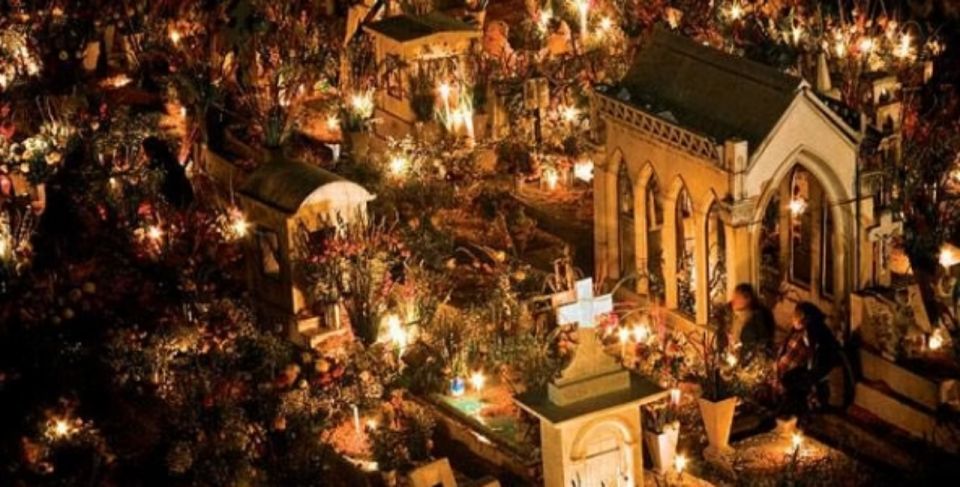
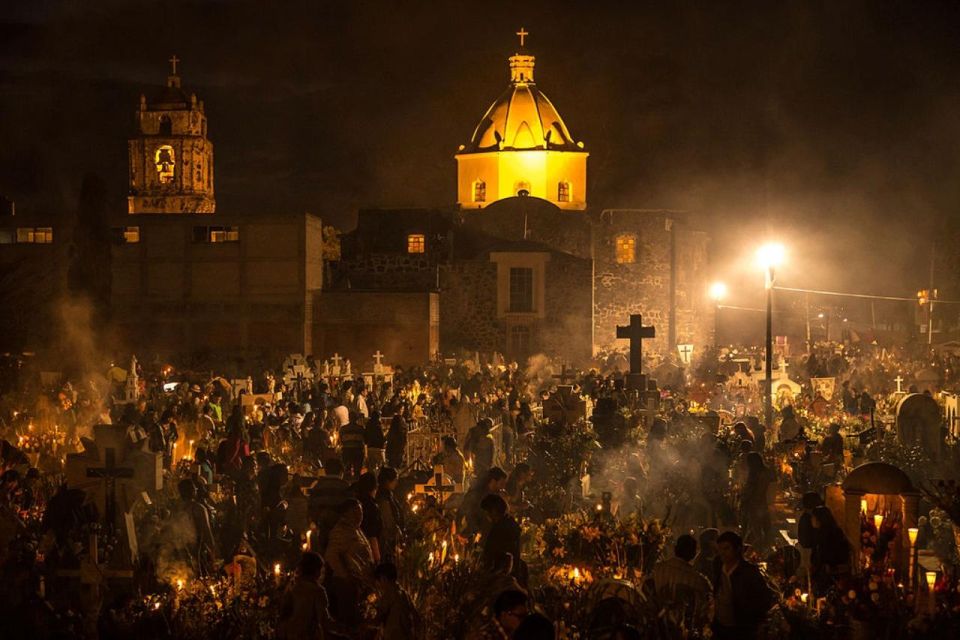
The cemetery visit is the heart of the day. This is where you’ll see families gathering in the cemetery grounds, cleaning and decorating graves, lighting candles, and spending time in remembrance.
This is also where the “respect” factor kicks in. You’re not just witnessing a display. You’re watching a community practice, and the best moments tend to be quiet ones—people adjusting decorations, lighting candles, and sharing space in a way that feels careful and personal.
Timing matters here, too. The tour is designed to help you avoid peak crowds by going earlier, which means you’re more likely to have time to observe without feeling swept along. That’s important because a cemetery is not the place where you want constant pushing and shoving for a photo angle.



The included treats: pan de muerto and atole
You’ll be served pan de muerto and atole as part of the experience. On a long day, I appreciate having at least one planned food moment that doesn’t require you to hunt for something you can eat quickly while you’re stuck in transit.
That said, meals aren’t included beyond those snacks. So plan around the reality that you may want to buy or eat food during breaks or on the ride back. If you’re the type who gets hangry, this is worth factoring into your day.
Guides and groups: what small-group really changes
The tour is set up as a small group. The size is described as up to 15 participants, with some wording also describing a max of 12 in certain contexts. Either way, compared to big bus tours, you’ll likely feel less pressure and more ability to ask questions without shouting.
Guides are multilingual (Spanish, English, French, Italian, German). That’s great if you don’t want to rely on basic translation skills. It also affects how much you’ll understand when the guide explains what you’re seeing.
And here’s the honest part: guide quality can swing the experience. In a positive write-up, people praised a guide as punctual with good length of stay and solid explanations (again, Joe comes up). In negative experiences, the criticism was that traditions weren’t explained well enough, and at least one guide named Flor was said to have provided limited information.
So how do you protect yourself? Ask yourself what you want most. If you want a calm, respectful look with a bit of storytelling, you’ll probably like the format. If you want very detailed teaching every step of the way, be extra attentive to the explanations you’re receiving once you arrive, and don’t be shy about asking a direct question.
Price and value: is $94 worth your day?
At $94 per person for a 9-hour outing, you’re paying for transportation from Mexico City, a local guide experience, and the included snacks. You’re also paying for the earlier access strategy—getting to Mixquic before it becomes a crowd magnet.
So the value equation depends on your priorities:
- If you want the cultural meaning behind altars and you care about how families prepare graves, the guide component is the main value driver.
- If you expected a “guaranteed ceremony” feeling at the cemetery every minute, some people felt the experience didn’t match that expectation when there wasn’t much happening in their time window.
- If you planned to use the day mostly as a food stop, you can get plenty of food options in Mexico City without the long trip. This isn’t a food-only day; it’s a remembrance day.
The best way to think about it: you’re buying context and access to a specific kind of Day of the Dead experience. You’re not buying an all-included meal plan or a guarantee that every visitor will feel the same level of ceremony intensity at the exact time your group arrives.
What to bring (so the day stays pleasant)
Bring:
- Camera
- Cash
- Comfortable clothes
- Comfortable shoes
That last one matters more than usual. A town walk plus cemetery time means you want footwear that doesn’t punish you by hour three.
Also note what’s not allowed: pets and electric wheelchairs are not permitted. If you’re traveling with mobility needs, plan around this before you commit.
The alumbrada note: plan around November 2nd if you can
A key calendar detail: the Panteón de Mixquic welcomes visitors during all three days of the celebration. The special candle event called the Alumbrada takes place specifically on November 2nd, when locals light thousands of candles to honor ancestors.
If you’re choosing dates, this matters. Even if the tour runs on a different day, knowing that November 2 is the candle highlight helps you set expectations about what the cemetery atmosphere may feel like when you arrive.
Should you book this tour in Mixquic?
Book it if you want an early, respectful visit to San Andrés Mixquic with a guide explaining what ofrendas mean and time to watch families decorating graves. The small-group format plus the included pan de muerto and atole make it a solid value for a guided cultural experience.
Consider skipping or choosing a different style of tour if your main goal is heavy “show” energy or if you’re very sensitive to guide-dependent narration. Since experiences can vary, put your focus on finding out (before you go) what level of tradition explanation the guide plans to cover—and then be ready to ask questions on the spot.
If you time it well, expect the day to feel personal. You’re not only sightseeing. You’re learning how a community holds memory in public space, with candles, flowers, and photos that make the whole message plain.
FAQ
How long is the Day of the Dead tour in San Andrés Mixquic?
The total duration is 9 hours.
Where do I meet the guide?
You meet your guide outside the Lunario del Auditorio Nacional in Mexico City.
Is pickup available from my hotel or another location?
Pickup is optional. You can be picked up from your accommodation or another place of your choice in Mexico City.
How big is the group?
It’s a small-group experience limited to around 15 participants.
What’s included in the price?
Transportation in a private vehicle, local guides, and pan de muerto plus atole.
Are meals included?
No. Meals are not included beyond the included snacks.
What languages are the guides?
Live guides are available in Spanish, English, French, Italian, and German.
What should I bring?
Bring a camera, cash, comfortable clothes, and comfortable shoes.
Is there anything I can’t bring?
Pets aren’t allowed, and electric wheelchairs aren’t allowed.
When does the special Alumbrada with thousands of candles happen?
The Alumbrada takes place on November 2nd.
What date is the cemetery open during the celebration?
The Panteón de Mixquic welcomes visitors during all three days of the celebration.