REVIEW · MEXICO CITY
Urban Orchard in Desierto de los Leones in Mexico City
Book on Viator →Bookable on Viator
A quiet garden lesson beats Mexico City traffic. You’ll head into the Urban Orchard area of Desierto de los Leones and learn how a small ecosystem feeds people, birds, and insects at the same time. I especially like the hands-on foraging and tasting—you don’t just look, you smell, touch, and sample what’s ready. I also love the personal hosting style of Rubén and David, who share how they build the space, care for it, and connect specific plants to the health of the soil.
One thing to consider: the experience depends on good weather, since it’s largely outdoors and meant to be enjoyed in real garden conditions.
In This Review
- Key Things You’ll Remember
- From Roma Norte to Desierto de los Leones: the Drive Sets the Tone
- Meeting Rubén and David in a Garden That Actually Works
- Learn the Orchard With Your Senses (Yes, Really)
- Foraging in Real Time, Then Turning It Into Food
- The Soundtrack: Birds, Insects, and Ecosystem Signals
- What You Get for $75: A Practical Value Check
- Timing and How to Plan Your Half Day
- Who Should Book This and Who Might Skip It
- Should You Book the Urban Orchard in Desierto de los Leones?
- FAQ
- What is the meeting point for the Urban Orchard experience?
- How long does the experience take?
- How much does it cost?
- What languages is the tour offered in?
- What’s included in the price?
- Are alcoholic beverages included?
- What are the opening hours?
- Is the experience dependent on weather?
Key Things You’ll Remember
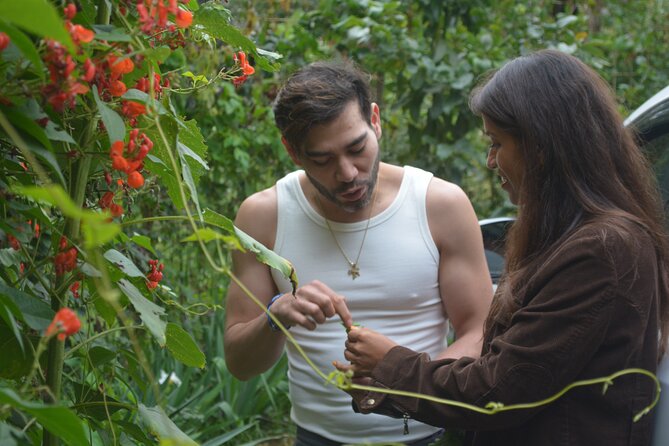
- Rubén and David turn plant talk into a lived-in story, not a lecture
- Sensory learning: sound of insects, leaf scents, and tasting plants on the spot
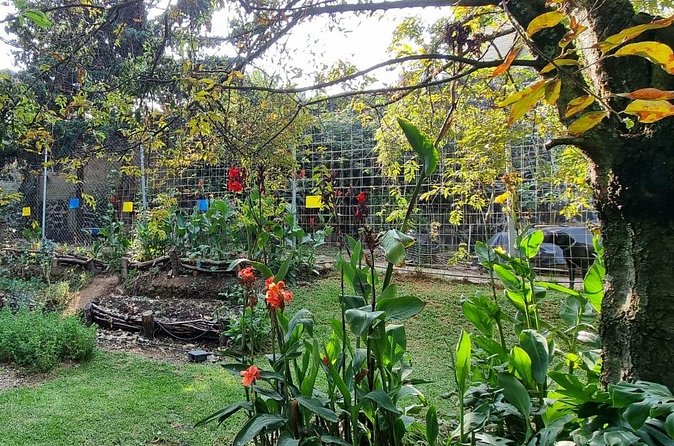
- A working oasis with composting practices and a flock of chickens
- Foraging timed to what’s available during your visit
- A simple cooking moment that helps you turn garden produce into a real meal idea
From Roma Norte to Desierto de los Leones: the Drive Sets the Tone
You meet at Avenida Chapultepec, Roma Nte. (06700, Mexico City). From there, you’ll ride in an air-conditioned vehicle to the orchard area of Desierto de los Leones. The drive takes about 45 minutes to an hour, depending on traffic, which matters because it’s your first step into switching gears from city pace to garden pace.
This is a private tour/activity, so it feels less like a shuffle and more like a shared day out. You’ll also be traveling with an English-speaking guide, and that language piece helps if you want to ask questions while you’re walking among the plants.
You can also read our reviews of more city tours in Mexico City



Meeting Rubén and David in a Garden That Actually Works
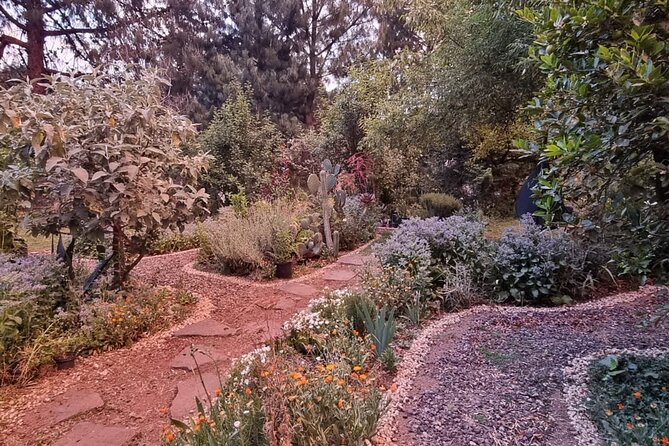
Once you arrive, the orchard isn’t staged like a museum. It’s a real working garden, and that’s a huge part of why this experience feels satisfying. You’ll get to know the trees, plants, and veggies that make up the space, and you’ll also learn the techniques Rubén and David use—methods they adapted, built, or developed as the garden evolved.
Two details really stick with me here. First, the garden isn’t only about edible plants; it also includes ornamental species and local flora with medicinal uses. Second, you’ll hear how they support the whole system, not just individual crops—composting, care routines, and their flock of chickens are part of the daily balance.
It’s not just plant knowledge. It’s the practical mindset behind the plants.
Learn the Orchard With Your Senses (Yes, Really)
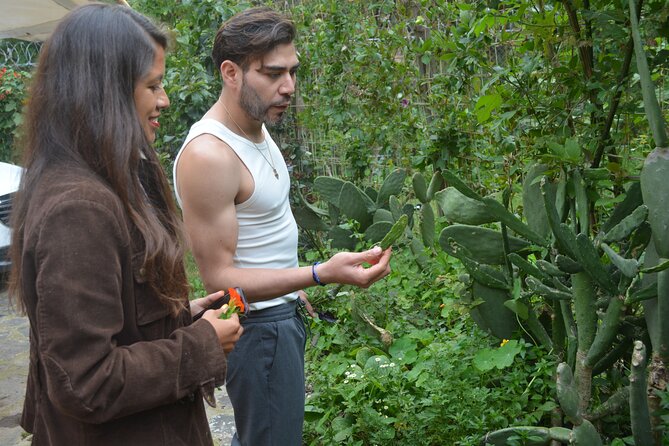
The tour leans hard into more than sight. You’ll explore, listen, and participate. Expect bird and insect activity throughout the day, and you’ll start noticing the orchard as a living system rather than a tidy backdrop.
You’ll also get hands-on with simple sensory tasks that make plant identification stick. The format includes things like crushing a leaf to release fragrance, and yes, tasting certain plants to understand flavor and texture. That kind of approach is what turns “I saw plants” into “I can remember what this plant is like.”
If you’re the type who learns best by doing, this is your style. Even if you’re newer to gardening, the pace is built around curiosity and guided participation.
Foraging in Real Time, Then Turning It Into Food
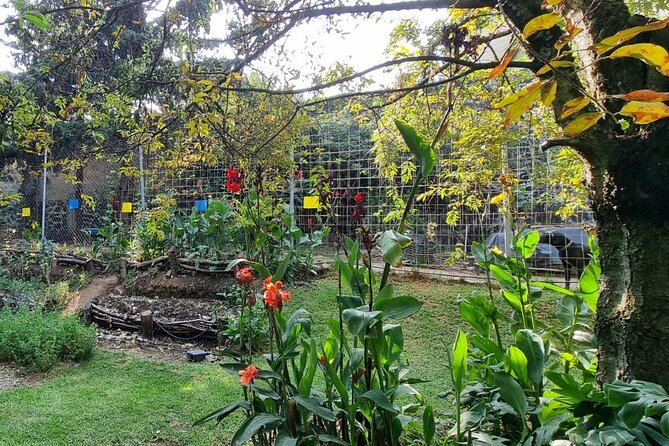
After the initial exploration, you move into the fun part: foraging among what the garden has to offer at that moment. Because gardens change day to day, you’re not following a fixed shopping list. You’re working with seasonal availability as it presents itself during your visit.
Then comes the creativity test. With the freshest produce you’ve interacted with, you’ll imagine a simple but satisfying way to eat it. The goal isn’t to produce a fancy food show. It’s to connect what’s growing to what ends up on a plate, and to leave with ideas you can use at home.
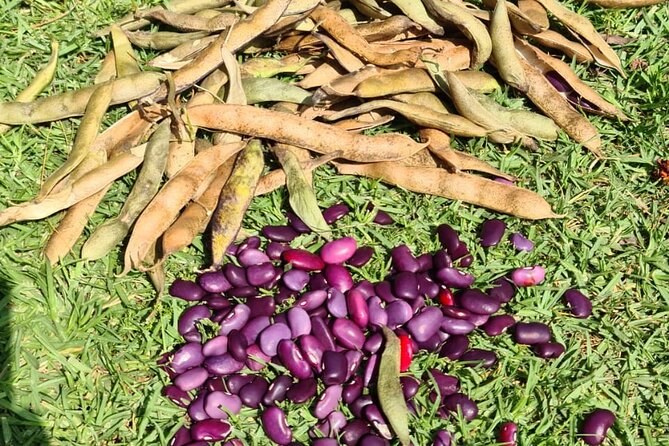
One review example mentioned a lemon-based preparation (oleocitrato de limón). You don’t need to know culinary jargon to enjoy the process. You’re learning how to think like a forager-cook: use what’s available, understand what it tastes like, and build something straightforward.
The Soundtrack: Birds, Insects, and Ecosystem Signals
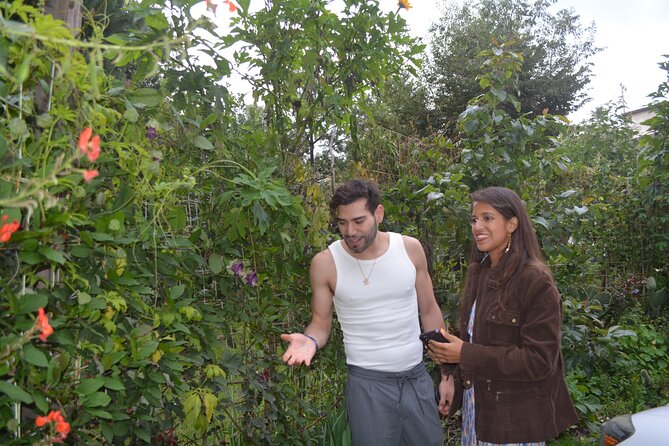
A lot of tours talk about biodiversity. This one helps you notice it. As you walk, you’ll pay attention to the sounds that show up when birds and insects visit the orchard. It’s subtle at first, then suddenly obvious once your attention shifts.
You’ll also learn how species fit into the ecosystem and soil. David explains how different plants contribute to their environment, and that explanation ties back to why the orchard thrives. When you understand that plants aren’t isolated, the garden stops feeling like a hobby and starts feeling like a system you can support.
And when the system is healthy, it shows—through plant vigor, fruit and flavors, and the wildlife it attracts.





What You Get for $75: A Practical Value Check

The price is $75 per person, and on paper it’s a straightforward half-day experience. But the value isn’t only the time. It’s what’s included: an air-conditioned vehicle, coffee and/or tea, and snacks.
What’s missing is also useful to know. Alcoholic beverages aren’t included, so if you want a drink, plan it separately. The tour’s focus is the garden and your senses, not a party.
For a private experience, the price often makes sense when you think about the guide time and the hands-on nature of the activities. You’re not just getting a walk—you’re getting interpretation, tasting, foraging guidance, and help turning produce into a meal idea.
Timing and How to Plan Your Half Day
The tour runs Monday through Saturday from 9:30 AM to 4:00 PM. It’s listed as about 5 hours, and that likely includes travel to/from the orchard plus time in the garden. Since the drive can run 45 minutes to an hour each way (traffic varies), start this day without a tight second plan right after.
Also, this experience requires good weather. If weather turns, you’ll be offered a different date or a full refund, so keep your schedule flexible if you can.
Who Should Book This and Who Might Skip It
This is a great fit if you like:
- plants, native flora, and how people grow food in cities
- tasting and foraging experiences
- a calm escape that still feels hands-on and memorable
It’s also a solid pick if you want inspiration beyond just eating. One key theme is sustainability in practice—composting, using space wisely, and building an urban oasis that supports birds and insects.
You might consider skipping if you strongly prefer a passive experience. This tour asks you to engage with senses and participate. If you hate tasting or hands-on tasks, the value may feel lower, even with the welcoming hosting.
Should You Book the Urban Orchard in Desierto de los Leones?
I’d book it if you want a real, quiet break from Mexico City that still feels active and grounded. The sensory approach is the standout: you’ll leave with clearer plant memories than you’d get from a normal garden walk. Add Rubén and David’s personal hosting, plus the garden’s real ecosystem details—chickens, composting, birds, insects—and you’ve got a day that’s both relaxing and useful.
If you’re deciding between tours, pick this when you want something authentic and slightly hands-on. Bring curiosity, wear comfortable shoes, and plan for time outdoors.
FAQ
What is the meeting point for the Urban Orchard experience?
You’ll meet at Avenida Chapultepec Roma Nte., 06700 Mexico City, CDMX, Mexico. The tour ends back at the same meeting point.
How long does the experience take?
It’s listed as about 5 hours.
How much does it cost?
The price is $75.00 per person.
What languages is the tour offered in?
The tour is offered in English.
What’s included in the price?
Included are an air-conditioned vehicle, coffee and/or tea, and snacks.
Are alcoholic beverages included?
No. Alcoholic beverages are not included.
What are the opening hours?
The experience operates Monday through Saturday from 9:30 AM to 4:00 PM.
Is the experience dependent on weather?
Yes. It requires good weather. If it’s canceled due to poor weather, you’ll be offered a different date or a full refund.