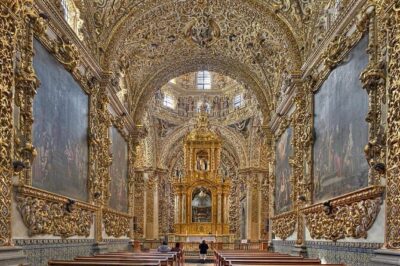
Mexico City has archaeology you can spot. This 4-hour private walk links Tenochtitlán history to major sights in the Historic Center, using mostly street-level viewing, and it keeps your cost down with free-entry stops along the way. I like how the route turns big, abstract history into clear moments you can point at, and I also like the tight timing that fits neatly into a half day. One consideration: all sites are visited from outside, so you won’t get a full indoor museum experience.
This tour is priced at $30.49 per person and runs about 4 hours, with an English offering and a mobile ticket. The overall signal is strong (a 4.6 rating and about 90% recommending it), which usually means the pacing and storytelling land well. If you’re traveling with a baby, it’s not recommended, and you’ll want to be ready for a walking-focused itinerary with multiple stops.
In This Review
- Key highlights I’d plan around
- A half-day plan that focuses on what you can see
- Meeting in the Historic Center and finishing near Palacio de Bellas Artes
- Centro Histórico: where you learn to read the city like a timeline
- What works really well here
- The possible drawback
- Hospital de Jesús Nazareno: short stop, big atmosphere
- Museum of the City of Mexico: learning the setting in a compact moment
- Zócalo: the essentials you should notice without getting lost
- SHCP and the former archbishop’s palace: archaeological windows you can actually see
- Why this stop feels valuable
- Museo del Templo Mayor: understanding the sacred space as a system
- What to expect from this part
- Centro Cultural España en México: seeing the old university of the Mexica elite
- House of Tiles: a beautiful finish to the story
- Price and value: $30.49 for a guided archaeology story you can’t DIY easily
- Language, group style, and practical comfort
- A quick heads-up on reliability
- Who should book this tour
- Should you book Hidden Archaeology in the CDMX?
- FAQ
- How long is the tour?
- Is this tour private?
- What language is offered?
- Are there admission tickets to pay?
- Are the stops inside buildings?
- Where does the tour start and end?
- Can I cancel for a full refund?
- Is it recommended for travelers with babies?
Key highlights I’d plan around
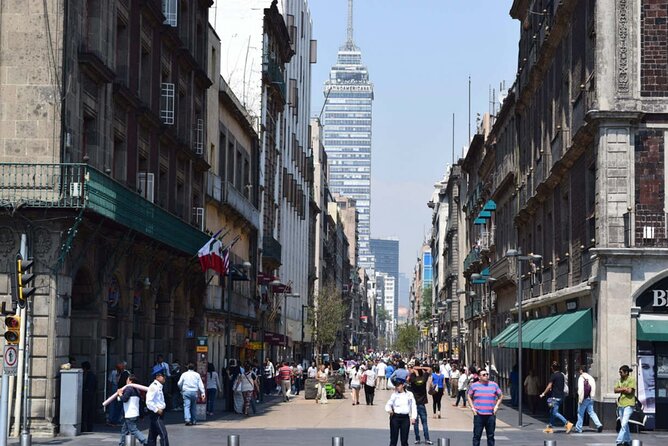
- Street-level archaeology storytelling that keeps you moving and doesn’t require museum interior access
- A Centro Histórico route that frames the fall of Tenochtitlán from the Spanish conquest era perspective
- Archaeological windows at the SHCP site in the area of the former archbishop’s palace
- Templo Mayor explained as a working sacred space (structure and function, not just names)
- Free admission for every listed stop, so your money goes to the guide and the time
- Private tour for your group only, which usually makes it easier to ask questions and keep your pace
A half-day plan that focuses on what you can see
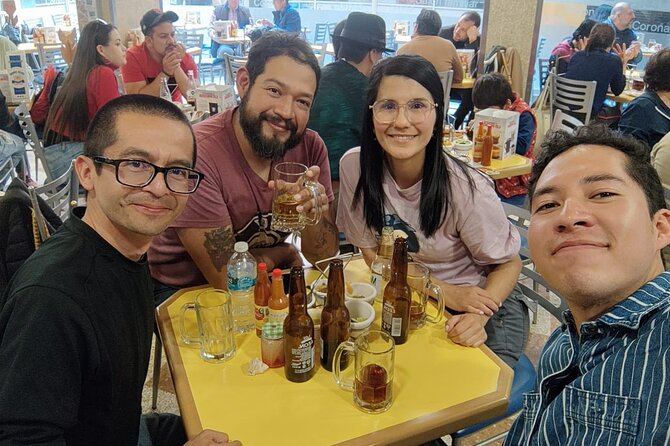
This is the kind of tour I like when I want meaning fast. Instead of hopping between far-flung ruins, you get a concentrated Historic Center path that ties archaeology to everyday city geography.
It also helps that the experience is designed to be mostly outside. That matters because Mexico City’s energy is real: you can spend time waiting, buying, or rerouting if you’re doing this on your own. Here, you’re guided to the points where the story connects to the street.
You can also read our reviews of more tours and experiences in Mexico City.


Meeting in the Historic Center and finishing near Palacio de Bellas Artes
Your tour starts at José María Izazaga 129, Centro Histórico, and it ends near Plaza del Palacio de Bellas Artes. That end point is practical: even if you still want museums, cafés, or just a stroll afterward, you’re dropped into a lively cultural zone.
The schedule is also friendly for planning. With a duration of about 4 hours, you can pair it with another activity before or after without feeling like you’ve locked your whole day.
You’ll have a mobile ticket, and you should receive confirmation at booking time. It’s also said to be near public transportation, which reduces stress when you’re trying to fit this into a busy itinerary.
Centro Histórico: where you learn to read the city like a timeline
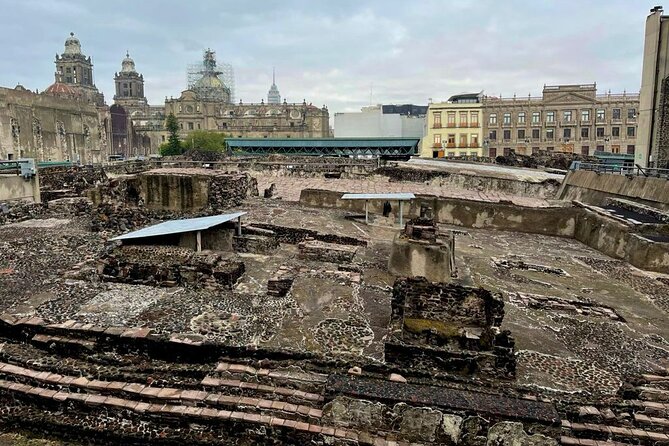
The first stop is the Historic Center (Centro Histórico). This is the big opener: you visit multiple points of archaeological and historical interest that people often miss while they’re moving fast through the city.
The core idea here is simple. You’re meant to imagine what Mexico Tenochtitlán was like, and then understand the city’s fall during the Spanish conquest era, including the roles played by indigenous allies. Even though you’re viewing from outside, the guide framing is what turns scattered landmarks into a connected story.
What works really well here
- You get context without needing to enter every site. That keeps the pace from turning into lines and paperwork.
- The story is chronological in feel. You’re not just learning facts; you’re building a mental map of how one era leads to the next.
The possible drawback
If you’re hoping for deep museum-style interpretation inside buildings, this first segment may feel more like a guided “look-and-learn” walk than a traditional indoor history lesson. The tour’s strength is outside viewing with explanation, not full-ticket museum time.


Hospital de Jesús Nazareno: short stop, big atmosphere
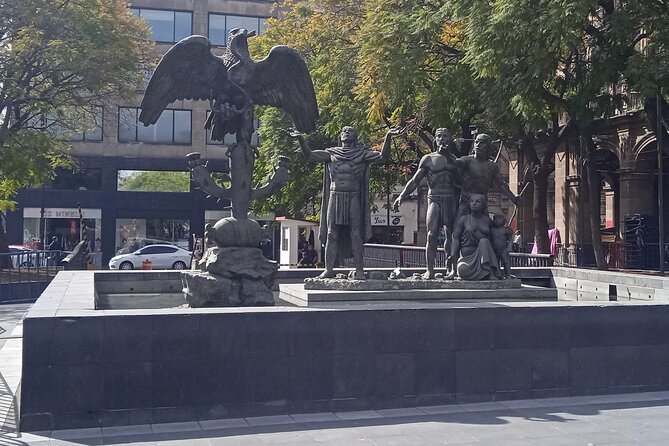
Next you head to Hospital de Jesús Nazareno for about 10 minutes. The time is brief, but the focus is specific: the guide explains the hospital’s history, along with the magic people associate with the site.
That mix is useful. It gives you a cultural layer beyond pure dates. Even if you don’t fully buy into the mystical framing, you still come away understanding that places in Mexico City often hold multiple meanings at once: practical, spiritual, and legendary.
Museum of the City of Mexico: learning the setting in a compact moment
After that comes a stop at the Museum of the City of Mexico (Museo de la Ciudad de Mexico). You spend around 10 minutes here, with emphasis on the building as a container for Mexico City’s history.
This is one of those stops that works best if you treat it like a mental reset. You’re not here for a long exhibit session. You’re using the location to anchor your understanding of the city you’re already walking through.
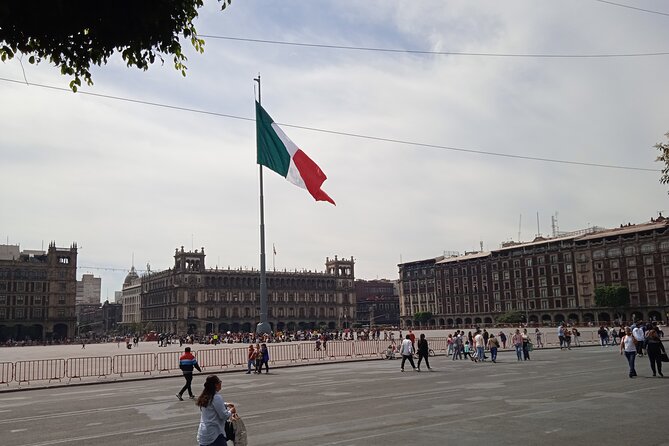
Zócalo: the essentials you should notice without getting lost
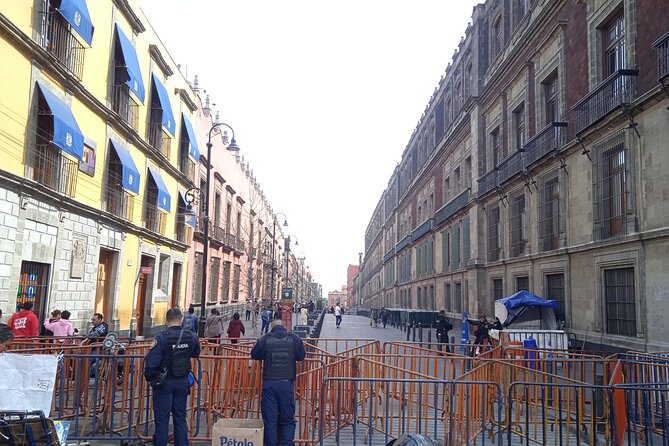
Then you’re at the Zócalo for about 20 minutes. The tour is described as pointing out some of the most relevant details of this iconic site.
This matters because the Zócalo can overwhelm you if you don’t know what to look for. A guided highlight moment helps you get your bearings fast, instead of spending your time just watching the crowd.
SHCP and the former archbishop’s palace: archaeological windows you can actually see
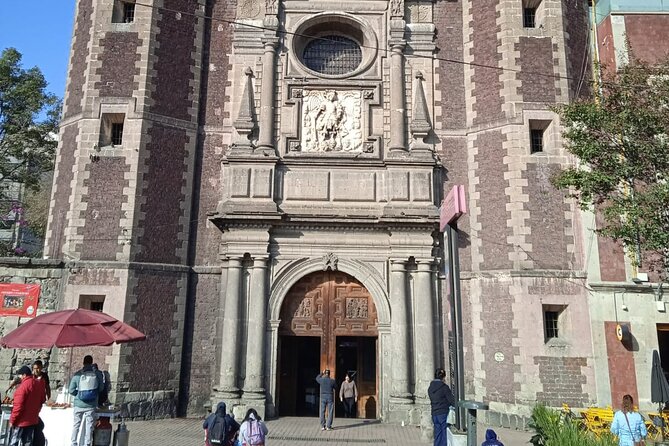
One of the more intriguing parts of the route is the Museo de Arte SHCP (Antiguo Palacio del Arzobispado). You’ll spend about 20 minutes here, and the key feature is a series of archaeological windows in the area.
This is where the tour’s title makes sense. You’re given a way to visualize layers of earlier life inside the modern city fabric. Even without entering anything, these windows are a practical device: they show you that the ground beneath the city is part of the story, not just background.
Why this stop feels valuable
You get an “aha” experience. Instead of thinking of ruins as distant things you travel to, you start understanding them as something built into the city you’re standing in. That’s a big shift in perspective, and it’s hard to get quickly on your own unless you already know exactly where to look.
Museo del Templo Mayor: understanding the sacred space as a system
Next is Museo del Templo Mayor, around 30 minutes. This stop focuses on how the sacred space of the Aztecs worked and what its structure was like.
Because this is a guided explanation tied to what you can view from outside, it’s best thought of as interpretation and orientation. You’re learning the idea of function—how the space was organized and why it mattered—rather than treating it like a checklist of artifacts.
What to expect from this part
- The guide explanation is the main value here.
- The viewing aspect gives you grounding so the concepts stick, even if you don’t go inside for a longer session.
Centro Cultural España en México: seeing the old university of the Mexica elite
Then you visit the Centro Cultural España en México for about 20 minutes. The framing here is that it’s the old university of the Mexica elite.
This is one of those stops where the building’s modern role and its older purpose overlap in your mind. If you’re the kind of traveler who likes to connect past and present in the same frame, you’ll appreciate it.
House of Tiles: a beautiful finish to the story
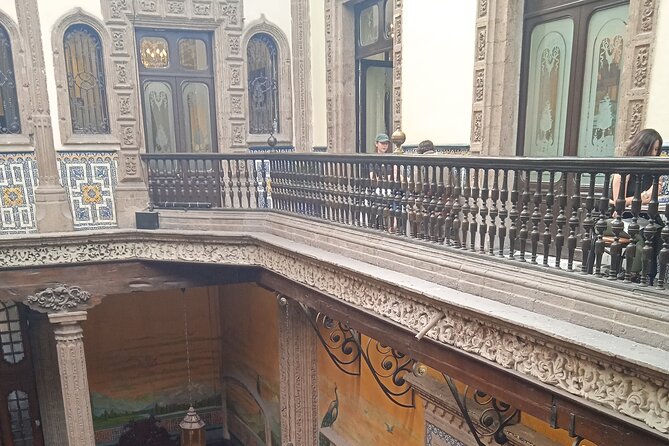
Finally, you end with the House of Tiles for about 15 minutes. It’s described as one of the most beautiful houses in the Historic Center, and it’s a strong way to cap the tour: you shift from learning systems and sacred spaces back to aesthetics and everyday craft.
Short finale stops are a smart design choice. By the last 10–20 minutes, your brain is usually ready to store images as much as information. This one gives you that.
Price and value: $30.49 for a guided archaeology story you can’t DIY easily
At $30.49 per person, the big value isn’t that you’re paying for entry tickets—each stop lists free admission. The real cost is the guide’s interpretation and the convenience of a prepared route that ties archaeological ideas to real locations.
In plain terms, you’re buying:
- A structured route through multiple major points in the Historic Center
- Time-saving guidance so you don’t have to figure out what’s worth your attention
- Interpretation that connects pre-Hispanic context to later history, including the Spanish conquest era framing
If you like to learn by walking and looking, this price makes sense. If you only care about museum interiors and long exhibit time, you might feel like the “outside viewing” approach leaves you wanting more.
Language, group style, and practical comfort
The tour is offered in English, and it’s listed as a private tour/activity, meaning only your group participates. Private can be a real advantage with history tours because you can ask quick follow-ups without feeling rushed.
It’s also said to be near public transportation, so getting there is usually manageable. And since the route has eight stops with short time blocks, you’ll want to be comfortable moving at a steady pace.
One more practical point: the tour is not recommended for people with babies. Even if a stroller could be maneuvered, the multi-stop rhythm and outside viewing is likely to feel slow or stressful.
A quick heads-up on reliability
Most experiences go well—your odds look good with the 4.6 rating and about 90% recommendation rate. Still, one real risk showed up in an account where the guide didn’t arrive and the group waited for an hour without a message.
That doesn’t mean it’s common, but it does mean you should do the sensible thing: double-check your meeting details ahead of time and be ready to wait for a reasonable amount of time. If you don’t receive confirmation or updates as the start time gets close, you’ll be glad you planned to handle it calmly.
Who should book this tour
I think you’ll enjoy this most if you:
- Want archaeology and pre-Hispanic context without committing to long museum sessions
- Prefer a guided route with short, meaningful stops
- Like learning history through what you can physically see from the street
- Are comfortable walking through the Historic Center for about four hours
I’d think twice if you:
- Need fully indoor access or long exhibit time at each site
- Are traveling with a baby (it’s not recommended)
- Want a deep, artifact-by-artifact museum format rather than guided viewing and explanation
Should you book Hidden Archaeology in the CDMX?
Yes, if your goal is a focused half-day street-level archaeology story in the Historic Center, with free admissions and a private English guide. The route is built to connect key places—Centro Histórico, Zócalo, Templo Mayor context, and archaeological windows—into one coherent narrative.
I’d only skip it if you strongly prefer indoor museum time, or if your situation makes baby travel a challenge.
If you’re trying to choose one history experience that gives you the city’s layers in a manageable timeframe, this is a solid bet.
FAQ
How long is the tour?
It lasts about 4 hours.
Is this tour private?
Yes. It’s private, and only your group participates.
What language is offered?
The tour is offered in English.
Are there admission tickets to pay?
Admission is listed as free for each stop.
Are the stops inside buildings?
All sites are visited from outside.
Where does the tour start and end?
It starts at José María Izazaga 129, Centro Histórico de la Cdad. de México, and ends in the Plaza del Palacio de Bellas Artes.
Can I cancel for a full refund?
Yes. You can cancel up to 24 hours in advance for a full refund.
Is it recommended for travelers with babies?
No. It’s not recommended for people with babies, and it’s preferably not going with babies.