REVIEW · MEXICO CITY
CDMX: Museum of Memory and Tolerance – Anne Frank (Entrance ticket)
Book on GetYourGuide →Operated by Museo Memoria y Tolerancia · Bookable on GetYourGuide
A visit to CDMX’s Anne Frank exhibition hits with quiet power. I love the way the Frank family hiding place model turns a heavy story into something you can understand fast, and I love the Anne Frank House collaboration feel that keeps the message grounded. One heads-up: it’s not set up for long, casual breaks since food and drinks are not allowed and audio recording is off.
This is the kind of museum stop where Anne Frank’s words do most of the work. You’ll be facing the Holocaust through the lens of memory and tolerance, with a strong focus on hope and the idea that small actions matter, even when the world feels unfair. If you want a calm, thoughtful pacing, this exhibition’s structure helps.
Your ticket covers the Anne Frank Temporary Exhibition only, in the Museum of Memory and Tolerance in Greater Mexico City. The time is flexible in practice, but it’s listed as a 1-day experience, and the site is wheelchair accessible—so you can plan it as a focused museum hour or stretch it into a longer, slower visit.
In This Review
- Key highlights at a glance
- Why Anne Frank. Notes of Hope lands so well in CDMX
- The star attraction: model and replica of the Frank hideout
- The exhibition experience: photos, rooms, and a thoughtful pace
- Rules that shape your visit (and how to plan around them)
- How to fit it into a 1-day museum plan in CDMX
- Price and value: why a $7 ticket makes sense here
- Who should book—and who should reconsider
- Should you book this CDMX Anne Frank ticket?
- FAQ
- What does the ticket include?
- How long should I plan for this experience?
- Where is this museum experience?
- Is it wheelchair accessible?
- Are children allowed?
- What is not allowed inside?
Key highlights at a glance
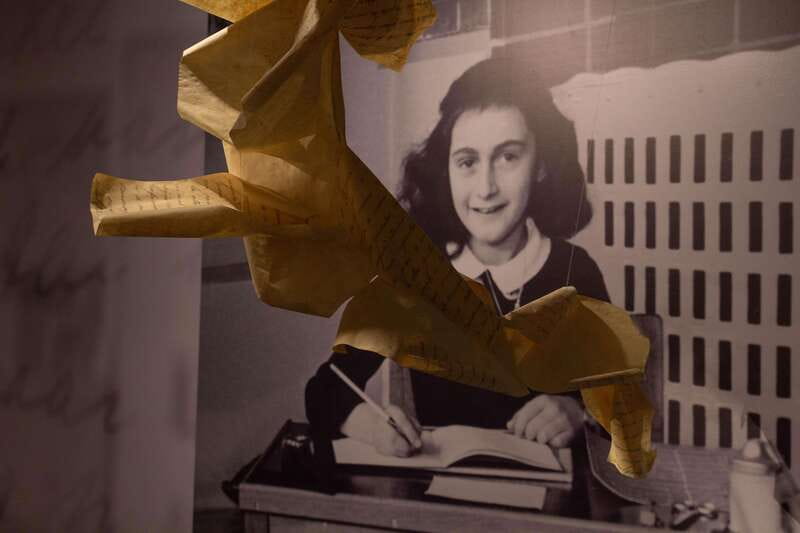
- Frank hideout model and replica: You’ll see a physical model and a replica of where the Frank family hid.
- Collaboration with the Anne Frank House: The exhibition connects CDMX to Amsterdam’s ongoing work preserving Anne’s legacy.
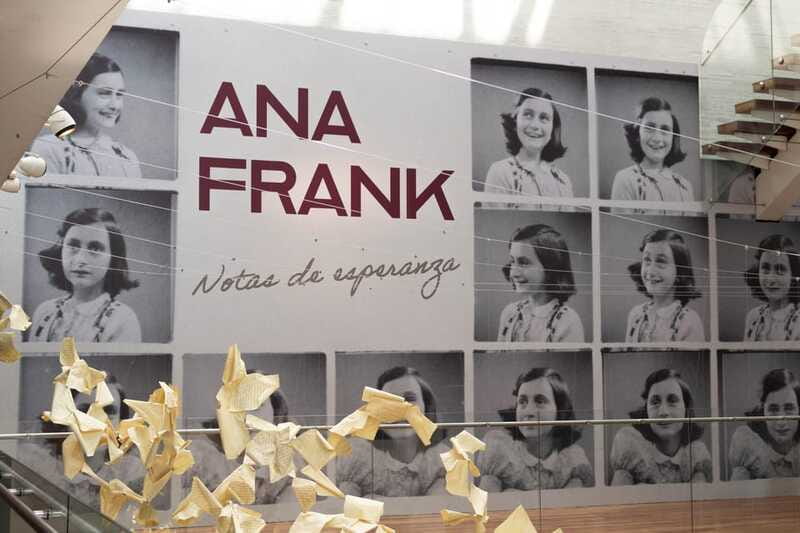
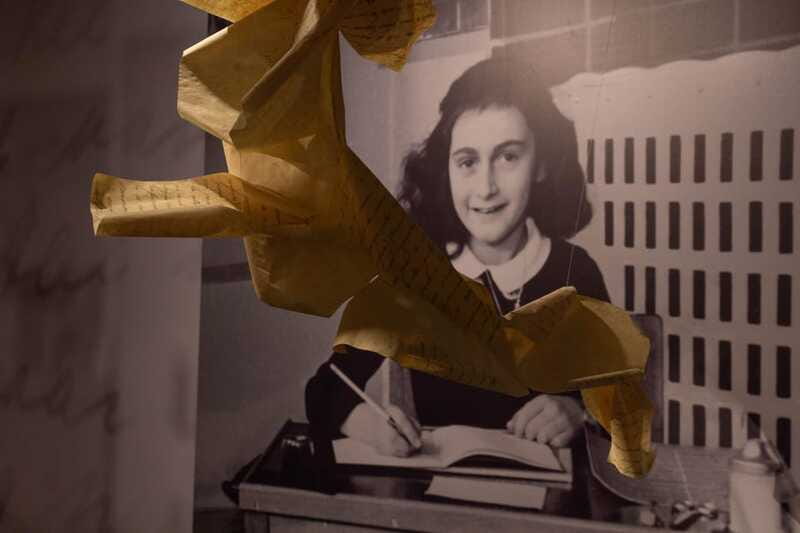
- Photos and strong exhibition content: The story comes through clearly, with visuals that make the history easier to hold in your head.
- Hope as the main thread: It’s not just tragedy; it pushes you to think about protection, resistance, and doing something.
- Serious rules that protect the experience: No food, no flash, no alcohol/drugs, and no audio recording.
Why Anne Frank. Notes of Hope lands so well in CDMX

Anne Frank’s story has been told a thousand ways. Here, what matters is the emotional math: a child’s voice inside a system designed to crush hope. That contrast is why I think this exhibition stays with you. You don’t just learn what happened—you feel how fragile dignity can be, and how powerful it is when people choose to protect others.
The museum frames the exhibition around memory and tolerance. That sounds broad, but in practice it means you keep circling back to two ideas: the victims of the Holocaust deserve remembrance, and the lessons are not meant to stay in the past. The exhibit also highlights how language—hate speech and division—can do real harm, long before violence shows up.
One more thing I appreciate: the exhibition doesn’t treat Anne’s life as distant history. It brings in the idea that, even while hiding, Anne never lost faith in humanity. The message isn’t passive. It lands on responsibility: look away less, help sooner, and don’t wait for perfect conditions.
If you’re going to be in Greater Mexico City anyway, this is one of the more meaningful cultural stops you can add without needing a full-day museum marathon.
You can also read our reviews of more tours and experiences in Mexico City



The star attraction: model and replica of the Frank hideout
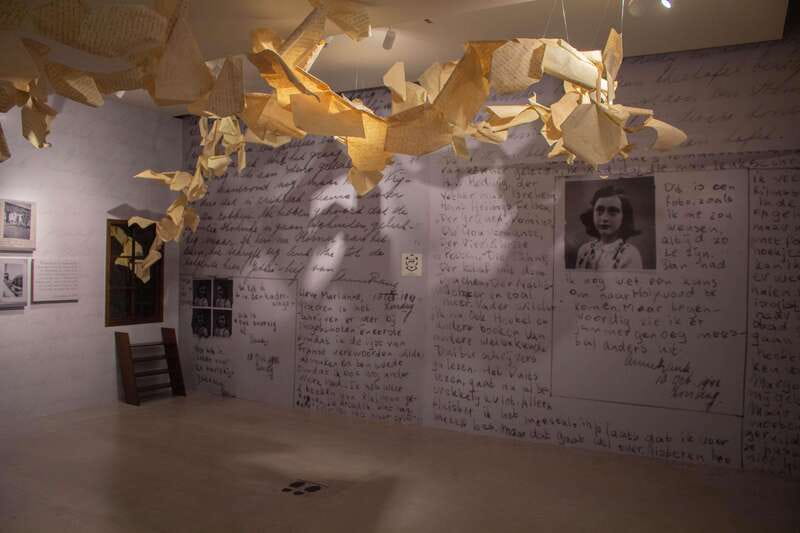
The most concrete, hands-on part of the exhibit is the model and the replica connected to the Frank hideout. This is exactly the kind of feature that turns abstract history into something your brain can actually picture.
Here’s why that matters for you: when the subject is hiding—fear, concealment, silence—people often struggle to imagine the layout. A model helps you understand space. A replica helps you understand scale. Together, they give you a mental map so the story stops feeling like a summary and starts feeling like a real place.
I’d plan extra time at these sections. Don’t rush through just because you think you already understand the concept. The whole point is that you’re learning how someone lived in a tight, controlled reality. Spending even 10 minutes longer here can make the rest of the exhibition click.
Also, because the show is built around Anne’s words and the context around them, the hideout visuals aren’t just set dressing. They work like anchors. When the exhibit later talks about bravery, indifference, and protection, you’ll have that physical reference point in mind.
The exhibition experience: photos, rooms, and a thoughtful pace

The exhibition uses photos and content in a way that feels organized and clear. I like that. You’re not stuck decoding chaos. Instead, you get a guided sense of the story’s direction—how events unfolded, what choices were made, and how hope kept appearing despite the pressure.
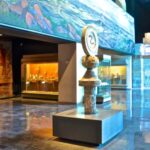
The museum rooms themselves tend to feel designed for this kind of storytelling. In practical terms, that means you’re likely to move through the exhibition without constant backtracking or “where do I go next?” confusion. You can keep your focus on what you’re seeing.
If you prefer a little more context, a guided visit can make a real difference. One of the strongest themes in the feedback I’ve seen is that when a guided visit happens, it becomes more than an entry ticket—it becomes explanation, pacing, and clarity. Even if you don’t go with a guide, I suggest you treat your time like you’re choosing to pay attention, not just to pass through.
A good rule for this exhibit: read enough to understand the idea, then pause long enough to let the emotion settle. This museum topic rewards that slower rhythm.
Rules that shape your visit (and how to plan around them)
This exhibition has a strict “keep the focus on the story” set of rules. They matter because they change how you should prepare your day.
What’s not allowed:
- Food and drinks
- Flash photography
- Alcohol and drugs
- Audio recording
Also, it’s not suitable for children under 12.
So, here’s the practical approach I’d take for you:
- Eat before you arrive. Since food and drinks aren’t allowed, plan a proper meal nearby rather than trying to snack inside.
- Keep your phone use in mind. No flash means you’ll want to disable it.
- Don’t plan on filming or recording. Audio recording is out, so expect your experience to be fully in-person.
None of these rules ruin the visit. They actually help preserve the tone. But they do mean you should treat it like a serious museum experience, not a pop-in and scroll session.
How to fit it into a 1-day museum plan in CDMX

The ticket is valid for 1 day, with starting times depending on availability. That’s a blessing because you can slot it into a normal travel rhythm.
A smart day plan looks like this:
- Pick a time early enough that you’re not racing your energy level.
- Give the Anne Frank Temporary Exhibition the center of the schedule.
- Build a buffer afterward so you can process, not just relocate.
Since the ticket covers the temporary exhibition only, you’re essentially choosing a focused experience, not a whole-museum crawl. That can be a huge value if you want meaning without overloading your schedule.
Transportation note: the Museum of Memory and Tolerance is in Greater Mexico City. Plan your route with realistic traffic time. CDMX can be unpredictable, and you don’t want to cut your exhibition time short because you underestimated travel.
If you’re combining it with other stops, I’d pair it with something calm afterward—maybe a meal with a quiet pace—so you don’t immediately go from heavy themes to noisy chaos.
You can also read our reviews of more museum experiences in Mexico City


Price and value: why a $7 ticket makes sense here
At $7 per person, this is priced like an accessible entry ticket, not a splurge. But the real question is value: what do you get for that price?
You get access to the Anne Frank Temporary Exhibition only, which is actually part of why the value feels good. You’re paying for a concentrated, high-impact experience rather than something sprawling where you might spend half your time just navigating.
And the exhibition includes the elements that people most remember:
- the collaboration connection to the Anne Frank House in Amsterdam
- the model and replica of the hideout
- the story delivery through photos and clear content
- the hope-centered message that keeps the exhibit from becoming only grim
Add those pieces together and $7 feels fair. You’re not buying a short show and moving on. You’re buying time with a message that needs attention.
Also, if you like flexibility, there’s free cancellation up to 24 hours in advance for a full refund, and you can reserve now and pay later. That makes it easier to match the ticket to your actual day once your plans settle.
Who should book—and who should reconsider
This is a strong fit if:
- you want a museum experience with moral clarity and a clear message
- you appreciate historical storytelling that connects past events to present-day issues
- you like exhibits where physical elements—like the hideout model and replica—help you understand the story
It might be less ideal if:
- you’re bringing kids under 12, since it’s not suitable for that age group
- you’re hoping to snack while you go, since food and drinks are not allowed
- you need audio recording or filming as part of how you learn, because audio recording is not permitted
Wheelchair accessibility is listed, so mobility shouldn’t be the barrier it sometimes is with older museum spaces. If you use mobility assistance devices, you can plan without extra stress beyond standard arrival time.
Should you book this CDMX Anne Frank ticket?
If you want one museum stop in CDMX that feels meaningful, focused, and worth your attention span, I’d book it. The exhibition delivers the core story through strong visual content and the most important practical element: the hideout model and replica that turn theory into understanding.
I’d especially recommend it if you’re the type of traveler who likes to leave a museum with more questions than you arrived with—in a good way. This one leans toward hope and action, not just remembrance.
Skip it only if you know you’ll feel uncomfortable with strict rules (no food, no audio recording) or if you’re traveling with children under 12.
FAQ
What does the ticket include?
Your admission ticket gives you access to the Anne Frank Temporary Exhibition only.
How long should I plan for this experience?
It’s listed as a 1-day experience.
Where is this museum experience?
It takes place in Greater Mexico City, Mexico at the Museum of Memory and Tolerance.
Is it wheelchair accessible?
Yes, it’s wheelchair accessible.
Are children allowed?
It’s not suitable for children under 12.
What is not allowed inside?
Food and drinks, flash photography, alcohol and drugs, and audio recording are not allowed.