REVIEW · MEXICO CITY
Teotihuacan: The myth of the gods + secret murals (New route)
Book on Viator →Operated by Kactus Free Walking Tour · Bookable on Viator
Teotihuacan hits hard when you see it before the crowds. This new route strings together the myth of the gods, the best-preserved parts of the site, and the color secrets behind the murals—plus workshops where you can pick up meaningful souvenirs instead of random trinkets. What I love most is the mix of monuments and explanations that connect Teotihuacan to later traditions, and even the more surprising stories people tell about links to Egypt.
You’ll also like that the day is timed for comfort: early entry helps with photos and calmer walking, then you move through the key areas at a steady pace. One thing to plan for: there’s real walking and a climb at the Moon Pyramid, so bring solid shoes and expect uneven ground.
In This Review
- How the day actually flows
- Key things to know before you go
- Entering Teotihuacan with an early-start mindset
- Stop 1: Moon Pyramid climb (and why the timing matters)
- Stop 2: Pyramid of the Sun and the Avenue of the Dead walk
- Stop 3: Palacio de Zacuala and the secret-mural angle
- Stop 4: The citadel, Quetzalcoatl, and the myths that shaped the city
- Stop 5: Cochineal and plant pigments workshop (how colors were made)
- Workshops for souvenirs: obsidian and silver without losing your time
- Transportation and group size: why it feels efficient
- Price and value: what you’re really paying for
- Practical tips so the pyramids feel fun, not hard
- Should you book this Teotihuacan route?
- FAQ
- What language is the tour offered in?
- How long is the Teotihuacan experience?
- Is transportation included?
- Are entrance fees included?
- Does the tour include any workshop?
- Where is the meeting point and what time does it start?
- Is there a limit on group size?
How the day actually flows
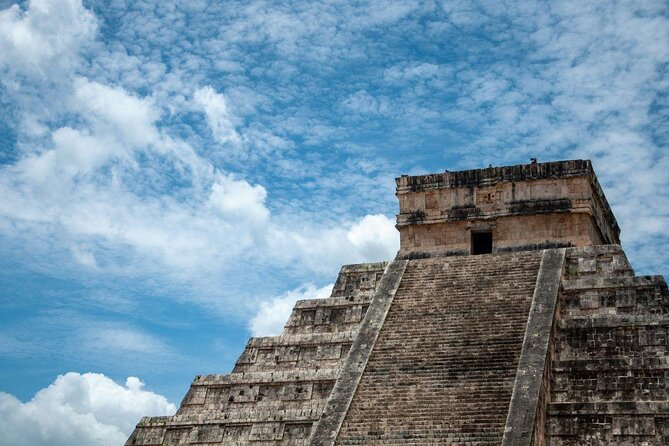
The itinerary is built around motion: climb, walk the Avenue of the Dead, then slow down for murals and myths that make the place feel less like ruins and more like a lived-in city. Guides like Jose and Ricardo (with Dani also helping shape the day) are known for sharp storytelling and staying enthusiastic about details, which matters when you’re spending hours in the sun.
A possible drawback: if your pickup gets mixed up at the start, it can throw off your rhythm immediately—so confirm your exact meeting spot and arrive a few minutes early.
Key things to know before you go
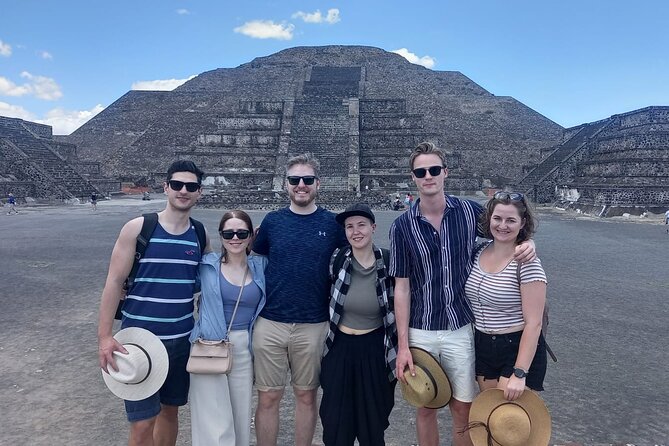
- Early Moon Pyramid time so you can get photos and clear explanations before it gets hectic
- Avenue of the Dead to the 65-meter Pyramid of the Sun with context that makes the scale feel real
- Palacio de Zacuala murals in a less crowded, more “inside-the-story” part of Teotihuacan
- Citadel + Quetzalcoatl temple focus where myths become geography
- Cochineal and plant pigments demo that turns mural color into a practical lesson
- All-in transport and entry handled for you, with a small group cap (up to 19)
You can also read our reviews of more tours and experiences in Mexico City.


Entering Teotihuacan with an early-start mindset
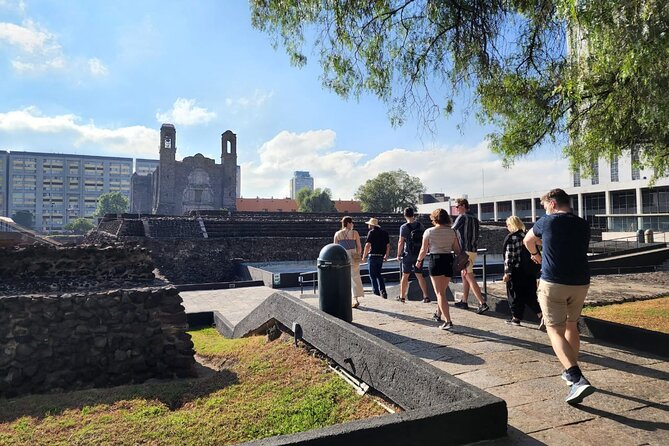
I like tours that treat morning as a strategy, not just a schedule. Starting early gives you room to breathe at the Moon Pyramid and keeps the mood more thoughtful. The site can get busy, and busy ruins make it harder to absorb explanations and harder to get uncluttered pictures.
Your day begins with a round-trip transportation setup and a clear meeting point at Frontón México, Av. de la República 17, Tabacalera (Cuauhtémoc), right at 8:15am. This matters because Teotihuacan isn’t just “nearby”—logistics decide whether you enjoy the experience or spend it negotiating timing.
This is also offered in English, with a mobile ticket. If you’re the kind of person who hates paper tickets and last-minute phone scrambles, that’s a real convenience.
Stop 1: Moon Pyramid climb (and why the timing matters)
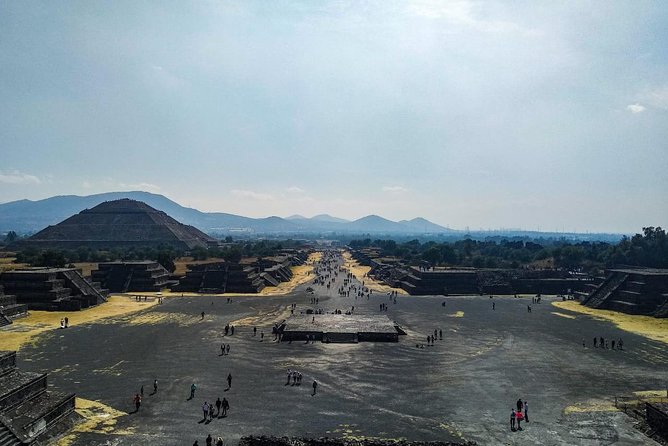
You start at the Piramide de la Luna and spend about 45 minutes there. The tour includes climbing, and it’s worth taking that part seriously: the ground can be uneven, and the steps aren’t built for flimsy sneakers.
The practical payoff for starting here early is simple. At that hour, the area is not crowding, so you can:
- take photos without constant shoulder-to-shoulder shuffling
- hear the guide without competing with the background noise of larger tour groups
- get a better sense of what the pyramid’s height feels like when you’re closer to it
This stop also sets the emotional tone. You’re not just looking at a monument; you’re learning the stories people attached to the space—part history, part myth, and part interpretation. That “myth of the gods” angle isn’t a gimmick here. It helps you see why these structures were built the way they were.
Stop 2: Pyramid of the Sun and the Avenue of the Dead walk
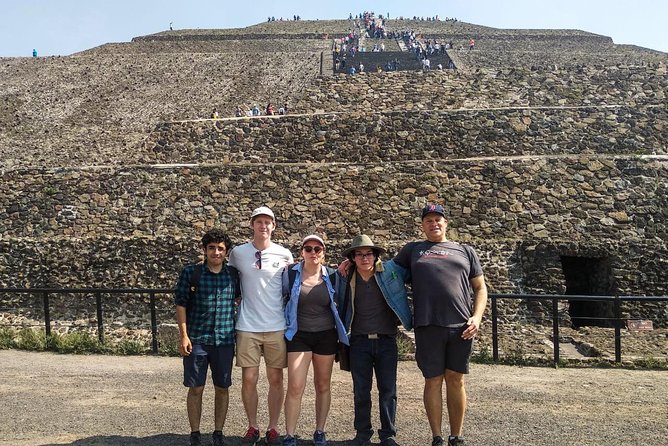
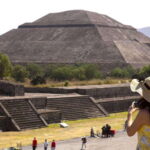
After the Moon Pyramid, you move along the Avenue of the Dead toward the Pyramid of the Sun. This is where scale starts to hit. The Sun Pyramid rises to about 65 meters, and walking the corridor of ruins makes it feel even bigger than the numbers.
You get around 45 minutes at this stage, and you’ll hear context as you walk, not just at one single “picture moment.” That’s important because Teotihuacan is a whole urban layout, not one object. Guides typically use the route to explain how people organized space around ceremonial life.
One thing to keep expectations realistic: even with good timing, the Sun Pyramid area tends to be a main focus. Still, compared with later entry times, this route is set up to keep you moving with less friction than you’d get if you just arrived whenever.
Stop 3: Palacio de Zacuala and the secret-mural angle
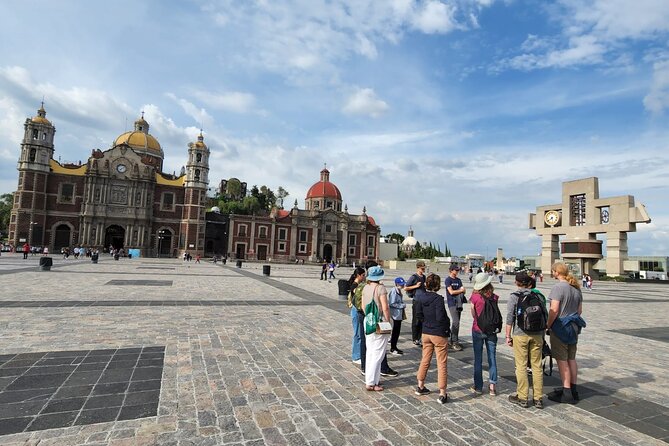
Next comes Palacio de Zacuala, where you’re in the less obvious parts of Teotihuacan. You get about 45 minutes here, and this is the portion built around “secret murals.”
The key value of this stop isn’t only the artwork. It’s the way the guide ties the murals to everyday life and belief—how people lived, how they understood religion, and what the art was doing for the community. That’s what makes mural viewing feel like more than sightseeing.
If you care about art technique or cultural meaning, this is the segment that tends to reward your attention. Many people rush murals because they feel like background decoration. Here, you’re given enough framing that you’ll actually see patterns, messages, and symbolism.
Practical note: you’ll still be outside most of the time, so bring sunscreen and something to carry water. The tour can be just long enough that you’ll feel the sun by the time you reach the murals.

Stop 4: The citadel, Quetzalcoatl, and the myths that shaped the city
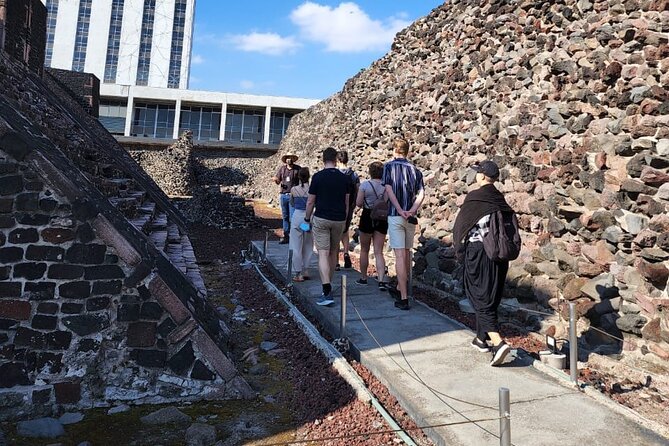
Then you shift to the citadel area—about 1 hour. This is where the temple of Quetzalcoatl is located, and the tour explicitly focuses on why this temple matters and how myths shaped the city’s identity.
This is the place to slow down mentally. Teotihuacan isn’t trying to be user-friendly. Without context, you might see impressive stone and think, cool, pyramids. With the right explanation, it becomes a belief system made into architecture.
A big reason I like this kind of stop is that it connects earlier pieces of your day. The Moon and Sun pyramids aren’t random bookends. They lead you toward the idea that this urban space was designed for ceremony, storytelling, and collective meaning.
You’ll also get more of the “myth” theme—stories that help explain the city’s culture and influence later traditions.
Stop 5: Cochineal and plant pigments workshop (how colors were made)
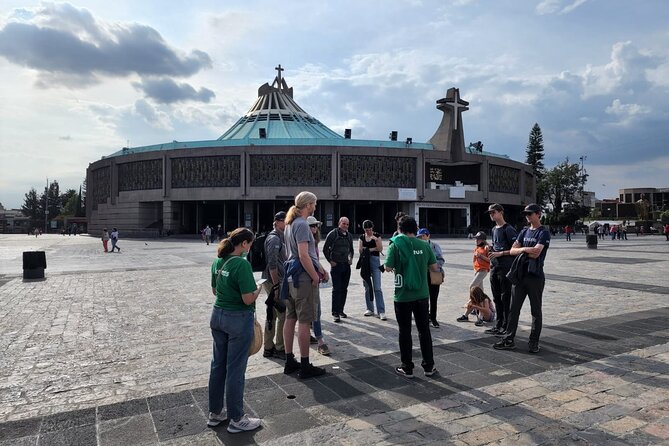
The final part of the core circuit is color science disguised as culture. You’ll spend about 30 minutes with a local artisan explaining how people obtained colors to paint the murals, including cochineal and vegetable pigments.
This stop is one of the most practical on the whole day. When you learn what goes into dye and pigment, murals stop being flat decoration and start becoming a record of materials, trade, knowledge, and labor.
And because this tour includes a grana cochinilla and plant pigments workshop, you’re not just hearing a theory—you’re getting a tactile, “how did they do it” session.
If you’re buying souvenirs, this is the moment when your attention shifts from “What looks good?” to “What actually means something?” It’s a good way to choose.
Workshops for souvenirs: obsidian and silver without losing your time
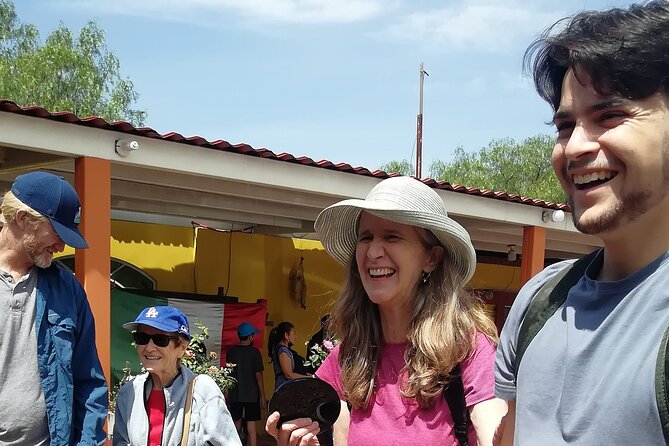
The highlight list mentions obsidian and silver workshops for unique souvenirs. This matters because it’s a chance to bring home an object with a story, not just a quick impulse purchase.
I recommend you treat these stops like browsing with a goal. If you want something, pick a budget beforehand. If you don’t, still watch what’s being made. Craft demonstrations can be surprisingly informative when the guide gives you context.
Also, keep an eye on time. Even a well-paced tour can feel long if you spend too much at one counter. The route is built for five main segments plus guided movement, so you’ll enjoy it most if you keep your shopping decision tight.
Transportation and group size: why it feels efficient
You’re in a small group, with a maximum of 19 travelers. That’s a sweet spot for Teotihuacan. Big buses turn ruins into a conveyor belt. Smaller groups let you ask questions and stay oriented.
The tour includes private round-trip transportation, which is the quiet hero of this kind of trip. It reduces stress, helps you avoid indecision about how to get in and out, and keeps your morning from turning into a transit puzzle.
One detail I like: the pacing includes time buffers. In at least one day I heard described by a guide like Jose, traffic didn’t create major chaos, which meant the group still stayed on track and didn’t feel rushed.
Price and value: what you’re really paying for
Even without seeing a price tag here, you can judge value by what’s handled for you. This tour includes:
- entry fees for the Teotihuacán sites
- round-trip transport
- the cochineal/plant pigment workshop
That’s not a small deal. For a long half-day, transport + admissions can eat up time and money fast if you DIY it. Here, those costs are packaged into the day, so your budget stays predictable.
You still need to handle lunch. The tour notes that there are convenience stores at the meeting point area, and I’d follow that advice: buy something to take with you so you’re not hunting food under time pressure inside the route.
As for tips, the general attitude is simple: if your guide brings the ruins to life, tipping is part of the deal. Just budget it mentally before the day so it doesn’t surprise you.
Practical tips so the pyramids feel fun, not hard
Teotihuacan can be physically demanding even when the walking seems straightforward. Here’s what I’d do to make it comfortable:
- Wear sturdy shoes for the climb at the Moon Pyramid and for uneven surfaces
- Bring sun protection; a 6-hour outdoor experience adds up fast
- Have a plan for water and snacks since lunch isn’t included
- If you’re sensitive to heat, go slow on the early climb and save your big photo stops for when you’re not breathing hard
Also, this tour mentions moderate physical fitness. That’s a polite way of saying: you should be comfortable moving steadily for hours and climbing once.
Should you book this Teotihuacan route?
Book it if you want Teotihuacan with context, not just monuments. The strongest reason is the combination of pyramids + myths + murals, ending with the pigment lesson that helps you understand what you’re looking at. If you’re the type who likes history stories but also enjoys hands-on craft knowledge, this route fits.
Skip it only if you strongly prefer a totally flat, low-effort walking day. The Moon Pyramid climb is part of the experience, and the site is outdoors for most of the trip.
If you do book, I’d choose this day because the early start improves comfort and makes the first stop feel more personal. Arrive on time at Frontón México, confirm your pickup details, and plan a simple lunch-to-go. Then let the guide do what they’re best at: turning stone and paint into a coherent story.
FAQ
What language is the tour offered in?
The tour is offered in English.
How long is the Teotihuacan experience?
The duration is about 6 hours.
Is transportation included?
Yes. The tour includes private round-trip transportation.
Are entrance fees included?
Yes. The Teotihuacán entrance fees are included.
Does the tour include any workshop?
Yes. You’ll have a grana cochinilla and plant pigments workshop with a local artisan.
Where is the meeting point and what time does it start?
The meeting point is Frontón México, Av. de la República 17, Tabacalera, Cuauhtémoc, 06050 Ciudad de México, CDMX, and the start time is 8:15am.
Is there a limit on group size?
Yes. There’s a maximum of 19 travelers.