REVIEW · MEXICO CITY
Soumaya: the greatness of Mexican & western art.
Book on GetYourGuide →Operated by José Vicente Figueroa- GM International Travel · Bookable on GetYourGuide
Mexican art meets Western masterpieces. I love that this tour keeps a strong Mexican-art throughline, and I also like how guide José Vicente Figueroa steers the visit period by period with clear explanations, not museum-size homework. One consideration: if your goal is mainly European painting, the time spent on those rooms may not feel as efficient as sticking tightly to the Mexican-focused themes.
You meet at the main gate at Soumaya Museum in Polanco, then move through the building’s full layout, covering six floors. With a small group capped at 10, you get enough room to ask questions and actually follow the story as the artwork shifts from one era to the next.
In 2.5 hours, you won’t linger forever on every single work. Instead, you’ll get the “main pieces” and the why-behind-the-what, which is exactly what you want if you’re visiting once and want the museum to click.
In This Review
- Key highlights to look for
- Entering Soumaya’s main gate in Polanco
- How 6 floors turn into one clear art story
- Modernism (Ars & Techné): art as method and invention
- Myths and allegories: from visible to invisible
- Old Masters: Europa & viceroy and the art of power
- Romanticism to Avant Guarde: the style roller coaster
- 20 centuries of Mexican Art: where the national story takes the lead
- Rodin’s era and the European gravity you can’t ignore
- Your guide is the difference: José Vicente Figueroa and Francisco
- Who should book this Soumaya tour—and who might skip it
- Practical tips to get more out of the 2.5 hours
- Should you book Soumaya: the greatness of Mexican & western art?
- FAQ
- Where is the meeting point?
- How long is the guided tour?
- What group size should I expect?
- What languages is the tour offered in?
- Is the tour wheelchair accessible?
- What will we see during the tour?
- What’s the cancellation policy?
- Is there a reserve and pay later option?
Key highlights to look for
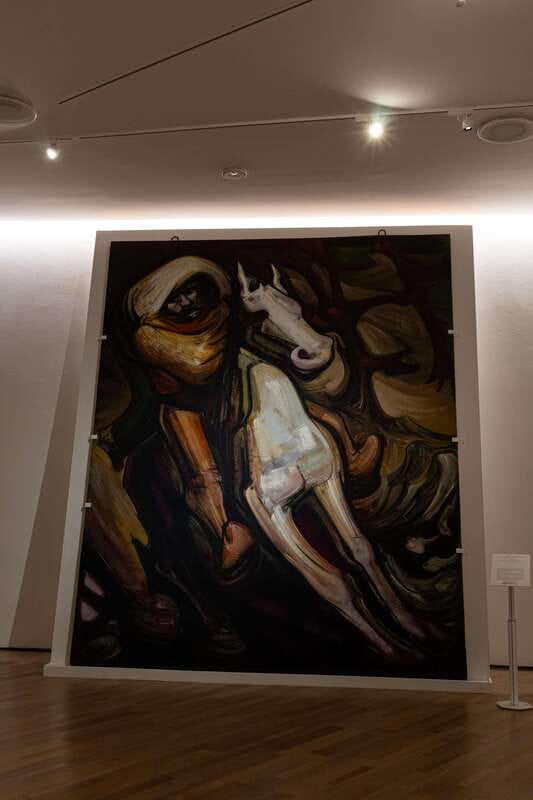
- Mexican-first framing: The walkthrough favors a Mexican-narrative lens while still connecting to Western art expressions.
- Six floors, mapped: You’re guided through the museum’s six-level structure in a way that helps you not get lost.
- Big-name artists explained: Expect mentions like Rodin, Van Gogh, Monet, Manet, Rivera, Orozco, and Velasco, tied to what you’re seeing.
- Myths and meaning, not just dates: Rooms are grouped by themes such as visible vs. invisible and old-world vs. viceroyal context.
- Small-group pacing: Limited to 10 participants, so the guide can slow down for questions.
- Guides that adapt to the group: In the past, Jose Vicente Figueroa has been praised for enthusiasm and patience, even with families.
Entering Soumaya’s main gate in Polanco
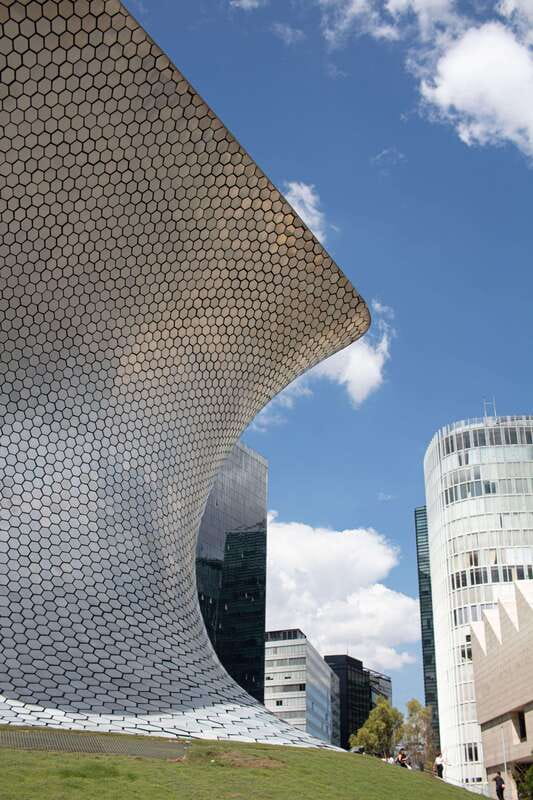
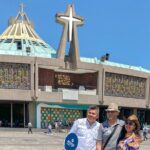
Soumaya Museum sits in Polanco, so the vibe is very “city museum day” rather than a far-flung outing. The tour meeting point is simple: the main gate. That matters because this museum is big, and you don’t want to waste time figuring out where your group is supposed to be gathering.
I like that the meeting happens right at the entrance you can actually find. From there, your guide sets expectations for how you’ll move through the museum’s floors and what you’ll focus on.
If you’re the type who likes to arrive hungry for context (instead of wandering in cold), this format works well. You’re not just looking at art—you’re learning how to read it.
You can also read our reviews of more tours and experiences in Mexico City.


How 6 floors turn into one clear art story
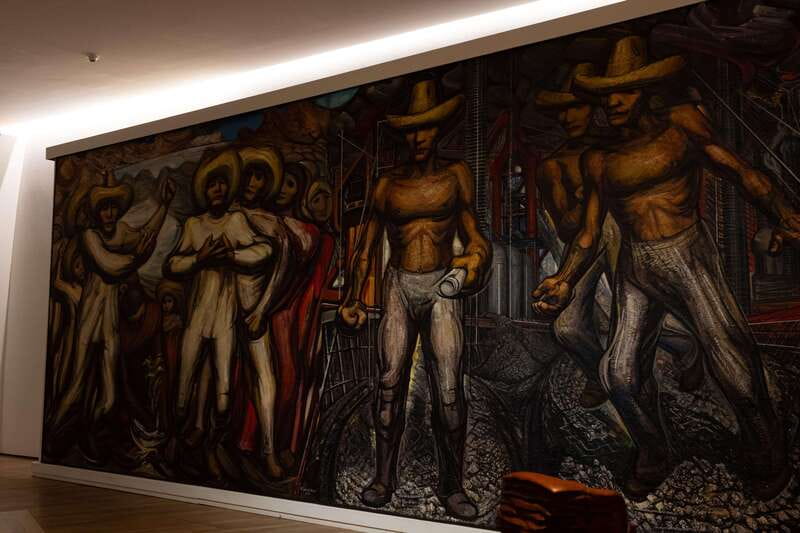
This tour is built around a full sweep of six floors, but it’s not a “run until your feet hurt” checklist. Your guide walks you through the whole place with a focus on the main works in each room and gives a national-based lens as the eras change.
Here’s the museum’s structure as you’ll experience it:
- Modernism: Ars & Techné
- Myths & allegories: from the visible to the invisible
- Old Masters: Europa & viceroy
- From romanticism to Avant Guarde
- 20 centuries of Mexican Art
- Rodin´s era
The value is in the connections. Western art doesn’t just sit next to Mexican art like two separate collections. The guided path helps you see how styles, themes, and ideas traveled, blended, and transformed across time in Mexico.
One practical tip: take your time in your head even if you can’t in your feet. When you know what theme you’re in, each room becomes easier to understand and remember later.
Modernism (Ars & Techné): art as method and invention
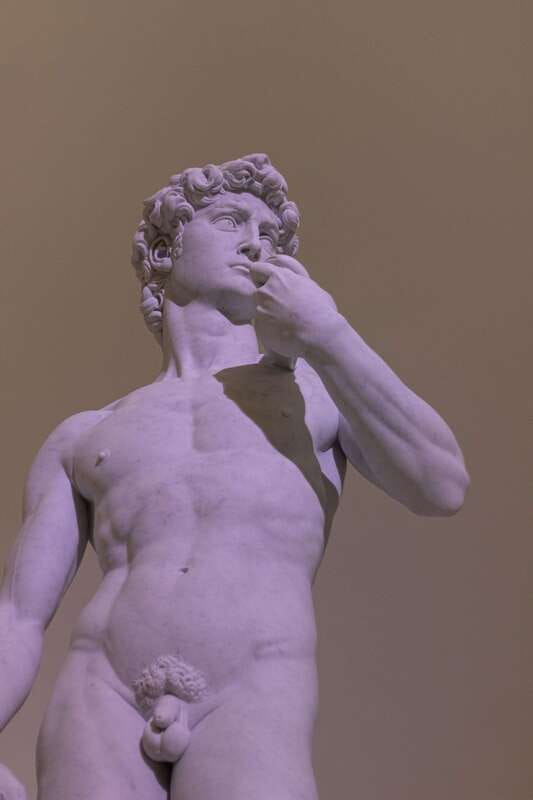
The first major stop is Modernism: Ars & Techné, which is basically a “how art works” approach. You’re looking at art where technique and idea go hand in hand. That’s useful for non-experts because you don’t need a specialized background—you just need to notice the choices.
As you move through this section, your guide helps you connect what you see to the bigger shifts in style. It’s the kind of room where paintings can start to feel less like random masterpieces and more like evidence of a changing way of thinking.
What I like here: the framing encourages you to ask questions like, Why did the artist choose this look? and What problem is the work trying to solve? That question is a fast mental shortcut for understanding modern art.
Myths and allegories: from visible to invisible
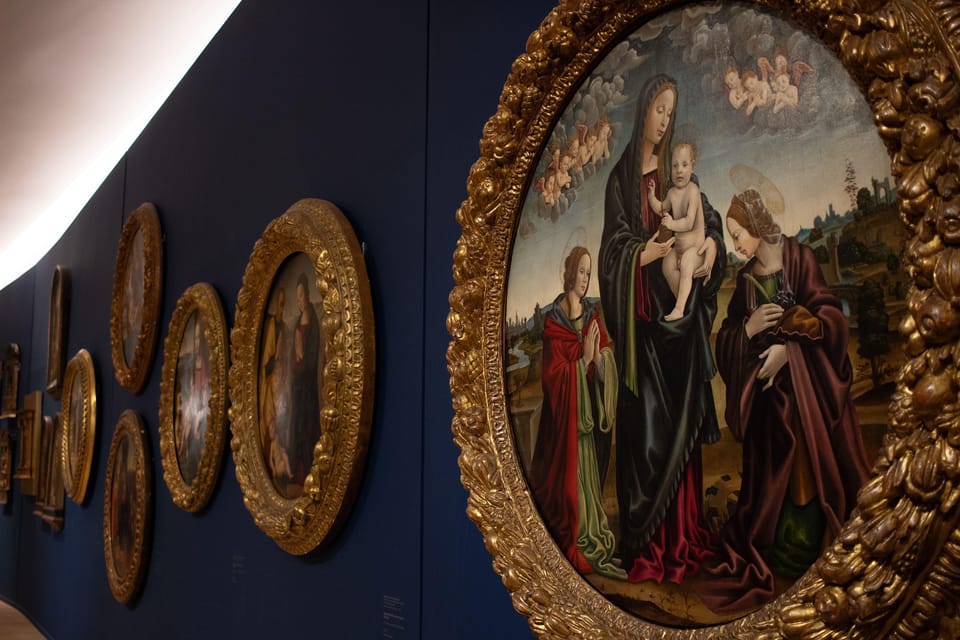
Next comes Myths & allegories: from the visible to the invisible. This is where the museum stops being only about appearances and starts being about interpretation.
You’ll be guided through themed works that rely on symbols and layered meaning. Even if you don’t know the mythic references ahead of time, the guide’s job is to translate the symbols into plain language you can follow during the visit.
This section is also where your attention strategy matters. Don’t rush to the first thing you recognize. Let the details work on you: gestures, objects, and compositions often carry the real message.
If you like art that has a brain behind it—stories, symbolism, and meaning—this is a strong reason to do the guided format instead of walking alone.
Old Masters: Europa & viceroy and the art of power
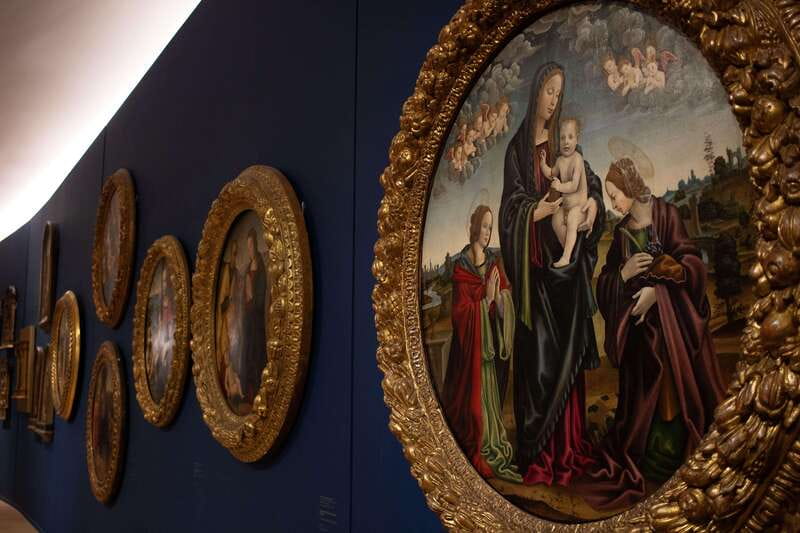
The Old Masters: Europa & viceroy room is your link between European painting traditions and Mexico’s layered historical context. Think of it as a conversation between old-world aesthetics and local realities.
Your guide focuses on key works from this period, and that’s a smart approach because the Old Masters can feel intimidating when you don’t know what to look for. Instead of treating the art like a museum lecture, the tour makes it practical—what’s happening in the imagery, and why that imagery matters.
One reason this part is valuable: it helps you understand how European styles became part of Mexico’s visual language. You’re not just seeing “European art.” You’re seeing the relationship between art, authority, and cultural exchange.


Romanticism to Avant Guarde: the style roller coaster
Then you transition from romanticism to Avant Guarde. This part can feel like a stylistic speed-run if you’re walking solo, because the shifts are big and fast. With a guide, the change makes sense as a progression rather than chaos.
Expect your guide to point out what breaks away from earlier ways of painting—subject matter, composition, and technique. Even if you’re not naming art movements, you’ll learn how to spot the differences quickly.
This section also tends to be where you’ll recognize familiar names such as Monet and Manet and see why their approaches changed the rules. Even better, the guide doesn’t just drop names—you’ll understand how those rules show up as you move.
20 centuries of Mexican Art: where the national story takes the lead
This is the floor that many people feel most strongly about: 20 centuries of Mexican Art. Here, the tour’s Mexican focus becomes the engine of the visit.
You’ll hear about major Mexican artists connected to the rooms, including Rivera and Orozco, plus artists like Velasco and others listed in the experience. The guide’s job is to keep you oriented as you move through different ideas across centuries, not just different artworks.
I especially like this section for first-time museum visitors. You get a map for Mexico’s artistic changes—what artists were responding to, and how national identity and style evolve over time.
If you’ve ever felt overwhelmed by museums that mix eras without guidance, this is the antidote. You leave with a clearer sense of how Mexican art developed rather than a pile of disconnected images.
Rodin’s era and the European gravity you can’t ignore
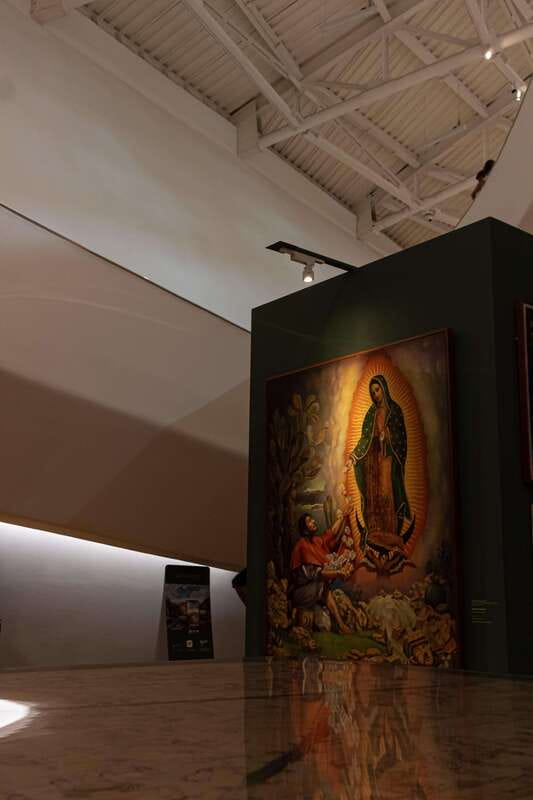
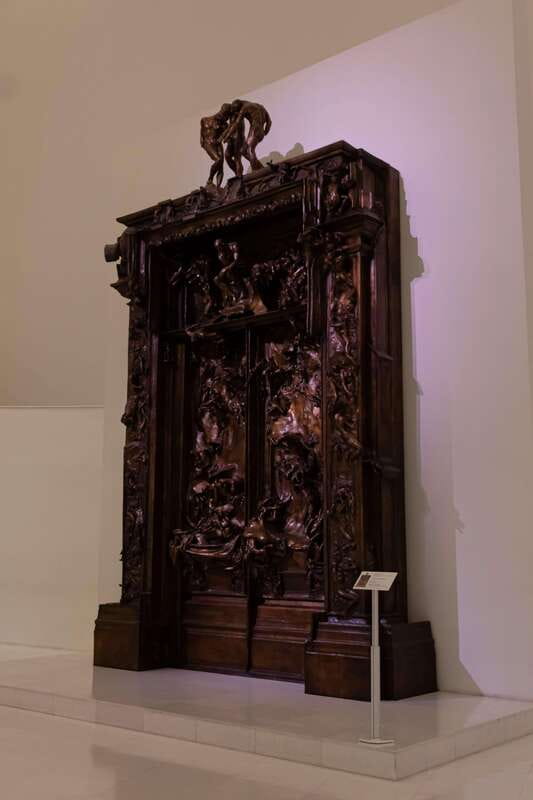
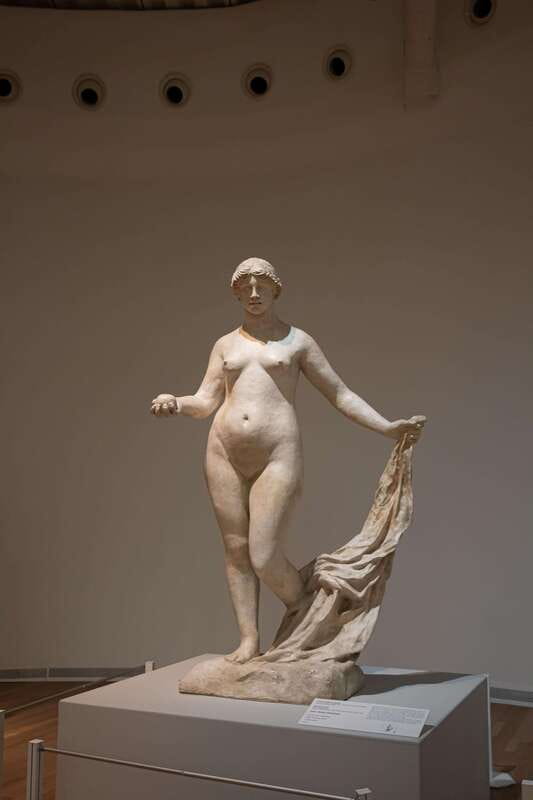
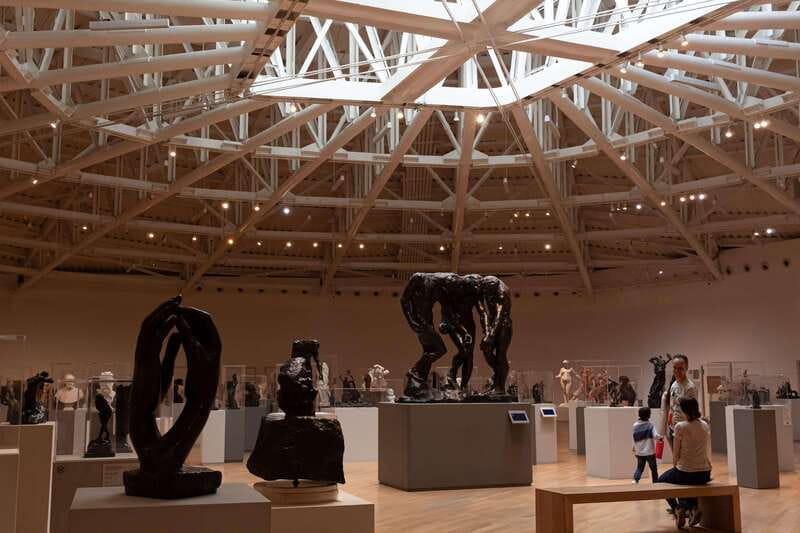
Finally, you’ll reach Rodin´s era, one of the most recognizable Western anchors in the collection. Rodin’s presence matters because it’s a reminder that Mexico’s art story isn’t happening in isolation. The museum’s European connections are part of the same bigger picture.
As you move through, you’ll also see other major Western names called out in the tour experience, including Van Gogh, Pissarro, Monet, and Manet, as well as Miguel Ángel and others. The guide helps you treat these names as clues, not trivia.
This floor can be the “wait, I know this artist” moment. If you’re the type who likes to build your own comparisons, it’s also a good place to watch how sculpture and painting traditions influence how you read form and expression.
Your guide is the difference: José Vicente Figueroa and Francisco
A museum tour can become a blur fast. Here, the guide quality shows up in the way the visit stays understandable.
One guide named José Vicente Figueroa has been praised for enthusiasm and for leading people masterfully through historical periods of Mexican art. Another guide named Francisco has been praised for knowledge, fun facts, and pointing out curious details that make paintings easier to read.
I think the big win is not just knowing facts. It’s translating facts into what you should notice while standing in front of the work. That’s why this tour works even if you’re not an art student.
The tour has also shown flexibility for groups with kids and elderly parents, which tells me the pacing can be handled thoughtfully. In practice, that usually means fewer rushed explanations and more patience when people need a slower pace.
Who should book this Soumaya tour—and who might skip it
This experience fits you if:
- You want a guided path through Mexican and Western art without needing a background in art history.
- You like understanding themes, not just collecting names.
- You’d rather spend 2.5 hours getting oriented than spend your whole visit getting lost in an enormous museum.
It may not be your best match if:
- You only care about European art and want a deep, European-only focus. One visitor even suggested that the European floors weren’t the best use of time when their main interest was Mexican art, so I’d treat the European portions as bonus context rather than the main event.
If you’re traveling with mixed ages, this tour often makes sense because it’s short enough to hold attention and guided enough to keep the meaning clear.
Practical tips to get more out of the 2.5 hours
- Plan to move with purpose. The museum is complex, and the tour is designed to hit the main pieces per room.
- When the theme changes, reset your brain. That’s your cue to look for symbolic details or changes in style.
- If Mexican art is your priority, say so early to your guide. The tour is built with a national-based focus, and that direction will shape how your guide highlights pieces.
- If you love one floor, don’t fight the urge to linger after the tour. The guided segment gives you a map; you can always come back for extra time on what grabbed you.
Should you book Soumaya: the greatness of Mexican & western art?
I’d book it if you want the museum to make sense quickly and you care about the relationship between Mexico’s art and Western art trends. The small-group size, the full six-floor sweep, and the guide-led focus on main works make it a high-value way to experience Soumaya without getting buried in the volume.
Skip it only if you’re strictly European-art focused and want a narrow specialization. If your interests include Mexican art—especially across the big eras tied to Rivera, Orozco, and more—this tour is the cleanest shortcut to understanding what you’re seeing.
FAQ
Where is the meeting point?
The tour meets at the main gate of Museo Soumaya.
How long is the guided tour?
The duration is 2.5 hours.
What group size should I expect?
It’s a small group, limited to 10 participants.
What languages is the tour offered in?
The tour guide can work in English, Portuguese, Spanish, German, Italian, and Russian.
Is the tour wheelchair accessible?
Yes, the experience is wheelchair accessible.
What will we see during the tour?
You’ll explore Museo Soumaya across six floors, including themes like Modernism (Ars & Techné), Myths and allegories, Old Masters (Europa & viceroy), romanticism to Avant Guarde, 20 centuries of Mexican art, and Rodin´s era.
What’s the cancellation policy?
You can cancel up to 24 hours in advance for a full refund.
Is there a reserve and pay later option?
Yes. You can reserve now and pay later, keeping your plans flexible.