REVIEW · MEXICO CITY
Private Tour National Museum of Anthropology and History + Downtown / Mexico
Book on Viator →Operated by Transportadora Freelance S.A de C.V. · Bookable on Viator
Mexico City gets complicated fast, so I like tours that stitch the story together. This one links pre-Hispanic roots at the Museo Nacional de Antropología with the living downtown power of Palacio Nacional, the Cathedral, and the Zócalo—so your first day in town has a clear thread.
I like the museum focus most: a guided walk through major galleries and emblematic objects, including the Aztec Calendar and works tied to deities like Cuatlicue and Tlálocatecuhtli. I also like the pacing of a 5-hour private format with pickup and drop-off, which keeps you from wasting time figuring out transit and entrances.
One caution: the experience can swing based on the guide’s style. One guide (Jorge) was described as rigid and less interactive, while another (Rosa Maria) stood out for clear English and a more lively approach—so be ready to choose the tour time that best matches your expectations.
In This Review
- Key highlights to look for
- A Smart Pairing: Anthropology Museum Meets Power and Faith
- Timing and What a 5-Hour Private Format Really Gives You
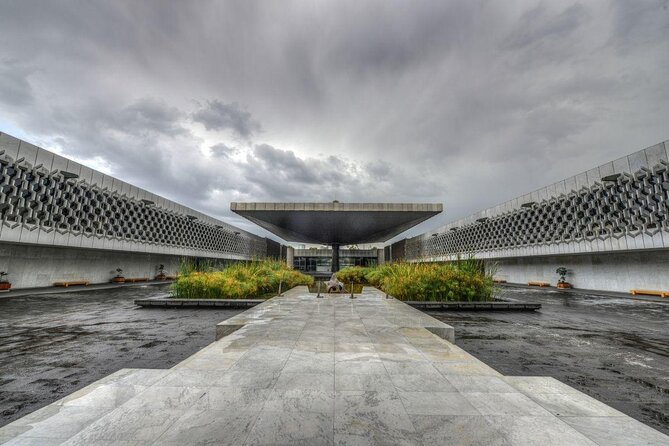
- Stop 1: Museo Nacional de Antropología and Its Must-See Rooms
- Stop 2: Palacio Nacional and Diego Rivera’s Staircase
- Stop 3: Metropolitan Cathedral’s 14 Side Chapels and Layered Styles
- Stop 4: Zócalo Square, Government Power, and a 500+ Year Center
- Guide Matters: When Jorge Gets Rigid vs Rosa Maria Lifts the Day
- Price and Value: Is $139.99 Worth It?
- What to Pack and How to Handle a Walking Day
- Who Should Book This Tour?
- Should You Book This Tour?
Key highlights to look for
- Curated anthropology galleries that connect Teotihuacan to Mexica culture, plus major sacred and lithic objects
- Museum entry included, which matters because this is a big stop and you’ll want to use the time well
- Historic downtown sequence: Palacio Nacional → Metropolitan Cathedral → Zócalo
- Private-group advantage, so your guide can tailor pacing for your group
- Guide quality varies, and the best results come when you can hear clearly and ask questions
- Comfort logistics included like bottled water and an air-conditioned vehicle
A Smart Pairing: Anthropology Museum Meets Power and Faith
The best first-day tours in Mexico City do one thing well: they help you build a mental map. This one moves from the Museo Nacional de Antropología—where you learn how different civilizations shaped the region—into downtown sites that still run on layers of history.
You’ll see why people point to the center of the city as the place where religion, government, and architecture overlap. And you’ll also get a museum foundation, so the downtown sights feel less like random photo stops.
The other plus is that you’re not stuck doing only museums or only streets. You get both. That balance is a big part of the value.
You can also read our reviews of more private tours in Mexico City



Timing and What a 5-Hour Private Format Really Gives You
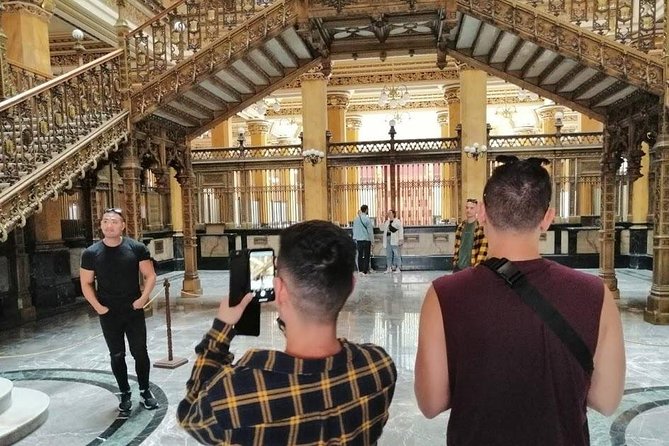
The total time is about 5 hours. That includes pickup and drop-off, plus time inside the big-ticket sights.
Here’s the basic time flow:
- Museo Nacional de Antropología: about 2 hours, with admission included
- Palacio Nacional: about 30 minutes, admission free
- Metropolitan Cathedral: about 1 hour, admission free
- Zócalo: about 1 hour, admission free
For you, that means you get a meaningful introduction without feeling like you’re sprinting across the city all day. Private format matters here: you can generally move as your group moves, and you’re not sharing the guide with a crowd that turns every conversation into a guessing game.
One practical note: downtown streets can get crowded, and walking still shows up in the plan. If you want to minimize long stretches, it helps to communicate your pace needs before you start.
Stop 1: Museo Nacional de Antropología and Its Must-See Rooms
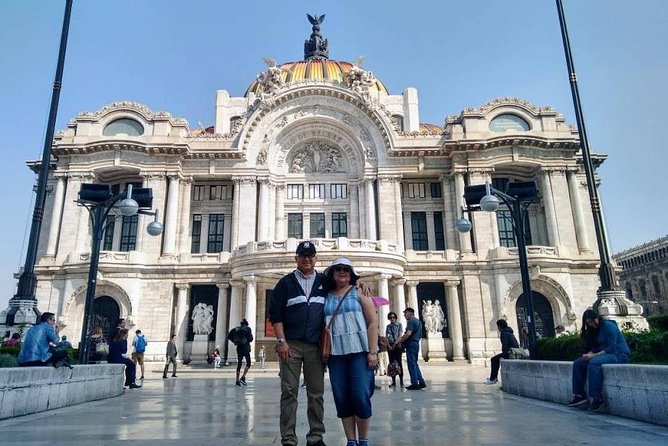
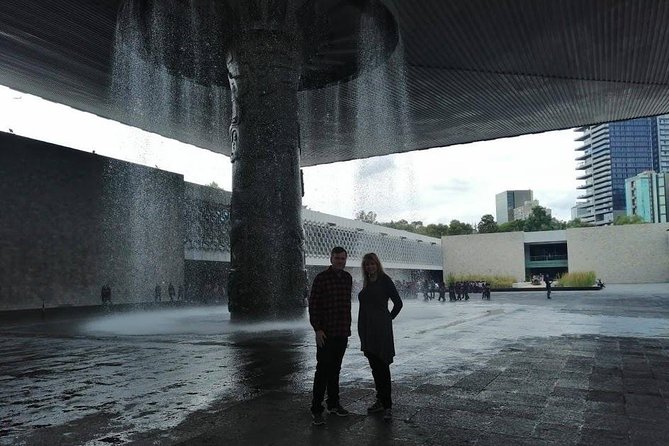
This is the heart of the tour. You’ll spend about 2 hours exploring one of Mexico City’s most important museum experiences. The tour is built as an “introduction to anthropology,” focusing on the origins of settlement in America and then moving through major regional cultures.
What you can expect the guide to highlight includes:
- Hall of Cultures of the Central Highlands, covering sequences from Teotihuacan to the Great Tollan (often associated with Tula), then through sites like Cholula and Cacaxtla
- The impact of empires and regional powers such as Xochicalco
- Mexica culture, with an “extraordinary collection” of sacred and lithic objects in very strong conservation
- Major standouts such as the Aztec Calendar, the Tizoc stone, and sculptures connected to Cuatlicue and Tlálocatecuhtli
Why this works: without a guide, a museum this large can turn into wandering. With a guide, the galleries start to click into a timeline. You’ll have an easier time noticing themes—like how art, religion, and political power traveled together.
One practical drawback to consider: you might not get full value if your language needs aren’t met. The tour is offered with a bilingual guide and English is specifically mentioned as available, but if you’re expecting the museum text to do all the teaching, you may end up feeling lost. A strong guide makes the difference between seeing objects and understanding why they mattered.
Stop 2: Palacio Nacional and Diego Rivera’s Staircase
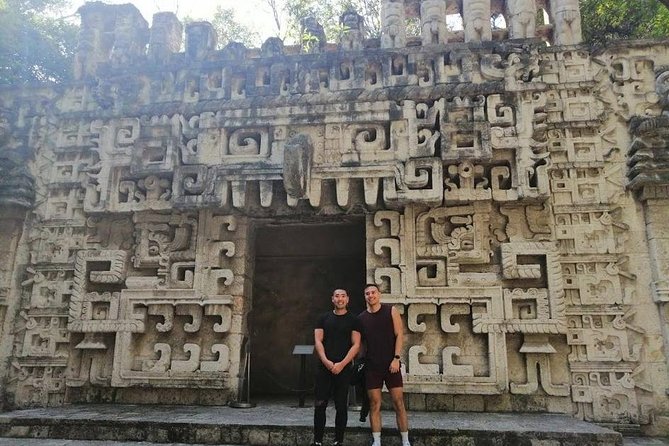
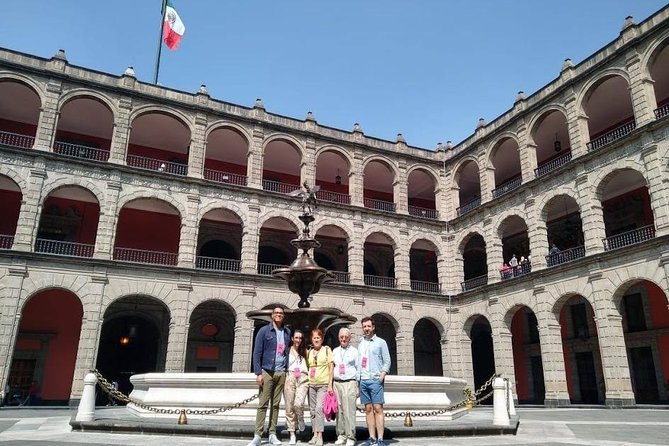
After the museum, the tour shifts to modern political history in a building that’s been around for more than 400 years. You’ll spend about 30 minutes at Palacio Nacional.
The big thing here is the mural by Diego Rivera that decorates the staircase, plus the building’s role as the home of the current presidential administration.
Why this stop is worth it: it gives you context for why downtown feels different from other city areas. This isn’t just sightseeing in the abstract. You’re stepping into a place that still functions as government space, wrapped in colonial-era architecture and later storytelling through art.
A small timing advantage: it’s short, so you can appreciate the key elements without losing your energy before the next two stops.
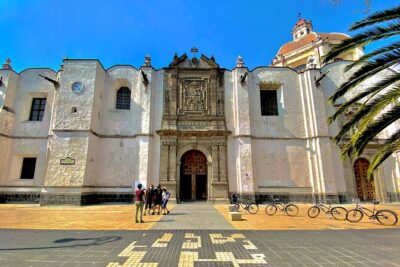
Stop 3: Metropolitan Cathedral’s 14 Side Chapels and Layered Styles
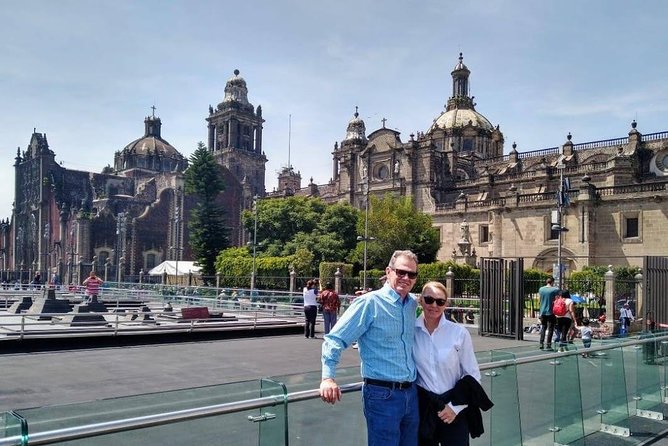
Next up is the Catedral Metropolitana de la Ciudad de México. Plan for about 1 hour here, and admission is free.
The Cathedral is described as extraordinary for a reason: it has 14 side chapels and a post-conquest history that blends multiple architectural styles. You’ll also hear about the Spanish and New-Hispanic sculptors, along with religious art and dedications that shape the feel of the space.
If you like religious architecture, this is one of those stops where the place itself does the explaining. Even when you’re not reading every detail, the visual scale and the number of chapels can help you understand how Catholic worship became a major cultural system after the Conquest.
Practical note: this is a site where sound and attention matter. If your guide’s delivery is rushed or hard to hear, you may miss the “why” behind the chapels and artistic choices.
You can also read our reviews of more historical tours in Mexico City




Stop 4: Zócalo Square, Government Power, and a 500+ Year Center
Then you land at the Zócalo, the central square and a key icon of Mexican civic life. You’ll have about 1 hour.
This is where the tour pays off for first-time visitors. The Zócalo is described as serving as a single point where you can find religiosity, central government, local government, and architecture with 500+ years of history.
You’ll also get the feeling of the downtown historic core: pedestrian streets, older churches, and colonial-era urban character that still shows up even in a huge modern metropolis.
Why you’ll enjoy it: after the museum, the Zócalo stops being just a big open space. You start seeing it as a living layer-cake—where earlier cultural patterns and later political structures occupy the same physical ground.
Guide Matters: When Jorge Gets Rigid vs Rosa Maria Lifts the Day
In a private tour, your guide isn’t a nice bonus. They are the main event. And the way the day feels depends on how the guide communicates.
Here’s what you should watch for when you’re assessing this tour style:
- If the guide walks ahead and doesn’t check that everyone is keeping up, your group can lose key explanations
- If the guide is not encouraging questions, you’ll spend more time listening than learning
- If hearing is an issue, it can slow down the whole experience (even when the information is accurate)
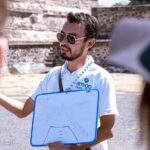
One named guide, Jorge, was described as knowledgeable but less engaged—walking far ahead, not checking back often, and replying harshly when questions weren’t heard the first time. Another named guide, Rosa Maria, was described as excellent, with strong English, good personality, and storytelling that made sites feel alive.
What I’d recommend as a practical strategy: at the start, set expectations. Ask one or two questions early, and if the guide isn’t responsive, adjust how you rely on the guide. Use that time to ask fewer but more pointed questions, and spend extra effort observing on your own at each stop.
Price and Value: Is $139.99 Worth It?
At $139.99 per person for about 5 hours, you’re paying for convenience and guided direction. You also get actual inclusions that reduce hassle:
- Pickup and drop-off
- Air-conditioned vehicle
- Bottled water
- Entrance fees to the Museum
- Bilingual guide
Lunch isn’t included, and that’s worth planning for. If you’re hungry during the downtime between stops, you’ll need to manage it with snacks or a simple meal before or after the tour.
So is it good value? For me, the biggest value driver is the Museo Nacional de Antropología portion. Without a guide, you’d likely spend time orienting yourself. With a guide, the museum time becomes more intentional, especially because the stop includes a carefully highlighted set of themes and objects.
If your goal is a confident first pass at the city’s strongest historical anchors—museum plus downtown—this price can make sense.
What to Pack and How to Handle a Walking Day
Even with a private vehicle, you’ll still walk through indoor and outdoor spaces. Downtown can involve crowds and short bursts of movement.
Pack smart like this:
- Comfortable shoes for sidewalks and uneven surfaces
- A light layer for indoor temperature swings
- A charging plan for your phone (you’ll want photos at the museum and Cathedral)
Also, bring a photo habit that matches the pace. If your guide tends to move quickly, take fewer photos but do them deliberately. It’s better to capture what you understand than to snap everything and forget what you saw.
Who Should Book This Tour?
This tour is a good fit if you:
- Want a guided introduction to Mexico City that connects archaeology to downtown history
- Care about seeing major museum highlights rather than wandering randomly
- Prefer a private-group flow with pickup and drop-off
- Want English-friendly guidance and the option of a bilingual approach
It might be less ideal if you:
- Need a very slow, low-walking style
- Plan to rely entirely on written museum labels for understanding
- Are highly sensitive to hearing issues during explanations (because the day depends on what you can clearly catch)
Should You Book This Tour?
I’d book it if you want one day that builds context fast: the museum gives you the cultural timeline, and the downtown stops show you how history still shapes what you see in front of you.
I’d think twice if your ideal tour experience means lots of flexibility on pace and lots of time for stopping, asking questions, and lingering. The museum and downtown sequence is structured, and the day works best when you’re comfortable moving with your guide.
If you do book, pick a guide-friendly expectation: ask early questions, confirm you can hear the guide’s explanations, and use the private format to shape your experience. When the communication is solid, this tour can turn “famous places” into a real story you remember.