REVIEW · MEXICO CITY
Private City Tour Mexico City – Best Rated
Book on Viator →Operated by Free Tour Mexico City · Bookable on Viator
You can see Mexico City’s core in just two hours. This private, English-guided walk hits the big landmarks and the stories behind them, from art and architecture to Aztec ruins.
I particularly like the way it’s paced for a personal feel, with time to ask questions and get help with photos. I also like that you get a tight orientation to the center, so the rest of your trip makes more sense. One possible drawback: you’ll mostly be walking, and a couple of sites can be closed or change hours, so your guide may have to adjust.
You’ll meet at Palacio de Bellas Artes and finish back there, so there’s no stressful end-of-tour scramble. Choose a start time that matches your day, and you’ll have WhatsApp support from booking through the tour.
In This Review
- Key highlights at a glance
- Entering Mexico City’s historic center in 2 focused hours
- Price and value: why $35 can feel like a bargain
- Meeting at Palacio de Bellas Artes: where the tour starts and why it works
- Stop 1: Palacio de Bellas Artes and the art-first orientation
- Stop 2: Palacio Postal, a working post office with marble and gold
- Stop 3: Palacio de Minería, built in 1797 and used as a mining school
- Stop 4: House of Tiles, blue-and-white façade plus inside murals
- Stop 5: Pastelería Ideal, Mexican baking history you can actually sample
- Stop 6: Museo del Templo Mayor, Aztec ruins right in the middle of town
- Stop 7: Zócalo, the biggest square in the hemisphere
- Stop 8: Mexico City Metropolitan Cathedral, major church stories in stone
- Guides who make it personal: English, pacing, and problem-solving
- A couple of practical considerations before you book
- How to get the most from this tour on your first day
- Should you book this private Mexico City downtown tour?
Key highlights at a glance
- Private group experience with only your party joining, so the guide can slow down or speed up for you
- English-language guiding plus WhatsApp support from the start
- A smart concentration of stops in Mexico City’s historic center: art, old institutions, and major plazas
- Included entrance fees at select buildings (like Palacio de Minería and House of Tiles)
- Pastelería Ideal tasting where you learn Mexican baking history and sample something
- Real Aztec ruins downtown at the Museo del Templo Mayor
Entering Mexico City’s historic center in 2 focused hours
This tour is built for people who want the downtown highlights without turning the day into a map-chasing contest. It’s a private city-center walking route, designed to give you context fast: how the city formed, what different eras left behind, and how landmarks connect to daily life around the Zócalo.
The duration matters. Two hours is short enough that you still feel fresh afterward, but long enough to cover a lot of ground on foot and actually connect the dots. And because it’s your group, you can ask more direct questions than you’d get on a big bus tour.
You should plan on walking at a steady pace. The route includes several central stops, so wear comfortable shoes and expect more than a casual stroll.
You can also read our reviews of more city tours in Mexico City


Price and value: why $35 can feel like a bargain
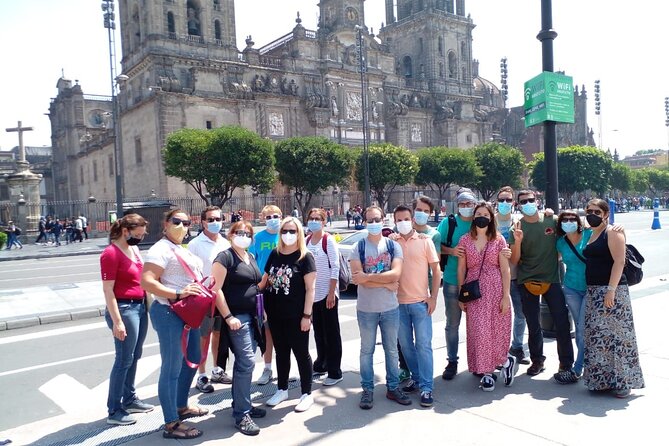
At $35 per person for about two hours, you’re paying for guide time plus included admission at a few key sites. Several stops are listed with free entry, including major anchors like Palacio de Bellas Artes, the Zócalo, and the Metropolitan Cathedral. That means you’re not paying every time you hit a new building.
Also, two of the most visually impressive stops have admission included: Palacio de Minería and the House of Tiles. Those are the kind of places where a guide helps you notice details you might otherwise miss, especially on façades and interior decor.
What you do not get is private transportation. The tour is designed as a walk between close-by sights, so if you’re hoping for car-based comfort, this isn’t that style. Think of it as a guided “downtown orientation” you can build the rest of your day around.
Meeting at Palacio de Bellas Artes: where the tour starts and why it works
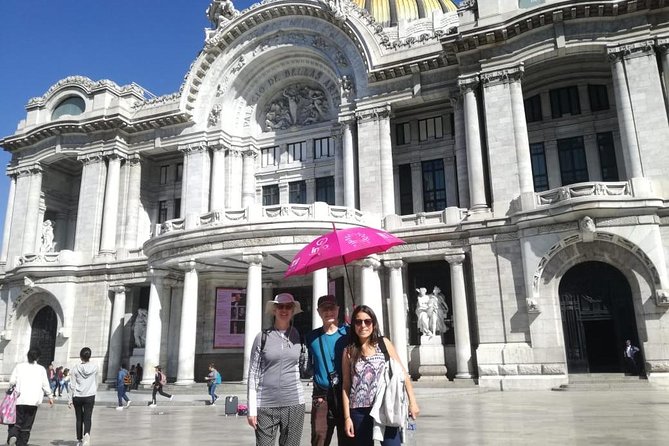
You’ll start at Palacio de Bellas Artes on Av. Juárez in the Centro Histórico area. That’s a strong meeting point for two reasons: it’s central, and it immediately sets the tone. The tour begins with an introduction to the city and the palace’s place in Mexico’s art scene.
Finish is also simple: you end back at the meeting point. This makes it easy to keep exploring on your own afterward, whether you want to hop into another museum nearby or just linger in the square areas while the day is still young.
Because the tour is near public transportation, it’s easy to get to without needing a taxi for every move. If you’re arriving by Metro, bus, or walking from your hotel, this kind of central start is usually a win.
Stop 1: Palacio de Bellas Artes and the art-first orientation
The tour starts with a short introduction and a look at one of the city’s most recognizable cultural landmarks. Expect a quick, guided overview of the palace’s history and why it matters in Mexico’s arts world.
This stop is listed with free admission and a short visit window, so you won’t spend all morning inside. Instead, the guide uses it like a launching pad: you learn enough context to understand what you’re about to see at the postal palace, the grand civic square, and the cathedral.
Stop 2: Palacio Postal, a working post office with marble and gold
Next up is Palacio Postal, described as the most beautiful post office in the world, built with Italian marble and decorated with gold elements. The practical hook here is that it’s not a dead museum. It’s still functioning, which makes the building feel less like a postcard set and more like part of real daily life.
You’ll have about 15 minutes here. That’s enough time to admire the finishes and soak in the scale without rushing through. If you like architecture that mixes ceremony with function, this one usually lands well.
Tip for getting more out of it: take a few minutes to focus on the materials—marble, metalwork, and the overall interior feel. A good guide will point out what to look for so you don’t just walk past the best parts.
You can also read our reviews of more private tours in Mexico City





Stop 3: Palacio de Minería, built in 1797 and used as a mining school
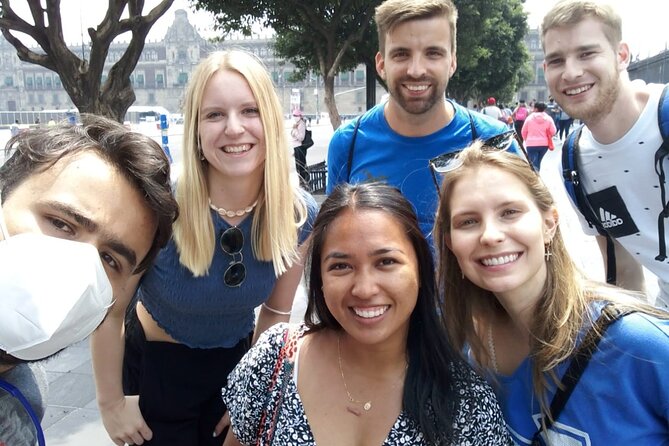
At Palacio de Minería, you get the “Mexico City built to last” story. The building dates to 1797 and was originally used as a mining school, which connects the city’s growth to Mexico’s mineral wealth and engineering training.
Admission is included here, but the time is short—around five minutes. That means you’ll want to arrive ready to look up and around. Don’t treat it like a photo-only stop; this is where the guide’s explanation helps you read the building.
This is also a great transition stop. After art and institutional grandeur, you start seeing the city’s older educational and industrial roots.
Stop 4: House of Tiles, blue-and-white façade plus inside murals
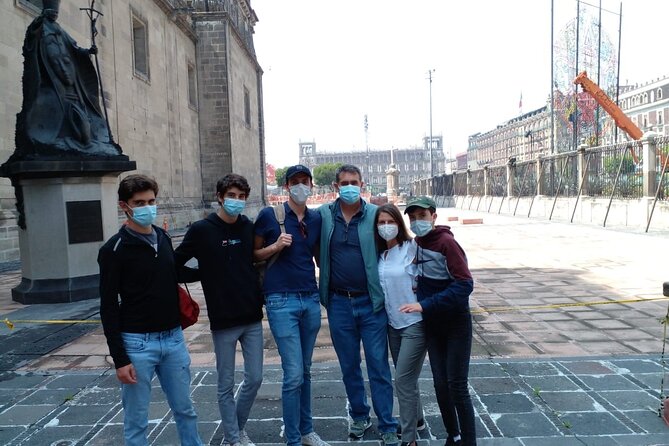
If you like visual details, Casa de los Azulejos (House of Tiles) is one of the main reasons to book this tour. The façade is covered in blue and white tiles, and the interior adds murals, frescoes, and sculptures.
Admission is included, and the stop runs about 15 minutes. That extra time helps here because the House of Tiles works like a “look closer” place. If you rush, you miss the best details. If you slow down with the guide, it becomes a mini lesson in style and symbolism.
Expect this to feel more intimate than the cathedral or Zócalo. It’s still historic and impressive, but it’s packed with design decisions.
Stop 5: Pastelería Ideal, Mexican baking history you can actually sample
This stop is where the tour stops being only about buildings. Pastelería Ideal is a historic pastry shop that teaches the story of Mexican baking goods—then lets you try them.
You’ll likely only have about 10 minutes. So think of this as a quick flavor-and-history break, not a full meal. If you’re sensitive to sugar or you prefer savory, you can still enjoy the historical context and choose what you like best.
This is also a nice moment to slow down. After several architectural stops, it’s refreshing to do something hands-on.
Stop 6: Museo del Templo Mayor, Aztec ruins right in the middle of town
Then the tour pivots to deep time. At the Museo del Templo Mayor, you’ll see real Aztec ruins in the middle of Mexico City and talk about ancient civilizations.
Admission is listed as free here, and the time is short—about five minutes. That can feel brief if you’re a museum person, but the value is the way your guide connects the ruins to what you’ve already seen in the city center.
This is the stop that often changes how you see Mexico City. The historic center can feel like “old buildings,” but here you get proof that the ground itself holds older layers.
Stop 7: Zócalo, the biggest square in the hemisphere
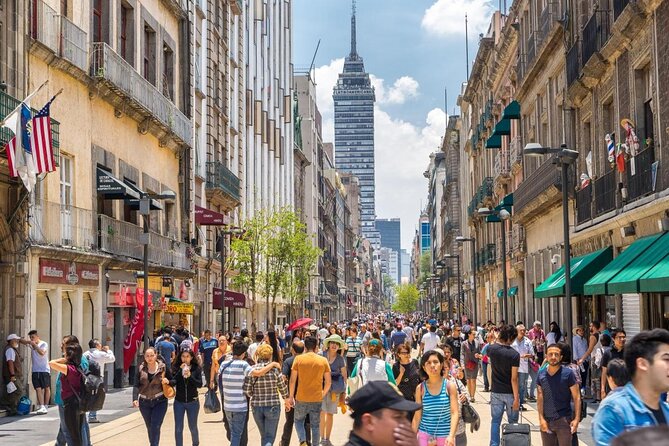
Next is the Zócalo, described as the biggest square in the hemisphere and the second biggest in the world. It’s the center of the center, and even if you’ve only seen it in photos, being there makes the scale feel real.
You’ll spend about 20 minutes here. That’s enough time to understand what it’s used for and why it’s such a central reference point in Mexican civic life. It’s also a good place to ask your guide how the day’s sights connect.
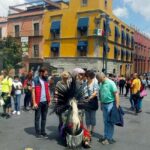
A practical note: central squares can get crowded, especially during public events. If you see crowds building, your guide will usually have a way to keep the flow moving.
Stop 8: Mexico City Metropolitan Cathedral, major church stories in stone
The final landmark stop is the Mexico City Metropolitan Cathedral, described as the most important church in the country with plenty of stories behind it. You’ll get around 20 minutes, listed as free admission.
Even if you’re not religious, cathedrals are often a masterclass in politics, art, and national identity. The guide’s job is to translate that into simple, human explanations—what this building represents and why people care.
The cathedral is also a natural wrap-up. By the time you reach it, you’ve seen civic power (Zócalo), institutional history (Palacio Postal, Palacio de Minería), and older roots (Templo Mayor ruins). The cathedral sits at a crossroads of those themes.
Guides who make it personal: English, pacing, and problem-solving
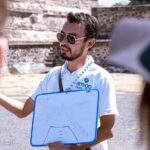
One of the most praised parts of this tour is the guide experience. Many reviews highlight the guide’s ability to explain history clearly, keep things friendly, and adjust the day if reality changes.
For example, I’d trust the vibe behind names like Brenda, Arthur, Ricardo, and Diana, who are repeatedly credited with strong explanations in perfect English, helping with photos, and making sure the group isn’t rushed. Daniel, Joss, Rosa Maria, and Rosa also show up in reviews as guides who take their time and answer questions without brushing you off.
The “real life” flexibility is another big plus. If there’s a parade, a protest, or heavy crowds in the central area, your guide can reroute or help you get back to easy transportation. One guide even used the subway to get a group safely to the tour start when crowds blocked access. That kind of competence matters when you’re walking in a major city center.
So if you like a tour where you can talk back and ask follow-ups, you’ll probably enjoy this format.
A couple of practical considerations before you book
This tour is built around quick visits and short windows in some places. That’s great for orientation, but it’s not the same as a long museum day.
Also, two issues can pop up:
- Some sites may have different entrance situations than expected or may charge at the time you arrive.
- Museum hours can affect what’s accessible on your chosen day.
If you’re traveling Monday (or any day you’re worried about closures), plan to treat the tour as a guided overview, and expect your guide to adjust if needed.
Finally, walking adds up. One reviewer mentioned stepping over 10,000 steps during a similar downtown day, which is a good reminder to pack for comfort even on a “short” tour.
How to get the most from this tour on your first day
This is a strong first-day activity for many people because it sets your bearings. After seeing the palace-to-cathedral line of landmarks, you’ll understand where neighborhoods sit and which areas you might want to revisit later.
To maximize your payoff:
- Pick a start time when you’re not rushing to dinner or a timed ticket later.
- Bring water and wear comfortable shoes, since you’re on foot for the whole loop.
- Write down two or three questions as you go. With a private guide, it’s easy to turn the tour from sightseeing into real understanding.
If your group includes adults who like history as well as people who just want great photos, this tour is a solid compromise. The guide balances stories with sights, and you get multiple “wow” buildings in a short span.
Should you book this private Mexico City downtown tour?
Yes, if you want a guided orientation of Mexico City’s historic center and you’d rather walk with an expert than figure out the story yourself. The value is strongest when you like architecture, public spaces, and short, informative stops that help you plan the rest of your day.
Skip it only if you want a long, slow museum experience or if you’re not comfortable with a walking-heavy route. If your goal is to sit for hours and go deep inside every building, you’ll likely want a different kind of tour.
For most visitors, though, a private two-hour downtown circuit starting at Palacio de Bellas Artes is an efficient, enjoyable way to get your footing in Mexico City.