REVIEW · MEXICO CITY
Mexico City: Queer Mexican History
Book on GetYourGuide →Operated by Mannu · Bookable on GetYourGuide
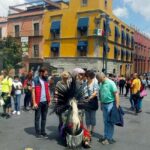
Queer history shows up in plain sight. This walking tour in Mexico City’s Historic Center connects public landmarks to LGBTQ+ stories you usually don’t hear, and you do it at street level, not in a lecture hall. You meet at Alameda Central Park (corner of Hidalgo Av. and Dr. Mora St.), and your guide is easy to spot—colorful umbrella in hand.
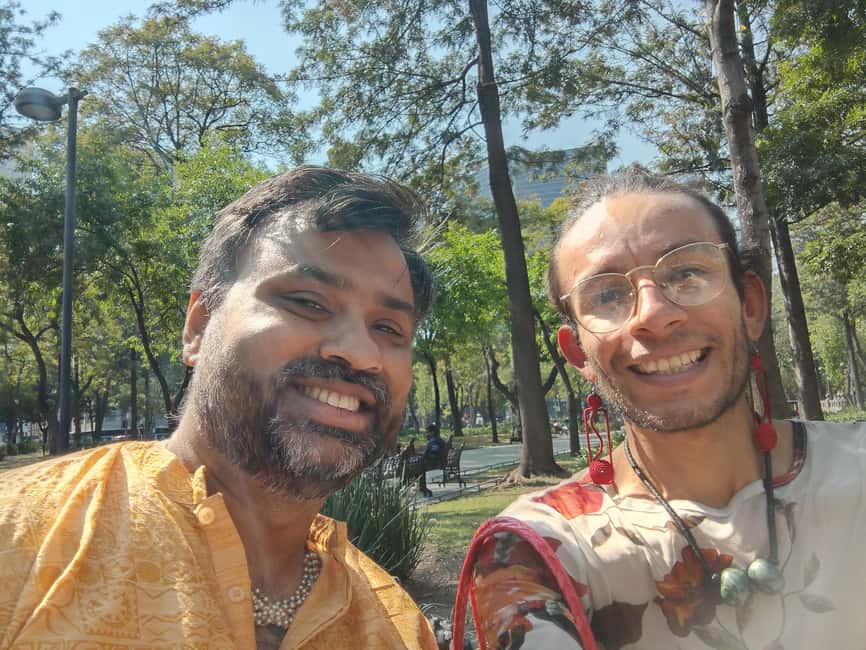
What I like most is the way the guide makes the past feel human, not dusty. I especially loved the warmth and clarity from guides like Mannu and Ada Narcissa, who manage to be both informative and kind, with room for humor when it fits. The second big win for me: you don’t just stop at old monuments—you also get pointed toward contemporary queer artists and activists, so the story doesn’t end in the past.
One thing to consider: this is a real walking route. It’s 150 minutes total, and while it’s structured, some people have said it felt shorter than expected—so I’d plan your day with a little buffer and bring what you need for sun and comfort.
In This Review
- Key highlights worth planning for
- Starting at Alameda Central: finding the guide and the tone of the tour
- Alameda Central and the walk that turns landmarks into stories
- Hemiciclo a Juárez: the first stop and the power of public memory
- Av. Francisco I. Madero to the Zócalo: where the story gets louder
- Palace of Fine Arts area: connecting art, identity, and public culture
- Templo Mayor Museum and the power of layers
- Finishing near Templo Mayor at La Casa de las Sirenas
- Price and pace: does $30 feel like good value?
- Who should book this, and who might skip it
- Practical tips that make the tour easier (and more fun)
- Should you book Queer Mexican History at the Historic Center?
- FAQ
- How long is the Mexico City Queer Mexican History walking tour?
- Where does the tour start?
- What languages are the tour guides available in?
- How big is the group?
- What should I bring or wear?
- Is this tour suitable for children?
- How much does the tour cost?
Key highlights worth planning for
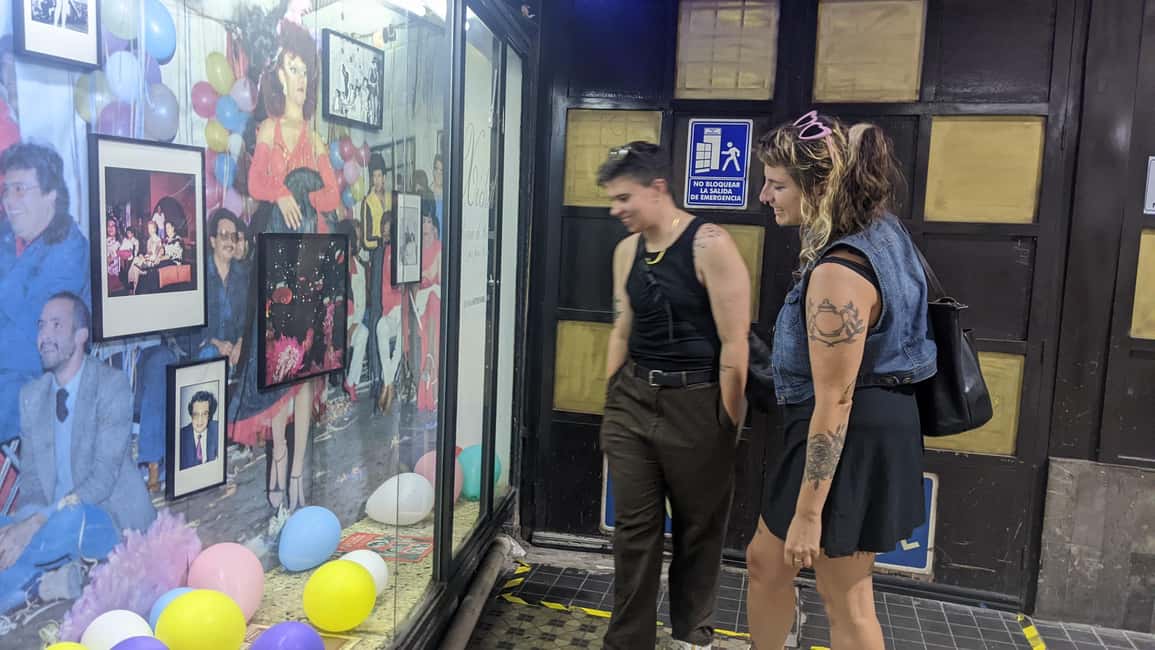
- Alameda Central meeting spot with a colorful-umbrella guide, right where the Historic Center energy starts
- Hemiciclo a Juárez as your first anchor point, using a major monument to talk about visibility and memory
- A long, meaningful walk up Av. Francisco I. Madero toward the Zócalo and Plaza de Constitución
- Palace of Fine Arts area time, where you’ll connect art and identity to the streets around it
- Templo Mayor Museum stop, adding depth under the surface of the city
- Finish at La Casa de las Sirenas, so you end near key Historic Center landmarks
Starting at Alameda Central: finding the guide and the tone of the tour
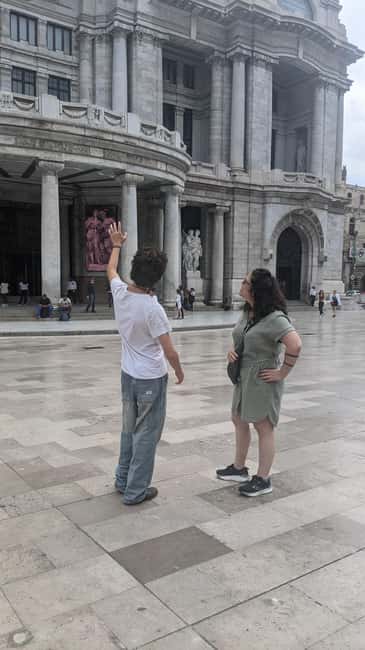
The tour begins at Alameda Central Park, at the corner of Hidalgo Av. and Dr. Mora St. I like this start because it’s central, easy to recognize, and it puts you right into Mexico City’s everyday rhythm. The guide holds a colorful umbrella, so even if you’re running late (it happens), you’re not stuck hunting around.
Right away, you get an introduction that sets expectations: this isn’t just trivia about famous names. It’s about how queer life and queer people fit into Mexico’s broader public story—who gets remembered, who gets erased, and how that shows up in the city’s spaces. The tone tends to be welcoming and respectful, and that matters because the tour deals with identity, history, and activism, not just architecture.
Practical note: this is built around walking. I’d treat this as a “good shoes” day. The tour strongly suggests you bring water, wear sunscreen, and even consider an umbrella—smart advice in a city where weather can flip fast.
You can also read our reviews of more city tours in Mexico City


Alameda Central and the walk that turns landmarks into stories
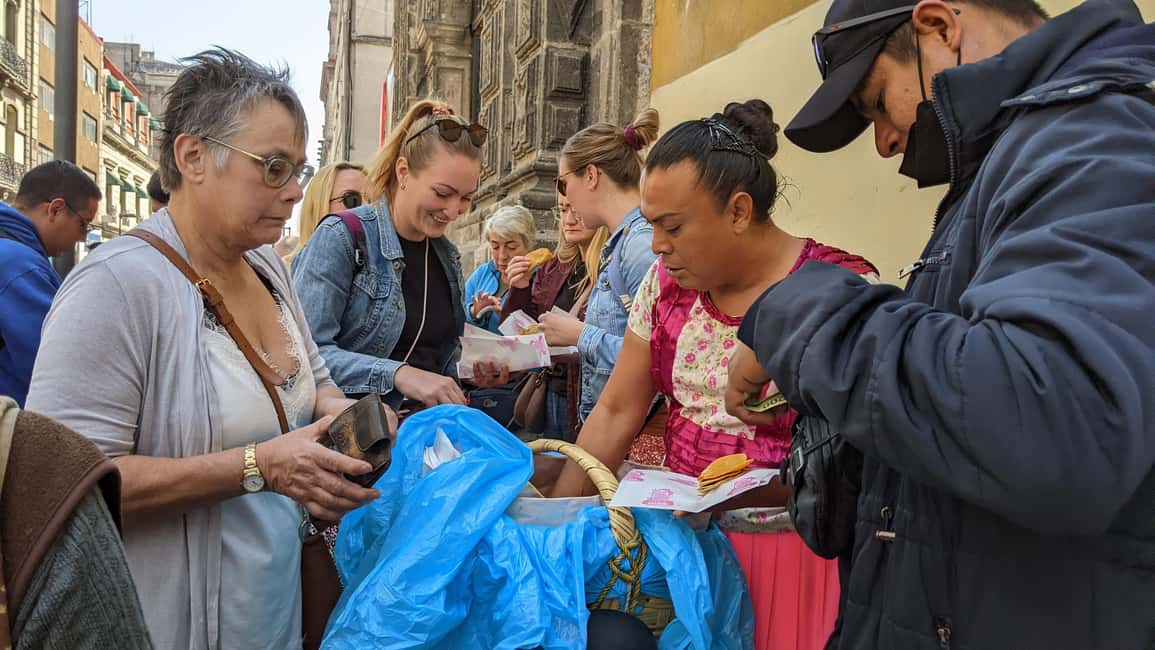
After you meet, you spend time in Alameda Central itself—about 35 minutes with guided context—before the first major stop. I find this kind of opening period really helpful. Instead of sprinting immediately to the most famous photo spots, you learn the framework first: how public spaces shape what people see, and how communities push back, create culture, and demand recognition.
Alameda Central is also a good place to start because it helps you get your bearings. You’ll be walking on one of the city’s most recognizable routes toward the Historic Center core. That’s important: the tour covers a lot of ground, and you’ll enjoy it more if you’re not constantly thinking about where you are.
If you’re an ally, this section is a gentle entry point. If you’re queer, it can feel like seeing your community’s fingerprints on places you thought were only about “general history.” Either way, the emphasis stays consistent: Mexico City’s queer story is not an add-on. It’s part of the main record, and the tour treats it that way.
Hemiciclo a Juárez: the first stop and the power of public memory
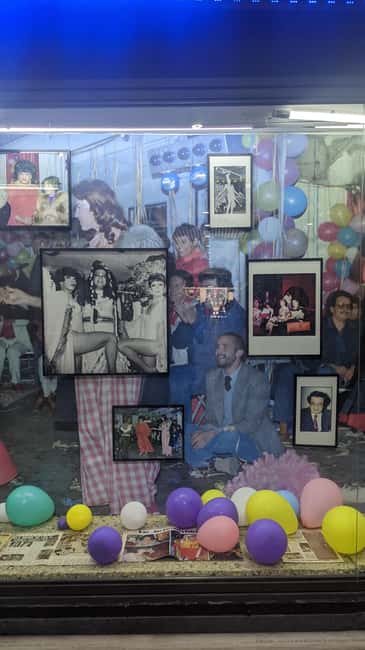
The first stop is Hemiciclo a Juárez, which is where the tour’s “history in public view” approach really kicks in. This kind of monument spot works well for a queer history angle because it forces a question you can’t ignore: who gets placed on pedestals, and what does that placement mean for the stories that never make it into stone?
Your guide uses this location to begin remembering important queer people in Mexican history. I like that the tour starts here instead of at a random side street. Big public landmarks are where history claims authority. When a guide links them to queer lives and recognition, the city feels different—in a good way.
Also, this early anchor helps the rest of the route make sense. Once you understand the “visibility and memory” lens, every next stop—street, plaza, museum—feels like another layer of the same conversation.
Av. Francisco I. Madero to the Zócalo: where the story gets louder
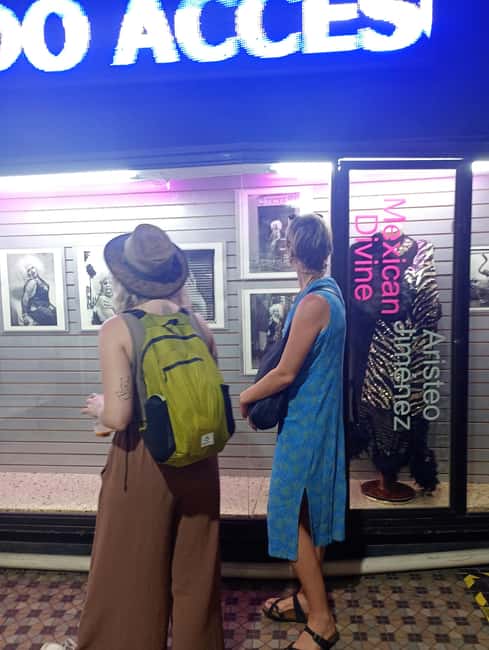
From there, you walk along Av. Francisco I. Madero toward the Zócalo or Plaza de Constitución. This stretch matters because it’s not just scenic—it’s symbolic. The tour uses this corridor to connect queer history to the heart of the city’s public life.
As you move, you’re not only looking at buildings. You’re listening for how the guide ties together identity, culture, and activism in a place where power and public gatherings concentrate. The route gives you a sense of scale: these aren’t isolated stories. They’ve played out in spaces where many people pass through, where governments present messages, and where social life happens.
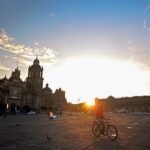
Then you reach the Zócalo / Plaza de Constitución area for sightseeing. This is where you’ll likely pause and refocus. For a tour like this, I think the Zócalo works because it’s a kind of city stage—one of the places where Mexico’s many identities collide. When the guide frames queer history here, you feel the contrast between what’s officially celebrated and what’s historically been marginalized.
If you want a quick self-check: while you’re standing there, ask yourself which stories you usually hear about this place. Then let the guide’s framing adjust your mental list.
Palace of Fine Arts area: connecting art, identity, and public culture
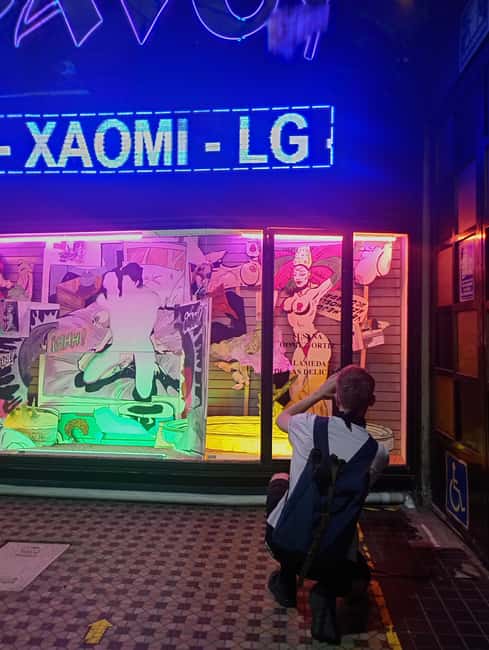
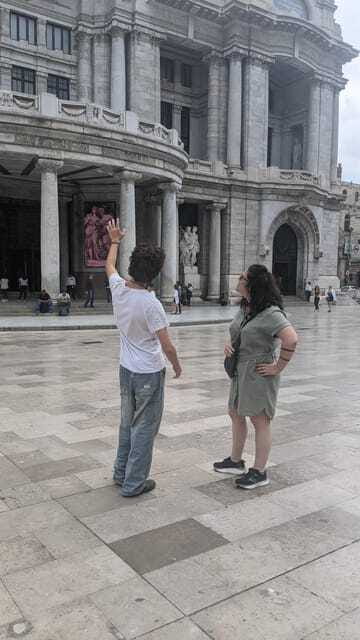
One stop includes sightseeing near the Palace of Fine Arts area, around 10 minutes. This is a shorter moment, but it’s a smart one. Art spaces and performance culture are where identities often find expression—especially for communities that had to create visibility in sideways ways.
Even with a brief stop, the tour’s focus stays practical: you’re learning about queer contemporary artists and activists as part of the ongoing story. That’s important because it prevents the common mistake of treating queer history like a sealed museum wing. The tour makes the case that creativity and activism keep rewriting the city’s narrative.
I also like that the guide’s style often mixes seriousness with a bit of lightness when it fits. One review I read praised this balance—serious history paired with a human, slightly funny tone. That kind of pacing is what keeps a walking tour from becoming a nonstop info dump.
You can also read our reviews of more historical tours in Mexico City




Templo Mayor Museum and the power of layers
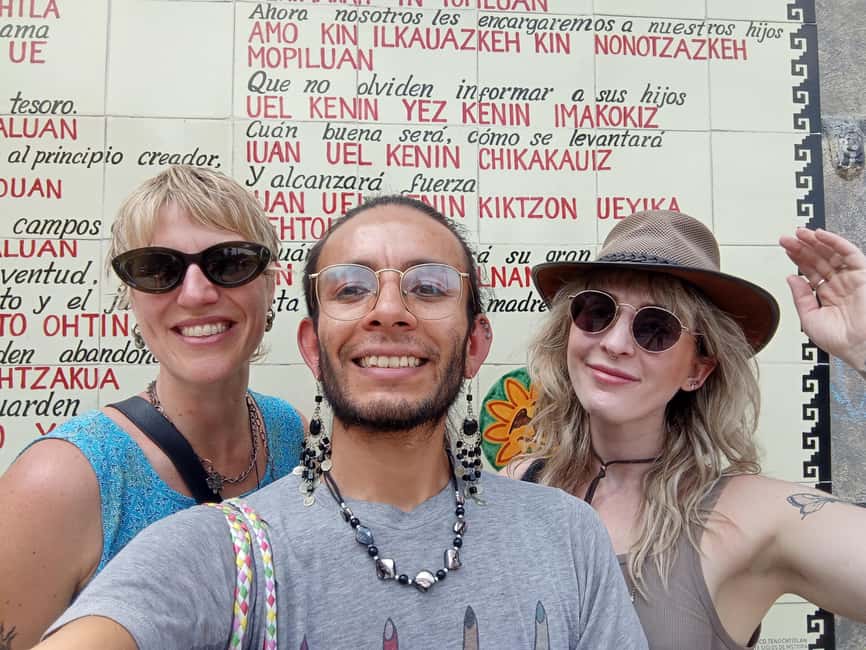
The tour continues to the Templo Mayor Museum area for sightseeing. This part adds depth because it isn’t only about modern Mexico City’s public story. It’s about layers—physical layers, cultural layers, and historical layers that overlap on the same ground.
What I find valuable here is the way museums and archaeology sites change your sense of time. You start seeing the city as something built over itself, shaped by different priorities across different eras. When queer history is brought into that frame, it nudges you to think beyond a single timeline.
The guide helps connect the “understanding your present by reading the past” idea to queer Mexican history—how people have lived, resisted, and left traces even when those traces were inconvenient for the official version.
Timing-wise, plan for pauses. Museum-area sightseeing usually means you’ll stop, look around, and listen while moving at a city pace. If you’re sensitive to crowds, aim to keep your water handy and take the guide’s cues calmly. This isn’t a race.
Finishing near Templo Mayor at La Casa de las Sirenas
The tour finishes behind the Metropolitan Cathedral, near Templo Mayor, at La Casa de las Sirenas. I like finishing here because it gives you a clear “end point” that feels connected to the route you just walked—historic core landmarks, plus a finish that doesn’t feel like the tour vanishes into the distance.
Leaving at La Casa de las Sirenas also makes it easier to keep exploring on your own afterward. You’re already in the right area to continue wandering if you want more sights, more food, or just more time soaking up the atmosphere. And because the tour ends near central landmarks, you’re not stuck far from transit.
Price and pace: does $30 feel like good value?
The price is $30 per person, and the duration is 150 minutes with a small group limited to 10. For me, the value comes down to two things: (1) a live English-speaking guide and (2) how much you cover in a way that actually teaches you something, not just moves you around.
Walking tours can be hit-or-miss if they’re mostly about photo stops. This one earns its keep by tying each area to queer Mexican history, plus contemporary queer artists and activists. That mix is why 2.5 hours works. You’re given enough time for context and stops, without dragging on into fatigue.
The small-group size also matters. When the group is limited to 10, guides can adjust to the pace you’re comfortable with. It tends to feel personal, which matches the guides’ reputation for being welcoming and warm.
As for pace, it’s a city walk. You’ll want that lunch recommendation: have a small meal before you start so you’re not thinking about hunger mid-story. And yes, comfortable shoes are not optional.
Who should book this, and who might skip it
This is a great fit if you want queer history tied to real places, not just names on a list. It’s also a strong choice if you like walking tours where the guide’s storytelling changes how you interpret the street scene.
It can also work for allies who want a more respectful, fact-based understanding of how LGBTQ+ communities are part of Mexico’s history. The tour’s tone—human, warm, and guided with care—makes it easier to learn without feeling like you’re intruding.
If you’re traveling with kids under 11, this one is not suitable. Also, if you’re expecting a mostly indoor experience or very slow pace, this tour isn’t built for that. It’s outdoors on foot, and you’ll get the most from it if you’re ready to walk.
Practical tips that make the tour easier (and more fun)
Here’s what I’d do to set yourself up for a smoother walk:
- Wear comfortable shoes you can actually keep on for a while.
- Bring water. This is a long enough route that dehydration will sneak up on you.
- Use sunscreen, especially for the open stretches you’ll cover toward the Zócalo area.
- Consider bringing an umbrella. The tour explicitly suggests it, and Mexico City weather doesn’t always play fair.
- Eat a small lunch before you go. A walking tour with history is mentally active, and hunger kills focus.
One more small tip: keep your pace steady and let the guide lead. This isn’t the kind of tour where you want to sprint ahead to get the perfect photo. You’ll miss the point if you do.
Should you book Queer Mexican History at the Historic Center?
If you care about queer visibility, Mexican public life, and how history is written into streets and plazas, I think you should book this. The biggest reason is the balance: you get serious reminders of important queer people and stories, and you also leave with a sense that queer culture now—artists and activists—belongs in the same conversation.
Also, the guides—like Mannu and Ada Narcissa, depending on the schedule—seem to consistently hit that sweet spot: warm, clear, and human. That combination matters when the subject is personal for many people.
So my advice is simple: if you can handle 150 minutes of walking and you want a grounded, respectful tour that connects the Historic Center to queer Mexican history, this is a strong choice at $30.
FAQ
How long is the Mexico City Queer Mexican History walking tour?
The tour duration is 150 minutes.
Where does the tour start?
You meet at Alameda Central Park, at the corner of Hidalgo Av. and Dr. Mora St.
What languages are the tour guides available in?
The tour is offered with a live guide in English and French.
How big is the group?
This is a small group tour limited to 10 participants.
What should I bring or wear?
Wear comfortable shoes. It’s also recommended to bring water, use sunscreen, and consider bringing an umbrella. A small lunch beforehand is a good idea too.
Is this tour suitable for children?
It is not suitable for children under 11 years old.
How much does the tour cost?
The price is $30 per person.