REVIEW · MEXICO CITY
Mexico City: Frida Kahlo Museum Tour
Book on GetYourGuide →Operated by Museos Mexico · Bookable on GetYourGuide
Casa Azul tells Frida’s story in person. This Frida Kahlo Museum Tour in Coyoacán is built around one place you can actually walk through, plus a guide who connects the artwork to the people and politics behind it. You also start (optionally) with coffee nearby, then finish back at the museum with time to see what you missed.
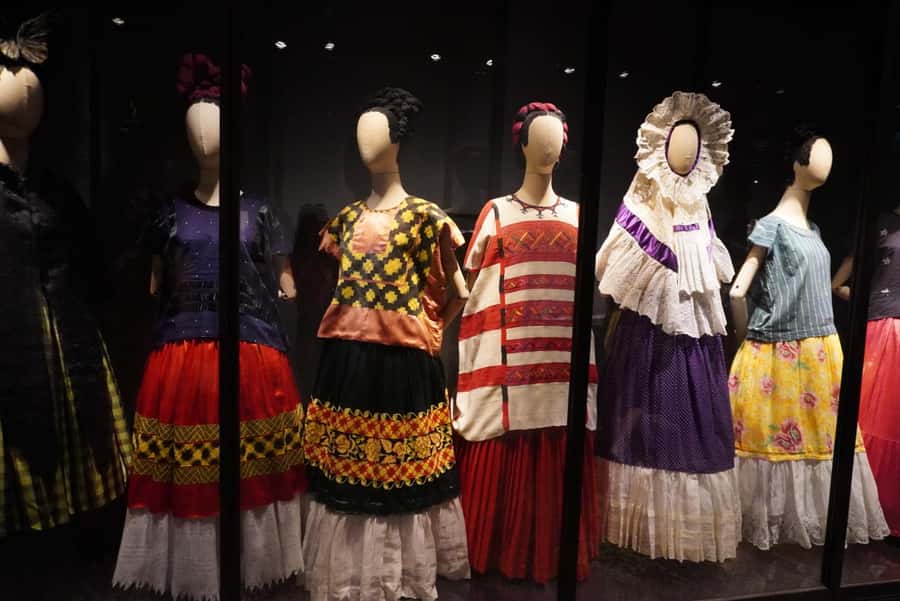
I love the guided storytelling—the kind that turns Frida’s life into something you can picture, especially when guides like Daniel, Armi, Leonor, or Ivan set the tone. I also love the up-close collection: original furniture, photographs, personal belongings, traditional clothing, and even her prosthetics, all preserved where she lived and worked.
One possible drawback: museum entry can depend on availability, and the visitor flow inside can vary by time and season. That means your pace may be a bit more fixed than you’d like, even with a plan.
In This Review
- Key highlights at a glance
- Casa Azul: where Frida’s story feels less like a lecture
- Starting your tour at the museum or a nearby coffee shop
- Guided orientation inside the Blue House (and why it’s worth paying for)
- What you’ll see in Casa Azul: personal rooms, artifacts, and symbolism
- The museum flow: how timing and season affect what you can do
- Garden access and temporary exhibitions: add context without extra stress
- Anahuacalli ticket: why pairing these two matters
- Price and value: what you’re really paying for at $84
- Who this tour is best for (and who should skip it)
- Practical tips so your visit goes smoothly
- Should you book the Frida Kahlo Museum tour?
Key highlights at a glance
- Casa Azul in Coyoacán: explore Frida’s house-museum, not a distant gallery stop
- Art + life connections from your guide: history, relationships, and politics woven together
- Original personal items and furniture: photographs, belongings, traditional outfits, and more
- Garden and temporary exhibitions included: get extra context beyond the core rooms
- Coffee stop near the museum: a regular beverage before you start (often a sanity saver)
- Anahuacalli access ticket included: pair two major stops in one day
Casa Azul: where Frida’s story feels less like a lecture
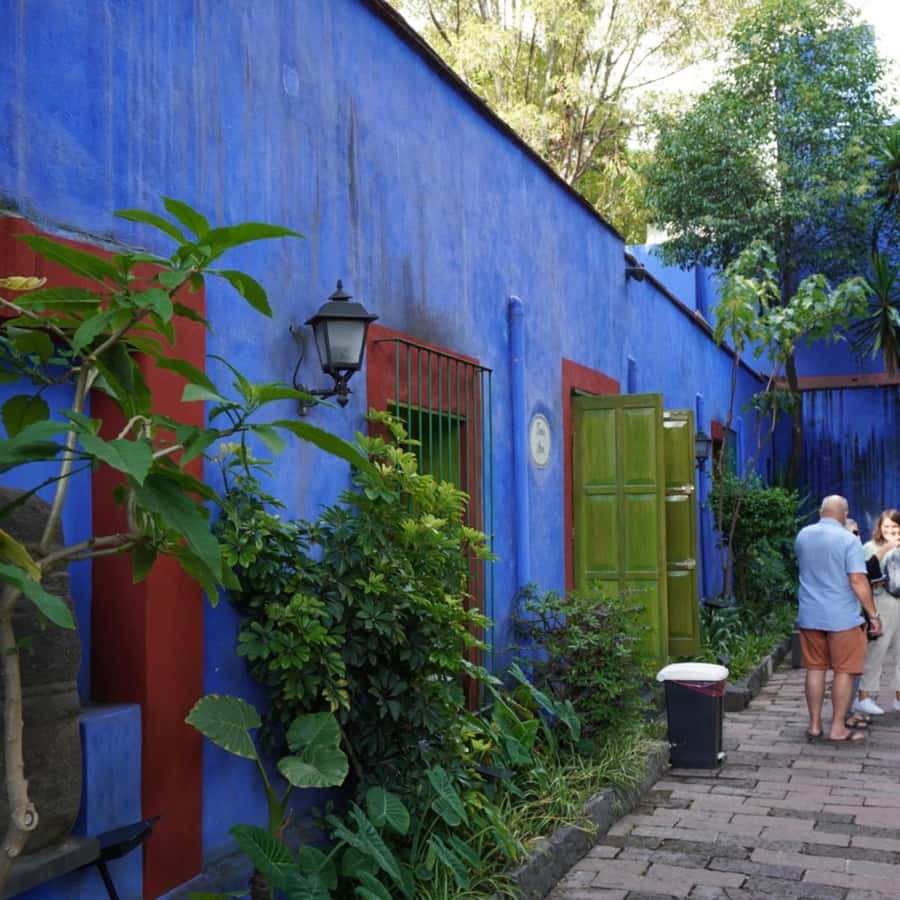
Casa Azul is the whole point. Instead of seeing Frida Kahlo as a name on a poster, you walk through the rooms that kept her identity in view—color, Mexican folk art details, and objects that helped her make sense of her life.
That setting matters because Frida’s art is tied to her body, her family, and her beliefs. A good guide helps you notice the “why” behind the symbolism without turning it into a quiz. You’ll also spend time looking at personal items and original furnishings that make the museum feel human, not curated-from-a-distance.
I like that this tour isn’t only about dates and paintings. It’s also about Frida as a daughter and sister, the Kahlo family’s influence, and the dynamics that shaped her days. When a guide brings Mexican history and Diego Rivera into the conversation, the house stops being a shrine and starts being a story you can follow.
You can also read our reviews of more city tours in Mexico City


Starting your tour at the museum or a nearby coffee shop
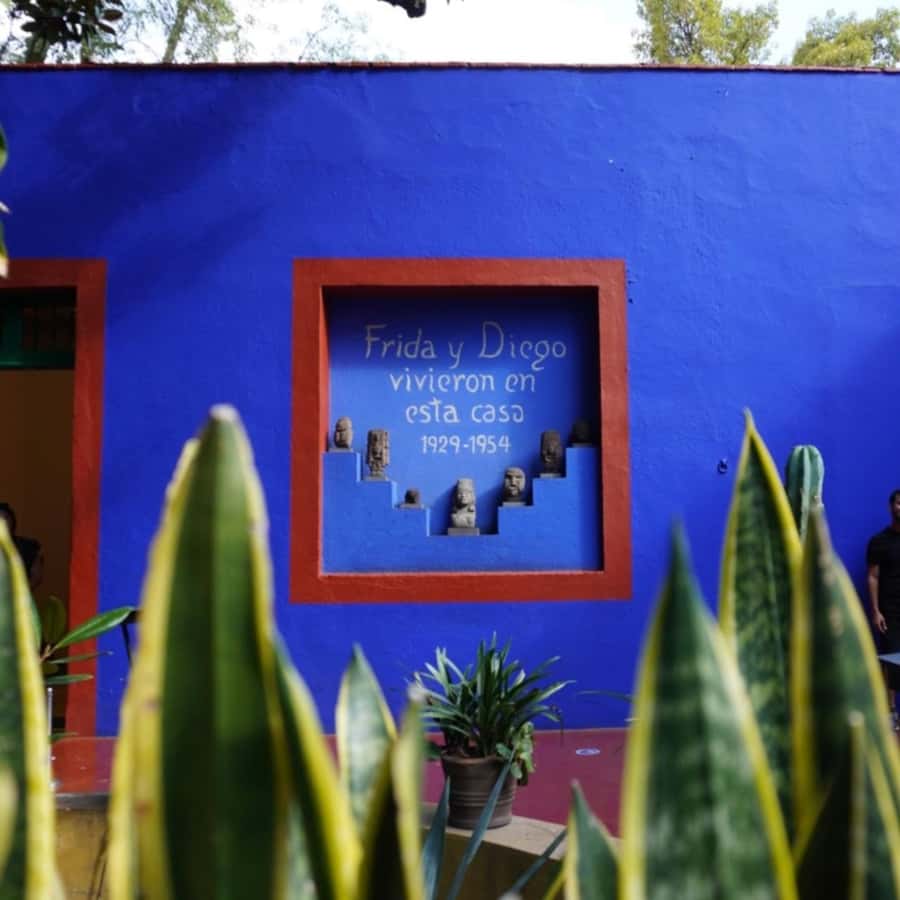
Your tour can start two ways: right at the Frida Kahlo Museum itself, or at a local coffee shop nearby. If you start with coffee, you get a regular beverage and about 15 minutes to get your bearings first.
Why this is practical: Coyoacán can make you feel rushed even when you’re early. A quick coffee break gives you time to calm down, refill water habits, and get your hat/sunscreen on before you’re standing in museum lines or walking the neighborhood.
If you start at the museum, you’ll still benefit from the guide’s first orientation. The meeting point is set by your guide, so don’t assume it’s a single obvious spot from a map pin. Plan to arrive with a little buffer.
Guided orientation inside the Blue House (and why it’s worth paying for)
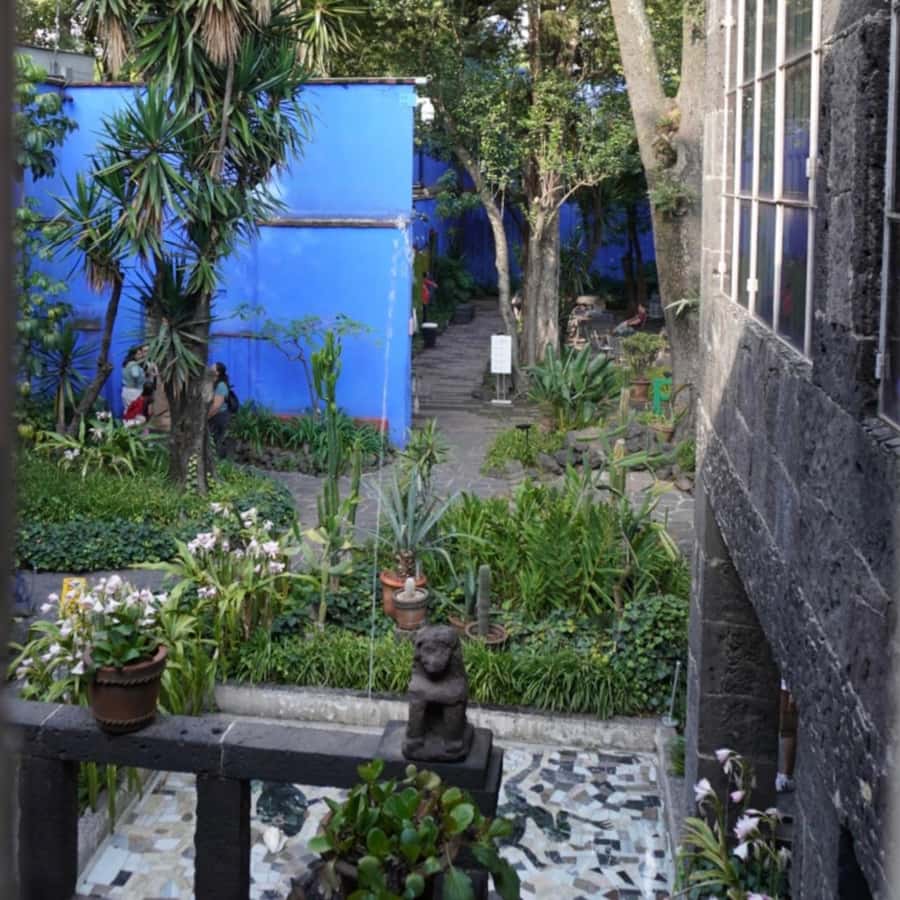
The museum experience improves a lot once someone narrates what you’re seeing. This tour includes a live guide in English or Spanish, and the strongest guides do something simple: they translate Frida’s rooms into context.
From what I’ve learned about the tour’s guides, the best ones combine clear explanations with warmth and even humor. I’ve heard names like Armi and Leonor paired with enthusiastic delivery, and Daniel and Ivan described as strong at tying Frida’s personal struggles to her art and to broader Mexican history.
That kind of guidance matters because Casa Azul can feel busy if you go in cold. You might see a lot of details—clothing, objects, furniture, photographs—but still miss the thread that connects them. Your guide helps you follow that thread, especially around:
- how Frida lived with disability
- how she used art as expression and resistance
- how relationships, including Diego Rivera, show up in the story
Also, the tone is often described as engaging rather than rehearsed. That’s a big deal in a museum like this, where the building encourages lingering.
What you’ll see in Casa Azul: personal rooms, artifacts, and symbolism
The tour centers on the lived-in feel of Casa Azul. You’re not just walking past exhibits—you’re moving through preserved spaces where Frida’s identity shows up in multiple ways.
Here’s what to expect to look for while you’re inside:
Original furniture and personal belongings
This is a major part of why this museum hits harder than a standard art viewing. You’ll see personal objects preserved as part of the house-museum story. Instead of thinking about Frida as distant, you’re faced with the physical world she surrounded herself with.
Photographs and artwork
Your guide will help you connect images and works to key periods of her life. Even if you already know the famous pieces, the added context can change how you interpret them.
Traditional clothing and prosthetics
This is where the tour becomes emotionally direct. Seeing her traditional outfits and prosthetics gives the experience a grounded reality. Your guide’s job is to explain how those items relate to her resilience and creative choices—without turning it into melodrama.
The iconic bed with mirror
One specific detail that stands out in the house-museum experience is the bed with a mirror. Whether or not you already know this detail, the guide can show you why it matters for understanding how Frida viewed herself and her world.
A practical note: photography is allowed, but flash photography is not. And selfie sticks are not allowed. If you care about photos, plan your shots without relying on extra gear.
The museum flow: how timing and season affect what you can do
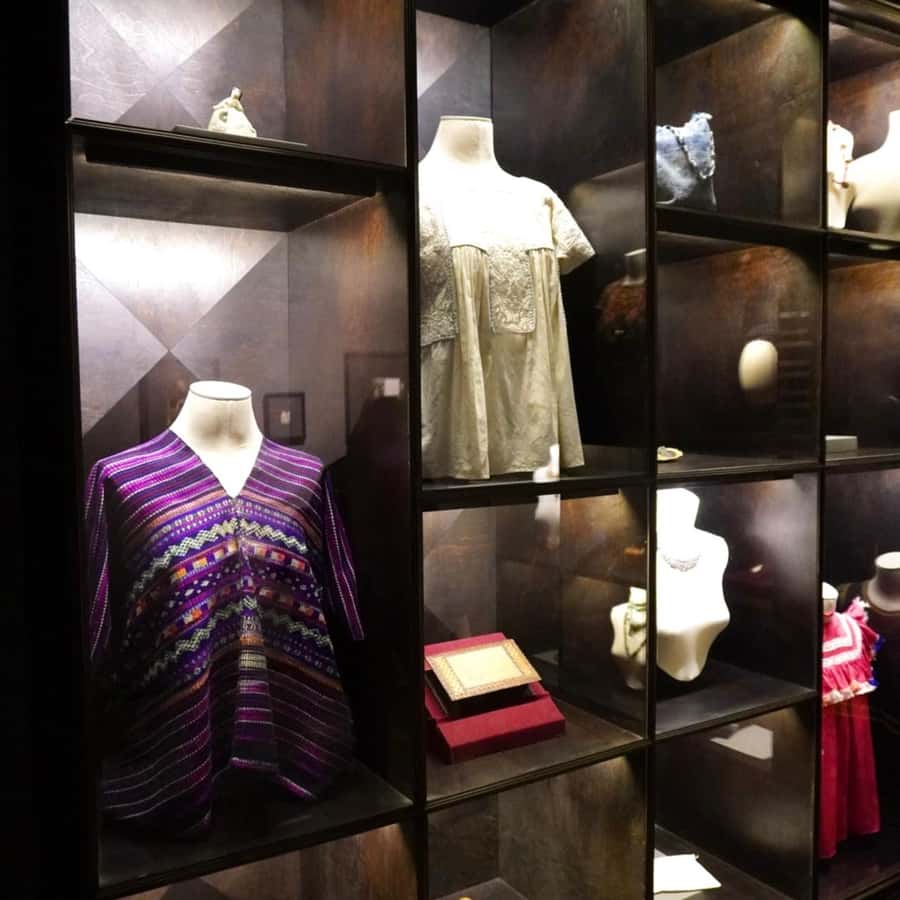
Casa Azul is a popular stop, and the museum’s internal visitor flow can shift depending on the time and season. That’s important because it affects how much “slow looking” you can do even with a guide leading the way.
This tour also includes a mix of guided explanation and room time. Many people enjoy the balance because they get context first, then can return to details on their own. If you’re the type who likes to take notes, take photos, or linger in one room, aim to be ready to move when the guide moves—then slow down again during your independent time.
One more practical point: the house-museum environment means comfortable shoes matter. You’ll be on your feet, and you’ll want to move smoothly between rooms and areas like the garden.
You can also read our reviews of more museum experiences in Mexico City


Garden access and temporary exhibitions: add context without extra stress
The tour includes access to the garden and temporary exhibitions. That’s not a throwaway add-on. The garden helps you breathe between heavier themes, and temporary exhibitions can offer extra angles on Frida’s legacy.
If you’re trying to manage your day tightly, this part is a nice way to expand your understanding without adding another ticketed stop you have to plan separately.
Also, because photography restrictions are on-site, consider using the garden area for photos you’d normally take in a crowded courtyard. The garden can be a calmer break while still staying within the same museum visit.
Anahuacalli ticket: why pairing these two matters
This tour includes an Anahuacalli access ticket. That makes the experience more than a single-house visit.
Anahuacalli is useful to pair with Casa Azul because it helps you keep the broader picture in mind: Mexican art traditions, symbolism, and cultural themes that circle around Frida’s world. You don’t need to force a full “art history day.” You just need a second stop that keeps the story moving.
If you’re short on time in Mexico City, having both tickets packaged into one guided experience can save energy. You’re already in Coyoacán territory—so it’s a smart way to structure a half-day instead of hopping across the city.
Price and value: what you’re really paying for at $84
At $84 per person for a 2–4 hour experience, you’re paying for three things that matter more than they sound:
1) Admission is included, so you’re not juggling ticket math
2) A live guide does the hard work of linking what you see to what it means
3) Extras are included: coffee beverage and an Anahuacalli ticket, plus garden and temporary exhibitions
If you were to visit Casa Azul on your own, you could still enjoy the house-museum. But you’d likely spend more time trying to connect the dots yourself. This tour’s value is that the dots are already drawn for you—then you get to look at the originals again and form your own conclusions.
The most praised element of the experience is usually the guidance itself. Guides like Daniel, Armi, Leonor, Ivan, and Sophie are repeatedly described as energetic, clear, warm, and good at connecting Frida’s struggles and relationships to her artwork and to Mexican history. That kind of interpretation is hard to replicate with a simple audio guide.
Who this tour is best for (and who should skip it)
This tour suits you if you:
- want context while you’re standing in the rooms
- enjoy art that’s tied to real life, not just technique
- like a guide who can answer questions and keep the pace moving
- appreciate a balance of guided time and independent exploration
It’s not suitable if you have mobility limitations or use a wheelchair. The information you’re given for the experience is clear on this point.
If you’re sensitive to crowds or you need complete control over timing inside museums, note the variability of entry flow by season. You can still enjoy it—you just might need to be flexible.
Practical tips so your visit goes smoothly
A few things to do before you go:
- Wear comfortable shoes. The house-museum experience is walk-heavy.
- Bring water, sunscreen, and a hat. Coyoacán sun can be relentless.
- Bring a camera, and remember no flash.
- Avoid backpacks and selfie sticks. Plan to carry only what you need.
Timing matters too. The museum has a punctuality tolerance of 15 minutes, so I’d aim to arrive early rather than negotiating the clock.
And yes, you should plan a little extra time to explore Coyoacán after. The neighborhood around Casa Azul is part of the reward.
Should you book the Frida Kahlo Museum tour?
Book this tour if you want Casa Azul to feel like a story instead of a checklist. The guide component is where the value concentrates, and the included extras (garden, temporary exhibitions, coffee, and the Anahuacalli ticket) make it easier to shape a half-day without extra planning.
Skip it or think twice if:
- you need wheelchair-friendly access
- you’re determined to control every minute of your pacing inside the museum
- you’re planning to bring items that are not allowed (backpacks, selfie sticks, and flash photography)
If you like your art grounded in real people and real pressure—family, politics, disability, and identity—this is one of the best ways to see Frida Kahlo in a place that still holds her mark.